How to Reduce Frizzy Hair: 8 Proven Ways to Smooth and Nourish Strands
Knowing how to reduce frizzy hair starts with keeping your hair hydrated and healthy. Frizz happens when dry cuticles lift up, letting moisture escape. Use gentle shampoos and conditioners that moisturize without stripping natural oils.
Another quick fix is to trim your hair every 8 to 10 weeks. This stops split ends from traveling up and causing more frizz.
Also, avoid rubbing your hair roughly when wet. A soft squeeze with a towel works best.
Air-drying or drying hair until 90% dry before finishing with a blow-dryer helps too. This way, heat damage is less likely, and your strands stay smooth. You’ll notice less frizz and easier styling when you follow these simple steps.
Key Takeaways
- Trim your hair every 8 to 10 weeks to reduce split ends and frizz.
- Use sulfate-free shampoos and moisturizing conditioners for hydration.
- Dry hair gently with a towel; avoid harsh rubbing to prevent frizz.
- Air-dry or rough-dry until hair is 90% dry before using a blow-dryer.
- Apply leave-in conditioners on damp hair to lock in moisture.
- Drink plenty of water and eat foods rich in omega-3 and vitamins E and biotin.
1. How to Reduce Frizzy Hair Effectively at Home
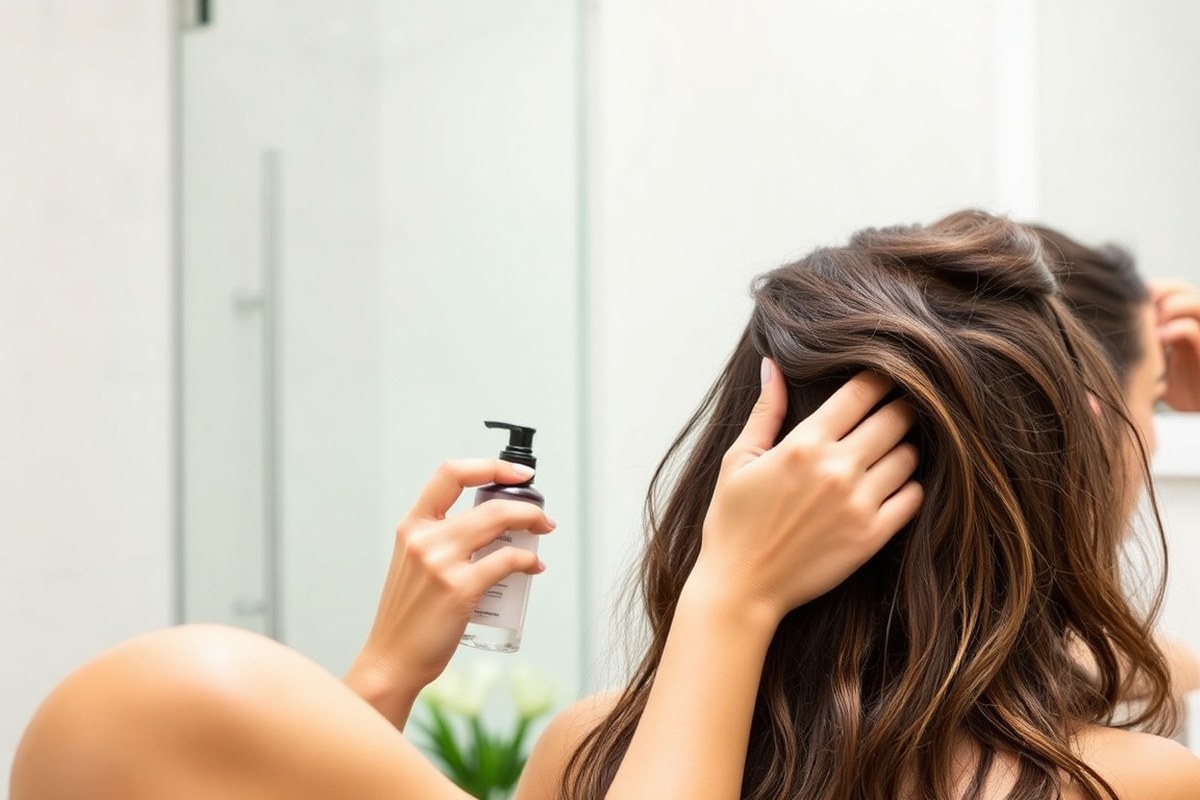
Frizz happens when hair cuticles lift, letting moisture in and swelling strands. The best way to fight frizz starts right after your shower. Your hair should be damp when you begin treating it.
This helps lock in moisture. Applying the right products and drying gently helps seal moisture and smooth strands.
Start with removing tangles gently, so you don’t break hair or add frizz. Use a soft towel or cloth shaped like a turban to dry. Don’t rub your hair to avoid damage and frizz.
Pat it gently instead. This lowers friction, which cuts down frizz before you even style.
- Detangle gently. Use a wide-tooth comb or your fingers on damp hair to avoid breakage. Start at the ends and work up slowly.
- Apply a lightweight leave-in conditioner. Work a quarter-sized amount through damp hair, focusing on the ends. This keeps hair hydrated and easier to style.
- Add a small amount of argan or natural oil. Rub a few drops in your palm, then smooth over the surface of damp hair. This seals strands and tames flyaways.
- Use a styling gel on frizz-prone areas. Apply a little gel where you usually see frizz. This holds strands together without stiffness.
- Towel dry by wrapping hair in a towel turban. Let hair sit this way for about 10 minutes to soak up excess water. Avoid rubbing your hair with the towel.
- Air dry or use a blow dryer on low heat.Blow dry with a diffuser or use a brush with firm bristles. These tools help control hair and reduce frizz. They add the right tension. Keep the heat setting low to stop damage.
- Limit touching your hair while drying. Over-touching can break the style and cause more frizz.
Applying products to damp hair is key because hair cuticles are still smooth. Waiting till your hair dries makes products spread unevenly. They won’t lock in moisture well on dry hair.
Apply products while your hair is damp. Low-heat drying or air drying cuts damage that lifts cuticles and causes frizz.
These methods usually take about 15 to 20 minutes after bathing. Leave-in conditioners or argan oil cost between $10 and $25. A good bottle lasts for months with regular use.
These products help control frizz. When hair looks soft, smooth, and shiny without flyaways, you’re doing it right. Avoid putting on too much product or rubbing hair hard.
This causes more frizz instead of smoothing hair. Use products sparingly and gently.
2. What Causes Frizzy Hair and How Hair Type Matters
The Hair Cuticle and Moisture Loss
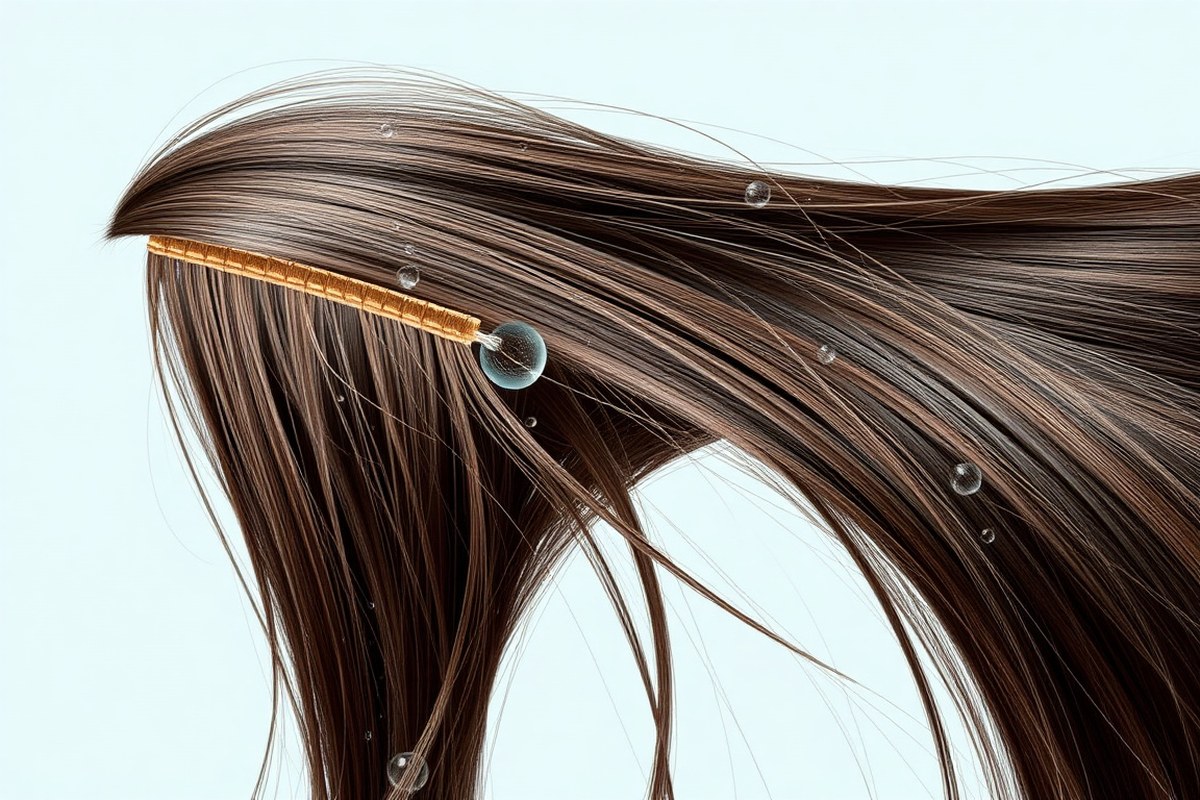
Frizz happens when your hair’s cuticle is raised and rough. The cuticle is the outer layer of the hair strand made of overlapping scales. When these scales lift, moisture escapes or enters the hair.
This causes the hair shaft to swell. The swelling makes the hair look frizzy.
Moisture loss makes hair drier and weaker, increasing frizz and brittleness. Heat styling, harsh shampoos, and environmental exposure all damage this cuticle layer. Protecting the cuticle helps hair retain moisture and reduces frizz buildup.
Differences Between Straight, Wavy, Curly, and Coily Hair
Straight hair has flat cuticles that lay smooth, making it less prone to frizz. Wavy hair has a slight bend that can lift the cuticle more easily. Curly and coily hair have a twisted shape.
This shape makes them naturally dryer. Raised cuticles happen more often in this hair type.
Curly hair frizzes differently because its bends create gaps where moisture enters and exits unevenly. Coarse hair often feels rough because the thicker strand has more cuticle layers, which lift easily. These hair types benefit from gentle, low-friction care that preserves their natural pattern and moisture.
How Porosity and Damage Affect Frizz Levels
Porosity measures how well hair absorbs and retains moisture. High porosity hair has gaps and cracks in the cuticle, letting moisture in and out quickly. This makes it frizz more, especially in humid weather when excess moisture enters easily.
Damage from heat or chemicals worsens porosity by breaking the cuticle. This keeps hair dry and rough, causing split ends and fuzziness. Regular trims can reduce damage and lower frizz.
Get haircuts every three to four months. This timing helps stop split ends from growing out.
Use a satin or silk pillowcase to cut friction at night. This friction can lift the cuticle while you sleep. It’s especially helpful for curly or coily hair.
3. Choosing the Right Shampoo and Conditioner for Frizzy Hair
Pick a shampoo and conditioner that hydrate without stripping your hair. Choose sulfate-free shampoos with anti-frizz ingredients to fight dryness and humidity. The right conditioner adds moisture and smooths hair cuticles, reducing friction and frizz.
Essential Ingredients to Look For
Look for shampoos and conditioners that contain humectants and emollients. Ingredients like glycerin and shea butter attract moisture and seal it inside your hair. Silicone derivatives like dimethicone create a thin layer on hair.
This layer smooths the surface and keeps humidity out. It helps reduce frizz and keeps hair manageable.
Keratin and panthenol also help strengthen hair, reducing breakage that causes frizz. Natural oils like argan or jojoba mimic your scalp’s oils to add shine. Here’s a checklist of the main anti-frizz ingredients to find:
- Glycerin or hyaluronic acid for hydration
- Shea butter or coconut oil for moisture
- Dimethicone or cyclopentasiloxane for smoothing
- Keratin or hydrolyzed proteins to strengthen
- Panthenol (pro-vitamin B5) to repair and soften
Shampoos with these elements protect your hair from humidity and dryness. Conditioners enriched with these ingredients make detangling easier and reduce friction.
Ingredients to Avoid in Hair Products
Sulfates, like sodium lauryl sulfate, can strip away natural oils. This dry out your hair and worsen frizz over time. For frizzy hair, pick sulfate-free shampoos to keep your scalp hydrated and your strands soft.
Also skip heavy silicones that don’t wash out easily. They can weigh down fine hair and cause buildup. Avoid alcohols that are drying, especially those ending in “anol” like isopropanol.
- Sulfates (sodium lauryl sulfate, sodium laureth sulfate)
- Non-water-soluble heavy silicones (e.g., amodimethicone without cleansing agents)
- Drying alcohols (isopropanol, propanol)
By avoiding these ingredients you’ll protect your hair’s natural moisture balance. This helps keep your hair smooth, shiny, and manageable longer.
How to Match Products to Your Hair Type
Fine hair benefits from lightweight, moisturizing shampoos and conditioners. These shouldn’t weigh it down but still provide hydration. Look for “light” or “volumizing” labels with humectants and gentle oils.
Coarser or thicker hair needs richer formulas with more oils and butters. These provide extra moisture and help smooth thick, frizzy strands. Creamy conditioners and richer leave-ins work well here.
- Fine hair: Lightweight, moisturizing, gentle formulas
- Thick/coarse hair: Rich, oily, creamy moisture products
- Curly hair: Extra hydrating products with curl-improving oils
Always use lukewarm water while washing to avoid stripping oils. Rinse well and apply conditioner on mid-lengths to ends, where frizz usually starts. Gently pat dry with a microfiber towel to prevent rough friction.
4. Drying Techniques and Tools That Minimize Frizz
Drying your hair wrong can make frizz worse. Rubbing hair hard with a cotton towel lifts the cuticle. Use a microfiber towel or cotton t-shirt to press hair gently.
These materials cut friction and keep the cuticle smooth. Hair dries with less fuzz and damage this way.
Using a blow dryer makes frizz more likely if you don’t use the right attachments. A diffuser softens the air flow, helping curls stay bouncy without puffing up. A nozzle attachment on your dryer directs hot air in a stream.
This focused heat smooths strands for straight hair. It helps reduce frizz while drying fast. Avoid high heat settings to protect your hair.
Keep the dryer moving while using it. This stops your hair from drying out or raising the cuticle.
Air drying is easy and gentle but has pros and cons. It keeps moisture in your hair and avoids heat damage.
Still, letting hair dry on its own in humid weather can make frizz worse. In dryer climates or inside with air conditioning, air drying usually helps reduce frizz.
Drying methods and tools affect frizz and hair health differently. Some tools cause more damage while others help smooth hair. Choosing the right way can reduce frizz significantly.
| Drying Method or Tool | How it affects frizz | Why it matters | Key tip |
|---|---|---|---|
| Microfiber towel or cotton t-shirt | Reduces frizz by cutting down friction | Less rubbing means cuticle stays smooth | Press gently, don’t rub |
| Cotton bath towel | Increases frizz by lifting cuticle | Harsh rubbing disrupts curls and strands | Use only for soaking up excess water |
| Blow dryer with diffuser | Softens air flow, keeps curls defined | Prevents hair from puffing or drying out | Use low heat and medium air speed |
| Blow dryer with nozzle | Focuses hot air to smooth strands | Great for straight hair to reduce frizz | Keep dryer moving, avoid high heat |
| Air drying | Retains moisture, avoids heat damage | Can cause frizz in humid conditions | Air dry indoors or in dry climate |
Some people find microfiber towels dry hair faster, saving minutes in the morning. They cost about $10 to $15 and last for years if washed with gentle detergent. Ending your shower with cold water can help seal the cuticle.
This makes the hair surface smoother and less frizzy. Cold water helps keep your hair looking sleek. That’s a quick fix before drying to reduce frizz.
Keep the blow dryer at least six inches from your hair to avoid heat damage. Using styling serums alongside these drying techniques can lock in moisture and smooth the cuticle more. With gentle drying and the right tools, you’ll see less puffiness and a smoother finish.
5. DIY Anti-Frizz Masks and Natural Treatments to Try
Using natural ingredients like coconut oil, honey, and aloe vera can calm frizzy hair. These homemade masks add moisture and smooth your hair strands well. Leave them on your hair for 20 to 30 minutes to see good results.
Avocado and Honey Nourishing Mask
Avocado is rich in healthy fats that deeply nourish dry hair. Honey works as a humectant, attracting moisture into the hair strands. Together, they reduce roughness and improve softness.
- Mash half a ripe avocado until smooth.
- Mix in 1 tablespoon of honey until well combined.
- Apply the mixture evenly from roots to ends.
- Cover your hair with a shower cap or wrap.
- Leave it on for 20 to 30 minutes.
- Rinse thoroughly with lukewarm water and shampoo.
Too much avocado may weigh the hair down, so use sparingly.
Coconut Oil and Aloe Vera Hydrating Treatment
Coconut oil helps seal moisture in and smooth the cuticle. Aloe vera adds hydration and soothes the scalp, reducing frizz from dryness. Slightly warming coconut oil makes it easier to apply and absorb.
- Warm 2 tablespoons of coconut oil until slightly runny.
- Stir in 1 tablespoon of honey and 1 teaspoon of aloe vera gel.
- Distribute the mixture evenly through damp hair.
- Massage it gently into your scalp.
- Cover with a shower cap and leave for 20 to 30 minutes.
- Rinse well with a mild shampoo to remove residue.
Don’t leave this mask on longer than 30 minutes to avoid buildup.
Olive Oil and Yogurt Protein Repair Mask
Olive oil penetrates hair shafts to moisturize and add shine. Yogurt provides protein to help strengthen damaged, frizzy hair. This mask suits hair needing a boost in both moisture and repair.
- Mix 2 tablespoons of olive oil with 3 tablespoons of plain yogurt.
- Apply the blend to clean, damp hair from roots to ends.
- Comb through to spread the mask evenly.
- Wrap your hair in a warm towel or cover with a shower cap.
- Let it sit for 25 to 30 minutes.
- Rinse thoroughly and shampoo as usual.
Use this once weekly, as too much protein can make hair stiff.
6. Daily Hair Care Habits to Prevent and Control Frizz
Washing your hair two to three times a week helps control frizz best. Washing too often strips natural oils, making hair dry and frizzier. Use lukewarm water to wash your hair.
Hot water can dry out your hair. It also opens the cuticles, causing frizz.
Brush only when your hair is tangled, not all day long. Use a wide-tooth comb or a brush made for wet hair to avoid breakage. Apply a little leave-in conditioner or oil before brushing to soften strands and reduce static.
- Wash hair 2-3 times weekly with lukewarm water
- Brush hair only when necessary, using a wide-tooth comb
- Apply leave-in conditioner or light oil before brushing
- Avoid touching hair during the day to prevent frizz
- Reapply leave-in conditioner or oil sparingly as needed
- Use gentle, downward strokes when brushing to smooth hair
Add a leave-in conditioner during the day. Or use a small amount of oil. This helps keep your hair hydrated.
This extra moisture stops your hair from grabbing humidity, which causes frizz. Use only a small amount of product on your hair.
Too much can weigh down fine or thin hair. Apply carefully to avoid heaviness.
Using these daily habits will give you better control over frizz. Watch for your hair’s needs and adjust how often you wash or reapply products. Following the right routine improves your hair’s look.
It will be smoother and less fluffy. Stick to your hair type’s needs.
7. Protecting Hair Overnight to Wake Up Frizz-Free
Sleeping with the right protection can cut down frizz and keep your hair smooth. Silk pillowcases and protective bonnets reduce friction, preventing cuticles from lifting and causing frizz. Fragile ends need gentle handling to avoid split ends and dryness overnight.
Keeping moisture locked in while you sleep is key. Silk surfaces don’t absorb hair oils like cotton, so your strands stay hydrated. Protective hairstyles reduce movement and tangling, which breaks fragile ends and creates frizz.
- Switch to a silk or satin pillowcase. These fabrics reduce rubbing against hair overnight. Silk pillowcases typically cost between $15 and $30. They feel smooth and help your hair stay hydrated.
- Wear a silk bonnet or scarf. Wrap your hair loosely before bed to shield strands from friction. This is especially helpful if you toss and turn while sleeping.
- Gather your hair into a loose pineapple.For curly or frizzy hair, pull your hair up loosely. Use a satin scrunchie to avoid damage. Place it on top of your head. This prevents tangling while keeping your curls defined.
- Apply a small amount of leave-in conditioner or oil. Focus on the ends to lock in moisture. This softens fragile tips and reduces the chance of breakage overnight.
- Trim split ends regularly. Split ends travel up the hair shaft and cause frizz. Getting a trim every 6 to 8 weeks helps keep ends healthy and smooth.
- Avoid tight hairstyles while sleeping. Tight ponytails or braids can stress fragile ends and increase breakage. Keep overnight styles loose for best results.
8. When to Consider Professional Treatments for Frizzy Hair
Keratin and smoothing treatments coat your hair with protein to reduce frizz and add shine. They usually last about three to five months, depending on your hair type and care routine. These treatments work well if you want a longer-lasting fix beyond daily styling tricks.
Deciding if a keratin treatment is right means thinking about your hair goals and type. You have very frizzy, thick hair and want a sleeker look. These treatments can help if you don’t want to keep natural curls.
Curly hair you want to stay bouncy might not suit these treatments. They can make your hair heavy. They might also loosen your curls.
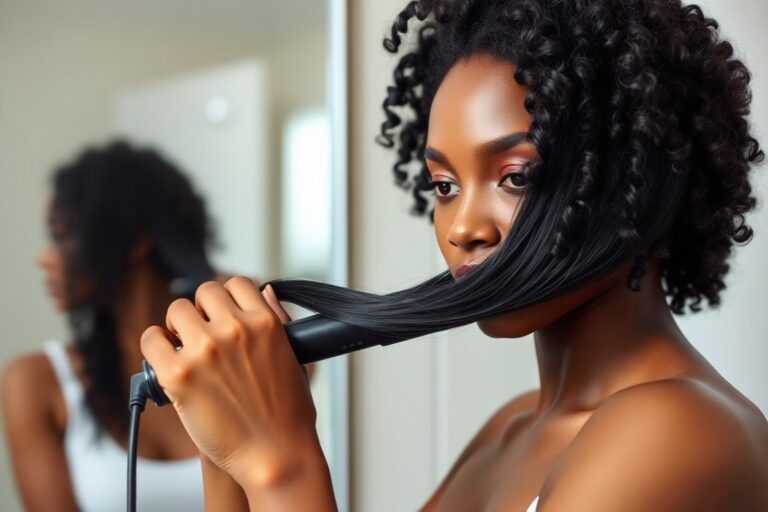
During treatment, a stylist puts keratin on your hair. Then they seal it with a flat iron.
The iron heats up to about 450°F. This process can take two to four hours, depending on hair length and thickness. Costs usually range from $150 to $300, varying by salon and location.
There are some safety concerns to keep in mind. Formaldehyde or similar chemicals sometimes in keratin products can cause irritation or breathing issues. Always ask your stylist about ingredients, ventilation, and their experience with these treatments.
People with fragile or damaged hair should be careful. Seeing a dermatologist first is a good idea. This helps avoid more damage.
Good results mean hair feels soft and smooth. You’ll see fewer flyaway strands. Styling your hair each day will be easier.
Problems happen if the product isn’t spread evenly. Overheating from the stylist can cause damage.
Not following aftercare rules also causes issues. Staying away from chlorine and sulfate shampoos helps keep the effect longer.
Speak with a trusted stylist before you get a keratin treatment. Make sure it matches your hair health. Confirm it fits your styling goals.
Step-by-Step Action Plan to Tackle Frizz
Start controlling frizz with simple steps. Follow this plan to see clear results fast.
- Day 1: Switch to a sulfate-free shampoo and conditioner made for frizzy hair. Notice softer, less tangled strands.
- Week 1: Dry your hair by blotting with a microfiber towel or a cotton T-shirt. Your hair should feel less rough and poofy.
- After 2 Weeks: Use one DIY anti-frizz mask each week, like avocado and honey. Your hair will look shinier and feel smoother.
- Week 3: Change your brushing habit. Use a wide-tooth comb on wet hair and a boar bristle brush on dry hair. Frizz should reduce noticeably.
- Week 4: Use a small amount of leave-in serum at night. Apply it before bed. Sleep on a satin pillowcase. Wake up with less flyaways and less breakage.
- After 1 Month: If frizz sticks around, book a professional consultation. A stylist can offer treatments that fit your hair type and needs.
Frequently Asked Questions
How Often Should I Get My Hair Trimmed to Reduce Frizz?
Getting your hair trimmed every 8 to 10 weeks helps reduce frizz by removing split ends. Split ends lose moisture faster, which makes frizz worse and hair look fuzzy. Regular trims keep hair healthier and smoother over time.
Can Drinking Water Really Help with Frizzy Hair?
Yes, drinking plenty of water hydrates your hair from the inside out. Staying hydrated supports your scalp and follicles, which reduces dryness that causes frizz. Eating foods with omega-3s and vitamins also nourishes your hair.
Does Brushing Help Eliminate Frizz or Cause More Damage?
Brushing can help reduce frizz if you use a quality brush suited for your hair type. It detangles gently, preventing breakage. Rough brushing or using the wrong brush can break strands and make frizz worse.
Is Apple Cider Vinegar Effective for Smoothing Frizzy Hair?
Apple cider vinegar can smooth frizz by balancing your hair’s pH and sealing the cuticle. This makes your hair surface look sleeker and less frizzy. Use diluted ACV as a rinse, but avoid daily use to prevent dryness.
What Role Does Genetics Play in Frizzy Hair?
Genetics affects your hair’s natural texture and porosity, which influence frizz levels. Some people naturally have hair that is more prone to frizz and dryness. Knowing your hair type helps you pick the best care routine.
Can Wearing a Satin Bonnet Reduce Overnight Frizz?
Yes, satin bonnets reduce friction between your hair and pillowcase, preventing frizz while you sleep. They help keep hair smooth and moist longer. Using satin or silk pillowcases can also support frizz control overnight.
Key Points to Remember
Frizz can feel impossible, but careful steps make a big difference. Try just one change to start and watch your hair improve. Use what you learn here to get smoother, easier-to-manage hair every day.