How to Choose the Right Shampoo: A Complete Guide for Your Hair Type
How to choose the right shampoo starts with understanding your hair’s needs. You want a formula that cleans well without stripping natural oils. Choose a shampoo that suits your hair and scalp type for best results.
First, figure out if your scalp is oily, dry, or normal. This helps you decide how often to wash and which shampoo ingredients to use.
For example, oily scalps often need shampoo every 1 to 2 days. Dry scalps do better every 3 to 4 days.
Look for shampoos that balance cleaning power and gentleness. Avoid harsh ingredients that cause dryness or irritation. Stick with one product for 3 to 4 weeks.
This helps you tell if it works on your hair. Don’t switch too soon to see real results.
Key Takeaways
- Identify if your scalp is oily, dry, or normal before choosing shampoo.
- Wash oily scalps every 1 to 2 days to manage excess oil.
- Use shampoos with gentle ingredients to avoid dryness and irritation.
- Avoid switching shampoos too quickly; test each for 3 to 4 weeks.
- Dry scalps generally need washing every 3 to 4 days to maintain moisture.
- Choose shampoos with known active ingredients like 1% ketoconazole for scalp issues.
How to Identify Your Hair and Scalp Type First
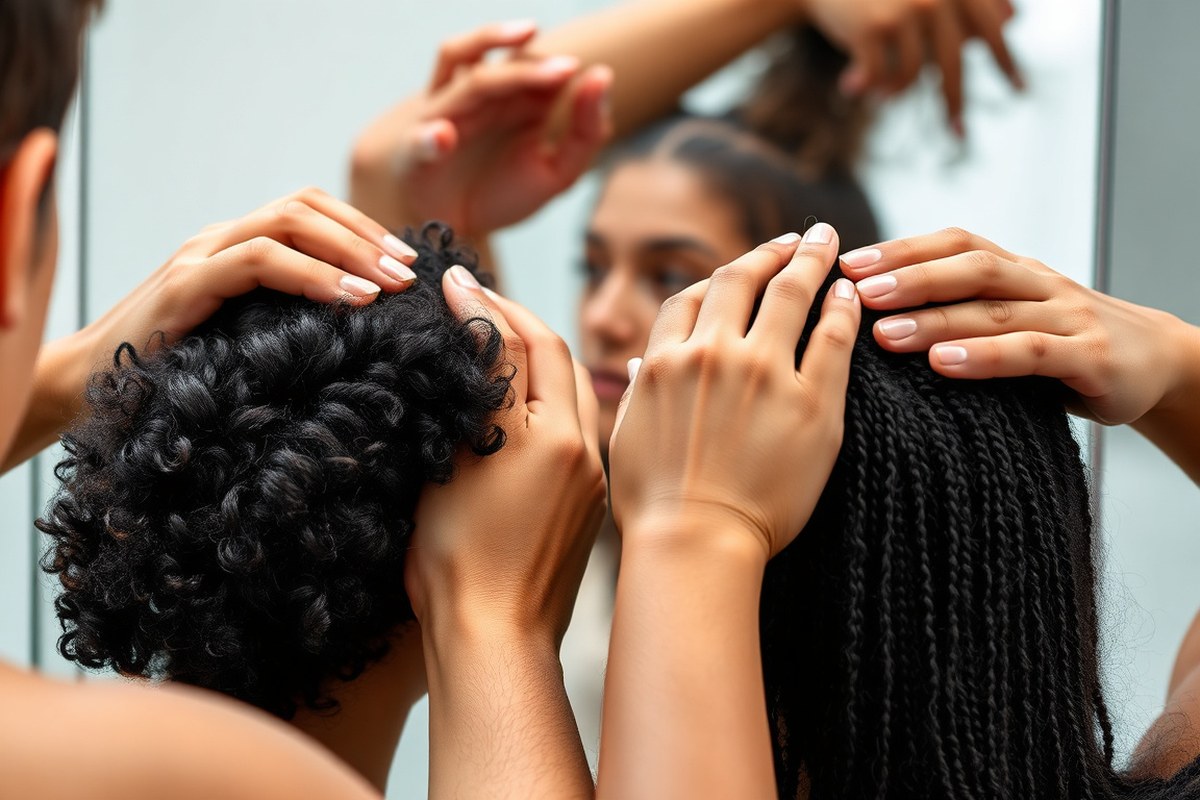
Knowing your hair texture, curl pattern, and scalp condition helps you choose the right shampoo. Hair textures include straight, wavy, curly, and coily.
Your scalp can be oily, dry, normal, or sensitive. These differences affect which shampoo ingredients and formulas will work best for you.
Start by washing your hair with your usual shampoo. Wait two days without washing or adding any product.
During this time, observe your scalp and hair. This sets a baseline so you can see your natural hair and scalp condition clearly.
Follow these steps to identify your hair and scalp type correctly:
- Check your hair texture: Take a small section from the top of your head. Let it air dry without styling or product. See if your hair lies completely flat or has slight bends. It may form loose curls or tight coils. Note what your hair looks like naturally.
- Identify your curl pattern: Use the section you checked for texture. Look closely at your hair to find its curl type. Label it 1 for straight, 2 for wavy, 3 for curly, or 4 for coily. You can do this by comparing with reference images online for curl patterns.
- Feel your scalp: Gently press your fingers on the scalp areas after the two-day no-wash period. Your scalp feels slick or greasy when it is oily. Your scalp is dry or sensitive if it feels tight, itchy, or flaky. Your scalp is normal if it feels comfortable without oil or flakes.
- Observe how your hair behaves: Notice if it looks limp and greasy soon after washing. That usually shows an oily scalp. Or, if it feels dry, frizzy, or brittle (dry scalp). This helps confirm your scalp condition and what shampoo would support it best.
- Note any scalp issues: Look for redness, bumps, or flaking beyond normal dandruff. Sensitive scalps will react badly to harsh shampoos with fragrances or sulfates.
- Compare scalp and hair types: Your hair texture and scalp condition may not match perfectly. For example, you could have curly hair but an oily scalp. Both must be considered in your shampoo choice to avoid issues like dryness or excess oil.
This process takes about three days, considering the wait time and observation. It costs you only your time and a mirror.
The clearer you identify your hair type, the simpler shampoo choice becomes. This helps you keep your scalp balanced and hair healthy.
Choosing a shampoo without this knowledge often leads to dryness, oiliness, or irritation. Being precise helps you avoid shampoos that weigh hair down or strip natural oils.
Matching Shampoo Types to Your Hair and Scalp

Choosing shampoo depends on your scalp and hair type. Each scalp condition needs different shampoo benefits. Hair texture and treatments also change your best shampoo option.
Oily, Dry, and Sensitive Scalp Formulas
Oily scalps need clarifying shampoos that remove buildup without drying out your hair. Dry scalp benefits from moisturizing shampoos that add and lock in moisture. You have a sensitive scalp.
Choose sulfate-free shampoos that clean gently. They avoid irritation.
Combination scalps are oily at roots and dry at ends. Use shampoo for your scalp. Apply conditioner to your dry ends.
Daily washing with gentle clarifying shampoos removes oil buildup without stripping essential oils. Ingredients like argan oil help keep both scalp and hair healthy by reducing breakage and moisturizing.
| Scalp Type | Recommended Shampoo | Key Benefits |
|---|---|---|
| Oily | Clarifying shampoos | Eliminates buildup, controls oil |
| Dry | Moisturizing shampoos | Provides lasting moisture, softens hair |
| Sensitive | Sulfate-free, gentle shampoos | Reduces irritation, gentle cleansing |
| Combination (Oily scalp, dry ends) | Clarifying shampoo plus conditioner | Controls oil, moisturizes ends |
Choosing the right shampoo for your scalp can prevent irritation and buildup. Match your scalp’s natural oil levels and sensitivity for healthier hair.
Use gentle shampoos on sensitive scalps to avoid itching and flaking.
Shampoo Solutions for Straight, Wavy, Curly, and Coily Hair
Straight and wavy hair usually needs lightweight shampoos that cleanse without weighing hair down. Curly and coily hair benefits from moisturizing and strengthening shampoos that reduce frizz and breakage. Hair texture affects how much moisture and protein your shampoo should provide.
Fine hair does better with volumizing shampoos. Coarse hair requires hydrating and smoothing formulas. Curly and coily hair needs shampoos with natural oils and creams.
These keep curls soft. They help curls stay defined. Always consider how your hair density and thickness impact your shampoo choice.
Recommendations for Chemically Treated and Colored Hair
Shampoos made specifically for color-treated hair help extend color life and prevent fading. These formulas are usually sulfate-free and pH balanced, around 4.5 to 5.5, to protect the hair cuticle. They are gentle and avoid harsh chemicals that strip color or damage.
Chemically treated hair, including bleached or permed hair, requires shampoos with extra moisture and nourishment. Look for products with natural ingredients like amla to soothe the scalp and support hair strength. Using the wrong shampoo on treated hair can lead to dryness, dullness, and faster color fade.
Which Ingredients to Look for and Avoid
Picking the right shampoo means knowing which ingredients help your hair and which hurt it. You want to avoid harsh chemicals that dry out your scalp or weaken your hair. Look for natural oils and mild ingredients that keep hair strong and hydrated.
Common Harmful Ingredients to Avoid
Sulfates are strong detergents that strip your hair of natural oils. They clean well but can leave your scalp dry and hair brittle. Parabens and formaldehyde releasers are preservatives linked to irritation and scalp sensitivity.
Avoid shampoos with these harsh chemicals to protect scalp health. Alcohols with short chains, like isopropyl alcohol, can also dry out your hair and scalp. Many chemical fragrances are irritating and offer no real benefit.
- Sulfates (SLS, SLES), cause dryness and irritation
- Parabens, linked to sensitivity and possible hormone disruption
- Formaldehyde releasers, may irritate and cause allergic reactions
- Short-chain alcohols, dry out scalp and hair
- Artificial fragrances, potential irritants with no moisturizing benefit
- Silicones (in cheap form), may build up and weigh hair down
Steering clear of these ingredients helps prevent hair breakage and scalp problems. Harsh shampoos can worsen dry scalp or cause hair to become dull and limp.
Beneficial Ingredients to Seek Out
Natural oils like argan, coconut, or jojoba hydrate and nourish dry hair and scalp. Humectants such as glycerin and aloe vera draw moisture into hair strands. Keratin helps fill in damaged areas and strengthens hair from within.
Look for shampoos with soothing agents like panthenol (provitamin B5) or tea tree oil. These calm inflammation and support scalp health. Ingredients should match your hair type to work well.
Fine hair needs lightweight oils, while thick dry hair needs richer blends. Choose accordingly for best results.
- Natural oils (argan, jojoba, coconut), moisturize and protect
- Humectants (glycerin, aloe vera), boost moisture retention
- Keratin, strengthens and repairs damaged hair
- Panthenol (provitamin B5), soothes and adds shine
- Tea tree oil, calms itchy, irritated scalp
- Botanical extracts, may improve scalp condition without harsh chemicals
Pick shampoos with ingredients that replenish moisture and soothe the scalp. That keeps hair looking healthy and feels soft without weighing it down.
Understanding Sulfate-Free Versus Regular Shampoos
Sulfate-free shampoos clean your hair more gently than those with sulfates. They leave natural oils mostly intact, which helps prevent dryness and frizz. These shampoos may foam less, but they still remove buildup effectively.
Regular shampoos with sulfates provide a stronger cleansing action. That’s useful if you use heavy styling products or have very oily hair. However, they can strip color-treated or sensitive hair more quickly.
- Sulfate shampoos, deeper clean but can cause dryness
- Sulfate-free shampoos, gentler, better for dry or color-treated hair
- Foam level differs but does not equal cleaning power
- Oily scalp tolerates occasional sulfate use better
- Dry or damaged hair benefits from sulfate-free options
Choose sulfate-free if you want to protect moisture and reduce irritation. Use shampoos with sulfates if you need a stronger clean occasionally, but watch for dryness.
How Often to Wash Based on Shampoo and Scalp
How often you wash your hair depends on your scalp type and the shampoo you use. Oily scalps usually need washing more often because excess oil builds up quickly. Dry scalps need less washing to keep natural oils.
These oils protect your skin and hair. Washing too often strips these oils away.
Shampoo types also play a role. Clarifying shampoos remove buildup on oily scalps. They help you wash your hair more often.
This keeps your scalp feeling fresh and clean. Gentle or moisturizing shampoos suit dry scalps better. So washing less often helps keep hair hydrated and scalp comfortable.
Overwashing can cause dryness and irritation. Underwashing may lead to oil and dirt buildup, causing discomfort and dull hair.
- Oily scalp: wash every 1 to 2 days with a clarifying shampoo.
- Normal scalp: wash every 2 to 3 days using a gentle shampoo.
- Dry scalp: wash 1 to 2 times per week with a moisturizing shampoo.
- Damaged or stressed hair: limit washing to 2 times per week with antioxidant-infused shampoo.
- Scalp prone to buildup: use clarifying shampoo once a week, gentle shampoo on other days.
- Active lifestyles (sweat/oil): increase frequency but avoid harsh shampoos.
Stick with the schedule that suits your scalp type and hair condition. Balance is key to healthy scalp and hair. Cut back on washing when your hair feels dry.
Itchy scalps also need less frequent shampooing. This helps your scalp heal and stay healthy. Wash more often when your hair looks oily.
Using a clarifying shampoo can help too. Both options keep your scalp clean and light. Watch how your scalp reacts, your best schedule may change with seasons or activity.
Signs You’re Using the Wrong Shampoo and How to Fix It
Your hair feels dry, frizzy, or your scalp itches? You may be using the wrong shampoo.
Harsh sulfates strip natural oils, causing dryness and irritation. On the flip side, shampoos for oily hair can leave dry scalps even drier.
Dull, lifeless hair could mean your shampoo is too harsh or not moisturizing enough. These shampoos remove oils your hair needs. Oily hair after washing can mean your shampoo cleans too much.
It might also mean your scalp is making extra oil to balance out. Switching shampoos too fast can worsen these problems.
- Use a gentle, sulfate-free shampoo if you notice dryness or itchiness.
- Pick a moisturizing shampoo for dull or brittle hair.
- Your scalp gets oily soon after washing? Try a clarifying shampoo once a week only.
- Change shampoos gradually over 1-2 weeks to allow your scalp to adjust.
- Use lukewarm water for washing to avoid drying out your scalp.
- Limit shampooing to 2-3 times weekly to maintain natural scalp oils.
- Condition your hair after shampooing to restore moisture and smoothness.
Changing shampoos abruptly can shock your scalp. Instead, mix your new shampoo with the old one for the first few washes. That way, your scalp adapts slowly to the new formula.
Watch for any changes like redness, flaking, or increased oiliness. These signs help you decide to continue or try a different shampoo.
Test a new shampoo on a small scalp spot before regular use. This helps avoid allergic reactions or irritation.
Fixing shampoo-related problems takes patience and attention. Avoid over-washing or using harsh shampoos with sulfates. Your scalp needs oils to stay balanced, which protect hair health.
Picking a shampoo with the right ingredients for your type slows down damage. Expect your scalp to settle in about two weeks after switching shampoos. Your hair will look cleaner, shinier, and feel softer once you get it right.
When and How to Use Medicated and Specialty Shampoos
Medicated shampoos treat specific scalp problems like dandruff, irritation, and hair fall. You should use them only as directed and avoid daily use unless the label says otherwise. Applying them properly helps clear issues without over-drying or irritating your scalp.
Common Medicated Shampoo Types
Shampoos with antifungal agents fight dandruff caused by fungus. Anti-dandruff shampoos reduce flakes and soothe itchiness. Others include anti-inflammatory formulas to calm redness and irritation from scalp conditions.
Some medicated shampoos are designed to reduce hair fall by strengthening follicles. These contain ingredients that maintain scalp health and improve hair strength. Look for active ingredients like ketoconazole, selenium sulfide, zinc pyrithione, or salicylic acid.
Guidelines for Safe Usage and Frequency
Use medicated shampoos only as often as the label or your doctor suggests. Overuse can dry out your scalp or cause more irritation. Usually, 2 to 3 times a week works well for dandruff or mild scalp issues.
Applying the shampoo correctly matters. Lather it on your scalp and leave it for around 5 minutes before rinsing. This lets the active ingredients work fully.
Avoid applying them daily unless advised. Always follow product instructions carefully.
Here’s how to use medicated shampoo for dandruff or hair fall:
- Wet your hair completely with warm water.
- Apply a small amount of shampoo, focusing on the scalp.
- Massage gently for 1 to 2 minutes to spread the shampoo evenly.
- Let it sit on your scalp for about 3 to 5 minutes.
- Rinse thoroughly with warm water to remove all shampoo.
- Repeat only if the label recommends a second wash.
- Use a conditioner if your scalp feels dry, avoiding the roots.
When to Consult a Dermatologist
Seek professional advice if your scalp pain or flaking persists beyond four weeks. Sudden or patchy hair loss also calls for a dermatologist’s evaluation. Medical help is critical for sores or open wounds on the scalp.
If your dandruff shampoo stops working, fungal resistance might be causing the issue. A doctor can prescribe stronger treatments or suggest alternative therapies. Don’t keep using a shampoo that worsens your symptoms or irritates skin.
Building a Hair Care Routine Around the Right Shampoo
Shampooing works best as just one part of caring for your hair. Using the right conditioner after shampooing locks in moisture and smooths the hair cuticle. Masks and leave-in sprays help based on what your hair needs.
They add hydration to dry hair or protein if hair is damaged. Choose one that fits your hair’s condition.
Applying shampoo correctly helps clean your scalp without stripping natural oils. Focus shampoo on your scalp, not hair ends, where conditioner does the work. Rinsing thoroughly prevents residue that can weigh hair down or cause irritation.
- Wet your hair with warm water to open the cuticles and loosen dirt.
- Use a quarter-sized amount of shampoo, adjusting for hair length and thickness.
- Massage shampoo gently into your scalp with fingertips for about 30 seconds.
- Rinse thoroughly with warm water, removing all shampoo to avoid buildup.
- Apply conditioner from mid-length to ends, avoiding the scalp to prevent greasiness.
- Leave conditioner on for 2 to 5 minutes, then rinse with cool water to seal cuticles.
- Use a hair mask once or twice a week for deep hydration or repair.
- Finish with a leave-in spray or serum to protect and style as needed.
Shampoo alone costs about $5 to $15 per bottle on average. Conditioners and masks can add $10 to $30 each. Spending more on good conditioner or masks can help your hair.
These products offer extra care when hair needs more attention. The better quality often gives better results.
Good results mean hair feels clean but not dry or straw-like. It should look shiny and be easy to comb or style. Mistakes like using too much shampoo or skipping conditioner often cause dryness or dullness.
Adjust your routine based on your hair type. Dry hair benefits from richer conditioners and masks.
Oily scalps may need a clarifying shampoo occasionally and lighter conditioners. Colored hair needs shampoos and conditioners made to protect color and add moisture.
How to Interpret Shampoo Labels and Marketing Claims
Words like ‘sulfate-free’ mean the shampoo doesn’t have harsh detergents. Sulfates can strip natural oils, which can dry out sensitive scalps. ‘Color-safe’ shampoos avoid ingredients that fade dyed hair quickly. ‘Volumizing’ claims often mean the shampoo adds lightweight ingredients that lift hair at the roots. ‘Natural’ is tricky.
It means different things to different brands. Sometimes it just skips a few synthetic ingredients but isn’t all plant-based.
Look closely at the ingredient list below the front label. This list tells you exactly what’s inside. A shampoo has sulfates if you see sodium lauryl sulfate or sodium laureth sulfate.
Ingredients like glycerin or panthenol provide moisture, which is good for dry hair. Products calling themselves ‘natural’ might still have silicones or parabens. Look at ingredients to avoid greenwashing tricks.
Brands use ‘natural’ to sound green. They don’t always back their claims.
Watch out for vague promises like “damage repair” or “anti-hair fall” without backing details. These claims don’t have standardized rules and can be misleading. Instead, find shampoos with clear goals matching your scalp and hair type.
Look for labels that explain their benefits and list active ingredients. The fewer unknown chemicals, the better.
A targeted formula helps you pick the right shampoo. Simple ingredients work best.
Don’t trust marketing claims alone. Always check the ingredient list yourself. It shows what’s really in your shampoo.
Your First Week: A Quick-Start Plan for Choosing the Right Shampoo
Use this plan to choose a shampoo that fits your hair. Test the shampoo to see how it works for your scalp.
Adjust if you need to find the best fit. Watch for signs that it helps or harms your hair.
- Day 1: Identify your hair and scalp type clearly. Use the simple tests from before to check your scalp type. You can find out if it’s oily, dry, or normal. Also, see if your hair is fine, thick, or curly.
- Day 2: Choose a shampoo formulated for your hair and scalp type. Look for labels matching your needs and avoid harsh ingredients mentioned before.
- Days 3-4: Try the shampoo on your usual wash day. Notice if your hair feels clean but not dry after washing. Check if your scalp feels okay without itching or tightness. These signs show if the shampoo suits you.
- Day 7: Evaluate your hair’s look and feel after a few washes. Your shampoo choice is right if your hair feels better. Also, it should look healthier after washing.
- Week 2: Change how often you wash if your scalp feels oily. Or wash less often if your scalp feels dry after shampooing.
- Day 10: Look for any signs of irritation or buildup. Rinse well and try a clarifying shampoo once if your hair feels heavy or dull.
- After 2 weeks: Decide if the shampoo helps with volume, smoothness, or comfort. It should meet your hair goals before you keep using it. Keep using it or consider another product if issues persist.
Frequently Asked Questions
How Do I Choose a Shampoo If I Have Multiple Hair Concerns?
Focus on your primary concern first, like dandruff or dryness. You can multitask with products, but one big issue should guide your shampoo choice.
Can I Use the Same Shampoo for My Kids and Myself?
Not always. Kids often need gentle, tear-free shampoos to protect sensitive scalps. Adults need shampoos that fit their hair type, which may have different ingredients.
Why Does the Shampoo I Use Suddenly Stop Working?
Hair changes with seasons, age, and health, so your shampoo might not match anymore. Try switching formulas when your hair feels limp or oily despite washing.
Is Sulfate-Free Shampoo Better for All Hair Types?
Sulfate-free shampoos can be gentler but don’t suit everyone. If your scalp gets itchy or your hair feels heavy, you might need a shampoo with cleansers like sulfates to rinse well.
How Can I Tell If a Shampoo Will Protect My Hair from Heat Damage?
Look for shampoos that mention heat protection or include ingredients like panthenol. These help shield hair when you use styling tools like flat irons or dryers.
Does Shampoo Brand Matter If the Ingredients Are Similar?
Brand matters less than ingredients and how your hair reacts. Some brands add extra conditioning agents or fragrances. But matching your hair’s needs is the key.
The Bottom Line
Picking the right shampoo starts with knowing your unique hair and scalp. Use what you learned to test one product gently over time. Start now by checking your shampoo label carefully next time you shop.