

What to Look for in a Hair Dryer: Complete Guide for Every Hair Type
Wondering what to look for in a hair dryer? Focus on wattage, heat settings, and technology that suit your hair type.
A good dryer saves time and protects your hair from damage. Avoid models that only offer one heat setting because they can cause excessive heat and dryness.
Start by choosing one with 1500 to 1800 watts for home use. Too much heat can harm your hair.
So look for adjustable temperatures under 70°C for damaged or thin hair. Some dryers also include a cool shot button, which helps lock in your style after drying.
Pick features like ionic, ceramic, or tourmaline for your dryer. These can cut drying time by up to half. They work better than basic models.
Lightweight designs also help reduce arm fatigue during styling. Models with multiple speed settings allow better control over airflow for fine or thick hair.
Key Takeaways
- Choose 1500, 1800 watts for effective drying at home.
- Use low heat settings (60°C, 70°C) for damaged or fragile hair.
- Ionic and ceramic tech cuts drying time and reduces frizz.
- Look for multiple speed and heat options to match your hair needs.
- Lightweight dryers ease arm strain, especially during long sessions.
- Tourmaline dryers provide gentle heat safe for curly or textured hair.
Key Features to Consider When Choosing a Hair Dryer
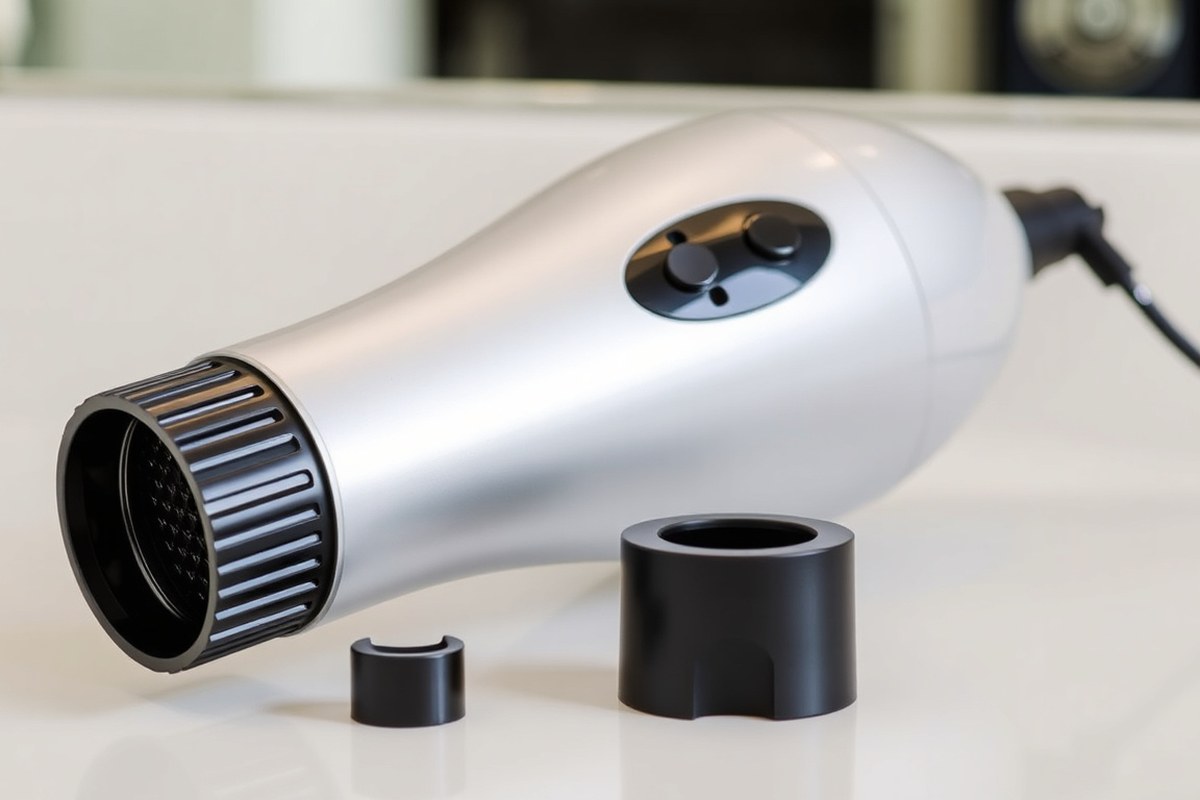
Pick a hair dryer that fits your hair type and needs. Choose one with 1500 to 1800 watts of power. This range is good for most hair drying jobs.
This range balances fast drying with less damage. Higher wattage speeds up drying, but can overheat fine hair. Adjustable heat and speed settings help you control temperature and airflow for safer drying.
Attachments change how you style and protect your hair. A diffuser spreads heat evenly, great for curls. Concentrator nozzles focus airflow for smooth, precise styles.
A cool shot button sets your look by cooling hair quickly, locking in style. Ergonomic design reduces hand and wrist fatigue during use, especially for extended drying sessions.
- Choose hair dryer wattage between 1500 and 1800 watts for optimal performance.
- Look for adjustable heat and speed settings – at least 3 heat and 2 speed options.
- Pick dryers with ionic, ceramic, or tourmaline technology to reduce frizz and damage.
- Use attachments like diffusers for curls and concentrators for smooth styles.
- Ensure it has a cool shot button for setting styles with cool air.
- Opt for lightweight models around 1.4 to 1.8 pounds to avoid fatigue.
- Check cord length for ease of movement, preferably around 8 feet or more.
Motor power affects how smooth and strong the airflow is. Brushless motors tend to last longer and dry faster.
Look for models with multiple heat levels, including a low heat setting to avoid over-drying. An ergonomic grip with balanced weight helps you hold the dryer comfortably without strain.
How Wattage and Motor Power Impact Drying Efficiency and Hair Health

Wattage directly affects how fast and hot a hair dryer blows air. A unit with 1500 to 1800 watts works well for most home users. It delivers strong airflow.
This avoids too much heat damage. Fine hair needs lower wattage to stay healthy. Use 1200 to 1600 watts.
This gives gentler airflow and avoids frying strands. Thicker or longer hair dries best with more power.
Use 1875 to 2000 watts. It cuts dry time and heat exposure.
The motor’s power determines airflow strength and styling control. A 1600-watt motor balances speed and heat well. This helps with quicker styling.
It keeps heat under control. Higher wattage motors push more air, reducing the time hair stays exposed to heat. Less drying time means you lower the risk of damage despite the stronger heat output.
Higher wattage by itself doesn’t damage hair if you use the right heat settings. Drying with lower heat but faster airflow shields hair from long heat exposure. Hair dryers with adjustable heat lets you match the temperature to your hair type.
Use low to medium heat on fine hair. High heat suits thick hair better. This reduces breakage and dryness.
Pick a hair dryer with at least five heat settings. This helps you find the right heat for your hair. It works for many styles.
1500 to 1800 watts is ideal for home drying. It cuts drying time well. This power level won’t overheat your hair.
Dryers with lower wattage may run longer, increasing potential heat damage. High wattage also helps in creating smoother styles with less effort. Powerful airflow controls enable better sectioning and focus during styling, especially for curls or wavy hair.
Match wattage to your hair type for best results. Use 1200 to 1600 watts for fine or thin hair. It gives gentle heat and airflow.
Medium hair dries well with 1500 to 1800 watts. This power balances speed and hair protection. It works for most people.
Thick, coarse, or long hair needs more power. Use 1875 to 2000 watts to dry fast.
It lowers heat exposure time. Proper wattage means less damage and a better styling experience.
Which Heat and Speed Settings Best Suit Different Hair Types?
Choosing the right heat and speed settings depends on your hair type. Low heat suits fine or damaged hair.
Thicker hair tolerates higher heat and speed. Use cooler air and lower speeds to protect hair during styling and drying.
Heat Settings for Fine and Damaged Hair
Fine or damaged hair needs low heat, usually below 140°F, to avoid extra stress. High temperatures can cause breakage or dryness, so stick to the lowest heat setting. You want to dry your hair gently and slowly to keep moisture inside.
Start drying hair on low heat first. Switch to cool or warm once mostly dry. This protects your hair from heat damage.
This keeps heat damage to a minimum. Avoid using the highest heat for more than a minute on any one spot.
Speed Settings for Thick and Coarse Hair
Thick and coarse hair takes longer to dry. So use high heat with a low or medium speed.
The strong heat removes moisture faster, while the slower airflow protects against frizz. High speed can make drying too rough and cause tangles or damage.
Use medium speed to control your styling better. It works well with a diffuser or concentrator.
This makes styling easier and more precise. This combination allows for faster drying without roughing up the hair cuticle too much.
When and How to Use the Cool Shot Button
The cool shot button cools your hair quickly. It sets your style after heat shapes it. This helps your style last longer and hold better.
Use it especially after smoothing with a brush or curling to keep strands from loosening. Hold it on for 10 to 15 seconds per section until cool.
Don’t forget to finish all styles with cool air, even if you mostly used warm heat. This step closes hair cuticles, adds shine, and lasts longer. For damaged hair, cool air helps reduce further drying.
Adjusting Settings During Different Drying Stages
Use high heat and high speed to dry thick or curly hair fast. It removes most moisture quickly. This saves time and improves your styling results.
Keep the dryer moving to avoid overheating one area. Once your hair is about 80% dry, reduce heat and speed to prevent damage.
For fine or damaged hair, begin with low heat and low speed right away. That way, you dry gently with much less risk. Use cool air to finish every time to seal moisture and protect your style from fading.
Benefits of Ionic, Ceramic, and Tourmaline Technologies
Ionic, ceramic, and tourmaline technologies all help reduce frizz, static, and hair damage. They do this while speeding up drying and leaving hair shiny and healthy. Each technology works a bit differently and suits different hair types and needs.
How Ionic Technology Works
Ionic dryers emit negatively charged ions that break water droplets into smaller pieces. This helps water evaporate faster. It can cut drying time by half.
Some hair types see a 50 percent faster dry time. Ionic dryers smooth the hair cuticle.
They reduce static and frizz. This works well for curly or frizzy hair.
You’ll notice less flyaways and a satin finish after drying with ionic technology. Use low to medium heat to protect hair health. This is important for fine or damaged hair.
It helps prevent extra damage. Ionic dryers often cost between $30 and $250 depending on brand and features.
Advantages of Ceramic Components
Ceramic parts spread heat evenly across the dryer and over your hair. This steady heat prevents hot spots that can burn your strands or scalp. Even heat distribution means better shine, less frizz, and less damage overall.
Ceramic dryers also create gentle infrared heat that dries hair from the inside out. That protects moisture inside each strand. Ceramic dryers usually cost between $20 and $150.
Many include ionic technology too. This offers a double benefit for your hair.
Tourmaline Technology for Curly Hair
Tourmaline-infused dryers produce even more negative ions and infrared heat. They are especially popular for curly hair because they tame lifted cuticles and neutralize static effectively. That means curls stay defined, frizz-free, and softer to the touch.
This technology dries hair up to 50 percent faster. It uses less heat, causing less damage. Standard dryers don’t dry as fast or gentle.
Tourmaline dryers often come with ceramic elements too and are priced from $20 to over $200. They work well for fine to coarse curls but tend to benefit curly hair most.
Comparing Drying Speed and Frizz Reduction
| Technology | Drying Speed | Frizz Reduction | Best For |
|---|---|---|---|
| Ionic | Fast | High | Curly, frizzy hair |
| Ceramic | Moderate | Moderate | All hair types needing even heat |
| Tourmaline | Fastest | Highest | Curly, textured hair |
Tourmaline technology tends to dry hair fastest and reduce frizz the most. Ionic dryers are close behind with smooth results for curly hair. Ceramic helps spread heat gently, protecting hair from damage while offering moderate speed and frizz control.
Your choice depends on your hair type. It also depends on how fast you want to dry.
Aim for minimal damage while drying. Combining these technologies often provides the best overall results for shine and health.
Choosing the Right Attachments for Styling and Hair Protection
Concentrator nozzles focus the airflow to a narrow area. You can aim heat precisely, which helps with straightening hair or targeting roots. This control prevents unnecessary heat on other parts, reducing damage and frizz during styling.
Diffusers spread air softly over a wider area. They work well for curly or wavy hair. This makes drying gentler and less frizzy.
They reduce frizz and keep your natural curls or waves defined. Diffusers with short fingers are ideal for drying curls. Those with longer fingers add root volume for all hair types.
Brush attachments combine drying and styling in one step. They often have ionic features and help smooth hair while drying. They take longer than using a blow dryer and brush.
But they dry hair faster than some other tools. They also reduce damage, saving time in busy routines.
- Styling concentrator nozzle: concentrates heat for precise drying and shaping.
- Diffuser: spreads airflow gently to preserve curls and reduce frizz.
- Wide-tooth comb: detangles while drying, good for curly or textured hair.
- Round brush attachment: smooths and straightens hair while drying.
- Flyaway or gentle air attachment: blows softer air to prevent damage.
- Compact attachments: essential for travel dryers to save space.
Travel hair dryers usually come with smaller or fewer attachments to keep weight and size down. A compact concentrator nozzle is most helpful for fast, accurate drying. Some travel dryers include a foldable diffuser for curly hair styling on the go.
Lower heat settings with attachments protect fragile hair and reduce breakage.
Locking attachments that fit snugly help you switch tools without slipping during use. Look for dryers that allow vertical or horizontal locking for easier styling angles. Prices usually fall between $20 and $50.
This depends on brand and features. These are for replacement or extra attachments.
Matching Hair Dryer Choices to Hair Type and Styling Needs
You want a hair dryer that matches your hair texture and styling needs. Fine or thin hair needs a low heat setting and gentle airflow to avoid damage. A dryer with ionic or ceramic tech cuts down on frizz.
It also adds shine. This makes it great for delicate hair.
Thick or coarse hair needs more power to dry fast and cut down heat exposure. Look for dryers with at least 1800 to 2000 watts.
These models can handle the volume and thickness, drying hair evenly without long exposure. High wattage dryers are also better for thick curly hair, which takes longer to dry naturally.
Curly and textured hair needs even more care. Choose dryers with multiple heat and speed settings that include cool air for setting curls. Ionic and ceramic features help keep curls smooth and hydrated.
A diffuser attachment is essential too. It spreads the airflow to keep curls defined without frizz.
High-end dryers cost more, ranging from $150 to $200 or up. These often include stronger motors, better tech, and longer warranties. They speed styling and lower heat damage but might be more than daily users need.
Affordable dryers under $50 to $100 can work well. They need 1800 watts or more. Ionic or ceramic tech is important too.
Check the table to see popular dryers for different hair types and price points. This rule helps you decide which dryer to pick.
Match power and features to your hair type. Also think about your style goals.
| Hair Type | Recommended Dryer Features | Example Models | Price Range |
|---|---|---|---|
| Fine or Thin | Low heat, ionic/ceramic tech, gentle airflow | Conair SmoothWrap | $55 |
| Thick or Coarse | 2000 watts, strong motor, multiple heat/speed | InStyler Turbo Max Ionic | $100 |
| Curly or Textured | Multiple settings, ionic/ceramic, diffuser included | Drybar Buttercup | $195 |
| All-around Value | 1800+ watts, ionic tech, lightweight design | InfinitiPro by Conair | $40 |
Pick a dryer based on your hair’s needs, not just brand names. Fine hair benefits from low heat and gentle tech to protect strands. Thick hair calls for higher wattage models with strong airflow.
Curly hair styling improves with diffusers and adjustable settings. A dryer costing $40 to $100 can suit daily use.
Make sure it has the right features. This keeps it cost-effective and useful.
Ergonomic Design, Noise Levels, and Portability Factors to Consider
Choose a hair dryer that feels light in your hand to avoid arm fatigue. Models under 1.5 pounds are good for most users. Professionals may prefer those under 1 pound.
An ergonomic grip reduces wrist strain during styling. The shape fits your hand comfortably. This helps during sessions longer than ten minutes.
Cord length makes a big difference in your freedom to move around. An 8- to 9-foot cord works well for most homes. It helps you reach outlets easily.
This way, you avoid bending too much. Shorter cords can limit your space. Very long cords might tangle and add weight.
Noise levels vary widely among hair dryers. Most dryers produce 70 to 90 decibels near your head. This noise can get tiring during long use.
Keep this in mind while drying. Choose quieter dryers if noise bothers you or you style often.
The Panasonic Nanoe is fairly quiet and compact. It’s a good option to consider.
- Lightweight models under 1.5 pounds reduce arm strain
- Ergonomic grips support a natural wrist position
- 8 to 9 feet cord length offers good reach and flexibility
- Noise levels below 85 decibels are easier on ears
- Compact, foldable dryers weigh less and pack well for travel
- Travel models often run 1200 to 1600 watts, balancing power and size
Compact or foldable dryers can be very effective. They often run at 1200 to 1600 watts and dry hair quickly enough for daily use. Travel dryers weigh less than full-size models.
The ghd Flight+ and Panasonic Nanoe offer good results without bulk. They’re great options for trips.
The right design depends on your drying frequency. Also consider where you usually dry your hair. This helps find the best fit.
For heavy use at home, a full-size lightweight dryer with a long cord is best. For travel or quick touch-ups, pick a compact dryer.
Quieter models with foldable handles fit in your bag better. They also reduce noise and weight.
Safe Usage Tips and Maintenance for Long-Lasting Performance
Preventing Heat Damage to Hair
Use your hair dryer on the lowest heat setting that still dries your hair. Excessive heat breaks down hair proteins, causing dryness and breakage. For fine hair, gentle, evenly distributed heat works best to add volume without damage.
Ceramic dryers spread heat evenly, so avoid models that create hot spots. Always keep your dryer moving around your head to prevent focused heat. Using a cool-shot button helps close hair cuticles and lock in your style after drying.
Cleaning and Maintaining Your Hair Dryer
Unplug your hair dryer before cleaning to avoid electrical hazards. Remove and clean the air filter or back grille every two weeks.
Clogged filters reduce airflow and can overheat the motor. Use a soft cloth or brush to clear lint and dust from vents gently.
Wipe the dryer’s exterior with a damp cloth regularly. Avoid water near switches or openings to prevent damage. Store your dryer somewhere dry.
Don’t wrap the cord too tight. This keeps the wires safe.
Common Usage Mistakes and How to Fix Them
Holding the dryer too close to hair causes overheating and burn spots. Keep it about 6 inches from your scalp and strands and move it constantly. Avoid using maximum heat for long; switch to lower heat as your hair dries.
Plugging the dryer into overloaded outlets risks sparks and shorts. Use a dedicated outlet, not an extension cord.
Stop using the dryer if it smells burny or gets hot. Check for blockages or motor problems.
When to Replace Your Hair Dryer
Most hair dryers last about three to five years with good care. But failing motors often clue you in to replace it.
A common sign is your dryer losing strength or overheating frequently. Brush motors wear down over time, but newer brushless models can last longer.
Replacing your dryer after years of use prevents electrical hazards and poor performance. Spending $50 to $150 on a new dryer saves time. It also lowers heat damage risks compared to old dryers.
A clean filter improves airflow and extends your dryer’s life, don’t skip it.
Step-by-Step Action Plan for Choosing Your Hair Dryer
Follow these steps to pick a hair dryer that fits your hair type and styling needs. Each step helps you check if your choice feels right.
- Before you buy: List your hair type, usual styles, and budget. This list helps focus your search and avoid overwhelm.
- First day: Try a hair dryer with multiple heat and speed settings. If it dries without frizz and feels comfortable, you’re on the right track.
- Week 1: Use attachments like a diffuser or concentrator based on your style. Notice better curl definition or smoothness as a sign it works.
- After 2 weeks: Check hair condition. Less heat damage and softer strands mean your dryer choice suits your hair health.
- Week 3: Test the dryer’s noise and weight during longer sessions. Comfortable use without strain means a good ergonomic fit.
- Month 1: Clean the dryer’s filter and test safety features like auto shutoff. Easy maintenance and safety confirm a smart investment.
Frequently Asked Questions
How Do You Know If a Hair Dryer Is Durable?
Look for solid build materials and a reliable brand. Durable dryers often have metal motors and high-quality plastic housing. Checking reviews for long-term use also helps.
What Noise Level Should You Expect from a Quiet Hair Dryer?
Quiet hair dryers produce around 60 to 70 decibels. Models with balanced motors and sound-dampening features reduce noise. This makes drying less tiring and more pleasant.
Is a Removable Filter Important on a Hair Dryer?
Yes, it is important for cleaning and maintenance. A removable filter helps prevent lint buildup and overheating. This keeps your dryer working well longer.
Can a Hair Dryer Damage Colored Hair?
It can, especially with high heat settings. Use low heat and ionic technology to protect color. Avoid daily use on high heat to keep hair vibrant.
What’s the Benefit of a Hair Dryer with Multiple Speed Settings?
Multiple speeds give more control for different hair types. For example, lower speeds reduce frizz on fine hair. This helps style hair gently without extra damage.
Are Wireless or Battery-Operated Hair Dryers Practical?
They can be, but usually offer less power than plug-in models. Battery life limits drying time for thick hair. These dryers work well for quick touch-ups or travel.
Wrapping Up
A good hair dryer matches your hair type, style, and safety needs. Start by testing models with settings and attachments that suit you. This hands-on approach ensures you buy a dryer that works well every day.


