How Does a Hair Dryer Work? A Complete Guide to Components, Safety & Best Use
A hair dryer blows warm air over your wet hair to evaporate moisture. This process speeds up drying, though too much heat can damage hair and scalp.
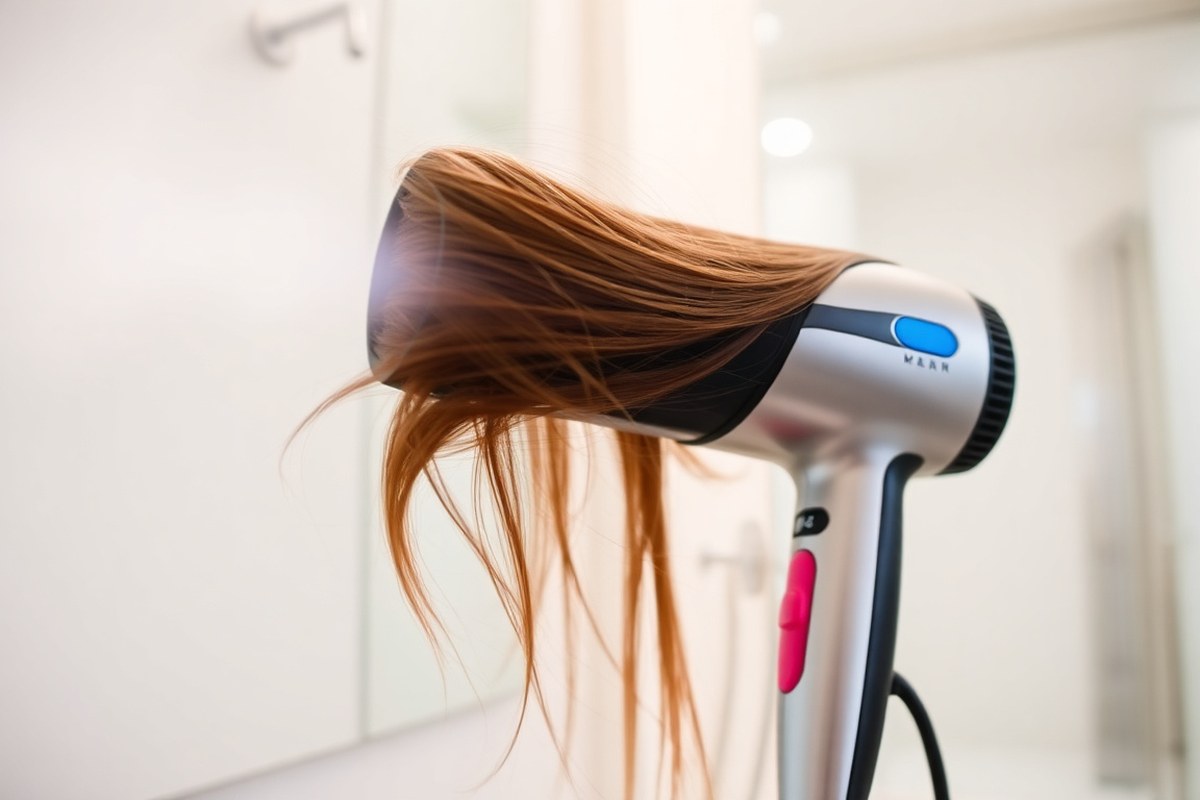
The fan inside pulls air through the dryer and directs it over a heated coil. This coil quickly raises the air temperature before it exits the nozzle.
The warm air evaporates water in your hair efficiently. As it leaves, the hot air mixes with cooler room air to prevent scalp burns.
Holding the dryer 6 to 8 inches away helps protect your skin and hair. Using a lower heat setting is safer for thin or fragile hair.
Some hair dryers have ceramic or tourmaline parts that spread heat evenly. These materials keep the temperature steady to reduce hair damage and frizz. Choosing one with these features can help make drying gentler and smoother.
Key Takeaways
- A hair dryer evaporates water by blowing warm air over wet hair.
- An electric fan and heating coil heat and move the air inside.
- Warm air mixes with cooler air to reduce heat at your hair.
- Keep the dryer 6 to 8 inches away to avoid heat damage.
- Use lower heat for fine or damaged hair to prevent breakage.
- The dryer’s wattage affects drying speed but also heat risk.
How a Hair Dryer Dries Hair: The Core Mechanism Explained

A hair dryer pulls air through intake vents. It uses an electric motor with a spinning fan. This moves the air inside the dryer.
The fan forces this air across a heating element, usually a coiled wire made of nichrome. Air passes over a heated coil inside the dryer.
The coil warms the air. Then, the warm air comes out the nozzle.
Hot air from the dryer dries your hair faster. Room temperature air takes much longer. Heat speeds up drying significantly.
Warm air raises the energy of water molecules. This makes the molecules vibrate faster on your hair. More vibration helps dry your hair quicker.
Vibrating water molecules evaporate faster into vapor. Drying takes minutes instead of hours. Heat causes this quick change from liquid to gas.
Inside the dryer, the motor powers a fan that moves air continuously through the machine. Air enters through vents in the dryer first. Then it passes a heating coil inside.
The coil heats air to 140°F to 320°F (60°C to 160°C). The heated air exits the front, where you direct it onto your hair to speed evaporation.
Hot air mixes with cooler air as it escapes. This mix makes the air feel less hot on your skin. It rarely feels uncomfortable or too warm.
This balance helps protect your scalp and hair from damage while still drying efficiently. Keep airflow steady when using your dryer.
This removes moist air and stops the dryer from overheating. Proper use helps your dryer last longer.
A motor-driven fan and heating coil work together inside. This is the main system in all hair dryers. It moves and heats the air to dry hair.
That steady warm air flow dries your hair gently. It helps you get ready faster with less heat damage. Dryer use prevents hair damage from long wetness.
Key Components Inside a Hair Dryer and Their Functions

A hair dryer pulls air in through intake vents, usually found near the handle or back. These vents let the motor’s fan suck in room air, which is essential for airflow.
When vents clog with lint or hair, airflow slows down. This causes the motor and heating coil to overheat.
Inside, an electric motor spins a fan that pushes air through the barrel. The moving air passes over the heating element before coming out of the nozzle.
The fan cools the heating element just enough to avoid burning out. It also keeps a steady stream of hot air.
The heating element uses nichrome wire, a metal coil. It heats up when electricity runs through it. The wire’s resistance turns electric power into heat.
It heats up between 140°F and 320°F (60°C to 160°C). Proper airflow is critical here. Without it, the coil can get too hot and break.
| Component | Job | What Goes Wrong |
|---|---|---|
| Nichrome Coil | Converts electricity into heat for drying | Runs too hot if airflow is blocked |
| Motor and Fan | Pulls in air, pushes it over the heating coil | Slows or jams if intake vents clog |
| Concentrator Nozzle | Focuses airflow into a narrow stream | Loose fit reduces directional control |
| Dual-Voltage Switch | Matches the dryer to local mains voltage | Wrong setting risks damage or unsafe use |
The concentrator nozzle attaches to the front and narrows the airflow for focused drying or styling. Tight fit is key; loose parts make airflow drift. This drift makes styling hair harder.
A dual-voltage switch appears in some models, allowing safe use worldwide. Setting it wrong can harm the unit or pose safety risks.
Clear lint and hair from intake vents regularly. This protects the motor and heating element. It helps your dryer last longer.
Comparing Hair Dryer Technologies: Ionic, Ceramic, and Tourmaline
You’ll often see hair dryers labeled as ionic, ceramic, or tourmaline. Each type uses different technology to dry hair faster, reduce damage, or tame frizz. Choosing the right one depends on your hair’s texture, thickness, and styling goals.
Ionic dryers release negative ions that break water droplets into smaller pieces. This speeds evaporation and reduces drying time by up to 50% on thick or coarse hair. They also cut static and frizz by neutralizing positive ions on the hair.
Ceramic dryers use a ceramic heating element that spreads heat evenly. This prevents hot spots and helps protect fine or fragile hair from drying out.
Tourmaline dryers combine infrared heat with ion emission. This creates gentle heat that penetrates hair more deeply. They work well for curly or coarse hair.
They seal the cuticle to smooth strands. This keeps your hair shiny without extra heat damage.
| Technology Type | How It Works | Best For |
|---|---|---|
| Standard (Basic) | Resistive coil heats air; no ion emission | Temporary use; may cause static |
| Ionic | Generates negative ions that break water molecules | Thick, coarse, or frizzy hair; reduces drying time |
| Ceramic | Even heat distribution from ceramic element | Fine or fragile hair; prevents hot spots |
| Tourmaline | Infrared heat combined with negative ion emission | Curly, thick, or coarse hair; gentle drying |
Thick or frizzy hair dries faster with ionic or tourmaline dryers. These dryers also help smooth your strands. They reduce your drying time.
Use high heat settings and concentrate airflow for faster drying. For fine or fragile hair, a ceramic dryer with lower heat is better. Diffuseers are great on curly or coily hair to spread airflow and keep curls defined.
Attachments like concentrators focus heat for sleek looks. Diffusers spread warm air on curls, reducing frizz. For frizzy, dull hair, ionic dryers with variable heat can boost shine and freshness.
Choosing the right dryer limits heat damage. It also gives a polished finish. This depends on your hair’s needs.
How to Use a Hair Dryer for Safe, Effective Drying and Styling
Hold the hair dryer 6 to 8 inches from your hair and keep it moving. Use moderate heat and apply a heat protectant spray first. This will reduce damage and help your hair dry evenly and safely.
Preparing Hair Before Drying
Towel-dry your hair gently to remove extra water. Avoid rubbing hard, which can cause frizz and damage. Your hair should feel damp but not dripping wet before you begin drying.
Apply a thermal protectant spray on your damp hair. This creates a barrier against heat damage. Make sure to spread it evenly from roots to tips for the best protection.
Ideal Distance and Heat Settings
Keep the dryer about 6 to 8 inches from your hair to avoid overheating. Holding it too close can burn the scalp and damage hair cuticles. Moving the dryer constantly also prevents heat from building up in one spot.
Use moderate heat settings. Fine or damaged hair needs lower heat to prevent breakage. Thick or curly hair needs higher heat for faster drying.
Use caution with time. Don’t make the temperature too hot.
Using Attachments Properly
Use the concentrator nozzle to focus air and add volume at the roots. It works great for straight styles and lift. Avoid heavy or bulky attachments that make the dryer hard to hold.
A diffuser is best if you want to keep your waves or curls intact. It distributes heat gently and reduces frizz. Attachments should fit snugly and not block airflow for optimal results.
Finishing with Cool Air
After drying, switch your dryer to a cool shot to seal the hair cuticle. This locks in moisture and adds shine. Finish styling with cool air to avoid overheating and protect your scalp.
Using the cool setting helps your style last longer. It also calms any heat exposure from earlier steps. A few seconds of cool air can make a noticeable difference.
A step-by-step list makes drying quick and safe. Follow these guidelines for best results and less damage.
- Gently towel-dry hair to remove excess water.
- Apply thermal protectant spray evenly on damp hair.
- Attach the appropriate nozzle or diffuser if styling requires it.
- Set dryer to moderate heat based on hair type.
- Hold the dryer 6 to 8 inches from your hair.
- Keep the dryer moving across your hair continuously.
- Finish with a blast of cool air to seal the cuticle.
Choosing the Right Hair Dryer Wattage and Features for Your Hair
Wattage shows how much power a hair dryer uses, which affects drying speed and heat. Low wattage models have about 800 to 1200 watts. They suit fine or thin hair because they give gentle heat.
This helps prevent damage to delicate hair strands. Higher wattages, usually 1800 to 2000 watts, dry hair faster.
They provide strong airflow and more heat. This is good for thick or curly hair.
High wattage isn’t always better. Using too much heat can harm your hair’s health. Damage worsens if you use high heat often.
Holding the dryer too close also causes issues. Professional dryers often run near 2000 watts. They have strong motors and better heat control.
This helps dry hair faster and safer. Consumer models might max out near that but lack fine temperature settings or airflow tweaks.
Choose a dryer by matching wattage to your hair type and drying habits. For fine hair, 1000 to 1600 watts is enough. Thick or long hair works best with 1800 watts or more to cut drying time.
Look for dryers with many heat and speed settings. This helps you match the heat to your hair needs. You get more precise drying control.
Always apply a heat protectant before drying, regardless of wattage or features used.
Picking the right dryer also depends on what fits your daily routine. Choose models with adjustable heat and cool shot buttons. These help protect hair when drying every day.
They reduce heat-related stress on your hair. Infrequent users with short hair might save money by choosing a lighter, lower wattage dryer.
Safety Features and Precautions When Using Hair Dryers
Hair dryers come with several built-in safety features to protect you and the device. These features help prevent overheating, electrical shocks, and fire hazards. Knowing how they work and taking precautions can keep you safe and extend your dryer’s life.
Automatic Temperature Cutoffs
Hair dryers have a bimetallic strip inside. It bends when the heat goes over 140°F (60°C). This helps control the temperature.
This bending breaks the electrical circuit, shutting off the dryer to prevent overheating. A thermal fuse acts as a one-time power cutoff. It stops power completely if the first safety fails.
Some modern models feature smart sensors that adjust heat in real time. These sensors prevent hot spikes that can damage your hair or burn the device’s parts. The dryer may shut off temporarily or cycle the heat to stay within safe limits.
Ground Fault Circuit Interrupter (GFCI)
Since 1991, hair dryers sold in the U.S. Include a GFCI plug. It detects any electrical current imbalance caused by water contact.
The GFCI cuts power in milliseconds if the dryer gets wet. This helps prevent electric shocks.
This safety feature is important if you use your dryer near sinks or in humid bathrooms. Always use outlets with GFCI protection for your hair dryer. This lowers the risk of electric shock.
It improves safety. Have a professional check the device or outlet if trips happen often. This keeps you safe.
Voltage Compatibility and Dual Voltage Switches
Using the wrong voltage can damage your hair dryer’s parts. It can also create electrical hazards. Avoid this risk.
In the U.S., most homes use 120 volts. Many other countries use 220-240 volts. Dryers designed for U.S. Voltage may overheat or burn out abroad.
Some travel hair dryers include a dual voltage switch, letting you toggle between 120V and 220-240V. This switch lets the dryer work safely in different countries without damage. Always check the label or manual for voltage settings before plugging the dryer in.
User Safety Tips
Keep your hair dryer moving while drying and avoid holding it too close to your hair. Concentrating heat on one spot can cause burns or hair damage. Allow the dryer to cool down before putting it away to avoid overheating damage.
Check the dryer’s cord and plug regularly for frays or damage. Don’t use a dryer with a cracked housing or exposed wires. Unplug the dryer when not in use, especially before cleaning dust out of the air intake.
Follow manufacturer instructions on wattage and power source. Higher wattage dryers offer quicker drying but require caution to avoid heat damage. Use only outlets that match the dryer’s wattage and voltage requirements.
Cleaning, Maintenance, and Troubleshooting Hair Dryer Issues
Cleaning and maintaining your hair dryer regularly helps it work better and last longer. Checking for common problems like a damaged cord or overheating can save you from costly repairs. A simple routine every few weeks keeps your dryer running smoothly.
Cleaning the Intake Filter
The intake filter catches dust and hair, so keeping it clean is key. A clogged filter reduces airflow and can cause the dryer to overheat.
Cleaning it every 2 to 4 weeks keeps buildup away. This helps keep your hair dry at steady heat levels.
Follow these steps to clean the filter safely:
- Unplug the hair dryer and let it cool completely.
- Locate the intake filter, typically at the rear of the dryer.
- Remove the filter cover by twisting or pulling gently.
- Use a soft brush or a dry cloth to clear dust and lint.
- When washable, rinse the filter with warm water. Make sure to dry it completely before using again.
- Reattach the cover securely before using the dryer again.
Inspecting the Power Cord and Plug
A frayed or damaged power cord causes safety risks and drying failures. Look for cracks, exposed wires, or bent plugs before each use. Avoid wrapping the cord tightly, which can weaken the wires inside.
Fix small issues by smoothing out kinks and storing the cord loosely. Spot broken cables or plug damage?
Stop using your dryer right away. A replacement or professional repair is necessary to avoid electric shock or fire risks.
Handling Overheating and Shutoffs
Hair dryers have safety features that shut them off if they get too hot. This happens when the intake vents are blocked or the motor is overworked. Prevent this by keeping vents clear and not using the dryer continuously for long stretches.
Give your dryer breaks during use to cool down. Dryer often shuts off?
Check the filters and hair buildup inside it. Overheating can also mean the internal thermostat or motor needs inspection by an expert.
When to Repair or Replace
Hair dryers usually last about 3 to 5 years with regular care. Repair small problems like broken switches or minor cord damage if costs are low. Bigger issues like motor failure or persistent overheating call for a replacement.
Professional-model dryers cost more but can last longer and handle heat better. Dryer feels weak, sounds odd, or smells burnt?
Check it without delay. Upgrading can save time and protect your hair health in the long run.
How Drying Time and Technique Vary by Hair Type and Dryer Used
Drying time depends on your hair type and the dryer you use. For example, using a concentrator nozzle on straight hair can cut drying time nearly in half. This focused airflow speeds up drying and helps smooth the hair, reducing frizz and heat exposure.
Wavy or curly hair benefits from a diffuser attachment. It spreads air evenly, helping curls form naturally while preventing frizz.
Thick or long hair dries faster with a blow dryer comb. This attachment detangles strands and pushes air deeper into the hair.
Fine or thin hair needs a narrow concentrator or vented comb to avoid flattening. These attachments lift roots and add volume without too much heat. Holding the dryer too close causes dryness.
High heat on one spot damages hair. Avoid both to keep hair healthy.
Daily hair dryer use can be safe if you adjust the technique for your texture. Keep the dryer moving and hold it about 6 to 8 inches from your scalp. Use heat briefly on one spot.
Then switch to cooler settings. This protects cuticles and holds your style better.
Avoid placing the nozzle very close to your scalp. It can burn skin and damage hair cuticles.
Good results mean hair dries faster with less heat damage. Avoid staying too long on one section to prevent dryness. Wavy hair dries nicely with a diffuser.
Use medium heat on it. Gently lift curls while drying for best results.
Expect 5 to 10 minutes with the right dryer and attachment on short straight hair. Thicker or longer hair takes 10 to 20 minutes even with efficient tools. Adjust airspeed and warmth to feel comfortable while drying.
Step-by-Step Action Plan for Using Your Hair Dryer Right Now
Follow these steps to get the best drying result while protecting your hair. Each step shows what to do and how to tell it’s working well.
- Before you start: Towel-dry your hair gently to remove extra water. Your hair should feel damp, not dripping.
- First minute: Use a cool or low heat setting to begin drying. Check if your hair warms slightly without feeling hot.
- Next 3 to 5 minutes: Switch to medium heat and move the dryer constantly. Your hair should start drying evenly without frizz or burns.
- Midway point: Use a round brush with the dryer to shape your style. See if your hair feels smooth and holds the shape.
- Two minutes before finishing: Change to a cool air setting to set your style. Your hair should cool down and look shiny.
- After drying: Clean the filter on your hair dryer to keep it working well. A clean filter means steady airflow and longer dryer life.
- Weekly: Wipe down the dryer surface and check the cord for damage. No cracks or breaks means safe use ahead.
Frequently Asked Questions
How Does a Hair Dryer Stop Working?
A hair dryer usually stops working due to motor failure or a blown thermal fuse. Dirt buildup or a clogged air vent can also cause overheating, triggering the safety cutoff. Cleaning the air vents and avoiding overuse can help prevent these issues.
Do Hair Dryers Dry Out Hair?
Hair dryers can dry out hair if used with high heat too often. Using them on soaking wet hair also causes damage. Try letting your hair get damp first.
Consistent high heat strips moisture, leading to dryness and damage. Using lower heat settings and a heat protectant helps maintain hair health.
What Happens Inside a Hair Dryer?
A fan inside a hair dryer pushes air over a heated element. This creates hot air that helps evaporate water. It dries your hair faster.
It blends heat and airflow to dry hair quickly without excessive damage. Some dryers add ions to reduce static and speed drying.
What Is the Main Purpose of a Hair Dryer?
A hair dryer works by speeding up water evaporation from hair. It uses hot air and strong airflow to do this. This helps your hair dry quickly.
It helps style hair faster than air-drying alone while adding volume or shape. It’s a time-saver especially when you’re in a rush.
How Can I Prevent Damage While Using a Hair Dryer?
To prevent damage, use the lowest heat setting that dries your hair efficiently. Move the dryer constantly to avoid hot spots on your hair. Start drying when hair is damp, not soaking wet.
This protects your hair from damage. Using a nozzle or diffuser attachment can spread heat evenly.
Why Do Some Hair Dryers Reduce Frizz Better Than Others?
Hair dryers with ionic technology emit negative ions that break water molecules faster and reduce static. This cuts down frizz and boosts shine compared to traditional dryers. Ionic dryers work well on curly or thick hair, making styling easier and smoother.
The Bottom Line
Hair dryers work by blowing warm air to speed water evaporation from hair strands. Choosing the right dryer and using it properly saves your hair from damage. Try adjusting heat and speed settings carefully on your next drying session for smoother, healthier hair.