
What Is Dual Voltage Hair Dryer: Complete Guide with Safety Tips and Buying Advice
You might wonder, what is dual voltage hair dryer and why it matters. A dual voltage hair dryer works safely on both 110-120 volts and 220-240 volts. This means you can use it in different countries without harming your device.
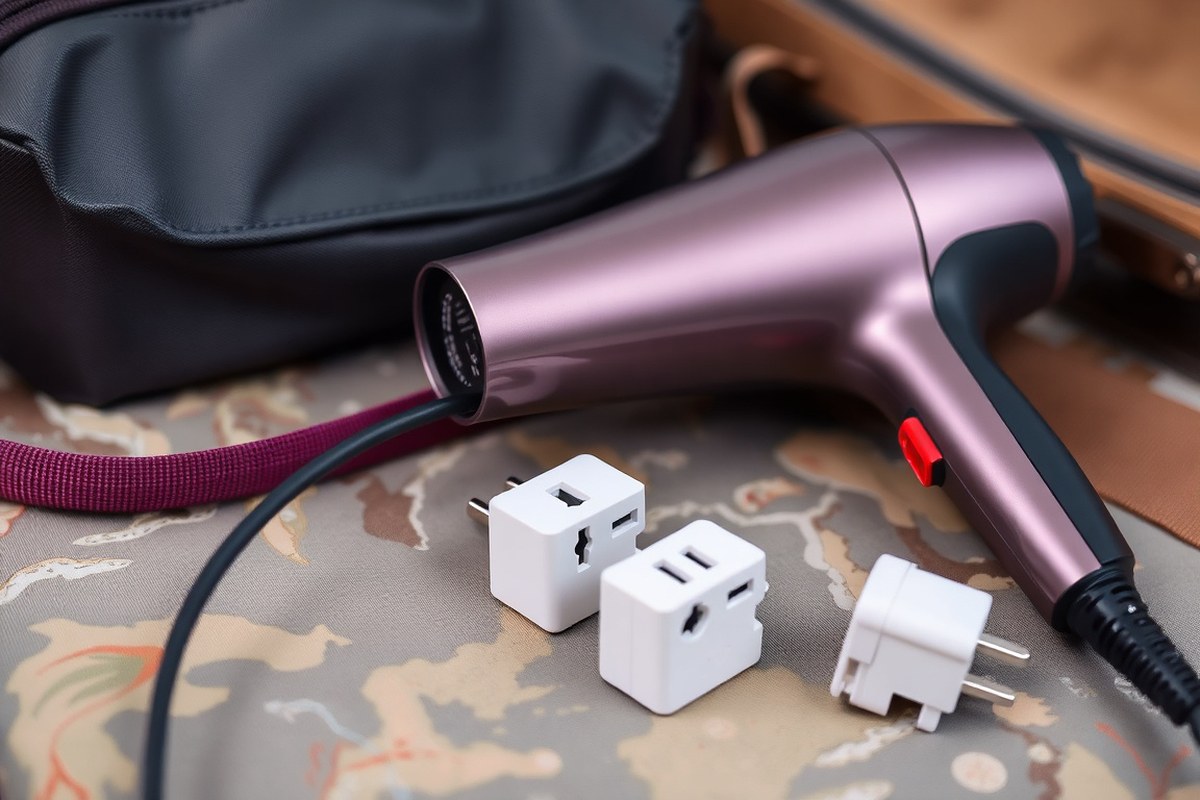
Dual voltage dryers adapt to local power supplies by changing their setting or automatically adjusting. You only need a simple plug adapter to fit outlet shapes in other countries. This helps you avoid carrying bulky voltage converters during travel.
Before you plug in, check your dryer’s voltage switch or label. Using a non-dual voltage dryer abroad can damage the unit or trip breakers. So, a dual voltage model is an easy and safe choice for international travel.
Key Takeaways
- Dual voltage hair dryers run on both 110-120V and 220-240V safely.
- Look for a voltage switch or label to confirm dual voltage capability.
- Use a plug adapter to match outlet shapes in foreign countries.
- Avoid using non-dual voltage dryers on high-voltage 220-240V outlets.
- Dual voltage dryers eliminate the need for heavy voltage converters when travelling.
- They work fine in the US and most other countries worldwide.
What Is a Dual Voltage Hair Dryer and Why It Matters

A dual voltage hair dryer works on two power systems. These are 110-120 volts and 220-240 volts. It runs safely on both without problems.
These voltage ranges cover most countries worldwide, including the U.S. And Canada at 110-120V and Europe, Asia, and Australia at 220-240V. This feature lets you use your hair dryer abroad.
You can plug it in safely. It won’t damage the dryer or your hair routine.
Different countries use different electrical voltages. In North America, the standard household voltage is 110 to 120 volts. Most of Europe and many other parts of the world use 220 to 240 volts.
Your hair dryer might only work on 110-120V. Plugging it into 220-240V can cause damage.
That’s why you should check before you plug it in. That’s why dual voltage capability is so important when traveling.
Traveling with a dual voltage hair dryer means you don’t need expensive or bulky power converters. Check the label or product info to see if it’s dual voltage. That’s the simplest way to be sure.
Just look for voltage details on the dryer. These travel models often cost between $25 and $60, similar to standard dryers. They tend to be lighter too, making them easier to pack in your carry-on.
For safe use, you’ll still need a plug adapter that fits the country’s outlet style. The adapter changes the plug shape but not the voltage. Your hair dryer switches voltage by itself or with a switch.
This lets it handle different power levels safely. You don’t need to adjust anything else. This keeps your dryer from overheating or burning out during your trip.
Good dual voltage models deliver nearly the same styling power in either voltage setting. That means your hair dries fast and looks good whether you’re in New York or Paris. Without dual voltage, you need a converter to use it abroad.
Plugging into wrong voltage risks damage or fire. It’s safer to avoid this by using dual voltage.
How Dual Voltage Hair Dryers Work Internally

A dual voltage hair dryer uses special circuitry inside. It handles two voltage ranges: 110-120 volts and 220-240 volts. This lets you use it worldwide with the right setting.
Its heating element and motor have components rated to function safely and efficiently across these voltages. This design stops the dryer from overheating or getting damaged.
You can use it in the US, Europe, and other places. It works without needing a bulky voltage converter.
Some dual voltage hair dryers require you to manually select the correct voltage with a switch. You flip it to the setting that matches the local power supply before plugging in. Some models detect voltage automatically.
They sense the power level and adjust on their own. You don’t have to change any settings to use them. Automatic models are more convenient.
These models usually cost more than manual ones. They may also be a bit bigger inside. Extra circuits take up more space and add cost.
The main challenge is running the heating coil and motor evenly. They need to work well at different voltages. This balance keeps the dryer safe and effective.
The dryer switches resistors or uses transformers inside. These parts adjust how much current flows through. This makes sure the heat and motor power match the voltage.
However, even with this design, the wattage output can be lower on the higher voltage setting. This means your hair dryer may feel less powerful or take longer to dry hair overseas. Internal parts follow strict safety rules.
This helps prevent fires or electrical shocks. It keeps you safe when the dryer changes voltage settings.
Always set the voltage switch before plugging in. Switching while powered can damage the hair dryer.
How to Identify a Dual Voltage Hair Dryer Correctly
Look for a voltage label on your hair dryer that shows a range like 100-240 volts. Check if the device has a switch or dial to change between 110-120V and 220-240V. Confirming dual voltage means you can safely use the hair dryer in different countries.
Reading Voltage Labels and Symbols
Look for the voltage info on a sticker or label. It’s usually on the handle, body, or near the power cord.
Look for numbers like “120V/240V,” “100-240V,” or the phrase “Dual Voltage.” These markings tell you if the device can run on more than one voltage.
The label showing one number like “120V” means it probably isn’t dual voltage. Some models show symbols like a globe or plug icons. These hint that the dryer works worldwide.
Using the Voltage Switch or Dial
Many dual voltage hair dryers have a physical switch or dial to select the voltage range. The options usually read “110-120V” and “220-240V.” Always set the switch to match the country’s power supply to avoid damage.
Your dryer might adjust voltage automatically if it has no switch. But this is less common. Check that the switch moves easily and isn’t stuck to ensure correct voltage selection before use.
Consulting User Manuals and Manufacturer Info
The user manual often has detailed specs listing the voltage range and instructions on switching settings. Check the manual if the label or switch isn’t clear. Manuals also warn you about the risks of using an incorrect voltage.
You can also visit the manufacturer’s website or contact customer service for confirmation. Product reviews often mention voltage features for confirming dual voltage. They can help you decide.
- Find voltage labels on the back or bottom of the dryer
- Look for numbers showing two voltage ranges or a range 100-240V
- Check for a voltage selector switch or dial and test it physically
- Read the user manual or product information for exact voltage specs
- Contact the manufacturer or check user reviews for extra confirmation
- Don’t use the hair dryer without verifying correct voltage settings
Plug Adapters, Converters, and Using a Dual Voltage Hair Dryer Abroad
You usually only need a plug adapter with a dual voltage hair dryer. The dryer itself handles voltage differences between 100 and 240 volts. A plug adapter changes your charger’s plug shape to fit foreign outlets.
Voltage converters are heavy boxes that change electricity from one voltage to another. You only need a converter if your hair dryer is single voltage and you’re abroad. Using a converter with a dual voltage hair dryer is unnecessary but possible.
| Feature | Plug Adapter | Voltage Converter |
|---|---|---|
| Primary Function | Adapts plug shape for different outlets. | Converts electrical voltage to match device needs. |
| When Needed | When the plug doesn’t fit the outlet. | When voltage requirements differ from the outlet. |
Worldwide plug types vary a lot. You might find these common adapters useful:
- Type A or B for the US, Canada, and Japan
- Type C or F for most of Europe
- Type G for the United Kingdom and some Asian countries
- Type I for Australia and parts of Asia
Buy adapters in advance or at airports for around $5 to $15. A set covers multiple countries and costs about $20.
Using the wrong adapter can cause loose connections and sparks. That risks damaging your hair dryer or starting a fire.
When using a dual voltage hair dryer, set the voltage correctly. Most have a switch for 110, 120V or 220, 240V.
Using the wrong setting can overheat or break your dryer and damage your hair. Always check local voltage before plugging in.
Keep in mind that dual voltage hair dryers tend to be lighter and less bulky. They cost between $25 and $60, unlike heavy converters, which can weigh several pounds. Those converters usually cost more and aren’t practical for travel.
Benefits and Limitations of Dual Voltage Hair Dryers for Travelers
Dual voltage hair dryers suit travelers because they work with different voltages worldwide. You simply switch the voltage setting to match the country’s power supply. This feature avoids the need for bulky voltage converters, which makes packing easier and safer.
Its built-in versatility lets you use the hair dryer in hotels. You can also use it at airports or a friend’s house safely. It won’t get damaged from different power settings.
Many travelers find this handy since power standards vary widely between countries. Carrying one dual voltage hair dryer cuts the need for many adapters.
It reduces the chance your appliance won’t work abroad. This one device covers multiple countries easily.
Travel hair dryers with dual voltage tend to be smaller than regular ones. They also weigh less, making them easy to pack and carry. This helps when you want light luggage.
This compactness adds to their convenience for trips. Smaller travel dryers usually have lower wattage than full-size ones.
They run around 1000 to 1400 watts. Full-size dryers often use about 1800 watts.
Lower wattage can lead to longer drying times, especially for thick or long hair. That doesn’t mean performance is always inferior. But you might notice it takes a few extra minutes.
Some top dual voltage models balance power and size. So you get respectable airflow without the full bulk.
Another usual tradeoff is fewer features and attachments on travel models. For example, you might miss a diffuser or multiple heat settings. That happens because manufacturers prioritize compact design and voltage switching over bells and whistles.
You need a voltage converter to use your powerful dryer abroad. It helps your regular dryer work safely in hotels. This option works well if you want full power.
Always double-check the voltage switch before plugging in to avoid burning out your hair dryer.
Using a reliable dual voltage hair dryer prevents damage to your device and hair during trips. The money spent on a travel-friendly model often offsets hotel dryer rental fees or buying adapters. You just need to check the label or manual to confirm dual voltage support before buying.
Pick a dual voltage dryer with at least 1000 watts for good power. This closeness in wattage matches what you use at home. It helps keep drying time short.
That ensures a good balance between portability and drying speed. Some brands offer professional-quality dual voltage dryers perfect for frequent travelers without major compromise.
Switching Voltage Settings and Using Your Hair Dryer Safely
Set your hair dryer’s voltage to match the country’s power supply before use. Failing to adjust it can cause damage or make the dryer stop working. Always double-check the setting to keep your hair dryer running safely and properly.
Step-by-Step Voltage Switching
Find the voltage switch on your hair dryer, often a small slider or button. It usually shows two options, like 110-120V and 220-240V. Slide or press the switch to the right voltage for where you are staying.
Turn off and unplug the hair dryer before changing the voltage. Adjust the voltage carefully to avoid damaging the switch or internal parts. Your hair dryer’s manual should show exactly how to switch the voltage safely.
Checking the Voltage Before Use
Look up the voltage standard in the country you’re visiting before plugging in your hair dryer. Most countries use either about 120 volts or about 220 to 240 volts. Switch the voltage to match your hair dryer’s setting.
Use a voltage tester if you want to be extra sure about the outlet’s voltage. Don’t plug in your hair dryer if the voltage is wrong. It can cause overheating.
It might also blow a fuse. Checking the setting saves you from costly repairs or replacements.
Common Safety Precautions
Always unplug your hair dryer before switching voltages to prevent shock or damage. Avoid using a hair dryer with a cracked cord or damaged plug. Also, do not use it near water to reduce the risk of electric shock.
- Check voltage setting before every use abroad
- Use a plug adapter matched to the outlet type
- Keep the hair dryer dry and away from sinks or pools
- Don’t force the voltage switch; handle gently
- Turn off and cool down before packing up
The most common mistake travelers make is forgetting to change the voltage. This can immediately ruin your device and may cause sparks or burning smells. Being cautious keeps your hair dryer and you safe while styling on the go.
Common Mistakes with Dual Voltage Hair Dryers and How to Avoid Them
Many travelers buy dual voltage hair dryers but forget to switch the voltage before use. This mistake can burn out the device or cause electrical issues. Always check the switch and set it to the correct voltage for the country you’re in.
Another common error is using the hair dryer without the right plug adapter. Even if the voltage matches, a wrong plug won’t fit the outlet. Try to find a compact adapter that works with multiple plug types to avoid this problem.
Using a hair dryer near water or in very humid places is risky. It can cause electric shocks or make the dryer stop working. Always keep it dry and away from water.
Avoid using it in damp bathrooms and never touch it with wet hands. A dry environment keeps the dryer operating safely.
- Double-check voltage settings before plugging in abroad
- Bring the correct plug adapter for your destination
- Keep the hair dryer dry and away from moisture
- Don’t force plugs that don’t fit outlets
- Test the dryer on a low heat setting first
- Store the dryer in a protective case during travel
First, check your voltage dial if the hair dryer stops abroad. Set it properly to the local power supply voltage, usually 110-120V or 220-240V. Try a different outlet or adapter if it still won’t work.
Sometimes temperature or humidity in new places affects performance. Let the hair dryer cool down if it overheats, then try again. Don’t run your hair dryer on the highest heat for a long time.
This can stress the motor and heating coils. Use lower settings to keep it safe.
Taking these steps helps protect your hair dryer and keeps it ready to use. Carrying a small voltage tester can also confirm the outlet’s voltage before plugging in. This small effort prevents costly damage or unsafe conditions.
Choosing and Maintaining the Right Dual Voltage Hair Dryer
Picking the right dual voltage hair dryer means balancing power, size, and features. You want something that fits your hair type and travel style. That lasts through trips.
Key Features for Travel Convenience
Look for a hair dryer that weighs less than 1.5 pounds. That makes it easy to pack and carry. A smaller size helps, but don’t sacrifice performance for compactness.
Check for 2 or 3 heat settings and at least 2 speed options. This gives you versatility for styling different hair types. Ionic technology helps reduce frizz and shortens drying time.
- Dual voltage support (110, 240V) for worldwide use
- Foldable handle or removable nozzle for packing ease
- Cool shot button to set your style quickly
- Overheat protection to avoid damage
- Long cord or detachable cord for flexibility
- Lightweight design (12, 16 ounces)
- Ionic technology for smoother finish
Investing in these features saves frustration. They help you get the right style no matter where you are. Make sure your dryer feels comfortable in your hand.
Recommended Wattage and Performance
Choose a wattage between 1200 and 1875 for effective drying. Higher wattage dries hair faster but uses more power. This range works well for most hair types.
People with thick or long hair often want closer to 1800 watts. Thinner or shorter hair doesn’t need as much power. Low wattage can mean longer drying times and more heat damage.
Keep in mind, higher wattage may draw more current on foreign circuits. Use a travel-friendly wattage to avoid trips blowing fuses or circuit breakers.
Maintenance and Care Tips
Clean the air intake filter regularly. Dust and hair block airflow and cause overheating. Use a small brush or a dry cloth every few uses.
Allow the dryer to cool entirely before packing it away. Packing it hot can damage the internal parts or the casing. Store it in a padded pouch for extra protection.
Never wrap the cord tightly around the dryer; it can cause internal wire breaks.
Check the voltage switch carefully before use. Incorrect settings can damage the dryer or your hair. Always unplug the dryer before switching voltages to avoid electrical risks.
Your Quick-Start Action Plan for Using Dual Voltage Hair Dryers
Follow these steps to use your dual voltage hair dryer safely and effectively when you travel.
- Before you pack: Check your hair dryer’s label to confirm it supports 110-120V and 220-240V. It should list both ranges to be truly dual voltage.
- Before you travel: Find out the voltage in your destination country. You can look it up online or ask your hotel.
- Before using it abroad: Switch your hair dryer to the correct voltage setting manually, if required. A toggle or dial usually lets you choose.
- On arrival: Use a plug adapter that fits the local outlets. This does not convert voltage but lets you plug in properly.
- First use abroad: Turn on the dryer for a few seconds. Check if it heats up normally. Make sure there are no odd sounds or smells.
- During use: Avoid high heat settings immediately. Use medium heat first to ensure safe operation with local voltage.
- After use: Let your hair dryer cool before packing. Check the cord and plug for any damage from travel.
- Back home: Switch your hair dryer back to your home voltage before plugging it in again. This prevents electrical faults.
Frequently Asked Questions
Can I Use a Dual Voltage Hair Dryer on a Plane?
Yes, but airlines may require it to be turned off during takeoff and landing. Always check the airline’s rules before use.
Does a Dual Voltage Hair Dryer Dry Hair Slower on Low Voltage?
Usually, it works slower on lower voltage. It runs at reduced power but still styles hair evenly.
Are Dual Voltage Hair Dryers Heavier Than Regular Ones?
They are often slightly heavier due to extra internal components. The difference is usually small enough not to bother travelers.
Do All Dual Voltage Hair Dryers Require Manual Switching?
Many require you to switch voltages manually. Always check your model to avoid damage when traveling.
Are Dual Voltage Hair Dryers Compatible with All Plug Types Worldwide?
No, they need the right plug adapter. Voltage compatibility doesn’t replace the need for proper plugs.
Can a Dual Voltage Hair Dryer Prevent Electrical Shocks Abroad?
It reduces electrical risks by matching voltages. Still, use correctly and with a good outlet adapter.
Final Thoughts
Dual voltage hair dryers give you safe, flexible hair drying worldwide. Check voltage and switch settings carefully before use. Find your travel adapter and start packing with confidence today.


