How to Use Hair Toner: Simple Steps for Perfect Tone and Lasting Results
Hair toner freshens your color and keeps it bright. Apply it on clean, damp hair.
Leave it on for 10 to 20 minutes to develop the color. Check often to avoid over-toning and get the perfect shade.
Wash your hair with shampoo but skip conditioner so the toner grips better. Use a walnut-sized amount for medium length hair.
Focus on areas with unwanted brassy tones. Rinse when you reach the desired tone and follow with conditioner to lock in moisture and color.
Timing is key because toner takes about 10 minutes to work. Porous hair absorbs color faster, so watch closely.
Keep toner on for 5 to 20 minutes to prevent dull or muddy results. This gives you a fresh, vibrant tone.
Key Takeaways
- Apply toner on clean, damp hair for best colour absorption.
- Use a small, walnut-sized amount to avoid heavy product buildup.
- Leave toner on for 10 to 20 minutes, checking every 5 minutes.
- Skip conditioner before toning to let the hair absorb colour well.
- Rinse the toner thoroughly once the desired tone appears.
- Follow with conditioner to restore moisture after rinsing toner.
How to Use Hair Toner at Home Step-by-Step
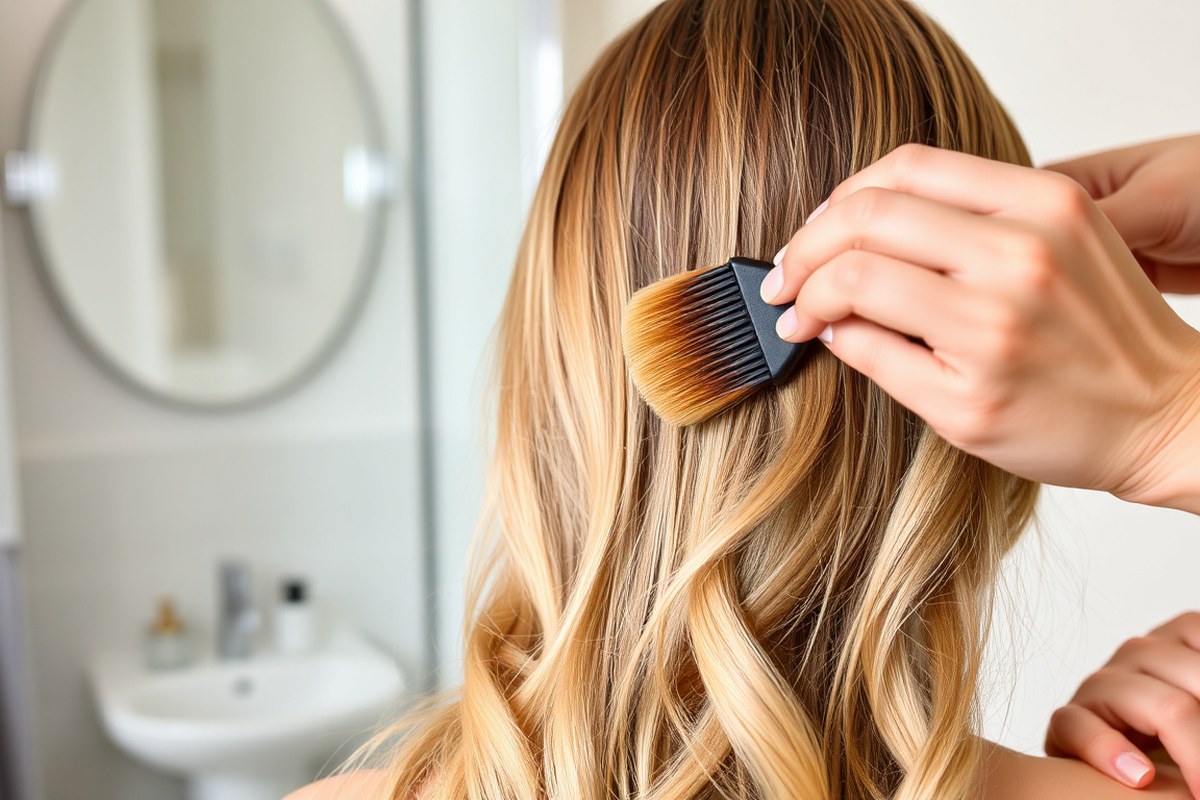
Start with clean, damp hair to help the toner spread evenly. Wash your hair using a gentle shampoo, then towel dry it until it’s just damp. Avoid heavy conditioners before toning, as they can block the toner from absorbing properly.
Use a walnut-sized amount of toner, adjusting if your hair is thick or long. How long you leave toner on depends on the instructions. Usually, it ranges from 5 to 20 minutes.
Always follow the time given on your specific toner. Check a small hair section after 5 minutes to see how the tone develops.
Rinse the toner out with cool water to help seal the hair cuticle. Follow up by applying a conditioner to restore moisture and keep your hair soft. Let your hair air dry or gently towel dry after rinsing to avoid heat damage.
- Wash your hair with shampoo and towel dry until damp, not dripping wet.
- Apply the toner starting from your roots to middle sections, working through evenly.
- Leave the toner on for 5 to 20 minutes, checking a small section after 5 minutes.
- Rinse your hair thoroughly with cool water to remove all toner residue.
- Condition your hair well to restore softness and protect the color.
- Dry your hair gently by air drying or towel drying without heat styling immediately.
What Is Hair Toner and How Does It Work?

A hair toner is a demi-permanent color product used after bleaching or lightening your hair. It helps neutralize unwanted tones like brassiness or yellow hues that appear after lightening.
Unlike regular dye, toner doesn’t dramatically change your base color. Instead, it adjusts the tone by adding subtle pigment.
This subtle pigment works through color theory. Toner deposits colors opposite to unwanted tones on the color wheel. For example, purple toner cancels out yellow tones in blonde hair.
This process balances your hair color. It gives you a cooler or warmer look. The finish depends on the toner shade you pick.
Toners are gentler than permanent dyes or glosses. They usually don’t contain harsh chemicals and last for several weeks before fading.
Their demi-permanent nature means you won’t see a big change in root color. But they refresh or correct brassiness, making your hair look more vibrant and natural.
Applying toner needs your hair at the right lightness. It is often a level 8 or higher. This helps toner work best.
That’s why people with pale blondes, bleach blondes, or grey shades get the best results. Your hair might be too dark or unevenly lightened. Toner may not fix unwanted tones or could cause uneven color.
Toner helps fix your color after bleaching. It balances tones or neutralizes bad hues. This gets you the exact color you want.
It’s like finishing a painting by adding the last layer of color that blends everything smoothly. Toners add shine and hydration.
Glosses or glazes also work as conditioning treatments. They make hair look healthier.
Use toner only on hair that’s properly lightened to avoid uneven color or unwanted hues.
Products like purple shampoos serve as milder toning options you can use regularly at home. These shampoos help maintain toner effects by slowly neutralizing yellow or brassy tones. Stronger toner treatments are needed every few weeks.
This is true if your hair fades from washing, sun, or swimming. These events cause faster pigment loss.
Choosing the Right Toner Shade for Your Hair Color
Pick a toner color that cancels your hair’s unwanted tones. Use purple toners for yellow shades, blue for orange, and green for red. Match your hair’s current color to find the best opposite shade on the color wheel.
Neutralizing Yellow and Brassy Blonde Hair
Yellow or brassy tones in blonde hair respond best to purple toners. Purple cancels yellow because these colors sit opposite each other on the color wheel. Use purple shampoos or toners once a week to keep cool, ashier blondes.
Bleached hair often turns yellow or coppery without toner. Applying a purple toner will remove those warm hues. It’s a simple fix to make blonde tones look cleaner and less brassy after bleach.
Toning Orange and Copper on Brown Hair
Brunettes usually deal with orange or copper tones after coloring. Blue shampoos and toners are ideal since blue opposes orange on the color wheel. These products also add shine and make darker hair look richer.
To tackle orange tones, use a blue-based toner rather than purple. Blue balanced with some violet can neutralize orange without dulling your natural warmth. Try the blue shampoo once a week and watch the brassiness fade.
Choosing Toner for Highlights and Multitone Hair
Highlight damage can cause both yellow and orange warmth. Combining purple and blue toner products often works best for multitone hair. This approach balances yellow in lighter strands and orange in darker ones.
Silver or ash toners suit very light blondes or platinum hair. They reduce yellow and give a cool, sleek finish. For subtle corrections, tinted shampoos are easier and gentler alternatives.
Use the table below as a simple guide. Choose toner colors carefully. They cancel unwanted tones effectively.
| Unwanted Tone | Neutralizing Color |
|---|---|
| Yellow | Purple toner |
| Orange | Blue toner |
| Red | Green toner |
Choose the toner color opposite the unwanted tone in your hair. This method gives the most natural, balanced look without dullness. Lean on purple for blondes and blue for brunettes to fight brassiness the right way.
Types of Hair Toners and When to Use Them
Hair toners come in three main types: demi-permanent, semi-permanent, and glosses. You pick one based on your hair condition and how long you want results to last. Each type works differently and suits different hair coloring needs.
Demi-Permanent Toners: Duration and Effect
Demi-permanent toners deposit color that lasts about four to six weeks. They work well on pre-lightened or highlighted hair to remove brassiness or add subtle hues. These toners penetrate slightly into the hair cuticle but don’t lighten your hair further.
The ingredients cause less damage than permanent dye. So you can safely tone every three to four weeks. Expect improved shine and smoother hair texture after use.
A popular choice is the Rosé Toner. It gives a rose gold tint. It lasts about 15 washes.
Semi-Permanent Toners: Softer, Shorter Results
Semi-permanent toners last a bit longer, usually six to eight weeks. But fade gradually with washing. They sit mostly on the hair surface, making them gentler than demi-permanent options.
These toners are great for a softer change. You can try playful tones like purple or blue.
This type is less damaging and usually free of ammonia and peroxide. They won’t lighten your hair but help fix unwanted warmth or dullness quickly. Semi-permanent toners work great for fine or fragile hair that needs color correction without stress.
Hair Gloss and Color-Depositing Shampoos
Hair glosses add shine and a slight color boost without heavy pigment deposits. They last about two to four weeks.
You can use them more to refresh color. Glosses improve shine and seal the cuticle, making hair look healthier between color treatments.
Color-depositing shampoos and conditioners can also act as toners. You can mix pigments into your regular hair care products to tone gradually with every wash. These options work well for home use.
They keep hair vibrant. They don’t risk over-toning.
How Often Can You Safely Tone Hair?
Most people can safely tone their hair every 4 to 6 weeks. This timing matches when the toner’s effect starts to fade. Waiting this long helps keep your hair color balanced without causing extra damage.
Toning too often can dry out and weaken your hair. Toners often use low-volume developer. But they still open the hair cuticle to add pigment.
Toning weekly or biweekly makes your hair cuticle porous from repeated opening. That can lead to dullness, breakage, or uneven color.
Your hair type matters too. Highly porous hair absorbs toner quickly and can become overstated fast. In this case, stretch the time between toning sessions to avoid harsh effects.
Washing your hair less often helps your toner last longer. So you can wait even more before reapplying.
Check your hair’s appearance regularly. A dull or off tone means it’s time for another toning session.
Use a cool water rinse after toning to close the cuticle and lock in color. Avoid using developers stronger than 10-volume, as higher strength can cause damage over time.
Only tone your hair when you see fading or unwanted tones. Don’t tone on a fixed schedule.
Bleached hair needs special care. Since it’s more fragile, apply toner sparingly.
Give your strands time to recover between sessions, at least 6 weeks. Combine toning with color masks or glosses to keep hair shiny and strong.
Remember, toning is about adjusting color, not changing it completely. Sticking close to your natural hues helps protect your hair’s health. Over-toning can make color look patchy or fake while harming your hair’s texture.
Common Hair Toner Mistakes and How to Fix Them
Choosing the wrong toner color is one of the biggest mistakes. Using a toner that doesn’t suit your hair’s existing shade won’t fix brassy tones. It can leave you with an odd, unnatural tint instead of the neutral look you want.
Skipping the developer or mixing it incorrectly is another common error. Toner needs developer mixed at a 1:2 ratio. One part toner goes with two parts developer.
This mix activates the toner. Without this, the toner won’t work properly and your color may come out uneven.
Leaving toner on too long can cause purple tones. It might also turn your hair gray. Your hair can look too ashy too.
The instructions usually say about 30 minutes of processing time. Checking your hair every 5-10 minutes helps prevent over-processing and damage.
- Match toner color exactly to your hair’s current tone
- Mix toner with developer in a 1:2 ratio for best results
Rinse out toner fast with cool water when left too long. Using a gentle shampoo can help remove excess toner. Deep conditioning after rinsing soothes any dryness or damage.
Over-processing can make your hair brittle or dry. Avoid this by sticking strictly to the time and product instructions. Stop toning if hair feels rough or dull.
Use a moisturizing hair mask for a week first. Then try toning again.
How Hair Porosity Affects Toner Absorption and Longevity
Hair porosity shows how well your hair absorbs and holds moisture. It matters for toner because porous hair soaks up color faster but may lose it quickly. Resistant hair repels moisture and color, needing longer or stronger toner application for good results.
You can check porosity by the water test. Drop a clean strand into a glass of water. Your hair is porous when the strand sinks quickly.
Your hair has low porosity when it floats or sinks slowly. Another way is the slip test: wet hair and slide fingers down a strand.
Rough or bumpy feels mean high porosity. Smooth means low porosity.
Porous hair picks up toner well. It fades in 2 to 4 weeks. Damage or open cuticles cause fading.
Use a shorter toner time, about 5 to 10 minutes, to avoid over-toning. Follow with a deep conditioner to seal the cuticle. Toner can also help strengthen your hair’s condition when it’s damaged.
Low-porosity hair needs more time to absorb toner, around 15 to 20 minutes. You might warm the toner slightly to open the cuticle, but never overheat. Avoid washing hair right before toning.
Natural oils protect the hair and help color last longer. Use a lightweight conditioner after toner to avoid buildup.
Medium porosity hair has balanced cuticles and often shows the best toner results. Toner lasts closer to 6 to 8 weeks here.
You can follow the product’s instructions closely without big changes. Keep in mind, washing less often and limiting heat styling makes the toner stay bright longer.
Your ends usually hold color less because they are older and more porous. After applying toner, comb it through so it spreads evenly.
Extra toner at the ends may fade fast. So consider reapplying only on mid-lengths and roots if your ends feel dry.
Adjust your toning schedule based on how your hair responds. Porous hair might need toning every 2 or 3 weeks. Resistant hair can go longer between sessions.
Watch your hair for signs of dryness or dullness as cues to tone again. Always follow label instructions and protect hair health during the process.
When to Seek Professional Help with Hair Toner
Choosing professional hair toner is best for precise color. It also helps if your hair needs special care. Simple touch-ups don’t offer the same results.
Situations involving delicate shades, damage, or corrections demand expert skills and products. A stylist’s training helps avoid mistakes that are costly or damaging to fix.
Complex Color Corrections and High Porosity Hair
Hair with high porosity soaks up toner unevenly, causing patchy or muddy results. Professionals assess this using strand tests before toning, adjusting formulas and timing carefully. They can also treat damaged or porous hair with bond-building toners that protect while adding color.
Complex corrections, like going blonde to brunette or fixing heavy brassiness, require precise chemical knowledge. Experts mix salon-grade toners with the right developers to balance pigment strength without harming hair integrity. This approach costs more but saves you from costly fixes later.
Bright or Pastel Shades Needing Precise Toning
Precise toning is key for vibrant blondes, silvers, or pastel hues that fade quickly. Salon toners have higher pigment levels and specialty conditioning ingredients to achieve and maintain these colors. This careful process gives a smooth, even color that DIY kits rarely match.
Professionals may recommend gloss treatments like Redken Shades EQ to refresh tone and add shine. These treatments usually cost between $40 and $100. They can extend your color’s life.
They also improve your hair’s health. For a one-step boost at home, use in-shower glosses with conditioning. But don’t expect drastic changes.
Fixing Salon or At-Home Toning Errors
Wrong toner shades create unwanted colors like green, orange, or ashy tones. Professionals diagnose the problem and apply corrective toners or fillers safely. They also trim or treat damaged strands to ensure even color without breaking fragile hair.
Fixing toner mistakes at home can make damage worse. You might end up with uneven tones. These are harder to fix later.
A stylist adjusts the mix and timing perfectly based on hair texture and previous treatments. Their expertise helps you avoid prolonged damage and saves you money on redoing your color.
Always do a strand test before full toning to spot potential color shifts or damage early.
Step-by-Step Action Plan to Tone Your Hair at Home
Follow these steps to tone your hair safely and get the color you want. Check your hair after each step to see how the tone changes.
- Before you start: Do a strand test to check how your hair reacts to the toner. Look for even color and no damage.
- Day 1: Wash your hair with a gentle shampoo, then towel dry until damp. This helps the toner absorb evenly.
- Immediate: Apply the toner evenly from roots to ends using gloves and a tint brush. Watch your hair’s color development closely.
- 10 to 20 minutes: Leave the toner on as the product instructions say. Rinse a small section early if you see the tone you want.
- After rinsing: Apply a conditioner made for color-treated hair. This helps lock in moisture and keep your new tone safe.
- After 1 week: Look at your hair tone closely. If it fades, use a color-depositing conditioner once weekly to keep it fresh.
- After 3 to 4 weeks: Assess if you need to repeat the toner application. Avoid over-toning to keep your hair healthy.
- Ongoing: Protect your hair from heat and sun to preserve the toner’s effect longer.
Frequently Asked Questions
Can I Use Hair Toner on Damp Hair?
Yes, applying toner on damp hair helps even color spread. It also ensures better absorption and avoids patchy results.
How Long Does Hair Toner Usually Last?
Toner results typically last between 4 to 6 weeks. Your hair routine and porosity affect how long the color stays.
What Should I Do If My Hair Turns Too Gray After Toning?
Rinse the toner out immediately to stop processing. Use a moisturizing shampoo afterward to soothe your hair.
Can I Mix Different Toner Shades Together?
You can mix shades carefully to get a custom tone. Always test on a small hair section before full application.
Is Applying Toner at Night a Good Idea?
It’s better to apply toner during the day. You want to see the color developing and rinse at the right time.
How Often Can You Tone Previously Damaged Hair?
Wait longer between tonings for damaged hair, about 6 weeks. Over-toning can cause more dryness and breakage.
The Bottom Line
Toning your hair helps control unwanted colors and keeps your look fresh. Start with a strand test before you apply the toner. Keep your hair healthy and check its tone often to know when to tone next.