How to Use Straightener Safely and Effectively: Complete Guide for All Hair Types
How to use straightener well starts with setting the right heat. Use a temperature that matches your hair type to avoid damage. For example, 300°F to 350°F works for normal hair and keeps hair healthy.
Fine or damaged hair needs lower heat, around 250°F to 300°F, to prevent breakage. Thick or coarse hair can handle 350°F to 400°F but don’t go higher. Avoid using the hottest setting every day to protect your scalp and hair.
Before straightening, your hair should be damp, about 60% dry. This helps the heat shine through evenly, so your hair gets smooth faster. Always use a heat protectant spray before using your straightener.
Choose a straightener with plates the right size for your hair length and texture. Standard plates of 1 to 1.5 inches are good for most hair types. Bigger plates work better if your hair is long or thick.
Key Takeaways
- Set the straightener temperature between 300°F and 350°F for normal hair.
- Use 250°F to 300°F for fine or short hair to prevent heat damage.
- Start straightening with your hair about 60% dry for best results.
- Apply a heat protectant spray before each use to protect hair.
- Choose 1 to 1.5-inch plates for most hair lengths and types.
- Use wider plates if your hair is long, thick, or coarse.
How to Use a Hair Straightener Step-by-Step
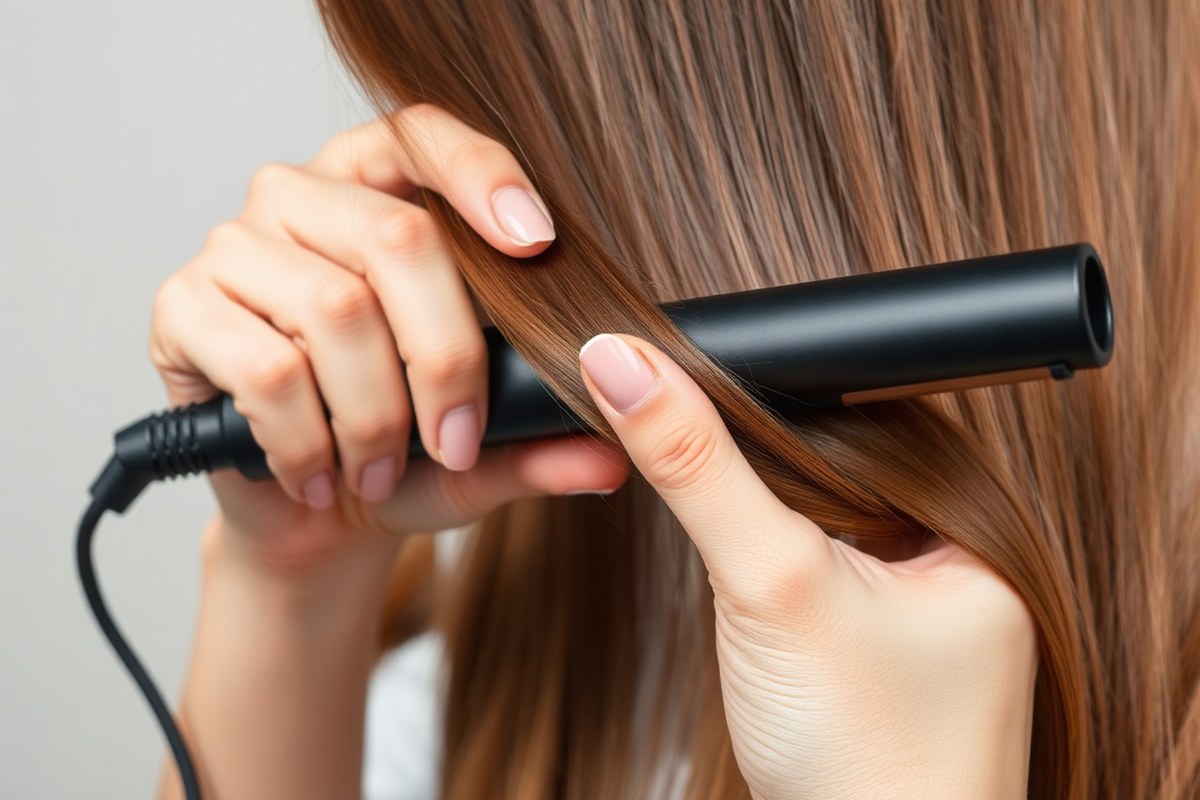
Straightening your hair starts with good prep to protect it. Use a heat protectant product on dry, clean hair. Sectioning your hair into small chunks helps the heat spread evenly and prevents damage.
Work in small sections about 1 to 2 inches wide. This size lets you glide the straightener slowly and smoothly, reducing the need for repeated passes. Avoid rushing because slow, steady motion helps lock in shine and smooth the strands.
Only run your straightener 2 to 3 times at most over each section. More passes can cause breakage and dry out your hair.
Also, let each section cool completely before you touch or style it further. This sets the straight style longer.
- Plug in your straightener. Let it heat to 325°F for fine hair. Use 350°F if your hair is thicker.
- Brush through your dry hair to remove knots and tangles gently before you start.
- Divide your hair into small sections. Clip away the rest. This keeps hair out of your way.
- Hold the straightener 1 inch from your scalp. This avoids burns. Keep it close to the roots.
- Clamp a 1-2 inch section of hair smoothly. Slowly pull the straightener down to the ends.
- Repeat this movement 2 or 3 times max on each section for a sleek finish.
- Let the hair cool fully before touching it or applying products.
- Once done, unplug the straightener and give it time to cool before storing.
Choosing the Right Straightener for Your Hair Type

Pick a straightener that fits your hair’s texture, length, and health. Plate material and size affect how fast and gentle it works. Special features can make styling easier and safer.
Types of Straighteners Explained
Ceramic plates are great for frizzy hair. They give even heat, which protects your strands from hot spots.
Titanium plates heat faster, ideal for thick hair. But they run hotter and need care to avoid damage.
Tourmaline plates help dry hair by reducing static for a smooth finish. Steam straighteners add moisture as they straighten, cutting down on dryness and breakage. Ceramic plus ionic combos work well for daily use, offering a smooth, shiny look.
Go for steam straighteners if your hair dries out easily but watch for longer styling times.
Plate Sizes and Their Uses
Choose a plate size based on your hair length and thickness. Narrow plates, about 1 inch wide, work well for short or fine hair. Wider plates, up to 2 inches, handle thick or long hair more quickly.
| Plate Size | Best For | Why |
|---|---|---|
| 1 inch or less | Short or fine hair | More control for styling small sections |
| 1 to 1.5 inches | Medium length and thickness | Balances speed and precision |
| 1.5 to 2 inches | Long or thick hair | Larger sections cover more hair, faster |
Picking the right size cuts your styling time and lowers heat exposure. Avoid wide plates on fine hair since they can cause uneven heat and damage.
Special Features and Accessories
Straightener brushes combine heat with brushing for quick detangling and straightening. They do well on many hair types but don’t create as sleek a finish. Use them if you want a fast, gentle style.
Flexible plates reduce hair breakage, especially for curly hair. Adjustable temperature controls let you pick safer heat levels for your hair type. Look for models with automatic shut-off to avoid accidents and heat damage.
Avoid the hottest setting unless your hair is extremely thick or coarse.
Setting the Right Heat Temperature for Your Hair
Set the hair straightener to a temperature that matches your hair type. Use lower heat for fine or damaged hair and higher heat for thick or curly hair. Adjust the heat carefully to avoid damage while getting smooth results.
Temperature Recommendations by Hair Type
Different hair types need different heat settings to straighten safely and well. Fine or thin hair works best at lower temperatures.
Thick hair needs higher heat. Matching your straightener’s temperature to your hair type protects your hair while styling.
| Hair Type | Recommended Heat (°F) | Recommended Heat (°C) | Damage Risk If Overheated |
|---|---|---|---|
| Fine / Thin | 250-300°F | 120-150°C | Breakage, dryness |
| Normal | 300-350°F | 150-180°C | Moisture loss |
| Thick / Coarse / Wavy | 360-390°F | 182-199°C | Frizz, split ends |
| Curly / Coarse / Coily (4C) | 390-410°F | 199-210°C | Curl damage |
Select the lowest temperature that straightens your hair well. For example, set 300°F for fine hair. For thick hair, increase heat but avoid going over 410°F.
Adjusting Heat for Damaged or Colored Hair
Damaged or chemically treated hair needs lower temperatures to avoid worsening damage. Stay between 240°F and 280°F (120°C to 140°C) for these hair types. This helps protect fragile strands.
Use heat protectant sprays to reduce harm further. Take smaller hair sections to style carefully. Repeated passes can increase damage even at lower heat, so use minimal strokes.
Risks of Excessive Heat and How to Avoid Them
Using too high heat can dry out your hair, cause breakage, and lead to split ends. Heat above 410°F damages even the thickest hair quickly. Avoid holding the straightener on one spot too long to prevent frying your strands.
Find the minimum temperature that straightens your hair well. Start low and increase heat slowly only if needed. Remember, excessive heat doesn’t make your hair straighter faster, it just causes more damage.
Preparing Your Hair Safely Before Straightening
Begin by washing your hair with a gentle shampoo and conditioner. Use lukewarm water to avoid stripping oils. After washing, gently towel dry your hair to remove extra moisture but don’t rub harshly.
Hair needs to be completely dry before you start straightening. Using a hair-dryer helps reach this stage faster. Hold the dryer a few inches away from your hair strands.
Use a medium heat setting on the dryer. This helps protect your hair from damage.
Straightening damp or wet hair can cause serious damage. Water trapped inside the hair shaft boils, weakening the strands. Always check with a fingertip; the hair should feel dry, not cool or damp.
Apply a heat protectant spray or serum on dry hair before you straighten. Spray it evenly about an inch away from your hair sections. Let the product absorb fully to shield your hair from high temperatures.
Use a wide-tooth comb to detangle hair gently before heat styling. Clips help separate hair into smaller sections for easier straightening. This method ensures the heat reaches all parts evenly.
Proper hair preparation reduces damage and improves straightening results. Smooth, protected hair straightens faster and looks shinier. Skipping protectants or starting on damp hair causes dryness and brittle ends.
You can add a light leave-in moisturizer if your hair feels dry. Avoid heavy products that leave residue or weigh hair down. Moisturizing helps hair stay flexible and less prone to breakage during heat styling.
Take your time drying and protecting your hair to save it from damage. Straighteners work best on hair that’s dry but not over-processed. This balance gives you smooth, healthy-looking hair after straightening.
Common Mistakes When Straightening Hair and How to Fix Them
Applying a flat iron to damp hair can cause serious harm. The heat quickly heats up the moisture inside your strands.
This leads to split ends and frizzy hair. Ensure your hair is totally dry before using a straightener.
Straightening the same hair section repeatedly can cause damage. Each time you pass the straightener, heat and pressure dry out hair.
Keep it to one or two passes per section. This helps your hair stay strong and shiny.
Uneven heat usually results from rushing or not sectioning properly. This can leave some parts less straight or cause the ends to dry out and split. Take smaller sections for thick or curly hair.
Glide the straightener slowly from roots to ends. Move the tool smoothly to avoid pulling or snagging hair.
- Never use a straightener on damp or wet hair; dry hair fully first.
- Use only 1-2 passes per hair section to reduce damage.
- Apply heat protectant evenly before straightening your hair.
- Work with small sections, around 1-2 inches wide for thick hair.
- Keep the straightener plates vertical and move them fluidly down the hair.
- Avoid the highest heat setting unless your hair is very coarse.
- Focus more heat on roots and less on ends to prevent dryness.
Never force your straightener through tangled hair; detangle first to avoid breakage.
Skipping heat protectant can cause damaged ends. It shields your hair and keeps moisture in during straightening. After detangling, apply a small amount of heat protectant.
Focus on mid-lengths and ends. This helps protect your hair from heat damage.
Moving the straightener too fast means the heat won’t smooth the hair evenly. You may get spots that are still wavy or frizzy. Take a smooth, steady stroke from root to tip for an even and polished look.
Using Steam Hair Straighteners Compared to Regular Flat Irons
Steam hair straighteners use moisture to smooth hair while heating. They differ from regular flat irons by adding steam that softens hair fibers. This can make thick or frizzy hair easier to straighten and less dry.
How Steam Straighteners Work
Steam straighteners release water vapor through vents on the plates as they heat up. The steam helps hydrate the hair, reducing dryness compared to dry heat alone. This moisture softens the hair cuticle, allowing the plates to glide smoothly and reduce breakage.
Steam straighteners work great on thick, curly, or frizzy hair. These hair types dry out easily. Steam helps keep them hydrated and smooth.
You fill the water tank before use. Then the steam activates while you slowly run the straightener down each section of hair.
Advantages and Disadvantages
Steam straighteners create a softer, shinier finish and help reduce frizz more than regular flat irons. They also cause less heat damage since the steam moistens hair during styling. This is helpful for dry or coarse hair textures.
On the downside, steam irons usually cost more and need regular filling with distilled water. They take a few extra seconds to heat up.
These straighteners might not be needed for fine or naturally straight hair. Also, bulky water tanks can make them less travel-friendly.
Cleaning and Care for Steam Irons
Proper cleaning prevents mineral build-up in the steam vents which can block steam flow. Empty the water reservoir after each use to avoid bacteria growth or corrosion. Wipe the plates with a damp cloth after cooling to remove any residue.
Use distilled water to fill the tank and avoid clogging. You should follow the manufacturer’s descaling instructions if your steam straightener leaks or produces less steam. Regular cleaning keeps the steam consistent and preserves your tool’s lifespan.
Tips for Long-Lasting Straight Hair and Finishing Products
Use a lightweight serum or oil after straightening to add shine and smooth frizz. Apply only a few drops to your palms, then gently run your hands through the ends. This keeps your hair shiny without making it greasy or heavy.
Humidity causes hair to poof up and lose sleekness. Finish with a humidity-resistant hairspray designed for straight hair.
These sprays create a thin shield that blocks moisture from causing frizz. Look for products labeled “anti-frizz” or “humidity defense.”
Let your hair cool down fully before using any finishing products. This step helps your style last longer. Try not to touch your hair much during the day to keep it smooth.
- Use a heat-protecting spray before straightening to protect your hair strands.
- Apply a small amount of smoothing serum or light oil after styling.
- Choose a hairspray that specifically controls humidity and frizz.
- Avoid heavy products near your scalp to prevent buildup and greasiness.
- Cool hair before using styling products to lock in the straight look.
- Brush hair gently with a wide-tooth comb to maintain smoothness.
- Consider a silk or satin pillowcase to reduce overnight frizz.
You can extend straight hair’s life by styling at lower heat when possible. For example, try finishing with a cool blast from your blow dryer for 30 seconds.
It seals the cuticle and makes hair less prone to frizz. Also, using straightening brushes on damp hair skips extra blow drying.
Products that work on wet and dry hair are useful. You can use them to freshen your style. Use these anytime you feel your hair needs a boost.
Just apply a small amount to bits that look frizzy or lose gloss. Avoid overloading, which can weigh hair down and flatten your style.
Maintaining Your Hair Straightener and Knowing When to Replace It
Clean your straightener plates regularly to stop product buildup. Use a soft cloth dampened with rubbing alcohol or a gentle cleaner. Wipe the plates every two weeks if you straighten hair often.
Check for damage each time before use. Look at the cord for any cracks or fraying.
Inspect the plates to see if they are scratched or chipped. Plates should meet evenly without gaps to prevent uneven heating.
Store your straightener in a cool, dry place after it cools down. Avoid wrapping the cord tightly around it; loose coiling reduces strain. Use a heat-resistant pouch if you often travel with it.
Signs of a worn-out straightener include uneven heating or plates that don’t close properly. When the plates chip, your hair can catch and pull.
This may cause damage. Frequent fluctuations in heat or a burning smell also mean it’s time to replace it.
A straightener with chipped plates can snag your hair and cause breakage. So replace it promptly once you notice damage.
Descaling isn’t usually necessary unless your straightener has built-in steam functions. For steam straighteners, check the manual for descaling instructions to avoid buildup inside the water tank. Use distilled water to reduce mineral deposits if your model needs refills.
Avoid using your straightener on wet hair. Only use it on wet hair if made for that. This helps your straightener last longer.
This reduces plate damage and prevents steam buildup inside the device. Clean your straightener often.
Store it carefully each time. This keeps it working and safe for your hair.
Step-by-Step Action Plan
Follow these steps to start straightening your hair safely and well today. Each step helps you avoid damage and get smooth results.
- Before you start: Clean and dry your hair completely. It should feel dry and smooth, not damp or sticky.
- After you prep: Apply a heat protectant spray or serum evenly. Your hair will feel light, not greasy or heavy.
- First use: Set your straightener to the right temperature for your hair type. Fine hair 300°F to 350°F, thick hair up to 400°F. Test on one strand to check results.
- During straightening: Work in small sections, about one inch wide. Your straightener glides without pulling or snagging.
- After straightening: Let your hair cool before touching. Your hair stays smooth longer without frizz or waves.
- Regular care: Clean your straightener’s plates every two weeks. It looks shiny and removes leftover product buildup.
- Every month: Inspect cords and plates for damage. If you see cracks or frayed wires, replace your tool immediately.
Frequently Asked Questions
Can I Use a Straightener on Wet Hair?
It’s best to dry your hair completely before using a straightener. Wet hair can get damaged easily by heat.
Always blow dry or air dry hair first. This helps you style your hair more safely.
How Often Should I Replace My Hair Straightener?
Replace your straightener every 2 to 3 years or if it stops heating evenly. Worn plates or broken controls can hurt your hair.
Check your straightener often for cracks. Make sure the temperature settings work right.
What’s the Best Way to Section Hair for Straightening?
Divide your hair into small, manageable sections around 1 inch thick. Brushing your hair first helps the straightener work better.
It stops missing spots and uneven straightening. This also means you need fewer passes, which protects hair.
Can a Straightener Help Reduce Frizz Besides Straightening?
Yes, especially ceramic or steam straighteners can reduce frizz by sealing hair strands. They smooth hair cuticles, making hair look shinier and less frizzy without extra products.
Is It Necessary to Do a Cool-Down After Straightening?
Cooling your hair briefly after straightening helps the style last longer. You can let each section cool before touching it to set the shape and reduce frizz.
Should I Clean My Straightener Plates?
Yes, clean the plates once a month to remove product buildup and dirt. Use a damp cloth on your unplugged straightener to clean it.
This keeps it working right. It also stops uneven heat from damage.
Before You Go
Straightening your hair safely is easy with the right care and steps. Start by picking the right temperature for your hair type today. Keep your straightener clean and check it often to protect your hair.