How to Fix Frizzy Hair: 8 Proven Ways for Smooth, Healthy Strands
How to fix frizzy hair starts with locking in moisture and reducing damage. Use gentle shampooing and avoid scrubbing hair roughly because that causes frizz.
Rinse conditioner well. But don’t overdo it or your hair will feel dry and rough.
Dry your hair until it’s about 80% dry, then let it air dry naturally. Wrapping hair in a microfiber towel helps soak up water gently. It avoids rough friction that regular towels can cause.
This protects your hair’s surface while drying. This reduces frizz by protecting the outer hair layer.
Trimming hair every 6 to 8 weeks removes split ends. Split ends make your hair look frizzy and dry. Regular trims keep hair healthy and smooth.
Those damaged ends open up and make the strands look unhealthy and puffy. Regular trims keep your hair smoother and easier to manage.
Key Takeaways
- Use a gentle shampoo and avoid scrubbing your scalp hard.
- Apply conditioner and leave it in for 2 to 3 minutes before rinsing.
- Dry hair with a microfiber towel for about 5 minutes to reduce frizz.
- Air dry hair after it’s about 80% dry instead of using heat immediately.
- Trim hair every 6 to 8 weeks to prevent split ends and frizz.
- Deep condition your hair once a week for 10 to 15 minutes.
1. How to Fix Frizzy Hair Quickly and Effectively

To reduce frizz fast, focus on smoothing your hair using the right products and tools. You want to tame flyaways and lock in moisture in minutes. A few easy steps can tame frizzy hair fast.
These tricks make your hair sleek. The look lasts until your next wash.
Start with damp or dry hair. Choose leave-in conditioners or serums made to fight frizz. Avoid greasy products.
A lightweight hair wax works well to control frizz without weighing hair down. Use heat styling tools carefully. Always apply heat protectant to prevent damage and more frizz.
- Apply a leave-in conditioner to damp hair. Use a nickel-sized amount. Coat evenly to add moisture and protect strands. Comb through gently to detangle and distribute the product.
- Spray a frizz control mist or anti-frizz spray. Hold the bottle 6 to 8 inches from your hair. Mist lightly to seal cuticles and block humidity.
- Use a wide-tooth comb or your fingers to style. Avoid brushes that cause breakage. Comb from the ends upward to prevent tangles and breakage.
- Apply a small amount of hair wax or smoothing balm. Rub between your palms and smooth over flyaways or frizzy sections. Focus on mid-lengths to ends, avoiding roots.
- Blow-dry your hair using a diffuser or nozzle attachment. Use medium heat and low speed. Aim downward while drying to smooth the cuticle. Dry no longer than 5 to 10 minutes to avoid dryness.
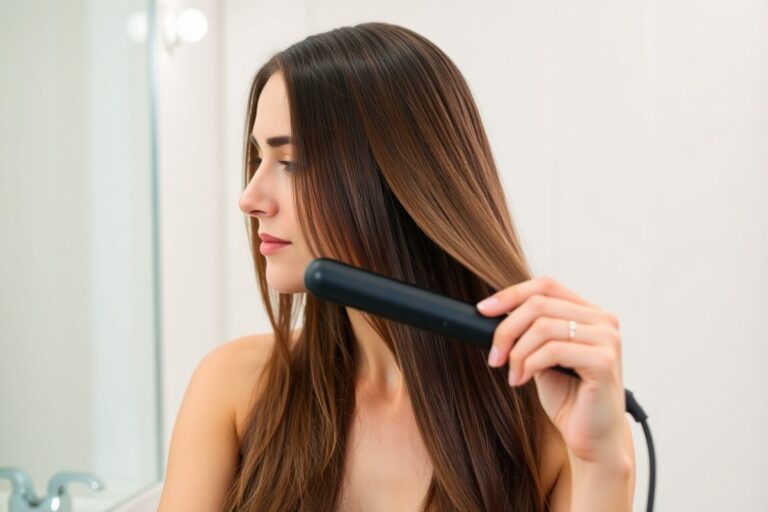
- Finish with a flat iron if needed. Set the temperature to 300, 350°F for fine to normal hair. Straighten small sections quickly to seal the cuticle without overheating.
- Keep a 3-Day No Frizz Spray handy for touch-ups. Spray lightly on dry hair throughout the day for instant smoothness and frizz control.
These steps take about 10 to 20 minutes total depending on hair length and thickness. Using frizz-targeted products prepared for your hair type helps keep results. Overusing products or heat can cause dryness, which worsens frizz.
The goal is smooth, shiny hair without extra weight or buildup. You’ll notice fewer flyaways and easier styling.
2. What Causes Frizzy Hair and How Hair Type Affects It

Frizzy hair mainly happens because the outer layer, called the cuticle, lifts up. This lifted cuticle tries to get moisture from the air, especially in humid weather. When your hair soaks up extra moisture, the strands swell and look frizzy.
The cuticle also gets damaged from heat, rough drying, or chemical treatments. Damage makes it easier for moisture to sneak in unevenly.
This causes more lifting and roughness, so you see more frizz. Dry hair or hair with high porosity loses its natural moisture balance faster, inviting frizz.
Hair type matters because some textures are more likely to frizz than others. Curly or coarse hair tends to have a rougher cuticle surface and higher porosity. This means it loses moisture quickly and absorbs humidity faster.
Straight and fine hair usually fights frizz better than other types. Its cuticle lays flat, helping to keep moisture even. This stops dry patches that cause frizz.
Comparing hair types shows why curly hair needs more moisture and gentle care. Curly hair’s twists create more surface area for humidity to affect. It also dries unevenly, creating patches of dryness and frizz.
Fine, straight hair sometimes frizzes but usually when it’s dry or damaged. Managing moisture is the key to reducing frizz in any hair texture.
Use a soft microfiber towel or an old T-shirt to dry your hair. Pat it gently instead of rubbing. This helps stop cuticle damage that makes frizz worse.
3. Why Regular Haircuts and Split-End Care Matter
Getting a trim every 6 to 8 weeks stops split ends early. Split ends can move up the hair, causing more frizz and damage. Cutting them off keeps your hair looking healthy and smooth.
Split ends make hair look fuzzy, which makes frizz seem heavier. Damaged tips lift the hair cuticle, causing hair strands to separate and catch light unevenly. This leaves your hair with that rough, frizzy texture you want to avoid.
You can trim your own hair safely at home using sharp hair scissors. Work with small sections of your hair. Cut only the damaged ends.
Snip about a quarter inch off at a time. Avoid using regular scissors from the kitchen; they can make your ends split more.
Wash and dry your hair completely first. Comb it straight and divide it into sections.
Hold a small strand and trim just past any frayed ends. Take your time to avoid cutting too much.
Getting a professional haircut every two months keeps split ends gone and your hair smooth. A simple trim at a salon usually costs between $20 and $50.
Prices vary depending on your location. Regular trips prevent damage from building up and reduce frizz long term.
Skipping trims means more breakage and increased frizz over time. When split ends worsen, hair looks poofy even if the rest feels soft. Combine trims with moisturizing products for the best control over frizziness and dry ends.
4. Choosing and Using the Right Hair Washing and Conditioning Routine
To reduce frizz, choose shampoos and conditioners designed to moisturize hair. Wash with lukewarm water, use conditioners properly, and rinse with cool water. These steps help seal the hair cuticle and keep frizz at bay.
Best Shampoo Ingredients for Frizz Control
Pick a shampoo without sulfates because these can strip natural oils and aggravate frizz. Look for ingredients like glycerin and natural oils, they attract moisture and smooth hair. Avoid heavy silicones that may build up, weighing hair down over time.
Shampoos with anti-humidity polymers and proteins support hair against environmental damage. Some also include ingredients like AHA or Omega-9, which repair and strengthen hair strands. These features help make hair up to six times smoother after use.
- Sulfate-free formulas to protect moisture
- Glycerin and natural oils for hydration
- Anti-humidity and defense polymers
- Protein-rich ingredients for repair
- Avoid heavy silicones that cause buildup
Switching to shampoos marked for curly or dry hair often makes sense. They have extra moisturizing agents to reduce frizz from the start. Even if your hair isn’t curly, you’ll notice softness and less flyaways.
How to Condition and Deep-Treat Correctly
After shampooing, apply conditioner mostly to the ends to avoid greasiness near the scalp. Leave the conditioner in for about 5 minutes, enough to smooth and hydrate your strands. Rinse with cool water to close cuticles and lock in moisture, which cuts frizz.
For deep conditioning masks, use them once or twice a week. Spread the mask on damp hair. Leave it for 20 to 40 minutes.
Rinse it out with lukewarm water. These treatments boost moisture and repair, handling tougher frizz issues.
Using a microfiber towel to gently pat your hair dry prevents rough friction. Wrap your hair in the towel for about 5 minutes to soak up most water. Avoid rough rubbing, which lifts cuticles and causes more frizz.
Washing Frequency for Different Hair Types
Washing hair less often helps maintain its natural oils and tame frizz. Your scalp isn’t oily. Shampoo two to three times a week.
This usually works well. Avoid daily shampooing unless you use heavy styling products or sweat a lot.
Conditioning can happen more frequently than shampooing, even in between washes. Using conditioner on damp hair without shampoo keeps moisture steady and prevents dryness. Rinsing with cool water after conditioning seals the cuticle and smooths hair surface.
You have very dry or coarse hair. Shampoo only once a week. Condition more often.
Your hair is fine or oily. Shampoo every other day.
Always condition afterward. Tailoring your routine this way avoids stripping or weighing hair down.
5. Proper Hair Drying Methods to Minimize Frizz
Air drying is gentler but can cause frizz if your hair dries unevenly. Blow drying with the right tools prevents frizz and speeds up drying. Using a diffuser or ionic dryer softens the airflow.
This helps control frizz. It works well for curly or wavy hair.
Microfiber towels absorb water without roughing up your hair cuticle. Cotton towels rub your hair and create frizz.
Wrap your hair in a microfiber towel after washing and gently squeeze excess water. Avoid rubbing or twisting your hair harshly to keep strands smooth.
| Drying Method | How It Works | Best Use | Effect on Frizz |
|---|---|---|---|
| Air Drying | Hair dries naturally without heat | Gentle drying, avoid in humid weather | Can cause uneven frizz if water evaporates slowly |
| Blow Drying | Hot air evaporates water quickly | Dry hair faster, style smoother | May increase frizz if used without nozzle or diffuser |
| Blow Drying with Diffuser | Softens airflow, reduces hair disturbance | Curly and wavy hair | Reduces frizz, improve natural texture |
| Use of Ionic Dryer | Emits negative ions to seal cuticles | All hair types, especially frizzy hair | Decreases frizz and boosts shine |
| Microfiber Towel | Absorbs water with less friction | All hair types, after washing | Minimizes frizz compared to cotton towels |
Start by blotting your hair with a microfiber towel for 5 to 10 minutes. Once your hair is about 90% dry, use your blow dryer on low heat. Attach the diffuser to your dryer.
Set it to low speed. Cup your curls gently inside the bowl.
This keeps curls bouncy, not frizzy. Finish with a cool shot from the dryer to seal the hair cuticle and boost shine.
Avoid rubbing your hair with towels. Also, don’t use a blow dryer without a nozzle. These cause frizz and damage.
These habits rough up the hair cuticle and cause frizz. For straight or wavy hair, use a boar bristle brush during drying to distribute natural oils. That smooths out flyaways and softens the look of your hair.
Wrap wet hair gently in a microfiber towel. Don’t twist it hard. This helps prevent frizz.
6. How to Apply Oils, Serums, and Leave-In Conditioners Effectively
Use a small amount of oil, serum, or leave-in conditioner right after towel drying. These products seal the hair cuticle and lock in moisture. Applying them on damp hair reduces frizz without making hair greasy or heavy.
Choosing the Right Oil or Serum for Your Hair
Pick natural oils like argan or coconut for deep moisture and smoothness. These oils help seal hair strands and reduce frizz. Serums often combine oils and silicones for a lightweight finish that won’t weigh hair down.
Look for leave-in conditioners with keratin or natural oils like jojoba or avocado. These ingredients strengthen hair while adding moisture. Lighter formulations suit fine hair; thicker products work for coarse hair needing extra smoothness.
When and How to Apply Leave-In Products
Apply leave-in products soon after you shower, while hair is still damp. This traps moisture inside before frizz starts from the steamy bathroom air. Rub a couple of pumps of oil or serum in your palms.
Warm it by rubbing your hands together. This helps it spread better on your hair.
Gently smooth the product through mid-lengths and ends, avoiding roots. Using too much at the scalp makes hair greasy. Comb the leave-in treatment evenly through damp strands to lock in moisture.
- Use 1 to 2 pumps of oil or serum for shoulder-length hair.
- Apply product within five minutes of washing.
- Target dry or frizzy areas first, usually hair ends.
- Avoid scalp to reduce buildup and greasiness.
- Repeat use 2-3 times per week or as needed.
Adjust the amount based on your hair texture and thickness. Thicker hair might need slightly more oil, while fine hair requires less. Frequency depends on your environment and personal hair needs.
Avoiding Common Mistakes with Oils and Serums
Using too much product leads to buildup, making hair look greasy and weighed down. Avoid applying oil near the scalp unless your hair is very dry. Overloading causes dullness and can attract dirt quickly.
Don’t wait until hair is completely dry before applying oils or serums. Once dry, these products can sit on hair surface without sealing moisture inside. Applying to damp hair locks in hydration better and tames frizz faster.
7. The Best Styling and Heat Protection Techniques for Frizzy Hair
Protecting your frizzy hair from heat damage is key to lasting smoothness. Use a heat protectant spray and choose styling tools with temperature control. You can also style without heat by using gentle, damage-free methods.
Heat Protection Products That Actually Work
Always apply a heat protectant before using any heat styling tool. It forms a barrier that reduces moisture loss and frizz. Some sprays protect hair from heat up to 450°F, which covers most styling tools.
Look for products combining frizz control with heat protection for convenience. For example, leave-in creams that tame frizz also shield hair during styling. This cuts down extra steps and adds moisture.
Protectants typically cost between $10 and $35 and last several weeks. Use them on damp or dry hair before blow-drying, curling, or straightening.
Styling Tools: Diffuser, Flat Iron, Curlers
A diffuser attachment on your blow dryer helps reduce frizz by spreading heat evenly. It’s especially good for curls and waves, avoiding direct heat blast that dries hair out.
Flat irons work best at moderate temperatures, around 300°F to 350°F, to avoid overdrying. Always start with the lowest temperature and increase if needed. Too much heat causes flyaways and rough texture.
Foam rollers or heatless curlers let you get volume and shape without damage. If you use a curling iron, apply oil with heat shields for extra protection.
- Use a diffuser with low heat and airflow for curly hair
- Set flat irons between 300°F and 350°F for frizz-sensitive hair
- Limit heat styling to two or three times a week
- Try foam rollers or flexi rods for curls without heat
- Apply heat protectant oil before curling with irons
- Avoid blasting hair all over with high heat
Heat-Free Styling Alternatives
You can style frizzy hair without heat to keep it healthy. Braiding damp hair overnight creates natural waves with zero damage. This method also helps control frizz while you sleep.
Using foam rollers or twist-outs produces curls and volume without heat exposure. These take longer to set but preserve hair moisture and smoothness. Starting with a leave-in conditioner smooths strands for better shape.
Try simple heat-free styles like buns or ponytails with soft scrunchies. These styles prevent friction and breakage, helping reduce frizz on humid or dry days.
8. When to Try Professional Treatments and Salon Options
Keratin treatments are among the popular professional options for taming frizzy hair. They smooth the hair cuticle, making strands stronger and softer for three to six months. Expect to pay between $150 and $300 per treatment, depending on the salon and hair length.
These treatments seal keratin protein into your hair using heat. This reduces lifted cuticles that cause frizz. The result is smoother hair.
After the treatment, don’t wash your hair for three days. Avoid tying it up during this time too.
This helps the product set properly. Follow with gentle sulfate-free shampoos to maintain the effect longer.
Keratin treatments are safe when done by professionals using formaldehyde-free formulas. Some people may get scalp irritation or dryness from strong products. Too much heat can also cause these issues.
Use gentle options if sensitive. This smooth result helps those with very unruly, frizzy hair.
It also cuts down on daily styling time. This makes hair easier to manage.
You might like a less intense option like Brazilian Blowouts. They offer mild frizz control and last about 10 to 12 weeks. This is a lighter choice.
Decide on professional treatments if you’ve tried altering your routine and still struggle with persistent frizz. These treatments make sense when your hair faces repeated humidity or damage.
Space salon treatments at least three to six months apart. This helps avoid over-processing your hair. Your hair stays healthier this way.
Between sessions, nourish your hair with deep conditioners and avoid excessive heat styling. Your hair feels silky right after a keratin treatment.
It responds better to smoothing and hydrating products. This helps keep it soft and shiny.
Wait three days after keratin treatment before washing your hair. Don’t use hair ties in that time either. This allows the treatment to set fully.
Step-by-Step Action Plan to Fix Frizzy Hair
Follow this simple plan to tame frizz and keep your hair smooth. These steps will help you see results fast and maintain healthy hair.
- Day 1: Switch to a sulfate-free shampoo and a moisturizing conditioner. You’ll notice your hair feels less dry after the first wash.
- Day 3: Start applying a leave-in conditioner or a lightweight serum on damp hair. Frizz should look softer and less noticeable.
- Week 1: Try drying your hair with a microfiber towel or an old cotton t-shirt. Your hair should feel smoother and less rough.
- Week 2: Add a weekly deep conditioning mask rich in oils like argan or coconut. Your hair will feel more hydrated and easier to style.
- Week 3: Use a heat protectant spray before styling with heat tools. Reduced frizz and less breakage will show up during styling.
- Week 4: Book a trim to remove split ends. After the cut, your hair should look fresher and frizz should be easier to control.
- Ongoing: Avoid brushing hair when dry; use a wide-tooth comb on wet hair. This keeps frizz down and preserves your hair’s natural pattern.
Frequently Asked Questions
Can Drinking More Water Help Reduce Frizzy Hair?
Drinking water alone won’t fix frizzy hair. Hydration helps overall hair health but combining with moisturizing products works best for smooth hair.
Does Sleeping on Silk Pillowcases Prevent Frizzy Hair?
Yes, silk pillowcases reduce friction that causes frizz. They help keep hair cuticles smooth overnight.
Can Diet Impact Frizzy Hair?
A balanced diet with vitamins and omega-3 fatty acids can improve hair health. Good nutrition supports stronger, less frizzy strands.
Is Brushing Wet Hair Causing Frizz?
Yes, brushing wet hair can stretch and damage strands. Use a wide-tooth comb or fingers to detangle gently when damp.
Are All Oils Good for Taming Frizzy Hair?
No, some oils are heavier and can weigh hair down. Light oils like argan or jojoba work better for frizz control.
Can Hard Water Contribute to Frizzy Hair?
Hard water leaves mineral buildup that dries hair and causes frizz. Using a chelating shampoo can help remove buildup.
Before You Go
Fixing frizzy hair takes steady care and smart choices. Try one new step each week and watch your hair improve. Start by switching your shampoo and conditioner today.