How to Use Dry Shampoo Correctly: Simple Steps for Fast Oil Absorption
Knowing how to use dry shampoo can save you time and keep your hair looking fresh. Shake the can well before use. Hold it 6 to 8 inches away from roots.
Spray onto dry hair evenly. Focus on oily spots. Let the powder or spray sit for at least five minutes to absorb the excess oil.
After waiting, gently massage the dry shampoo into your scalp using your fingertips or a brush. This helps distribute the product and boosts volume. Avoid spraying too close, as that can leave residue or buildup.
Use dry shampoo only on dry hair. Do not rely on it every day to prevent scalp irritation. It works best to refresh hair between washes and can also add texture for styling.
Key Takeaways
- Shake the dry shampoo can well before each use for even application.
- Spray dry shampoo 6 to 8 inches away from roots and oily areas.
- Allow dry shampoo to absorb oils for 3 to 5 minutes before brushing out.
- Massage the product into your scalp with fingers to spread evenly.
- Only use on dry hair for best oil absorption and texture boost.
- Limit use to avoid scalp buildup and irritation; skip daily use.
How to Apply Dry Shampoo Step-By-Step for Best Results
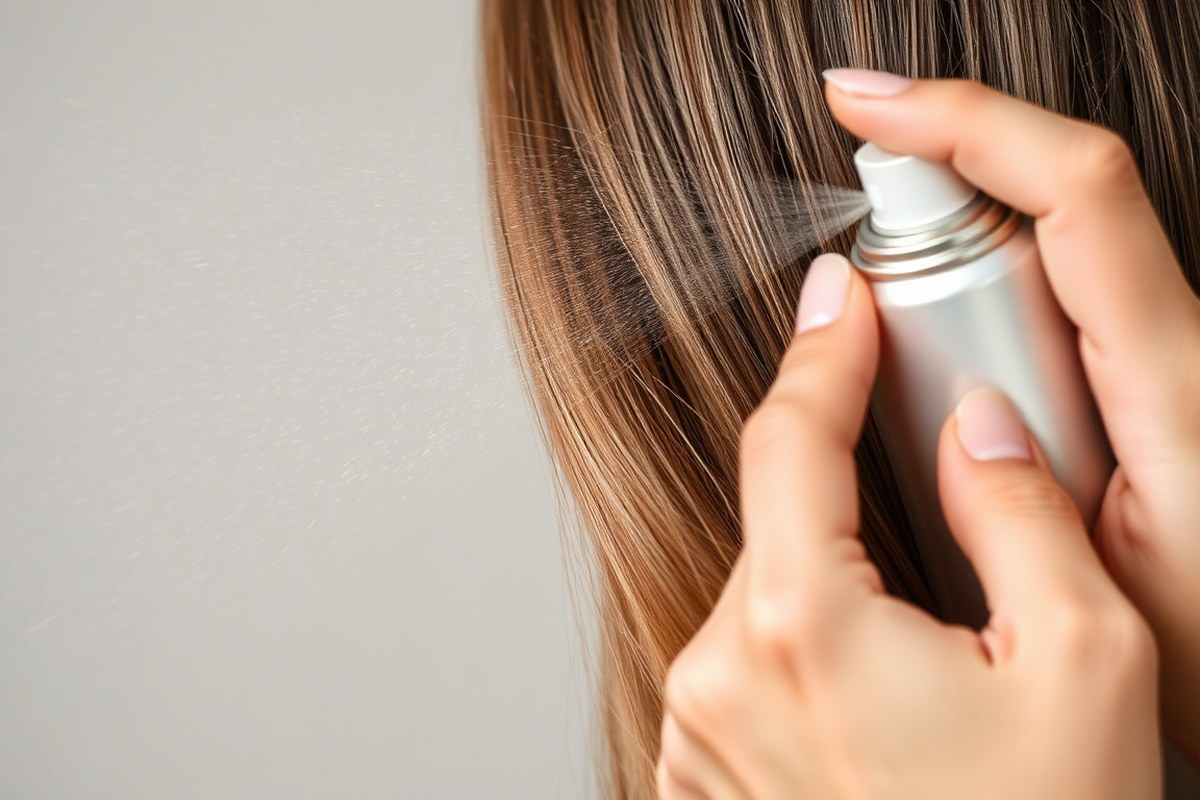
Apply dry shampoo on clean, completely dry hair for best results. Wait until your hair feels oily but not soaked with sweat or products. Use it at the roots where oil and grease build up, not on the hair lengths.
Follow these steps to remove oiliness and add volume. Do it without leaving stiff or white residue on your hair. Let the product settle before brushing it through for a natural finish.
- Shake the dry shampoo can well for about 10 seconds. This ensures the powder mixes uniformly.
- Section your hair with fingers or a comb to expose roots. Small sections help even coverage.
- Hold the can 6 to 8 inches from your scalp. Spray directly onto oily roots. Avoid spraying wet hair as the product won’t absorb oil properly.
- Focus on the areas that get oily first, like the crown, hairline, and behind ears. Spray lightly and build up if needed.
- Let the dry shampoo sit for 2 to 5 minutes to absorb oils. Don’t rush this step; it lets the powder work well.
- Massage your scalp gently with fingertips to spread the product evenly. This prevents white patches and helps refresh the roots.
- Brush your hair thoroughly to remove excess powder and blend the dry shampoo in. Use a paddle or boar bristle brush for smooth results.
- Style your hair as usual. Flip your hair upside down while drying. Use cool air from a hairdryer to add volume.
Avoid using too much dry shampoo in one go. Overapplying causes buildup which looks dull and stiff.
Instead, layer little by little when needed. Use a tinted dry shampoo or rub your scalp more to blend powdery hair.
When and How Often Should You Use Dry Shampoo?

Use dry shampoo only when your roots look oily or flat, not every day. It’s best to apply it a few hours after your hair shows oil build-up. Avoid using dry shampoo two days in a row.
This helps keep your scalp healthy. It also prevents product buildup.
Timing Your Application for Best Results
Wait until your hair actually feels greasy before spraying dry shampoo. Applying it too soon won’t be effective because the product needs oily roots to absorb. After spraying dry shampoo, wait at least five minutes.
This lets it soak up oils. Don’t rinse it out right away.
Many people use dry shampoo mid-morning or early afternoon. This is when hair often looks oily. It helps fix oil from sweat or sleeping.
Use dry shampoo anytime to touch up oily roots. It works well for dull or flat areas. Just spray a small amount and blend.
Frequency: How Often to Use Dry Shampoo
Try to limit dry shampoo use to one or two days per week at most. Using it too often causes buildup that can clog hair follicles and trap oil. Build-up can harm your scalp, says dermatologist Nancy Samolitis.
It may block new skin cells from growing. That can hurt scalp health.
On days without dry shampoo, wash hair with water and shampoo. This cleans your scalp well. It keeps your scalp fresh and healthy.
Washing hair 2 to 3 times a week works best. Use dry shampoo on other days to keep hair fresh. This routine avoids damage.
Using Dry Shampoo on Consecutive Days
Applying dry shampoo two days in a row isn’t recommended because residue accumulates quickly. Mist dry shampoo lightly only on oily spots. This helps if you freshen hair multiple times.
It reduces product buildup on your scalp. Avoid covering the entire scalp every time.
Sometimes using dry shampoo in between wash days is fine when you want to skip washing. Your scalp needs breaks from dry shampoo.
Too much buildup can cause itchiness. Avoid irritation by caring for your scalp.
Signs You’re Using Too Much Dry Shampoo
White flakes or powdery deposits on your hair show you might be overapplying. Overuse can also leave hair feeling sticky or heavy instead of light and fresh. Spray dry shampoo only on oily roots.
Blend it well with fingers or a brush. This stops hair from looking powdery.
Regular scalp checkups can help spot problems early. Watch for scalp redness or itching.
These signs mean buildup might be blocking pores. They show your scalp needs a break.
Only apply dry shampoo to oily areas and avoid full scalp coverage to prevent buildup.
Which Dry Shampoo Formulas Suit Different Hair Types?
Different dry shampoo types suit different hair needs. Sprays work well for even coverage, powders help absorb oil, and foams offer mild hydration. Your hair type and color decide which formula fits best for you.
Powder vs Spray vs Foam Dry Shampoos
Powder dry shampoos use talc or starch to soak up oil. They can be tricky to spread evenly and might leave white residue. Sprays are easier to apply and cover roots evenly with alcohol or clay ingredients.
Foam dry shampoos are newer and less common. They add some moisture, making them good for drier, sensitive scalps. Powders and sprays suit most hair types but need careful use to avoid buildup.
Best Formulas for Oily and Fine Hair
Oily hair benefits from strong oil-absorbing sprays or powders with clay. These clear away grease fast without weighing hair down. Fine hair needs lighter, spray types to add volume without stiffness or heaviness.
Applying dry shampoo before bed lets the product absorb overnight oils. Hold the spray bottle six inches from roots for best coverage. Use only twice a week to prevent buildup and dryness.
Options for Colored and Curly Hair
Colored hair looks best with tinted dry shampoos. They hide white powder residue on dark or dyed strands. Curly hair should avoid powders that dry out curls and scalp.
Foam or hydrating sprays work better for curly hair as they add moisture. People with sensitive scalps must use dry shampoo sparingly to avoid irritation and dryness. Starting with travel sizes helps find your best option.
Here’s a quick comparison by formula and hair type:
| Formula | Best For | Key Ingredients | Pros | Cons |
|---|---|---|---|---|
| Powder | Oily, normal hair | Talc, starch, clay | Strong oil absorption | Can leave visible residue, harder to apply |
| Spray (aerosol) | Fine, oily, normal hair | Alcohol, starch, clay | Even coverage, adds volume | May dry scalp if overused |
| Foam | Curly, dry, sensitive scalp | Hydrating agents, light starch | Adds moisture, gentle | Less oil absorption, less common |
| Tinted | Colored, dark hair | Color matching pigments | Hides white residue | May not suit all colors perfectly |
Picking the right formula for your hair prevents buildup or dryness. Experimenting with travel sizes helps you find what feels best. Hold sprays about 6 inches from your roots when applying.
Avoid using dry shampoo more than twice a week. This helps keep your scalp healthy.
How Dry Shampoo Works to Absorb Oil and Add Volume
Dry shampoo works by soaking up excess oil from your scalp and hair roots without water. It usually contains starch or alcohol-based powders that grab onto the natural oils your scalp produces. This stops your hair from looking greasy while adding freshness between washes.
These powders stick to oily spots. They break down the greasy shine. You see this after a day or two without washing.
After applying dry shampoo, wait for one to two minutes. This gives it time to work. Don’t rush to the next step.
This waiting time lets the powder soak up oil. After that, rub it into your scalp with your fingertips. Then brush it out.
The powder also creates tiny rough surfaces on your hair strands, which add texture and volume. That’s why dry shampoo helps your hair look fuller and gives it grip when styling. Using dry shampoo on second or third-day curls helps.
It brings back volume. It also boosts movement at the roots.
Choose powder-based dry shampoos when you want stronger oil absorption and more volume. These tend to work better than aerosol sprays for texture. Spray types are handy for quick refreshes but may not add as much fullness.
Dry shampoo can make hairstyles last longer. It works well on blowouts. It’s especially good in warm weather or after sweating.
One you apply dry shampoo, avoid styling with heat tools right away. The powder might block heat from working well on your hair. Wait a few minutes before brushing.
Then brush out extra product. This helps keep your hair healthy and prevents dryness.
Common Dry Shampoo Mistakes and How to Fix Them
Applying dry shampoo too close to your scalp often leads to powdery, white residue. Hold the can a few inches away when spraying to avoid heavy buildup in one spot. Spreading the product evenly on your roots prevents a heavy or chalky feel.
Overusing dry shampoo also causes a weighed-down or sticky scalp. Using too much clogs your hair and leaves a dull finish. Stick to light spritzes and focus only on oily sections to keep hair fresh and natural.
Ignoring scalp care can worsen scalp dryness or irritation. Avoid dry shampoos with heavy talc, strong fragrances, or alcohol if your scalp feels sensitive. Use a conditioner on your mid-lengths and ends between washes.
It keeps hair soft without washing. Apply it gently to avoid weighing hair down.
- Spray dry shampoo 6 to 8 inches from your roots
- Section your hair for targeted spraying and even coverage
- Use just enough product to mattify oily spots, no more
- Brush through well to remove visible powder and blend
- Choose drinks without talc or heavy fragrances for sensitive scalps
- Apply dry shampoo at the end of the day to prevent overnight oiliness
Spray dry shampoo from a distance to avoid heavy spots. Section your hair carefully before spraying. This prevents clumps and patchy buildup.
Brushing your dry shampoo more helps if it feels powdery. Use a soft brush to spread it evenly. This fixes the heavy look.
Try spraying less dry shampoo next time for a lighter feel. You could also switch to a formula made for your hair type.
Both help avoid heavy buildup. Taking these small steps keeps your roots lifted and refreshed without the chalky look or feel.
How to Choose the Right Dry Shampoo for Your Needs
Look at your hair type first. Fine hair benefits from dry shampoo formulas that add volume without weighing it down. Thick or curly hair can take a heavier spray or powder.
It helps soak up oil and cuts down frizz. You can use more product without weighing hair down.
Check the ingredients carefully. For sensitive scalps, avoid alcohol-based or highly fragranced dry shampoos.
These can cause irritation or dryness. Instead, pick products with soothing ingredients like aloe or chamomile.
The scalp condition matters too. Oily scalps need formulas with stronger oil-absorbing powders, such as rice starch or kaolin clay.
Choose a gentle formula when your scalp is dry. This will help keep moisture in, not strip it away.
Scent preference affects daily comfort. Strong fragrances might clash with your perfume or cause headaches. Unscented or lightly scented options offer a subtle fresh feel without overpowering.
Consider special features like tinted dry shampoos if you want to camouflage roots. These work well for brunettes and redheads but might leave a white cast on lighter hair. Volume-boosting versions often have ingredients like panthenol to lift roots instantly.
Packaging can influence how easy the product is to use. Spray cans with a nozzle give you control over where and how much to apply. Powder formulas in jars require careful tapping or brushes to avoid over-application.
Try a quick checklist before buying: Know your hair type and scalp needs. Read the full ingredients list carefully. Decide if scent or tinted formulas are important.
Think about packaging and ease of use. This helps you avoid missteps like scalp irritation or visible residue.
When to Avoid Dry Shampoo and Scalp Health Tips
Dry shampoo is not meant to replace regular shampoo. Use it only once or twice a week to avoid drying out your hair. Using dry shampoo too much causes buildup.
This can irritate your scalp. It may also cause hair breakage.
Avoid dry shampoo if you have scalp conditions like eczema, psoriasis, or severe dandruff. These issues make your scalp sensitive and prone to irritation. Using dry shampoo on irritated skin can worsen inflammation and discomfort.
To keep your scalp healthy, wash with water. Use gentle shampoo two or three times a week. Cleanse thoroughly for best results.
Use lukewarm water, not hot, to avoid drying your scalp. Gently massage your scalp with fingertips to remove buildup without damaging your skin.
For dry shampoo application, hold the can 6 to 10 inches away. Target the oily spots, such as roots and near your hairline. Allow it to sit for several minutes to soak up oils before brushing thoroughly.
Notice redness, itching, or hair loss? Stop using dry shampoo. See a dermatologist for advice.
These may be signs of scalp problems needing professional care. Sometimes, scalp issues require medicated treatments instead of cosmetic fixes.
Wash your hair regularly with shampoo for your scalp type. This helps stop buildup from dry shampoo. It also removes excess oils.
This keeps your scalp balanced and supports healthy hair growth. Relying too much on dry shampoo can throw off this balance and cause unwanted scalp troubles.
Styling with Dry Shampoo: Volume, Texture, and Layering Tips
Dry shampoo does more than soak up oil. You can add volume and texture by using it like a styling product. Layer it carefully to keep your hair looking fresh and full.
Using Dry Shampoo to Boost Root Volume
Dry shampoo lifts greasy roots and adds instant volume. Spray it close to your scalp where your hair tends to lie flat. The absorbed oil makes your hair strands separate and look fuller.
Follow these steps to boost root volume:
- Flip your hair upside down or hold it away from your scalp.
- Shake the dry shampoo can well, then spray 8 to 12 inches away from roots.
- Focus on the crown and areas that need extra lift.
- Let the product sit for 2 to 5 minutes to absorb oil and build texture.
- Massage your scalp gently with fingertips to break up powder and spread volume.
- Flip hair back and style as usual.
Good volume feels lightweight and looks natural. Avoid spraying too much; clumps or a white cast can show. Massaging well helps blend in powder and keeps roots soft.
Combining Dry Shampoo with Texture Sprays
Dry shampoo works well with texturizing sprays to add grit and hold. Use dry shampoo first since it refreshes roots and creates a base to grip styling products. Spritz texture spray afterward for even more lift and shape.
To layer dry shampoo and texture spray correctly:
- Apply dry shampoo to clean, dry roots and massage in.
- Wait a minute for dry shampoo to absorb excess oil.
- Spray texture spray lightly from mid-lengths to ends for definition.
- Use fingers to tousle hair and distribute product evenly.
Texturizing sprays add grit, but too much can stiffen hair. Start with a small amount and add as needed. This combo works best on second-day or dry hair, not wet or heavily styled hair.
Using both products too close together can make hair stiff or sticky. Let dry shampoo settle first.
Refreshing Bangs and Fringes Safely
Bangs and fringes often get oily fast but dry shampoo can help you skip washing. Apply it lightly to avoid powder buildup or white residue showing on front strands. Use your fingertips to work it in carefully.
Try this routine for bangs refresh:
- Hold bangs away from your forehead.
- Sparingly spray dry shampoo about 8 inches away, aiming only at roots.
- Wait 2 minutes for absorption, then massage gently with fingertips.
- Comb through bangs to distribute product evenly and remove excess powder.
- Style bangs as usual with a blow dryer or flat iron if desired.
This technique stops greasy bangs without making them stiff or chalky. Avoid spraying dry shampoo on damp bangs.
Use only a little if your hair is very fine. This helps prevent buildup.
Step-by-Step Action Plan for Using Dry Shampoo Today
Follow this simple plan to get fresh, full hair without washing. Check your scalp and hair after each step to see the difference.
- Before applying: Shake the dry shampoo bottle well. This mixes the ingredients for even spray.
- Right before use: Section your hair to expose oily roots. Spray about 6 to 8 inches away for even coverage.
- After spraying: Let the product sit on your roots for 2 to 5 minutes. This gives it time to absorb grease.
- Next: Massage your scalp gently with fingers. You should feel less oil and notice some volume.
- After massaging: Brush through your hair softly to remove extra powder. Your hair should look refreshed, not chalky.
- Later in the day: If needed, add a little dry shampoo again on oily spots. Avoid overuse to keep scalp healthy.
- At night: Wash your hair or rinse your scalp to clear dry shampoo residue. This prevents buildup and irritation.
Frequently Asked Questions
Can Dry Shampoo Be Used on Wet Hair?
Dry shampoo should be used only on dry hair. Using it on wet hair won’t absorb oil properly.
How Long Should You Wait After Spraying Dry Shampoo Before Styling?
Wait at least 2 to 5 minutes after applying dry shampoo. This gives it time to soak up oils.
Will Dry Shampoo Work on All Hair Colors?
Dry shampoo works for all hair colors but some powders may leave white residue. Choose a tinted formula if needed.
Can Dry Shampoo Help with Dandruff or Scalp Irritation?
Dry shampoo doesn’t treat dandruff or scalp irritation. Use specific treatments for scalp health instead.
Is It Okay to Use Dry Shampoo Every Day?
Avoid using dry shampoo two days in a row. Overuse can clog pores and irritate the scalp.
Can Dry Shampoo Damage Hair If Used Often?
Frequent dry shampoo use can cause buildup, dulling your hair. Regular washing helps prevent damage.
Key Points to Remember
Dry shampoo can save time while keeping your hair looking good. Try the plan today to see how fresh your hair feels. Next time, pick a formula that fits your hair type for better results.