How Often to Use Purple Shampoo for Best Results: A Complete Guide
How often to use purple shampoo depends on your hair color and needs. For most blonde hair, 1 to 2 times a week works well. This helps keep yellow tones away without drying your hair out.
If your hair shows strong brassiness or you just dyed it blonde, use purple shampoo 2 to 3 times weekly. Rinse it out thoroughly and never leave it on longer than 10 minutes. Leaving it too long can cause a purple tint.
For gray or silver hair, 2 to 3 times a week works well to brighten without dulling. Apply purple shampoo on wet hair and let it sit for 3 to 5 minutes. Fine or porous hair soaks up more pigment, so watch your timing carefully.
Using purple shampoo less often helps keep your hair healthy and looking natural. Always balance tone correction with your hair’s condition to avoid dryness or unwanted hues.
Key Takeaways
- Use purple shampoo 1, 2 times weekly to maintain toned blonde hair.
- For brassy or freshly dyed hair, use purple shampoo 2, 3 times per week.
- Leave purple shampoo on for 3, 5 minutes for visible yellow correction.
- Do not leave purple shampoo longer than 10 minutes to avoid a purple hue.
- Gray or silver hair benefits from 2, 3 uses weekly to reduce yellow undertones.
- Low-porosity hair may need 5, 7 minutes for purple shampoo to work well.
How Often Should You Use Purple Shampoo for Optimal Results?

How often to use purple shampoo depends on brassiness and hair type. Check your hair’s brassiness level first. Then decide use based on that and your hair type.
Your blond or silver hair shows strong yellow tones. Use purple shampoo two to three times a week.
Apply it for 3 to 5 minutes, then rinse. This helps neutralize brassiness without over-toning.
For natural blond or gray hair with mild brassiness, use less. One or two times a week works fine for you. Leave the shampoo on for 2 to 3 minutes only.
Your goal is to keep a fresh tone without making hair look gray or dull. Natural hair absorbs pigment slower, so shorter contact time often works better.
Color-treated hair can vary more depending on damage or lightening type. Use purple shampoo two to three times a week when correcting tone. Leave it on longer, about 5 minutes each time.
Once brassiness fades, switch to maintenance mode with once-a-week use for 1 to 3 minutes. This balances color preservation and hair health, avoiding dryness from overuse.
Porous or heavily bleached hair soaks up purple pigment quickly. Start using it twice a week, washing it in for 2 minutes. You see purple stains on your hair.
Cut back on use or leave in less time. Fine or low-porosity hair takes longer to tone. So use purple shampoo three times a week for 3 to 5 minutes initially.
Alternate purple shampoo days with a regular shampoo for color-treated hair. This prevents buildup and keeps your strands healthy.
Watch your hair’s tone closely after shampooing. Change how often you use purple shampoo based on brassiness.
How Long Should You Leave Purple Shampoo on Your Hair?
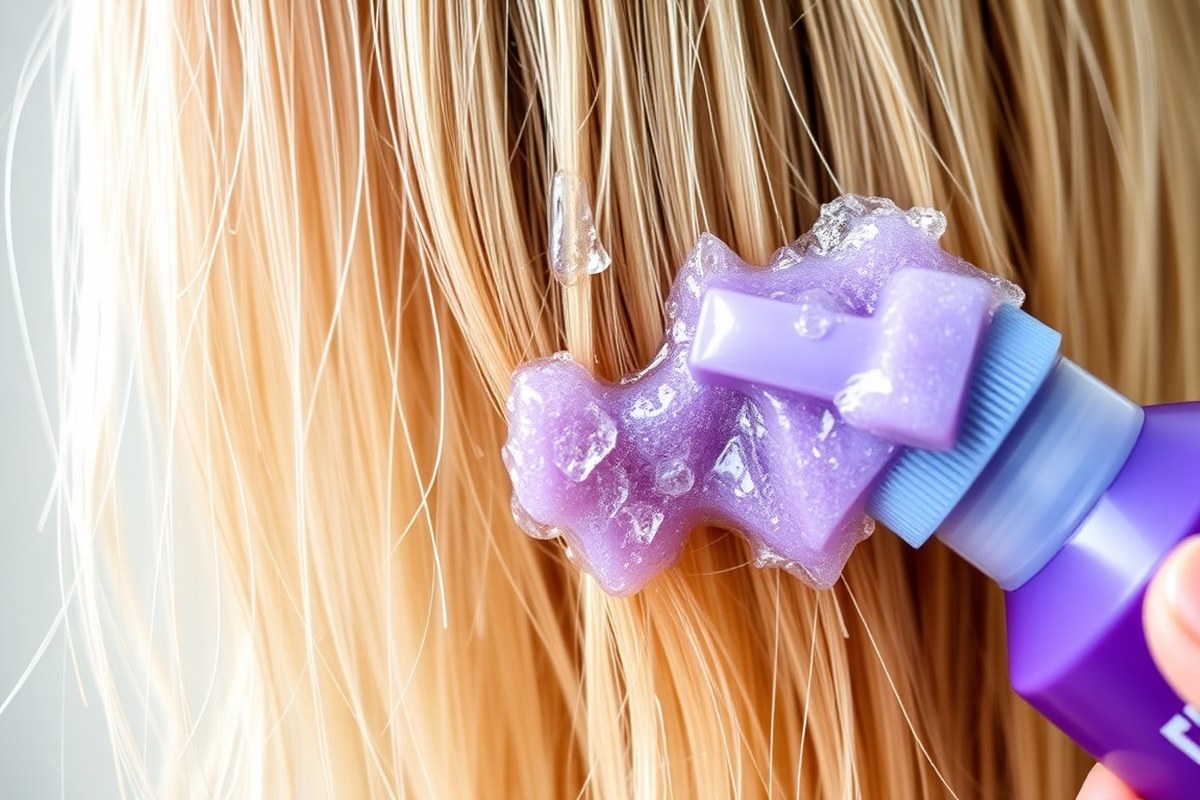
Leaving purple shampoo on your hair between 1 and 10 minutes works best. Shorter times suit fine or porous hair, while thicker or low-porosity hair handles longer. Going beyond 10 minutes greatly raises the chance of a purple tint showing up.
Ideal Timing for Different Hair Porosity
Fine or porous hair soaks up color quickly. You should rinse the purple shampoo out after 1 to 3 minutes. This avoids over-toning and a visible lavender hue.
Medium-porosity hair can handle around 3 to 5 minutes. This is enough time to neutralize brassiness without leaving any tint. Check your hair color closely while shampooing.
Low-porosity hair resists pigment because of tight cuticles. Leaving the shampoo on for 5 to 7 minutes helps the purple pigments work properly. You might need longer to see toning effects.
Starting Point for New Users
First-time users should try a leave-in time between 5 and 10 minutes. This tests how your hair reacts without risk of heavy staining. Watch for any purple or gray tint during this time.
Rinse your hair right away when lavender tones appear at 8 minutes. Stick to shorter times next washes or try diluting the shampoo with water. Keep your first uses brief to find your personal timing.
How Hair Type and Color Affect Timing
Light blonde, silver, or gray hair tones faster and more strongly. Leaving purple shampoo over 10 minutes risks a purple or gray cast. Avoid longer processing on very light or heavily lightened hair.
Thicker hair or warmer blonde tones may need a longer leave-in time. Here 7 to 10 minutes often works. You still want regular colour checks to avoid going too far.
Don’t use the shampoo too often if your hair shows deep brassiness. Over-treating can dry hair out and cause unwanted tinting. Combine with other products like purple conditioners for balanced care.
Risks of Leaving Purple Shampoo Too Long
Leaving purple shampoo on longer than 10 minutes risks a purple tint. Fine or porous hair is especially sensitive. Always watch the clock closely.
It makes your hair look ashy or lavender rather than vibrant blonde. Sometimes grayish tones appear on very light hair.
Excessive use can dry hair since purple shampoos focus on toning, not conditioning. Signals include faded shine, dryness, or brittle feeling. Stick to the recommended timing to keep hair healthy and glowing.
Use a timer every time and check your hair color every minute during processing.
Why Your Hair Type and Color Affect Purple Shampoo Frequency
Hair color, porosity, and condition shape how often you use purple shampoo. Your hair’s porosity controls how much purple pigment it absorbs.
Hair with high porosity soaks up pigment fast but may fade quickly. Low porosity hair resists pigment, so it might need more frequent use.
Gray and silver hair can handle purple shampoo differently than blonde hair. For gray or silver hair, leave the shampoo on longer. Up to 30 minutes can deepen the toning effect.
This helps tone your hair better. This hair type usually needs fewer washes.
About once a week keeps cool tones fresh. Less washing also stops your hair from drying out.
Fine and oily hair can get overwhelmed with purple shampoo too often. Using it twice a week on oily hair helps control brassiness without buildup. Dry or damaged hair needs mild shampoo.
Use it less often, about once a week. This helps avoid more damage to your hair.
| Hair Type | Brassy Tones | Frequency of Use |
|---|---|---|
| Dry or damaged (mild porosity) | Mild | Once a week |
| Normal or oily (moderate porosity) | Moderate | Twice a week |
| Highly porous | Severe | Twice a week plus extra treatments as needed |
You may need to adjust frequency based on your hair’s reaction. For example, if you notice dryness or dullness, cut back. Brassiness that sticks around calls for more frequent washes.
But watch your hair for any damage signs. Adjust as needed to protect your hair. Testing your purple shampoo use helps find your sweet spot for bright, fresh hair.
Signs You Are Using Purple Shampoo Too Often
Purple shampoo deposits violet pigments that cancel warm tones on your hair. Using it too often leads to unwanted results like a purple or ashy tinge.
This happens because the purple pigment builds up faster than it fades. You can check for this by noticing if your hair looks lavender or purple-tinged.
Overusing purple shampoo also causes dryness or brittleness. The shampoo removes moisture along with toning brassiness. Dryness shows up as rough texture, breakage, or hair that feels crunchy.
It’s especially common if your hair is already damaged or textured. When you see these signs, you should reduce how often you use the shampoo.
- Hair looks lavender or purple-tinged from pigment buildup
- Hair appears ashy, flat, or gray due to over-correcting yellow tones
- Hair feels dry, brittle, or rough to the touch
- Dullness and lack of shine from frequent shampooing and buildup
- Hair breaks or frizzes more than usual
- Scalp feels dry or itchy after washing
Dullness happens when purple shampoo builds up, making hair lose its glow. Over-tone makes blonde or gray hair shift to an unnatural flat shade.
You can fix purple tint by washing your hair once with a gentle clarifying shampoo. This removes excess pigments safely without fading your color.
Using warm water, not hot, helps your hair absorb purple shampoo better without damage. Try applying purple shampoo on dry hair for a glossier finish if brassy tones persist.
If you notice any of these signs, cut back to 1 or 2 uses per week. Too much purple shampoo may damage your hair and undo your color goals.
How to Adjust Purple Shampoo Frequency Based on Your Hair Goals
Using purple shampoo often depends on whether you’re correcting brassiness or maintaining your hair’s tone. Correcting hair usually means using it more frequently for a set time. Once the tone looks right, you switch to a lighter, steadier schedule to avoid damage.
Correcting Phase Frequency and Timing
This phase aims at fighting strong yellow or orange tones fast. Use purple shampoo up to two times a week to neutralize brassiness. Each use should last about 3 to 5 minutes depending on your hair’s porosity and thickness.
During correction, watch your hair condition closely. Too much purple, too long, can dry your hair out or leave a faint purple tint. Use it only when yellow hues appear noticeably, not every single wash.
- Choose a purple shampoo with strong violet pigment for deeper brassiness.
- Apply it on wet hair, spread evenly from roots to ends.
- Leave the shampoo on your hair for 3 to 5 minutes, depending on the damage level.
- Rinse thoroughly with cool water to lock in moisture and tone.
- Repeat twice a week for up to 4 weeks to correct tone efficiently.
- Use deep conditioning treatments on other days to keep hair hydrated.
- Stop if your hair feels dry or brittle to avoid damage.
Leaving purple shampoo on longer than 5 minutes can tint your hair. It may also dry your hair out. So, keep it under 5 minutes.
Maintenance Phase Guidelines
After correction, the goal shifts to keeping your hair tone fresh without overusing purple shampoo. Use it once every 7 to 10 days or when brassiness starts to show again. Keep the application time shorter, around 2 to 3 minutes.
Adjust frequency based on your hair’s lightness and porosity. For very light or porous hair, cut back usage more to prevent dryness. Complement purple shampoo with a moisturizing conditioner to sustain hair health.
Switching Between Phases Safely
You should switch to maintenance once your yellow tones no longer stand out. Transition slowly by reducing purple shampoo use to one application every 5 to 7 days. This helps your hair keep tone without stressing it.
Keep an eye on hair feel and color. Brassiness may come back. Use purple shampoo twice a week or less.
Don’t use it more than that. Always balance toning with hydration and protein treatments to protect hair integrity.
Best Application Tips to Maximize Purple Shampoo Effectiveness
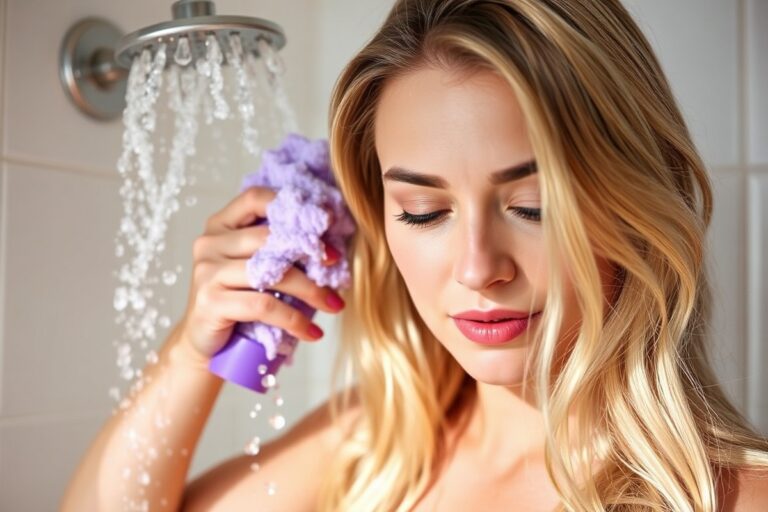
Apply purple shampoo to damp hair that’s divided into sections. Focus extra on brassy mid-lengths and ends for even toning. Rinse with cool water to keep your hair shiny and seal the cuticles.
Applying Purple Shampoo Correctly
Start by washing your hair with regular shampoo, then towel-dry it until it’s damp. Working with damp hair helps purple shampoo spread evenly and tone better. Section your hair into parts to apply the shampoo precisely where you need it most.
Put purple shampoo mainly on the mid-lengths and ends. These parts often get the most brassiness. Massaging the shampoo in encourages better coverage and color correction without overloading roots.
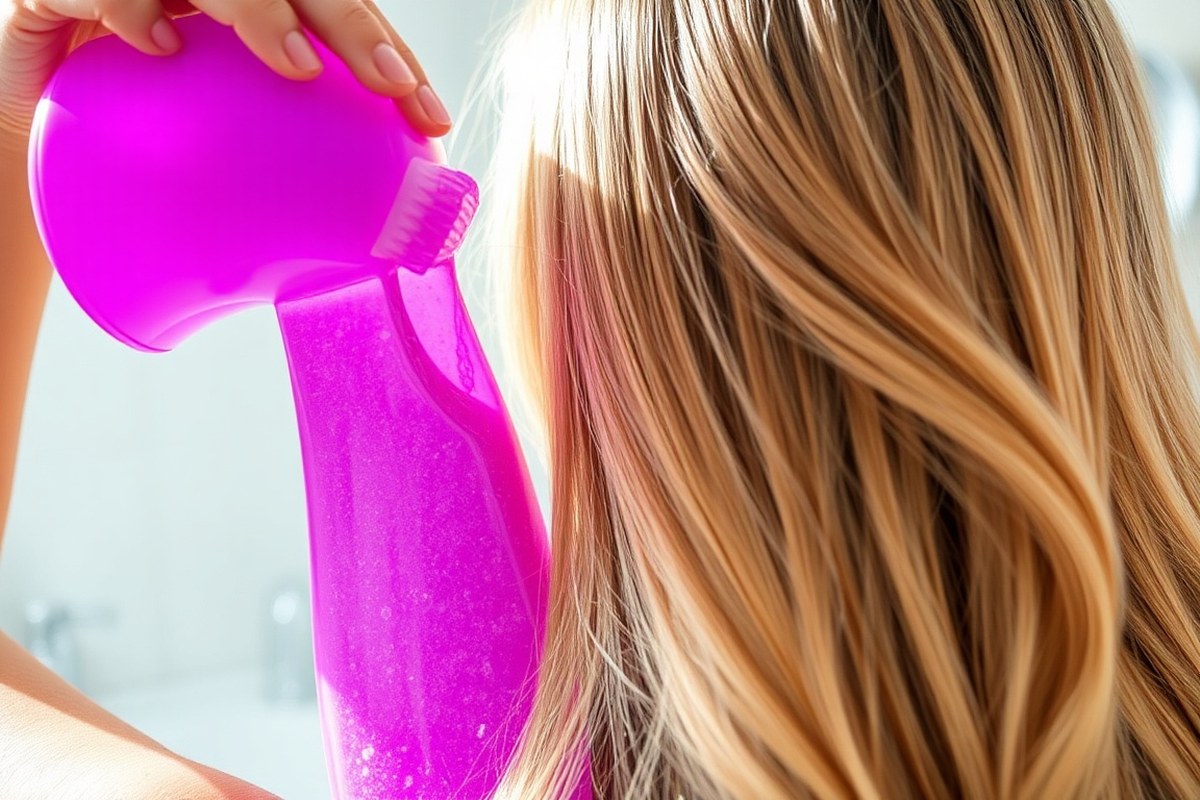
Mixing purple shampoo and water at a 2-to-1 ratio works well. Use a spray bottle to apply it. This method helps spread it evenly.
This method lets you refresh tones without risking too much color deposit. It works well for touch-ups on warm or previously toned hair.
Rinsing Techniques for Best Results
After leaving purple shampoo in for about 2 to 3 minutes, rinse thoroughly with cool water. The ideal rinse temperature is between 32 and 38 degrees Celsius (90 to 100 degrees Fahrenheit). Cold water closes the hair cuticle, locking in tone and improving shine.
Rinsing too quickly can leave purple pigment behind, causing unwanted stains. Take your time to rinse well but don’t leave the shampoo in longer than recommended. Over-timing won’t balance out infrequent shampooing.
Follow the shampoo with a color-safe conditioner to nourish your hair. This combo prevents dryness and supports the toning effect. Always rinse conditioner out with cool water for best results.
Preventing Stains and Residue
Purple shampoo can stain skin and nails if applied carelessly. Put a thin layer of petroleum jelly along your hairline. Also, apply it around your ears.
This stops purple shampoo stains. Wearing gloves during application also helps protect your nails.
Use a comb or your fingers to section hair carefully, avoiding direct contact with your skin. Wash your hands promptly after applying shampoo. Purple stains on your skin need a gentle cleanser.
Use makeup remover if needed. This will wipe stains away safely.
- Apply shampoo to damp, sectioned hair
- Focus on mid-lengths and ends
- Use a 2:1 water-shampoo mix for light toning
- Rinse with cool water (32-38°C)
- Protect skin with petroleum jelly or conditioner
- Wear gloves during application to avoid nail stains
- Clean any stains quickly with gentle cleanser
Taking these steps keeps toning effective and your skin stain-free. This approach saves time and avoids the frustration of purple spots on your hands or forehead.
Common Mistakes with Purple Shampoo and How to Fix Them
Using purple shampoo too often can cause dry, brittle hair and an unwanted purple tint. This usually happens with very porous or lightened hair.
Using it less often helps prevent problems. It brings back your hair’s natural feel.
A purple or gray color shows the shampoo stayed too long. It might have been used too often, too. To fix this, wash your hair with regular shampoo a few times.
You can also try a clarifying shampoo once to gently strip the purple cast. Avoid scrubbing too hard to prevent damage.
Your hair may feel dry or damaged after purple shampoo use. This usually happens from overusing it or not enough moisture. Use a deep conditioning treatment or a moisturizing mask right after shampooing.
Use purple shampoo about once a week instead of daily. Always add a conditioner to keep your hair hydrated.
- Overuse of purple shampoo: reduce frequency to 1-3 times per week
- Leaving shampoo on too long: rinse thoroughly after 2-5 minutes
- Unwanted purple tint: wash with regular or clarifying shampoo
- Dry, brittle hair: apply deep conditioner or hair mask
- High porosity hair: limit purple shampoo use and moisturize
- Severely damaged hair: consult a professional for care advice
When damage seems severe or you don’t see improvement, seek a professional stylist. They can assess if your hair needs treatments beyond home care. A stylist may suggest protein treatments or a different color management plan.
Should You Use Purple Conditioner Alongside Purple Shampoo?
Purple shampoo and purple conditioner serve different but complementary roles. Purple shampoo deposits violet pigments to neutralize yellow tones and keep blonde hair bright. Purple conditioner adds color, but mainly moisturizes and smooths hair after the shampoo.
Using purple conditioner alongside purple shampoo does improve toning. It extends the purple pigment’s effect and helps keep brassiness at bay between shampoos. Conditioner is gentler on hair because it hydrates.
It fights dryness caused by purple shampoo’s chemicals. This helps keep your hair soft and smooth.
| Feature | Purple Shampoo | Purple Conditioner |
|---|---|---|
| Main Purpose | Neutralizes yellow tones, tones hair | Moisturizes, smooths, supports toning |
| How It Works | Deposits violet pigments in hair | Adds pigment while hydrating strands |
| Frequency | Use every 3 to 4 shampoos or 1-2 times weekly | Use after every purple shampoo wash or regularly for maintenance |
| Dryness Control | May dry hair if overused | Helps prevent dryness and damage |
| When to Use | For deep toning and correcting brassiness | Ongoing use to maintain tone and moisture |
For dry or damaged hair, purple conditioner is particularly helpful. It reduces the risk of breakage or dullness that purple shampoo alone can cause.
Use it right after rinsing out the shampoo, leaving it on for 1 to 3 minutes. This locks in moisture and tone.
Purple conditioner isn’t absolutely necessary, but it makes maintaining color easier and safer. Your hair may dry out without conditioner. Skipping it can make hair look dull or brittle.
Use conditioner often when toning your hair. Some people prefer the occasional deep moisturizing mask instead.
Apply purple conditioner immediately after shampooing. Leaving it on for a few minutes adds moisture and extends toning effects.
Step-by-Step Action Plan to Use Purple Shampoo Correctly
Follow this plan to get the right tone without damaging your hair or turning it purple. Adjust as you go based on your hair’s reaction.
- Before you start: Check your hair condition and color. Make sure your hair feels healthy and light enough for toning.
- Week 1: Use purple shampoo once. Leave it on for 3 minutes, then rinse. Your hair should look less brassy but not gray or purple.
- Week 2: Use purple shampoo twice this week. Keep the same 3-minute timing. Notice if your hair tone is improving without dryness.
- Week 3: Use purple shampoo every 3 days if your brassiness returns quickly. Otherwise, stick to twice a week. Adjust time to 2-4 minutes based on toner strength.
- After 4 weeks: Evaluate your hair color. When your hair looks cool and healthy, wash with shampoo once a week. This helps keep your tone longer without stripping moisture.
- Ongoing: Use purple conditioner once a week after shampoo. It keeps your tone soft and your hair hydrated.
- Monthly check: Look for purple staining or dryness. Spot any issues? Stop purple shampoo for a week. Use deep conditioner instead to restore your hair.
- When changing hair color: Reset usage. Start again with one application per week and watch for how it tones.
Frequently Asked Questions
How Often Should You Use Purple Shampoo If Your Hair Is Light Blonde?
Use purple shampoo 1 to 2 times weekly on light blonde hair. This is enough to neutralize yellowness without over-drying or causing buildup.
Can Daily Use of Purple Shampoo Damage Lightened Hair?
Yes, using purple shampoo daily can dry and damage your hair. It leads to product buildup, dullness, and may make hair feel rough.
Is It Okay to Use Purple Shampoo on Gray or Silver Hair Every Day?
Avoid daily use on gray or silver hair. 1 to 3 times a week works best. Daily use can cause a purple tint or dryness.
How Do Seasonal Changes Affect How Often You Should Use Purple Shampoo?
You might need it more in summer to combat sun yellowing. In colder months, less frequent use often suffices.
Can You Use Purple Shampoo on Hair with Highlights, and How Often?
Yes, purple shampoo helps highlight brightness; use it 1 to 2 times weekly. Applying too often risks turning highlights dull or purple.
Should You Increase Purple Shampoo Use After Fresh Hair Lightening?
Wait a week or two after lightening before using purple shampoo. Freshly lightened hair is more fragile and can get damaged.
Key Points to Remember
Purple shampoo works best when used a few times a week, not daily. Pay close attention to your hair’s tone and health as you adjust. Start today by trying one 3-minute application and see how your hair looks.