How to Get Out of Hair: 8 Proven Methods for Removing Hair and Sticky Substances
Knowing how to get sticky stuff like slime or gum out helps a lot. It stops stress and makes handling these problems easier.
Use oil or conditioner to loosen the sticky mess before gently combing it out. These products break down stickiness and protect your hair from damage.
Shaving and depilatory creams remove hair quickly at home but need frequent repeats. Waxing pulls hair from the roots and keeps skin smooth for 3 to 4 weeks. Choose hair removal based on how long you want to stay hair-free and how much time you have.
Always test products on a small skin patch to avoid reactions. Handle hair removal carefully to keep your skin healthy and pain-free. Starting gently and being patient helps get better results and happier skin.
Key Takeaways
- Use oil or deep conditioner to remove slime or gum from hair safely.
- Comb hair gently after loosening sticky substances to avoid breakage.
- Shaving and creams work quickly but need doing every 1 to 3 days.
- Waxing removes hair from roots and lasts about 3 to 4 weeks.
- Always patch-test hair removal products to check for skin reactions.
- Be gentle and patient during hair removal to prevent skin irritation.
1. How to Remove Slime and Sticky Substances from Hair
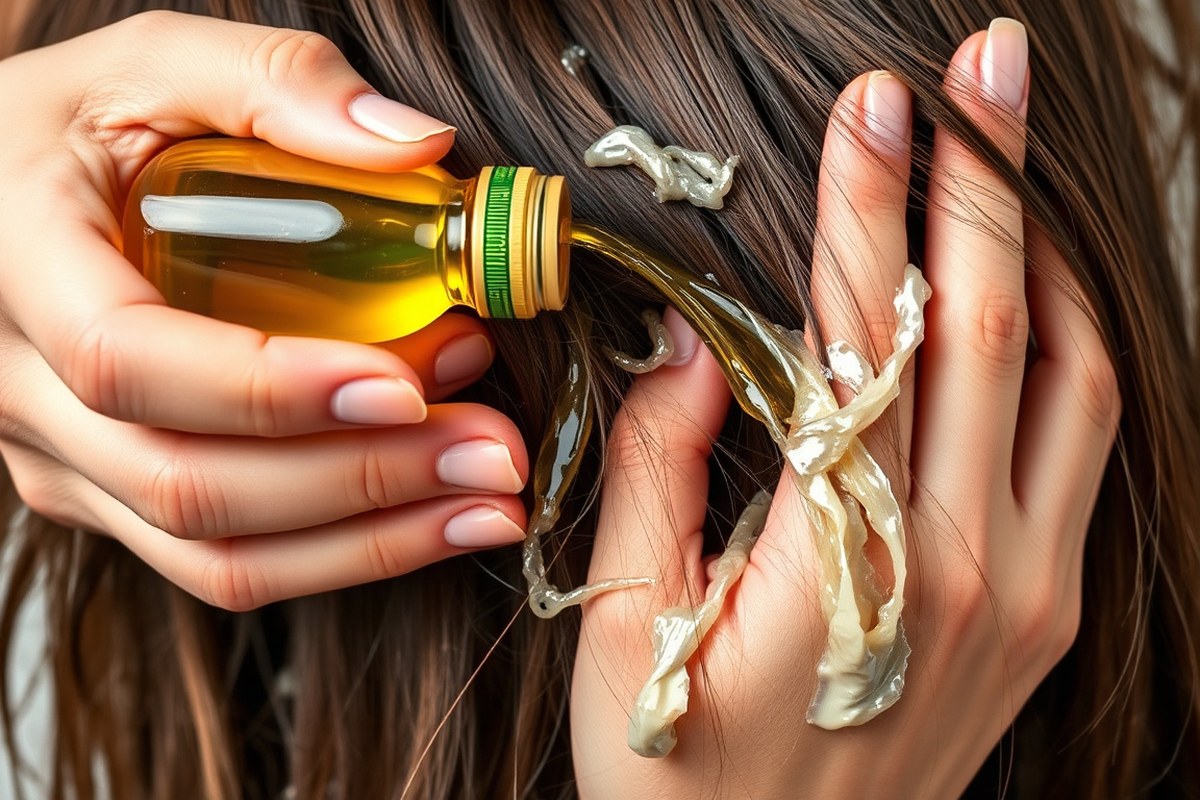
Sticky slime can be tricky to get out of hair without causing damage. Using oils like peanut butter, mayonnaise, or olive oil helps loosen the slime. These oils break down the slime’s stickiness, making it easier to comb out.
Household items like vinegar or Coke might help with slime removal. But they can dry your hair or cause tangling.
Conditioning treatments work well to soften hair and help slide the slime off. Avoid harsh pulling to prevent breakage or hair loss.
Follow these steps to safely remove slime from hair. Be patient and gentle with each step to avoid hurting your hair or scalp.
- Apply a generous amount of oil or mayonnaise to the slimy area. Let it sit for 5 to 10 minutes.
- Use your fingers to gently massage the oil into the hair. This loosens the slime’s grip.
- Comb through the affected hair slowly using a wide-tooth comb. Remove slime pieces carefully.
- Rinse hair with warm water to remove most oil and slime residue. Avoid hot water that can dry hair.
- Apply conditioner to the same area. Massage softly and use a comb to catch leftover slime.
- Wash hair thoroughly with shampoo to remove all oils and slime remnants.
- Dry hair gently with a towel. Avoid rubbing hard, as wet hair is more fragile.
- Slime stuck in hair? Use oil and conditioner steps again. You can also rinse with vinegar diluted in water.
Peanut butter or coconut oil works best to remove slime. These oils gently dissolve slime without harsh chemicals.
Using too much vinegar or soda can damage hair and scalp. So dilute and test on a small spot first.
To keep slime from sticking again, braid or tie your hair back. This helps during messy play sessions.
Applying a leave-in conditioner before slime exposure can create a protective layer. Keeping hair clean and conditioned reduces tangles and sticky buildup.
2. Effective Home Methods for Removing Unwanted Hair

Applying Depilatory Creams Properly
Depilatory creams dissolve hair just below the skin surface. They work well on thick, coarse hair, including pubic hair. Using them right is key to preventing irritation and getting smooth skin.
Follow these steps to apply depilatory creams safely at home:
- Read the label to check skin compatibility and test on a small patch.
- Wash and dry the area completely before application.
- Apply a thick, even layer of cream to cover the hairs fully.
- Leave the cream on for the time specified (usually 5-10 minutes).
- Remove the cream with a damp cloth or spatula, wiping in the direction of hair growth.
- Rinse the area thoroughly with lukewarm water to remove residues.
- Pat dry and avoid applying perfumes or deodorants for a few hours.
A patch test 24 hours before use can prevent allergic reactions or burns.
Safe Techniques for At-Home Waxing
Waxing pulls hair out from the root, offering smoother skin lasting weeks. You can use cold wax strips or warm wax kits available at drugstores. Doing it right limits pain and skin damage.
Use these steps to wax safely at home:
- Clean the skin and make sure hair is about a quarter inch long.
- Warm the wax according to package instructions if using warm wax.
- Apply wax in the direction of hair growth, covering only small areas.
- Press cloth strips on wax firmly if using cold wax strips.
- Hold skin taut and pull the strip or cooled wax off sharply against hair growth.
- Soothe skin with aloe vera or a gentle lotion after waxing.
Do not wax irritated, sunburned, or broken skin to avoid worsening it.
Shaving and Tweezing Basics and Precautions
Shaving cuts hair at skin level and works on any hair length. It’s quick, costs little, and best for larger areas like legs and arms.
Tweezing pulls single hairs from the root. So it’s suited for small spots like eyebrows.
To shave safely, use a new razor and shaving cream. Shave in the direction of hair growth to reduce irritation. Rinse often and moisturize after.
Tweezing can cause redness and ingrown hairs if done too aggressively or on large areas. Clean the tweezers before use and pull hairs gently in the direction they grow. Avoid on sensitive or infected skin.
3. Understanding Laser and Electrolysis Hair Removal
Laser and electrolysis hair removal target hair follicles to reduce or stop growth. Laser offers long-lasting results, while electrolysis is the only FDA-approved permanent method. Both need several sessions spaced weeks apart to work best.
How Laser Hair Removal Works
Laser hair removal uses a focused beam of light to heat hair follicles beneath your skin. This heat damages the follicles, slowing hair growth over time. It works best on hairs in the active growth phase, called the anagen phase.
The treatment suits most skin types but is most effective with darker hair. It usually doesn’t remove all hair permanently but can greatly reduce hair amount and thickness.
Electrolysis: Method and Permanency
Electrolysis sends a tiny electric current through each hair follicle to destroy its growth cells. Because it damages follicles permanently, electrolysis is considered a true permanent hair removal method. You won’t get regrowth from treated follicles.
It works on all hair colors and skin types. Like laser, electrolysis targets hairs in the growth phase for best results. The treatment requires precise, careful application to each follicle.
Session Schedules and Expected Results
| Method | Sessions Needed | Session Interval | Results | Pain Level |
|---|---|---|---|---|
| Laser Hair Removal | 4 to 8 sessions | 4 to 6 weeks apart | Long-lasting, not always permanent | Moderate, like snapping rubber bands |
| Electrolysis | Multiple sessions, varies by area | Weekly or biweekly | Permanent removal | Higher pain, feels like tiny stings |
Laser sessions space four to six weeks apart to catch hairs in growth phases. Electrolysis sessions happen more often, usually weekly or biweekly, because each follicle needs targeting. Both require multiple visits for good lasting results.
Laser feels like a quick snap of a rubber band on your skin. Electrolysis is usually more uncomfortable, with a prickling or stinging sensation. A numbing cream may help during electrolysis.
4. Comparing Hair Removal Options by Cost, Pain, and Duration
Different hair removal methods have clear differences in cost, pain, and lasting effects. You want to pick an option that fits your skin type and pain tolerance. This table helps you see what to expect and pick the best fit.
| Method | Typical Cost per Session (USD) | Pain Level | How Long Results Last | Best For | Common Side Effects |
|---|---|---|---|---|---|
| Shaving | $0 to $10 (razors) | None | 1, 3 days | All hair and skin types | Skin irritation, cuts, nicks |
| Waxing | $30 to $75 per session | Moderate to High | 3 to 4 weeks | Normal to oily skin | Red bumps, irritation, ingrown hairs |
| Laser Hair Removal | $200 to $500 per session | Low to Moderate | Several months to years* | Best for light to medium skin, dark hair | Skin redness, irritation |
| Electrolysis | $30 to $100+ (varies by session and area) | Moderate | Permanent | All hair and skin types | Possible swelling, redness |
| Threading & Sugaring | $10 to $60 per session | Low to Moderate | 3 to 4 weeks | Sensitive skin | Mild redness, less irritation than waxing |
Laser hair removal lasts longer but requires several sessions to see lasting effects. It works best on light skin and dark hair because of how the laser targets pigment. Electrolysis is the only method that promises permanent removal and suits all hair and skin types.
However, it can cost a lot. You might need many sessions. The number depends on how much hair you want removed.
Waxing and sugaring pull hair from the root. So their results last about a month.
Waxing tends to be more painful and can cause redness or ingrown hairs. Sugaring and threading are better for sensitive skin since they usually cause less irritation.
Shaving is the cheapest and pain-free but the results disappear quickly. It might cause cuts or irritation if you rush. Each method has tradeoffs.
Think about how long you want hair-free skin. Also, consider how much pain you can take. Decide after weighing these factors.
5. Side Effects and How to Avoid Hair Removal Risks
Redness, irritation, and swelling are common after hair removal. These effects happen because your skin faces stress from pulling or heat. Ingrown hairs show up when hair grows back into the skin, causing bumps and discomfort.
Apply a cold compress right after treatment. Do this for 10 to 15 minutes. This helps lower pain and swelling.
Use gentle moisturizers with aloe or vitamin E to soothe your skin. Avoid heavy creams or anything with fragrances since they can worsen irritation.
Sunlight can make your skin more sensitive after hair removal. Stay out of direct sunlight for at least 24 hours. This lowers risks of burns and pigment changes.
Going outside means you should wear protective clothes. Use a broad-spectrum sunscreen with SPF 30 or higher.
Watch for signs of allergic reactions like intense itching, rashes, or swelling beyond normal irritation. These might happen if you use products with harsh chemicals or allergens. Stop using those products immediately and rinse the area with cool water.
When you pick a hair removal method, consider your skin type. Those with sensitive skin may have stronger reactions.
Test a small skin patch 24 hours before the full treatment. This catches allergies or strong irritation early.
Exfoliate skin gently every few days. This helps keep ingrown hairs from forming.
Use non-comedogenic lotions to keep pores clear without clogging them. After electrolysis or laser treatments, follow your technician’s advice on skin care closely to speed healing.
Do a patch test before using new hair removal products. It helps catch allergies early.
6. When to Consult a Dermatologist or Hair Removal Professional
Seek professional advice for severe skin reactions after hair removal. These include redness, swelling, or blistering. Persistent itching also needs medical attention.
These signs may indicate an allergic reaction or infection that requires medical care. A dermatologist can diagnose the issue and recommend safe treatments or skin care products.
Hair thinning or sudden hair loss also calls for a visit to a dermatologist. Losing more than 100 hairs daily or seeing bald spots is a concern. This might indicate alopecia or other issues.
Watch for unusual hair changes. Early medical attention can help identify the cause and suggest effective treatments.
Professionals can help if your unwanted hair grows back fast or thick. They provide tailored solutions based on your needs. They check your hair texture, growth speed, and skin sensitivity.
Then they suggest options like laser hair removal or electrolysis. These require precise settings that only trained technicians can provide.
Avoid DIY hair removal if you have sensitive skin, conditions like eczema, or active skin infections. These issues increase irritation risk and slow healing. Professionals will recommend safer methods or medical treatments to prevent damage.
Permanent hair removal methods like laser and electrolysis require licensed clinic supervision. Certified dermatologists offer safer treatment.
They conduct multiple sessions spaced weeks apart to safely reduce hair over time. Prices vary by location and number of sessions but expect $200 to $500 per session.
See a professional if skin reactions last over a few days. Also visit if hair loss gets worse or hair resists home removal.
Spending a little extra on expert care prevents complications and ensures better results. Licensed clinics often provide consultations starting at $50 to evaluate your needs safely.
7. Preparing and Caring for Hair Before and After Removal
Preparing your hair and skin before hair removal helps avoid irritation. Caring for them afterward boosts results. Both steps make a big difference.
Proper prep softens hair and skin to make removal easier. Aftercare soothes your skin and keeps it healthy.
Pre-Removal Skin and Hair Prep
Wash the area gently with warm water and mild soap to remove oils and dirt. Keeping the skin clean prevents irritation and infections during hair removal. Avoid applying lotions or oils on the day of removal since they can block the treatment.
Before waxing, trim hair to about a quarter-inch long. Avoid shaving right before your appointment. This helps the wax grip better.
Shave the day before laser hair removal to clear surface hair. This leaves the roots intact for the laser to target.
Doing this improves the treatment’s success. This helps the laser target hair follicles without burning surface hair.
Avoid sun exposure for at least two weeks before laser sessions to reduce burn risks. Cover the skin with clothing or use broad-spectrum sunscreen if sun exposure is unavoidable. This prep also applies between sessions to protect your skin throughout the treatment course.
Post-Removal Skin Care Routine
Apply a cool compress or aloe vera gel immediately after removal to ease redness and swelling. Use gentle, fragrance-free moisturizers daily to keep the skin hydrated and help it heal faster. Avoid harsh scrubs or exfoliants for at least 48 hours after removal to prevent irritation.
For laser treatment, sunscreen is essential to prevent discoloration and protect sensitive skin. Reapply sunscreen every two hours when outdoors, even on cloudy days. Moisturizers with soothing ingredients like chamomile or calendula can further calm treated areas.
Skip hot showers or baths for 24 hours after waxing or laser treatments. Heat can make your skin more sensitive. Cool showers help prevent irritation.
Lukewarm water is best to keep the skin comfortable. Keeping skin nourished reduces flakiness and itching that often happen after hair removal.
Avoiding Triggers and Exposure After Removal
Avoid tight hairstyles that pull on fresh hair removal areas for 48 hours. Pulling can cause pain and swelling. Wearing loose styles helps your skin heal better.
Skip heavy exercise or sweating for 24 hours after removal to lower infection risk. Sweat can clog pores and irritate treated skin, slowing healing. Exercise may cause sweat irritation after hair removal.
Shower right away with a gentle cleanser to clean your skin. This prevents clogged pores.
Stay away from tanning beds and direct sunlight for two weeks after laser or waxing. Your skin will be extra sensitive during this time. Protecting it helps prevent damage.
UV rays can cause burns and discoloration on sensitive skin. Wearing protective clothing and broad-spectrum sunscreen during this time is safest.
8. Tips to Prevent Hair from Getting Stuck in Sticky Substances
Keeping hair away from sticky stuff like slime helps avoid tangles. It lowers your chance of a messy knot. Tying hair back tightly in braids, ponytails, or buns keeps strands controlled.
Comb or brush hair before playing with sticky things. This helps cut down loose strands. Loose strands attract slime and goo.
Using hair oils or leave-in conditioners creates a lightweight barrier that helps repel sticky stuff. Protective sprays with silicone or water-repellent ingredients provide extra defense, especially for longer hair. Avoid heavy styling products that can make hair tacky, inviting slime or gum to cling.
- Pin long hair up before slime play or messy crafts
- Apply a small amount of hair oil or serum for slickness
- Wear a thin headband or scarf to keep hair away from stickiness
- Use slick silicone spray as a protective layer on hair
- Wash hands frequently to keep sticky residue off your hair
- Teach kids to keep slime away from their heads to prevent tangles
- Keep scissors handy for quick trims of tiny sticky spots
Kids love playing with slime, which often leads to sticky hair troubles. Encourage them to wear headbands and keep slime away from their scalp and hairline.
This helps limit hair getting caught, making cleanup easier for you and them. Offering a clean towel nearby for quick wipe-downs can prevent full tangles.
Put a little cooking oil on small sticky spots first. This loosens slime before washing. Then wash your hair as usual.
Apply some oil like vegetable or baby oil to the sticky hair. Use it when prevention doesn’t work. Let the oil sit 5 minutes to break down the slime.
Then gently comb or use your fingers to remove it. Follow with shampoo and conditioner to fully clean your hair. Avoid harsh pulling or tugging to protect hair health.
Step-by-Step Action Plan
Follow these steps to remove unwanted hair or sticky substances from your hair safely and effectively. You’ll see progress with each step if done right.
- Before you start: Gather your supplies like conditioner, vegetable oil, or hair removal tools. Make sure your hair is clean and dry to avoid extra mess.
- Day 1: Apply a small amount of oil or conditioner on sticky hair. Let it sit for a few minutes. Then, gently remove the sticky stuff from your hair. Let it sit for 10 minutes, then gently comb through to check if the goo loosens.
- Day 2: Choose a hair removal method that fits your pain level. You can shave, wax, or epilate. Pick one that feels right for you. Test a small patch first to avoid irritation.
- Week 1: If you chose laser or electrolysis, schedule a session with a certified professional. Notice any skin reaction or hair thinning to decide on further treatments.
- After 1 week: Use soothing products like aloe vera to reduce redness from hair removal. Check if your skin feels calm and hair grows back slower.
- Week 2: Keep your hair clean and dry. Avoid sticky products that cause tangles. This helps prevent hair from getting stuck again.
Frequently Asked Questions
What Is the Best Way to Remove Sticky Gum from Hair?
The best way is to apply peanut butter to loosen gum. Let it sit for a few minutes.
Then gently comb the gum out. This helps avoid hair damage.
Can Cooking Oil Help in Removing Glue from Hair?
Yes, cooking oil softens glue and makes it easier to remove. Apply it carefully and comb out the residue after 5 to 10 minutes.
How Often Should You Shave to Avoid Irritation?
Shave every 2 to 3 days to reduce irritation. Use a sharp razor and moisturizing cream for smoother skin.
Is It Safe to Use Sugar Waxing at Home?
Sugar waxing is generally safe if done carefully. Make sure to test the paste temperature and technique on a small area first.
What Should I Do If My Hair Gets Tangled in Wax?
Softening the wax with warm oil helps release hair gently. Avoid pulling hard to prevent hair breakage or pain.
Can Hair Removal Cream Cause Allergic Reactions?
Yes, hair removal cream can cause allergies for some people. Always patch test 24 hours before full application to reduce risk.
Key Points to Remember
Removing unwanted hair or goo in hair takes time and care. Choose methods you feel comfortable with and stick to aftercare steps. Try one method today and watch how your hair improves.