What Is a Quiff Hairstyle? Complete Guide to Styles, Tools, and Tips
What is a quiff? It’s a men’s hairstyle with volume at the front swept back or up.
The sides and back stay close and neat, making the top stand out. This style adds height and texture, giving a bold, confident look.
A quiff needs hair about 3 to 5 inches long on top. This length helps you get the right lift and swoop. Keep it trimmed enough to hold the style.
Shorter hair won’t stand up well, and too long will weigh down the style. You just need a bit of product and a few minutes to shape it.
The quiff works best if you schedule trims every 4 to 6 weeks. Keeping the sides tight and the top balanced helps maintain that volume and clean shape. It’s a quick way to look sharp without a complicated routine.
Key Takeaways
- Grow 3 to 5 inches of hair on top for proper quiff height and volume.
- Keep sides and back trimmed close for a sharp contrast to the top.
- Use a small amount of styling product to lift and hold the hair forward.
- Trim your quiff every 4 to 6 weeks to keep the style looking fresh.
- Less than 3 inches on top won’t create a visible quiff lift.
- Hair longer than 5 to 6 inches may weigh down the quiff unless heavily styled.
What Is a Quiff Hairstyle and How Does It Look?
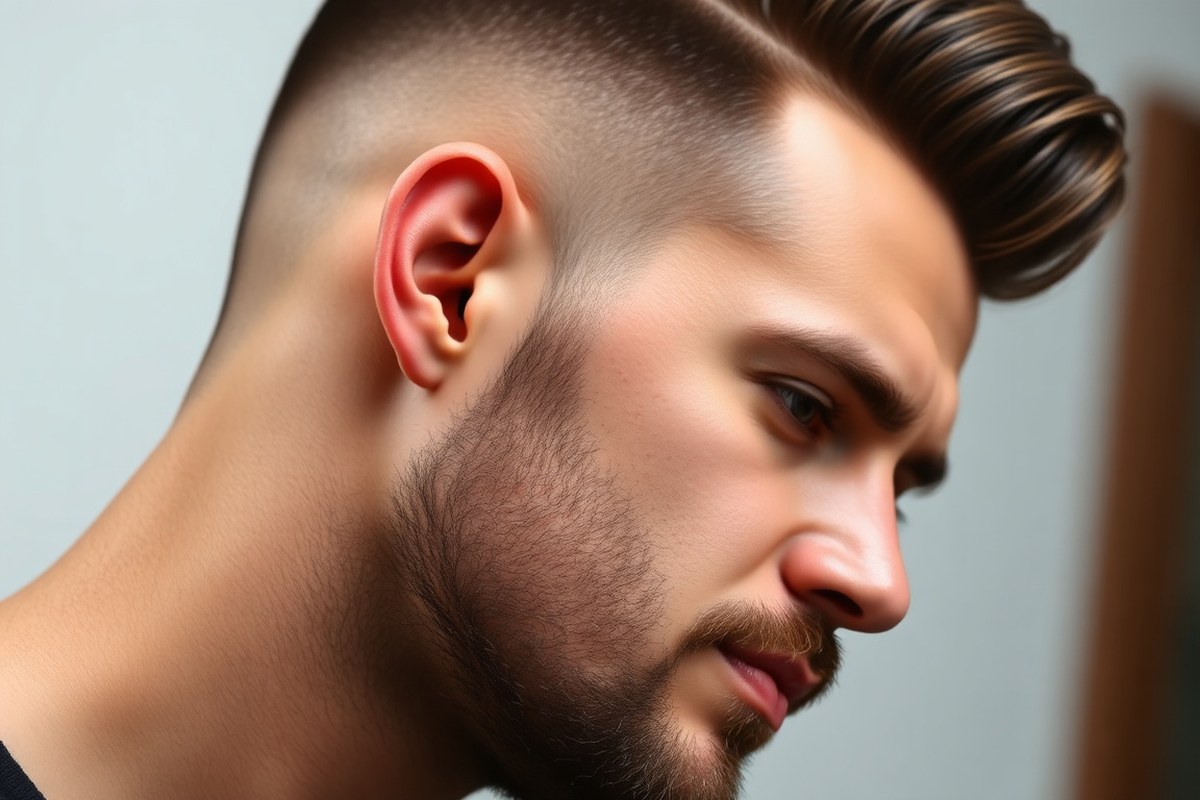
A quiff hairstyle features short sides and a longer top. The top hair is styled upward and swept back, creating volume and height. This makes the quiff stand out from other men’s hairstyles with a flat or slicked look.
The hair on top usually grows 3 to 5 inches long. This length helps it lift and sweep back properly.
Sides and back are clipped close, which emphasizes the height and makes the quiff more defined. This combination gives the quiff a clean yet bold appearance.
Unlike a pompadour, the quiff has more texture and less smoothness. It’s commonly styled to look natural and slightly messy rather than sleek or shiny.
The hairstyle started in 1940s and 1950s rockabilly culture. Icons like Elvis Presley and James Dean wore it.
Today’s quiff keeps this classic shape but adapts for modern looks. It works well for occasions when you want to look sharp but not overly formal.
The hairstyle can take 5 to 10 minutes daily to style well. So it’s better for weekend or special event wear if you want low effort.
The quiff’s volume and shape create an instant style upgrade, giving a fresh and confident vibe. It fits many hair types but looks best with some natural thickness and texture.
Very short hair on top rarely suits the quiff style. The style needs length to lift well.
Popular Quiff Variations and How They Differ
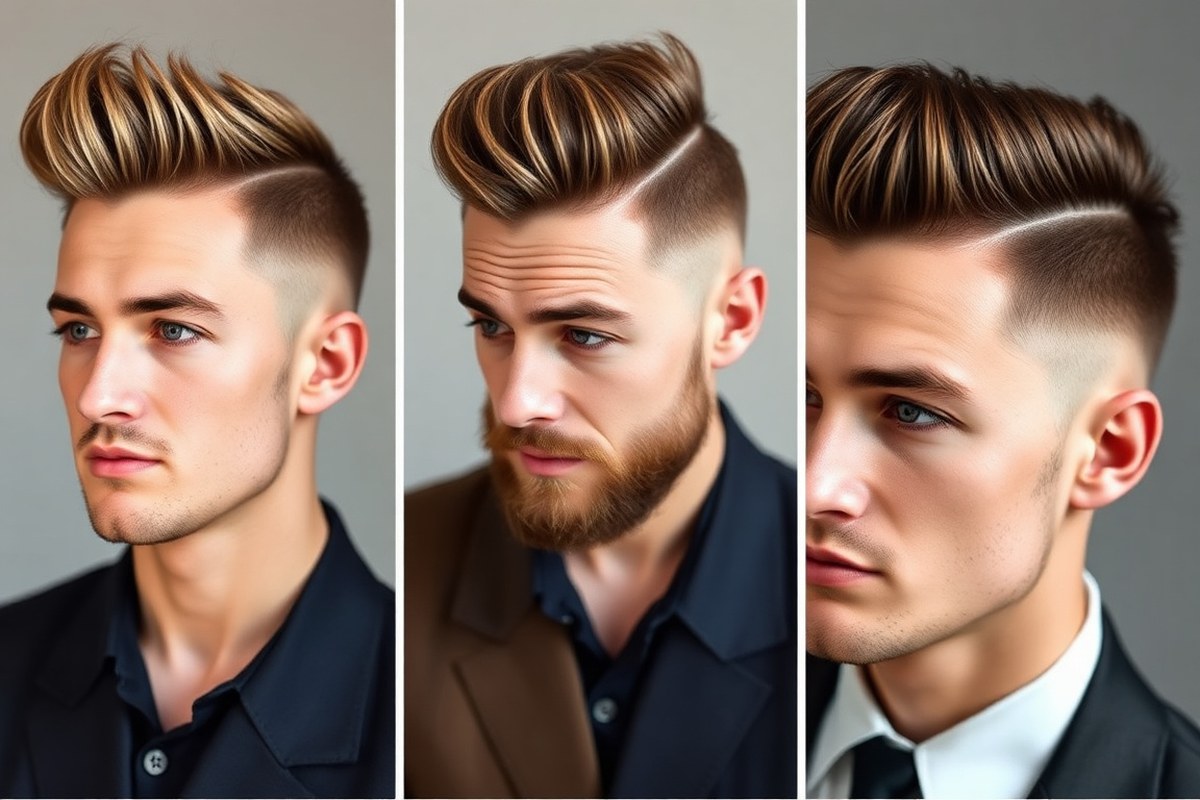
Popular Quiff Variations and How They Differ
The quiff has many variations, each with unique features that suit different styles and personalities. Some versions are sleek and polished, while others look messy and textured. Picking the right style depends on your hair type and face shape.
It also depends on how bold you want your look. These factors help guide your choice.
Classic Quiff
The classic quiff features a moderate volume swept upward and backward from the forehead. The style shows less contrast between top and sides. This keeps the look balanced.
It also stays neat and tidy. This style suits most face shapes and hair types but takes patience to style well.
Styling a classic quiff needs a blowdryer and a medium-hold product like pomade or clay. Blow-dry your hair upwards first. Then use product to shape it.
Aim for a soft, lifted front style. Without a blowdryer, this style is hard to maintain, especially in humid weather.
Undercut Quiff
The undercut quiff shows a sharp contrast in hair length. The top stays long. The sides and back are very short.
It keeps the vintage quiff’s vibe but looks edgy and modern. This style highlights the top quiff’s volume, making it stand out more than the classic version.
Your barber uses clippers for an undercut quiff’s sides. They often cut to the skin or a very short guard. This creates a clean outline.
The top hair stays long, about 3 to 5 inches. Use a strong-hold pomade or clay.
This helps lift and shape the quiff. You need regular trimming every 2 to 3 weeks to keep the undercut sharp.
Messy and Textured Quiffs
Messy quiffs focus on a carefree, textured look rather than polished neatness. They use texturizing sprays or clays to create volume with a tousled effect. This style shows movement and suits casual or creative personalities well.
The textured quiff is easier to maintain and less precise than classic styles. You can achieve it by scrunching your hair with a texturizing product after blow-drying. It’s great for thick or wavy hair and doesn’t require daily perfect shaping.
Humidity can ruin polished quiffs; a textured style holds up better outdoors.
Rockabilly and Other Retro Styles
The Rockabilly quiff stands out with its slick shine and sharp, voluminous front. It demands a medium-to-high-hold gloss pomade applied from root to tip after drying. This makes it look polished and dramatic, often paired with short, tapered sides.
The Teddy Boy quiff is a retro style. It features a long curl hanging over the forehead. This gives it a classic look.
This quirky style needs thick hair and strong products to keep the curl in place. Some combine the quiff with a subtle mullet for a unique twist.
Retro quiffs usually involve more styling time and products, sometimes taking 10 to 15 minutes daily. They suit bold men who want a vintage look with modern flair.
How to Style a Quiff: Step-by-Step Guide
Styling a quiff takes about 10 to 15 minutes once you get the hang of it. You’ll need hair clay or pomade, a blow dryer, and a brush. A vented brush works best, but your fingers can do the job.
These tools help you shape your quiff properly. Follow these steps to get the height and shape that make the quiff stand out.
Preparing Your Hair
Start with clean, damp hair for the best results. Washing your hair removes dirt and oils that can weigh it down. After towel drying, apply mousse or texture powder to your roots.
This helps give your hair natural lift and volume. Start with a small amount to avoid weighing it down.
This preparation gives your hair grip. Products like sea salt spray also add texture. With fine hair, these steps make your quiff easier to shape and hold.
Blow-Drying for Volume
Use a blow dryer with medium to high heat to dry your hair. Aim the airflow upward and backward from your forehead. This lifting action is what creates a strong, voluminous quiff.
A vented brush or round brush helps smooth hair while you dry it. Comb your hair back and up as you go. Blow-drying can take around 5 to 7 minutes depending on your hair thickness and length.
Applying Product and Shaping
Take a small amount of hair clay, putty, or pomade, about a dime to quarter-sized amount. Rub it between your hands to warm it up. Apply it evenly from roots to tips, focusing on the top.
Shape the quiff by pushing hair up and back with your fingers or a comb. Don’t overload with product; too much will weigh your style down. For thicker hair, heavier products and a bit more volume work better.
Final Touches and Hold
Use a fine mist of hairspray to lock in your quiff if you want longer hold. Light sprays prevent stiffness and keep natural shine. For casual looks, you might skip this step for more flexibility.
Check your quiff in the mirror from different angles. Adjust stray hairs quickly with your fingers or a comb. The hairstyle should look smooth, lifted, and stylish without being stiff or flat.
- Start with damp, clean hair and towel dry gently.
- Apply a root-boosting mousse or texture powder at the roots.
- Blow dry hair upward and backward using a vented brush.
- Warm a small amount of pomade or hair clay between your palms.
- Work the product evenly through your hair, focusing on the top.
- Shape the quiff by pushing hair upward and back with fingers or a comb.
- Finish with a light mist of hairspray for extra hold if needed.
- Adjust any stray hairs for a polished look.
Choosing the Right Quiff for Your Hair Type and Face Shape
Choosing the right quiff depends heavily on your face shape and hair texture. The cut works best on round, square, and heart-shaped faces. It adds height and helps balance your facial features.
This shape makes the face look better overall. Have a longer or oval face?
Try a quiff with more volume on the sides. This avoids making your face look too long.
Hair type changes how a quiff looks and feels. Straight hair allows a smooth, structured quiff, especially with a blow dryer and styling brush. Curly hair works well for a relaxed, casual quiff that pairs nicely with facial hair.
Thick hair keeps the quiff’s shape well. But it might need stronger styling products like clay or paste. These prevent your hair from drooping.
Picking a quiff for your lifestyle needs some thought. Want a neat look with every hair in place? Blow-dry on medium heat using a round bristle brush.
This helps make the classic rockabilly quiff shape. Have a busy day ahead? Choose a curly or wavy quiff for low maintenance.
Style it with your fingers for a simple, quick look. Medium to thick hair works best since thin hair can struggle to hold volume and shape.
Ideal Hair Length and Cut for a Perfect Quiff
The top hair should be at least 3 inches long to style a proper quiff. This length gives enough volume to sweep the hair upward and backward. Shorter hair on top won’t hold the shape well or create the signature height.
Sides and back are usually cut much shorter, often tapered or faded. A gradual taper works better than a harsh undercut for a classic look. Generally, sides are clipped between 1/8 inch and 1/4 inch to contrast with the longer top.
A good length ratio between the top and sides ranges from 3:1 to 4:1. For example, if the top is 3 inches, sides should be around 1 inch or less. This difference highlights the style’s lifted front and neat sides.
- Top length: 3 to 5 inches for volume and control
- Sides: tapered or faded between 1/8 inch and 1/2 inch
- Back matches the sides for balance and shape
- Soft fade preferred over harsh undercut for a classic quiff
- Trim every 4 to 6 weeks to keep crisp lines
- Texture on top helps maintain volume and style
The quiff can work on short hair but needs at least 2.5 to 3 inches on top. Short tops limit how much you can lift or create volume. For very short hair, the look might lose the quiff’s characteristic height and shape.
Keep side tapers clean and gradual to avoid jumping between lengths. Sharp lines or shaved parts add a modern touch but aren’t necessary. Getting the right cut involves clear communication with your barber about length preferences.
Ask your barber to leave 3 inches of hair on top. Make sure the sides blend softly into the top. This keeps the style versatile and easy to change.
Maintaining Your Quiff: Trimming, Products, and Daily Care
Keeping your quiff sharp needs regular trims every 3 to 4 weeks. This schedule stops the hair from getting too heavy or losing its shape. Trims focus on cleaning up edges and maintaining the height on top without losing length.
For styling, use a vent brush with a blow dryer. Lift your hair at the roots as you dry. This adds volume and shape to the quiff.
Then apply a small amount of molding paste to add hold and texture. This product keeps the quiff flexible all day without making it hard or greasy.
- Trim every 3 to 4 weeks to keep shape
- Blow-dry with a vent brush for lift
- Use molding paste for pliable hold
- Comb through to shape and add definition
- Finish with strong-hold hairspray for all-day hold
- Daily quick touch-ups to keep style neat
- Avoid over-applying products to prevent buildup
Daily care involves quick touch-ups using your fingers or a comb. Twist the sides near the crown slightly and push upwards for volume. Passing your hands through the quiff lets you set the shape without flattening it.
Avoid heavy products that weigh hair down, especially if your quiff is over 5 inches long. The added weight makes it harder to stay lifted. Instead, go for lightweight, nourishing products that protect and add texture.
Common Styling Mistakes and How to Fix Them
One common mistake with quiffs is not getting enough lift when blow-drying. Without proper lift, the quiff loses height and shape fast. Use your fingers to lift the hair upward as you blow-dry the front for best results.
Using too much product or the wrong one creates problems. Thick gels can make thin hair look flat and heavy. Apply a little Styling Cream to your palms, then work through your hair for smooth, manageable quiff styling.
A quiff that won’t hold its shape usually needs stronger support. Blow-dry your hair until it’s dry and full of volume. Next, apply Strong Hold Styling Clay into your hair.
This locks in the texture and keeps height all day. This combination keeps the style fresh all day and prevents flattening.
- Blow-dry hair upward and forward to create volume
- Use a little Styling Cream to tame any stray hairs on top. It smooths your hair and keeps it neat without weighing it down.
- Apply Strong Hold Clay to lock in shape and lasting lift
- Shape the quiff with your hands while the product sets
- Avoid heavy gels that weigh hair down or make it stiff
- Hydrate hair regularly with conditioner to prevent damage from heat styling
Heat from blow-drying can dry out hair and cause damage. Always use a heat protectant spray or product before styling with hot tools.
Overdoing product or washing hair daily also weakens strands. So include hydrating conditioner in your routine to keep hair soft and resilient.
Fixing the quiff is easy once you have the right technique. Blow-dry your hair to add volume and body. Apply the right product to hold your style.
Finally, use your fingers to shape the hair how you like. This simple routine avoids the common trap of flat or stiff quiffs.
How the Quiff Compares to Similar Hairstyles
The quiff has a distinct edge compared to similar hairstyles like the pompadour and faux hawk. It blends classic styles with modern trends, creating a versatile yet bold look. Understanding these differences helps you pick the style that fits your mood and personality.
Quiff vs Pompadour
The quiff and pompadour both show off high contrast between hair lengths. But they carry different vibes.
The pompadour leans more formal and classic, with volume often slicked back for a polished effect. The quiff feels casual and modern, with a loose front that’s less rigid.
The pompadour can look more showy, especially if it’s tall and heavily styled. The quiff keeps it subtle but stylish, making it easier to wear daily without seeming overdone. This balance makes the quiff a solid choice for guys who want flair without fuss.
Quiff vs Faux Hawk
The faux hawk has a sharp contrast between the middle and sides. It looks like a mohawk but softer. The center strip stands out clearly.
Some quiffs lean toward a faux hawk style, especially ones with edgy, rocker appeal. The quiff has more volume at the front.
It blends smoothly into the sides. It does not have harsh fades.
The faux hawk sported by people with a contemporary edge is bolder and more dramatic. You might pick a faux hawk if you prefer a rebellious vibe. The quiff works better for a balanced, versatile look that fits more occasions.
Why Choose a Quiff?
The quiff stands out for mixing vintage charm with today’s trends. It draws from icons like James Dean and Elvis Presley but adds casual ease. You get confident style without looking overly formal or extreme.
It resembles the denim jacket of hairstyles, simple, stylish, and fitting nearly anywhere. Good products and proper cuts help maintain the quiff’s lift and shape. It’s the choice to try when you want a haircut that speaks volume but doesn’t shout.
Here’s a comparison table to show these key differences:
| Feature | Quiff | Pompadour | Faux Hawk |
|---|---|---|---|
| Style Vibe | Casual, modern | Formal, classic | Edgy, rebellious |
| Volume Placement | Front lifted, loose | Top slicked back, heavy | Center strip, tight sides |
| Contrast Level | High between front and sides | High, often polished | Sharp, mohawk-like |
| Maintenance | Medium, requires styling product | High, needs frequent styling | Medium, needs trimming sides |
| Occasion Fit | Versatile, good for daily wear | Great for formal events | Best for casual, punk looks |
Use a matte pomade on your quiff for natural texture and lasting hold.
Step-by-Step Action Plan to Master Your Quiff
Follow these clear steps to style and maintain your quiff for the best look. Each phase ensures your hair shapes up just right.
- Before your cut: Talk with your barber about the quiff style and desired length. This sets the right foundation.
- Day 1 after the cut: Shampoo and towel-dry your hair gently. Your hair should feel clean but not soaking wet.
- Day 1 styling: Apply a small amount of strong-hold product like pomade or wax. Style your hair upward and back with a brush or fingers. Your quiff should hold shape without stiffness.
- Week 1: Practice styling daily to improve your technique. Adjust product amount if hair feels heavy or greasy.
- After 2 weeks: Use a round brush with a blow dryer for added volume. The quiff should stand up well and look natural.
- Monthly: Trim your hair often. Keep sides neat. Keep top the right length.
- Daily care: Wash your hair 2 to 3 times weekly to avoid stripping oils. Use conditioner to keep hair healthy and manageable.
- Every 6 weeks: Check if your hair product still works. Change it if needed. Adjust for weather and hair health.
Frequently Asked Questions
How Long Does It Take to Style a Quiff Each Day?
Styling a quiff usually takes 5 to 10 minutes daily. If you’re short on time, treat it as a weekend look instead of a daily routine.
Can a Quiff Work Well on Curly Hair?
A quiff can suit curly hair but needs more product to hold shape. Curl definition and volume help create a strong front lift.
Is the Quiff Suitable for Formal Events?
Yes, a neat quiff looks sharp at formal events. Keep the sides tidy and use a matte product for a refined finish.
Do I Need Special Products to Maintain a Quiff?
Yes, styling products like pomade or mousse help hold the quiff. Choose one based on your hair’s thickness and desired shine.
Can I Grow a Quiff with Thinning Hair?
Growing a quiff with thinning hair can be tricky but possible. Use volumizing products and avoid heavy gels that weigh hair down.
Does the Quiff Suit Older Men Well?
Older men can definitely rock a quiff with the right cut. Keeping it shorter and less dramatic often works best.
Wrapping Up
The quiff offers a stylish yet versatile look for many hair types and faces. Start by getting a good cut that fits your style. Keep practicing your styling for the best results every day.