
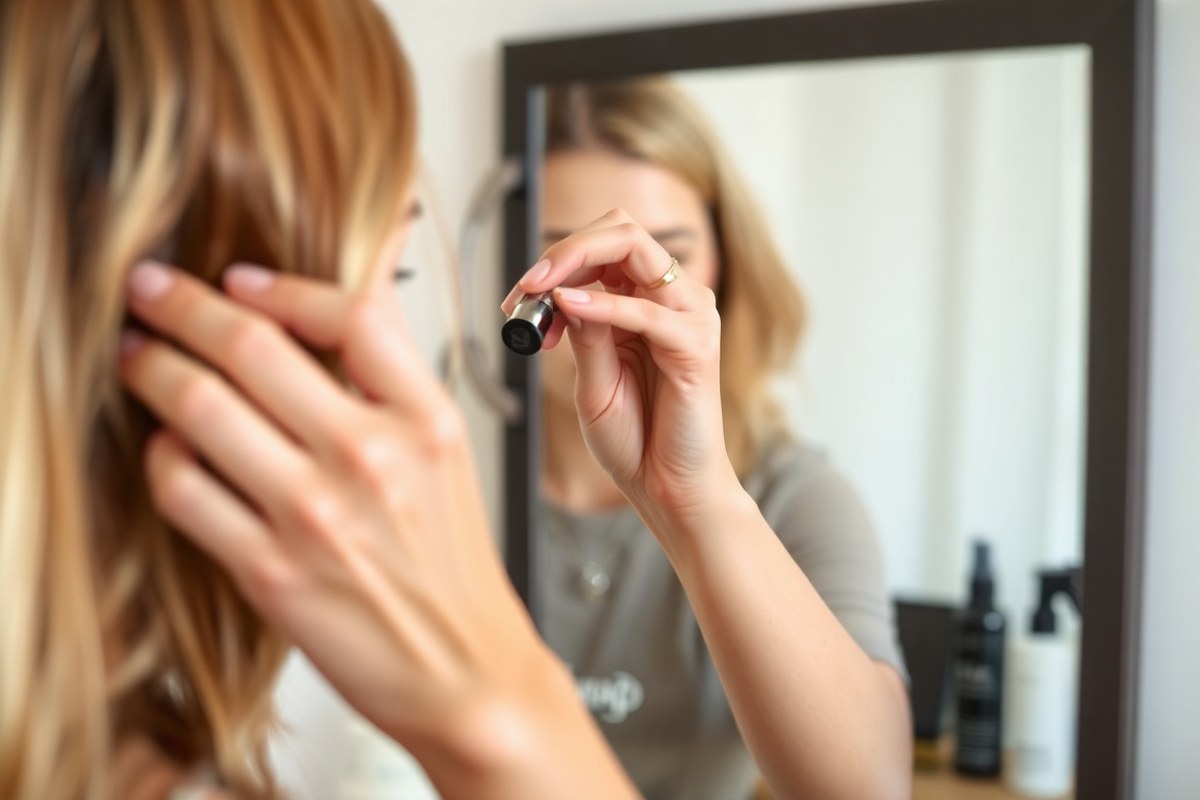
How to Tone Hair at Home: A Complete Guide for Perfect Results
How to tone hair is a common question if your blonde or color-treated hair looks brassy. The quick fix is using a toner. It cancels warm tones like orange or yellow.
This helps make your hair look better fast. Toner works by depositing a color opposite to brassiness, balancing your shade naturally.
Start with clean, damp hair and watch the toner closely while it processes. The time can be as short as three minutes. Or it might take up to 20 minutes.
It depends on your hair’s current tone. Checking a small hair strand every few minutes helps you avoid over-toning and damage.
Apply the toner evenly and follow with a conditioner matched to your toner color. This locks in the shade and keeps your hair soft. Using a neutralizing spray between washes also helps keep the tone fresh longer.
Key Takeaways
- Check a small hair strand every 3-5 minutes to control toner development.
- Mix toner with developer at the box ratio, usually 1:2, for best results.
- Apply toner to clean, towel-dried hair for even color absorption.
- Leave toner on from 3 to 20 minutes based on your hair’s tone.
- Rinse and use a matching conditioner to lock in the new tone.
- Use a neutralizing spray between washes to maintain toner effects.
What Is Hair Toning and How Does It Work?
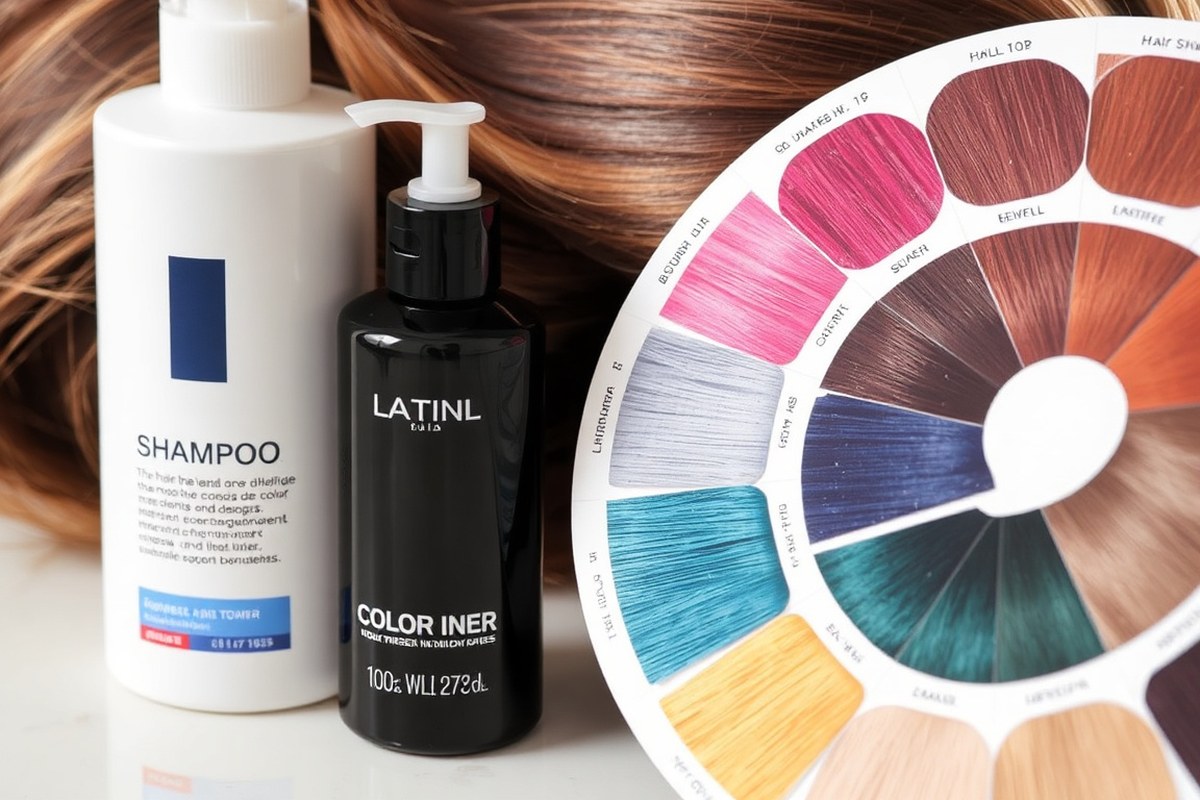
Hair toning means adding color-correcting pigment to lightened or bleached hair. Its main job is to cancel out unwanted warm tones like yellow, orange, or copper. This helps your hair look cooler, more balanced, or neutral instead of brassy or muddy.
It works because complementary colors neutralize each other. Purple pigment targets yellow tones since purple is opposite yellow on the color wheel. That’s why violet shampoos soften yellows after lightening.
Blue pigments reduce orange and copper tones by counteracting their warmth. In reddish or reddish-brown hair, green pigment helps cancel red and orange shades.
The warm tones appear because bleaching doesn’t always remove the natural pigment under your hair’s surface. These underlying colors tend to show up as your color fades or oxidizes.
When you use a toner, it deposits the opposite color molecules onto your hair strands. This deposit doesn’t lighten hair further but smooths out the tones you don’t want.
For example, if your hair shows yellow hues, a violet toner or shampoo works best. Blue toners are better when orange or copper tones dominate. Some hair needs both blue and violet tones.
Bronde or balayage styles often have yellow and orange areas. Using a mix helps balance those colors. That way, you can target each brassiness spot accurately.
Toners are demi-permanent colors, so they gradually wash out over 4 to 6 weeks. It’s safer and less damaging than bleaching again. Applying toner at home takes about 15 to 30 minutes depending on the product.
Prices range from about $10 for simple toning shampoos. Salon-quality toners can cost $35 or more. Your choice depends on what you need.
Good toning leaves your hair looking brighter, cooler, and less brassy without dryness or damage. Watch out for over-toning, which can make hair too ashy or dull.
Also, uneven application can cause patchy or streaky tones. Always do a patch test first and follow the instructions closely to avoid these issues.
When and How Often Should You Tone Hair?

Tone your hair about 24 to 48 hours after bleaching or coloring. This lets your hair recover slightly from the harsh chemicals. Waiting too long risks letting unwanted brassiness set in and become harder to fix.
Use toner on damp hair, leaving it on for 3 to 5 minutes. Check your hair every few minutes by wiping a strand with a gloved finger. Stop as soon as you see the desired tone to avoid over-toning and unwanted shades.
For regular upkeep, tone hair every six to eight weeks. This schedule fits most people who want to keep their blonde fresh without overdoing it. If your hair feels dry or brittle, wait a bit longer to let it heal before applying more toner.
Pigment fading speed depends on hair porosity, sun exposure, and water type. Bleached blonde hair dries faster and loses tone more quickly. Swimming in chlorinated pools or washing with hot water can cause brassiness to return sooner.
Sunlight damages color-treated blonde hair more than other shades. Use hats or UV sprays to protect your tone when outdoors. These steps help maintain your toner’s effect between applications.
Some people add a neutralizing spray after washing to maintain their hair tone. This spray helps balance your hair’s pH and keeps color from shifting. Using conditioner that matches your toner’s tone adds softness and extends shine.
Always do a strand test before toning your whole head. This prevents surprises like too much purple or uneven color.
How to Choose the Right Toner for Your Hair Color
Pick a toner that targets your hair’s unwanted undertones using the color wheel. Match the toner shade that contrasts these tones for the best effect. Use a developer volume that matches your hair’s condition.
This helps prevent damage. It also ensures you get the color you want.
Toner Pigments for Different Brassiness
Use blue-based toners to neutralize bright orange brassiness in blonde hair. Violet or purple toners work best against yellow or gold tones. For light brassiness, cream toners deposit subtle color to balance tone without over-coloring.
Matching toner color opposite the brassiness on the color wheel brings harmony. Orange tones cancel with blue. Yellow tones cancel with violet.
Red tones cancel with green-based toners. This approach brightens your blonde hair and stops brass from showing through.
Choosing Developer Volume for Your Hair
Developer volume or strength controls how much your toner lifts or deposits color. Use low volume developers like 10 or 20 volume with toners to avoid excess damage. Salon-quality toners often mix with 20 volume developer at a 1:2 ratio to toner.
Stronger developers will lighten hair more but increase damage risk. For at-home toning, stick with 10 to 20 volume to keep hair healthy. Watch your hair while it processes.
Rinse out the toner once brassiness fades. This usually takes 5 to 20 minutes.
Differences Between Semi, Demi, and Permanent Toners
Semi-permanent toners deposit color without developer and wash out after about 6 to 12 shampoos. They lightly tint hair and are good for subtle touch-ups on mild brassiness. Demi-permanent toners use low volume developer and offer longer-lasting, natural-looking tone correction.
Permanent toners lift and deposit color but can be harsher and require professional care. Use demi-permanent toners for most at-home toning since they balance color gently without heavy damage. Each toner type suits different needs based on how strong your brassiness is.
Adjusting Toner Strength by Hair Porosity
Porous hair absorbs toner faster and can go darker quicker. Use a shorter processing time or dilute toner more with developer on porous hair. Healthy, less porous hair needs the full processing time.
It may require a stronger toner mix. This helps get the best results.
Testing by checking hair every 2 to 3 minutes during application helps prevent over-toning. Rinse as soon as unwanted brassiness is gone to keep your blonde bright. You can repeat a mild foam toner step if needed without harming hair.
This table shows common toner colors and the tones they neutralize. It also lists recommended developer volumes. Use it to get the best results.
| Toner Pigment | Unwanted Undertone | Recommended Developer Volume | Typical Processing Time |
|---|---|---|---|
| Blue | Bright orange/brass | 10-20 volume | 5-20 minutes |
| Violet (Purple) | Yellow/gold | 10-20 volume | 5-20 minutes |
| Green | Red or copper tones | 10-20 volume | 5-20 minutes |
| Cream Toner | Mild brassiness | 10 volume or none | Up to 20 minutes; watch closely |
Keeping developer low and choosing the right pigment avoids damage and achieves natural tone correction. Semi and demi-permanent toners give you flexible options based on how intense your brassiness is. Use the color wheel to find opposite shades.
This helps you spot unwanted tones in your blonde hair. It also guides you to neutralize them effectively.
Preparing Your Hair for a Successful Toning Session
Start by washing your hair to remove any buildup from styling products. Use a gentle shampoo and avoid conditioner, as clean hair helps toner work evenly.
Towel dry your hair gently. It should be damp, not dripping wet, for better pigment absorption.
Before applying toner, do a strand test to check color results and timing. Pick a small hair section and apply toner as instructed. Watch how it changes for 5 to 10 minutes.
This step shows how your hair reacts to toner. It helps avoid uneven tone or damage.
Allergy testing is also important. Put a small drop of toner on your skin, such as behind your ear.
Wait 24 to 48 hours to ensure no irritation or redness occurs. This step protects you from allergic reactions that might lead to discomfort or swelling.
- Wash hair with a gentle shampoo, no conditioner.
- Towel dry hair until damp, not soaking.
- Wear gloves to protect your hands during application.
- Perform a strand test on a small hair section.
- Conduct an allergy patch test 1-2 days before toning.
- Use a wide-tooth comb to detangle before toning.
- Have a timer ready to track the toner processing time.
Use a heat protectant or UV filter to protect your hair. Do this if you style after toning.
These products help lock in tone and prevent fading caused by sun or heat tools. Also, avoid toning hair that is very dry or damaged, as this can worsen breakage.
Choosing the right products is key. Use at-home toning shampoos or glosses made for your hair tone.
These often combine pigment and conditioners, letting you refresh your color while reducing damage. Avoid salon-strength toners meant for professionals unless directed by a stylist.
Get your hair close to level 9 lift before toning for the best effect. Toning works best when toning your hair down to neutralize brassiness.
Follow product instructions closely and rinse off after tone sets. This usually takes 2 to 15 minutes.
Step-by-Step Guide to Applying Toner at Home
Toner works best when applied to damp, towel-dried hair, not soaking wet or totally dry. You apply toner all over or just on highlights, depending on your desired tone. Mix the toner with developer carefully following the product’s ratio instructions.
Proper Toner and Developer Mixing Ratios
Always measure your toner and developer before mixing to avoid uneven tone. Cream toners usually mix one part toner to two parts developer. Liquid gloss toners often use a 1:1 ratio with developer.
Use a developer volume that matches your hair’s lightness and health, typically 10 or 20 volume. A higher developer risks damage but deposits pigment better on resistant brassiness.
Applying Toner to Different Hair Sections
Start with clean, towel-dried hair that’s about 70% dry for even toner absorption. Section your hair to reach roots and ends thoroughly with color product exactly as needed.
Apply toner all over if you want an overall tone correction. Focus on highlights or brassy parts if you only want to target specific areas. Use a tint brush for precise work.
Timing Toner Based on Hair Condition and Brassiness
Leave toner on hair about 20 to 25 minutes, depending on product directions and brassiness level. Darker brassiness may need the full time; light tones can take less.
Healthier hair tolerates longer processing safely. If hair is fragile, check sooner to avoid over-toning or damage. Remember, toner doesn’t lighten but neutralizes tone.
How to Check Tone During Processing
Monitor tone development by looking at hair color as you wait. Use a towel or gloves to pull a small section gently from the toner.
Check your hair in natural light for true color. Stop toner as soon as the desired tone appears to avoid unwanted cooler or warmer shifts.
- Wash hair with a gentle shampoo and towel dry.
- Mix toner and developer in correct ratio, like 1:2 cream or 1:1 liquid.
- Section hair evenly with clips to ensure full coverage.
- Apply toner to towel-dried hair, focusing on all hair or brassier parts.
- Leave toner on for 20 to 25 minutes, watching tone often.
- Rinse toner out thoroughly with cool water to close cuticles.
- Condition hair to restore moisture and shine.
Applying toner on soaking wet or completely dry hair causes uneven tone.
Maintaining Your Hair Tone After Toning
Using color-safe shampoos and conditioners designed for blonde or color-treated hair helps keep your tone fresh. Products with violet or blue pigments neutralize unwanted brassiness without lightening your hair. These items help keep your tone steady between sessions.
Use them to avoid too many chemical treatments. They work well for maintaining your hair color.
You don’t have to use toner with each wash. Purple shampoo and toning conditioners work well for most blondes. Use them once or twice a week.
This keeps brassiness under control without overdoing it. These products slowly refresh and correct your hair color by canceling yellow or orange hues.
- Use violet or blue toning shampoo once or twice weekly for brass control
- Apply toning conditioner after shampooing to lock in the desired tone
- Spray a neutralizing spray weekly to maintain even color
- Finish with color-safe leave-in products for extra protection and shine
- Avoid heat styling or use a heat protectant spray to prevent fading
- Wash with lukewarm or cool water to keep the cuticle smooth
- Limit washing to 2-3 times a week to preserve color and moisture
Using hair products made in Quebec can be a smart choice. They often focus on caring for blonde hair. This can help keep your color looking fresh.
These products usually have a low pH level. That helps close the hair cuticle after toning.
Closed cuticles protect your hair and keep it shiny. Keeping the cuticle closed protects your tone and hair health.
For warm golden or caramel blondes, toning just twice a month often works well. You can book salon toning appointments between color visits if you want a deeper refresh. Regular care will keep your hair vibrant and strong without overdoing chemical processes.
Common Toning Mistakes and How to Fix Them
Toning hair takes some care. One common mistake is over-toning, which causes hair to look unnatural or grayish. When your hair looks too cool or dull, rinse the toner out immediately to stop processing.
Using the wrong toner for your current shade also causes issues. For example, applying blue toner to yellow hair can create a green tint.
Check your hair tone in natural daylight before picking a toner. Choose violet-based products for brassiness on lightened or orange hair.
Timing is another key factor. Rinsing toner too soon means the color won’t fully develop and brassiness won’t fade.
Set a timer for 3 to 5 minutes when applying toner, depending on product instructions. Leaving toner on too long can darken or over-process your hair.
- Mix toner with developer exactly as recommended to avoid weak or harsh results.
- Do not use toning shampoo every day, it can cause purple or blue buildup.
- Stop toning and wash your hair if you see an unexpected color shift.
- Keep sulfate-free shampoos on hand for regular washing between toning.
- Consult a hairstylist if you notice uneven tone or damage.
Hairdressers prefer toner because it’s gentler than permanent dye while refining color. Toner doesn’t cover roots but balances the shades already there.
It lasts for a few weeks. So it gives you control without the lasting commitment of dye.
When toning goes wrong or your hair feels dry and fragile, talk to a professional. They can assess your hair’s condition and recommend treatments or better products for your specific tone. Remember, home toning suits mild tweaks but not major fixes or seriously damaged hair.
Toning Variations by Hair Color Type and Situation
Toning hair changes with hair color type and the situation. Blonde, brunette, and red hair need different toning methods. The choice depends on your base color.
It also depends on the look you want. Pre-toning helps fix uneven color or prepare the hair for a final tone.
Toning Blonde Hair: Neutralizing Yellow Tones
Blonde hair often shows unwanted yellow or brassy shades after lightening. Using a violet or purple-based toner cancels yellow tones and cools the hair color. Choose your toner based on your blonde shade, from pale yellow to brassy.
Highlighted hair requires toning only on the lightened strands. Toning helps blend these bits with the rest of your hair.
Full-head blondes apply toner all over for an even tone. Purple shampoo works well at home for maintenance, especially after toning.
| If Your Hair Looks… | You Need a Toner With This Base… | To Achieve This Look… |
|---|---|---|
| Pale yellow looks similar to the inside part of a banana peel. | Violet/Purple | Cool, Platinum, or Icy Blonde |
| Brassy Yellow-Orange (Like a gold coin) | Blue-Violet | Neutral or Natural Blonde |
| Orange (Like a bright orange) | Blue | Cool Ash Blonde or Brown |
Checking your hair’s base tone helps pick the right toner. Applying the wrong tone risks making hair greenish or too ashy.
Brunette Hair: Dealing with Orange and Warm Undertones
Brunette hair tends to get orange or reddish brassiness, especially after lightening or coloring. Blue-based toners or shampoos reduce these warm tones. They don’t lighten hair but adjust the unwanted red or orange glow.
Balayage or highlighted hair needs toning to blend with natural brunette shades. Use toners with care; too much can dull your color.
Red Hair: Using Green-Based Toners to Cancel Reds
Red shades often need green-based toners to neutralize pink or bright red brassiness. Going from red to blonde calls for ash-green pre-toning to balance color. This makes the final blonde tone more even and predictable.
Red hair color fades fast, so toning helps prevent uneven patches from showing. Make sure to apply toner evenly on all red or pink areas.
Pre-Toning Purpose and Techniques
Pre-toning smooths out visible yellow or warm undertones before applying cool-toned colors. It’s useful when multiple levels of lift exist and a uniform base is needed. This step provides better control over the final shade.
Use a filler color with ash or green bases if correcting strong reds or uneven bleach. Processing time often runs 5 to 10 minutes. Stop when unwanted warm tones look neutralized, then rinse before finishing the tone.
Pre-toning gives you more predictable results and stops patchy colors from showing up later.
Step-by-Step Action Plan for Toning Hair at Home
Follow these steps to get a fresh, balanced hair tone that lasts. Check your hair’s look at each phase to see the difference.
- Before You Start: Choose a toner made for your hair color. Do a patch test to avoid allergic reactions.
- Day 1: Wash hair with a mild shampoo, then towel dry. Your hair should feel clean but not dry.
- Day 1: Apply toner evenly, following the instructions. Watch your hair color lighten or neutralize as you go.
- After 10 Minutes: Rinse thoroughly with cool water. Your hair should feel smooth and look less brassy.
- Day 2: Use a deep conditioner to restore moisture. Hair should feel soft and not brittle.
- Week 1: Use purple shampoo 1-2 times this week to keep brassiness away. Hair tone should stay fresh.
- Week 2: Assess your hair tone. If brassiness returns, plan a gentle toner touch-up.
- Ongoing: Protect hair from heat and chlorine. This helps maintain your toned color longer.
Frequently Asked Questions
Are You Supposed to Apply Toner to Wet or Dry Hair?
You should apply toner to towel-dried hair, not dripping wet. This lets the toner absorb better without being diluted by water.
What Toner Will Cancel Out Yellow?
Purple or violet toners cancel out yellow tones in blonde hair. These colors neutralize unwanted warmth for a cooler look.
Do You Put Toner on Whole Head or Just Highlights?
Apply toner only where your hair shows brassiness or unwanted tones. This keeps your overall color balanced and natural.
Why Do Hairdressers Use Toner Instead of Dye?
Toner adjusts and refines color without changing hair shade completely. It softens unwanted tones with less damage than dye.
How to Tone Hair?
Mix toner with developer as directed, then apply to towel-dried hair. Watch the color and rinse when brassiness disappears, usually 5, 20 minutes.
Can You Tone Hair More Than Once a Week?
Toning hair more than once a week can cause dryness and damage. Stick to toning every 2, 4 weeks for best results.
The Bottom Line
Toning your hair can really clear up unwanted warm shades. Keep an eye on your hair’s condition and tone over time. Try a small toner session today to see how it works for you.


