What Is a Pressing Comb? Complete Guide with Expert Tips & Safety
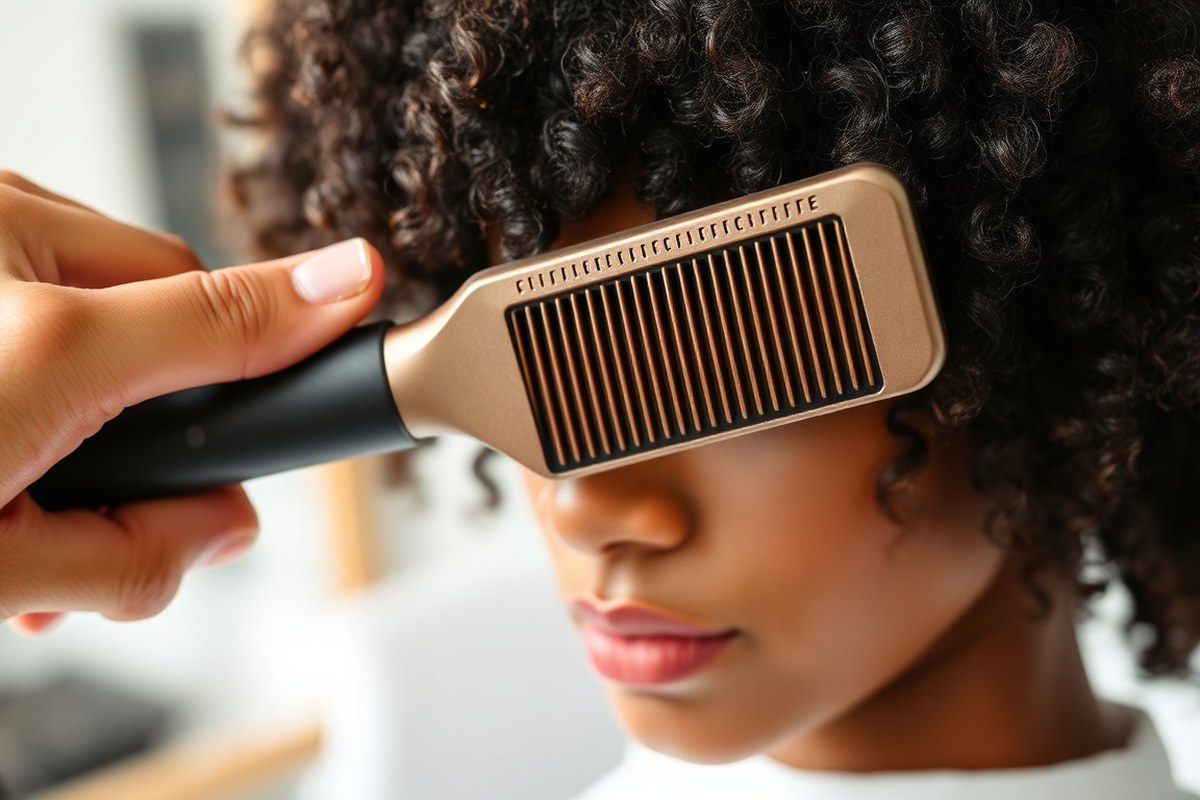
What is a pressing comb? It’s a heated tool that smooths natural textured hair.
You press it along your roots or edges to straighten curls and coils. This tool works by warming metal teeth to a high temperature to reshape your hair.
Pressing combs heat up quickly, often in about 30 seconds, reaching temperatures from 200°F to 500°F. They fit all hair types, from fine 3A waves to thick 4C coils. Using the right heat level is key to avoid damage and get the best straightening result.
Before using a pressing comb, make sure your hair is dry and detangled. Always test the heat on a small section to prevent burns or breakage. Keep safety in mind because the comb’s metal can get very hot.
It can cause serious burns if you don’t handle it carefully. Always use caution when touching the comb after heating.
Key Takeaways
- Pressing combs smooth natural hair by heating and straightening the roots.
- Choose a comb with adjustable heat from 200°F to 500°F for best results.
- Use higher temperatures (430°F, 500°F) for dense, coarse 4C hair types.
- Set lower temperatures (325°F, 350°F) for fine or fragile hair strands.
- Always test heat on a small section to avoid burns or damage.
- Let the comb heat fully before starting for consistent styling.
What Is a Pressing Comb and How Does It Work?

A pressing comb is a heated styling tool shaped like a comb. It’s made to smooth, polish, and straighten tight coils and kinky hair. The metal or ceramic teeth heat up, pressing hair strands flat as you comb through them.
To use it, you gently run the warm comb through small sections of hair. This applies direct heat and pressure to each strand. Pressing combs work well on natural Black hair and textured styles.
They help grab roots and edges for a polished look. This tool smooths out hair without flattening it too much.
The straightening happens by heat loosening hair’s natural bonds. When you comb through, it flattens curls and kinks. Doing this twice on each hair section locks in a smooth look without harsh chemicals.
This tool also works well on wigs and closures, creating smooth, natural-looking bases. It’s a great alternative when you want to avoid strong relaxers. With the right heat, your hair looks sleek but still feels natural to the touch.
Some pressing combs offer temperature control from 200°F to 500°F. The range suits different hair textures, from soft edges to dense 4C hair. Using the wrong temperature risks damage. So careful heat selection keeps hair healthy and shiny.
Results depend on technique and heat choice. Good results show smooth roots, less frizz, and a soft shine. Don’t press too hard or keep the comb on too long.
This can burn your hair or make it too flat. Use gentle, short strokes for the best results.
How to Choose the Right Pressing Comb for Your Hair

Selecting the best pressing comb depends on your hair type and heat requirements. Electric pressing combs offer variable heat settings and extra safety options.
Manual hot combs reach higher temperatures and demand careful handling. Match the comb and heat setting to your hair to prevent harm.
Electric vs Traditional Hot Combs
Electric pressing combs plug into power and quickly heat up. They usually have adjustable heat controls and safety features like automatic shut-off.
Traditional hot combs heat on a stove or in a thermal oven. They can reach temperatures between 300°F and 500°F. These combs do not offer precise temperature control.
Electric combs suit beginners or those with fine or damaged hair. Traditional combs are better for experienced users with coarse, dense hair needing very high heat.
Electric models reduce burn risk and allow easy heat adjustments. Traditional combs give intense, steady heat but require careful handling.
Temperature Settings for Different Textures
Adjust your pressing comb’s heat to your hair texture and condition. Coarse natural hair handles 400°F to 450°F well, needing higher heat for straightening dense 4C coils. Fine or chemically treated hair should stay below 350°F to avoid heat damage.
Electric combs with temperature ranges from 200°F to 500°F serve every natural hair texture. The Mini Pink Hot Comb heats from 200°F to 500°F. It works on thin 3A hair strands and thick 4C coils.
This wide range fits many natural hair types. Look for combs offering at least a 200°F, 450°F range to cover most hair types.
Features for Travel and Safety
Features like swivel cords prevent tangles, making styling easier and safer. Automatic shut-off avoids overheating and accidental burns, especially for busy users. Cool-tip handles protect your hand during use, reducing burn risk.
Compact, lightweight combs fit better in travel bags. Some electric models heat up in 30 seconds, saving time on the go. Choose ceramic-coated teeth for gentle heat distribution and less hair damage during touch-ups.
Here’s a comparison of popular pressing comb models to help you choose:
| Model | Category | Best For | Key Spec |
|---|---|---|---|
| Mini Pink Hot Comb 500° | Premium | High-heat root pressing on 4C | 200°F, 500°F range |
| Zovido Electric Hot Comb Kit | Premium | All-in-one wig installation | 30-second heat-up |
| DAN Technology Electric Hot Comb | Mid-Range | Wig prep, heavy root control | Back teeth grip |
| Homfu Hair Straightener Comb | Mid-Range | Budget-friendly quick touch-ups | Ceramic-coated teeth |
This table shows you combs for different hair and budget needs. Premium combs heat quickly and cover a wide temperature span for coarse hair. Mid-range models fit everyday styling and wig prepping with useful features and lower prices.
Always try the lowest heat setting first, especially with fine or damaged hair.
Step-by-Step Guide to Using a Pressing Comb Safely
Start with clean, dry hair and apply heat protectant spray thoroughly. Section hair into small parts for even straightening. Glide the pressing comb slowly on each section to avoid burns and damage.
Preparing Hair and Scalp
Wash and dry hair completely before using a pressing comb. Damp hair can get damaged or unevenly straightened. Apply a heat protectant spray evenly to shield hair from high temperatures.
Use an emollient or light oil after the heat protectant for extra protection. Avoid heavy products that can build up on hair or the comb. Check your scalp for irritation or cuts before starting.
Sectioning Hair for Pressing
Divide hair into small, precise sections to press evenly. Use precision combs or clips to hold each part securely. Smaller sections let you control heat better and reduce repeated passes.
Start from the nape and work upwards to the crown for easier handling. Each section should be about ½ inch wide for best results. Avoid mixing curly and straight parts while sectioning.
Pressing Technique for Different Curls
Set the comb’s heat between 280°F and 450°F based on hair texture. Use lower heat for fine or relaxed hair and higher settings for coarse curls. Let the comb preheat fully before pressing.
Place the comb near the roots carefully to avoid scalp burns. Glide the comb down slowly, applying gentle tension to stretch curls. Avoid going over the same section multiple times to limit heat damage.
For tight curls, press once or twice per section. Looser curls may need fewer passes. Allow hair to cool before touching or styling to hold the shape longer.
- Wash and dry hair thoroughly.
- Apply a heat protectant spray evenly.
- Use an emollient or light oil for extra heat defense.
- Section hair into ½ inch wide parts with precision combs.
- Select the correct heat setting for your curl type.
- Preheat the pressing comb fully before use.
- Place comb near roots and glide down hair slowly with light tension.
- Avoid repeating passes on the same section to prevent damage.
Best Temperature Settings for Different Hair Types
Fine natural hair or Type 4A hair needs lower heat settings. Use temperatures around 280°F to 350°F to avoid damage and maintain moisture. Lower heat protects fine strands and stops breakage easily.
This works well on edges and hair near the scalp. Keep your temperature low to keep hair safe.
Medium textured hair can handle a bit more heat, ideally between 350°F and 400°F. This range smooths curls effectively without causing excessive dryness. Thicker strands that aren’t very coarse do well in this zone.
You get straighter hair without risking damage to your strands. Stick here for safe straightening.
- Use 280°F to 350°F for fine hair and delicate edges.
- Set 350°F to 400°F for medium-textured natural hair.
- Choose 430°F to 450°F for coarse, dense 4B and 4C hair.
- Hold synthetic wigs to 280°F or lower to avoid melting fibers.
- Use a comb with wider teeth spacing for coarse hair.
- Apply moderate to firm tension with higher heat on coarse hair.
- Start low and increase heat gradually for best control.
Coarse natural hair such as 4B or 4C needs higher heat. The comb should reach between 430°F and 450°F to break down tight curls. These higher temperatures work best with wider-tooth combs to press without excessive pulling.
Synthetic hair or wigs require much lower heat than natural hair. Keep the pressing comb below 280°F to prevent warping or melting fiber strands. Testing a small section helps avoid damaging your wig before pressing the whole piece.
Differences Between Pressing Combs and Flat Irons
Pressing combs and flat irons both straighten hair but work differently. Pressing combs have heat-conductive teeth that comb through hair evenly. Flat irons have flat plates that clamp hair and press it straight.
Pressing combs suit natural textured hair better, especially 3B to 4C. They glide close to the roots and prevent awkward bends in the hair shaft. Flat irons work well but may stress curly roots and cause uneven straightening near the scalp.
Heat levels vary for each tool. Pressing combs usually heat from 180°F up to 500°F, providing flexible control depending on hair texture. Flat irons get very hot but don’t spread heat evenly.
This even heating is important for textured hair. Pressing combs handle heat distribution better for your hair type.
| Feature | Pressing Comb | Flat Iron |
|---|---|---|
| Heat Distribution | Even through metal teeth | Plate-to-hair contact only |
| Suitable Hair Types | Natural textured (3B, 4C), wigs | All hair types, but less gentle on roots |
| Heat Range | 180°F to 500°F (varies by model) | Typically 300°F to 450°F |
| Styling Results | Sleek roots, smooth length, volume options | Sleek, uniform straighten, can flatten volume |
| Ease of Use | Comb through tangles while heating | Clamp hair in sections with a plate |
| Price Range | $10 to $30 for electric models | $20 to $150+, depending on brand |
| Best Use Case | Root touch-ups, silk presses, wigs | Whole hair straightening, quick sessions |
Choosing one depends on your daily needs. Use a pressing comb for root touch-ups or styling 4C hair close to the scalp. Flat irons work faster for full-head straightening but demand careful sectioning and heat control.
Pressing combs let you avoid creases in hair shafts, which flat irons can cause near roots. They also help keep hair volume that flat irons might flatten. Your hair’s thickness and curl pattern guide your choice.
Always test heat on a small strand first to avoid burn damage or breakage.
Cleaning and Maintaining Your Pressing Comb
Heat residue and product buildup can harm your pressing comb fast. Clean it after every use using warm water and gentle shampoo.
After it cools, wipe the teeth with a damp cloth to remove hair, grease, and dirt. This helps keep the heat even and stops the comb from snagging hair.
Regular cleaning also lowers fire risk and avoids burn spots on your hair. You can deep-clean your comb once a month with a soft toothbrush dipped in soapy water.
Rinse thoroughly and dry completely before storing or using again. Avoid harsh chemicals or soaking since they can damage ceramic or tourmaline plates.
- Unplug and cool comb fully before cleaning.
- Use mild shampoo and warm water for routine cleaning.
- Wipe comb teeth gently with a damp cloth after each use.
- Deep clean monthly with soft toothbrush and mild soap.
- Avoid soaking or harsh chemicals to protect heating plates.
- Dry comb fully before storage or next use to prevent rust or damage.
- Check cord and plug regularly for damage or wear.
Treat your pressing comb gently to extend its life and performance. Store it in a dry, safe place away from moisture or drops. Use fine sandpaper to smooth rough or scratched teeth on the comb.
Do this gently to avoid making the problem worse. Avoid using too much sandpaper or pressing too hard. Checking the cord and plug for wear prevents accidents and maintains efficient heating.
Heating a new comb before first use burns off factory residues. Heat it to maximum temperature until extremely hot, then cool and wipe clean thoroughly. These tips keep your pressing comb working well for a long time.
They also help keep your natural textured hair safe and healthy. Follow them to get the best results. Proper maintenance saves you money and discomfort from damaged tools or hair.
Safety Tips and Common Mistakes to Avoid with Pressing Combs
Safe use of a pressing comb depends on avoiding burns, damage, and irritation. You need to control temperature, avoid damp hair, and protect your scalp. Taking care helps keep your hair strong and your skin injury-free.
Avoiding Burns and Scalp Injuries
Never use a pressing comb directly on wet or damp hair. This can cause steam burns on your scalp or hair shaft damage. Always dry your hair completely before starting to prevent any risk of burns.
Keep the comb teeth moving gently and avoid staying too long in one spot. Direct heat on your scalp or skin may cause redness, irritation or even blisters. Use a heat-resistant glove if you have one for extra safety.
- Dry hair thoroughly before using the pressing comb
- Keep the comb moving, avoid lingering on skin
- Wear a heat-resistant glove when possible
- Protect ears, forehead and neck areas carefully
- Start at lower heat if unsure and raise gradually
- Keep a towel nearby to cool skin quickly if needed
Burns on your ears, neck, or forehead can cause scars and hair loss. Maintaining distance from skin and moving the comb fast reduces injury risk. Your scalp is sensitive, so gentle care is essential.
Preventing Heat Damage to Hair
This tool works best on dry hair to prevent steam damage and breakage. Using a pressing comb that’s too hot can burn your hair. Leaving it on one spot too long can cause breakage.
Be careful not to overheat or focus too long. Choose the right temperature for your hair type to avoid issues.
Ceramic pressing combs help spread heat evenly and lower damage risk. They heat up quickly, usually in less than 45 seconds. The heat stays steady across the comb’s teeth.
This helps style your hair evenly without hot spots. A steady, even heat lets you press hair smoothly without hot spots.
Don’t press your hair if it feels brittle or very dry. Give your hair moisture and rest days between pressing to avoid damage. Overdoing it can weaken your hair and cause breakage over time.
Using Safety Features Properly
Look for electric pressing combs with ceramic or tourmaline technology built-in. These materials protect your hair by providing even, gentle heat distribution. This technology helps reduce hot spots and lowers the chance of burns.
Many models have adjustable temperature controls. Set the heat to the lowest effective level for your hair texture. High heat is often unnecessary and can damage natural hair quickly.
- Choose pressing combs with ceramic or tourmaline surfaces
- Use adjustable heat controls to match hair type
- Check for fast heat-up time to avoid overheating
- Unplug immediately after use to prevent accidents
- Inspect cord and teeth regularly for damage
Properly using these features helps protect your scalp and hair. Always read the user manual for your specific comb model. Following manufacturer instructions reduces risk of injury and hair damage.
Using Pressing Combs on Synthetic Hair and Wigs
Pressing combs can be used on synthetic wigs only if the wig says it is heat-safe. Most synthetic fibers melt or warp at temperatures above 350°F (177°C). You need to check the wig’s care label or product description before applying heat.
Set your pressing comb to a low temperature range. Use between 250°F and 300°F (121°C to 149°C). This usually works well for synthetic hair.
Start with the lowest setting and increase it slowly if the wig tolerates more heat. Avoid going above 325°F to stay safe on synthetic hair.
Before pressing, gently detangle the wig with a wide-tooth comb or brush. Lightly mist the wig before using the pressing comb. Use water or a heat protectant spray.
Choose one made for synthetic hair. This helps protect the fibers and reduce frizz when you press.
Divide the wig into small sections to avoid overheating one area. Glide the pressing comb slowly through each section, holding it in place only a few seconds. Pressing for too long can create shiny spots or melt parts of the wig.
After pressing, let the wig cool completely on a mannequin head or wig stand. This helps the new shape set without pulling or disrupting the fibers. Never rush by touching or styling the wig while it is still warm.
Some high-end kits include useful accessories. The Zovido hot comb kit offers lace melting spray too. It also comes with wig glue.
These extras help with installation and styling. But they don’t replace careful heat control and preparation.
Check if your synthetic wig is heat-safe first. Always start with the lowest pressing comb setting. This helps you avoid any damage.
Step-by-Step Action Plan to Start Using Your Pressing Comb
Follow these steps to use your pressing comb safely and get the smooth look you want.
- Before You Start: Make sure your hair is clean and dry. This helps prevent damage and gives better results.
- Day 1: Test the comb temperature on a small hair section. Adjust it if you see smoke or smell burning.
- Day 2: Use a heat protectant spray before starting. This protects your natural hair from heat damage.
- Week 1: Comb hair in small sections, pressing slowly and evenly. Check for any discomfort or heat spots.
- Week 2: Clean the pressing comb after every use. Remove buildup to keep it working well and avoid hair damage.
- Week 3: Adjust the temperature for your hair’s texture if needed. Thicker hair usually needs more heat, fine hair less.
- After 1 Month: Inspect your hair for dryness or breakage. Lower the heat or reduce use if you notice problems.
Frequently Asked Questions
What Is the History Behind the Pressing Comb?
The pressing comb dates back to the late 19th century, invented by Duncan. It was originally marketed for mustache grooming but became popular for hair straightening.
Can Pressing Combs Be Used on Beard Hair Safely?
Yes, many pressing combs work well on beard hair for shaping and smoothing. Use a lower heat setting to avoid burns or damage.
Do Pressing Combs Work on All Hair Curl Patterns?
Pressing combs suit most curl patterns but work best on tighter textures like 4C hair. They help smooth roots without bending the shaft awkwardly.
Are Pressing Combs Better Than Flat Irons for Root Touch-Ups?
Yes, pressing combs let you get close to the root without awkward bends. This benefit makes them ideal for root touch-ups on natural hair.
How Long Does a Pressing Comb Take to Heat Up?
Most pressing combs heat up within 1 to 3 minutes. Quick heating helps you start styling faster and saves time during your routine.
Can Pressing Combs Be Used on Wet Hair?
Never use pressing combs on wet hair. Wet hair risks burns and damage.
It can also harm the comb’s heating parts. Always dry hair fully first.
Final Thoughts
A pressing comb smooths textured hair effectively when used right. Try these steps to get heat-styled hair without damage. Start by testing heat on a small strand before your full styling.