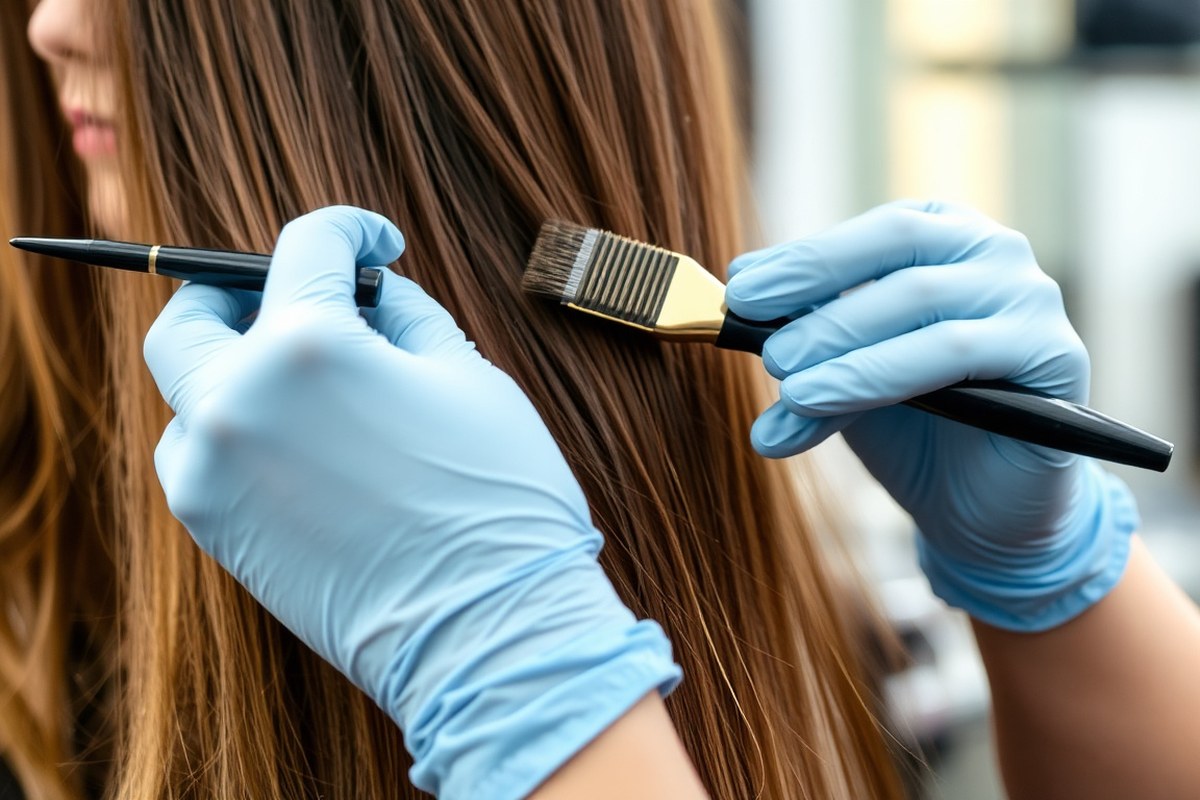
What Is the Difference Between Semi- and Demi-Permanent Hair Color? A Complete Guide
What is the difference between semi- and demi-permanent hair color? Semi-permanent color coats your hair without chemicals, giving shine and a mild tint.
Demi-permanent uses gentle peroxide to blend into the hair cortex and cover some gray hairs. Both color types fade, but demi lasts longer and covers grays better.
Semi-permanent hair color washes out faster, usually in about five washes. Demi-permanent generally stays vibrant for 6 to 8 weeks, fading gradually. The key is demi’s oxidative chemistry that deposits color molecules deeper than semi-permanent dyes.
When choosing, consider if you want to cover grays or just refresh your color. Also, decide how much fading you can handle before your next touch-up. Testing a small section first helps avoid surprises and protects your hair.
Key Takeaways
- Semi-permanent colors coat the hair shaft without altering its structure.
- Demi-permanent colors use low peroxide to deposit color inside the hair cortex.
- Demi-permanent hair color covers up to 70% of gray hairs effectively.
- Semi-permanent hair color fades fully after about 5 washes.
- Demi-permanent hair color fades gradually over 6 to 8 weeks.
- Choose demi-permanent if you want longer wear and subtle gray blending.
How Semi- and Demi-Permanent Hair Colors Differ

Semi-permanent and demi-permanent hair colors work differently on your hair. They use different chemicals and affect your hair in unique ways. This changes how the color looks and lasts.
Semi-permanent colors contain smaller dye molecules that sit on the hair’s surface. These colors don’t use peroxide at all.
They just coat your hair’s surface. This gives a see-through tint without changing the natural color deeply.
Demi-permanent colors use a low amount of peroxide. This helps medium-sized dye molecules enter the hair’s outer cortex. Peroxide opens your hair’s cuticle gently.
This lets the color go inside your hair. Because of this, the color stays on longer.
Demi-permanent formulas often cover up to 70% of gray hair. Semi-permanent colors barely tint grays.
This chemical difference affects how each color works. Semi-permanent dyes sit on your hair surface. They wash out after 10 to 20 shampoos.
They don’t change your hair’s natural pigment. Demi-permanent colors last about 28 washes. They fade slowly from inside your hair.
This gives a soft and natural appearance. You’ll see this difference most with gray coverage and color depth.
Both types contain preservatives and conditioners to protect your hair. Semi-permanent colors don’t open the cuticle. This means no damage to your hair.
It’s good if you want color without risk. Demi-permanent color is gentle but more effective for those wanting longer-lasting results and better gray blending.
Semi-permanent colors often cost more per use. They add shine and help condition your hair. This explains the higher price.
Demi-permanent options tend to be cheaper but aim for more durable coverage. Choose based on how long you want color to last.
Pick semi-permanent for a short-term boost. Use demi-permanent to blend color over weeks.
How Demi-Permanent Hair Color Chemically Works

Demi-permanent hair color uses a low-volume peroxide developer that activates oxidative dyes. These dyes partially penetrate the hair shaft, bonding with natural pigments. This process helps color last longer and fade gradually over several weeks.
Role of Low-Volume Developer
The low-volume developer contains around 2% to 7% hydrogen peroxide. Its main job is to open the hair’s cuticle gently. This lets color chemicals get inside the hair strand.
It helps the color work better. This mild oxidation causes less damage than permanent dyes, but still aids color absorption.
Once mixed with demi-permanent dye, the peroxide starts a controlled chemical reaction. It prepares the hair’s surface without lifting too much natural pigment. This process lets color fibers settle inside the outer cortex.
They don’t just stay on top of your hair. This makes the color last longer.
Because the developer is mild, it only reacts with the smaller dye molecules. Demi-permanent color blends better with your natural tone.
It also covers gray hair well. Semi-permanent color doesn’t do this as effectively.
Color Molecule Size and Penetration
Demi-permanent formulas use smaller oxidative dye molecules than semi-permanent ones. These smaller molecules can enter the hair shaft through the semi-opened cuticle. Once inside, they bond within the outer cortex but don’t reach the deep core.
This partial penetration allows for richer color deposits that last longer. The dye molecules are bigger than those in permanent color.
So they don’t lighten hair dramatically. That’s why demi-permanent hair color can only lift up to two shades.
You should apply demi-permanent color to dry, unwashed hair for best absorption. Low heat and careful timing protect your hair.
You usually wait 20 to 30 minutes. This helps dye molecules settle without damage.
Fading Process over Weeks
Demi-permanent color fades gradually because the oxidative dyes are trapped inside the hair’s cortex. As you wash your hair, small dye molecules slowly break free. Color fades slowly over 4 to 6 weeks.
This fading is gentle and not quick. It keeps your hair looking natural longer.
Unlike semi-permanent color that just coats the surface, demi dyes aren’t instantly rinsed away. The peroxide developer’s mild opening of the cuticle allows for this longer-lasting pigment deposit. You can expect 15 to 25 shampoos before the color fades noticeably.
Using gentle shampoos and avoiding harsh styling can help preserve the color’s gradual fade. Swimming in chlorinated pools or frequent heat styling may speed up fading.
Applying demi-permanent hair color requires precise timing and mixing with a low-volume developer. Follow the instructions carefully to avoid uneven shade or excessive fading.
How Semi-Permanent Hair Color Works Without Developer
Semi-permanent hair color works by depositing pigments directly onto your hair’s surface. It doesn’t use a developer, so it doesn’t change your natural hair structure. This type of color typically lasts through 4 to 12 shampoos before it fades away.
Direct Pigment Coating Mechanism
Semi-permanent dyes coat the outer layer of your hair called the cuticle. They don’t penetrate deep or change the hair’s natural pigment. You get a softer color boost without altering your hair’s internal structure.
This coating adds visible color without lifting or lightening. Fine hair easily picks up the pigmented coating, making colors appear vibrant quickly. The pigments stick to your hair’s surface rather than inside the shaft.
No Developer or Oxidation
Semi-permanent color skips the developer step completely. It relies on direct dyes, which don’t require chemical reactions to work. Using no peroxide means your hair cuticles don’t swell or get damaged during application.
Applying semi-permanent color is easy. Spread it evenly on dry or damp hair. Leave it on for 20 to 30 minutes, then rinse out.
Without developer, you avoid harsh chemicals, which suits fragile or already processed hair. This gentle process means less risk of dryness or breakage.
Speed and Pattern of Color Fade
The pigment on semi-permanent color fades quickly since it only coats the surface. Washing hair 4 to 12 times fades the color. This happens because the color doesn’t lock inside.
It comes out gradually with each wash. This is why it fades faster than demi-permanent shades, which partially penetrate.
Fading is also affected by how often you shampoo and the water temperature used. Hot water and frequent washing speed up color loss. Skipping peroxide keeps your hair healthier.
But you’ll need to reapply semi-permanent color more often. That helps keep your color looking fresh.
Longevity and Gray Hair Coverage Differences
Semi-permanent hair color usually lasts between 4 and 12 washes. It coats the hair surface but does not soak into the hair shaft. This means the color fades quickly and cannot cover gray hairs effectively.
Demi-permanent hair color lasts longer, typically surviving around 20 to 28 washes. It penetrates the outer layer of the hair and blends naturally with your base color. Demi color covers about 50% to 70% of gray hair.
It blends gray softly without sharp lines. This makes it great for a natural look.
| Feature | Semi-Permanent Hair Color | Demi-Permanent Hair Color |
|---|---|---|
| Typical Duration | 4, 12 washes | 20, 28 washes |
| Gray Hair Coverage | Does not cover gray, only coats strands | Blends up to 70% of gray hair |
| Color Penetration | Coats hair surface | Penetrates hair cuticle superficially |
| Grow-Out Appearance | Fades quickly, visible lines possible | Blends gradually, no sharp regrowth lines |
You can try a new color for a short time. Semi-permanent color works well for that. It’s quick and less expensive but won’t cover grays.
For soft, natural gray blending, demi-permanent gives longer-lasting results and better coverage. Applying demi color every 4 to 6 weeks helps maintain a consistent appearance without obvious regrowth.
Demi-permanent color softens gray hair gently. It keeps a natural, low-maintenance style. Use it for easy gray blending.
For temporary fun colors or a mild refresh, semi-permanent suits better. Both fade gradually, but demi fades more evenly.
So your hair looks more polished over time. Always follow package directions to avoid uneven fading or patchy results.
Damage, Hair Type Suitability, and Safety Considerations
Demi-permanent color causes less damage than permanent hair dye but slightly more than semi-permanent. It uses a low developer. This opens the hair cuticle gently.
The color can soak in this way. This can increase hair porosity briefly. So you’ll want to follow with a good conditioner or hair mask to seal the cuticle.
Semi-permanent color sits mainly on the hair surface and doesn’t open the cuticle much. This means it’s gentler and safer for damaged or fragile hair. People with fine or brittle hair should choose semi-permanent colors.
Chemically treated hair needs this option too. This helps avoid further damage.
Demi-permanent dye works best on normal to thick hair with some porosity. The hair needs to absorb the color pigment. So very healthy, low-porosity hair may take longer to show results.
Semi-permanent color suits all hair types. It fades faster on coarse or dry hair. This means it lasts shorter there.
To avoid allergic reactions, you should do a patch test 48 hours before coloring. Apply a small amount of dye behind your ear or on your arm. Stop using the product if you see redness or itching.
Swelling is also a sign to stop. Avoid further irritation.
Both semi- and demi-permanent dyes can cause allergies. So testing is important no matter which you pick.
Always wear gloves and avoid skin contact during application to reduce risks of irritation and stains.
Skip coloring on irritated scalp or open wounds to prevent further issues. Avoid using heat tools immediately after applying demi-permanent dye. Heat can increase color fading and damage.
Rinse your hair with cool or lukewarm water. This helps the color last longer. It also protects cuticle health.
Use demi-permanent color two to three times a week. Wash your hair less often to keep color. Try washing once or twice weekly.
Semi-permanent shades may require washing once or twice a week to keep the color fresh. Lower washing frequency reduces color fading and keeps hair less dry.
How to Choose Between Semi- and Demi-Permanent Hair Color
Choose demi-permanent color if you want to blend gray hair. It works well for a touch of gray blending without full coverage.
Your hair needs more than 25% gray coverage. Permanent color works best for reliable gray coverage.
Semi-permanent color suits you if you want to try new shades or refresh your existing color. It lasts a few weeks and fades evenly, so it’s low commitment. This option adds shine to your hair.
It also improves hair health. Products like Moroccanoil Color Depositing Masks help.
Think about your hair’s condition before choosing. Damaged hair reacts better to semi-permanent color since it doesn’t use developer.
Demi-permanent color uses a mild developer. So it may cause slight damage if your hair is fragile or dry.
Match your commitment level with your choice. Semi-permanent color lasts about four to six weeks and fades with washing. Use it every few weeks to keep your shade bright or try new looks.
Demi-permanent color lasts longer, up to 24 washes. So you commit for a month or more.
Apply demi-permanent color on clean, damp hair. Follow timing on the box, usually 20 to 30 minutes. Semi-permanent color needs less time, about 10 to 20 minutes, and can dry hair slightly less.
Cost-wise, expect to spend about $20 to $30 per box for either option. Semi-permanent products like color-depositing masks may cost a bit more but double as treatments. You can buy these at beauty stores or online without a professional appointment.
Go demi-permanent if you want subtle but noticeable color change and partial gray coverage. It gives a natural look without drastic commitment. Choose semi-permanent color for fun experimenting.
It boosts shine and refreshes color gently. Use it when gray coverage isn’t a priority.
How Hair Porosity and Care Affect Color Results
Your hair’s porosity changes how well semi- and demi-permanent color sinks in and stays put. High-porosity hair drinks up color fast, but it can also fade quicker. Washing habits and the products you use can help keep your color fresh longer.
Understanding Hair Porosity Levels
Hair porosity means how easily your strands absorb and hold moisture or color. Your hair cuticles are more open when it has high porosity. So color seeps in quickly.
This makes color look brighter at first. But color molecules escape faster. So, your color fades quickly.
Low-porosity hair has tightly closed cuticles that resist moisture and color absorption. This means your color might last longer but can take longer to show up. Knowing hair porosity helps you choose the best color type.
It also guides your care routine. This keeps your color bright longer.
Washing Frequency and Temperature Impact
Washing your hair every day speeds up color fading, especially with semi-permanent dyes. Try to wash every other day or less. That gives the color more time to settle and reduces how fast it washes out.
Hot water makes your hair cuticle swell, which lets color slip away faster. Washing with cooler water around 80°F (27°C) helps keep the hair cuticle closed. Cooler showers are a simple way to make demi or semi-permanent color last longer.
Recommended Aftercare Products
Use sulfate-free shampoos labeled “color-safe” to protect your hair color. These shampoos don’t strip natural oils or the color molecules deposited on your strands. They typically cost slightly more but help your color keep its tone for weeks.
Conditioners with color protectors lock in moisture well. They keep your hair smooth. This stops color from fading due to dryness or damage.
Darker hair benefits from conditioners like Red for Brown Hair Coloring Conditioner. It brightens your color between touch-ups. It also refreshes your look.
Safe Application and Switching Between Color Types
Always do a patch test 48 hours before coloring your hair. This step checks for allergic reactions. It helps avoid redness, swelling, or itching when you apply color.
Switching from semi- to demi-permanent color is usually smooth if you wait a bit. These colors use different formulas and chemicals. Giving your hair time between applications reduces damage risk.
Changing color types too quickly or mixing formulas may lead to uneven color or scalp irritation. Both color types have different pH levels and developer presence. Testing on a small hair section avoids surprises.
Use this step-by-step process to do a patch test and switch color types safely:
- Choose a small skin area, like behind your ear or inner elbow.
- Mix a small amount of the hair color, following package instructions.
- Apply the color to the test spot, and leave it for the recommended time.
- Rinse off gently, then wait 48 hours without washing the area.
- Check for signs of irritation, such as redness, itching, or bumps.
- When clear, wash your hair lightly, then put on the chosen semi- or demi-permanent color.
- Allow at least one week, before switching from semi- to demi-permanent color.
Never skip the 48-hour patch test. It’s the best way to avoid skin reactions from hair color.
Patch tests cost just a few minutes and the small color amount removes most safety worries. Good results mean no itching or redness after 48 hours.
Notice any problems? Don’t color and visit a doctor if necessary.
Waiting at least a week lets your scalp recover and hair strengthen before changing color types. Rushing this can cause dry, brittle hair or uneven tones. Take your time to keep hair healthy and color vibrant.
Your Quick-Start Action Plan for Using Semi- and Demi-Permanent Hair Color
Follow these steps to find the right hair color for you. This will help you get good results. It also reduces damage to your hair.
- Before you start: Do a strand test with the color first. Check how your hair reacts. This helps avoid surprises. Look for even color and no irritation.
- Day 1: Apply demi-permanent color if you want longer-lasting, deeper results or gray coverage. Check the color after the recommended processing time.
- Day 1: Apply semi-permanent color if you want a gentle change or to add shine. Confirm the appearance looks fresh and even.
- Week 1: Use gentle, sulfate-free shampoo to protect new color. Your hair should feel soft, not dry.
- After 2 weeks: Observe how the color fades. Try a demi-permanent color for longer wear when fading is too fast.
- Every 4 to 6 weeks: Reapply your chosen color to refresh your look. Avoid overlapping on damaged hair to prevent breakage.
- Ongoing: Use heat protection and deep conditioners to keep hair healthy and color vibrant.
Frequently Asked Questions
What Is the Main Chemical Difference Between Semi- and Demi-Permanent Hair Colors?
Demi-permanent colors use peroxide and oxidative dyes, semi-permanent do not. This makes demi colors last longer and better cover gray hair.
Can I Use Demi-Permanent Color on Already Dyed Hair?
Yes, demi-permanent color works well over dyed hair since it gently deposits color. It refreshes and blends without harsh chemicals.
Are Semi-Permanent Colors Better for Sensitive Scalps?
Semi-permanent colors are usually milder since they have no peroxide. This can reduce irritation for sensitive scalps.
Does Semi-Permanent Hair Color Require a Developer?
No, semi-permanent hair color works without a developer. It coats the hair surface rather than penetrating deeply.
Can Demi-Permanent Hair Color Lighten Hair?
Demi-permanent color cannot lighten hair because it uses low peroxide. It only darkens or adds tone.
Does Demi-Permanent Color Damage Hair More Than Semi-Permanent?
Demi-permanent causes minimal damage compared to permanent dye but more than semi-permanent. Both are gentler than permanent options.
The Bottom Line
Semi- and demi-permanent hair colors each suit different needs and hair types. Pick the one matching your style and hair condition. Start with a strand test and adjust based on your hair’s reaction.