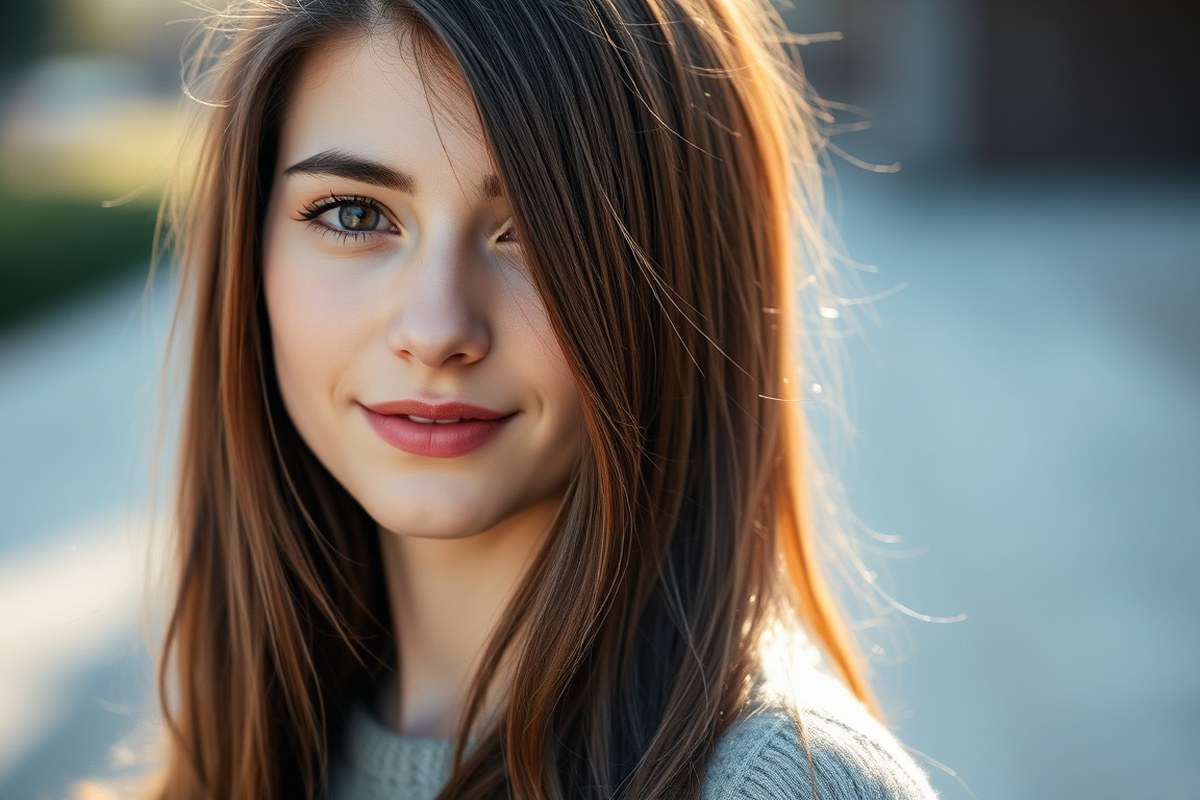
What Color Brown Hair: Complete Guide to Shades and Best Choices
What color brown hair suits you best depends on your skin tone and style. Brown hair spans warm, cool, and neutral tones, making it versatile. You can go from rich chocolate browns to light caramel shades with ease.
Choosing the right brown hair color starts with knowing your undertones. Warm skin pairs well with golden or reddish browns.
Cool skin suits ash or espresso shades. Neutral skin tones have the freedom to experiment with many brown hues.
Consider the level of maintenance you want as well. Darker browns usually need less frequent touch-ups than lighter caramel tones. This helps keep your hair color looking fresh longer without extra effort.
Before coloring, test a small strand to avoid surprises. Good brown shades blend naturally and brighten your features without overpowering them. They also match easily with many clothing colors.
Key Takeaways
- Match brown hair tones to your skin’s warm, cool, or neutral undertones.
- Test color on a small hair strand before full application for safety.
- Golden browns complement warm skin with yellow or peach undertones.
- Ash and espresso shades flatter cool skin with blue or pink undertones.
- Neutral skin tones can experiment with both warm and cool brown shades.
- Choose multi-tonal brown colors for a natural, glossy finish.
What Exactly Is Brown Hair Color?

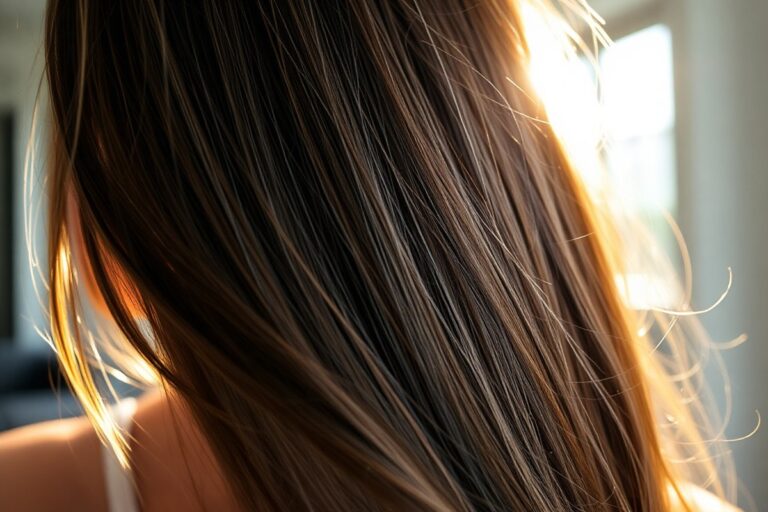
Brown hair is a medium to dark color. It looks like shades of wood or earth.
It sits between blonde and black on the hair color spectrum. You’ll find many shades of brown, from light and ashy to deep and rich tones.
People often use “brunette” and “brown” interchangeably. Brunette covers brown and black hair combined as a group of dark colors.
Brown hair is usually lighter than black hair. But some shades like espresso brown can look almost black in certain light.
Brown hair has various undertones, including warm, cool, and neutral. Warm undertones show up as red, golden, or amber hints. Mahogany brown, for example, mixes brown with red tones, which suits warmer skin tones well.
Cool undertones often bring ash or smoky hints to brown hair. Ash brown is a cool-toned shade. It gives subtle color without warmth.
Neutral browns balance both warm and cool tones. They pair well with many skin tones and outfits.
Choosing the right brown means thinking about your natural undertones. Also consider the look you want. Brown hair can be simple or layered with highlights and lowlights to add depth.
Good results mean the color flatters your skin. It should look natural, not flat or dull.
Some brown shades cost more when using specific color brands or salon treatments. Permanent dyes give long-lasting color.
You may need touch-ups every 6 to 8 weeks to keep vibrancy. Demi-permanent options fade gradually and keep hair healthier but don’t cover grays fully.
Brown hair color is popular because it’s versatile and forgiving. It works on most people and doesn’t show damage as quickly as lighter colors.
Brown hair is versatile. It suits casual, polished, or edgy styles perfectly.
Popular Shades of Brown Hair and Their Tones

Brown hair has many shades and tones, ranging from warm to cool or neutral. Each shade suits different skin tones and moods, with choices from rich chocolate to soft caramel. Trending shades mix warmth and coolness for a natural, multi-dimensional look.
Warm Brown Shades Explained
Warm brown shades have golden, bronze, or reddish undertones. They brighten the face and add a sunny glow, perfect for warmer skin tones. Chocolate brown and caramel shades fall into this category and feel rich and inviting.
Caramel brown is especially popular for its golden warmth that complements warm skin tones well. Chestnut brown also has subtle red undertones that look lively in sunlight. These warm browns often make hair appear fuller and healthier.
- Chocolate brown: rich, warm, golden undertones
- Caramel brown: golden, warm, bright highlights
- Chestnut brown: reddish-golden undertones with shine
- Golden honey: warm accents in darker brown hair
- Chocolate cherry: brown with subtle red tones
Keep in mind warm browns may show brassiness over time without color-safe shampoo.
Warm brown shades wear well all year but can especially lift winter dullness. They usually pair well with warm or neutral skin tones and add softness to facial features.
Cool and Ash Brown Variants
Cool brown shades have blue, violet, or gray undertones that create a smoky look. Ash brown and mushroom brown are cool tones. They make hair look soft and muted.
These shades are very popular. These shades suit cool or neutral skin tones.
Ash brown has subtle blue-violet hints that neutralize warm brassiness. Mushroom brown mixes brown with gray or beige for a modern, almost silvery tint. These colors can help if you want soft contrast without too much warmth.
- Ash brown: cool with blue or violet undertones
- Mushroom brown: blend of brown and gray
- Smoky brown: muted, cool-toned brown
- Dimensional brunette: cool but with layers of tone
These shades fit pale or neutral skin best. They help create a sleek look.
People often choose them for a polished style. Using blue shampoo helps keep cool browns crisp by countering orange tones.
Rich Dark and Chocolate Browns
Dark brown shades range from espresso to deep chocolate with warm or neutral undertones. Chocolate brown is a rich shade that works with many skin tones. When mixed with subtle reddish or golden hints, it adds depth and richness.
Mocha brown blends warm and cool tones for a creamy, dimensional effect. Darker browns can mask dull hair and add shine, making the hair look thicker and healthier. These shades are trendy for those who want drama without black.
- Deep chocolate: warm, velvety brown
- Espresso: almost black with cool undertones
- Mocha brown: mix of warm and cool shades
- Chocolate cherry: dark brown with red undertones
- Rich brunettes: intense brown that flatters warm skin
Richer dark browns need moisture treatments to avoid looking flat or dull.
Choose these shades for a classic, polished look that lifts dull brown hair. They tend to show shine and dimension under natural light.
Light Brown and Honey Tones
Light brown shades are softer, often with warm undertones like honey or gold. These tones add warmth without being too bright or dramatic. Honey tones highlight natural warmth and work well on pale to neutral skin.
Light brown can add subtle dimension when paired with balayage or highlights. This color is a gentle change. It brightens your face softly.
It’s perfect if you’re new to hair color. These lighter browns keep a natural look with added glow.
- Light brown: soft, warm, and subtle
- Honey brown: golden, warm light brown
- Caramel highlights: warm accents on light brown
- Sun-kissed brown: light brown with subtle brightness
Lighter browns suit neutral and warm skin tones well. This shade is easy to maintain. Minor root touch-ups every 6 to 8 weeks keep the look fresh.
How to Choose Brown Hair Color for Your Skin Tone
Choosing the right brown hair color means matching it to your skin’s undertone and eye color. Warm skin tones suit warmer brown shades.
Cool or neutral tones do better with ashier browns. Your eye color also helps pick a shade that makes your features pop.
Identifying Your Skin Undertone
First, look at the veins on your wrist in natural light. Blue or purple veins suggest a cool undertone, while green veins mean warm undertones. Neutral undertones show a mix of both colors, making your choices more flexible.
Another way is to test how your skin reacts to gold or silver jewelry. Gold usually flatters warm undertones and silver suits cool ones. Wearing white or cream clothing can also reveal which undertone brightens your face more.
Best Brown Shades for Warm Tones
Warm skin tones look great with brown shades that have golden, red, or amber highlights. Caramel and chestnut browns add natural warmth without clashing. Tawny and nutmeg shades blend nicely with deeper warm undertones, making skin glow.
Cinnamon brown suits darker warm tones well. It gives a richer look. This shade works best if you want warmth.
Avoid cool, ashy browns as they may make warm skin look dull. Warm browns also help hide gray hairs effectively if you want permanent color.
Brown Hair for Cool and Neutral Skin
Cool undertones shine with browns that have ash, taupe, or sienna hues. These shades avoid yellow or orange highlights, keeping looks modern and fresh. With neutral undertones, try warm or cool browns.
Choose balanced shades like neutral medium brown. These fit best.
A deep, espresso brown with warm chocolate undertones fits most cool and neutral skins well. It adds depth without overpowering. Stay away from browns that are too warm and golden.
They may wash out cool tones. This can make you look tired.
Using Eye Color to Pick Brown Shades
Your eye color can guide subtle tweaks in your brown hair color choice. Blue or gray eyes pair well with cool-toned browns like ash or taupe. These shades improve eye color contrast, making your eyes stand out more.
For green or hazel eyes, warm browns with golden or reddish undertones work wonderfully. They complement the warm flecks in the eyes.
Brown eyes are versatile. Both warm and neutral browns highlight their richness without stealing the show.
Permanent vs Demi-Permanent Brown Hair Color Explained
Permanent and demi-permanent brown hair colors differ mainly in ingredients and how long they last. Permanent color uses a developer and ammonia to open the hair cuticle and deposit pigment deeply. Demi-permanent color uses a milder developer without ammonia.
It adds a translucent layer. This layer fades after several washes.
Permanent brown color lasts longer, usually 4 to 6 weeks. It covers resistant gray hairs better. Demi-permanent color lasts about 20 to 28 washes.
It’s gentler and adds shine without changing your natural hair too much. Use demi-permanent for a softer, natural look. It refreshes color between permanent dye jobs.
Here is a clear comparison to help you decide which method suits your brown hair goals:
| Feature | Permanent Brown Hair Color | Demi-Permanent Brown Hair Color |
|---|---|---|
| Formula | Uses ammonia and developer | No ammonia, uses mild developer |
| Longevity | 4 to 6 weeks, resists washing out | About 20 to 28 washes, fades gradually |
| Gray Coverage | Best for resistant gray hairs | Limited on gray hairs |
| Effect on Hair | Can be more drying; alters hair structure | Adds a translucent, glossy veil of color |
| Color Intensity | Strong, vibrant, multi-tonal blends possible | Soft, natural-looking shades with shine |
| Ideal Use | Changing to deeper shades or covering gray | Refreshing tones, adding shine, subtle changes |
| Maintenance | Requires root touch-ups | Fades evenly, low damage |
Permanent brown color suits lasting changes. It fully covers gray hairs. It works great on dark shades like espresso or darkest brown.
Follow instructions carefully. Use a developer strong enough for your desired result.
Demi-permanent shades add softness and shine without harsh chemicals. They are popular for medium-tone browns or for keeping brown hair looking fresh and glossy. Applying demi-permanent dye usually takes 20 to 30 minutes at room temperature.
It causes less hair damage. It can make brown shades 250% shinier and 50% softer.
Choose demi-permanent if you want subtle changes or are new to coloring. It’s great for trying cool tones like ash brown.
It improves your natural color softly without commitment. Using a brown hair glaze between dye days keeps color vibrant without damaging your hair.
How to Dye Brown Hair Without Bleach Safely
Lightening brown hair without bleach is possible but subtle. You can try demi-permanent dyes or gloss treatments. They gently lift your shade or add shine.
These options avoid harsh chemicals on your hair. These options keep your hair healthier and avoid the dryness bleach often causes.
Demi-permanent dyes sit on the hair shaft and fade gradually over 20 to 28 washes. They work well if you want a lighter brown. You can get warmer tones like caramel or red brown.
These options won’t cause big damage to your hair. Glosses add vibrancy and seal the cuticle, making your hair look shinier and richer.
Protecting your hair during DIY coloring means using quality products and following instructions closely. Choose dyes with natural oils like argan or shea to help keep strands smooth. Avoid washing your hair immediately after coloring to lock in pigment.
- Pick a demi-permanent or gloss product matching your desired brown shade.
- Do a strand test 48 hours before coloring to check results and allergies.
- Wash hair 24 to 48 hours before dyeing with no conditioner to help color absorb.
- Apply dye evenly from roots to ends, following package timing (usually 20 to 30 minutes).
- Rinse with cool water to help seal cuticles and keep color longer.
- Use sulfate-free, colour-safe shampoo and live-in conditioner to maintain vibrancy.
- Limit heat styling or always apply heat protectant before blow-drying or straightening.
Never leave demi-permanent color on longer than recommended. Over-processing dulls shine and weakens hair.
Maintaining and Refreshing Brown Hair Color at Home
Refreshing brown hair color at home usually works best every 4 to 6 weeks. Using the right products helps keep your color vibrant and your hair healthy. You can extend time between salon visits by adding gloss treatments and hydrating masks.
Best Products for Brown Hair Care
Look for shampoos and conditioners made especially for color-treated hair. These often contain nourishing oils that protect and soothe your strands. Garnier’s brown color kits include such formulas that keep your hair soft and shiny.
Vegan and ammonia-free color products can work well if you want a gentler option. They usually cause less dryness and fading but may not last as long as permanent dyes. Always check product labels to pick one that fits your hair needs.
Color Refresh Techniques at Home
Refreshing color with at-home glosses adds depth and shine without harsh chemicals. Josh Wood Colour Chocolate Gloss is a good choice for improving richness. It takes about 20 minutes to apply and rinses clean to reveal a fresh hue.
For a quick touch-up, root touch-up kits usually last 4 to 6 weeks. Follow the instructions for safe application and do a patch test first. Avoid overlapping fresh color on already dyed hair to prevent damage.
When to Use Glosses or Masks
Apply a color gloss every 3 to 4 weeks to maintain your brown shade’s vibrancy. Glosses seal the hair cuticle, adding shine and locking in tone. Hydrating masks can be used weekly to restore moisture and prevent dullness.
Look for masks with oils or proteins that rebuild hair strength. Avoid overusing deep treatments, as they can weigh hair down. When your color looks faded, it’s time for a gloss.
It brings back shine. It also helps freshen the color.
Maintaining Shine and Softness
Serum-based products are excellent for boosting shine and taming frizz on brown hair. Use a small amount on damp or dry hair to keep strands smooth and glossy. Don’t forget to protect your hair from heat by applying a heat protectant before styling.
Avoid washing your hair daily to preserve natural oils and color. Water that is too hot can strip your hair, so use lukewarm water instead. Keeping hair hydrated with leave-in conditioners helps maintain soft, healthy strands between color treatments.
Adding Dimension: Highlights, Lowlights, and Balayage for Brown Hair
Highlights add depth and brightness to brown hair without losing the base color. Caramel and chestnut highlights work well with light brown shades. They create a warm, rich effect that moves naturally in the light.
Balayage and ombre both offer natural-looking color transitions. But they differ in technique and finish. Balayage means hand-painting soft highlights.
They start near the roots. These highlights get lighter towards the ends. Ombre shows a clear split in hair color.
The top is darker. The bottom part is lighter.
Choosing highlight tones depends on your skin tone. For cool skin, ash or neutral blonde highlights blend best with brown hair. Warmer skin tones pair well with golden or honey highlights.
Lowlights add darker shades for contrast. They use colors like chocolate or espresso. This adds depth to medium brown hair.
- Subtle babylights add almost invisible brightness to brown hair.
- Chunky highlights create a bold, statement look.
- Balayage gives a soft, sun-kissed gradient effect.
- Ombre features a clear, two-tone color shift.
- Caramel or chestnut highlights add warmth to light brown hair.
- Cool ash highlights suit cool skin tones.
- Lowlights deepen dimension with darker brown shades.
Highlighting typically requires bleach or lightener and takes around 1.5 to 3 hours. It’s best to consult a stylist for matching shades to your skin tone. Expect touch-ups every 6 to 8 weeks to keep highlights fresh and avoid visible regrowth lines.
Times can vary if your hair is thick or previously colored. Applying color incorrectly can cause patchy or brassy results.
Good highlights blend smoothly with base brown, improving your hair’s natural texture and eye color. Balayage fades softer over time, while ombre may need a quicker refresh.
Common Brown Hair Coloring Mistakes and How to Fix Them
Uneven or brassy brown hair often happens when the dye lifts too much or deposits unevenly. This happens if you leave the color on too long.
It also occurs when using a shade with too much warmth for your base hair. It’s also common if your hair was previously lightened or has damage that makes absorption uneven.
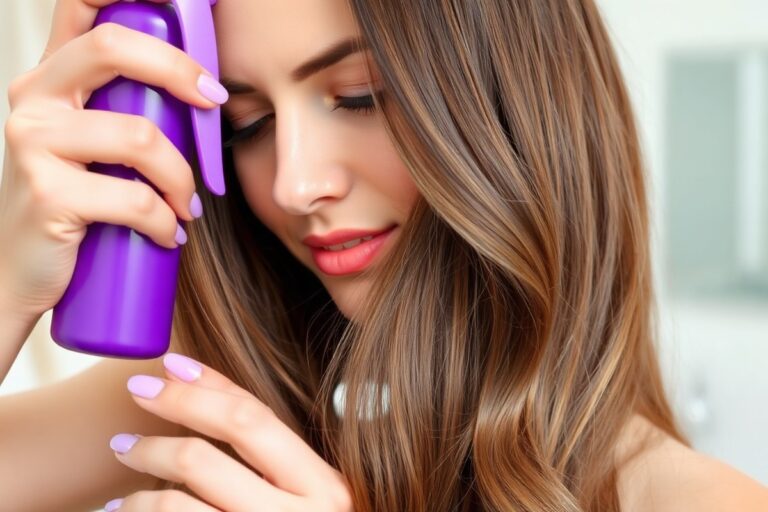
To fix brassy tones, use a toner or a purple shampoo designed for brown hair. Apply the toner as directed, usually for 10 to 20 minutes, then rinse well. Purple shampoos neutralize orange and yellow tones.
Use them only once or twice a week. Too much use can make hair look dull.
Faded or dull brown color usually results from washing hair too often or using hot water. Heat styling and sun exposure also strip color faster. To restore vibrancy, try a color-refreshing masque or gloss treatment from a drugstore brand.
These treatments take 5 to 15 minutes. They add shine and richness without re-dying your hair.
Doing a color refresh at home costs around $10 to $30. Salon glosses run higher, between $50 and $100.
Use sulfate-free shampoos and cool water to maintain color after treatment. Avoid daily washing; every two or three days is better to keep color lasting.
If your hair feels dry or damaged, color fixes might not work. It’s time to see a professional. Lightening brown hair, especially from dark shades, needs careful technique.
This helps avoid damage and uneven tones. A pro will customize formulas and provide treatments that correct common mistakes safely.
Consult a colorist if you want a big color change or highlight additions. Professionals also fix color errors that cause unwanted green hues or patchiness. Their skill can save your hair from breakage and frustration.
Always do a strand test before full application to avoid surprises and uneven color.
Step-by-Step Action Plan to Refresh Your Brown Hair Color
This plan helps you keep your brown hair color looking fresh and vibrant at home. Follow these steps to protect your shade and add shine.
- Day 1: Use a color-safe shampoo and conditioner. This prevents fading and keeps hair soft.
- Week 1: Apply a deep conditioning treatment. Look for products with natural oils to restore moisture.
- Week 2: Add a gloss or toner to refresh your brown hue. This revives dullness and improve shine.
- Every 3 weeks: Use a color-depositing mask. Match it to your brown shade to boost pigment.
- Monthly: Trim your ends to remove damage. Healthy ends keep color looking better longer.
- Ongoing: Protect hair from heat tools and sun exposure. Use heat protectant sprays and hats outdoors.
- Before your next dye: Assess your current color. Adjust shade selection based on fading or root growth.
Frequently Asked Questions
What Color Brown Hair Suits Most People?
Shades like espresso brown or medium brown fit nearly all skin tones. They look good in most lighting and match any outfit easily.
What Is the Most Attractive Brown Hair Color?
Warm medium brown shades often get noticed as very attractive. They add brightness and warmth to your face naturally.
What Color Hair Makes an Older Woman Look Younger?
Soft, warm browns with subtle highlights can brighten and soften the face. Avoid very dark shades that might age the skin.
Which Brown Hair Color Is Best for Low Maintenance?
Rich, natural-looking brown shades close to your original color require less upkeep. They fade less and hide roots better.
What Are the Brown Hair Trends For 2026?
Multi-tonal brown blends with glossy finishes and sunlit highlights stand out in 2026. These give a natural, vibrant look with dimension.
Can You Lighten Brown Hair Without Bleach?
Yes, using demi-permanent dyes or glosses can lighten slightly without bleach. They are gentler and keep hair healthier.
Key Points to Remember
Brown hair colors vary. But choosing the right shade and care routine makes a big difference.
Start by picking a shade that suits your skin tone and lifestyle. Then keep your color fresh with simple home maintenance steps you can trust.