How to Add Shine to Dull Hair: 8 Proven Methods for Natural Radiance
Knowing how to add shine to dull hair can make a big difference. The best way to get natural shine is by keeping your hair clean, moisturized, and trimmed. Using gentle products and avoiding harsh treatments helps your hair reflect light better.
Start with a clarifying shampoo once every week or two to remove buildup from hair. Then, add oils or conditioners that lock in moisture but don’t weigh your hair down. Trimming every 6 to 8 weeks also stops split ends from dulling your hair’s natural brightness.
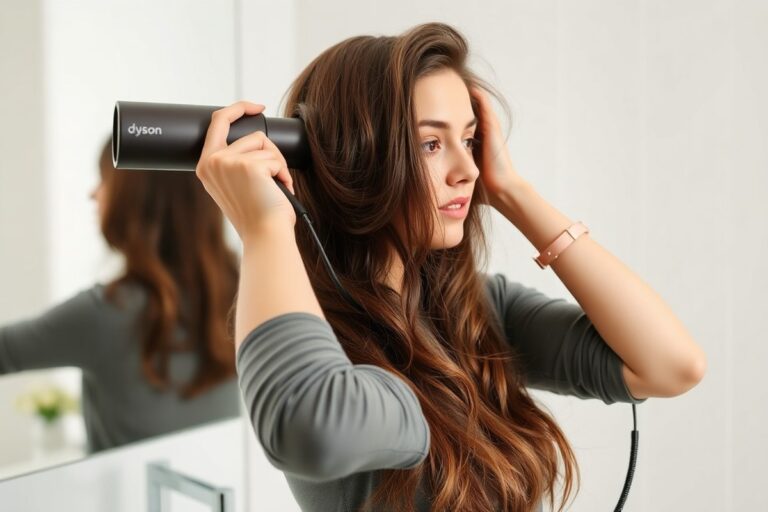
Avoid too much heat styling, which damages the hair surface and dulls shine. Hold your hair dryer at least 6 inches away from hair. Keep it moving to stop too much heat on one spot.
This helps reduce heat damage. These simple steps quickly bring back your hair’s natural glow without harsh chemicals.
Key Takeaways
- Use a clarifying shampoo every 1 to 2 weeks for deep cleansing.
- Trim hair every 6 to 8 weeks to prevent split ends.
- Apply light oils or conditioners to keep moisture without heaviness.
- Keep hair dryers at least 6 inches from hair to avoid damage.
- Move the hair dryer continuously while drying to spread heat evenly.
- Limit heat styling to maintain your hair’s natural shine.
1. How to Add Shine to Dull Hair Quickly and Naturally

Adding shine to dull hair is simple with a few natural tricks at home. The goal is to smooth the hair cuticle and boost light reflection without harsh chemicals. You can use natural oils, shine sprays, or gentle brushing to bring out shine fast.
Here are easy steps to get that glossy look quickly:
- Brush with a boar bristle brush: This spreads your scalp’s natural oils down the hair shaft. Use gentle strokes to avoid breakage. It takes just a few minutes and works best on dry hair.
- Apply a light hair oil: Use 1, 2 drops of argan, jojoba, or coconut oil. Warm the oil between your palms, then smooth it over your ends and mid-lengths. Avoid the roots to keep hair from looking greasy.
- Use a shine spray: Pick a lightweight spray with light-reflecting ingredients. Hold it about 8 inches from your hair and mist lightly. This adds instant gloss without weighing strands down.
- Try a vinegar rinse: Mix 1 tablespoon of apple cider vinegar with 1 cup of water. After shampooing, pour this through your hair and rinse with cool water. It helps close the cuticle and add shine.
- Finish with a cool water rinse: After washing hair, splash cool water on your strands. It seals the cuticle and boosts shine by reflecting light better.
- Use a gentle leave-in conditioner: Pick one free of sulfates or parabens. Apply a small amount to damp hair for added softness and shine.
Cheap and easy, these steps fit into any routine and require little time. Overdoing oils or sprays can weigh hair down or look greasy, so use sparingly. You’ll notice shinier, healthier-looking hair right away without salon treatments.
2. Understanding What Causes Hair to Look Dull and Lifeless

Your hair loses shine when the cuticle, or outer layer, becomes rough or damaged. Over time, daily exposure to sun, pollution, and harsh water minerals makes this worse.
Hard water, which has high levels of calcium and magnesium, leaves a mineral film on hair. This film blocks light from reflecting off your strands, making them look dull and lifeless.
Hair can also dull from chemical treatments and heat styling. Coloring, bleaching, and relaxers strip natural oils and roughen the cuticle. Using hot tools often causes dryness and breakage.
Damaged strands can’t reflect light like healthy ones, so the shine fades. Rinsing hair with hot water often removes natural oils faster. This leaves hair dry and prone to dullness.
Internal factors affect shine, too. Missing important nutrients like vitamins A, C, D, and E weakens hair. Biotin and omega-3s also play a key role.
Lack of these can damage hair from the inside out. These nutrients help maintain strength and moisture. Stress and some medications may disrupt your hair’s natural health, making it look flat and dull.
Hair that feels rough or dry to touch often signals damage or nutrient lack. Get trims every 6 to 8 weeks to prevent split ends.
This keeps hair looking fuller and shiny. Regular cuts stop damage from spreading further.
Hard water leaves residue that makes hair dull. Use a chelating shampoo once a week to clear buildup. This helps bring back your hair’s natural shine.
3. Choosing the Right Oils and Natural Treatments for Shine
Natural oils like argan, coconut, and jojoba help restore shine without weighing hair down. These oils smooth hair cuticles and add softness and gloss. Homemade masks using these oils combined with ingredients like honey or avocado can boost shine effectively.
Best Oils for Different Hair Types
Argan oil works great for dry or coarse hair. It adds moisture and a glossy finish without greasy residue. Coconut oil is excellent for thick or curly hair since it penetrates deeply and fights frizz.
Jojoba oil works well for fine or oily hair types. It copies your scalp’s natural oils. It won’t clog your pores either.
Lightweight oils like grapeseed and sweet almond work well for very fine hair. They add a delicate shine without heaviness. Castor oil is thicker and best for scalp massages.
It suits thick hair types that need extra care. Use it when your hair needs deep nourishment.
| Oil | Best For | Key Benefit |
|---|---|---|
| Argan Oil | Dry, coarse hair | Moisturizes and adds shine without greasiness |
| Coconut Oil | Thick, curly hair | Penetrates deeply, reduces frizz |
| Jojoba Oil | Fine, oily hair | Mimics natural oils, light and non-greasy |
| Grapeseed Oil | Fine, limp hair | Lightweight shine without weight |
| Castor Oil | Thick, dry scalp | Nourishes scalp and thickens hair |
Choosing the right oil depends on how thick or dry your hair feels. Match oil weight to hair texture to avoid heaviness and dullness.
How to Make and Apply Shine-Boosting Masks
Combine 1 tablespoon of your oil choice with 1 tablespoon of honey. Or mix it with mashed avocado instead. This makes a hydrating hair mask.
Honey adds moisture and natural shine, while avocado supplies healthy fats. Apply the mask from mid-lengths to ends to avoid scalp buildup.
Leave the mask on for 20 to 30 minutes, then rinse with lukewarm water. Use a gentle shampoo if needed to avoid stripping oils.
Repeat weekly for best results. But wait two weeks before trying different treatments like coloring or relaxing.
Precautions to Avoid Oily or Weighed Down Hair
Apply oil only to hair ends or where hair feels driest. Avoid the scalp unless doing a targeted scalp massage to boost circulation. Use a dime-sized amount to start and add more only if needed.
Overuse can cause limp, greasy hair that looks dull. Your hair might feel heavy or oily after using oils. Rinse it with clarifying shampoo every week or two.
This helps remove buildup and refresh your scalp. This helps your hair absorb natural oils and regain natural shine without residue.
4. How Diet and Supplements Impact Hair Shine from Within
Your hair shines best when it gets the right nutrients inside. Biotin and silica help strengthen hair and boost its natural gloss. Supplements like Viviscal combine these with other vitamins and minerals to support healthy hair growth.
Eating omega-3 rich foods like salmon or walnuts helps too. They keep your scalp moist and promote shine from within.
Changing your diet is often enough. But supplements speed up results, especially if your hair is dull from poor nutrition.
Most people see changes after about three months of regular supplement use. Hair grows slowly.
So it takes time for new, healthier strands to replace dull ones. Be patient and consistent to notice softer, shinier hair with better body.
For some, vitamins alone won’t fix dull hair caused by hormonal issues. Pregnancy, menopause, or thyroid problems can alter oil production and hair texture. Those cases may need medical advice alongside dietary changes.
Focus on a balanced diet with plenty of fruits and vegetables. Add a daily supplement containing biotin, silica, and minerals if meals aren’t enough. This approach nourishes hair from roots to tips, making shine a natural result of good health.
5. Using Shampoos, Conditioners, and Gloss Treatments for Lasting Shine
Look for shampoos that list gentle surfactants and hydrating ingredients. Avoid thickening agents, sulfates, and heavy conditioners that leave residue. These can build up over time.
This buildup makes hair look dull. Blonde hair shows residue more clearly.
Gloss treatments work by sealing the hair cuticle and adding a clear reflective layer. Applying a clear hair gloss right after the shower locks in shine and smooths hair. Some gloss products absorb in seconds, adding shine without weighing hair down or making it greasy.
Clarifying shampoos clean deeply and remove product buildup that dulls hair. Use a clarifying shampoo once every 1 to 2 weeks depending on your styling routine. Those who use multiple styling products or dry shampoo may need clarifying treatment closer to weekly.
| Product Type | Purpose | Use Frequency |
|---|---|---|
| Regular Shampoo | Clean hair lightly and add moisture | Daily or every other day |
| Clarifying Shampoo | Remove buildup and residue | Once every 1-2 weeks |
| Clear Hair Gloss | Seal cuticle and add shine | After washing, as needed |
| Smooth Drops | Add gloss without slickness | On damp or dry hair daily |
Picking the right products depends on your hair texture and how much styling you do. Hair feels greasy or heavy. Cut back on conditioners and glosses.
Try lighter formulas instead. Hair still looks flat.
Add shine with clear glosses. Use smooth drops for extra shine.
Use clarifying shampoo too often and your hair may get dry and brittle.
Always check ingredient lists so you avoid buildup-causing compounds in your shampoos and conditioners. This keeps hair cleaner longer and lets shine treatments work better. Gloss products can then make your hair look smooth and shiny, not greasy or weighed down.
6. Protecting Hair from Heat and Styling Damage That Dulls Shine
To keep hair shiny, avoid overheating and chemical damage during styling. Use heat tools at low to moderate settings, plus heat protectants. When you can, air-dry your hair to preserve its natural moisture and shine.
Proper Heat Styling Techniques
Heat tools can dry out your hair. They make it brittle. Using high heat or doing it often causes dullness.
Set your flat iron or curling wand to medium heat. That means about 300°F to 350°F. This range helps style hair without stripping moisture.
Keep heat tools at least 6 inches from your hair. This stops too much heat in one spot.
Use heat tools only two or three times a week. This helps limit damage and dullness.
Blow-dry hair in sections, moving the dryer constantly. This prevents hot spots that fry hair cuticles and lead to rough, dull strands.
Using Heat Protectants Effectively
Heat protectants shield hair from direct heat damage. Choose sprays or creams with ingredients like silicones that coat and lock in moisture. Apply protectant evenly on damp hair before any heat styling.
Don’t forget the ends of your hair. Split ends reflect light poorly, dulling your style. Using heat protectants can reduce split ends and keep shine visible.
Allow the protectant to dry slightly before using your heat tools. This extra step helps form a barrier against the heat and keeps hair healthier.
- Start with clean, slightly damp hair for best results.
- Apply a heat protectant evenly from roots to ends.
- Set your heat tool to medium or low heat (300°F to 350°F).
- Keep the heat tool moving, don’t stay on one section too long.
- Hold the tool at least 6 inches away from your hair surface.
- Style small sections at a time for even heat distribution.
- Finish with a cool shot from the blow dryer for shine and hold.
When to Prefer Air-Drying over Heat Styling
Air-drying is gentler and helps maintain hair’s natural oils and shine. Avoid heat styling every day, especially if your hair feels dry or brittle. It lets hair recover and avoid damage from repeated heat exposure.
For thick or curly hair, air-drying can prevent frizz caused by harsh heat. Use a microfiber towel or cotton T-shirt to blot excess water gently, reducing damage and breakage.
Let your hair air-dry most of the way first. Aim for 80 to 90 percent dry.
Then finish with low heat styling. This cuts down your heat exposure without sacrificing style.
7. Daily Habits and Product Application Tips to Keep Hair Shiny
Stick to a gentle shampoo routine to avoid stripping your hair’s natural oils. Wash your hair every two to three days or less for better shine. Using lukewarm water helps; hot water can dry hair and dull its surface.
Applying hair oils, serums, and conditioners correctly boosts glow and avoids buildup. Warm a few drops of oil between your palms before running it through mid-lengths and ends. Apply serums after your hair is dry.
They smooth frizz and seal moisture. This keeps hair from looking greasy.
Trim your hair every six to eight weeks. This stops split ends from spreading. Split ends can make your hair look lifeless.
Split ends break light reflection and reduce overall shine. Frequent trims keep hair ends healthy and more reflective.
- Use leave-in conditioner on damp hair for lasting moisture and smoothness
- Apply a small amount of shine serum only on dry hair ends to avoid weigh-down
- Comb hair gently with a wide-tooth comb to avoid breakage
- Sleep on a silk or satin pillowcase to reduce friction and frizz
- Protect hair in wind and sun with hats or scarves
- Use a weekly hair mask to deeply nourish and restore shine
- Limit heavy styling product use to prevent dull buildup
Choose products with lightweight formulas to keep hair looking fresh. Overusing oils or serums often causes sticky buildup and dullness. When you style, don’t apply product at the roots to avoid weighing hair down.
Daily sunlight, pollution, and heat styling dull hair by roughening the cuticle. Set aside a few extra minutes for your daily hair routine. Focus on gentle care, proper product use, and heat protection for hair that shines naturally.
8. When to Adjust Shine Methods by Hair Type and Condition
Choosing the right shine method depends on your hair type, porosity, and damage level. Different hair textures and conditions need tailored treatments to avoid weighing hair down or causing build-up. Adjustments help you get the best natural shine without making hair duller.
Shine Solutions for Curly vs Straight Hair
Curly hair tends to be dry and rougher. So it needs extra hydration to look shiny.
Use lightweight oils like argan or jojoba to add shine without weighing curls down. Avoid heavy creams that can cause curls to lose definition or get greasy.
Straight hair often looks shinier naturally but can get oily fast. Use lighter serums and avoid thick conditioners that make hair limp. Apply shine products sparingly, focusing on mid-lengths and ends instead of roots.
Matching Shine Treatment to Hair Porosity
Low-porosity hair resists moisture, so you need light, water-based shine sprays to avoid build-up. These products sit on the surface and give a glossy look without extra weight.
High-porosity hair soaks up moisture quickly but loses it fast too. Use richer oils and creams that seal moisture and add lasting shine.
Medium porosity hair can usually handle most shine treatments. Try a balance with medium-weight conditioners and oils to keep hair soft and reflective. Knowing your porosity helps prevent overdoing it and causing dullness by using the wrong product type.
Special Care for Color-Treated or Damaged Hair
Color-treated hair often loses shine because of cuticle damage from chemicals. Use shine treatments with UV filters and antioxidants to protect and seal the hair surface. Avoid sulphate shampoos and heavy oils that strip colour and weigh hair down.
For damaged hair, keep treatments gentle and hydrating. Deep conditioners with protein help rebuild strength and smooth the cuticle to improve shine. Limit heat styling and use heat protectants to prevent further dullness and breakage.
Heavy products can weigh curls down or make fine hair look greasy. So adjust the amount carefully.
Step-by-Step Action Plan to Add Shine to Dull Hair
Follow this plan to bring natural shine back to your hair. It breaks down easy steps to see real results.
- Day 1: Use a gentle oil treatment like argan oil on damp hair. Your hair should feel smoother and look less dull after drying.
- Week 1: Switch to a moisturizing shampoo and conditioner made for shine. Notice if your hair feels softer and easier to brush.
- Week 2: Add a diet rich in vitamins A, C, and omega-3s. Watch for gradual improvement in your hair’s brightness over several days.
- Week 3: Limit heat styling and apply a heat protectant before any heat. Your hair should look less frizzy and more reflective after styling.
- Week 4: Use a store-bought or DIY gloss treatment once a week. Check if your hair shows a sleek, shiny finish with less dullness.
- Ongoing: Adjust oil and product use based on your hair type. Keep a simple routine with products that don’t weigh hair down.
- After 1 month: Review how your hair feels and looks. Plan to maintain or tweak your routine depending on your hair’s response.
Frequently Asked Questions
How Can I Add Shine to Dull Hair Without Washing It?
Use a shine spray or a small amount of hair oil on dry hair. This adds shine instantly without weighing hair down or disturbing your style. It’s great for quick touch-ups between washes.
Does Brushing Hair More Often Make It Shinier?
Yes, brushing with a boar bristle brush spreads natural oils from your scalp. This moisturizes hair and adds a healthy shine. Avoid harsh brushes that can cause breakage instead.
Can Cold Water Rinse Help Make Hair Shinier?
Rinsing your hair with cold water at the end of a shower can close the cuticle. This smooths the hair surface, reflecting more light. Use it as a finishing step after shampooing and conditioning.
Is It Okay to Use Hair Shine Products Every Day?
Daily use of shine products is fine if they’re light and non-greasy. Heavy products can build up and dull hair instead. Wash hair regularly to avoid residue when using these products often.
Will Trimming Split Ends Improve Hair Shine?
Trimming split ends removes damaged parts that feel rough and look dull. Fresh ends reflect light better, boosting shine. Regular trims keep hair healthier and shinier over time.
How Does Humidity Affect the Shine of My Hair?
High humidity can make hair frizzy and dull by lifting the cuticle. This scatters light and reduces shine. Use anti-frizz serums or oils to smooth hair and keep it shiny in humid weather.
Before You Go
Shiny hair comes from caring inside and out. Start your oil treatment today. Watch your hair brighten with each step you take.