What Shampoo Is Good for Hair Growth: 12 Essential Tips to See Real Results
What shampoo is good for hair growth? Look for formulas with proven ingredients like biotin, zinc pyrithione, and caffeine. These help strengthen hair and support scalp health, which encourages new growth.
Shampoos that balance moisture and cleanse without stripping your scalp work best. Choose products free from harsh chemicals like sulfates to avoid drying out your hair and scalp. That way, you give your hair the right environment to grow thicker and stronger.
Don’t expect overnight changes since healthy hair only grows about half an inch each month. Be patient and consistent with your shampoo choice while also caring for your scalp. Healthy scalp conditions can boost your hair growth better than just using shampoo alone.
Key Takeaways
- Opt for shampoos containing biotin, zinc pyrithione, or caffeine for growth support.
- Select gentle, sulfate-free shampoos to avoid scalp dryness or irritation.
- Use shampoo consistently to give your hair time for visible growth.
- Maintain scalp health alongside shampoo use for better hair growth results.
- Look for hydration ingredients like hyaluronic acid to prevent breakage.
- Avoid heavy shampoos that weigh down thinning hair or clog follicles.
1. Which Shampoos Are Good for Promoting Hair Growth?
Shampoos that help with hair growth usually focus on scalp health and reducing hair fall. Many contain ingredients that soothe inflammation or strengthen hair strands. It’s best to pick products with proven, clinical ingredients for noticeable results.
Some popular brands have earned favorable reviews from users with hair thinning problems. Rogaine offers a 2-in-1 Thickening Shampoo + Conditioner. Users say it works well.
You need to use it regularly for best results. Also, shampoos containing 1% zinc pyrithione not only fight dandruff but may support hair growth too.
- Evolis Promote Shampoo works well for hormonal hair loss.
- Vegamour GRO Revitalizing Shampoo targets thin hair.
- Shampoos with APN5 peptide show promise in reducing hair loss.
- Products with Japanese rice water help strengthen hair and boost shine.
- Onion juice-based shampoo can aid patchy alopecia areata.
Expensive shampoos don’t always perform better than moderately priced options. The key is their active ingredients, not the price tag. Stick with a shampoo for at least one or two months.
Your hair grows about 0.5 inches per month. This helps you see if it works.5 inches monthly.
Though shampoos help improve hair and scalp health, serious hair loss often needs additional treatment. Sometimes a doctor may suggest prescription options for faster, stronger results. Using a hair growth shampoo is just part of hair care.
You also need good lifestyle habits. Taking care of your scalp is important too.
2. How Do Hair Growth Shampoos Actually Work?
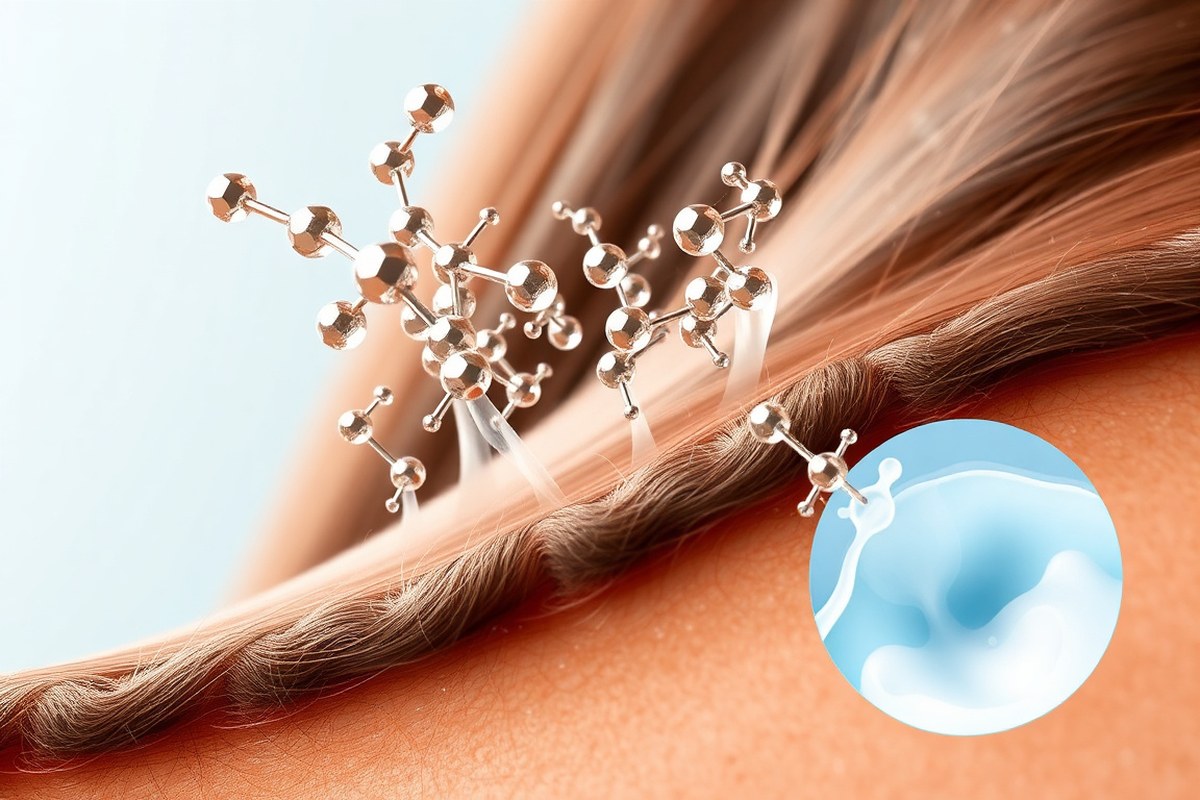
Hair growth shampoos mainly work by targeting your scalp health rather than the hair strands themselves. They include ingredients that soothe irritation, reduce inflammation, and clear clogged hair follicles. Keeping your scalp clean helps your hair follicles stay healthy.
A balanced scalp supports new hair growth. This creates a good base for hair to grow.
These shampoos often contain antioxidants and anti-inflammatory agents like niacin and rosemary oil. Niacin strengthens follicles by improving blood flow and calming inflammation. Rosemary oil boosts circulation, which can help follicles get more nutrients to support growth.
Shampoos also remove buildup that blocks follicles and disrupts the natural hair cycle. Massaging shampoo into your scalp for two to three minutes helps. It allows the ingredients to work deeply where needed.
Take your time to massage gently. This routine supports the scalp’s environment, necessary for hair follicles to function well and reduce shedding.
Massage hair growth shampoo gently into your scalp for two minutes. This lets active ingredients work properly. Then rinse thoroughly to remove residue.
Some shampoos clear and soothe your scalp. They also have plant proteins and ceramides. These protect and strengthen your existing hair strands.
These ingredients don’t boost new hair growth directly. They prevent hair breakage instead.
This helps your hair look thicker and fuller. However, shampoos alone can’t change genetics or hormones that drive hair loss.
A healthy scalp is where hair growth starts. So these shampoos focus on reducing inflammation and balancing pH levels. Tea tree oil has antimicrobial properties.
It keeps your scalp clean and healthy. This prevents irritation and flaking effectively. This creates a better foundation for hair to grow thicker and stronger over time.
3. Key Ingredients to Look for in Hair Growth Shampoos
Look for shampoos with ingredients known to support hair growth and scalp health. Active ingredients like caffeine, biotin, and peptides stimulate follicles and nourish the scalp. Natural oils like rosemary and castor oil help improve circulation.
They also boost hydration. This creates a better environment for hair growth.
Clinically Proven Ingredients and Their Benefits
Caffeine can stimulate the scalp and encourage hair growth by improving blood flow. Biotin strengthens hair at the roots, reducing breakage and thinning. Biomimetic peptides mimic natural hair proteins, helping repair and protect hair fibers.
Niacin (vitamin B3) supports scalp circulation and hydration, which helps follicles stay healthy. Saw palmetto may block hormones linked to hair thinning. Vitamins E and B3 help restore shine and provide moisture, improving hair quality.
Natural vs Synthetic Ingredient Effectiveness
Natural oils like rosemary and castor have growing research backing their benefits. Rosemary oil improves blood flow to the scalp, which encourages hair growth. Castor oil hydrates and strengthens strands but works best combined with other ingredients.
Synthetic ingredients such as hydrolyzed keratin and ceramides actively repair the hair shaft. These ingredients protect hair from damage and reduce breakage. Combining natural and synthetic actives often gives the best results for scalp health and hair strength.
Ingredients to Avoid That May Hinder Growth
Harsh sulfates like sodium lauryl sulfate can strip natural oils and irritate the scalp. This may harm scalp health and slow hair growth over time. Avoid shampoos with heavy silicones that build up and block follicles.
Also, avoid frequent use of strong chemical dyes or treatments combined with aggressive shampoos. These can weaken hair fibers and damage scalp tissue, reducing hair growth potential. Here’s a table summarizing effective ingredients and their roles:
| Ingredient | Role | Source Type |
|---|---|---|
| Caffeine | Stimulates scalp blood flow to promote growth | Synthetic/Natural |
| Biotin | Strengthens hair roots and reduces breakage | Synthetic |
| Biomimetic peptides | Repairs and nourishes hair fibers | Synthetic |
| Niacin (Vitamin B3) | Improves scalp circulation and hydration | Synthetic/Natural |
| Rosemary oil | Improves scalp blood flow, stimulates follicles | Natural |
| Castor oil | Hydrates scalp and strengthens hair | Natural |
| Hydrolyzed keratin | Protects hair shaft and repairs damage | Synthetic |
Using shampoos that combine these ingredients supports hair growth and scalp health. Look for labels listing caffeine, biotin, peptides, or rosemary oil near the top.
Natural oils help moisturize while synthetic actives boost repair and protection. Avoid harsh chemicals that impair the scalp’s condition.
4. How Long Does It Take to See Results from Hair Growth Shampoo?
You can expect to see some change in hair thickness after four weeks. With regular shampoo use, growth may become visible by eight weeks. Some people notice their hair looks thicker right after shampooing.
Nutrafol’s Root Purifier Shampoo can create this immediate effect. Ongoing use is needed for long-term hair growth results. New hair grows at about half an inch each month.
Hair growth speed depends on factors like age, genetics, diet, and scalp health. Consistency matters because the shampoo works by improving the scalp environment and strengthening strands gradually. Switching shampoos too soon, before two to three months, may prevent you from seeing real results.
Stick with the shampoo for at least three months to assess its effect fully. During this time, you might notice less shedding and softer, fuller hair.
You might want to try a different shampoo if no change appears. A professional can give you advice specific to your needs.
5. Can Shampoo Alone Really Help Hair Growth Effectively?
Shampoo alone won’t reverse hair thinning or make new hair grow. Shampoos clean your scalp and keep hair healthy. Healthy hair supports growth.
But shampoo doesn’t directly cause hair to grow. Ingredients in shampoos can slow down hair loss and improve shine and thickness. But they can’t fix genetic or hormonal hair loss.
Minoxidil is the only FDA-approved hair regrowth ingredient. You find it in topical treatments like Rogaine. It helps regrow hair.
Shampoos don’t contain minoxidil, so they can’t replace treatments. Using shampoo alongside minoxidil or other treatments gives better results for thinning hair than shampoo alone. Minoxidil usually comes as a 2% solution for women and 5% for men.
Some shampoos include saw palmetto or horsetail extract. These may help block hair loss hormones. They can also reduce breakage.
These can support hair health but don’t produce new hair. Shampoos designed for thinning hair can add moisture and strengthen brittle strands, preventing more damage. For best results, combine shampoo with treatments and healthy habits like good diet and scalp care.
Don’t expect shampoo to regrow lost hair. Combine it with treatments like minoxidil for better results.
In-office procedures like platelet-rich plasma injections can also improve outcomes for hair thinning. They work by boosting scalp health and stimulating follicles.
Using shampoo that nurtures your scalp environment makes other treatments more effective. It’s a small but important step in managing hair thinning.
Costs vary: shampoo for thinning hair ranges from $15 to $30 per bottle. Minoxidil treatments can cost about $30 to $50 per month. In-office treatments tend to be more expensive and require multiple sessions.
You need consistent use for several months before results. Reduced shedding may show up first. Thicker hair texture appears later.
6. How Does Scalp Health Influence Hair Growth?
A healthy scalp sets the stage for hair to grow well. When your scalp is clean and free of buildup, hair follicles clear. This helps follicles produce stronger hairs.
Dirt, extra oil, and dandruff clog hair follicles. This can cause more hair breakage. It may also slow hair growth.
Shampoos that support scalp health remove these blockages gently without stripping natural oils. Look for cleansers with mild surfactants and ingredients like tea tree oil or ketoconazole. These products clear flakes and excess oil from your scalp.
They also reduce irritation. This stops inflammation and damage to hair roots.
Dandruff and scalp irritation can trigger hair loss by causing inflammation around hair follicles. This inflammation weakens the roots, leading to more shedding. Shampoos with antifungal and soothing ingredients calm your scalp.
They also lower flaking. This helps hair stay anchored better.
Some shampoos contain ingredients like rosemary oil, which may increase blood flow to the scalp. Better circulation means more oxygen and nutrients reach the follicles, possibly boosting hair growth. Some shampoos include plant extracts or prebiotics.
They balance oil production. They keep your scalp hydrated without feeling heavy.
Avoid shampoos with harsh chemicals like MCI/MI preservatives or certain UV blockers. These can cause scalp irritation and worsen hair loss. Choose formulas that nourish and protect your scalp.
They should gently remove buildup and dandruff. They work over time.
Consistency matters. Wash your hair two to three times a week. Use a shampoo that is gentle on your scalp.
This keeps your scalp clean. Overwashing can dry the scalp and cause irritation, which slows growth. Watch your scalp’s reaction and adjust frequency accordingly to keep balance.
7. How to Choose the Right Shampoo for Your Hair Thinning Type
Choosing the right shampoo depends on what’s causing your hair thinning and your scalp type. Different shampoos target various hair loss causes and adjust to oily, dry, or sensitive scalps. Also, men and women may need different formulas for best results.
Hair Thinning Types and Shampoo Needs
Androgenic alopecia, also called male and female pattern hair loss, is genetic. It happens because the scalp reacts to DHT. This sensitivity causes hair to thin over time.
Shampoos for this type often contain ketoconazole. It blocks DHT and reduces scalp inflammation. This helps slow hair loss and soothes irritation.
Stress or illness can cause temporary hair loss or shedding. Use a gentle shampoo that moisturizes. This avoids extra damage and supports new hair growth.
Inflammation plays a big role in some hair loss types like alopecia areata or scarring alopecia. Shampoos with anti-inflammatory properties soothe the scalp and improve the environment for hair follicles. Avoid harsh shampoos with sulfates or irritating chemicals, as they can worsen inflammation and hair loss.
Scalp Conditions and Ingredient Compatibility
Your shampoo should match your scalp’s oiliness and sensitivity. Oily scalps need shampoos that stop build-up and extra oil. Too much oil can block hair follicles.
Blocked follicles make thinning worse. Dry scalps benefit from rich, moisturizing shampoos that reduce moisture loss and itching.
- Oily scalp: Choose shampoos with gentle cleansers and DHT blockers.
- Dry scalp: Pick shampoo with hydrating oils like jojoba or argan oil.
- Sensitive scalp: Use fragrance-free, mild shampoos with soothing ingredients.
- Scalp inflammation: Look for ketoconazole or anti-inflammatory components.
- Color-treated hair: Select formulas designed to protect and nourish dyed hair.
- Progressed hair thinning: Use thicker, volumizing shampoos to boost hair density.
Using a shampoo that mismatches your scalp can cause irritation or leave buildup. A heavy moisturizing shampoo on oily scalp can make things worse. It adds more oiliness and can block follicles.
This can lead to more hair thinning. Adjust your shampoo choice as your scalp condition changes.
Male Versus Female Hair Loss Shampoo Options
Men and women often experience different patterns of hair thinning, which calls for tailored shampoos. Men’s shampoos usually focus on targeting DHT with ingredients like ketoconazole or saw palmetto. These keep the scalp clear and may slow male pattern baldness.
Women tend to have diffuse thinning and may need moisturizing shampoos to prevent brittleness and dryness. Women’s formulas often have milder cleansing agents and add volume without irritating sensitive scalps. Both genders benefit from shampoos that improve scalp health but should avoid harsh chemicals.
8. Expert-Recommended Shampoos and Clinical Evidence
Dermatologists often suggest shampoos with proven ingredients and clinical support. Shampoos containing minoxidil have FDA approval for hair thinning. They help by improving blood flow to hair follicles.
However, many popular brands overstate their growth benefits without solid studies. You want to pick shampoos backed by clinical trials or expert recommendations.
Topical vitamin D in shampoos may aid hair growth for some users. It lacks strong proof but has shown benefits in small case studies. Stronger hair and repaired split ends after one use are seen with some clinically tested shampoos.
Nioxin System 4 is another choice to strengthen fragile strands, approved by hair care professionals. It also protects color-treated hair while supporting scalp health.
The table below lists a few expert-recommended shampoos with their key benefits and clinical evidence. These options do more than just make marketing claims.
They offer real results backed by research. Dermatologists also observe positive effects firsthand.
| Shampoo | Key Benefit | Clinical Evidence |
|---|---|---|
| Minoxidil Shampoo | FDA-approved for hair thinning | Improves hair density in clinical trials |
| Nioxin System 4 | Strengthens fragile, thinning hair | Supports hair thickness in user studies |
| Vitamin D Shampoos | May benefit alopecia sufferers | Positive case studies, meta-analyses |
| Protein Repair Shampoos | Repairs up to 56% of split ends | Clinical trials show stronger hair post-use |
These shampoos usually cost between $20 and $40 per bottle. Using them consistently twice a week is common. Expect to see changes in hair strength or reduced breakage within a month.
Growth in new hair will take longer, typically 3 to 6 months. Custom or combo shampoos may suit those balancing hair growth with other scalp needs.
Check if your shampoo is FDA-approved for hair loss, it’s the most trustworthy mark.
Always read user reviews and look for clinical support when picking growth shampoos. Avoid claims without proof or unspecified “natural” ingredients.
A good shampoo works with your scalp type and hair condition, not just the label promises. Adjust your choice with your dermatologist if needed for best results.
9. How to Use Hair Growth Shampoos for Best Results
Use hair growth shampoos gently and consistently for the best effects. Shampoo your scalp enough to keep it clean but not dry or irritated. Add scalp massage and the right follow-up care to boost results.
Ideal Shampooing Frequency for Thinning Hair
Shampoo thinning hair about two to three times a week. This keeps the scalp clean without stripping natural oils.
Washing less often can leave buildup that blocks follicles. Washing too often may dry the scalp.
Use one or two pumps of shampoo, depending on hair length. Lather it gently on wet hair for about 30 seconds to one minute. This contact time lets active ingredients work without over-drying your scalp.
Techniques for Scalp Stimulation During Washing
Massage your scalp with your fingertips in small circular motions. This improves blood flow and helps stimulate hair follicles. Try doing this for two to five minutes every time you shampoo.
You can also use a handheld scalp massager for better reach and comfort. Press it lightly, avoiding harsh scratching or too much pressure. Massage helps products absorb and supports hair growth.
Best Post-Shampoo Care Practices
After shampooing, gently pat your hair dry with a soft towel. Avoid rough rubbing that may cause breakage or scalp irritation. Apply a conditioner designed for thinning hair or a lightweight serum to lock in moisture.
Here’s how to boost your hair care routine after shampooing:
- Apply conditioner mainly to hair ends, not scalp, to prevent buildup
- Use leave-in serums that strengthen and nourish thinning hair
- Avoid heavy, greasy products that clog follicles
- Let hair air dry when possible to reduce damage
- Protect hair from heat styling and harsh chemicals
Adding these steps helps your scalp stay healthy and your hair stronger. Combining shampoos with conditioners or serums works well if chosen for thinning hair. Avoid mixing too many products at once, which can overwhelm your scalp.
10. Common Mistakes That Reduce Hair Growth Shampoo Effectiveness
Choosing the wrong shampoo ingredients can hurt your scalp and slow hair growth. Avoid sulfates and parabens, which dry and irritate your scalp.
Instead, pick shampoos with gentle cleansers and added nourishing oils like jojoba. Jojoba oil conditions hair well and vitamin B5 might help with shedding and alopecia.
Washing your hair too often strips natural oils, leaving it dry and brittle. Washing too little lets dirt and buildup block follicles, which can slow growth.
A practical routine is washing every two to three days. Use lukewarm water, not hot, to keep scalp oils balanced.
Some hair care products don’t mix well. Using styling gels or harsh chemicals with growth shampoos can reduce their effects.
Heavy conditioners or silicone-based serums might coat follicles and block nourishing actives. To boost growth, try to avoid layering too many different products.
- Look for shampoos free of harsh sulfates and parabens.
- Use shampoos with jojoba oil and vitamin B5 for nourishment.
- Wash hair every 2 to 3 days with lukewarm water.
- Avoid shampooing with hot water to prevent dryness.
- Limit styling products that contain heavy silicones or alcohols.
- Rinse thoroughly to remove residue that can block follicles.
- Stick to a simple, gentle hair care routine for better results.
Using shampoo right means you get full benefits of the growth ingredients. If you skip rinsing well or mix in harsh chemicals, you won’t see progress.
It takes consistency and patience. But protecting your scalp from irritants and buildup helps new hair come in stronger and thicker.
11. When to See a Professional About Hair Thinning or Loss
Hair growth shampoos can help but don’t fix every type of hair loss. You should see a professional if you notice rapid or patchy hair thinning. Also, a lot of shedding or scalp irritation means shampoo alone isn’t enough.
Visit a dermatologist or trichologist when your hair loss worsens despite using shampoo. They can find the root cause, which might be hormonal, autoimmune, or related to scalp health. These experts can suggest treatments like corticosteroid injections, laser therapy, or PRP, which shampoo cannot replace.
- Sudden, significant hair loss over weeks
- Thinning patches or bald spots
- Persistent scalp redness, itching, or flaking
- Hair breaking or falling out during brushing
- Family history of male or female pattern baldness
- Hair loss alongside other symptoms like fatigue
These signs push for a professional evaluation. Dermatologists check for conditions like androgenetic alopecia or scalp infections. They prescribe treatments such as minoxidil, prescription shampoos, or in-office procedures tailored to your needs.
Professional treatments can be costly. For example, platelet-rich plasma (PRP) therapy sessions may range from $500 to $1,500 each. Results generally show after several months, with some improvement in hair density and thickness.
Keep in mind, not all treatments work for everyone. A licensed specialist will help with realistic expectations.
Don’t wait too long to see a professional. If your hair loss doesn’t get better after 3 to 4 months of using shampoo, schedule an appointment soon. Getting help early can improve your results.
12. Supporting Hair Growth Shampoo with Diet and Lifestyle Tips
Good hair growth shampoos work best when combined with the right diet and lifestyle. Your body needs nutrients like vitamin B7 (biotin) to grow stronger hair.
Biotin supplements can help, but only if you have a deficiency. Omega-3 fatty acids also support scalp health and reduce inflammation, boosting hair growth.
Stress and lack of sleep can cause or worsen hair thinning. Stress creates oxidative damage, which harms hair follicles and slows growth.
Sleeping seven to nine hours nightly helps your body repair and regenerate follicle cells. Managing stress through exercise, meditation, or hobbies protects hair health over time.
Here’s what really supports shampoo-driven hair growth at home:
- Eat biotin-rich foods like eggs, nuts, and spinach daily
- Take omega-3 supplements or eat fatty fish twice a week
- Stick to a regular sleep schedule, aiming for 7, 9 hours nightly
- Practice stress-reducing activities like yoga or deep breathing
- Use a shampoo with biotin, rosemary, or caffeine for scalp health
- Consider adding topical serums specifically designed for hair growth
Doing all this can take weeks or months for visible effects. You usually need to keep these habits for three to six months. Then, you can see fuller hair.
Stay consistent during this time for best results. Missing nutrients can slow your hair growth results. Stress and poor sleep also cause thinning hair.
Avoid these to keep your hair healthy. Use a good shampoo along with a healthy diet.
Make sure you get enough rest too. This helps your hair grow its best.
Your First 30 Days: A Quick-Start Plan
Follow these steps to boost hair growth with shampoo and scalp care. Check progress at each phase and adjust as needed.
- Day 1: Choose a shampoo with ingredients like biotin or caffeine. This targets hair follicles to stimulate growth.
- Week 1: Use the shampoo every other day. Watch if your scalp feels cleaner and less irritated.
- Week 2: Add gentle scalp massage during shampooing. Notice if your scalp feels more relaxed and blood flow improves.
- Week 3: Start tracking hair shedding and new hair in the shower or on your brush.
- Week 4: Evaluate scalp health and softness. Healthy scalp skin supports hair growth better.
- After 1 Month: Add scalp serum or conditioner to lock in moisture. Look for less dryness and breakage.
- After 6 Weeks: Assess hair thickness and shine improvements. If no change, consider seeing a dermatologist.
Frequently Asked Questions
What Shampoo Ingredients Help with Hair Growth Besides Biotin?
Ingredients like zinc pyrithione, ketoconazole, and vitamin E also support hair growth. They improve scalp health and reduce irritation, which helps hair grow better.
Are Sulfate-Free Shampoos Better for Thinning Hair?
Sulfate-free shampoos are gentler on thinning hair and scalp. They avoid stripping natural oils, which keeps hair and scalp hydrated for healthier growth.
Can Dandruff Shampoos Promote Hair Growth?
Some dandruff shampoos contain zinc pyrithione, which may help hair growth. They reduce scalp inflammation, supporting a better growth environment.
Is It Okay to Use Hair Growth Shampoo Every Day?
Most hair growth shampoos are gentle enough for daily use, but check the label. Too much washing can dry your scalp and harm hair health.
Can Hair Growth Shampoos Help with Patchy Hair Loss?
They can improve scalp health and reduce shedding but won’t fix patchy loss alone. See a doctor for persistent or severe hair loss issues.
Are Natural or Organic Shampoos Effective for Hair Growth?
Some natural shampoos help scalp health but lack clinical proof for hair growth. Choose products with proven active ingredients for better results.
Final Thoughts
Good shampoos can help hair grow, but results take time and care. Start with the right shampoo and pay attention to scalp health. Your next step is to pick a shampoo with proven growth ingredients and use it steadily.