What Is a Hair Toner? A Complete Guide with Proven Tips
What is a hair toner? It’s a special product that changes your hair’s tone. It does this without the damage of permanent dyes.
You use it to fix brassy or unwanted hues after bleaching or coloring. Hair toner adds subtle color to improve your hair shade. It makes your hair look fresh and natural.
The key is knowing when and how to apply toner for the best results. Usually, hair needs to be about 70% dry, so it absorbs the toner evenly.
Leave toner on for 5 to 15 minutes to get the right color. This time avoids overdoing the effect.
Toners don’t last long, so they’re good for quick refreshes. They are not for full color changes. Toners wash out in 2 to 4 weeks.
This lets you change your color more often. Just remember, toners work best on hair that’s already lightened or faded.
Key Takeaways
- Apply toner to hair that is about 70% dry for even coverage.
- Leave the toner on between 5 and 15 minutes for best results.
- Use a level 10 toner for hair at level 6 to neutralize unwanted tones.
- Wait at least 24 hours to shampoo after applying your toner.
- Toners last 2 to 4 weeks, so plan to reapply accordingly.
- Test a small section first to check color development before rinsing.
What Is a Hair Toner and How Does It Work?

A hair toner is a semi-permanent color product that adjusts your hair’s tone. It changes unwanted brassy or yellow hues after bleaching or lightening. The toner deposits color to neutralize or improve your hair shades without lifting your natural color.
Chemically, hair toner works by adding color pigments that cancel out specific tones. For example, purple pigments reduce yellow tones, blue cancels orange, and green neutralizes red. This happens because these colors sit opposite on the hair color wheel, balancing out brassiness visually.
Unlike permanent hair dye, toner doesn’t deeply penetrate or lighten your hair. Toner sits on the outer layer and lasts for a few weeks before fading with washes. This means it requires less maintenance and won’t drastically change your overall hair color.
Applying toner usually takes under 20 minutes. Use it on damp hair that’s about 70% dry. This helps the color spread evenly.
A walnut-sized amount ensures even coverage. Leaving it for 5 to 15 minutes develops the desired tone. Rinsing it out promptly prevents over-toning, which can turn hair too cool or dull.
Hair toner works best on bleached hair. It also works well on color-treated hair. It does not affect natural gray hair.
For very brassy hair, use a permanent toner. It helps with both tone and lift.
This type offers more correction but needs commitment. Most toners cost between $10 and $30, a budget-friendly fix to refreshing faded color.
What Types of Hair Toners Are Available and How to Choose

Hair toners come in different types like creams and liquids. There are also toning shampoos, masks, and semi- or demi-permanent colors. Each works a bit differently for your hair.
Pick the right toner based on your hair color and porosity. Also, think about how long you want the effect to last.
These factors help you choose well. Toners work best on hair that is lightened to the right level for the desired tone.
Cream and Liquid Toners
Cream and liquid toners typically come as demi-permanent hair colors. You apply them directly after bleaching or on faded highlights.
These toners deposit pigment on the hair’s surface without lifting color. So they adjust tone without much damage.
They usually last 4 to 6 weeks and require mixing with a developer before applying. The cost ranges from $15 to $40 per kit, depending on brand and size. These toners let you control your hair’s tone precisely.
They fix common brassiness in blondes and add depth to brunettes. Using them improves your hair color look.
Toning Shampoos and Masks
Toning shampoos and masks offer a milder, easy way to keep hair tones fresh at home. Purple shampoos are common for blond or gray hair, neutralizing brassy orange hues. Blue shampoos work better on brown hair to reduce redness.
These products deposit small amounts of pigment over several washes. You can find tinted hair masks too. They condition your hair while refreshing color.
Usually, they take about 10 minutes to work. They cost $10 to $25 per bottle and require repeated use to maintain tone.
| Type | Purpose | Typical Duration | Application |
|---|---|---|---|
| Cream/Liquid Toners | Change hair tone precisely | 4-6 weeks | One-time application with developer |
| Toning Shampoos | Neutralize brassiness gradually | Repeated use needed | Wash hair 2-3 times weekly |
| Tinted Masks | Condition hair + refresh color | 10 minutes per use | Apply after shampooing |
Shampoos and masks won’t give the same result as cream toners. They are best for maintenance, not initial toning.
Semi-Permanent Versus Demi-Permanent Options
Semi-permanent toners sit on the hair surface and usually last 6 to 8 weeks. They don’t require developer and cause very little damage. Semi-permanent dyes slowly fade with every wash.
Demi-permanent toners, by contrast, use a low-volume developer. They penetrate slightly, offering longer-lasting tone for about 4 to 6 weeks. Demi-permanent options tend to give richer color and better shine.
Choose demi-permanent if you want a stronger color shift but no ammonia or harsh chemicals. Use semi-permanent for a gentle refresh and quick fade.
Choosing Based on Hair Color and Porosity
Select toner shades by understanding the color wheel relationship. For example, purple toners counter yellow or gold tones in blonde hair. Blue toners neutralize orange or red shades in brown hair.
Porosity matters too. High porosity hair absorbs color faster but fades quicker. Low porosity hair is more resistant, needing stronger or longer toning.
Always test a strand first to see how your hair reacts to the toner.
Your toner won’t show well if your hair is too dark. Or if it hasn’t been lightened enough for the toner. Try to lighten first for best results.
Lifting the hair to the right lightness is key before toning. You can use this decision guide:
| Hair Color | Recommended Toner Type | Porosity Level | Expected Result |
|---|---|---|---|
| Light Blonde | Purple shampoo or demi-permanent cream toner | All levels | Neutralizes brassiness, brightens |
| Gray or Silver | Purple shampoo or semi-permanent toner | Medium to high | Keeps silver bright, reduces yellow |
| Light Brown | Blue shampoo or demi-permanent toner | Medium porosity | Softens red tones, adds depth |
| Medium/Dark Brown | Demi-permanent cream toner | High porosity | Adds richness, covers dullness |
Your current hair color and condition matter for toner choice. Also consider how long you’d like the toner to last. These things help you pick the right toner.
Which Hair Colors and Issues Benefit Most from Toning?
Brassiness and unwanted tones often show up in bleached, blonde, or highlighted hair. Heat styling, sun, hard water, and chlorine can cause yellow or orange hues. Toners add a hint of color to counteract these shades, leaving hair shiny and vibrant.
Blondes usually benefit from purple toners because violet cancels yellow tones. For example, using violet toner can remove yellow tones. Purple shampoo works fast after bleaching.
It quickly fixes brassy hair. This keeps blonde hair fresh and polished without darkening it.
Dark blondes and brunettes with lightened hair often face orange or brassy tones. Using blue-toned toners blocks those unwanted warm hues. Blue toner suits medium to dark hair levels.
It neutralizes orange shades in 5 minutes. This works really well.
Redheads can use toner to boost their color’s vibrancy and correct any dullness. Unlike blondes, red hair toners focus more on improving depth than neutralizing brass. They might add subtle warm or cool shades depending on the desired look.
Grey or silver hair may need toner to reduce yellowing caused by minerals or damage. Cool toners keep grey hair looking bright and clean rather than dull or brassy. These toners usually deposit soft violet or blue pigment to maintain brightness.
Applying toner while the hair is freshly lightened works best. The hair cuticle is open, so toner deposits just the right amount without over-coloring. Keep in mind, toners don’t lighten hair, they only adjust existing tones.
Toners come with different strengths. Use the lightest cool shade if you worry about darkening your blonde. It prevents your hair from looking too grey.
A stylist can adjust your hair color if it looks too icy or purple. They can make it warmer. At home, always follow package directions and test a small strand first.
How to Apply Hair Toner Correctly at Home for Best Results
Apply hair toner by mixing it with developer, then spread evenly on damp, clean hair. Leave on as the product instructions say, usually 5 to 20 minutes. Don’t shampoo right away; wait about 24 hours to let the color settle.
Preparing Hair and Tools
Start with clean, damp hair. Shampoo your hair normally and towel dry it until it’s not dripping wet. Dry hair or towel-damp hair helps toner spread evenly without dilution.
Gather tools like an applicator brush or bottle, gloves, and a wide-tooth comb. Use a plastic bowl if mixing toner and developer outside the bottle.
Mixing Toner with Developer
Follow the toner package instructions to mix the right ratio with developer, usually 1:2 or 1:1. Use a 10 or 20 volume developer depending on hair porosity and desired toning effect.
A developer opens hair cuticles so toner deposits color inside more effectively. Too strong a developer might lighten your hair, so stick to recommended volumes.
Application and Timing Guidelines
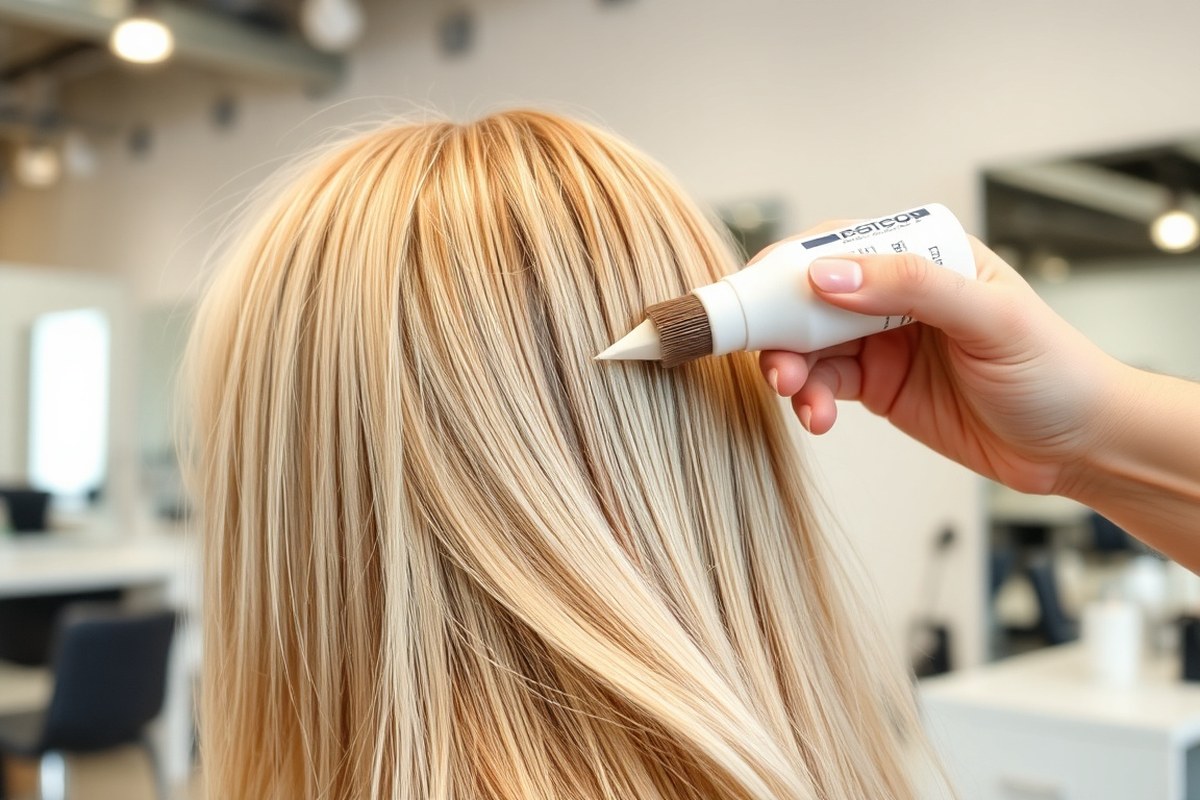
Apply toner starting at the roots and work toward mid-lengths. Use the applicator brush or bottle, then comb through hair for even coverage.
Leave toner on for the recommended time, generally between 5 and 20 minutes. Check the changing tone to avoid muddy or green shades that come from overprocessing.
Timing matters a lot. Too long, and hair can get a muddy look. Too short, and brassiness might stay.
Rinsing and Post-Tone Care
Rinse toner out with cool water until water runs clear. Avoid shampooing for 24 hours to let the toner set well in your hair.
After rinsing, apply a conditioner or a toning mask for hair softness and shine. Using sulfate-free shampoos after can help keep tone longer.
- Shampoo and towel dry your hair.
- Mix toner with the correct developer ratio as instructed.
- Put on gloves to protect your skin.
- Apply toner from roots to mid-lengths using a brush or bottle.
- Comb through hair to spread toner evenly.
- Leave the toner on for 5 to 20 minutes, watching for tone change.
- Rinse hair thoroughly with cool water.
- Wait 24 hours before shampooing to lock in color.
How Long Does Hair Toner Last and When to Reapply?
Hair toner usually lasts between two and eight weeks. At-home toners often fade after 2 to 4 weeks.
Salon toners can stay vibrant up to eight weeks. The fading speed depends mostly on how often you wash your hair and your hair type.
To keep your toner brighter longer, use sulfate-free shampoos and wash with cool water. Hot water and harsh shampoo chemicals strip color faster. Also, try to space out washing your hair to every other day or less when possible.
You’ll need to retone when your hair looks dull. It also shows unwanted warm or brassy hues. Toner tones soften or cancel these colors, so fading reveals those tones again.
Your blonde turns yellow or cool tones go brassy. Waiting longer won’t make it look better.
Applying toner usually takes about 20 to 25 minutes to process. It works on the hair’s surface and slightly penetrates the first layer. So it doesn’t cause permanent color changes.
Toner molecules are bigger than permanent dye molecules. This means toner fades faster. You must reapply it to keep the color fresh.
Lighter or more porous hair absorbs toner more vibrantly but also loses it faster. Your hair bleaches easily or is dry.
Quick touch-ups every 3 to 4 weeks help maintain color. Hair with less porosity might keep toner effects longer, stretching time between applications.
Space out washing and choose gentle shampoos to keep your tone fresh longer. Avoid heat styling right after toning to prevent faster fading.
Common Mistakes with Hair Toner and How to Fix Them
Toner mistakes usually come from leaving it on too long or skipping the developer. Leaving toner on more than 15 minutes can make hair too gray or purple. Always follow the recommended time for your toner type.
Many people forget the developer when mixing toner. Without it, the toner won’t activate or blend well with your hair.
Use a 1:1 or 1:2 toner-to-developer ratio, depending on your product instructions. For example, Blondify liquid gel toner mixes 1 part toner to 1 part developer.
Applying toner to unbleached hair can cause uneven results. Toners work best on bleached or very light hair, usually level 10 or lighter. On darker hair, toner may not show up or could look patchy.
- Do a strand test before full application
- Mix toner and developer exactly as directed
- Watch the clock; don’t leave toner past 15 minutes
- Use toner only on light or bleached hair
- Rinse toner out thoroughly with cool water
- Condition hair after toner to restore moisture
Not rinsing toner well can leave residue that dulls your hair. Also, some toners may slightly dry out hair.
But it won’t cause damage like bleach. You can manage dryness by deep conditioning afterward.
Using toner too often can cause buildup. This buildup makes hair look muddy. It may also give hair a gray tint.
Wait at least two weeks between toner applications for the best effect. Following these steps helps keep your hair shiny and fresh.
When to Seek Professional Help for Hair Toning
Professional hair toning is safer when your hair is damaged or very porous. Toners work gently, but fragile hair needs expert care to avoid more damage. A professional will assess your hair’s condition before applying any color.
Complex color changes also call for a salon visit. You want a pro’s help to get tricky shades or fix uneven tones. Mistakes in these cases can leave your hair looking dull or patchy.
Experts mix toner with the right developer and apply it evenly, adjusting times precisely. Professionals usually leave toner on for 10 to 20 minutes.
They check your hair often during this time. This control helps prevent over-toning or uneven results.
Professionals have tools and products that work better than at-home kits. They use better-quality toners that blend well with bleach or permanent colors.
The cost goes from $50 to $150. It depends on the salon, toner type, and hair length.
You should see clear color improvement without dryness or stiffness after professional toning. Your hair looks shiny and natural with unwanted brassy or yellow tones neutralized. Poor DIY outcomes often include uneven color, quick fading, or a harsh, unnatural tone.
Dull hair from coloring or heat styling needs pro toning with conditioning treatment. This combo helps restore your hair’s look.
Professionals can tailor aftercare advice to keep your toner lasting longer and your hair healthier. This personalized approach makes a big difference.
Gray hair or a sensitive scalp needs advice from a professional. They can suggest the safest options for you.
A specialist knows how to tone without irritating your skin or damaging your hair. They also choose formulas suited for your hair type, which is tricky to do alone.
Aftercare Tips to Maximize Hair Toner Results and Shine
Toning your hair brings out the best in your color. Aftercare keeps your hair shiny and vibrant longer. You’ll protect your investment by using the right products and habits.
Shampoo and Conditioner Choices
Pick shampoos and conditioners designed for color-treated hair. These formulas help keep toner effects longer and lock in moisture. For example, L’Oréal’s Silver Shampoo fights yellow tinges in blonde or grey hair using magnesium.
You can find pigmented shampoos and conditioners that add a subtle toner effect with each wash. Using these regularly refreshes your hair tone and adds shine.
- Choose sulfate-free shampoo to prevent color stripping
- Use a conditioner with moisturizing ingredients like argan oil
- Try color-depositing conditioners once or twice weekly
- Look for products with gentle exfoliants, like 0.7% lactic acid
- Use a shampoo and conditioner set made for tonal protection
You want to keep hair surface smooth and hydrated to show off tone and shine. Avoid harsh shampoos that dry out or fade color fast.
Avoiding Heat and Chlorine
Heat styling tools can dull toned hair and cause fading. Use the lowest heat setting possible and add a heat protectant spray every time you style.
Chlorine in pools can strip your color and leave greenish tones. Rinse hair with fresh water before swimming and wear a swim cap if you can.
After exposure, thoroughly wash with color-safe shampoo and conditioner. This helps remove residues that damage your tone and shine.
Using Color-Protecting Treatments
Leave-in conditioners and repair oils boost shine and protect hair daily. They also help detangle and reduce breakage, making your tone last longer.
Deep conditioning treatments once a week restore moisture and smooth your hair’s surface. This keeps toner looking fresh and minimizes dullness over time.
You can also use occasional color-refresh masks containing tiny pigment amounts. These top up your toner effect without rebuilds or full reapplications.
Use a lightweight leave-in product with UV protection to shield color outdoors.
Proper Washing Frequency
Washing too often washes out your toner and natural oils. Aim to wash every two to three days if you can.
On no-wash days, refresh hair with dry shampoo or gentle water sprays. This reduces dirt and oil while keeping tone intact.
Using a color-depositing shampoo once a week helps maintain tone without daily washing. It works especially well for blondes to stay bright and clear.
Step-by-Step Action Plan for Using Hair Toner
Follow these steps to tone your hair safely and get the color you want. Check each step for signs that it worked right.
- Before you start: Choose a toner based on your hair color and goals. Look for cool tones for brassiness and warm tones for dullness.
- Day 1: Do a strand test with the toner on a small hair section. Wait the recommended time and check the color change before full application.
- Day 1, after strand test: Apply the toner evenly on clean, damp hair. Use gloves and follow the product timing exactly, usually 5, 20 minutes.
- Right after application: Rinse hair thoroughly with cool water until it runs clear. Check if the brassiness or unwanted tones are gone.
- Day 2 to Day 7: Use colour-safe shampoo and conditioner to extend toner life. Avoid hot water and harsh products that strip color.
- Week 2: Assess how long the toner lasts in your hair. When brassiness appears, plan to reapply your toner.
- Week 3 to Week 4: Apply toner again if you see brassiness. Space applications at least 2 to 3 weeks apart. This helps avoid drying out your hair.
- Monthly: Use deep conditioning treatments to keep hair healthy and shiny after toning.
Frequently Asked Questions
Can I Use Hair Toner on Natural, Non-Bleached Hair?
Hair toner works best on bleached or lightened hair to neutralize tones. It won’t show much effect on natural dark hair because there’s no brassiness to correct.
Does Hair Toner Damage Your Hair?
Hair toner is usually gentle and doesn’t cause much damage when used correctly. Avoid leaving it on too long and follow instructions to prevent dryness or breakage.
Can I Mix Different Hair Toners for a Custom Shade?
Mixing toners can be tricky and may give unexpected results. It’s safer to choose one toner that suits your goal.
This is especially true if you’re new to toning. Stick to one color for best results.
How Often Should I Tone My Hair If I Use It Regularly?
Many people tone every 4 to 6 weeks to keep brassiness away. Toner fades with washing, so frequent shampooing may require more frequent toning.
Does Hair Toner Wash Out Completely After Several Shampoos?
Yes, hair toner is semi-permanent and fades after about 4 to 6 washes. This means you need regular touch-ups to keep the color fresh and even.
Can I Use Conditioner Immediately After Applying Hair Toner?
It’s best to avoid conditioner right after toning because it can interfere with color absorption. Wait until your next wash to condition and nourish your hair.
Key Points to Remember
Hair toner changes your hair color safely when you pick the right type and follow instructions. Testing and aftercare help get the best look without damage. Try your strand test today to see how toner suits your hair color.