What Does Toner Do to Hair: A Complete Guide with Expert Tips
What does toner do to hair? It adjusts or removes unwanted shades after coloring.
Toner refines your hair color and adds a fresh, cooler tone without damaging hair. It usually lasts between two to six weeks before fading, depending on your hair type and care routine.
Toner works by neutralizing brassy or yellow tones in bleached or colored hair. You apply it for 5 to 20 minutes, depending on your desired depth. Applying to damp hair speeds up absorption and evens out the color, making it more consistent.
Make sure your hair is about 70% dry before putting on toner for best results. Leave it on just long enough, as overprocessing can lead to unwanted shades or dryness. Washing your hair too soon may reduce toner effectiveness and make the color fade faster.
Key Takeaways
- Toner balances brassiness by neutralizing warm, unwanted hues in hair.
- Apply toner for 5 to 20 minutes, checking frequently for best tone.
- Use toner on damp hair that’s about 70% dry for even coverage.
- Wait at least 24 hours after coloring before applying toner.
- Rinse a small hair section early to check if your color is right.
- Toner effects typically fade after 2 to 6 weeks on bleached hair.
What Does Toner Do to Hair and How It Works

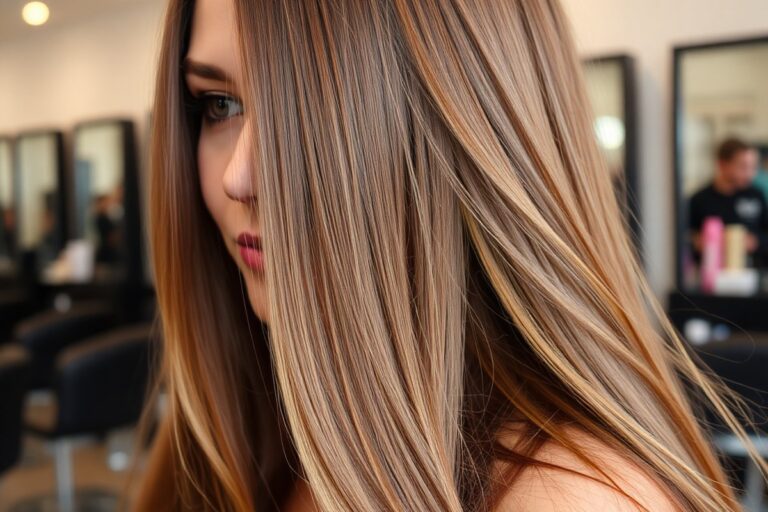
Hair toner changes unwanted undertones in your hair by depositing semi-permanent color. It does not lighten hair but covers up yellows, oranges, or brassy tones. For example, after bleaching, toner can cancel out yellow shades to give a cooler, ashier finish.
Toner works by adding tiny color pigments to your hair shaft. These pigments neutralize the warm or brassy tones from bleaching or fading color. You can use toner to soften your hair color.
It also adds shine. This creates a smoother, polished finish.
Once your hair is lightened to the right level, usually after bleaching, toner fine-tunes the shade. It blends highlights better and makes your color look more natural. Many stylists color new growth with permanent dye.
Then they use toner on the rest. This balances the color and adds shine.
Toner results last two to six weeks. How long depends on your hair’s porosity. Washing frequency also affects the lasting time.
Highly porous hair loses toner faster. Over-toning can leave gray, purple, or muddy tones. So you usually leave toner on for about 20 minutes to avoid this.
Toners come in types like semi-permanent and gloss. Semi-permanent suits bleached hair. Gloss toners add subtle shine.
Blondes often use toner to remove warm tones. They finish with shades like lilac or rose gold.
Toner helps refine the color. The right toner makes hair look fresh without needing a full recolor.
After bleaching, toner is important. Bleaching removes pigment but leaves warm tones. Toner fixes these unwanted tones.
Toner deposits color that cancels those tones, creating a cooler or more natural shade. This step helps you get closer to icy or platinum blondes. But only if your hair is lifted to a pale enough level.
Toner smooths hair color and adds shine. It fixes warm tones without lightening hair. That keeps your shade just right.
It costs less and takes less time than a full dye job. Apply toner to pre-lightened hair for 15 to 20 minutes.
Then rinse it off. You’ll see better tone and shine.
Different Types of Hair Toners and Their Uses

Hair toners come in different types to suit your color needs. You’ll find semi-permanent, demi-permanent, hair gloss, and color-correcting shampoos. Each targets specific tones and lasts for different times.
Semi-Permanent Toners Explained
Semi-permanent toners gently add color without changing your hair structure. They last about six to eight weeks and wash out gradually. This makes them good for subtle corrections or refreshes without a long-term commitment.
They usually contain no ammonia and deposit pigments on your hair’s surface. Expect them to tone down yellow or orange hues in bleached or highlighted hair. Semi-permanent toners work best on dry or dull-looking color that needs a quick fix.
Demi-Permanent Toners and Their Benefits
Demi-permanent toners last longer than semi-permanent ones. They keep your color fresh for 8 to 10 weeks.
These toners often have a small amount of ammonia. So they slightly open hair cuticles for better color deposit.
This type works well for stronger color correction. It doesn’t require full commitment like permanent dye. It’s a good middle ground option.
They blend grays and add depth to dull brown or brunette hair. Use demi-permanent toners if you want your color to last through several washes.
Specialized Toners: Purple, Blue, and Hair Gloss
Purple and blue shampoos are often called toners but work a bit differently. Purple shampoo cancels yellow tones in blonde or gray hair.
Blue shampoo neutralizes orange tones in brown hair. Use these weekly to maintain your color between toning treatments.
Hair gloss, also called glaze, adds shine and softens your color without changing it much. It lasts about 2 to 6 weeks and works well for dull or faded hair. Gloss is perfect when you want to boost vibrancy without altering the tone heavily.
Specialty toners target specific unwanted shades. Purple fights brassiness in blonde hair, blue tackles orange brassy hues, and green neutralizes red tones. They help keep your color natural and balanced after bleaching or dyeing.
| Type | Duration | Color Impact | Cost | Best Hair Types |
|---|---|---|---|---|
| Semi-Permanent Toner | 6, 8 weeks | Subtle tone adjustments | Moderate | Blonde, highlighted hair |
| Demi-Permanent Toner | 8, 10 weeks | Stronger tone correction | Moderate to higher | Brunettes, grays, faded color |
| Purple Shampoo | Use weekly | Neutralizes yellow | Low | Blonde, gray hair |
| Blue Shampoo | Use weekly | Neutralizes orange brassy tones | Low | Brown and dark hair |
| Hair Gloss | 2, 6 weeks | Adds shine, boosts vibrancy | Moderate | All hair types, faded color |
Choose the right toner based on your hair color and how long you want the effect. Semi-permanent toners suit quick fixes for blondes. Demi-permanent works better for stronger changes and longer-lasting tones on brunettes.
Purple and blue shampoos provide easy maintenance but won’t replace a full toner treatment. Gloss treatments refresh shine and soften your color for a polished look. They’re great if your color feels flat or tired.
Don’t leave toner in longer than the package says, overtoning can cause unwanted hues or damage.
Step-by-Step Guide to Applying Hair Toner at Home
Toner works best on damp hair that’s about 70% dry. You want to use a walnut-sized amount on clean hair. Spread it evenly through your hair.
Leave it on for 2 to 5 minutes. Watch your hair to see when the tone looks right, then rinse thoroughly.
Preparing Your Hair and Workspace
Wash your hair with a gentle shampoo and avoid using conditioner before toning. Towel dry your hair until it is damp but not dripping wet. This makes it easier for the toner to absorb evenly and gives better results.
Gather a wide-tooth comb, gloves, an old towel, and a timer or clock. These will help you apply the toner safely and keep track of time. Protect your clothes with a cape or an old shirt to avoid stains.
Applying Toner Evenly
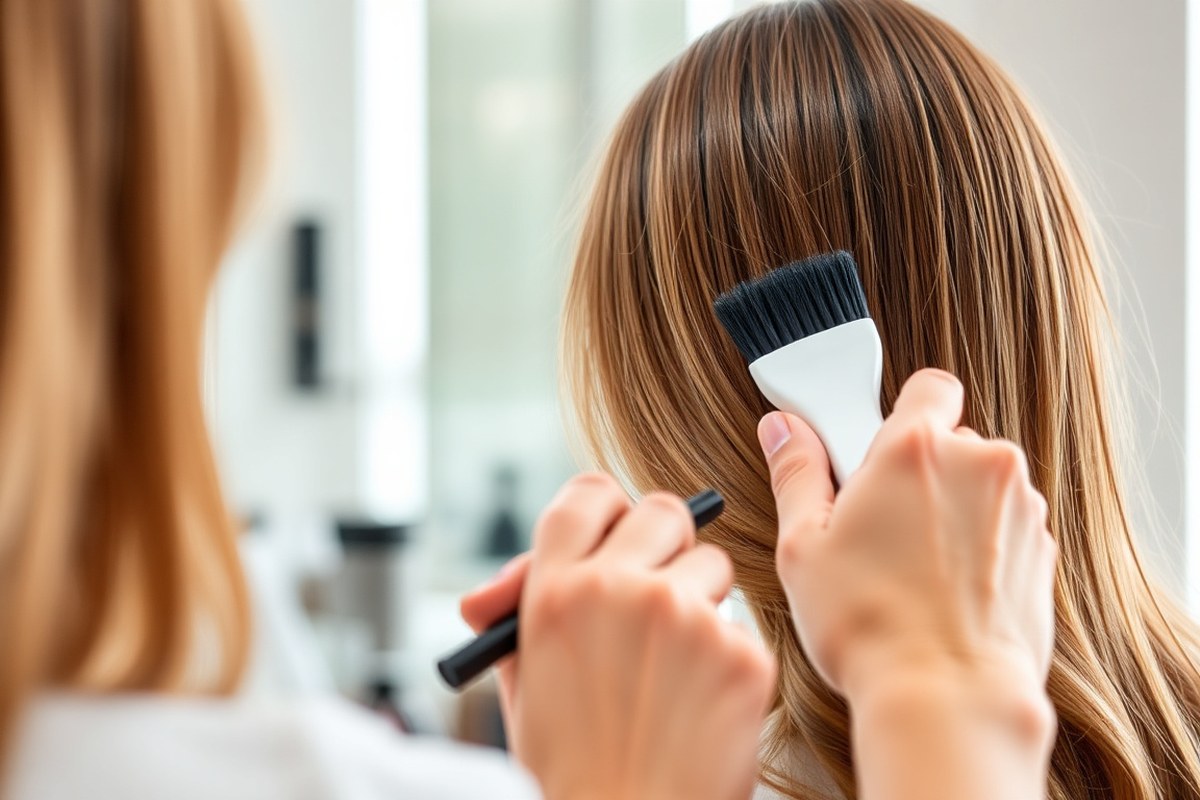
Start by dividing your hair into sections to ensure you cover every part. Apply the toner beginning at the roots, then work your way to the middle sections. Use your fingers or a wide-tooth comb to spread the toner evenly from root to tip.
Use about a walnut-sized amount for each hair section. Add more if your hair is thick or long.
Make sure you check the instructions on your toner bottle for any product-specific advice. Keep an eye on your hair color as it changes to avoid over-toning.
- Wash hair thoroughly and towel dry to dampness.
- Put on gloves to protect your hands.
- Divide hair into four sections and clip them.
- Apply toner starting at the roots first.
- Work toner through the mid-lengths and ends.
- Comb through to distribute toner evenly.
- Set a timer for 2 to 5 minutes.
- Check hair color frequently while timer runs.
Rinsing and Aftercare
Rinse your hair with lukewarm water once the toner reaches your desired shade. Avoid shampooing immediately after toning to let the color settle. Use a colour-safe conditioner to nourish your hair and lock in the toner.
After rinsing, gently towel dry your hair and avoid heat styling for at least 24 hours. Regular use of sulfate-free shampoos helps maintain the toner’s effect longer. Planning touch-ups every 2 to 4 weeks keeps your color fresh without damage.
How Long Does Hair Toner Last and Factors That Affect Duration
Toner usually lasts between 4 and 8 weeks on color-treated hair. How long it stays vibrant depends on your hair care. It also depends on the conditions your hair faces.
Your routine plays a big role. Washing frequency, water type, and exposure to heat or sun all gradually fade toner results.
Washing hair less often helps keep toner looking fresh longer. Hot water washes and frequent shampooing strip the toner faster. Chlorinated pool water can make your toner fade faster.
Chemicals in the water strip color quicker. Swimmers often notice this change.
- Wash hair every 2 to 3 days with cool or lukewarm water
- Use shampoos and conditioners made for color-treated hair
- Limit exposure to direct sun and chlorine pool water
- Avoid heat styling tools or use a heat protectant spray
- Deep condition weekly to keep hair healthy and hydrated
- Consider a color-depositing mask to refresh toner between applications
- Use satin or silk pillowcases to reduce hair friction
How often you tone depends on your color’s fade rate. Usually, toning happens every 4 to 6 weeks. Check your hair’s look weekly.
Regular toning stops brassiness and keeps your shade looking just right. Professional toners last longer on your hair.
At-home toners help keep color fresh between salon visits. Use them to extend your results.
Longer-lasting toner means less frequent salon trips and healthier hair overall. Adjust your routines to protect your color.
Your toner will retain its shine for up to two months or more. Keep an eye on your hair tones to know when it’s time to tone again.
Choosing the Right Toner Shade for Your Hair Color
Begin by figuring out your base hair color level and any unwanted tones. Purple toner cancels yellow, blue fights orange, and green neutralizes red. Your blonde hair looks yellow, so choose a purple-based toner.
For orange brassiness on brunettes, choose blue. Red tones need green.
Next, think about the final look you want. Cool down warmth with the right toner shade to avoid dull or muddy hair. Brunettes can use toners to enrich color or remove orange casts.
Redheads might pick a gloss to boost shine and vibrancy. Blondes usually want their color brighter and free of brassiness.
Check your hair’s lightness level since toner works best on lightened or pre-lightened hair. For pastel shades, hair must be very pale first.
Toner deposits color without lifting hair further. It’s a semi-permanent fix that lasts 4 to 6 weeks before fading.
Find your current hair tone first. Spot unwanted hues next. Match the toner color on the opposite color wheel side.
Then, pick cool or warm tones. Follow package instructions carefully and do a strand test. Peace of mind costs around $15 to $30 for most at-home toners.
Never apply toner on unbleached dark hair without professional advice. Results can look patchy or uneven.
Toner lets you customize your shade from cooling yellows to warming reds. It’s not a permanent dye but a color boost or corrector. When using blue-green toners on brunettes, the orange and red fade softly.
Purple toner works gently on yellow brassiness in 10 to 20 minutes. The exact time depends on how strong the toner is.
Knowing what you want to cancel helps a lot. Yellow brassiness needs purple toner. Orange brassiness needs blue, and red tones require green.
Control your hair’s undertones to get smooth, even results. This step stops your nice color from turning brassy or muddy after a few weeks.
Common Mistakes with Hair Toner and How to Fix Them
Toner mistakes often happen when timing or product choice goes wrong. Over-toning can make hair muddy or too dark. Uneven toning may leave patches with different hues, ruining the overall look.
Fix over-toning by washing hair with a clarifying shampoo. This helps strip some toner gently but don’t overdo it. Apply toner again only on faded parts to even out the color.
You can remove toner somewhat using clarifying shampoos. Color removers made for toners also help. These options reduce toner without harsh effects.
These products soften toner pigments without major color damage. Follow product instructions closely and do a strand test first.
- Not timing toner correctly: rinse after 5-15 minutes, no longer.
- Using toner on too damaged hair: wait until better condition or use deep conditioners.
- Choosing the wrong toner shade: always match toner tone with hair’s lifted level.
- Skipping strand tests before full application leads to surprises.
- Applying toner unevenly: section hair well and use a brush for consistent coverage.
- Not maintaining toning: use purple shampoo every 1-2 weeks to extend toner life.
Toner causes damage when hair is already fragile. Leaving toner on too long also harms hair. Both increase the risk of dryness and breakage.
Using a hydrating hair mask after toning helps restore moisture. Also avoid heat styling for a few days to prevent breakage.
Visit a professional for treatment if toner harms your hair badly. They may offer bond rebuilders or protein treatments to improve strength. Home fixes like deep conditioning and reducing washing can also help hair recover.
When to Use a Professional Toner vs. At-Home Toner
You can safely tone hair at home if your goals are simple. Make sure your hair is in good shape first. Then, follow instructions carefully for best results.
Professional toning helps when you want precise results or have damaged or heavily processed hair. DIY toner saves money but comes with more risks and takes more care to apply well.
Pros of Salon Hair Toner
Salon toners usually include a developer that gently lifts your hair cuticle. This helps the toner color stick better and last longer. Stylists know how to mix the right shade for your hair.
They control timing carefully to stop any damage. Their experience helps get the look just right.
When you go to a salon, they check your hair condition first. They adjust the toner strength and processing time for your specific needs. This especially matters if your hair is color-treated, dry, or fragile.
At-Home Toner Benefits and Limits
At-home toners and purple shampoos are great for maintaining your color between salon visits. They are usually less intense and safer to use by yourself without a developer. You can apply these every 1 to 2 weeks to keep brassy tones down.
However, at-home toners use less pigment and don’t open the hair cuticle. So, they may be less effective on stubborn yellow tones or deeper blondes. They also require strict timing, leaving them on too long can cause uneven color.
Decision Factors for Choosing Professional or DIY
Use professional toning if your hair is damaged, darkened by previous dyes, or bleached heavily. Also choose a salon for dramatic shifts or custom shades. Go DIY if you want mild toning, have healthy hair, and are comfortable timing the application.
Cost and convenience also matter. Salon toner costs $50 to over $100 per session. At-home toners usually cost $15 to $30 per bottle and last several uses.
DIY suits frequent touch-ups. Professional services give accuracy and lower risk of mistakes.
Below is a table comparing key features to help you decide which option fits your needs.
| Factor | Salon Toner | At-Home Toner |
|---|---|---|
| Price per session | $50 to $100+ | $15 to $30 per bottle |
| Developer included | Yes | No |
| Customization level | High; professional mix | Low; pre-mixed shades |
| Hair condition suitability | Good for fragile or bleached hair | Best for healthy, lightly toned hair |
| Application risk | Low with stylist experience | Higher if timing or amounts are off |
| Frequency of use | Every 4-6 weeks | Every 1-2 weeks |
Decide by checking your hair’s health and color needs first. Pick salon toning for complex colors or weak hair. Choose home toners to keep up simple maintenance in between salon visits.
How Hair Condition and Color Affect Toner Results
Your hair’s condition plays a big role in how well toner works. Damaged hair tends to be more porous. So it can soak up toner unevenly and fade faster.
Toners help repair by adding moisture to your hair. They smooth the cuticle. This makes your color last longer.
For the best results, avoid toning right after bleaching. Wait at least 24 to 48 hours to let your hair recover. This pause reduces extra damage and helps the toner apply more evenly.
When your hair color has faded, try toner for a gentle refresh. It’s less harsh than permanent dye.
Prep your hair by washing it with a gentle shampoo and conditioner suited for color-treated hair. Toner should go on damp, towel-dried strands, not soaking wet. Wet hair can dilute the toner, which might cause patchy or less intense results.
Comb the toner through your hair to cover all ends. Tips absorb and lose color faster. That’s why even coverage matters.
Porosity affects how fast your hair picks up and loses toner. Damaged hair can look dull after toning. Use a deep conditioner or protein treatment right after.
This helps brighten your hair. These help seal the cuticle and keep the color bright. Use a bond-building treatment a few days before toning.
It strengthens weak strands. This gives smoother, balanced results.
Hair that’s not color-treated can still be toned. But results will be subtle or slow. Toner mostly works by neutralizing unwanted shades after lightening.
Without lifted hair, it might not change your natural shade much. Lighten your hair first to get a clear tone or ash effect.
Then apply toner. This combination gives the best look.
Apply a deep conditioner or protein treatment two days before toning. It protects fragile ends. This also helps your color last.
Step-by-Step Action Plan for Using Hair Toner
Follow this plan to get the best toner results and keep your hair looking fresh. Each step explains when to act and how to check your progress.
- Before you start: Do a deep condition to ensure your hair is healthy and strong. Your hair should feel soft, not dry or brittle.
- Day 1: Apply the toner on clean, towel-dried hair following the product instructions. Watch the color as it develops on your hair. Stop when you see the tone you want. Do not go past the maximum time allowed.
- After rinsing: Use a sulfate-free shampoo and conditioner to lock in the toner color. Your hair should feel smooth, not stripped.
- Week 1: Wash your hair with a purple or blue shampoo once or twice a week. This will help keep cool tones fresh and bright. Check if brassy tones stay under control.
- After 2 weeks: Inspect your hair for fading or brassiness. Plan a new toner application if the color looks dull or yellow.
- Monthly: Deep condition weekly to keep hair healthy. Soft, hydrated hair holds toner color longer.
- When fading happens, apply toner just to the faded spots. Avoid using toner all over your hair. This avoids over-toning and damage.
Frequently Asked Questions
What Does Toner Do to Hair’s Texture?
Toner mainly changes hair color, not texture. It may make hair feel smoother temporarily by closing the cuticle after bleaching or coloring.
Can Toner Lighten Hair Naturally?
No, toner does not lighten hair. It neutralizes unwanted tones but won’t bleach or lighten your hair. Use a bleach or lightener to make hair lighter first.
Does Toner Damage Hair?
Toner can cause mild dryness or damage if overused. Keep application short and moisturize your hair well after. Using toner properly minimizes damage.
Will Toner Cover Gray Hairs?
Toner does not cover gray hair fully like permanent dye. It may soften the contrast by adjusting color tone but doesn’t provide full gray coverage.
Can Toner Be Used on Non-Bleached Hair?
Toner works best on bleached or lightened hair. On darker, non-bleached hair, toner effects are less noticeable but may improve subtle tones.
How Often Should I Reapply Toner?
You should reapply toner every 4 to 8 weeks. The exact timing depends on your hair care routine and fading speed.
Wrapping Up
Toner adjusts your hair color by canceling unwanted hues and adding tone. Using it carefully helps keep your hair looking vibrant longer. Try applying toner following these steps to see the difference yourself.