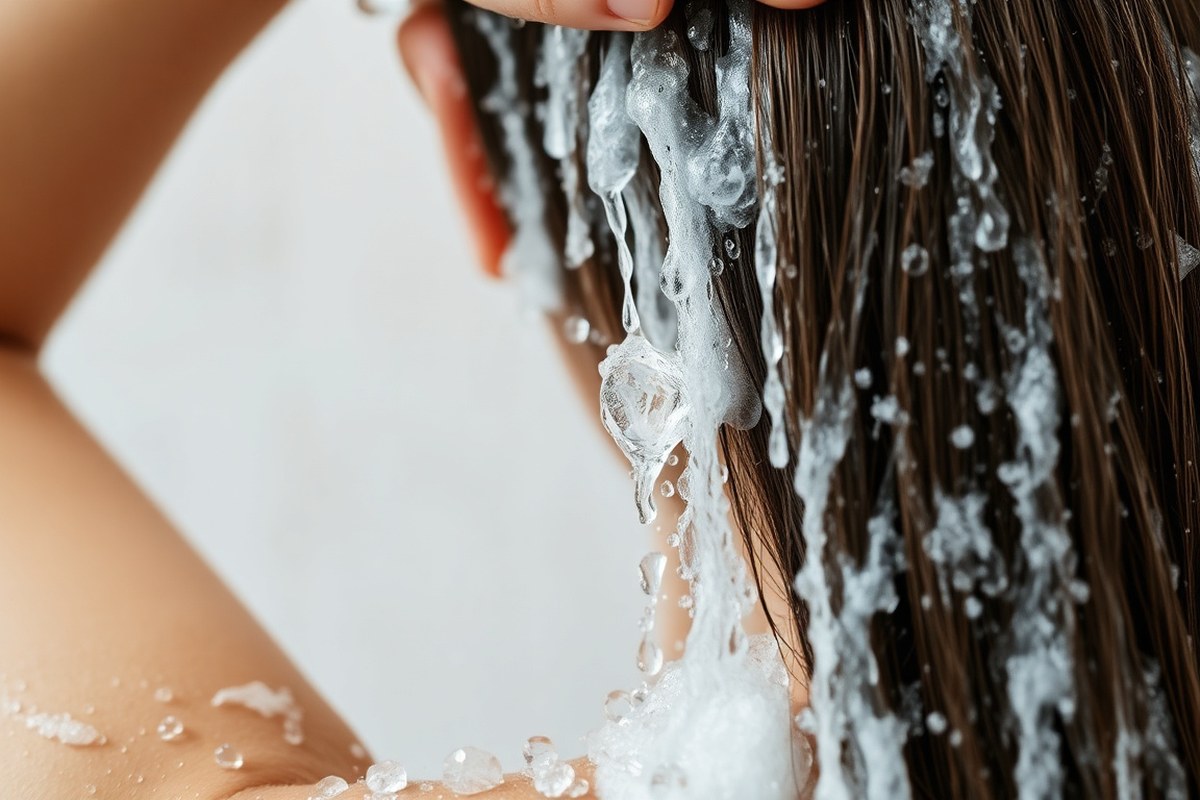
What Does Clarifying Shampoo Do? A Complete Guide for Healthy Hair
What does clarifying shampoo do? It removes buildup from hair and scalp.
That buildup could be leftover hair products, minerals, and oils that regular shampoo might miss. Clearing this stuff out helps hair look cleaner and feel lighter.
Clarifying shampoo works by deeply cleansing, stripping away residue that dulls hair. It’s not for everyday use because it can dry your strands if overused. Using it too often may strip natural oils that keep hair healthy.
Start with using clarifying shampoo every 3 to 4 weeks for most hair types. Leave it on your scalp for about 1 to 2 minutes before rinsing. This gives the shampoo time to break down buildup effectively without over-drying.
Key Takeaways
- Use clarifying shampoo every 3 to 4 weeks to avoid drying out hair.
- Leave the shampoo on your scalp for 1 to 2 minutes before rinsing.
- Use a gentle exfoliating shampoo every 10 to 15 days for scalp care.
- Avoid using clarifying shampoo on dry or brittle hair for too long.
- Check for signs of buildup, like dullness or heaviness, before use.
- Choose formulas based on your hair type, like oily or curly hair.
What Does Clarifying Shampoo Do to Your Hair?

Clarifying shampoo deeply cleans your hair by removing buildup, excess oils, and hard water minerals. This shampoo removes buildup from styling products, silicones, and waxes.
It also tackles mineral deposits that regular shampoos might miss. By clearing these layers, it helps restore your hair’s natural shine and lightness.
Product buildup weighs hair down and leaves it looking dull or greasy. Excess oil from your scalp clings to hair, making it feel heavy and oily.
Hard water deposits, like calcium and copper, can coat strands, causing roughness and limpness. Clarifying shampoo breaks down all of these with stronger cleansing agents designed specifically for buildup.
Clarifying shampoos use ingredients like citric acid, clay, and charcoal. These ingredients break down residue and minerals from hard water. These ingredients pull dirt and buildup from your hair and scalp.
This lets your hair’s natural look and shine come through. Without buildup blocking light reflection, hair appears shinier and healthier.
When you rinse out a clarifying shampoo, you remove layers that dull your hair’s surface. That fresh, clean feeling means your hair is lighter and easier to manage. It also makes deep conditioning treatments more effective since those products can better penetrate clean strands.
Use clarifying shampoo about once a month to avoid drying hair. Use it more often only if your hair has heavy buildup. Frequent use can strip natural oils, though some formulas balance cleansing power with gentle care.
Choosing a product with chelating agents helps tackle tough minerals from hard water specifically. This helps if your hair feels heavy or coated after washing with tap water. It removes deposits that make hair look dull.
How Clarifying Shampoo Works Differently Than Regular Shampoo

Clarifying shampoo works differently from regular shampoo by using stronger cleansing ingredients. It removes deep buildup like silicones, hard water minerals, and leftover styling products. Regular shampoo cleans surface dirt but can’t break down tough residue caught in your hair.
Chelating Agents and Their Role
The key to clarifying shampoo is its chelating agents. These act like tiny magnets to strip away minerals, dirt, oils, and bacteria. Chelators grab hard water minerals such as calcium and magnesium that regular shampoos leave behind.
This deep removal helps restore shine and softness to dull, coated hair. Without chelators, regular shampoos just clean oily or surface-level grime. That’s why clarifying shampoos feel stronger and more thorough on your scalp.
Stronger Surfactants for Deep Cleaning
Clarifying shampoos have more powerful surfactants than regular ones. These special detergents dissolve hardened product buildup made from silicones and waxes. Regular shampoos use gentler surfactants aimed at every day dirt and excess oil.
The stronger surfactants in clarifiers break down sticky residues that weigh hair down. However, this strength can also strip natural oils if used too often.
So these shampoos aren’t for daily use. They provide a good reset when hair feels coated or lifeless.
Removing Hard Water Buildup Specifically
Hard water leaves mineral deposits that regular shampoos can’t fully remove. Clarifying shampoos use chelators specifically to target these deposits on your strands and scalp. This helps prevent brittleness, stiffness, and dullness caused by minerals.
When dealing with hard water, a clarifying shampoo can keep your hair healthier over time. Regular shampoos might wash surface dirt but don’t prevent mineral buildup buildup from accumulating between washes.
Why Regular Shampoo Can’t Match This Deep Clean
Regular shampoo focuses on gentle cleansing to avoid drying hair or scalp. It mainly removes oils, sweat, and loose dirt on the surface. This mild approach means buildup from styling products and minerals isn’t fully broken down.
Clarifying shampoos sacrifice some gentleness to deliver a thorough cleanse. They use ingredients at higher concentrations to dissolve sticky residue. Regular shampoos don’t have these strong agents, so buildup stays intact.
When and How to Use Clarifying Shampoo
Because clarifying shampoos remove natural oils, use them sparingly. Usually, washing once every one to two weeks is enough to clear buildup without overdrying. Massage it vigorously into your scalp to break down deposits before rinsing well.
Apply clarifying shampoo only on clean, wet hair. Leave it on your scalp for one to three minutes for best effect. Avoid using it daily, or your hair might feel dry and brittle after repeated use.
Clarifying shampoo removes buildup effectively. But avoid overuse to prevent drying your hair and scalp.
When and How Often Should You Use Clarifying Shampoo?
Use clarifying shampoo only once a week to prevent hair dryness. People with oily scalps or lots of styling products might need it every 4 to 5 washes. Heavy, sticky, or dull hair shows buildup blocking strands and scalp.
Hair type plays a big role in how often to clarify. Curly or dry hair usually needs clarifying less often. Try using it about once every two weeks.
It helps avoid stripping your natural oils. Fine or oily hair can handle clarifying more often.
Using it once a week helps remove extra oil and product. This keeps hair feeling clean and light.
Water quality affects clarifying needs too. Swimming in chlorinated pools or living with hard water calls for more clarifying shampoo use.
This helps remove chemicals and mineral deposits better. Chlorine and minerals coat hair and scalp, causing buildup that regular shampoo won’t fully remove.
Hair that looks dull after washing might need clarifying. A greasy scalp or itchy, tight feeling are also signs. These show your hair needs a deep cleanse.
You might notice your styling products don’t hold as well or your hair feels weighed down. These are clues that your scalp and hair need a deep cleanse.
Wet your hair with lukewarm water before using clarifying shampoo. This opens cuticles and boosts the shampoo’s cleansing power. Use gentle massage to spread it evenly.
Take your time and rinse thoroughly until the water runs clear with no suds left behind. Overusing clarifying shampoo can strip essential oils, so stick to the guided frequency.
How to Properly Use Clarifying Shampoo for Best Results
Use clarifying shampoo on wet hair, massage for about two minutes, then rinse thoroughly. Follow with conditioner or a leave-in treatment to keep your hair from drying out. This approach cleans deep without stripping moisture or color.
Step 1: Prepare Your Hair
Start by wetting your hair completely. Use lukewarm water to open the hair cuticles and scalp pores. This helps the shampoo reach all buildup and dirt.
Wet hair allows the clarifying shampoo to spread evenly. Take a small amount; too much can leave your hair dry. You only need about a quarter-sized portion depending on hair length.
Step 2: Apply and Massage Thoroughly
Squeeze the clarifying shampoo into your palm, then apply directly to your scalp and roots. Concentrate on the scalp, where oils and products build up the most. Avoid piling shampoo just on ends because they don’t need as much cleansing.
Use your fingertips to massage gently for one to two minutes. This loosens buildup and improves scalp circulation. Avoid nails to prevent irritation or scratching your scalp.
Leave the shampoo on your scalp for about 3 to 5 minutes before rinsing. This extra time lets it thoroughly break down residues, especially if you wore styling products.
Step 3: Rinse and Condition
Rinse hair well with lukewarm water until no suds remain. Any leftover shampoo can cause dryness or irritation. Take your time here, aiming for about 30 seconds of rinsing.
Follow with a clarifying or regular conditioner to restore moisture. Apply conditioner mostly to mid-lengths and ends. Finish with a leave-in conditioner to keep your hair soft.
Use a hair mask at least once a week for extra moisture. These steps help protect your hair from drying out.
This cleansing step matters a lot for dry or color-treated hair. It also helps if your hair has chemical treatments. It helps your hair stay soft and hydrated after deep cleansing.
- Wet your hair thoroughly with lukewarm water.
- Dispense a small amount of clarifying shampoo into your palm.
- Apply shampoo to your scalp and roots.
- Massage gently with fingertips for 1 to 2 minutes.
- Leave shampoo on scalp for 3 to 5 minutes.
- Rinse thoroughly with lukewarm water until no suds remain.
- Apply conditioner to mid-lengths and ends.
- Use a leave-in conditioner or hair mask weekly after clarifying.
Choosing the Right Clarifying Shampoo for Your Hair Type and Needs
Picking the right clarifying shampoo depends on your hair type and water conditions. Different formulas tackle buildup, minerals, or color protection uniquely. Knowing what fits your needs helps avoid dryness or fading.
Clarifying Shampoos for Hard Water and Minerals
Hard water contains minerals that build up on hair, making it dull and heavy. Chelating shampoos are made to grab these minerals, removing them better than regular clarifying shampoos. They usually contain ingredients like EDTA or citric acid that break down calcium and magnesium deposits.
These shampoos work well if your hair feels rough. They help especially in hard water areas.
You may notice your hair looks lifeless without them. Using them once every 1 to 2 weeks can lift mineral buildup without overstripping.
Gentle Formulas for Color-Treated Hair
Color-treated hair needs clarifying shampoos without harsh sulfates. Gentle formulas avoid stripping dyes and protect your color’s brightness. Look for sulfate-free options that balance removing buildup and keeping moisture.
These shampoos often include mild detergents and conditioning ingredients. They let you clarify without dry or brittle hair. Using them once a month helps with product buildup without fading your color.
Best for Oily and Product-Heavy Hair
Oily scalps or hair that uses heavy products benefit from detox clarifying shampoos. They remove excess sebum, dirt, and styling residues that weigh hair down. These are typically stronger formulas but safe enough for monthly use or as needed.
Curly or coily hair that uses rich creams can use special detox shampoos made for curls. They clear buildup gently while keeping the curls’ natural oils intact.
| Clarifying Shampoo Type | Key Ingredients | Best For | Usage Frequency |
|---|---|---|---|
| Chelating | EDTA, Citric Acid | Hard water buildup, dull hair | Once every 1-2 weeks |
| Gentle/Sulfate-Free | Mild detergents, conditioning agents | Color-treated, dry, or fine hair | Once a month |
| Detox | Deep cleansing agents | Oily scalp, heavy product use, curly hair | As needed, up to monthly |
Choosing your clarifying shampoo by these categories reduces risks of overdrying or hair damage. The right fit keeps hair clean and healthy without stripping essential oils or color. You can adjust frequency based on scalp oiliness and water quality.
Use clarifying shampoos sparingly to avoid scalp irritation or dryness.
Common Mistakes to Avoid When Using Clarifying Shampoo
Overusing clarifying shampoo can dry out your hair and scalp. Using clarifying shampoo too often can cause breakage. It may also fade color-treated or dry hair.
Be careful with how often you use it. Use clarifying shampoo every 2 to 4 weeks.
Follow the product’s instructions for the best timing. Don’t shampoo more often than recommended.
Many people skip conditioner after using a clarifying shampoo. This leaves hair dry, tangled, and harder to manage. Always use a good conditioner after rinsing clarifying shampoo.
It helps restore moisture and smooth your hair cuticle. Conditioner keeps your hair soft and healthy.
Harsh scrubbing with your nails can irritate your scalp and damage hair strands. Instead, use your fingertips gently in a circular motion to loosen buildup without causing irritation. This approach cleans your scalp while protecting it.
- Avoid using clarifying shampoo more than once every two weeks
- Always follow clarifying shampoo with a moisturizing conditioner
- Use gentle fingertip massage to clean your scalp, not nails or harsh rubbing
- Choose a sulfate-free clarifying shampoo if you have colored or dry hair
- Don’t skip rinsing thoroughly to prevent residue buildup or dryness
- Limit heat styling after using clarifying shampoo to reduce breakage
Ignoring scalp health can cause imbalance, leading to dryness or irritation. Clarifying shampoo helps remove buildup but can disrupt natural oils if used carelessly. Avoid over-cleansing to keep your scalp healthy.
Use a gentle shampoo made for your hair type. This keeps your scalp balanced and clean.
Prevent dryness or tangling by conditioning well and avoiding daily use. Applying a leave-in conditioner or light hair oil after drying can lock in moisture. Reduce how often you use clarifying shampoo if hair feels too dry.
Try a gentler formula instead. This will help keep your hair healthy.
Alternatives and Complements to Clarifying Shampoo
Scalp exfoliating scrubs work by gently removing dead skin cells and buildup. You can use them every 10 to 15 days to keep your scalp clear and healthy. They help your scalp breathe without stripping natural oils like harsh products might.
Detox masks offer a deeper cleanse by drawing out impurities using ingredients like clay or charcoal. Apply a mask once a week, leave it on for about 10 minutes, then rinse thoroughly. This takes some extra time but can refresh your scalp between clarifying shampoo uses.
Natural remedies such as apple cider vinegar rinses or baking soda blends also remove residue. Mix 1 to 2 tablespoons of apple cider vinegar with water.
Pour it over your hair after shampooing. These options cost less but require careful use to avoid dryness or irritation.
You can combine clarifying shampoo with scalp scrubs by using the scrub first to loosen buildup. Follow with the shampoo to wash away loosened debris fully. Wait a few days before using either again to prevent over-drying your scalp and hair.
Some people prefer natural clarifying shampoo bars made without sulfates or silicones. These bars clean well while being gentler on color-treated hair. Using them after a scalp scrub or detox mask can help maintain a fresh, balanced scalp.
Watch out using clarifying shampoos too often or with strong scrubs. Your hair can get dry, brittle, or lose color vibrancy.
Change how much you use depending on your hair type. Also, consider how much buildup you have on your scalp.
When to See a Professional About Hair or Scalp Issues Related to Buildup
Persistent buildup can make your scalp uncomfortable and hurt hair health. Sometimes, clarifying shampoo helps, but it can also irritate sensitive scalps.
You might wonder whether your scalp needs a professional checkup. Look for signs that show you might need help.
Scalp conditions needing expert care include persistent itchiness, redness, flaking, or sores. You may see color fading fast after clarifying shampoo.
A colorist can help pick better products or timing. Professionals can check if buildup causes hair thinning or other damage.
- Your scalp itches or burns for more than a week.
- You see red patches, swelling, or visible sores.
- Your hair feels greasy or dirty despite washing well.
- Your color fades unevenly or after one wash.
- Your hair thins or breaks faster than usual.
- You notice a strong, unpleasant odor from the scalp.
- Over-the-counter shampoos don’t improve scalp issues.
Basic scalp buildup often clears with clarifying shampoo used once a week or less. Still, don’t try it on freshly colored hair.
Wait at least two weeks to prevent fading. Sometimes, these shampoos strip needed oils and worsen irritation.
Spot test any new clarifying shampoo on a small scalp area to check for irritation.
Seeing a dermatologist or hair specialist means you get a tailored plan. They might suggest medicated shampoos, special treatments, or lifestyle changes.
A consultation could cost around $100. But it saves time and avoids harm from wrong self-treatment.
Step-by-Step Action Plan
Follow these steps to use clarifying shampoo safely and see better hair results.
- Before your first wash: Check your hair type and pick a clarifying shampoo made for it. Choose one that won’t dry your hair too much.
- Day 1: Use the clarifying shampoo once. Rinse well and look for reduced buildup and less dullness in your hair.
- First week: Follow with a deep conditioner after each wash. Check if your hair feels softer and easier to manage.
- Week 2: Observe your scalp for any dryness or irritation. If your hair feels dry, use clarifying shampoo less often.
- Every 1 to 2 weeks: Use clarifying shampoo based on your hair’s oiliness. Check how much product buildup you have. Adjust use by how dirty your hair feels. Adjust frequency based on your hair’s response.
- After 1 month: Look for improved shine and volume. Stop using clarifying shampoo if your hair feels brittle or overly dry.
- Regular days: Use regular shampoo or mild cleansers between clarifying washes. This helps keep hair healthy. Don’t rely only on clarifying shampoo.
- When needed: See a hair specialist if buildup comes back fast. Also visit if your scalp feels unhealthy after clarifying.
Frequently Asked Questions
Is a Clarifying Shampoo Really Necessary?
Clarifying shampoo is useful if your hair feels heavy or dull from buildup. It helps remove residue from styling products or minerals that regular shampoo can’t clear. Use it occasionally to refresh your hair without overwashing.
What Is the Best Clarifying Shampoo for Fine Straight Hair?
A gentle clarifying shampoo is best for fine, straight hair to avoid dryness. Ashley, who has fine, straight hair, recommends products that clean without stripping natural oils. Look for formulas labeled gentle or made for fine hair.
What Can I Use Instead of a Clarifying Shampoo?
You can use shampoos labeled purifying or detox as alternatives to clarifying shampoo. These also work to remove buildup and refresh your scalp. Some people use a baking soda rinse occasionally but sparingly to avoid irritation.
Does Clarifying Shampoo Remove Color?
Yes, clarifying shampoo can fade hair color, especially fresh dye. It breaks down buildup but also strips some color molecules. If you have colored hair, choose a cleansing shampoo designed to protect color instead.
Can Clarifying Shampoo Help with Dandruff?
Clarifying shampoo can reduce buildup that sometimes worsens dandruff. It cleans the scalp deeply, which helps products work better. However, if dandruff persists, use a medicated shampoo recommended by a professional.
Can I Use Clarifying Shampoo Every Day?
Using clarifying shampoo daily is too harsh and can dry out your hair. It’s best to use it once a week or less. Overusing may strip your scalp’s natural oils, causing irritation or more buildup.
Wrapping Up
Clarifying shampoo clears away buildup to leave hair clean and fresh. Use it carefully to avoid drying your hair. Start with a gentle product and pay attention to how your hair feels.