What Is Dry Hair Shampoo? How It Works, Types, and Best Use Tips
What is dry hair shampoo? It’s a powder or spray that cleans oil without water.
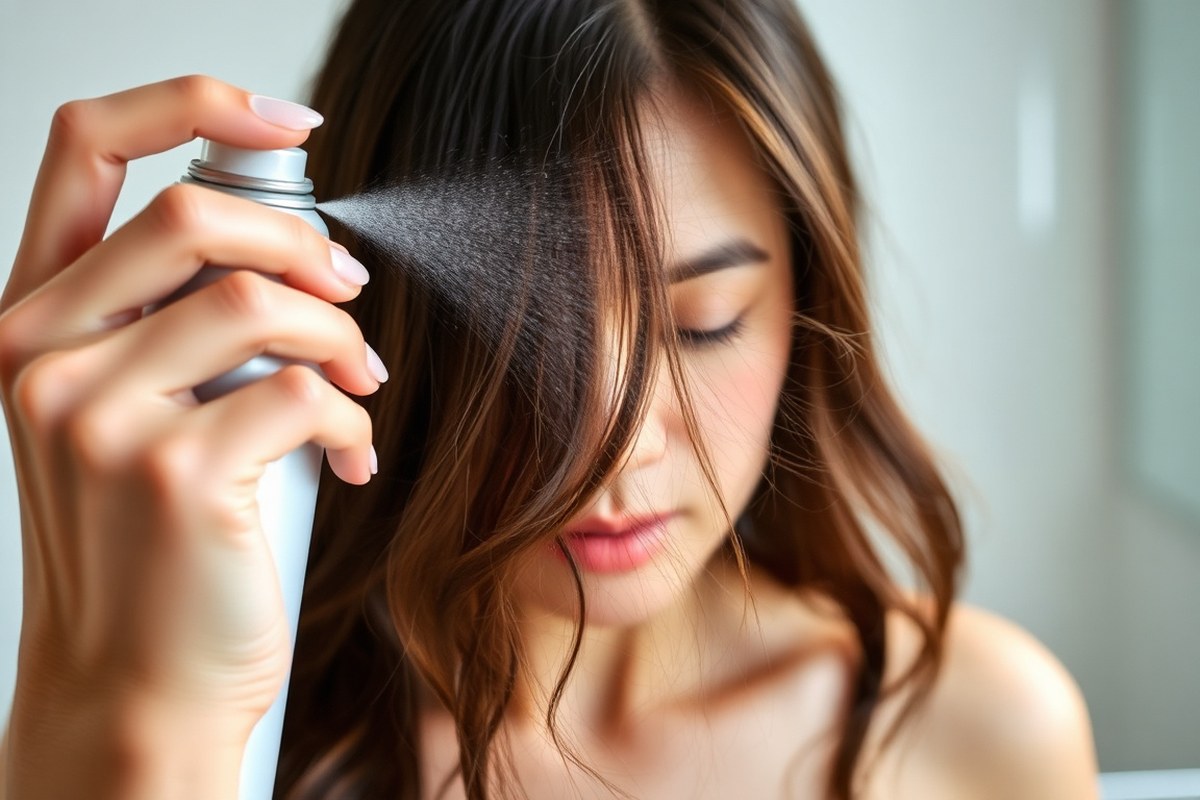
You sprinkle or spray it onto your roots to soak up grease. You then brush it out, leaving hair fresh and less greasy.
Dry shampoo works best on slightly dirty hair, not very wet or super oily strands. It absorbs oil and adds volume, so hair looks cleaner between washes. You should hold the can about 6 inches from your scalp to get even coverage.
Pick a dry shampoo that matches your hair color if you want it to blend well. Some dry shampoos are tinted for dark hair, avoiding white residue. Using it right will keep your hair looking fresh and manageable.
Key Takeaways
- Hold dry shampoo 6 inches away from your scalp for best results.
- Use dry shampoo on slightly oily hair, not fully dirty or wet hair.
- Tinted dry shampoos work better for dark or colored hair types.
- Dry shampoo absorbs oil, adding volume and freshness to hair.
- Don’t rely on dry shampoo as a full substitute for washing.
- Brush or massage hair after applying to evenly distribute the product.
What Is Dry Shampoo and How Does It Work?

Dry shampoo is a special product that cleans your hair without water. It usually comes as a spray or powder that you apply directly to your scalp. The main job of dry shampoo is to soak up oil.
It also absorbs sweat and bad smells. These things make your hair look greasy.
When you spray dry shampoo on your roots, it catches extra oil. It works right at your scalp. This helps keep your hair looking fresh.
The powders or starches inside act like little sponges, absorbing oil and sweat. This makes your hair look fresher and less oily without needing to wash it with water.
After applying dry shampoo, you should wait about 30 seconds before rubbing it into your scalp. Massaging helps spread the powder so it better absorbs the oil. After spraying, brush your hair to remove leftover powder.
This helps avoid dull or chalky-looking hair. Brushing spreads the dry shampoo evenly, too.
Dry shampoo doesn’t actually clean your scalp like regular shampoo does. It only hides oil and odor temporarily.
That’s why you should still wash your hair with regular shampoo and water regularly. Leaving dry shampoo on too long can cause build-up, leading to itching or hair breakage.
Different dry shampoos use ingredients like rice starch, charcoal, or even bhringaraj, a plant-based oil absorber. Some products are tinted for dark hair to avoid a white residue. Prices usually range from $10 to $30 per bottle or can.
The cost depends on the brand and size. You can find options at different price points.
Using dry shampoo works best when applied only to oily spots instead of the entire head. Start with a little, focusing on the roots where oil builds up most.
Overusing dry shampoo can weigh hair down and make the scalp feel uncomfortable. So it’s smart to use it sparingly.
What Types of Dry Shampoo Are Available and How Do They Differ?
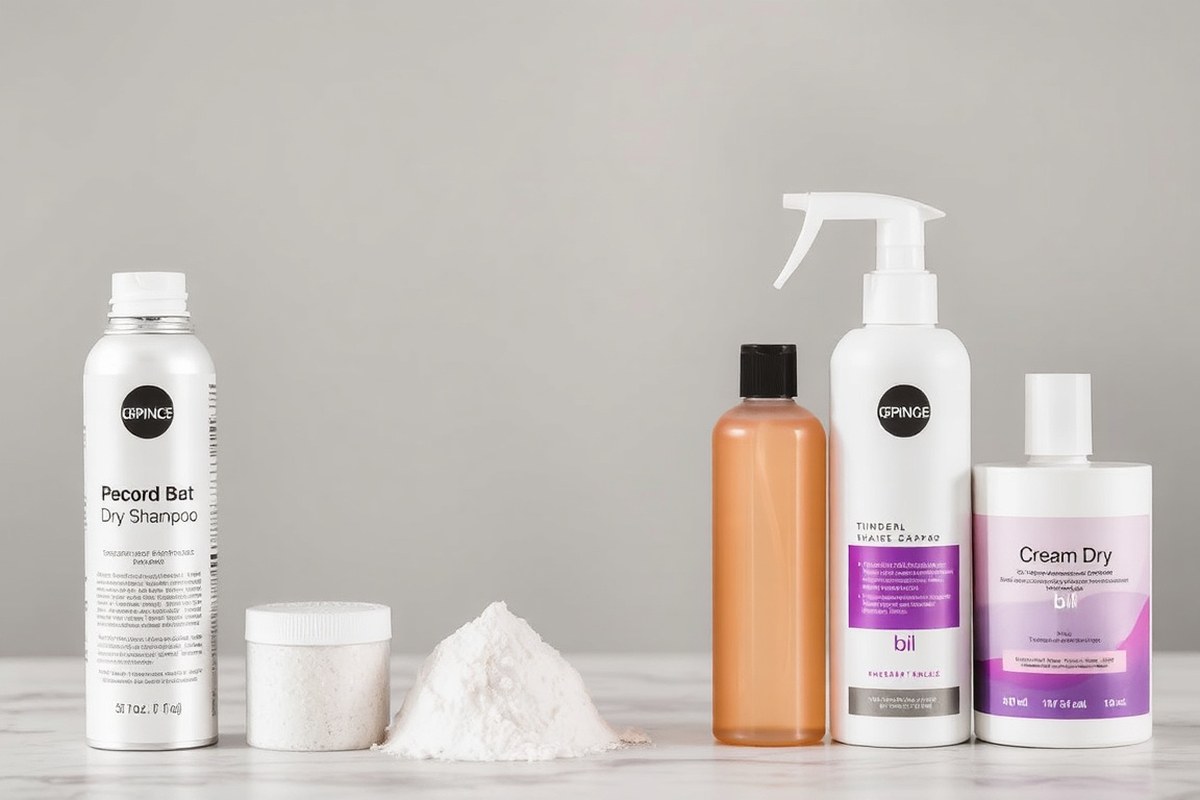
Dry shampoo comes in several forms: sprays, powders, creams, and tinted options. Each type works differently and suits certain hair textures and colors better. Knowing these differences helps you pick the best fit for your needs.
Spray dry shampoos are the most common and easy to use. They quickly absorb oil and give a fresh feel. Powder dry shampoos can offer stronger oil absorption but may need more effort to distribute evenly.
Cream formulas provide moisture while cleaning, which benefits dry or textured hair types. Tinted dry shampoos hide residue and work well for darker or colored hair, avoiding white flakes.
| Type | Pros | Cons | Best for Hair Type | Price Range |
|---|---|---|---|---|
| Spray | Quick application, fresh scent, lightweight | May leave residue if overused | Oily, fine to normal hair | $8 – $15 |
| Powder | Strong oil absorption, natural ingredients | Can be hard to blend, potential buildup | Normal to oily hair | $10 – $20 |
| Cream | Moisturizes, gentle cleansing | Slower drying time, higher cost | Dry, curly, textured hair | $12 – $25 |
| Tinted Spray or Powder | Conceals white residue, color protection | Less universal, pricier | Dark or colored hair | $12 – $18 |
Use spray dry shampoo for quick refreshes on oily roots. Powders suit days when you need stronger oil control and volume. Cream types are better for dry, curly hair that needs moisture.
Tinted options work best if your hair is dark. They leave no visible residue. They also don’t stain bedding or hands.
Avoid using dry shampoo daily if your scalp is dry or sensitive. It can cause buildup and dehydration.
Applying dry shampoo properly also matters. Hold sprays about 6 inches from your roots and spray evenly. For powders, sprinkle a small amount, then brush gently to spread it out.
Cream shampoos should be massaged in lightly, focusing on oily spots. Always choose a tinted shampoo that matches your hair color closely to avoid a chalky look.
How to Choose the Right Dry Shampoo for Your Hair Type
Picking the right dry shampoo means matching it to your hair texture, scalp, and lifestyle. The right formula controls oil and protects your hair color.
It keeps curls defined without drying out your scalp. You should check ingredients and hair needs before buying.
Identifying Your Hair and Scalp Needs
Oily hair benefits from dry shampoos with strong oil-absorbing powders. These help reduce greasy roots and refresh hair between washes. Your hair might feel dry or brittle.
Choose a formula that adds moisture. Avoid ones that strip oils.
Scalp sensitivity matters. Alcohol-free and fragrance-free options can prevent itching and irritation.
Also, consider your hair texture. Fine hair looks best with light sprays that add volume without weighing it down.
Key Ingredients to Prefer and Avoid
Look for ingredients that fit your hair type and scalp health. Absorbent powders like rice starch or silica help oily hair. Moisturizers such as aloe vera, glycerin, and natural oils support dry and curly hair.
Avoid alcohol-heavy and heavily fragranced dry shampoos if you have a sensitive scalp. Sulfate-free formulas protect color-treated hair better and prevent dryness. Here are ingredients to check on your bottle:
- Prefer: rice starch, silica, aloe vera, glycerin, coconut oil, jojoba oil
- Avoid: denatured alcohol, parabens, sulfates, strong synthetic fragrances
- Look for sulfate- and paraben-free labels for color protection
- Natural oils help reduce frizz and boost curl definition
- Light powders work better for fine and thin hair types
Ingredient lists guide you to formulas that clean without harsh effects.
Special Considerations for Colored and Curly Hair
Colored hair needs dry shampoos made to protect vibrancy and shield from UV damage. Formulas with UV filters and no sulfates help retain shine and color longer. Brands like Pureology offer these targeted options.
Curly and coily hair thrives with dry shampoos that hydrate and calm frizz. Look for products with shea butter, honey, aloe, and amino acids. These ingredients keep curls soft and defined without buildup.
Budget and Brand Options to Consider
Dry shampoo prices start around $5 for drugstore brands. Luxury lines can cost $50 or more. Choose brands based on your hair needs and how often you’ll use the product.
Drugstore brands often work fine for occasional use on oily roots. Higher-end brands may offer more nourishing ingredients for curly or color-treated hair. Here are some notable picks:
- Kristin Ess Wicked Style for oily hair, affordable and strong absorbency
- Redken All Soft Mega Curls, about $58, for coarse curly hair hydration
- Moroccanoil Dry Shampoo with moisturizing oils for curls and texture
- Pureology sulfate-free options for color-treated hair protection
- Vegan, non-aerosol dry shampoos for sensitive scalps
Try smaller sizes first to see how your hair and scalp respond before buying big bottles.
Step-by-Step Guide to Using Dry Shampoo Correctly
Applying dry shampoo the right way keeps your hair fresh without leftover powder. Use the correct distance and amount, wait a bit, then brush it out well. This creates volume and controls oil without flakes or buildup.
Prepare Your Hair: Sectioning and Starting Clean
Start with dry hair to get the best results, whether it’s dirty or freshly washed. Section your hair into parts so you can cover the roots evenly.
Focus on the root area because that’s where oil builds up the most. Dividing hair into sections helps you spray the product where it’s needed.
Applying Dry Shampoo: Distance and Amount
Hold the dry shampoo spray 6 to 10 inches away from your scalp. This distance helps avoid heavy buildup and spreads the product evenly.
Use a light spray on each section instead of soaking the area in one spot. Too much product can cause white flakes or a sticky feeling.
Waiting for Absorption: Timelines and Indicators
Allow the dry shampoo to sit for 1 to 2 minutes before touching your hair. This waiting time lets the powder absorb excess oil properly.
Don’t rush to brush your hair immediately after applying. When your scalp feels less oily, it’s ready to be worked through.
Massaging and Brushing to Distribute Product
Use your fingertips to massage the dry shampoo into the scalp gently. This breaks up any powder clumps and spreads the product evenly.
After massaging, comb or brush through your hair to remove any visible residue. Brushing also lifts roots to add volume and texture.
Fixing Common Application Issues Like Flakes
White residue usually comes from spraying too closely or using too much product. Avoid this by keeping a proper distance and applying lightly.
If flakes appear, gently massage and brush your hair more to evenly distribute the powder. For stubborn flakes, try a clean, soft brush or a damp finger to blend.
- Start with dry hair and divide it into sections.
- Hold the spray 6 to 10 inches from your scalp.
- Lightly spray roots in each section.
- Wait 1 to 2 minutes to let the powder absorb oil.
- Massage dry shampoo into your scalp with fingertips.
- Brush through hair to spread the product and remove residue.
- Fix any flakes by massaging and brushing again.
How Often Can You Use Dry Shampoo Without Damaging Hair?
Dry shampoo is not safe to use every day on your scalp. Using it for more than two consecutive days can cause buildup of products and dirt. This buildup might look like dandruff and may worsen scalp conditions.
You should still wash your hair as often as needed, even when using dry shampoo. At minimum, wash your hair every other day to remove residue and refresh your scalp. If you work out daily or sweat a lot, rinse your hair with water to clean your scalp without shampooing every day.
Overusing dry shampoo can dry out your hair, making it more prone to heat damage. It helps cut down on washing and heat styling.
But don’t rely on it to clean your hair deep down. Signs of damage include flakiness, itching, and a chalky feeling on your scalp or strands.
Some people with dark hair might see white flakes after applying dry shampoo. This shows the product sitting on hair and scalp, signaling a need to wash. Washing removes excess product, reduces dryness, and helps avoid irritation and clogging of hair follicles.
Try this: Keep dry shampoo use under two days in a row, then wash your hair. Use your regular shampoo and conditioner to maintain scalp health and hair strength. This routine helps you enjoy dry shampoo without risking damage.
Using dry shampoo more than two days in a row can cause buildup and scalp irritation. Always wash your hair regularly to keep your scalp healthy.
Common Myths and Safety Concerns About Dry Shampoo
Dry shampoo does not directly cause hair loss or cancer. Many worry it clogs follicles and leads to problems. But no scientific evidence links dry shampoo to cancer.
Excessive buildup from skipping regular washing can stress follicles. This stress might contribute to thinning if buildup stays for weeks without cleansing.
Using dry shampoo one or two times a week is safe for most people. It helps refresh hair after exercising or between washes without hurting your scalp or strands. Your scalp is itchy or oily.
Try using a gentle shampoo that removes buildup. Products with salicylic acid help dissolve residue and keep the scalp balanced. Ingredients like niacinamide and panthenol moisturize the scalp and protect hair.
Pregnancy doesn’t restrict dry shampoo use either, as long as you use it moderately. Don’t breathe it in directly. Don’t use dry shampoo every day.
It can irritate your skin and airways. Always check your product ingredients and stop use if you notice redness or discomfort. For cleansing, pick a lightweight shampoo suited for your hair type.
Start washing normally again. Use a shampoo with plant proteins. Choose one that hydrates your scalp well.
How to Manage Dry Shampoo Use for Different Hair Types
Dry shampoo can work for all hair types. But you must pick the right type and apply it carefully. Oily, dry, curly, and tinted hair each need a different method.
This helps you avoid buildup and keep hair fresh. Use the right routine for your hair type. Adjusting how you use dry shampoo helps keep hair healthy and clean without causing issues.
Using Dry Shampoo on Curly and Textured Hair
Curly and textured hair tends to be drier than straight hair. Use dry shampoo sparingly to avoid extra dryness or residue, especially near the scalp. Focus on the roots, and try a formula with added moisturizers or scalp-nourishing ingredients.
Spray or apply from at least 6 inches away to avoid clumps. Then, gently massage it into the scalp with fingertips to help absorb oils without disturbing curls. Avoid vigorous brushing since this can break curls and cause frizz.
Finding Tinted Options for Dark Hair
Tinted dry shampoos help prevent visible white or grey powder on dark hair. These products use colored powders that blend better with hair tones. They reduce the risk of leftover patches that look dusty or chalky.
Choose a shade close to your hair color and test it on a small section first. Some tinted products cost more but save time and effort removing visible residue. They’re especially helpful for black, brown, or red hair.
- Pick a tinted dry shampoo matched to your hair color
- Apply lightly and evenly to avoid buildup
- Brush through gently to blend powder with hair
- Check for residue under natural light
- Use a clear finishing spray to set the look
Adjusting Application for Fine or Thick Hair
Fine hair gets greasy faster and weighs down easily. Pick a lightweight dry shampoo that adds volume without leaving a heavy residue. Apply less product to avoid buildup that can make hair look dull.
Thick hair might need more product, especially near the scalp. Spray dry shampoo in sections of your hair. Let it sit for a few minutes.
Then massage it into your scalp. This helps absorb oil without leaving patches of powdery residue.
Dealing with Oily vs Dry Scalp Conditions
Your scalp gets oily? Use dry shampoo more often, but sparingly.
Look for formulas that balance oil without drying the scalp out. Avoid alcohol-heavy products as they can cause irritation.
For dry scalps, avoid overusing dry shampoo. Choose hydrating or soothing ingredients to protect skin. Wait two days or more between dry shampoo uses.
Wash hair well with gentle shampoo. This stops buildup and flaking.
Troubleshooting Common Dry Shampoo Problems
White residue usually happens when too much dry shampoo gets applied at once. It sits on the hair instead of soaking up oil, leaving a powdery look. This often happens with aerosol sprays or powders that aren’t blended well into the roots.
Cleaning off buildup or flakes means working a bit harder after using dry shampoo. Use a clean brush or your fingertips to loosen flakes before washing your hair. Then wash your hair as usual to remove leftover product from your scalp and strands.
If your hair feels greasy after using dry shampoo, it may be because the product has mixed with oily buildup or was sprayed too close. Hot air can also soften oils and make hair feel heavier. Use cool air instead when you dry or style your hair after applying dry shampoo.
- Spray dry shampoo about 6 to 8 inches away from your roots
- Wait 2 to 3 minutes before massaging it into your scalp
- Use your fingertips or a brush to distribute product evenly
- Blast with a cold blow dryer to remove excess powder
- Wash hair regularly to prevent buildup and scalp flakes
- Try a sheer formula if white residue stays on hair
Use cool air from your hairdryer to avoid activating oils and weigh hair down.
Dry shampoo is best used on hair that holds oil quickly. But it’s no substitute for washing.
Avoid overloading your scalp or spraying too close. Switching to a lightweight or tinted formula can help prevent visible residue on dark hair.
Step-by-Step Action Plan to Master Dry Shampoo Use
Here’s a simple plan to get the best results from dry shampoo while protecting your hair.
- Before You Start: Pick a dry shampoo made for your hair type. Choose one for oily, curly, or colored hair. This helps it work better. This helps prevent buildup and keeps your hair healthy.
- Day 1: Hold the dry shampoo can 6 to 8 inches from roots. Spray or apply it evenly on your scalp. Use just enough to cover roots. Wait 3 to 5 minutes for it to absorb oil and refresh hair.
- Day 1 (After Application): Rub the dry shampoo into your scalp with fingers or a brush. Make sure to spread it out evenly. This helps absorb oil better. You want no visible white residue and a fresh feeling.
- Week 1: Limit dry shampoo to no more than 2 to 3 applications between washes. This avoids buildup and scalp irritation.
- After 1 Week: Keep track of how your scalp feels. Decrease how often you use dry shampoo if your scalp itches or flakes. Try washing your hair sooner to avoid irritation.
- Every 2 Weeks: Wash your hair fully to clear out leftover dry shampoo. This removes built-up oil and product residue. Keep your scalp healthy this way. This keeps your scalp healthy.
- Month 1: Assess your hair’s condition. Try another dry shampoo brand or formula if yours makes hair dull. Different products work better for certain hair types. Test a few to find one you like.
- Ongoing: Adjust how often you use dry shampoo based on your scalp’s health and hair type. Follow this plan to keep your hair refreshed and safe.
Frequently Asked Questions
What Is Dry Hair Shampoo Made Of?
Dry shampoo is usually made from starch, clay, or powders. It absorbs oil and dirt without water.
Can Dry Shampoo Replace Regular Shampoo Entirely?
Dry shampoo is good for occasional use, not daily washing replacement. Water washing cleans scalp better.
Is Dry Shampoo Safe for Colored Hair?
Yes, dry shampoo is generally safe for colored hair. Choose color-safe formulas to avoid fading.
How Do Tinted Dry Shampoos Work for Dark Hair?
Tinted dry shampoos add slight color to blend with dark hair. They reduce the white residue.
Can Dry Shampoo Help with Hair Volume?
Yes, it adds texture and volume to fine or limp hair. It works by absorbing oils.
Is There a Difference Between Dry Shampoo Spray and Powder?
Spray versions are quick and easy to apply. Powders offer more control but can be messier.
Before You Go
Dry shampoo freshens your hair without water and saves time. Use it with care to avoid buildup and scalp issues. Try the action plan today to find what works best for your hair.