How to Fix Dry Hair: 9 Proven Tips for Deep Moisture and Repair
How to fix dry hair starts with understanding what causes it. Dry hair happens when your scalp and hair lose moisture and natural oils. Fixing this means adding hydration and protecting hair from further damage.
The easiest fix is to use deep conditioners and oils regularly. These keep moisture in and help repair dry strands without weighing hair down. Also, trimming split ends every 6 to 8 weeks helps hair look healthier and stops breakage.
Washing your hair less often can prevent stripping away natural oils. Hot tools and sun exposure damage hair.
So use heat protectant sprays and limit styling heat. Small changes to your care routine really make a difference over time.
Choosing gentle shampoos without sulfates boosts hydration. Using lukewarm water rather than hot reduces dryness. Sleeping on silk pillowcases cuts friction that can worsen dry, brittle hair.
Key Takeaways
- Apply warm oil to dry hair and leave it on for 30 to 60 minutes.
- Trim dry hair intervals every 6 to 12 weeks to remove split ends.
- Wash thick or curly hair every 4 to 5 days to keep moisture balance.
- Reduce blow-dryer heat below 95°C to minimize damage.
- Use leave-in or deep conditioners to lock in moisture longer.
- Keep blow-dryer at least 6 inches away from your hair.
1. What Causes Dry Hair and How to Reverse It
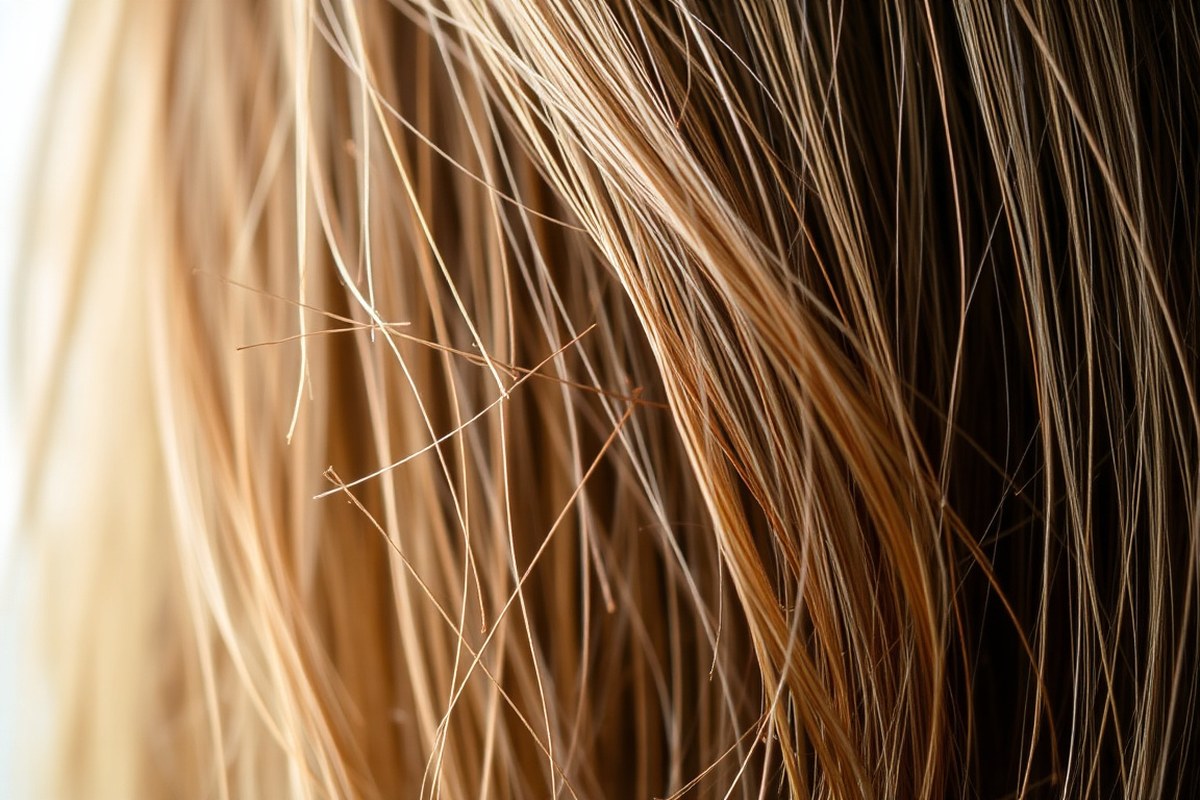
Dry hair happens when your strands lose moisture or natural oils. Heat styling, harsh shampoos, bleach, and overwashing strip oils, leading to dryness.
Water itself can make hair worse. Wet strands swell, lifting the outer layer and causing breakage when brushed.
Hair feels dry when it lacks moisture, but damage is deeper. Damaged hair has broken bonds inside the shaft, plus a rough outer layer.
Moisture alone can’t fix these breaks. So restoring softness often needs products that rebuild the hair’s structure and seal moisture in.
Dry, damaged hair won’t heal completely, but softness returns with care. Clean gently and do a deep conditioning treatment once every week. Leave masks of avocado, olive oil, honey, or coconut oil on for 15 to 30 minutes to hydrate and protect hair.
Building a steady routine matters more than quick fixes. Use shampoos made for dry hair that avoid drying ingredients like sodium lauryl sulfate and alcohols. Leaving in treatments with omega oils or AHAs can nourish and rebuild internal bonds over time.
How often you treat depends on your hair’s state. For very dry hair, deep masks once a week work well.
Less dry or sensitive scalps might need treatments once or twice monthly. Overdoing treatments might weigh hair or cause buildup, so watch how your hair reacts.
Different causes need different care. Swim often? Chlorine drains hair’s lipids, so use protective products before and after swimming.
Heat styled hair benefits from barrier rebuilders and limiting hot tool use. Bleached hair needs extra gentle handling and richer moisture to recover softness.
2. When and How Often to Wash Dry Hair

Dry hair needs washing less often than oily or normal hair. Washing two to three times a week usually works best. Use gentle, sulfate-free shampoos to avoid stripping moisture.
How Often to Wash Dry Hair
Washing dry hair too often removes natural oils. These oils keep hair soft and protected. Most dry hair types benefit from washing just twice a week.
If your scalp gets oily quickly but hair feels dry at the ends, washing every other day may be needed. Avoid daily shampooing unless using very mild products like baby shampoo. Over-washing dries hair further.
Choosing the Right Shampoo Ingredients
Sulfates in shampoos remove a lot of oil and dirt but can strip moisture. Look for sulfate-free shampoos as they clean gently. They keep hair from feeling brittle and tight.
Shampoos with added oils, humectants like glycerin, or botanical extracts boost moisture. Avoid shampoos with alcohol or strong detergents. These dry hair out more.
Clarifying Shampoos and Co-Washing
Clarifying shampoos remove buildup but use them only once a week. Using them more can worsen dryness. They are best for oily scalps or heavy product use.
Co-washing means washing with conditioner only. It’s great for very dry hair because it cleans with almost no stripping. Try co-washing between regular shampoo days.
Steps for Washing Dry Hair
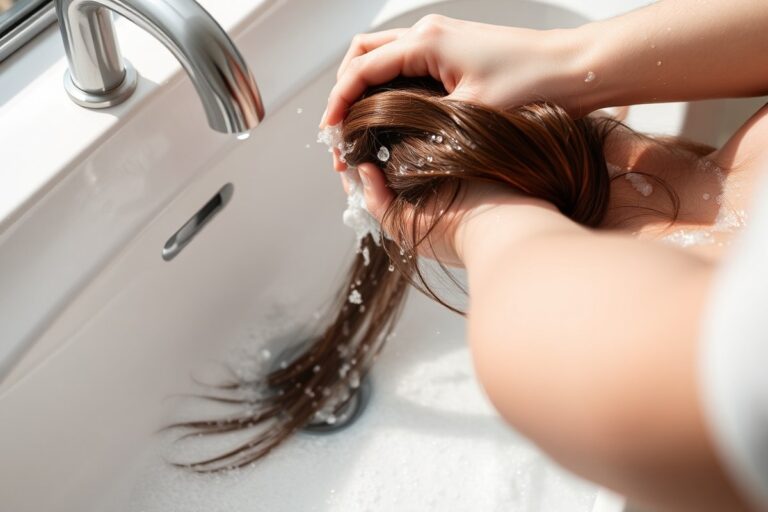
Start with a gentle oil massage for 30 to 60 minutes before shampooing. This nourishes and protects strands. Use a sulfate-free shampoo to cleanse the scalp and hair.
Follow with a moisturizing conditioner. Leave it on for 5 to 10 minutes to absorb. Finish by applying a leave-in conditioner or light hair oil to lock moisture.
Tips for Managing Dry Hair Washing
- Use lukewarm water, not hot, to avoid drying out hair.
- Rinse thoroughly to remove all shampoo and conditioner residue.
- Pat hair dry with a towel instead of rubbing harshly.
- Limit shampooing to 2, 3 times per week for most dry hair.
- Use clarifying shampoo weekly or biweekly to prevent buildup.
- Try co-washing once or twice a week to add moisture.
- Apply hair oil before washing to protect strands.
Too much washing often causes dryness, stick to your routine and stay gentle.
3. Choosing and Using Oils and Deep Conditioners Correctly
You can fix dry hair by choosing the right oils and deep conditioners. Coconut and argan oils penetrate hair best, sealing in moisture. Deep conditioner treatments should stay on 20 to 30 minutes for real repair.
Best Natural Oils for Dry Hair Repair
Coconut oil is the top pick because it penetrates hair fibers well. It moisturizes inside the strands, preventing dryness and breakage. Argan oil is also great for sealing in moisture and adding shine.
Use light oils like jojoba or grapeseed if your hair gets oily easily. These oils sit on the surface without weighing hair down. Avoid heavy oils like castor oil unless your hair is very thick or coarse.
| Oil | Best For | How It Works |
|---|---|---|
| Coconut Oil | All hair types, especially dry and brittle | Penetrates hair fibers to reduce protein loss |
| Argan Oil | Dry, frizzy, or damaged hair | Seals moisture on the hair surface and adds shine |
| Jojoba Oil | Oily or fine hair | Lightweight, mimics natural scalp oils |
Deep Conditioning Treatments: How to Apply
Applying deep conditioner or oil properly is key to getting results. Slightly warm the oil or conditioner to make absorption easier. Focus on mid-shaft to ends where dryness is worst.
Leave the treatment on for 20 to 30 minutes. For oil treatments, you can go up to an hour if your hair is very dry. Use a shower cap or towel to trap heat during the treatment.
- Warm the oil or conditioner slightly by rubbing it between your palms.
- Apply evenly from mid-lengths down to ends, avoiding roots if oily.
- Massage gently into hair to spread and help absorption.
- Cover hair with a shower cap or wrap in a warm towel.
- Leave the treatment on for 20 to 30 minutes (up to 60 for oil).
- Rinse thoroughly with lukewarm water to remove residue.
- Shampoo and condition as usual to lock in moisture.
Treatment Frequency: How Often and When
Use deep conditioners once a week to repair dryness without buildup. Overdoing oil treatments can leave hair greasy and attract dirt. A good rule is to oil your hair once or twice per week.
Apply deep conditioners right after shampooing for best penetration. On days you skip washing, add a small amount of light oil. Use the oil as a leave-in treatment.
It helps keep your hair soft and manageable. Avoid daily oiling unless your scalp is very dry.
4. Safe Heat Styling: Protect and Prevent Further Damage
Heat styling dry hair needs extra care to avoid more damage. Using heat tools can break your hair or dry it out more. You need to be careful with the temperature you use.
Always protect your hair before using any heat tool. Stick to below 230°F (110°C) to reduce burning or drying the hair fibers.
Always apply a heat protectant spray before using any heat device. These sprays coat your hair to protect it from heat damage. They can block up to 90% of damage.
This helps keep your strands safe from high temperatures. Look for products labeled for thermal protection and hydration to keep your hair soft and strong.
Choosing the right tool also matters. Ceramic or tourmaline straighteners and curling irons heat evenly and reduce hot spots.
These tools rated around 80% effective help prevent damage better than metal plates. A blow dryer should be used on the lowest heat setting to avoid stripping moisture.
- Start with fully dry hair to avoid cooking damp strands
- Use a heat protectant spray every time before styling
- Keep flat irons and curling irons under 230°F (110°C)
- Choose ceramic or tourmaline tools for smoother heat distribution
- Limit blow dryer heat to low or medium settings
- Work quickly through each section to reduce heat exposure time
- Aim to style hair 1-2 times a week to minimize damage
Running a flat iron over wet or damp hair leads to deeper damage and frizz. Applying coconut oil or a leave-in conditioner before heat can add a moisture barrier.
But only if your hair is dry first. Move your tools swiftly to avoid chilling out on one section too long.
Not all heat protectants fully stop moisture loss. Choose products formulated for dry hair to nourish and protect as you style. Overusing heat or skipping protection leads to brittle, broken strands that take weeks to recover.
You can still style your hair with heat tools. Just keep the temperature low to avoid damage. Always protect your hair before styling each time.
5. Hair Trimming Intervals to Combat Dry Ends and Breakage
Dry hair needs regular trims to stop split ends from causing breakage. Trimming every 6 to 12 weeks helps keep ends healthy and reduces brittleness and flyaways.
The dry ends are often the most damaged. So cutting them trims away the worst of the dryness.
Look for signs like frizz and flyaways to spot dry ends. Check for visible split ends when deciding to trim. These show your hair needs a cut soon.
Your hair feels brittle or breaks easily. These signs mean you need a haircut. Don’t ignore them to avoid more damage.
Waiting too long worsens dry ends and splits. Your hair looks coarse and frizzy. It also gets harder to style well.
Here is a simple way to manage trimming that fits most dry hair needs. Following these steps will keep your ends fresh and prevent damage from climbing up the strands:
- Check your hair every 4 to 6 weeks for dry or split ends under good light.
- Book a salon visit for a trim when you spot noticeable split ends or breakage.
- Trim about ¼ to ½ inch of your ends to remove damaged parts without losing length.
- Use hair scissors or go to a professional to get a neat, even cut.
- Maintain moisture with proper deep conditioning between trims to reduce dryness.
- Avoid trimming too often, as your hair needs time to grow and recover.
- Apply a gentle brush or comb daily to keep ends tangle-free and minimize breakage.
Trimming too little leaves split ends to spread damage; trimming too much slows growth.
6. Diet and Supplements That Improve Hair Moisture and Strength
Your hair needs certain nutrients to stay hydrated and strong. Protein builds new hair cells and supports hair growth. Omega-3 fatty acids reduce scalp inflammation and help keep hair soft.
Biotin strengthens hair follicles and might help with growth. You get these from foods rather than relying on supplements first. Supplements only help if you have a real nutrient deficiency diagnosed by a doctor.
| Nutrient | Food Sources | Hair Benefits |
|---|---|---|
| Protein | Eggs, Lean Meats, Legumes | Promotes Hair Growth |
| Omega-3 | Salmon, Chia Seeds, Walnuts | Reduces Scalp Inflammation |
| Biotin | Almonds, Sweet Potatoes | Strengthens Hair Follicles |
Salmon tops the list for omega-3s that keep hair shiny and soft. Add eggs, almonds, or avocado for a biotin boost. Sweet potatoes and legumes can add more support for hair strength and hydration.
Supplements with only biotin won’t fix dry hair alone. It’s better to eat these foods regularly instead. A diet rich in vitamins, minerals, and protein supports hair health overall.
Along with good eating habits, keep up daily hair care to lock in moisture. Cutting down on heat styling helps too. Trust your diet to add the inside support hair really needs.
7. Protecting Hair from Environmental Damage Like Sun and Swimming
Sun exposure dries out hair by breaking down its natural oils. UV rays cause brittleness and make color fade faster. Covering your hair with a hat limits sunlight reaching the strands.
Swimming pools filled with chlorine strip moisture and weaken hair fibers. Saltwater also dries hair, leaving it rough and tangled. Wetting and applying conditioner before swimming helps create a barrier against these damaging chemicals.
Products designed to protect hair from the sun and pool chemicals make a big difference. Look for leave-in conditioners or sprays with UV filters and ingredients that lock in moisture. Also, avoid harsh shampoos, like those with sulfates, as they worsen dryness and remove protective oils.
- Wear a wide-brimmed hat when outdoors for long periods.
- Apply a leave-in conditioner with UV protection before sun exposure.
- Wet hair fully and coat with conditioner right before swimming.
- Rinse hair with clean water immediately after swimming to remove chlorine or salt.
- Use mild, sulfate-free shampoos to gently cleanse without stripping moisture.
- Try hair products labeled as protective against UV and chlorine damage.
Following these steps can keep your hair softer and less prone to breakage. Avoid staying with wet hair longer than necessary to prevent further damage. Clay or brittle hair feels smoother with routine protection.
8. Adjusting Hair Care Based on Different Hair Types
Dry hair differs by texture because each needs different care to stay hydrated. Straight hair loses moisture mainly from frequent washing and heat styling. Curly and tightly curled hair get dry because their shape makes natural oils travel less easily.
Change how you wash, condition, and style your hair. These habits affect dryness and breakage. Adjusting them helps your hair type stay healthier.
Type 1-2: Straight and Wavy Hair Care
Straight and wavy hair tends to show oil quickly but can dry out at the ends. Avoid washing your hair more than every two to three days to keep natural oils intact. Use light conditioners and avoid heavy products that weigh hair down.
Heat styling causes dryness by removing moisture. Use a heat protectant spray before styling at temperatures below 350°F. Apply a weekly nourishing hair mask, focusing on mid-lengths and ends, to restore moisture without buildup.
Type 3: Curly Hair Moisturizing Strategies
Curly hair tends to be drier than straight hair. Its twisted shape blocks oils from moving down. This limits natural moisture in each strand.
Wash less often, around once a week, with sulfate-free shampoos to avoid over-drying. Use rich conditioners and leave-in moisturizers to lock in hydration.
To reduce breakage, detangle hair gently with fingers or a wide-tooth comb while wet. Regular deep conditioning treatments are key, preferably once a week, to strengthen curls and prevent dryness. Avoid heat styling or use the lowest heat possible.
Type 4: Tightly Curled Hair Hydration Tips
Tightly curled hair is the driest type, needing more frequent moisture and minimal washing. Co-washing (washing with conditioner only) every few days helps keep hair hydrated without stripping oils. Seal moisture with heavy creams or oils like shea butter.
Detangle carefully when hair is wet and coated with conditioner to avoid breakage. Protective styles, like braids or twists, also shield hair from environmental dryness. Limit heat styling, and if used, keep temperature under 300°F.
Use the table below to compare hair needs and care routines by type. Adjust these steps based on your hair length and styling habits.
| Hair Type | Washing Frequency | Recommended Products | Heat Styling Tips |
|---|---|---|---|
| Type 1 (Straight) | Every 2-3 days | Light conditioner, gentle shampoo | Use heat protectants; <350°F |
| Type 2 (Wavy) | Every 2-3 days | Moisturizing conditioner, light oils | Low heat with protectant |
| Type 3 (Curly) | Once a week | Sulfate-free shampoo, rich conditioners | Minimal heat; gentle tools |
| Type 4 (Tightly Curled) | Co-wash every few days | Heavy cream, oils (shea butter) | Avoid heat or <300°F |
Tailoring your hair care this way helps moisturize better and reduces breakage. Keep track of how your hair reacts, and adjust product amounts and frequencies. Some trial and error is normal to find what your hair likes best.
Too much washing strips natural oils and increases dryness, especially for curly hair.
9. Common Mistakes That Worsen Dry Hair and How to Fix Them
A common mistake with dry hair is pulling or tugging when brushing or styling. This causes breakage and makes your hair look worse. Use a wide-tooth comb and gently detangle when your hair is damp.
Frequent heat styling or using very hot tools dries hair further. Avoid using flat irons or curling irons more than twice a week. Always towel-dry or air-dry hair partially before heat styling to keep strands from breaking.
Overwashing can strip natural oils, making hair drier. Aim to wash dry hair no more than two to three times a week. Use cool or lukewarm water instead of hot water to prevent losing moisture.
- Stop using heat tools on soaking wet hair
- Wrap hair in a microfiber towel for 5 minutes to reduce friction
- Cut back on shampoo frequency to 2-3 times weekly
- Use a gentle detangling comb to avoid tugging
- Avoid chemical treatments like bleaching and perming
Some people mistake damaged hair for just dry hair. Dry hair feels brittle without shine but may still be strong. Damaged hair breaks easily and has split ends.
Spotting hair shedding or thinning? Get checked for conditions like hypothyroidism.
Product misuse also worsens dryness. Using too much product can weigh your hair down. This makes it greasy.
Then, you might wash it more often than needed. Follow product labels and start with a small amount, adding more only if needed.
Good results show softer, shinier hair with less breakage. Avoiding mistakes takes patience, and you may see changes in a few weeks.
Your hair still feels unhealthy after better care? Talk to a dermatologist or hair specialist.
Step-by-Step Action Plan to Fix Dry Hair
Follow these simple steps to start restoring your hair’s moisture today.
- Day 1: Switch to a gentle, hydrating shampoo. Notice less tightness and dryness after washing.
- Week 1: Use a deep conditioner or hair mask twice this week. Your hair should feel softer and less brittle.
- Week 2: Apply a small amount of natural oil on damp ends daily. Watch for reduced frizz and better shine.
- Week 3: Trim dry or split ends to stop breakage. Hair will look healthier and less rough.
- Week 4: Limit heat styling to once a week at most. Use heat protectant sprays before styling to protect strands.
- Ongoing: Protect hair from sun and chlorinated water with hats or swim caps. Your hair will avoid extra damage and dryness.
- Monthly: Review your diet and add omega-3 rich foods or supplements if needed. You’ll notice stronger, hydrated hair over time.
Frequently Asked Questions
What Is a Simple Daily Habit to Help Fix Dry Hair?
Gently brushing your hair 2-3 times daily helps spread natural oils evenly. This simple step boosts moisture and reduces dryness over time.
Can Dry Hair Recover from Heat Damage Without Cutting?
Heat damage needs time, moisture, and protection but not always cutting. Using deep conditioners and avoiding heat helps restore softness gradually.
How Does Water Quality Affect Dry Hair?
Hard or chlorinated water strips natural oils and dries hair faster. Using a shower filter or rinsing with clean water can reduce damage.
Is It Bad to Wash Dry Hair Every Day?
Washing daily can strip oils and worsen dryness. Spacing washes 2-3 days apart helps keep moisture and balance scalp oils.
Can Scalp Health Impact Dry Hair?
Yes, a dry scalp leads to flaky, brittle hair strands. Treating scalp with gentle massages and moisturizing oils improves hair condition.
How Does Stress Affect Dry Hair?
Stress can cause poor circulation and hair nutrient loss. Managing stress supports healthy hair growth and reduces dryness.
The Bottom Line
Dry hair can get better with the right care and patience. Start by changing one habit and watch your hair respond. Keep going, and your hair will thank you for it.