

How to Cure Dry Scalp: 8 Effective Remedies for Fast, Lasting Relief
How to cure dry scalp starts with simple natural remedies you can try today. Using oils like coconut or jojoba helps lock in moisture and soothe itching. Gently massaging your scalp improves blood flow and reduces flakes fast.
Another quick fix is applying aloe vera gel or a mild honey mix to calm irritation. These natural ingredients work as gentle moisturizers that heal and protect your scalp. Leave treatments on for 15 to 30 minutes before rinsing to get the best results.
Watch out for harsh shampoos that strip your scalp of oils. They make dryness worse.
Also, avoid hot water while washing your hair since it can cause more irritation. Caring for your scalp regularly with these steps usually clears dryness within a few weeks.
Key Takeaways
- Massage your scalp with fingers for 2-3 minutes daily to boost circulation.
- Apply coconut or jojoba oil and massage for 5-7 minutes before washing.
- Use natural moisturizers like aloe vera or honey for 15-30 minutes once a week.
- Rinse hair with lukewarm water to prevent further scalp irritation.
- Switch to gentle, sulfate-free shampoos designed for dry scalp care.
- Avoid washing hair too often; limit to 2-3 times weekly if possible.
1. How to Cure Dry Scalp Quickly with Natural Remedies

Natural remedies can ease dry scalp quickly without harsh chemicals. Using oils, gentle washing, and moisturizing masks helps restore moisture and reduce flakes. You’ll want to try a method that fits your skin sensitivity and time availability.
Here’s a clear step-by-step approach to treat dry scalp at home. Take care to test any oil on a small skin patch first to avoid irritation. For best results, leave oils or masks on your scalp.
Keep them for 15 to 30 minutes before washing off. This lets the treatment work properly.
- Warm a tablespoon of jojoba or coconut oil. These oils hydrate without clogging pores. Warm oil penetrates better and feels soothing.
- Apply the oil evenly on your dry scalp. Use your fingertips to massage gently for 3 to 5 minutes. This increases blood flow and helps the scalp absorb oil.
- Leave the oil on your scalp for 30 minutes. Cover your head with a warm towel or shower cap to boost moisture. Short on time? Leaving it for 15 minutes still helps.
- Rinse your hair with lukewarm water. Use a mild, moisturizing shampoo to avoid further dryness. Harsh shampoos strip natural oils.
- Mix a tablespoon of honey with yogurt or aloe vera gel. Apply this mask to your scalp for an extra moisture boost. Honey is a natural humectant, which pulls water into skin cells.
- Leave the mask on for about 20 minutes. Rinse off with lukewarm water and follow with a gentle conditioner. Avoid hot water as it dries the scalp further.
- Repeat these treatments 1 to 2 times per week. Regular moisturizing keeps dryness at bay. Overusing oils can make hair oily or cause buildup.
You can use tea tree oil instead of jojoba. Mix tea tree with a carrier oil first. This helps if you have itching or mild flakes.
Tea tree oil has natural antifungal properties but can irritate if used undiluted. Always follow with a cleanser to prevent residue buildup.
Check your scalp’s reaction after a week. Improvement looks like less itching, fewer flakes, and a softer scalp feel. Dryness lasting more than 2 to 4 weeks needs medical advice.
Worsening symptoms also require a check-up. Avoid aggressive scratching or thick greasy treatments that might clog pores and cause issues.
2. What Causes Dry Scalp and How to Identify Them
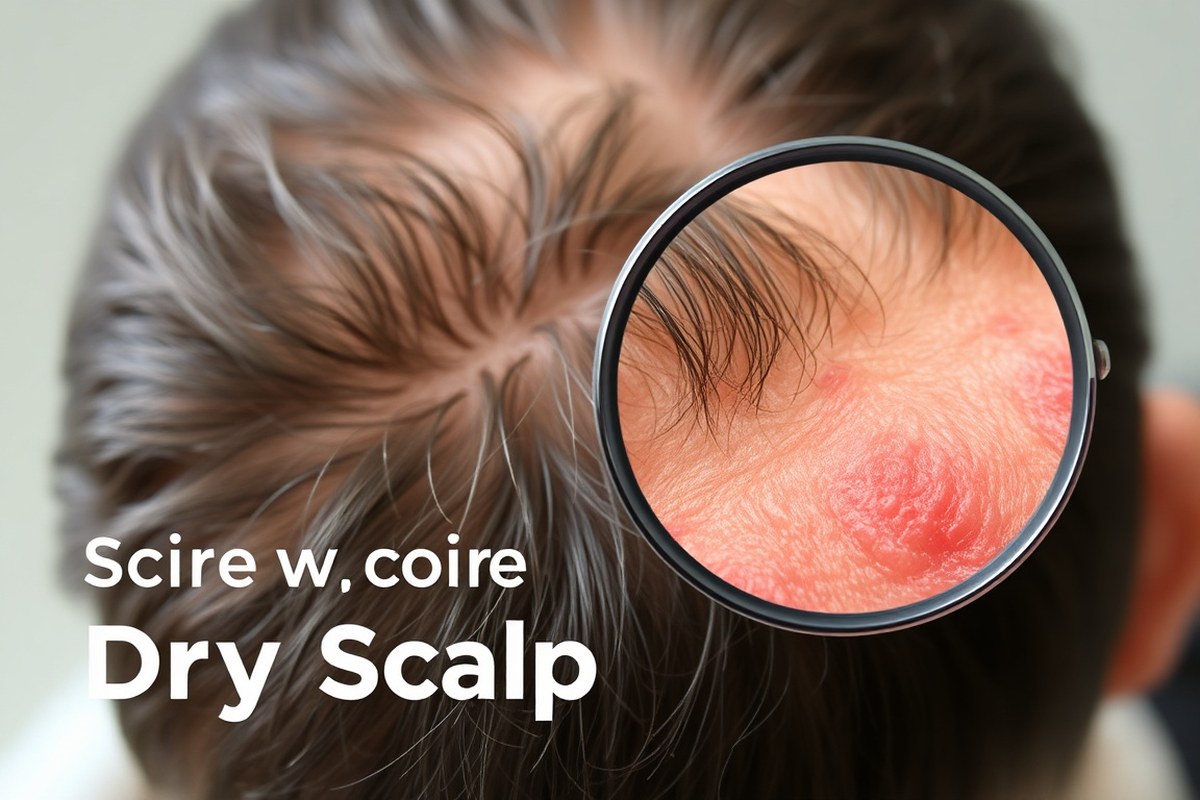
Dry scalp happens when your scalp loses moisture. This can come from weather, products you use, or skin problems. Knowing what causes your dryness helps you fix it the right way.
Common Causes of Dry Scalp
Cold weather or dry air often draws moisture from your skin and scalp. Using harsh shampoos or washing your hair too much strips natural oils. Skin conditions like eczema or psoriasis can also dry out your scalp.
Allergic reactions to hair products with sulfates or fragrances may cause dryness and flaking. Dehydration or poor diet can make your scalp less hydrated too. Heat from styling tools or central heating can worsen dryness.
How to Tell If Weather or Products Are to Blame
Check the timing of dryness. If your scalp gets flaky mostly in winter, dry weather might be the reason. Sticky, oily flakes often mean product buildup or a reaction to shampoos.
Try switching to gentle, sulfate-free shampoos without heavy fragrances. Cut back on how often you wash your hair to two or three times a week. See if your scalp feels less itchy or flaky after these changes.
Recognizing Underlying Skin Conditions
Eczema or psoriasis cause dry scalp with redness, thick patches, or scaling beyond simple flaking. You may notice flakes on your eyebrows, ears, or face too. These conditions often itch badly and don’t improve with regular shampoo changes.
Differences Between Dry Scalp, Dandruff, and Psoriasis
Dry scalp flakes are small, dry, and white and come from a lack of moisture. Dandruff flakes are larger, oily, and yellowish, caused by yeast overgrowth. Psoriasis usually shows thick, silver scales and red, inflamed areas on your scalp.
Knowing these differences helps you pick the right treatment. Dandruff needs antifungal shampoos, while dry scalp benefits more from moisturising products. Psoriasis may require special medicated treatments from a doctor.
Checklist to Identify Your Scalp Issue
Notice when dryness started and if it fades with weather changes. Look for redness or thick patches that don’t go away. Observe if flakes are oily or appear on other body parts like eyebrows.
Test a mild shampoo without sulfates and fragrance to see if that helps. Keep hair washing to a moderate frequency to avoid stripping natural oils. Keep track of any new hair products or stress that might affect your scalp.
Try a simple switch: use gentle shampoos, reduce washing, and avoid harsh ingredients first.
3. Best Oils and Natural Treatments for Different Scalp Types
Oils and natural treatments soothe dry scalp by adding moisture and calming irritation. Coconut and olive oils work well for most types.
Essential oils need careful use. Choosing the right oil depends on whether your scalp is sensitive or oily.
Oils for Moisturizing and Soothing
Coconut oil is a top choice because it moisturizes deeply and soothes dry, itchy skin. It also fights minor skin infections that can make your scalp feel worse. Olive oil is ultra-moisturizing and reduces inflammation, helping when your scalp feels tight or irritated.
Jojoba oil closely mimics your scalp’s natural oils. It helps balance moisture without leaving a greasy feel, ideal for oily or combination scalps. Warm 1 to 2 teaspoons of oil before use.
Apply it to your scalp. Leave it on for 15 to 30 minutes.
Essential Oils for Scalp Health and Cautions
Tea tree oil is popular for scalp problems because it fights fungi and reduces itching. Dilute 2 to 3 drops in a tablespoon of carrier oil. Use coconut or olive oil.
Apply the mixture to your scalp. Pure essential oils can irritate sensitive skin if used directly or in high amounts.
Aloe vera gel helps hydrate and calm irritated scalps without causing greasiness. It’s a soothing natural option, especially good in hot weather or after sun exposure. Avoid essential oils if your scalp reacts with redness or burning within 24 hours.
Application Tips for Different Scalp Sensitivities
For dry scalps, apply your chosen oil 1 to 3 times a week. Massage gently to stimulate blood flow and help the oil absorb. Keep the oil on your scalp for 20 to 30 minutes.
Then shampoo with a moisturizing cleanser. This helps avoid residue buildup.
Choose oils like jojoba or aloe vera gel for sensitive scalps. These help prevent irritation. Patch test before use and avoid harsh essential oils.
Use lighter oils sparingly on oily scalps. Wash hair every 2 to 3 days. This prevents extra oil buildup.
Here’s a comparison of scalp conditions and suitable treatments to help you decide:
| Feature | Dry Scalp | Dandruff |
|---|---|---|
| Cause | Lack of moisture | Excess oil production |
| Flakes | Small, white, dry flakes | Larger, yellowish, oily flakes |
| Scalp Condition | Dry, tight | Oily, red |
| Treatment | Hydration, moisture care | Anti-fungal, oil control |
Knowing this table helps you avoid using anti-dandruff products when you need moisturizing care. Choose natural oils that hydrate and calm rather than strip oils from your scalp.
4. How to Adjust Hair Washing and Scalp Care Routine
Washing your hair less often helps prevent dry scalp. Try washing every two to three days instead of daily to keep natural oils. These oils protect and hydrate your scalp, reducing dryness and irritation.
Use shampoos that are gentle and moisturizing. Avoid products with sulfates, parabens, or strong fragrances since they strip moisture and irritate your scalp. Look for sulfate-free shampoos with hydrating ingredients designed for dry or sensitive scalps.
The water temperature during washing also matters. Use lukewarm water, not hot or cold, to protect your scalp’s moisture barrier.
Hot water can cause more dryness and itchiness. Cold water may not clean enough.
- Wash hair every two to three days to preserve natural oils
- Choose sulfate-free, moisturizing shampoo for dry scalp
- Avoid shampoos with parabens and strong fragrances
- Use lukewarm water between 90°F and 105°F for washing
- Adjust washing frequency seasonally; wash less in dry winter months
- Condition hair and scalp regularly to add moisture
- Gently massage shampoo to avoid scalp irritation
Your washing routine may need tweaking during cold seasons when humidity is low. Dry air can sap moisture.
So cut back on washing frequency and focus on hydration. Applying a light conditioner to your scalp after shampooing helps lock in moisture and soothes itchiness.
Tracking how your scalp feels after each wash helps. Irritation or dryness that worsens with daily washing means you should wash less often.
Persistent dryness can mean you need a doctor’s advice. Medicated shampoos might help specific scalp problems.
5. Nutritional and Lifestyle Changes to Improve Scalp Health
Eating foods rich in omega-3 fatty acids helps reduce scalp dryness. Vitamins A, B, and C also support scalp health. Zinc is another key nutrient to include in your diet.
These nutrients support skin hydration and fight free radicals that damage scalp skin. You can find these nutrients in salmon, spinach, eggs, and citrus fruits. Supplements are an option if your diet lacks these foods.
Drinking enough water daily keeps your scalp hydrated. Drink at least 64 ounces of water daily for good scalp hydration. Increase intake if you live in dry areas or exercise often.
Dehydration can make your scalp flaky and itchy. So carry a water bottle and sip regularly throughout the day.
Stress and sun exposure also play a role in dry scalp. Too much sun can dry your scalp skin and worsen flakes. Wear a hat outdoors to protect your scalp.
Reduce stress with regular exercise or relaxation. Both help keep your scalp balanced and less irritated.
Protect your scalp from sun damage by wearing a wide-brimmed hat. Use it when you are outdoors for more than 15 minutes.
Adding healthy fats like avocado to your meals nourishes your scalp deeply. Avocado contains vitamins E and potassium, which help keep scalp skin soft.
Eat half an avocado daily to add moisture to your scalp. You can also apply avocado oil treatments a few times weekly.
Take multi-vitamins with zinc, omega-3, and vitamins A and E. This helps if you often miss balanced meals. Supplements are available at drugstores for around $10 to $30 per month.
Always check supplement labels to fit your needs. Talk with your doctor if you have health concerns.
Environmental factors need attention too. Use a humidifier in dry or cold seasons to add moisture to the air.
This simple step costs about $30 to $60 and can significantly help reduce scalp dryness. Conversely, avoid overusing heaters or air conditioners that dry out skin further.
6. Safe Use of Exfoliating and Medicated Scalp Treatments
Exfoliating and medicated scalp treatments can help clear dry scalp effectively when used the right way. Salicylic acid shampoos need careful timing and proper use. Natural options include baking soda or apple cider vinegar.
You must apply them correctly. Using them too often or incorrectly may cause irritation instead of relief.
Using Salicylic Acid Shampoos Properly
Salicylic acid shampoos help remove dead skin and reduce flaking on the scalp. They clear blocked hair follicles, which can improve scalp health and soothe itching.
Use these shampoos two to three times a week to avoid over-drying your scalp. Follow the product instructions and watch for any signs of irritation.
- Wet your hair with warm water, not hot, to protect your scalp.
- Apply a small amount of salicylic acid shampoo to your scalp.
- Massage gently with your fingertips for 2 to 3 minutes to break up flakes.
- Let the shampoo sit on your scalp for 5 minutes before rinsing.
- Rinse thoroughly with lukewarm water to remove all shampoo residue.
- Condition your hair if needed, avoiding the scalp area to prevent buildup.
- Use the shampoo two or three times per week, never daily.
How to Apply Baking Soda and Apple Cider Vinegar Treatments
Baking soda and apple cider vinegar (ACV) have natural antifungal and antibacterial properties. They can soothe itchiness and gently exfoliate your scalp to remove flakes.
Dilute both remedies before use to avoid irritation. Baking soda works best up to twice a week only.
Use apple cider vinegar as a rinse once or twice weekly. Don’t overuse either one.
- Mix 1 tablespoon baking soda with enough water to make a smooth paste.
- Apply the paste gently to your damp scalp, avoiding rubbing too hard.
- Leave it on for 5 minutes, then rinse thoroughly with lukewarm water.
- For ACV, combine equal parts apple cider vinegar and water in a spray bottle.
- Spray the diluted ACV directly onto your scalp after shampooing.
- Let it sit for 2 to 3 minutes before rinsing it out completely.
- Use baking soda or ACV treatments up to twice a week, alternating if you want.
Avoiding Overuse and Irritation Risks
Too much exfoliation can dry out your scalp, causing more flaking and redness. Avoid daily use of strong treatments like salicylic acid or baking soda pastes.
Stop using any product that causes burning, excessive itching, or swelling. Overuse can lead to scalp damage and worsen dryness.
Do not mix strong chemical treatments with other harsh shampoos or hair dyes. Give your scalp time to heal between treatments, usually a day or two.
7. When to See a Doctor for Persistent or Severe Dry Scalp
Your dry scalp isn’t better after 2 to 4 weeks of treatment. See a doctor if that happens. Persistent symptoms like thick scales, redness, or painful lesions need a professional check.
These signs might mean your scalp has more than dryness. You might need prescription treatment.
Psoriasis, eczema, and seborrheic dermatitis can cause dry scalp. Over-the-counter products won’t fully fix them. Psoriasis leads to thick, flaky patches because skin cells pile up without shedding.
Eczema makes the scalp itchy and inflamed. Seborrheic dermatitis often causes greasy flakes and redness.
You see these symptoms, so visit a dermatologist. They can diagnose and create a treatment plan.
A dermatologist may prescribe medicated shampoos with ingredients like coal tar, salicylic acid, or ketoconazole. For severe cases, topical steroids or other prescription creams may be recommended. Treatments cost from $20 to over $100.
Insurance and product type affect the price. Seeing a doctor ensures the treatment targets the underlying cause, offering relief where home remedies fail.
8. Common Mistakes That Worsen Dry Scalp and How to Fix Them
Overwashing your hair can worsen dry scalp by stripping natural oils. Most experts recommend washing hair two to three times a week with lukewarm water. Avoid hot water which can dry the scalp further and trigger itchiness.
Harsh hair products often contain sulfates and alcohol, which irritate the scalp. Look for gentle, sulfate-free shampoos designed for sensitive scalp. Apply heavy conditioners only to your hair ends.
Avoid the scalp. This helps stop buildup and clogged follicles.
Skipping scalp moisturizers is a mistake many make. Applying lightweight oils or serums can replace lost sebum and calm dryness. Choose products without parabens or fragrances, as those often cause more irritation.
- Wash hair 2-3 times per week with lukewarm water
- Use a sulfate-free, gentle shampoo for sensitive scalps
- Avoid rubbing or scratching the scalp to prevent inflammation
- Apply moisturizing scalp oils or serums after washing
- Limit heat styling tools, which dry the scalp
- Pat hair dry gently with a soft towel instead of rubbing
Don’t ignore scalp itchiness; scratching only worsens irritation and can cause infection.
Trying to fix dry scalp by over-shampooing or using strong products often backfires. Be patient and consistent with gentle care. The scalp needs time to restore its natural barrier and decrease inflammation.
Also, avoid overwashing even if the scalp feels oily. Sometimes oiliness happens because the scalp produces more sebum to compensate for dryness. Balancing washing frequency can reduce this cycle and improve scalp health.
Step-by-Step Action Plan to Cure Dry Scalp
Follow these steps to start healing your dry scalp right now. Track the changes to know what works best for you.
- Day 1: Use a gentle, sulfate-free shampoo to cleanse your scalp without stripping oils. Notice if your scalp feels less tight after washing.
- Day 2-3: Apply coconut or jojoba oil to your scalp for 30 minutes before showering. Check if your scalp feels softer and less flaky afterward.
- Week 1: Cut back hair washes to 2-3 times per week using lukewarm water only. See if your scalp’s dryness reduces with less washing.
- Week 2: Add a weekly gentle exfoliating treatment using a scalp brush or scrub. Watch for reduced flakiness without soreness.
- Week 3: Start improving your diet by eating foods high in omega-3s and drinking more water. Look for better scalp hydration and less itching.
- Week 4: Test over-the-counter medicated shampoos if dryness lasts, but stop if irritation occurs. Check if symptoms calm within two weeks.
- After 4 weeks: Reassess your scalp condition. If dry scalp persists or worsens, schedule a doctor visit for professional advice.
Frequently Asked Questions
Can Dry Scalp Cause Hair Loss?
Yes, severe dry scalp may lead to hair loss if untreated. Keeping your scalp moisturized can help prevent this issue.
Is Dry Scalp Linked to Stress?
Stress can trigger or worsen dry scalp symptoms by affecting skin health. Managing stress often improves scalp condition.
Does Cold Weather Affect Dry Scalp?
Cold, dry weather commonly worsens scalp dryness by reducing moisture. Use heavier conditioners in winter to protect your scalp.
Can Shampooing Daily Cause Dry Scalp?
Yes, washing hair every day can strip natural oils and dry your scalp. Try reducing shampoo frequency to two or three times a week.
Is Dry Scalp Contagious?
No, dry scalp itself isn’t contagious and can’t spread to others. However, yeast-related dandruff can sometimes be contagious.
Are Natural Shampoos Better for Dry Scalp?
Natural shampoos may reduce irritants that worsen dry scalp. Always check ingredients to avoid irritants and allergens.
Key Points to Remember
Your dry scalp can heal with a clear, consistent routine. Start by choosing a mild shampoo and moisturizing your scalp regularly. Take one step today to help your scalp feel comfortable and healthy again.


