What Shampoo Is Best for Thin Hair: 12 Things You Need to Know
What shampoo is best for thin hair depends on your scalp and strand health. Look for shampoos with thickening and hydrating ingredients that don’t weigh your hair down. Shampoos that remove buildup can also help thin hair feel fuller by clearing hair follicles.
Shampoos designed for thinning hair often include elements that improve scalp health and strengthen strands. These help create a better environment for hair growth and reduce breakage. Choosing a shampoo that suits your hair type is important.
Dry or color-treated thin hair needs different formulas. Pick one made for your specific hair needs.
Start by picking a shampoo that targets your specific concerns like dryness or oiliness. Avoid products with harsh sulfates that can strip hair and make it look thinner. Light, residue-free shampoos provide volume without leaving a flat, heavy feel.
Key Takeaways
- Choose shampoos with thickening agents like biotin or caffeine for fuller hair.
- Look for clarifying ingredients to remove buildup that weighs thin hair down.
- Pick formulas suited for your scalp type, dry, oily, or sensitive.
- Avoid heavy conditioners and sulfates that can worsen hair thinning.
- Use shampoos with natural extracts for gentle cleansing and scalp support.
- Regular washing helps keep follicles clear but don’t over-wash thin hair.
1. Which Shampoo Ingredients Work Best for Thin Hair?

Look for shampoos with ingredients that thicken and strengthen hair strands. Biotin supports hair growth by improving the structure of keratin. Caffeine stimulates blood flow to the scalp, encouraging healthy follicles.
Peptides help repair and fortify fragile hair while promoting scalp health. Natural botanicals like rosemary oil and saw palmetto improve scalp circulation and reduce buildup. These help create a clean, balanced environment where hair can grow stronger.
- Biotin: strengthens strands and supports growth
- Caffeine: increases scalp circulation to boost follicle health
- Peptides: rebuild and protect damaged hair fibers
- Saw palmetto and pumpkin seed oil: block DHT that thins hair
- Rosemary leaf oil: stimulates scalp and reduces inflammation
- Gentle surfactants like cocamidopropyl betaine: cleanse without stripping
- Sulfate-free formulas: avoid harsh cleansing that dries scalp
Sulfate-free shampoos suit thin hair well. They remove buildup without harsh stripping, which keeps the scalp balanced. A healthy scalp environment is key for preventing further thinning and brittleness.
Shampoos with natural or organic ingredients are good for sensitive scalps. They have fewer harsh chemicals. These can help if your skin reacts easily.
However, not all natural shampoos improve hair thickness. Look for ones that combine natural extracts with proven hair growth ingredients like biotin or caffeine.
Shampoos with a mix of proteins, amino acids, and antioxidants protect strands from breakage. For example, Keranique uses keratin amino complexes in a sulfate-free formula to reduce hair fall. Expensive shampoos often add special blends to help thinning hair.
These usually cost $20 to $40 for an 8-ounce bottle. You pay more for the extra ingredients.
2. How Do Shampoos for Thinning Hair Actually Work?
How Shampoos Improve Scalp Health
Shampoos for thinning hair work by creating a cleaner scalp environment. Ingredients like willow bark gently exfoliate, removing buildup that clogs follicles. A healthy scalp allows hair follicles to breathe and supports natural hair growth.
Some formulas also reduce dryness and dandruff, common scalp issues linked to hair thinning. Using the right shampoo calms scalp irritation and soothes flakiness. It helps your hair stay strong from the roots.
Strengthening Hair Shafts to Reduce Breakage
Many thickening shampoos contain proteins, such as flax protein, that strengthen hair strands. Stronger hair resists breakage, which can make thinning worse. This also gives hair a fuller look because fewer strands snap off.
Look for shampoos with amino acids or biotin, which help rebuild damaged cuticles. These ingredients boost hair’s resilience from scalp to tip. The results show as less split ends and a more solid hair texture.
Adding Volume and Temporary Thickness
Thickening shampoos often include ingredients that swell the hair shaft for more volume. This adds body and makes hair appear thicker, especially for fine or limp strands. The fuller look can be immediate, but it does not stop hair thinning completely.
It’s important to know this effect is temporary and cosmetic. It does not change how many hairs grow. Still, it can improve confidence while you address other causes of thinning hair.
Limitations of Shampoo Alone
Shampoo cannot reverse hair thinning by itself. Thinning hair often results from genetics or hormones that shampoos can’t fix. You’ll need a broader approach, including diet or medical advice, to see lasting results.
But shampoos can support a healthy scalp environment and reduce damage. This makes hair loss less noticeable and can slow breakage that worsens thinning. Use shampoo as one part of a full care routine for thinning hair.
Choosing Shampoos Based on Your Scalp Condition
Shampoos with scalp-focused ingredients help if dryness, dandruff, or irritation cause thinning. Products with niacinamide or caffeine can stimulate circulation and soothe the scalp. This boosts conditions for hair growth and reduces shedding caused by scalp problems.
Using a balancing shampoo daily helps maintain a clean, hydrated scalp. This can improve hair quality and slow visible thinning over time. Consistency and gentle formulas matter, especially for sensitive scalps.
Choose shampoos that strengthen hair and exfoliate the scalp gently for the best long-term results.
3. How to Choose Shampoo for Your Hair Type and Concerns
Choosing the best shampoo for thinning hair depends on your hair type. Also consider your scalp condition. Both affect how well the shampoo works.
You have oily hair. Look for clarifying shampoos. They remove extra oil but don’t dry your scalp.
Dry or flaky scalps need shampoos that add moisture. They should soothe irritation too. Avoid shampoos that weigh hair down.
Your shampoo choice also changes if your hair is color-treated or heat-damaged. Color-treated hair benefits from gentle, sulfate-free shampoos that protect color and repair damage. Shampoos with keratin and peptides help rebuild strands stressed by heat styling or chemicals.
| Shampoo | Key Ingredients | Sulfate Free? | Hair Type / Scalp | Price |
|---|---|---|---|---|
| Dove Scalp + Hair Therapy Hydrating | Niacinamide, caffeine, lactic acid, marula seed oil, rhubarb | Yes (with other strong cleansers) | Dry, oily, damaged scalp | $9 |
| Olaplex No.4 Bond Maintenance | Keratin, peptides, hyaluronic acid | Yes | Color-treated, damaged | $30 |
| Avalon Organics | Manuka honey, mafura oil, fig extract | No info | Dry, frizzy scalp | Varies |
| Nioxin System 1 | Not specified (cleansing follicle-clogging sebum) | Not specified | Natural, untreated, light thinning | Varies |
Thinning hair with a dry, itchy scalp responds well to hydrating shampoos like Dove’s. They calm irritation and add moisture, helping brittle strands.
Oily scalps need cleansing shampoos that balance oils quickly. But avoid harsh sulfates that cause scalp dryness.
Color-treated thin hair needs protection from fading and damage. Olaplex’s shampoo strengthens bonds inside hair and keeps color vibrant longer. For natural hair with early thinning signs, use scalp-nourishing shampoo.
Nioxin’s System 1 helps reduce pore clogging. This supports healthier scalp conditions. This helps thickening effects without heavy ingredients that cause buildup.
Look for shampoo texture too. Thinner shampoos rinse out quickly without leaving residue, avoiding weighed-down hair.
Test your shampoo on your hand first to check how it feels and spreads. Avoid dry shampoos if you notice worsening shedding, as they can stress thin hair more.
4. Step-by-Step Guide: How to Use Shampoo for Thinning Hair
Use shampoo on thinning hair gently and with a focus on the scalp. The right technique helps add volume and avoids damaging fragile strands. Frequency matters, but daily washing isn’t always best for thin hair.
Step 1: Applying Shampoo to the Scalp
Start with wet hair, rinsing it well under warm water. This loosens dirt, oil, and any buildup. Applying shampoo directly on your scalp helps it work where hair grows.
Use a small amount, about a quarter-size, to avoid weighing hair down. Just a little goes a long way when concentrated on the scalp. Spread the shampoo evenly before starting to massage.
Step 2: Massaging Without Tangling Strands
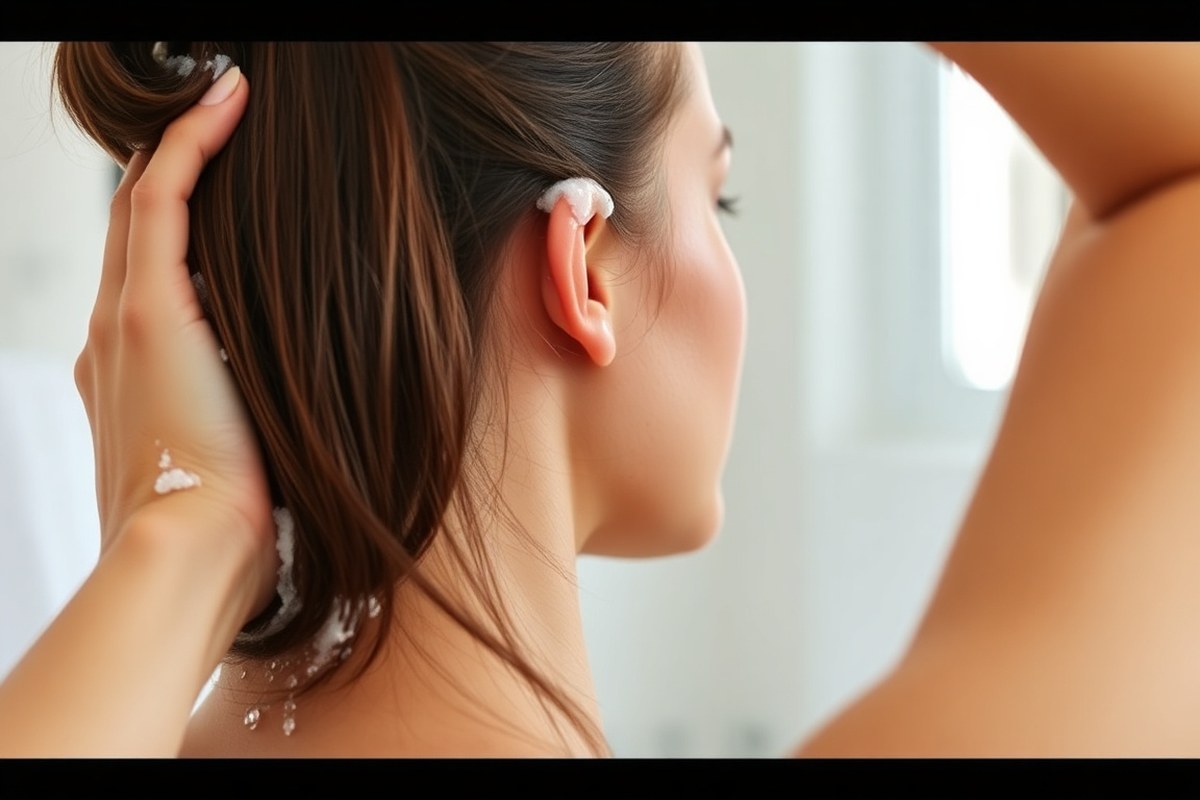
Massage your scalp using your fingertips, not your nails. Circular motions boost blood flow and stimulate hair follicles gently. Avoid rough scrubbing or pulling, which can cause breakage or hair loss.
Keep your fingers moving for about 1 to 2 minutes to cover the entire scalp. This circulation may improve nutrient delivery to the hair roots. Stop if you feel itching or irritation.
Step 3: Rinsing and Following with Conditioner
Rinse with warm water until your hair feels clean. Shampoo left on the scalp can cause dryness or buildup. Use conditioner only on the hair ends to keep strands soft and avoid root heaviness.
Pat hair dry with a towel instead of rubbing. Rough towel-drying can lead to breakage for thin hair. Let your hair air dry or use a blow dryer on low heat for added volume.
Follow these steps every time you shampoo. Adjust frequency depending on your oiliness or scalp needs. But two to three times a week often works best for thin hair.
- Wet hair thoroughly with warm water.
- Apply a quarter-size amount of shampoo directly to your scalp.
- Gently spread the shampoo over the entire scalp.
- Massage in small circular motions using fingertips for 1 to 2 minutes.
- Rinse thoroughly with warm water until no shampoo residue remains.
- Apply conditioner only on the hair ends and leave for 1 to 2 minutes.
- Rinse conditioner out completely with cool water.
- Pat hair dry gently with a towel or let it air dry.
5. Top Shampoo Brands Recommended for Thinning Hair
A few shampoos work well for thin hair. They offer a good mix of ingredients, price, and results. These options stand out from others.
DS Labs Revita Shampoo gets high praise from hair experts. It has taurine, which boosts keratin.
That helps support hair strength. Nutrafol’s natural shampoo also gets points for quality and its drug-free formula targeting hair volume.
The Keranique Regrowth System is a solid all-in-one choice trusted by millions. It pairs shampoo and conditioner with proven results for fuller hair.
Amazon reviews praise its affordable price and how thick hair looks after regular use. Shampoos that include moisturizers like hyaluronic acid also improve hair bounce without feeling heavy.
| Brand | Key Ingredients | Price Range | Effectiveness | Recommended Use |
|---|---|---|---|---|
| DS Labs Revita | Taurine, caffeine, ketoconazole | $30 – $40 per bottle | High | Daily for hair strengthening |
| Nutrafol | Natural botanical extracts | $25 – $35 | Moderate to high | Daily, drug-free scalp support |
| Keranique Regrowth System | Biotin, keratin, hyaluronic acid | $35 – $50 (set) | High | Combine shampoo and conditioner daily |
| Generic Moisturizing Shampoos | Hyaluronic acid, lightweight agents | $10 – $20 | Moderate | Best paired with volumizing conditioner |
Combination shampoo and conditioner products often work well for thinning hair. They save time and usually contain ingredients that boost volume and moisture. Using both together gives the best effect, as conditioners can protect strands from breakage.
Regular shampooing with these products helps keep your scalp clean and improves circulation. This supports hair growth and thickness over time. Avoid harsh shampoos or those with damaging chemicals, which can speed up hair loss.
Pick shampoos with taurine or hyaluronic acid to strengthen thin hair and keep it bouncy.
6. Common Mistakes When Using Shampoo for Thin Hair and How to Fix Them
Using shampoo the wrong way can harm thin hair and even cause more hair loss. Over-washing or using harsh shampoo formulas are common mistakes. Fixing these errors helps your hair look thicker and stronger over time.
Washing Too Often or Not Enough
Washing your hair every day strips natural oils, making thin hair dry and fragile. Washing too rarely leaves oil and dirt on your scalp. These can clog hair follicles.
This slows down hair growth. Try washing your hair every other day.
Or wash every two days. It depends on how oily your scalp is.
Use lukewarm water to keep the scalp healthy. Hot water can increase dryness and irritation, causing more hair to fall out.
Using Shampoo with Harsh Ingredients
Sulfates and alcohols in some shampoos can be too strong for thin hair. These ingredients strip moisture and irritate the scalp. Choose sulfate-free shampoos like Hims Thick Fix Thickening Shampoo.
These clean well. They’re gentler on your scalp.
Sulfate-free shampoos usually make less foam. They remove buildup gently. They don’t dry out hair or scalp.
Not Rinsing Shampoo Properly
Leaving shampoo residue in your hair weakens thin strands and clogs scalp pores. Wash your hair thoroughly for at least 30 seconds under running water to remove all shampoo. Pay special attention to the scalp.
Incomplete rinsing can cause itching, flaking, and increased hair loss in sensitive scalps.
Using Wrong Amount of Shampoo
Using too much shampoo wastes product and can overload your hair. Thin hair needs just a small amount, about a quarter-size dollop, to get clean without buildup. Using too little shampoo might leave your scalp oily and dirty.
Adjust the amount depending on your hair length and texture. You want a nice, gentle clean without over-drying or extra grease.
How to Fix These Common Shampoo Mistakes
Follow this quick checklist for best results with thin hair shampoo:
- Wash your hair every 1-2 days using lukewarm water.
- Choose a sulfate-free, gentle shampoo made for thinning hair.
- Use a quarter-size amount of shampoo for short to medium hair.
- Massage shampoo lightly into your scalp for 30 seconds.
- Rinse thoroughly until no suds remain.
- Avoid rubbing hair roughly with a towel; gently pat dry instead.
- Don’t skip conditioner if your shampoo strips moisture.
Fixing these habits will help your shampoo do its job. A healthy scalp environment reduces hair fall and supports growth. Avoid harsh soaps and over-washing to keep strands strong and full.
7. How Long Until You See Results from Thinning Hair Shampoo?
You can see changes in hair texture in two to four weeks. Hair fullness may improve within this time. Keep track to notice subtle shifts.
Shampoos designed for thinning hair often create instant volume by coating strands. However, actual hair thickening or new growth takes longer, usually about three months or more.
This is because hair grows roughly half an inch per month. So replacing lost or thinning hair requires consistent care over time.
Several things affect how fast you see results. Genetics, hormone levels, diet, and overall health all play a role. Stress and damage from styling or coloring can slow progress.
Your shampoo might have biotin or keratin. These ingredients help strengthen hair and reduce breakage.
You may see less hair shedding in the first weeks. But thicker regrowth usually needs more time.
Track how your hair feels over a month or two. Notice how it looks too. This helps you tell if your shampoo works.
Softer, shinier, and fuller-feeling hair, like Amanda shared with her experience, signals improvement. Signs of damage include increased dryness, itchiness, or excessive hair loss. Stop using the shampoo if these symptoms appear.
Your scalp may take a week to adjust to new products. This is normal. Wait before expecting real effects.
Keep using the shampoo as directed, usually every other day or daily for best results. Avoid over-washing your hair, since that can cause dryness and make thinning worse. Using a scalp massage along with shampooing can help increase circulation and support healthier hair growth.
These shampoos usually cost between $15 and $30 per bottle. Examples include R+Co Dallas Biotin Thickening Shampoo and Revitalash Cosmetics Thickening Shampoo. Prices vary by product and store.
Expect a gradual shift in your hair’s condition over several months. Quick fixes don’t usually last. Switch products if your hair gets thinner or more brittle after a month.
Or talk to a dermatologist for advice. They can check for other causes of thinning that shampoo alone won’t fix.
Eating well and managing stress supports your shampoo’s effects. These healthy habits lead to better hair results.
8. When to See a Doctor for Hair Thinning and Shampoo Limitations
Check with a doctor if your hair thinning is sudden, patchy, or comes with severe itching. Also, look out for scalp redness, swelling, or pain that doesn’t improve with normal shampoo. These signs might mean a scalp condition that shampoo alone can’t fix.
Some scalp problems, like dermatitis or fungal infections, can affect your shampoo results. Overproduction of oil may cause buildup, which worsens thinning hair appearance. A doctor can spot these problems during an exam.
They may suggest treatments to clear your scalp. This helps your shampoo work better.
Follow this rule for hair loss: Look for over 100 hairs a day. If it lasts several weeks, get a checkup.
Also, if your scalp feels sore or flaky for more than two weeks, get checked. Early diagnosis can prevent further hair loss and speed up recovery.
Don’t wait more than a month to get help. See a doctor if thinning worsens or your scalp irritates. This is true even with shampoo use.
Doctors typically check your scalp, ask about your hair care routine, and may order blood tests. Costs vary widely, from $100 to $300 for a specialist visit without insurance. Some clinics might offer free screenings during events or through health programs.
Results include healthier scalp skin, reduced itching, and slower hair thinning. Ignoring serious scalp problems can make shampoo changes seem useless.
Getting a professional opinion saves you time and money. It stops you from using products that miss the real problem.
9. How to Combine Shampoo with Other Hair Care for Thin Hair
Pairing your shampoo with the right conditioner helps protect thin hair without weighing it down. Use a lightweight, volumizing conditioner on the ends only. Avoid heavy conditioners near your scalp to keep hair from looking flat.
Apply conditioner after shampooing. Leave it on for 1 to 3 minutes. Rinse well with cool water to close cuticles and add shine.
Shampoo and conditioner combos can work, but they often sacrifice performance for convenience. Your focus is thinning hair? Separate products let you pick formulas for scalp health and hair strength.
Use a gentle shampoo to cleanse your hair. Pick a conditioner that nourishes but isn’t heavy.
This usually gives better results over time. These products together cost about $15 to $30 each depending on brand and ingredients.
Adding serums designed for thinning hair can boost your results. Look for serums with active ingredients like minoxidil or peptides. Apply treatments to a dry scalp after washing and conditioning.
Follow label instructions. Usually, use once or twice daily. This step helps hair grow at the roots.
Shampoo and conditioner keep hair shafts healthy. Using topical treatments with a consistent shampoo routine can show fuller hair. You might see results in 6 to 12 weeks.
If your hair is brittle or damaged, try a strengthening hair mask once a week. Use it instead of your conditioner. Leave it on for 5 to 10 minutes, then rinse.
This extra moisture and repair step prevents breakage. Avoid overlapping protein treatments too often to reduce stiff hair.
A balanced routine keeps your scalp healthy and nourishes your strands. It can slow thinning and improve hair texture visibly.
Some hair care experts recommend anti-inflammatory shampoos to reduce scalp irritation linked to hair shedding. Use these with a gentle conditioner and targeted treatments. This can soothe your scalp and promote hair follicle health.
Wash your hair 2 to 3 times weekly with these products to avoid stripping natural oils. This simple schedule fits most people and keeps hair from becoming dry or brittle.
10. Do Natural and Organic Shampoos Work for Thinning Hair?
Natural and organic shampoos often appeal because they use ingredients derived from plants and minerals. They usually avoid harsh chemicals like sulfates, parabens, and synthetic fragrances. This shampoo can be gentler on your scalp.
It helps if your scalp is sensitive or inflamed. This sometimes happens with thinning hair.
Some natural ingredients have shown potential to help with thinning hair. Niacinamide, zinc, and certain plant extracts reduce scalp inflammation and improve skin barrier function. These effects might lower hair fall caused by irritation.
Still, scientific studies haven’t proven they actually promote significant hair growth yet. You might see healthier scalp skin and less breakage instead of thicker hair.
Conventional shampoos for thinning hair often include clinically tested ingredients with stronger evidence. For example, formulas like DS Labs Revita Shampoo blend natural and synthetic elements. It contains about 91% naturally sourced ingredients but also uses compounds designed to stimulate hair growth.
These shampoos usually cost more. They run about $30 to $50 per bottle. Natural ones can be $10 to $25.
Natural shampoos work best as part of a routine focused on scalp health. Use them regularly but be patient. Changes might take 6 to 8 weeks to show.
Avoid shampoos with drying sulfates if your scalp feels itchy or flaky. Your hair thinning from genetics won’t stop with natural shampoos.
But these shampoos can reduce damage. They also improve hair shine.
Natural shampoos might not clean as deeply. You can get buildup if you use styling products. This is their main downside.
They also might not provide the targeted effects you want if hair loss is advanced. Mixing natural shampoos with treatments recommended by a dermatologist often offers the best results. Natural ingredients support scalp health and comfort.
They may not boost hair growth as well. Some conventional shampoos offer stronger hair-growth benefits.
11. Price vs Performance: Finding the Best Shampoo Value
Price matters when choosing shampoo for thin hair. You want to spend just enough to get good results without wasting money.
Some shampoos cost over $30 per bottle. But not all expensive shampoos deliver noticeably better fullness or strength.
To compare cost and benefit effectively, you can use a decision table. It shows price range, shampoo features, and expected benefits. This helps you decide based on your budget and what results you want.
| Price Range | Typical Features | Expected Benefits | Considerations |
|---|---|---|---|
| Under $15 | Basic formulas, less thick lather | May clean hair well, less volumizing | Good for tight budgets, needs extras for thickness |
| $15 to $30 | Added strengthening ingredients, better texture | Helps hair feel fuller, slows thinning | Balanced choice, some brands shine here |
| Above $30 | Advanced formulas, focus on volumizing | Noticeable fullness and strengthening | Best when paired with other treatments, not always worth it |
Performance depends on shampoo texture, how it lathers, and residue left behind. Shampoos that leave no residue usually feel cleaner and lighter on thin hair. Stronger, volumizing shampoos often cost more.
They improve hair by making strands look thicker. This change can boost your hair’s overall appearance.
You should watch for shampoos promising new hair growth. Few products fully deliver on this without other treatments.
Instead, look for shampoos that slow hair loss and improve texture. Combining this with good daily care makes the most difference.
Don’t expect expensive shampoo alone to fix thinning hair. They work best with complete hair care.
The best value depends on how much you want to spend and your hair’s needs. Shampoo costing $15 to $30 usually offers a good balance. You get decent results without spending too much.
This range fits many budgets well. Combining shampoo with good care helps your hair look fuller.
Cutting down stress also makes a difference. You don’t have to spend a lot to see results.
12. Lifestyle Factors That Impact Shampoo Effectiveness on Thin Hair
Your diet affects how well shampoo works on thinning hair. Eating protein, vitamins, and minerals helps strengthen hair from inside out. Skipping these nutrients can leave hair weak and more prone to breakage despite good shampoo.
Try eating lean meats, eggs, leafy greens, and nuts daily. It won’t cost much but greatly supports your hair’s health.
Stress releases hormones that can damage your hair growth cycles. When stressed, hair can fall out faster or become thinner. Managing stress with exercises like yoga or meditating for 10 minutes daily improves hair quality.
This simple habit supports your shampoo’s efforts to keep hair strong and shiny. High stress can keep your hair thin, even with good shampoo.
Heat styling tools like straighteners, curling irons, and blow dryers can cancel out shampoo benefits. They dry hair out, making strands brittle and easy to break. Coloring or bleaching also weakens hair fibers.
Use heat styling below 350°F. Limit it to twice a week. Always apply a heat protectant spray first.
Skip coloring if your hair feels fragile. These steps protect your hair and let your shampoo work better.
Caring for your scalp is key to shampoo effectiveness. An oily, dry, or irritated scalp can stop shampoo from working well. Use gentle, anti-inflammatory shampoos with ingredients like ginseng and turmeric.
Use your fingertips to massage your scalp for 2 minutes. This helps blood flow and improves scalp health.
Then rinse well. Avoid harsh scrubbing which can cause more irritation and hair fall.
Follow this simple checklist for better shampoo results. Eat protein-rich foods every day. Practice stress relief such as deep breathing for 10 minutes a day.
Limit heat styling tools to low settings, twice weekly, and always use heat protectant. Choose gentle, moisturizing shampoos with anti-inflammatory ingredients.
Massage your scalp gently for 2 minutes every wash. Skip harsh coloring until hair strengthens.
Step-by-Step Action Plan for Thinning Hair Care
Follow these steps to start improving your thin hair with the right shampoo. Track progress to adjust your routine as needed.
- Day 1: Choose a shampoo with ingredients like biotin or caffeine. Pick one that suits your scalp type for best results.
- Week 1: Wash hair 3 times a week using lukewarm water. Look for less oiliness or scalp itch as signs it’s working.
- Week 2: Use a gentle scalp massage when shampooing. This boosts blood flow and helps active ingredients work better.
- After 3 weeks: Add a conditioner designed for thin hair on your ends. Notice if your strands feel softer and less brittle.
- Month 1: Check hair volume and scalp health. More fullness and less shedding show positive shampoo effects.
- Month 2: If no improvement, consider switching to a different formula or consult a dermatologist. A pro can guide you on next steps.
- Ongoing: Keep avoiding harsh styling products and heat tools. Healthy habits support your shampoo’s benefits.
Frequently Asked Questions
What Shampoo Ingredients Should I Avoid If I Have Thin Hair?
Avoid heavy silicones and sulfates if you have thin hair. They can weigh hair down and cause buildup, making thin hair look even flatter. Look for lightweight formulas instead.
Can Shampoo Alone Make My Thin Hair Look Thicker?
Shampoo can help, but it’s not a magic fix for thin hair. It mainly cleans and adds volume. You may need other products like conditioners and treatments for real thickness.
How Often Should I Wash Thin Hair with a Specialized Shampoo?
Washing thin hair 2 to 3 times a week with a good shampoo usually works best. Overwashing can dry out your scalp and hair, causing breakage and more thinning.
Can Shampoos for Thin Hair Help with Scalp Health?
Yes, many shampoos designed for thin hair include ingredients like niacinamide to improve scalp circulation. Healthy scalp equals better hair growth chances.
What’s the Best Way to Test If a Shampoo Suits My Thin Hair?
Try a small amount on your scalp and hair first for a couple of days. Check if it adds volume and doesn’t cause buildup or itchiness before full use.
Are Shampoos for Thin Hair Safe to Use on Color-Treated Hair?
Some are safe, but not all. Choose shampoos labeled for color-treated hair to avoid fading. Olaplex No.4 is a good example suitable for thin, color-treated hair.
Wrapping Up
The best shampoo for thin hair combines gentle cleansing with ingredients that support growth and volume. Start using it correctly, and watch how your hair responds. Take one small step today by picking the right shampoo and sticking to your new routine.