How Often to Use Dry Shampoo: A Complete Guide for Safe, Effective Use
How often to use dry shampoo depends on your hair type and oiliness. Experts suggest no more than 2 to 3 times per week for healthy scalp care.
Using it too often can clog pores and irritate your scalp. So spacing applications helps your skin breathe.
Start by spraying the dry shampoo 6 to 8 inches from your scalp. Focus on oily roots first and then spread lightly to other greasy areas. Let the dry shampoo sit for 30 seconds to a few minutes.
This allows it to soak up oil. Then brush or massage it into your hair.
Regular use on busy days can keep your hair looking fresh for hours. Just don’t skip washing your hair completely for too long. Balancing dry shampoo use with regular shampooing keeps your scalp healthy and your hair clean.
Key Takeaways
- Use dry shampoo no more than 2, 3 times a week for scalp health.
- Spray 6, 8 inches from your scalp, focusing on oily root areas.
- Let dry shampoo sit for 30 seconds to absorb oil before brushing.
- Massage product into roots to distribute and avoid powdery residue.
- Don’t rely on dry shampoo as a full replacement for washing hair.
- Pick a dry shampoo that matches your hair texture and scalp condition. Using the proper formula helps keep your hair healthy. It also improves how well the product works.
How Often Should You Use Dry Shampoo for Best Results?

You should use dry shampoo only when necessary, not every day. It works best as a quick fix for oily roots between regular washes.
Most experts say use it no more than two to three times weekly. Use it less often to avoid buildup on your scalp.
Overusing dry shampoo can clog hair follicles, which might cause itching or irritation. Applying it daily without washing your hair can lead to dull, heavy hair over time. It’s best to treat dry shampoo as a temporary refresh, not a full substitute for shampooing.
Your hair type affects how often you can use dry shampoo. Fine or straight hair tends to get oily faster. So you might need it more often.
Textured or drier hair usually stays fresh longer. It needs less frequent use of dry shampoo.
Using dry shampoo two to three times a week is good for oily hair and busy schedules. For drier hair types, once or twice a week should be enough. Pay attention to your scalp’s response and adjust your routine accordingly.
Shake the dry shampoo can well before use. Hold it 6 to 10 inches from your hair. Spray onto your roots in short bursts, focusing on oily or sweaty spots.
Let dry shampoo sit for a few minutes. Then brush or massage your scalp gently. This spreads the product and removes extra powder.
Using a cold air hairdryer blast can help remove any leftover dry shampoo. Avoid hot air because heat softens oils and may make your hair greasy again. Washing your hair every few days matters, even if you use dry shampoo between washes.
Choose a dry shampoo made for your hair type to keep your scalp healthy. Products with rice starch or silica are good for oily hair.
Those with nourishing oils suit color-treated or dry hair. Avoid applying too much to prevent buildup and heaviness.
How to Apply Dry Shampoo Correctly for Maximum Effectiveness
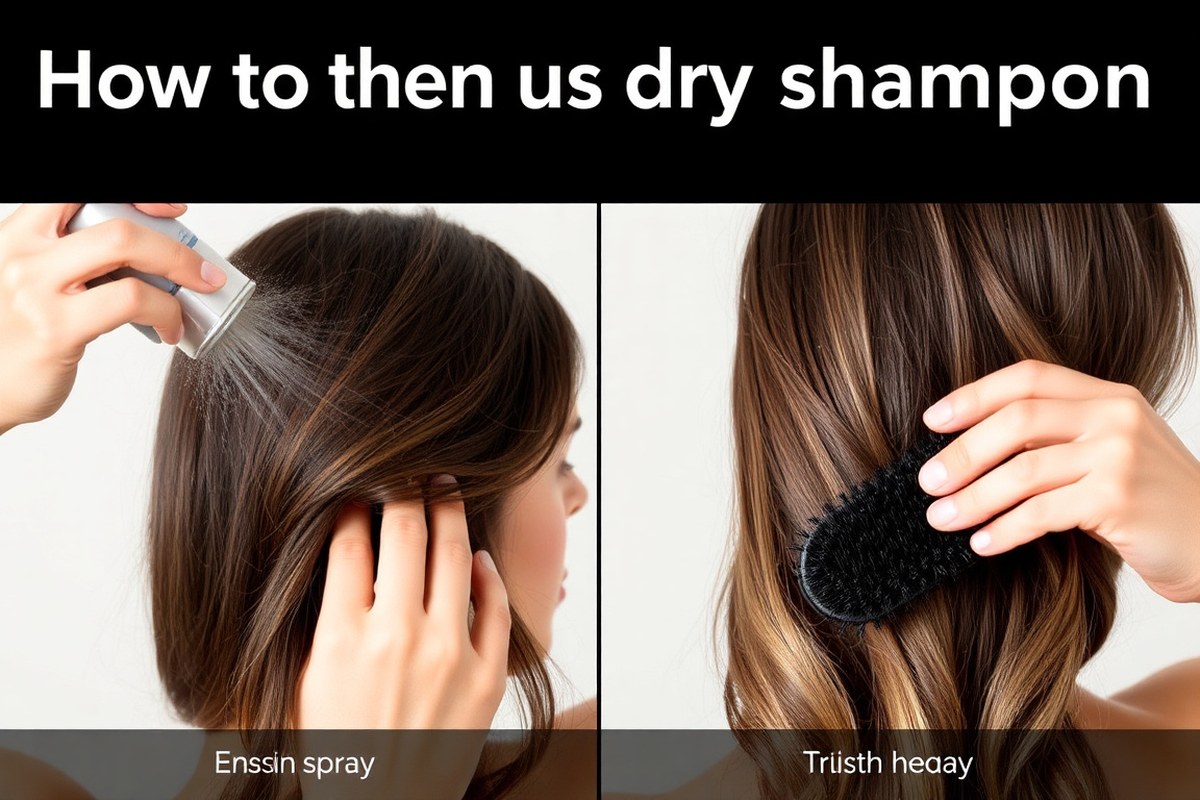
To get the best results with dry shampoo, spray it lightly. Hold the can about 6 to 8 inches from your scalp. Spray evenly for good coverage without soaking your hair.
Let it absorb the oil fully, which takes about 10 to 20 minutes. Applying it before bed lets it work overnight, waking up to refreshed hair.
Proper Distance and Spray Technique
Hold the dry shampoo 6 to 8 inches away from your scalp to avoid over-applying. Spray in short bursts to cover your roots evenly without soaking the hair. Target oily areas, usually the crown and behind your ears, for the best effect.
Apply in sections by parting your hair to expose roots. This helps the product reach under your hair and absorb excess oil uniformly. Shake the bottle well before using to mix the ingredients properly and get an even spray.
Spraying too close can leave white residue and make hair feel heavy.
Waiting Time After Application
After spraying, wait 10 to 20 minutes to let the powder absorb oil. The longer dry shampoo sits, the better it works to soak up grease. This delay also helps avoid a chalky finish when you style your hair afterward.
Applying dry shampoo before going to bed is ideal. Your scalp has hours to absorb oil while you sleep. So hair looks fresher and less weighted in the morning.
You might want a quick fix. Using dry shampoo in the morning adds volume but won’t soak up oil fully.
Post-Application Steps for Natural Look
Once dry shampoo has set, massage your scalp gently to break up any clumps. This step spreads the product evenly and helps remove visible powder. Use your fingers instead of a brush to avoid turning powder into a dusty mess.
After massaging, brush your hair lightly to blend everything together and smooth your style. This removes excess dry shampoo residue and keeps roots looking natural. Use tinted dry shampoos for dark hair to reduce white flakes.
- Shake the dry shampoo bottle well.
- Hold it 6 to 8 inches from your scalp.
- Spray lightly in sections on oily roots.
- Wait 10 to 20 minutes before touching your hair.
- Massage your scalp to spread the product evenly.
- Brush hair gently to remove excess powder.
- Style hair as usual or leave natural.
How Hair Type and Lifestyle Affect Dry Shampoo Use Frequency
Your hair type and lifestyle largely decide how often dry shampoo fits into your routine. Dry shampoo works best when it matches your hair’s oil level and texture. Thick, curly hair can go longer between washes.
It needs dry shampoo less often. Fine or straight hair gets greasy faster.
Oily scalps get the most help from dry shampoo. Use it every other day or daily if you must. Your hair can get greasy fast.
Dry shampoo absorbs oil without washing. Drier scalps need dry shampoo less. Use it once or twice a week to avoid buildup.
Outdoor activity, sweat, and climate also play a role. Hot, humid weather or frequent workouts increase sweat and oil.
This might call for daily dry shampoo use. Conversely, in cooler or drier seasons, less oil and sweat means fewer uses are needed.
| Hair/Scalp Type or Lifestyle | Dry Shampoo Use Frequency | Why This Frequency Works |
|---|---|---|
| Oily, fine or straight hair | Every 1-2 days | Faster oil buildup needs frequent refreshing |
| Normal hair | Use when visible oil appears | Scalp oil balances, so use as needed |
| Thick, curly, or dry hair | Once or twice a week | Less oil production, avoid dryness or buildup |
| Active lifestyle or hot climates | Daily or after workouts | Sweat and oil increase, requiring regular absorption |
| Cool, dry climate, less activity | Use sparingly or when hair looks oily | Lower oil/sweat levels reduce need for dry shampoo |
To decide when to use dry shampoo, check your scalp and roots daily. Feel with your fingers for grease or see if hair looks flat. Use dry shampoo only when you spot oil buildup or your hair feels weighed down.
Keep in mind, dry shampoo does not replace washing. Sweat, dirt, or product residue need actual washing.
Overuse might dry your scalp or dull color. So don’t rely on it every day if you notice scalp itch or flakes.
Choosing the Right Dry Shampoo for Your Hair and Scalp
Choosing a dry shampoo that fits your hair and scalp is key. Look for a formula designed for your specific hair type.
For example, oily hair needs strong oil absorbers. Dry hair benefits from extra moisture.
Check the ingredients carefully, especially if you have a sensitive scalp. Avoid dry shampoos with alcohol high up on the list because they can dry out hair. Fragrances and harsh chemicals might also cause irritation or buildup.
Non-aerosol sprays usually use gentler ingredients and are better for frequent use. Moisturizing additives help curls stay hydrated and keep your hair soft. Mild formulas improve comfort and scalp health after several uses.
| Hair Type | Recommended Dry Shampoo Features | Ingredients to Avoid |
|---|---|---|
| Oily Hair | Strong oil absorbers like rice starch or clay | Heavy silicones that weigh hair down |
| Dry Hair | Moisturizing agents such as aloe or glycerin | Alcohol-based formulas that cause dryness |
| Curly Hair | Hydrating formulas that prevent frizz | Alcohols and heavy powders that dry curls |
| Sensitive Scalp | Fragrance-free and soothing ingredients | Strong fragrances, sulfates, and alcohols |
To pick the right dry shampoo, spray a small amount on a hidden spot first. Skip it when it feels sticky or leaves behind any residue.
Use sparingly to avoid buildup and scalp issues. A good dry shampoo refreshes your hair without heaviness or dryness.
Expect to pay about $7 to $15 for a quality dry shampoo. Brands like Batiste offer popular options with subtle scents and good oil control. Test different formulas to find what suits your hair best.
Match the product to your hair’s needs carefully. This way, you can use dry shampoo more often without damage.
Potential Risks and Signs of Overusing Dry Shampoo
Using dry shampoo too often can cause buildup on your scalp. This buildup clogs hair follicles, leading to irritation, itching, and dandruff. Avoid spraying dry shampoo directly onto the scalp, as it increases the risk of inflammation.
Daily or excessive use strips oils from your hair, causing dryness and dullness. Dry, curly, or sensitive scalps are more likely to suffer dehydration and irritation from overuse. Most people can use dry shampoo once or twice a week without issues.
- Scalp feeling itchy or irritated after application
- Visible white or powdery residue in your hair
- Hair feeling dry, brittle, or lacking shine
- Increased dandruff or flaky scalp
- Hair follicles feeling clogged or painful
- Scalp redness or inflammation
Let dry shampoo sit for about 30 seconds before brushing to absorb oils properly. Use your fingers or a paddle brush to spread it evenly without rubbing harshly.
You can sleep with dry shampoo on occasionally without harm. But daily use can worsen buildup.
Check how your scalp feels daily; irritation or flakes are signs to cut back.
Switch to a gentler dry shampoo or reduce use if you spot any warning signs. Routine washing with water and shampoo helps remove residue and keeps your scalp healthy. Remember, avoiding overuse prevents long-term scalp damage and helps your hair look fresh and soft.
How to Maintain Scalp and Hair Health While Using Dry Shampoo
Keeping your scalp healthy while using dry shampoo means regular cleaning and careful care. You need to hydrate your scalp and remove any leftover product to avoid buildup. Skipping these steps can cause dry, itchy scalp and block hair follicles.
Regular Scalp Cleansing and Clarifying Shampoos
Using dry shampoo often means you still must wash your hair regularly with water and shampoo. This removes excess oil and dirt that dry shampoo can’t wash away.
To clear out dry shampoo residue, use a clarifying shampoo once a week. Clarifying shampoos break down buildup and clean deep into your scalp.
Washing your hair with a gentle shampoo every two to three days helps prevent scalp problems. Never rely on dry shampoo as a full substitute for washing.
Hydrating and Scalp Nourishing Tips
Dry shampoo can dry out your scalp if you don’t add moisture back. Use light, water-based scalp sprays or serums to hydrate your skin.
Massage your scalp gently during washing to improve blood flow and loosen flakes. It also helps distribute natural oils evenly.
Sleeping with dry shampoo on is okay occasionally. But using hydrating treatments once in a while boosts scalp comfort. Choose products with ingredients like aloe vera or tea tree oil for soothing effects.
Buildup Prevention and Removal Methods
Preventing buildup keeps your hair lighter and scalp healthier. You need a routine to remove product layers effectively. Follow these steps to prevent and remove dry shampoo residue:
- Spray dry shampoo mainly at roots, avoiding overuse on hair length.
- Wait a few minutes to let it absorb oil, then brush hair fully to spread product.
- Wash hair with shampoo and water every two or three days to clear residue.
- Apply a clarifying shampoo once a week to deeply cleanse your scalp.
- Use a scalp scrub or gentle exfoliating product monthly to remove dead skin and buildup.
- Hydrate your scalp with light lotions or sprays after washing for balance.
Too much buildup blocks hair follicles and can cause thinning hair. Keep your dry shampoo use balanced with proper washing and scalp care.
Integrating Dry Shampoo into Your Overall Hair Care Routine
Dry shampoo works fast on greasy hair. It does not replace washing. You need water and shampoo to clean well.
Try to wash your hair two to three times each week. This helps keep your scalp and hair healthy. Use dry shampoo on one or two days between washes to freshen up without over-cleaning.
First, wash your hair well, especially if oily. Let it dry completely. Only then use dry shampoo.
This stops build-up on the scalp and lets the dry shampoo work better. Applying dry shampoo on dirty hair only masks oil but doesn’t clean pores or remove dirt.
You can combine dry shampoo with styling products like mousse or hairspray easily. Just apply dry shampoo first, then style as usual. But be careful if you use gels or curl creams.
On textured hair, dry shampoo may sit on top and leave a white cast. So use a light amount and blend well.
Use repair treatments or hair masks only after washing your hair first. Dry shampoo works best on clean hair to absorb oil and add volume.
It’s not designed to protect or nourish hair like treatments. So don’t skip washing when treating your scalp or ends.
A good routine might be washing Monday, dry shampoo Tuesday. Then wash Thursday and dry shampoo Friday.
This routine balances scalp health while saving time on busy days. Watch for scalp irritation or buildup and adjust if you notice flakes or redness.
You can save time using dry shampoo but don’t rely on it daily. Overusing dry shampoo without washing can cause inflammation of hair follicles or clogged pores.
Ask a hairstylist at places like HeadMasters Salon in Tyler TX. They can give advice on products and routines.
Common Mistakes When Using Dry Shampoo (and How to Fix Them)
Common mistakes with dry shampoo often involve using too much or spraying it too close. These errors leave visible residue and can irritate the scalp. Fixing them can make your dry shampoo work better and feel more comfortable.
Avoiding Over-Application and Buildup
Using too much dry shampoo is a typical mistake. This causes product buildup that clogs hair follicles and irritates your scalp.
Reduce how much you spray by starting with a light mist. Avoid daily use by washing your hair every few days to clear residue.
- Limit sprays to 2 or 3 short bursts per section
- Wash your hair every 2-3 days to prevent buildup
- Massage dry shampoo into the scalp to spread it evenly
- Separate thick hair into sections to reach scalp properly
- Check for leftover powder on pillows or sheets as a sign to use less
Sectioning thick hair lets the product touch oily roots better. This reduces the need for heavy spray layers over the top.
Correct Application Distance and Timing
Holding your spray too close causes big clumps and white patches. Hold the can about 8 to 12 inches from your head.
Wait a few minutes after spraying before styling. This gives the product time to absorb oil and dry properly.
Try spraying dry shampoo onto your hand first to feel its texture. This can help you control the amount and avoid overuse.
Don’t spray dry shampoo in large amounts on your skin. This can cause irritation and clog your pores. Spray it only on your hair roots from a distance.
Handling White Cast and Residue
White residue is common, especially on dark hair. To hide it, rub the product lightly into your scalp with fingers or a brush.
Using tinted dry shampoo can reduce visible powder on colored or dark hair. Another option is using less product overall.
Notice itching? Rinse your scalp well.
Try using dry shampoo less often. Build-up or sensitivity can cause this discomfort.
Step-by-Step Action Plan for Using Dry Shampoo Safely
Follow these steps to get the best dry shampoo results. Protect your hair and scalp while using it. Use dry shampoo carefully for healthier hair.
- Before you start: Choose a dry shampoo that suits your hair type. Choose powder formulas if your scalp feels oily. Pick light sprays if your hair is fine. Match the type to your hair needs.
- Day 1: Apply dry shampoo to dry hair, holding the can 6 to 8 inches away. Wait 5 minutes, then brush out to see if oil is less visible.
- Week 1: Use dry shampoo on days you skip washing. Try to use it every 2 to 3 days. Avoid using it on freshly washed hair. Check if your scalp feels fresh and not irritated.
- After 2 weeks: Assess your scalp for redness or itchiness. Cut back on dry shampoo if you notice any irritation or buildup.
- Every week: Wash your hair with shampoo and conditioner at least once a week. This removes product residue and keeps the scalp healthy.
- Month 1: Add gentle scalp exfoliation once a week to prevent clogged pores. You should feel less scalp tightness or flakiness.
- Ongoing: Adjust how often you use dry shampoo based on your hair’s oiliness and scalp comfort. Aim to avoid daily use to reduce risk of damage.
Frequently Asked Questions
How Long Does It Take to Train Hair to Not Be Greasy?
It usually takes a few weeks for your scalp to adjust oil production. Oiliness should go down when you wash less often.
Use dry shampoo to handle grease in between washes. This helps keep your hair fresh without over-washing.
Can I Go 7 Days Without Washing My Hair?
Going 7 days is possible but not ideal for most hair types. Dry shampoo can help, but washing eventually clears buildup and keeps your scalp healthy.
Is Dry Shampoo Bad for Seborrheic Dermatitis?
Dry shampoo can irritate seborrheic dermatitis and worsen symptoms. You may notice itching or flakes. Try gentler cleansers and cut back on dry shampoo.
Is Dry Shampoo Good for Hair?
Dry shampoo works as a quick fix to absorb oil and refresh hair. It doesn’t replace washing, so use it sparingly to avoid scalp buildup or dryness.
Can I Use Dry Shampoo on Curly Hair?
Yes, but use it lightly on curly hair to avoid flakes and stiffness. Always shake well and spray from a distance to keep curls soft.
Does Dry Shampoo Cause Hair Loss?
Dry shampoo itself doesn’t cause hair loss if used moderately. Overuse that clogs follicles and irritates the scalp can weaken hair over time.
The Bottom Line
Use dry shampoo sparingly and pay attention to how your scalp reacts. Make washing and exfoliation a part of your routine. Start by picking the right product and applying it correctly today.