How to Reduce Hair Frizz: 8 Essential Steps for Smooth, Manageable Hair
How to reduce hair frizz starts with understanding what makes hair frizz in the first place. Frizz happens when hair strands swell due to moisture or damage. The best way to get smooth hair is to keep it hydrated.
You also need to protect it from breakage. This helps make your hair more manageable.
Begin by trimming your hair regularly to stop split ends from spreading. Next, use a proper shampoo and conditioner designed to seal moisture.
Avoid rough drying. Instead, air dry or rough dry your hair until mostly dry before using a blow dryer.
Choosing the right hair products can make a big difference for frizz control. Lightweight leave-ins and heat protectants help lock in moisture and prevent damage that leads to frizz. Keep your hair healthy, follow a gentle drying routine, and use good products.
Key Takeaways
- Trim hair every 8-10 weeks to prevent split ends and reduce frizz.
- Use moisturizing shampoo and conditioner to keep hair hydrated.
- Dry hair gently; air dry or rough dry before blow drying.
- Apply heat protectant or serum after towel drying to tame frizz fast.
- Choose silicone-free, lightweight creams to protect hair from heat up to 450°F.
- Seal split ends with leave-in lotion right after showering.
1. What Causes Hair Frizz and Who Is Most Affected?

Frizz happens when the hair cuticle lifts and lets moisture in. This often occurs when hair is dry, damaged, or exposed to humidity.
The cuticle’s raised edges cause hair strands to swell and separate. This creates the frizzy texture you see.
Humidity worsens frizz because water in the air seeps into the hair shaft. Curly and wavy hair types feel this effect most.
Their strands have more bends and gaps. These curves cause the cuticle to open easier, soaking up moisture and boosting frizz.
Coarse hair is another type prone to frizz. Its thicker diameter means it often lacks enough natural oils. Without those oils, it dries out faster and the cuticle lifts more.
People with fine hair can frizz, too. But usually only when their hair is damaged or extremely dry.
Damage from coloring, heat styling, or harsh products makes the cuticle lift. This causes frizz, no matter the texture.
Chemical overprocessing strips away natural oils that smooth hair, making frizz worse. Split ends can also spread damage up the hair strand, increasing frizz.
Genetics also play a role in who gets frizz. Some people naturally have hair with uneven cuticles or higher porosity, which attracts more moisture. Hormonal changes and health issues may change hair texture over time, causing more frizz than usual.
Keeping hair healthy and well-moisturized lowers cuticle lift and frizz risk. The cuticle lays flat when hair is strong and hydrated.
Apple cider vinegar rinses balance your hair’s pH. They smooth the cuticle to reduce frizz.
2. How Regular Hair Trims Help Reduce Frizz

Split ends cause frizz by damaging the hair shaft and making strands rough. Split ends get weak and let frizz travel up the hair. This makes your hair look dry.
It can also make your hair look messy. Cutting split ends regularly stops this damage and helps hair stay smooth and healthy.
Trimming every two to three months works well for most hair types. Your hair needs trimming every eight weeks if very dry or frizzy. This removes dead ends before splits get worse.
Cut only a little off each time. This clears split ends without changing your style.
Keep trims small and neat. This keeps your hair looking fresh and reduces frizz over time.
- Ask your stylist for a light trim focused on removing only split ends.
- Use a sharp, professional scissor to prevent new hair damage.
- Stick to trims every 6 to 12 weeks depending on how fast your hair grows.
- Try a dusting trim to cut just the very tips if you want to keep length.
- Combine trims with deep conditioning or leave-in treatment for smoother hair.
Regular haircuts remove dry, damaged parts and keep hair cuticles closed. Closed cuticles reflect light better and hold moisture. So hair stays sleek and less frizzy.
Skipping trims lets split ends grow worse. This causes more frizz and dry-looking hair. Your hair looks unhealthy over time.
Make trims a regular part of your hair care. This helps catch split ends early. It also keeps frizz under control.
3. Best Washing and Conditioning Practices to Prevent Frizz
Washing and conditioning your hair the right way helps keep it hydrated and reduces frizz. Using lukewarm water, picking suitable products, and spacing out washes protects your hair’s natural oils. You can improve your hair’s texture by following a clear routine.
Water Temperature Tips for Frizz Control
Hot water strips your hair of natural oils, which you need to prevent frizz. Lukewarm or cool water keeps the hair cuticle sealed and preserves moisture inside. Avoid hot showers as they can lift the cuticles, making hair rough and prone to frizz.
Rinse your hair with cooler water at the end of washing. Cooler water helps to close the cuticle. This makes your hair look smoother and less frizzy.
This step locks hydration into your hair shaft. Cooler water also helps your hair look shinier and feel smoother.
Choosing the Right Shampoo and Conditioner
Use a sulfate-free shampoo formulated to hydrate and nourish your hair. Sulfates strip natural oils, which leads to dryness and frizz. Look for moisturizing ingredients that help maintain the hair’s natural moisture balance.
Pick conditioners designed to lock in moisture. Ingredients like certain plant oils or silicones copy natural oils. They help protect and smooth your hair strands.
These can make your hair feel softer. A creamy conditioner that leaves your hair feeling soft and not greasy usually works best.
Frequency Guidelines for Washing Hair to Avoid Dryness
Washing hair too often removes the natural oils that protect it from frizz. Try to wash your hair less often to save natural oils. This works best if your hair is curly or dry.
Less washing keeps your hair healthier. Every three to four days can work for many hair types.
Use dry shampoo between washes if your scalp gets oily faster. It helps absorb extra oil without washing your hair. This can keep your hair looking fresh.
This helps keep your hair fresh without stripping oils. People with very fine hair might need gentle daily washing but should still focus on hydration.
How to Apply Conditioner for Maximum Hydration
Applying conditioner correctly ensures your hair absorbs the most moisture possible. Focus the conditioner on the mid-lengths and ends, which tend to be drier than roots. Avoid applying conditioner directly to your scalp to prevent buildup.
Use these steps to apply conditioner right and help reduce frizz:
- Rinse your hair with lukewarm water to open the cuticle gently.
- Apply a generous amount of conditioner from mid-length to ends.
- Use your fingers or a wide-tooth comb to distribute the product evenly.
- Leave the conditioner on for at least 2 to 3 minutes to hydrate fully.
- Rinse with cool water to seal the hair cuticle and lock in moisture.
- Gently pat your hair dry with a microfiber towel or cotton t-shirt.
- Comb through with a wide-tooth comb to avoid breakage and frizz.
4. How to Dry Hair Strategically to Minimize Frizz
To reduce frizz while drying your hair, use gentle drying tools and smart methods. Avoid rubbing with regular towels and limit heat exposure. Choose microfiber towels for drying and follow careful blow-drying steps.
Benefits of Microfiber Towels and Turbans
Microfiber towels are softer and less rough than regular bath towels. They reduce friction, which helps prevent frizz and breakage. A microfiber towel or turban dries hair faster without the need to rub vigorously.
Unlike bath towels, microfiber towels absorb moisture gently, protecting your cuticles. Some are infused with Japanese silk, which smoothes your hair and reduces frizz. A microfiber towel costs about $20 to $25.
It improves your hair texture. Switching from a bath towel makes a noticeable difference.
Blow Drying Techniques to Smooth Cuticles
Blow-drying can cause frizz if done too roughly or with high heat. Aim to dry hair with warm air directed from roots to ends. This keeps the cuticle flat and smooth, which lowers frizz.
Dry hair until it’s about 50% dry using medium heat. Then let it air dry the rest of the way to avoid over-drying. Keep the dryer moving to prevent hotspots and damage on any section of hair.
Using Diffusers and Heat Protectants Effectively
Diffusers spread heat evenly and protect curls from intense heat, reducing frizz. Use a diffuser on low or medium heat.
Gently lift and scrunch damp hair. This helps dry hair without frizz.
Always apply a heat protectant before using any heat tool. Many protectants include oils like argan or jojoba to lock in moisture and smooth cuticles. These steps help keep hair strong and frizz-free.
When to Let Hair Air Dry and When to Use Styling Tools
Air drying is best when you have time and want to avoid heat damage. Gently scrunch or lift curls while air drying to keep hair from going flat. This cuts down on frizz caused by heat.
Need to dry hair fast? Use a blow dryer on low heat.
Finish drying by air to reduce damage. Heat styling tools should be limited to keep moisture in your hair, preventing dry frizz.
Follow these steps to dry hair with less frizz:
- Pat hair gently with a microfiber towel or cotton t-shirt to remove excess water.
- Apply a leave-in conditioner or heat protectant evenly through damp hair.
- When blow-drying, set the dryer to medium heat. Use a nozzle attachment to direct air. This helps protect your hair.
- Direct airflow downward from roots to ends to smooth cuticles.
- Dry hair only until it’s about 50% dry, then let it air dry.
- Attach a diffuser to your dryer. Dry hair on low heat while scrunching softly. This keeps hair texture smooth.
- Finish with a cool air blast to seal the cuticle and add shine.
5. Choosing and Applying Hair Products for Long-Lasting Frizz Control
Using the right hair products can control frizz and keep your hair smooth all day. Serums, oils, and leave-in conditioners each serve different roles in taming frizz. Selecting the best one depends on your hair type and how you apply these products.
Comparison of Oils, Serums, and Leave-In Conditioners
Oils work well for thick, curly hair by delivering deep moisture and nourishment. Serums often create a protective layer against humidity and add shine to straight or wavy hair. Leave-in conditioners strengthen and hydrate hair while providing a base for other products.
Choosing the right type depends on your hair’s needs. Oils are heavier and last longer, while serums generally feel lighter. Leave-ins boost moisture but can weigh hair down if overused.
Top Ingredients to Look for and Avoid
Keratin is a good ingredient for strengthening hair and reducing frizz long-term. Natural oils like jojoba or avocado give extra moisture without heaviness. Avoid alcohol-based ingredients, as they dry out hair and cause more frizz.
Look for products designed specifically for frizz control. They usually contain anti-humidity agents and smoothing ingredients. Check the label to avoid drying chemicals and focus on moisture-rich formulas.
Product Application Order and Tips
Apply leave-in conditioner right after towel drying your hair. It traps moisture and sets a protective base. Follow with serum or oil while your hair is still damp for best absorption.
Use only a small amount of oil or serum to avoid greasy buildup. Spread product evenly from mid-length to ends, not the roots. Let your hair air dry or use a diffuser for better frizz control.
Spot Treatments vs. Full Hair Application
Spot treatments target frizz in specific areas like flyaways or dry ends. They work great for quick fixes during the day without heavy feel. Apply full hair treatments at home to hydrate and protect the whole head.
Too much product on all your hair can lead to buildup and weigh down your style. Use light sprays or mists for an overall touch-up when needed. Pay attention to your hair’s response and adjust product amounts accordingly.
Here’s an easy guide on how to pick and use these products:
| Product Type | Best For | Key Ingredients | How to Use | Cost Range |
|---|---|---|---|---|
| Leave-in Conditioner | All hair types needing moisture boost | Keratin, jojoba oil, avocado oil | Apply to damp hair, comb through, let dry | $10 – $30 |
| Serum | Sleek finish, humidity protection | Silicones, anti-humidity polymers | Use few drops on damp or dry hair, focus on ends | $15 – $40 |
| Oil | Thick, dry, curly hair needing deep moisture | Jojoba oil, argan oil, avocado oil | Apply small amount from mid-lengths to ends on damp hair | $12 – $50 |
| Anti-Frizz Spray | Lightweight daily frizz control | Anti-humidity agents, light silicones | Spray on dry hair for quick touch-ups | $10 – $25 |
Prices vary with brand and ingredients. Higher prices often mean longer-lasting effects or stronger formulas.
You don’t need expensive products to see improvement. Just pick the right formula for your hair.
Applying too much product, especially oils or serums, can cause buildup and weigh hair down.
6. Daily and Nighttime Habits That Prevent Frizz
Friction during sleep damages hair by roughening the cuticle, which leads to frizz. Cotton pillowcases hold moisture and cause friction. This dries out your hair.
Tossing and turning makes hair frizz worse. A silk pillowcase lets your hair glide smoothly.
It locks in moisture and stops breakage. This keeps your hair healthier.
Protective hairstyles can reduce friction and help your hair retain moisture overnight. Loose braids or soft buns keep hair gentle. They don’t pull tight and cause damage.
This helps prevent hair loss. Avoid tight ponytails or clips that strain hair fibers while you sleep.
- Use a silk or satin pillowcase for less friction and moisture retention
- Wear a silk or satin bonnet or scarf to reduce rubbing on hair
- Put hair in a loose braid or bun, avoiding tight styles
- Avoid cotton hair ties or accessories that snag and break hair
- Apply a small amount of leave-in conditioner or oil before bed
- Keep hair slightly damp, not soaking wet, to prevent breakage
Swapping your cotton pillowcase for silk costs about $15 to $50, depending on quality and size. Silk wraps and bonnets range from $10 to $30.
You can find these at beauty stores or online. Using these regularly can reduce frizz noticeably within a week or two.
Moisturizing your hair before bed prevents drying, which causes frizz and brittleness. Avoid heavy products that weigh hair down or clog pores. A light leave-in conditioning spray or natural oil like argan oil helps maintain softness.
7. How to Protect Hair from Heat and Environmental Damage
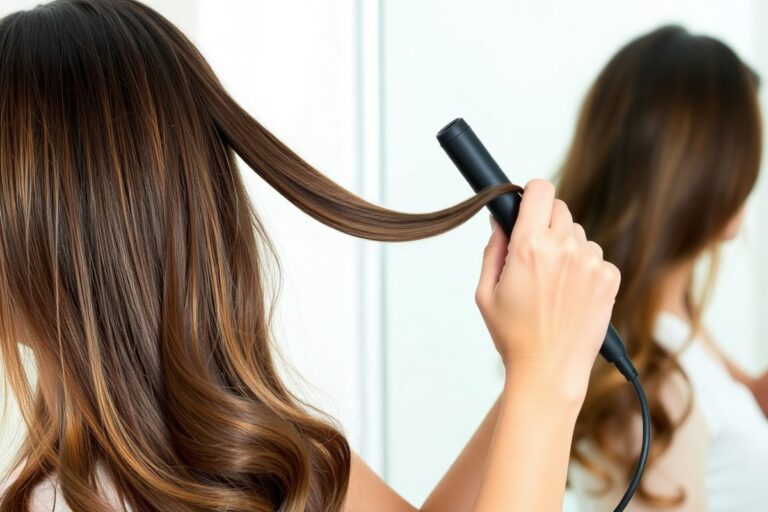
Heat styling tools cause frizz by drying out your hair and breaking its cuticle. High temperatures above 450°F can strip moisture and roughen your hair’s surface. Apply a heat protectant spray before each heat styling.
This includes blow dryers, flat irons, and curling wands. It helps stop damage to your strands.
Look for products with avocado oil, sunflower oil, or squalane for heat protection and hydration. Avocado oil works well up to 450 degrees Fahrenheit. Use a spray like Amika’s The Shield Anti-Humidity Spray.
It blocks heat damage and keeps humidity out all day. This spray acts as a protective barrier for your hair. Spray evenly on damp hair before styling but avoid overusing to prevent weighing hair down.
Limit heat styling to cut back on frizz and damage. Style your hair by letting it air dry naturally. Add a product that seals the cuticle and locks in moisture.
This keeps your hair smooth and hydrated. Reduce styling to a few times per week and use the lowest effective heat setting. Give your hair regular breaks from heat tools, especially if it feels dry or brittle.
Environmental factors also cause and increase frizz. Sun exposure breaks down hair proteins and dries strands.
Airborne pollution deposits particles that roughen hair cuticles. Humidity causes hair to absorb water and swell unevenly, leading to frizz and flyaways.
Wear a hat or scarf on very sunny or polluted days to reduce direct exposure. Use anti-humidity sprays daily to keep frizz controlled when moisture in the air spikes.
Hydrating conditioners restore moisture lost to sun and pollution. These steps keep hair smooth and manageable even in tough weather.
Avoid brushing dry hair too much, as this can damage and roughen cuticles. Instead, detangle gently when hair is damp using a wide-tooth comb and conditioner. This reduces the chance for frizz after heat styling or environmental exposure.
8. When to Use Professional Treatments and How to Choose Them
Professional treatments can cut down frizz by smoothing and hydrating your hair. Keratin treatments stand out because they last several months and offer a sleek, polished look. You should consult a stylist to see which treatment fits your hair type and lifestyle best.
Not every treatment suits all hair types. Thick, coarse hair might respond well to keratin. Fine or curly hair may do better with gentler, moisturizing treatments.
Some treatments involve chemicals or heat. So weighing the cost against potential damage is smart.
Here’s a simple table showing common professional treatments. It includes how long results last.
Plus, what you might pay for each. Prices vary by salon location, hair length, and complexity.
| Treatment | How It Works | Duration | Approximate Cost | Best For |
|---|---|---|---|---|
| Keratin Treatment | Seals hair cuticle with keratin protein and heat | 3 to 6 months | $150 to $300 | Thick, coarse, frizzy hair |
| Deep Conditioning Treatment | Intense hydration with moisturizers and oils | 1 week, but effects build with repeat visits | $25 to $75 | Dry or damaged hair of all types |
| Brazilian Blowout | Protein formula smooths and protects hair cuticle | 10 to 12 weeks | $200 to $400 | Frizzy, wavy hair looking for smoothness |
| Japanese Hair Straightening | Permanently restructures hair bonds with chemicals | 6 months to permanent, with touch-ups | $300 to $600 | Very curly or wavy hair wanting straightness |
Ask your stylist about side effects and maintenance. Some treatments require special shampoos or avoiding washing for a few days. Avoid getting treatments too often; overuse can lead to dryness or breakage.
Don’t skip a patch test when trying new chemical treatments; it prevents allergic reactions.
Expect smoother hair after a professional treatment, but keep real expectations. Treatments cut frizz but don’t stop hairs from reacting to humidity completely. Pair a treatment with good daily care and heat protection for best results.
Your Step-by-Step Plan to Reduce Hair Frizz
Start improving your hair’s smoothness right away with these easy steps. Check how your hair feels as you go.
- Day 1: Get a trim to cut off split ends. Check if your hair looks healthier the next day.
- Week 1: Switch to a gentle sulfate-free shampoo and a moisturizing conditioner for frizz control. Notice if hair feels softer after washing.
- Week 2: Use a microfiber towel or a cotton t-shirt to dry your hair gently. Watch for less roughness or flyaways.
- Week 3: Apply a leave-in conditioner or anti-frizz serum on damp hair. Check if your hair stays smoother longer.
- Ongoing: Protect your hair from heat by using a heat protectant before styling tools. Your hair should feel less dry and brittle.
- Weekly: Try a professional smoothing or deep conditioning treatment if frizz persists. Notice how your hair texture improves after a few sessions.
- Nightly: Sleep on a silk or satin pillowcase to reduce friction. See if you wake up with less frizz and better texture.
Frequently Asked Questions
Can Overnight Hair Treatments Help Reduce Frizz?
Yes, applying moisturizing treatments overnight can hydrate hair deeply. This helps smooth cuticles and cut down on frizz the next day. Avoid heavy oils if your hair is fine.
Is Brushing Hair More or Less Often Better for Frizz Control?
Brushing hair less often reduces breakage that causes frizz. Use a wide-tooth comb on wet hair to detangle gently. Over-brushing can roughen cuticles and increase frizz.
Does Diet Affect Hair Frizz?
Yes, eating foods rich in vitamins A, C, and E supports hair health. Proper nutrition strengthens hair and helps keep frizz at bay. Drinking enough water also keeps hair hydrated from within.
Can Swimming Cause Frizzy Hair?
Yes, chlorine and saltwater strip natural oils and raise cuticles. Rinsing hair before and after swimming can limit damage. Use a swim cap or leave-in conditioner to protect strands.
Are Silicone-Based Products Bad for Frizzy Hair?
Silicone can temporarily smooth hair, but buildup can cause dryness and frizz. Use clarifying shampoos occasionally to remove buildup. Some people find silicone-free options better for their hair texture.
Does Humidity Level Predict Frizz Severity?
Higher humidity usually means more frizz because hair absorbs moisture. Sealing hair cuticles with oils or serums helps resist humidity. Anti-humidity sprays create a barrier but may need reapplication during the day.
Final Thoughts
Reducing hair frizz takes a few small changes done regularly. Start with one step today to see quick differences. Keep going and your hair will thank you with less frizz and more shine.