
How to Moisturize Scalp: 8 Proven Ways for Healthy, Hydrated Skin
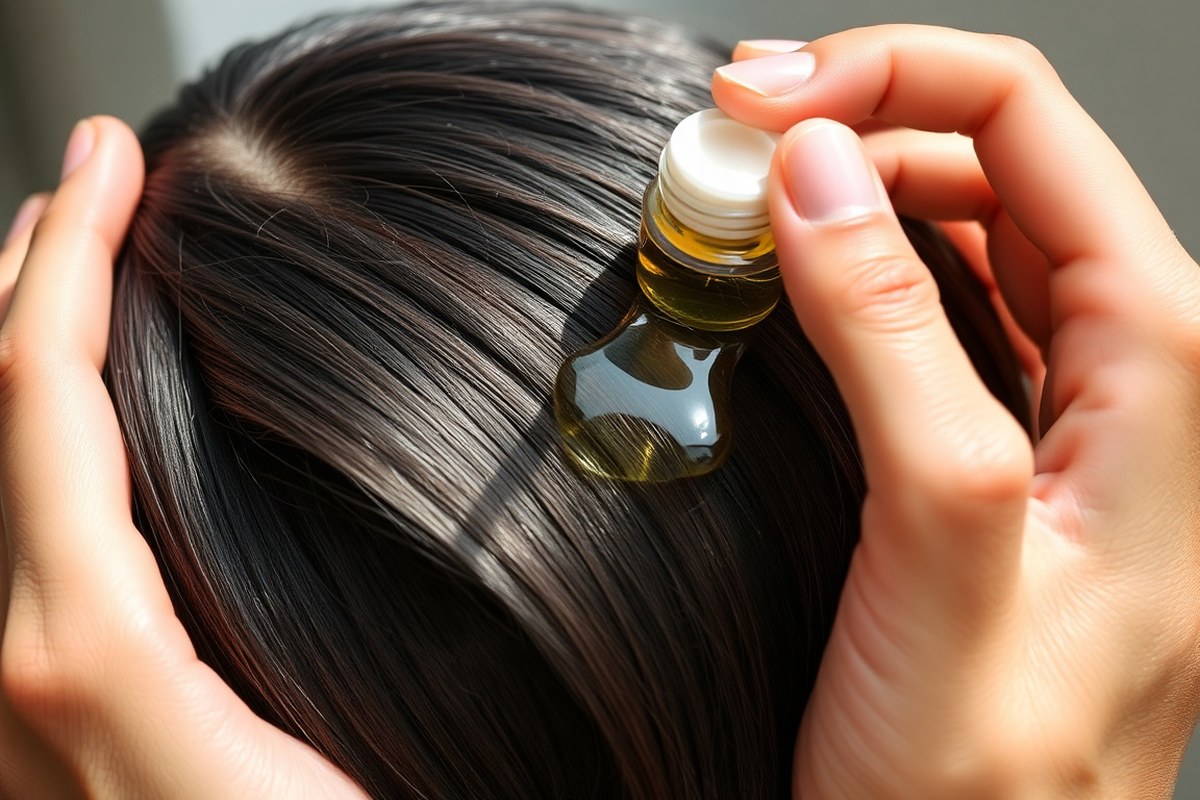
How to moisturize scalp without ending up with greasy hair is a common worry. The key is using light products and applying them in small amounts. Massage oils or serums into your scalp for a short time.
Wait 10 to 30 minutes before rinsing or washing it out. Use your fingertips to apply gentle pressure while massaging.
Begin with treatments that match your scalp type. Try a moisturizing serum if your scalp is dry. Use a gentle pre-wash masque for added care.
Watch your water temperature when rinsing, hot water can strip moisture. Aim for 98 to 104 degrees Fahrenheit to keep skin hydrated.
Let your scalp soak in natural oils. But don’t leave heavy oils on all day.
Massage for a few minutes, then rinse. This helps hydrate without making your hair oily or weighed down.
Key Takeaways
- Use light scalp serums that absorb quickly to avoid greasy hair.
- Apply oils or treatments 10 to 30 minutes before washing for best results.
- Choose products designed for your scalp type: dry, sensitive, or itchy.
- Rinse with warm water between 98°F and 104°F to preserve moisture.
- Massage the scalp gently to boost blood flow and product absorption.
- Limit oil treatments to once or twice a week to prevent buildup.
1. How to Moisturize Your Scalp Without Greasy Hair

Using the right products prevents a greasy scalp while keeping moisture in. Lightweight serums or oils made for dry scalps work best. They hydrate without clogging hair follicles or weighing hair down.
Rinse-out treatments are another option if you want short contact time. These usually sit on your scalp for 3 to 10 minutes before washing out. That helps hydrate without leaving oil residue that makes hair look heavy.
Applying oils or serums carefully is key. Use a cotton swab or your fingertips to dot the product directly on your scalp. Avoid smearing it through your hair shaft, which causes greasiness.
Avoid overdoing it with heavy oils or multiple products. Build-up from oil, dry shampoos, or styling products can irritate skin and clog follicles. A gentle cleansing shampoo removes residue without stripping your scalp’s natural oils.
Follow this step-by-step guide to moisturize your scalp without greasy hair:
- Choose a lightweight scalp serum or oil designed for your hair type.
- Section your hair with a comb to expose the scalp evenly.
- Dip a cotton swab or your clean fingertip into the product.
- Apply small dots directly onto the scalp, spacing them about an inch apart.
- Gently massage with fingertips to help absorption, avoiding hair strands.
- Wait 3 to 10 minutes if using a rinse-out treatment, then wash as usual.
- Cleanse regularly with a sulfate-free shampoo to prevent product build-up without dryness.
- Exfoliate your scalp occasionally to remove dead skin cells and residues.
Keep hydrated by drinking plenty of water daily. Hair usually shows hydration improvements in a few weeks. Watch for signs like oiliness or itchiness on your scalp.
2. Identifying Causes and Signs of a Dry Scalp

Dry scalp often shows as small flakes, tightness, and itchiness. These flakes usually look white and dry, unlike dandruff, which causes larger, oily flakes. You might notice irritation or redness if your scalp dries too much.
Dandruff is caused by yeast build-up on your scalp. This build-up leads to inflammation. Knowing this helps in treating it right.
Dry scalp flakes are usually smaller and less oily. Dandruff flakes tend to be bigger and more stubborn. Your scalp being itchy and red needs attention.
Flakes that don’t get better with moisturizer may signal a medical issue. Seborrheic dermatitis is one example.
Several things cause dry scalp. Cold weather and low humidity pull moisture from the skin, causing dryness. Hot showers and harsh hair products with ingredients like sulfates and alcohol further strip oils.
Your diet affects your scalp health. Not drinking enough water or poor nutrition can dry your scalp.
Sometimes, stress and hormonal changes affect scalp health, leading to dryness or irritation. Products with silicones or strong essential oils can cause dryness.
Always check the ingredients list for these. Your scalp feeling tight and flaky after washing could mean a product is causing this.
Stop using shampoos or conditioners with harsh sulfates or alcohol. They often cause itchiness and tightness.
If dryness lasts and you see redness or itching, you need a dermatologist’s help. They can find the medical cause.
Treating scalp dryness starts with spotting these signs early and knowing what to avoid. Small flakes and itchiness often improve with moisturizing products and gentle routine changes.
3. Choosing the Best Products for Scalp Moisturizing
Choosing scalp products depends on ingredients that hydrate well. They should soothe your skin without causing irritation. Look for gentle, nourishing options made for sensitive scalps.
Products with moisturizing vitamins and oils nourish the scalp and improve dryness. Avoid anything harsh that strips your scalp’s natural oils.
Moisturizing Ingredients to Look For
Look for ingredients that help your scalp hold moisture and reduce itchiness. Natural oils like jojoba and argan are great moisturizers that mimic the scalp’s own oils. Vitamins such as B5 and E support scalp health and encourage hair strength.
Some ingredients help calm inflammation and itching, important for sensitive or dandruff-prone scalps. Glycerin draws moisture into the skin, while niacinamide smooths irritation and redness. These nutrients work together to hydrate and protect the scalp.
| Ingredient | Function | Good For |
|---|---|---|
| Jojoba Oil | Mimics natural oils, moisturizes | Dry & sensitive scalps |
| Argan Oil | Hydrates and nourishes follicles | Dry, flaky scalps |
| Vitamin B5 (Panthenol) | Locks in moisture, strengthens hair | All scalp types |
| Niacinamide | Reduces redness, soothes irritation | Sensitive, dandruff-prone scalp |
| Glycerin | Attracts moisture to the scalp | Dry, itchy scalps |
Choosing these ingredients will help keep your scalp hydrated without irritation. They fit well into shampoos, conditioners, serums, and oils designed for dry or sensitive scalps.
Recommended Product Types by Scalp Need
Start with a sulfate-free shampoo that cleanses gently while protecting your scalp’s natural oils. Follow with a conditioner that adds moisture and soothes dryness. These two form the basic foundation.
Serums or scalp treatments provide targeted hydration. Look for lightweight formulas with oils and vitamins that absorb quickly without weighing hair down. Oils can be useful but pick non-greasy ones like jojoba for daily use.
Here’s how to pick based on your scalp:
- Dry scalp: Use rich conditioners and oils with argan or jojoba oils.
- Sensitive scalp: Choose fragrance-free products with niacinamide and panthenol.
- Dandruff-prone: Use gentle shampoos with moisturizing ingredients, avoid harsh anti-dandruff chemicals that can dry out scalp.
How to Avoid Harsh Ingredients That Dry Scalp
Avoid shampoos and conditioners with sulfates as they strip your scalp’s natural oils. They can increase dryness and itchiness. Check ingredient labels for chemicals like sodium lauryl sulfate.
Also skip products with strong fragrances, parabens, and alcohols, which can irritate sensitive scalps. These make dryness worse and cause flaking. Stick to formulas labeled sulfate-free and designed for sensitive or dry scalps.
Use a scalp scrub occasionally to remove buildup. Buildup can block moisture from reaching your scalp. This allows your serums and oils to penetrate better and improve dryness over time.
4. Natural Oils and Home Remedies for Hydrating the Scalp
Natural oils like jojoba, argan, and rosemary oil are great for moisturizing your scalp. Jojoba oil mimics your scalp’s natural oils, so it absorbs easily without feeling greasy. Argan oil adds moisture and shine.
Rosemary oil helps soothe itchiness and calm irritation. Warm a few drops of oil in your hands.
Then, massage it gently into your scalp. Leave it on for 20 to 30 minutes before washing it out with a mild shampoo.
Honey and banana also work well as home remedies. Honey’s humectant properties pull water into your scalp and hair, boosting moisture. Mash half a ripe banana into a smooth paste and mix with two tablespoons of honey.
Put this mixture on your scalp. Cover with a shower cap.
Leave it on for 20 minutes. Rinse with lukewarm water and a gentle shampoo to avoid stripping your scalp’s oils.
- Use warm, not hot, oils or water to prevent drying out your scalp
- Test a small patch first to avoid allergic reactions
- Don’t overdo treatments; one or two times per week is enough
- Massage oils into your scalp for 5 to 10 minutes to boost blood flow
- Wash treatments out thoroughly to avoid buildup that can clog pores
- Mix honey or banana with oils to improve slip and ease removal
- Skip treatments if your scalp has open sores or infections
Applying these remedies safely matters. Avoid hot water since it strips scalp oils and can cause irritation. Overusing oils or homemade treatments can lead to buildup, which might clog your scalp pores.
Try a patch test on your inner arm first. Check for any skin sensitivity. Only then apply to your scalp.
Notice redness or itching? Stop the treatment immediately.
These natural methods take a few weeks to show improvement, so consistency is key. You’ll know they’re working when your scalp feels less tight and flakes reduce significantly.
5. Step-by-Step Weekly Scalp Moisturizing Routine
Moisturizing your scalp once a week works well to keep it hydrated and healthy. Combine cleansing, exfoliation, moisturizing, and massage in a routine that fits your scalp’s needs. Below is a step-by-step weekly guide to help you stay consistent and see real improvements.
Pre-Wash Scalp Massage with Oils
Start your routine by massaging nourishing oils into your scalp before washing. Oils like jojoba or squalane are great choices for hydration. Apply a few drops and massage gently to boost blood flow and open pores.
You can leave the oil on your scalp for 20 to 30 minutes before washing. For very dry skin, leave the product on overnight once weekly.
This helps provide deeper moisture. Massage helps oils sink in better, improving absorption and comfort.
Exfoliation and Shampooing Techniques
Use gentle exfoliation weekly to remove flakes and buildup from your scalp. Choose a scalp scrub or a product with exfoliating ingredients that suit your hair type. Follow up with a sulfate-free shampoo to cleanse without stripping moisture.
Rinse your scalp with lukewarm water during shampooing to avoid dryness. Use your fingertips, not nails, to massage your scalp gently while washing. This helps clean pores and supports healthy skin turnover.
Post-Wash Masks, Serums, and Leave-Ins
After washing, apply a scalp mask or serum with hydrating oils to lock in moisture. Leave-in products are convenient; rub in a small amount and move on to styling. Masks may stay on for 10 minutes up to an hour before rinsing, depending on directions.
Regular use of masks once a week adds extra hydration and soothing benefits. Follow with a leave-in serum for better moisture retention, especially if your scalp feels dry. Focus on light products to avoid greasy hair.
Adjusting Routine Frequency by Scalp Type
Oily scalps may benefit from moisturizing every 7 to 10 days to prevent buildup. Dry or flaky scalps often need weekly moisturizing to maintain comfort and reduce flaking. Adapt your routine based on how your scalp feels after treatments.
People with sensitive skin should pick gentle products. Exfoliate less often. Try every 10 to 14 days.
Pay attention to signs like itching or redness and adjust or pause treatments accordingly. This keeps your scalp balanced without overdoing it.
- Start by picking an oil like jojoba or squalane for your scalp massage.
- Put a few drops on your fingertips. Massage your scalp gently in small circles. Do this for 5 minutes.
- Leave the oil on for at least 20 minutes or overnight once a week.
- Use a gentle scalp exfoliator or scrub before shampooing.
- Wash your hair and scalp with a sulfate-free shampoo, massaging with fingertips.
- Rinse with lukewarm water and towel dry gently.
- Put on a scalp mask or hydrating serum. Keep it on for 10 to 60 minutes. Follow the product instructions.
- Finish by massaging a leave-in serum lightly into your scalp to seal in moisture.
Massaging your scalp for 5 minutes increases blood flow and helps oils absorb better.
6. How to Exfoliate the Scalp to Boost Moisturizing
Exfoliating your scalp helps remove dead skin cells and buildup from hair products. This makes it easier for moisturizers to reach your skin and work better. Plus, exfoliation supports healthy scalp cell turnover, which keeps your skin fresh and less flaky.
You can exfoliate with a scalp scrub or a gentle brush designed just for the scalp. Scrubs usually have tiny grains that slough off dead skin. Soft brushes massage and clear buildup without harsh rubbing.
Avoid scrubs that are harsh or full of strong chemicals. They can irritate your scalp. These scrubs also dry out your scalp.
Limit exfoliating to once or twice a week to avoid stripping your scalp’s natural oils. Overdoing it can cause dryness, itchiness, and redness, especially if you have sensitive skin.
- Use a scoop of scalp scrub or apply a small amount of exfoliating cleanser.
- Part your hair in sections to expose your scalp evenly.
- Apply scrub gently with fingertips or a soft brush in small circular motions.
- Massage for about 1 minute to avoid over-irritation.
- Rinse thoroughly with lukewarm water to clear away all residue.
- Follow with a lightweight leave-in treatment or scalp oil to lock in moisture.
Dry massaging your scalp with a brush can help improve blood flow. It also softens buildup on your scalp. This works without putting oils on it.
This method costs less since you only need the brush, which ranges from $10 to $30. For scrubs or exfoliating cleansers, expect to pay around $15 to $35, depending on the brand.
Stop exfoliating if you feel stinging, burning, or extreme dryness. Give your scalp time to recover. Continuing could cause more damage.
Softer, smoother skin with less flaking shows that exfoliation is working well. These simple steps can help boost your scalp’s moisture and keep itchiness away.
7. Adjusting Scalp Moisturizing for Different Conditions
Moisturizing your scalp needs to change based on your scalp type. An oily scalp requires lighter products to avoid buildup. Sensitive or dandruff-prone scalps need gentle, soothing care that won’t trigger irritation.
Moisturizing for Oily Scalps
Oily scalps produce excess sebum, so heavy moisturizers can clog pores. Use lightweight, water-based leave-in sprays or gels designed for oily scalp types. Avoid thick oils and creams that leave a greasy feel.
Wash your scalp regularly but not too often. Aim for every two to three days.
Over-washing strips natural oils, which can make the scalp overproduce oil to compensate. Look for shampoos that balance sebum without harsh ingredients.
Care Tips for Sensitive Scalps
Gentle hydration is key for sensitive scalps. Use fragrance-free, hypoallergenic moisturizers with soothing ingredients like aloe vera or oat extract. Avoid products with alcohol, sulfates, or strong fragrances that irritate.
Apply moisturizers more often, possibly daily or every other day, to stop dryness and flare-ups. Keep hair care simple to reduce stress on the scalp. Test new products on a small patch of skin first to avoid reactions.
Managing Moisture with Dandruff
Dandruff comes from a yeast overgrowth that causes flakes and itchiness. Moisturizing can help soothe but using the wrong products may worsen flakes. Choose shampoos with zinc pyrithione or coal tar to calm the scalp.
Moisturizers should be lightweight and non-comedogenic. Avoid heavy oils that could feed yeast growth. Using moisturizing masks once or twice a week helps your scalp.
Look for masks with anti-inflammatory ingredients like Manuka honey. These masks can reduce redness effectively.
Here’s a quick checklist showing how to adjust care by scalp type.
| Condition | Product Type | Frequency | Key Ingredient | Avoid |
|---|---|---|---|---|
| Oily Scalp | Light leave-in spray or gel | Every 2-3 days | Balancing agents | Heavy oils, creams |
| Sensitive Scalp | Fragrance-free lotion | Daily or every other day | Aloe vera, oat extract | Alcohol, sulfates, fragrances |
| Dandruff-Prone | Medicated shampoo, light moisturizer | 3 times per week (shampoo) | Zinc pyrithione, coal tar | Heavy oils |
Moisturizing your scalp correctly takes some testing. Watch how your scalp feels and looks after using different products. The goal is steady hydration without buildup, irritation, or increased flakes.
8. When to Seek Professional Help for Persistent Dry Scalp
Persistent itching, redness, thick scales, or crusting are signs you need a dermatologist. Pain or significant flaking also means your scalp might have more than simple dryness. These symptoms suggest conditions such as psoriasis or eczema, which need special care beyond home remedies.
Common scalp dryness usually causes mild flaking and tight skin without much redness or pain. If your scalp looks inflamed or the flakes turn thick and yellow, you might be dealing with dandruff or a skin disorder. Unlike normal dry scalp, these conditions often require medical treatments like medicated shampoos or prescription creams.
Professional treatments may include antifungal creams, corticosteroids, or medicated shampoos with ingredients like salicylic acid. Using salicylic acid too often can dry your scalp more.
So a dermatologist can guide the right frequency. Prescription options work best when over-the-counter products fail and symptoms continue for several weeks.
Scalp issues caused by allergies or irritation might need patch testing to find triggers. Your doctor can check for these and recommend treatments that reduce inflammation and itchiness. Proper diagnosis saves time and avoids making the scalp worse with the wrong products.
Do not ignore scalp pain or thick crusts; prompt diagnosis prevents worsening conditions.
Step-by-Step Action Plan to Moisturize Your Scalp
Start this simple plan today to hydrate your scalp and reduce dryness. Follow each step to see real improvement over the next few weeks.
- Day 1: Use a gentle scalp exfoliator to remove dead skin. Check for less flakiness after washing.
- Day 2: Apply a lightweight moisturizing scalp serum. Notice if your scalp feels less itchy and tight.
- Week 1: Add natural oils like jojoba or argan oil twice a week. Your scalp should feel softer without greasiness.
- Week 2: Adjust hair products to avoid those with harsh ingredients. Watch for any irritation or dryness returning.
- Week 3: Try a scalp massage with moisturizing oil before shampooing once a week. See if this improves scalp moisture and comfort.
- Week 4: Evaluate results and reduce treatments if your scalp feels balanced. If dryness persists, schedule a dermatologist visit.
Frequently Asked Questions
Can Eating Fatty Fish Help Moisturize the Scalp?
Yes, fatty fish like salmon provide omega-3s that nourish the scalp. These healthy fats can reduce dryness and inflammation from the inside out.
Will Scalp Massages Boost Scalp Hydration?
Scalp massages increase blood flow, which may aid hydration. They also help spread natural oils for better moisture balance.
How Often Should I Wash to Keep My Scalp Moisturized?
Washing hair two to three times a week usually prevents scalp dryness. Overwashing can strip natural moisture and worsen dryness.
Can Indoor Heating Dry Out My Scalp?
Yes, heating systems lower humidity and dry your scalp. Using a humidifier can help maintain moisture during colder months.
Are Scalp Moisturizers Safe to Use Daily?
Most scalp moisturizers are safe for daily use if suitable for your hair type. Watch for any irritation or buildup over time.
Does Wearing Hats Affect Scalp Moisture?
Wearing hats can trap sweat, leading to scalp irritation. Make sure hats are clean and breathable to avoid problems.
The Bottom Line
Moisturizing your scalp helps your skin feel healthy and reduces flakes. Try adding one new step to your routine this week. Keeping your scalp hydrated takes care and attention but brings good comfort.


