

Do Hair Fibers Work? A Complete Guide to How They Conceal Thinning Hair
Do hair fibers work to cover thinning hair? Yes, they do help hide thinning spots by instantly thickening your hair. These fibers cling to existing strands, adding volume and making bald patches less visible.
Hair fibers also blend with your natural color for a more natural look. For best results, apply them to completely dry hair after any treatments like Minoxidil have dried.
Without enough hair density, fibers won’t stick well. So keep expectations realistic if your scalp shows too much skin.
Using hair fibers right lets you conceal thinning areas quickly. But remember they are a cosmetic fix, not a cure. Treat them like makeup.
Use them to boost your confidence. Try other hair loss solutions if needed.
Key Takeaways
- Apply hair fibers only on dry hair to ensure better adhesion.
- Use hair fibers after treatments like Minoxidil have fully dried.
- Hair fibers work best when hair density is above 25% coverage.
- Select a fiber shade that closely matches your natural hair color.
- Hold hairspray 8-10 inches away and spray lightly to lock fibers.
- Hair fibers offer instant thickening but only last about 24 hours.
Do Hair Fibers Actually Work to Conceal Thinning Hair?
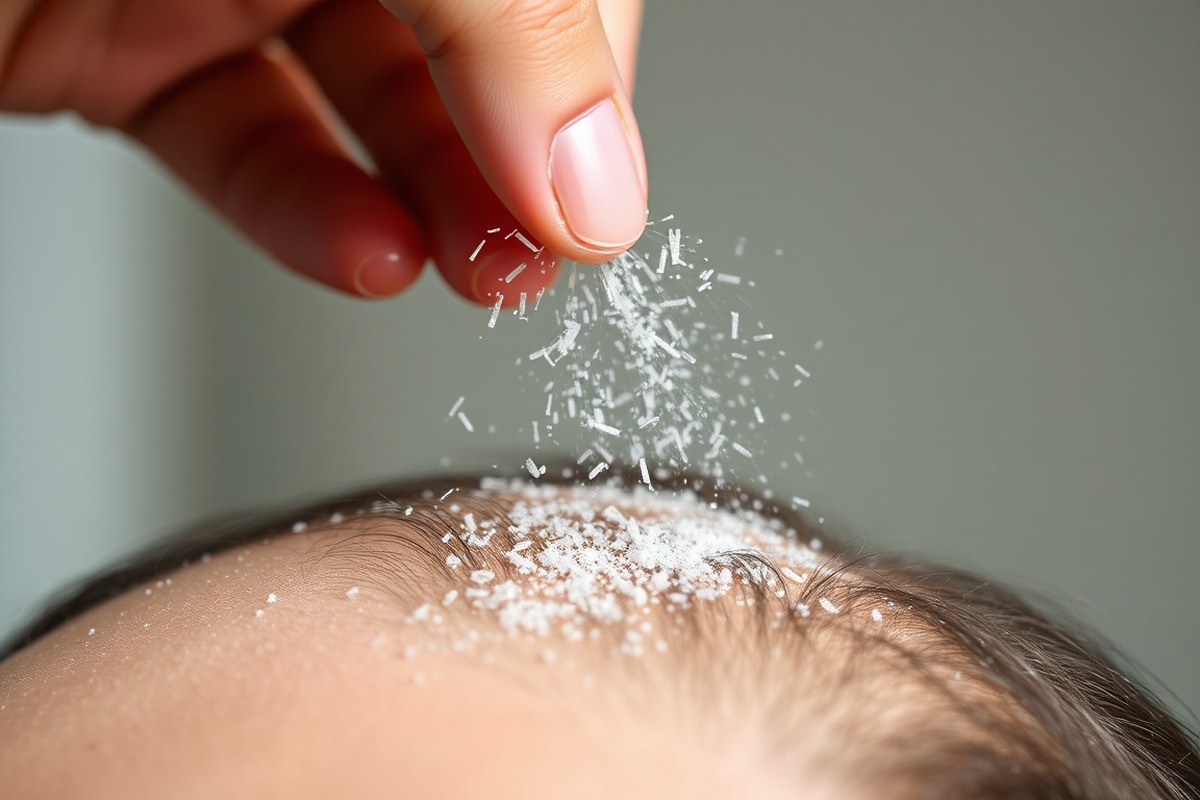
Hair fibers do work to conceal thinning hair. But only if you have some hair to attach them to.
These tiny, statically charged fibers cling to existing strands, instantly making hair look thicker and fuller. They stick best to fine or medium-density hair where scalp show-through is noticeable.
They work great for early thinning, widening partings, and thinning crowns with hair still present. The fibers fill in gaps by adding volume and reducing scalp visibility. However, they don’t cover completely bald patches well because there’s nothing for them to hold onto.
For patchy autoimmune hair loss, fibers can hide bald areas that still have a few hairs. You won’t get good coverage on big bald spots. Fibers fall off bare skin easily.
They work better on thinning hair. In those cases, the look can seem unnatural or patchy.
Applying fibers takes just a few seconds. You sprinkle or spray them over thin spots. It’s a quick and simple step.
They bond instantly and blend with your natural hair color for a realistic effect. The cost is about $15 to $30 per container.
Each container lasts for weeks. Price depends on the brand and size.
Good results show fuller hair with natural texture. You shouldn’t see clumps or powder. It should look realistic.
Common mistakes include using too much fiber or applying where there’s no hair. That can make the fibers look fake and highlight thinning instead of hiding it.
Hair fibers provide an easy, affordable way to improve your hair’s look every day. They won’t regrow hair or fix baldness. But they can boost your confidence when your hair thins.
For large bald spots, try other methods. Options include wigs or medical treatments. These work better for advanced hair loss.
How Hair Fibers Work: Science Behind the Concealment
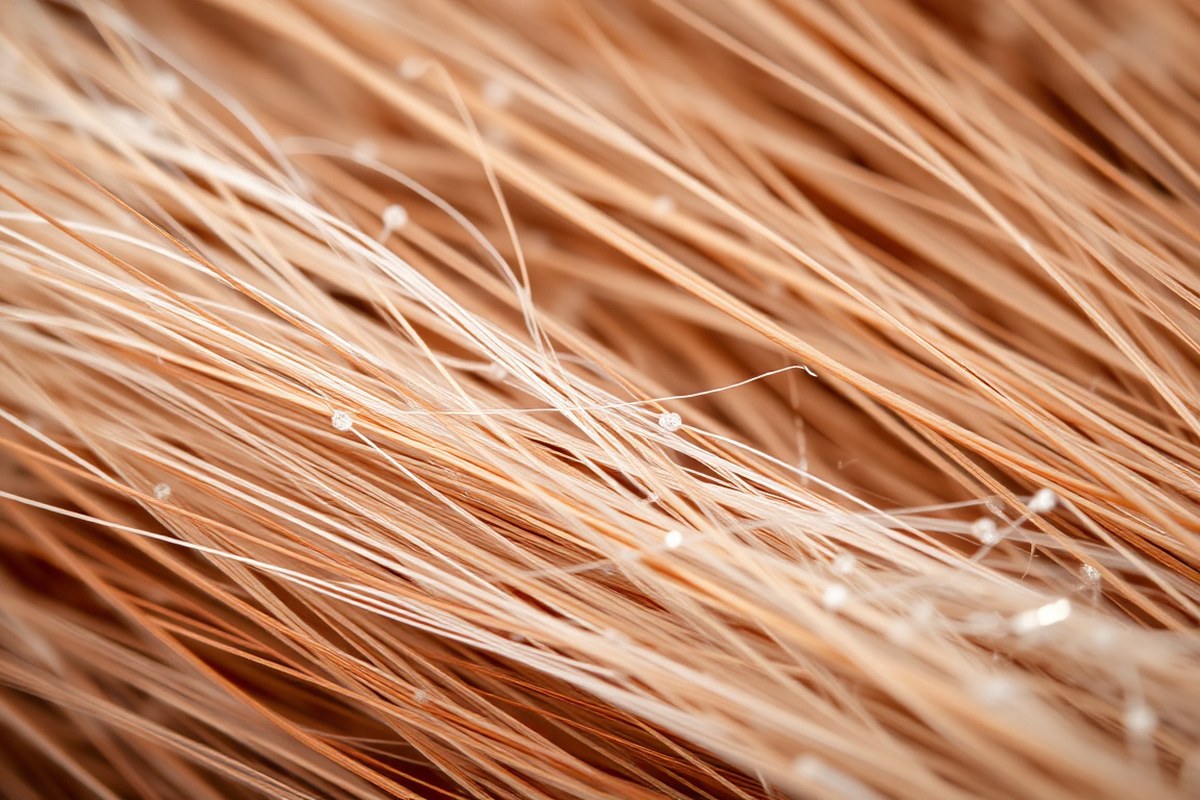
Hair fibers attach to your existing hair by using static electricity. When you shake or spray, the fibers get charged. They cling tightly to every hair strand.
This helps cover thin spots well. This adds thickness and covers thin spots almost instantly, creating a fuller look.
Fibers are usually keratin, just like your natural hair. Sometimes, they use plant-based cotton fibers instead. Both stick well to your hair.
Keratin fibers have a texture and weight similar to hair. So they blend well but sometimes may cause mild scalp irritation or clog pores. Cotton fibers are lighter and hypoallergenic, making them better for sensitive scalps and daily use.
The static charge is the key. It helps the fibers grab onto hair strands instead of falling off. Without enough existing hair, fibers don’t hold well and can clump or fall away.
So they work best if you have some natural hair to build on. Using a hold spray after application can increase stickiness and longevity.
Match the fiber shade closely to your hair color. This keeps your hair looking natural. Using the wrong shade can look fake. Avoid applying too much, or fibers may clump and look fake.
Choosing and Applying Hair Fibers for Best Natural Coverage
To get the best natural coverage from hair fibers, pick a shade that matches your roots. Apply fibers to clean, dry hair using short, light bursts. Finish with a light hairspray to keep fibers in place without clumps.
Selecting the Right Shade for Your Hair Color
Pick hair fibers that closely match your natural root color, not your hair tips. Matching roots ensures the fibers blend smoothly, avoiding a powdery look on top. Most brands have colors covering 4 to 6 levels.
These match light brown to dark blonde hair. You can find a shade that fits your hair tone well.
Try samples or buy from sellers with good return policies if unsure. Synthetic fibers are common and come in wide color ranges. Cotton fibers work best for fine hair and sensitive scalps because they are lighter and non-animal-based.
Step-by-Step Application Process
Applying hair fibers properly makes a big difference in how natural they look. Follow the right steps to stop clumping. Make sure fibers stick to hair, not scalp.
This keeps your hair looking natural. Start with clean, dry hair without oils or conditioner for the best grip.
- Wash and dry your hair thoroughly, avoiding conditioner and oily styling products.
- Choose the shade closest to your natural root color.
- Hold the fiber container a few inches above thinning areas.
- Lightly shake or spray the fibers on, focusing on sparse spots.
- Gently pat your hair to spread fibers and help them stick.
- Use a light hairspray to set and hold fibers in place.
- Style your hair gently without rubbing or heavy brushing.
- Carry fibers with you for quick touch-ups during the day if needed.
Expert Tips for Styling and Setting Fibers
Keep your hairstyle simple for the best fiber coverage. Avoid heavy gels or oils, as they prevent adhesion and cause fibers to clump. Instead, use lightweight styling sprays or mousse sparingly before applying fibers.
After applying fibers, a light spray of hairspray sets them without weighing down your hair. Avoid touching your hair throughout the day; oil and moisture break down the fibers. For longer hold, limit exposure to rain or sweat and avoid high heat styling tools.
Common Application Mistakes and Fixes
One common error is applying fibers to wet or oily hair, which prevents sticking. Always dry and cleanse hair first to fix this.
Another mistake is using too much fiber at once, creating visible clumps. Apply small amounts gradually and blend with gentle pats.
Choosing a shade that’s too light or dark also spoils the natural look. Wash out the fibers and try a better color match. This fixes the issue quickly and easily.
Avoid brushing after application to preserve fiber placement. Instead, style with fingers or a wide-tooth comb gently.
How Long Hair Fibers Last and Factors That Affect Durability
Hair fibers usually last all day with a single application. You can expect them to stay put through normal activities like working or light outdoor time. For example, some brands claim their fibers hold for up to 24 hours under typical conditions.
Good-quality fibers resist wind, sweat, and even light rain. They stick by using static charge or electrostatic bonding to grip existing hair strands. Applying them on dry hair helps the fibers cling better.
Shake on the fibers. Then gently pat your hair to blend.
Spray a light-hold hairspray to finish. This spray locks fibers in place, usually for 8 to 12 hours.
Moisture is the main threat to durability. Heavy sweating, rain, or washing your hair can cause fibers to break down or clump. Expect water or sweat?
Use a fiber fixative spray. It gives extra hold.
You might need to touch up fibers during the day if weather is harsh. Still, fibers work best as a temporary cover, not a full waterproof solution.
Safety Precautions and Effects on Scalp Health
Hair fibers are generally safe because they use natural keratin, the protein in your hair. This means they rarely cause scalp irritation or damage for most people.
However, if you have a sensitive scalp, switching to cotton-based fibers may lower irritation risk. Avoid keratin fibers if you notice itching or redness.
Applying hair fibers on broken or healing scalp skin can raise problems. Don’t use fibers on open wounds or rashes. Wait until your scalp fully heals after hair transplant surgery before applying fibers.
This helps avoid problems. Follow your surgeon’s instructions on when it’s safe to resume using cosmetic products on your scalp.
Hair fibers rarely block follicles or cause infections. Washing your scalp regularly helps keep it clean. This reduces risk.
Skipping hair washing can lead to buildup, which might feel greasy or tight on the scalp. Clean your scalp every few days to prevent clogged pores and any discomfort.
Using fibers alongside hair growth treatments like Minoxidil is possible but requires care. Some keratin fibers may interact poorly with topical solutions, causing flaking or reduced adherence. Cotton fibers work better with treatments because they’re gentler.
They don’t block absorption as much. This makes them safer for your scalp.
Look out for fiber ingredients if you have allergies or sensitive skin. Natural plant-based fibers with mild colorants reduce the chances of an allergic reaction. Test a small patch on your skin 24 hours before using the fibers fully.
Stop using fibers right away if you notice irritation. Getting rid of the cause helps your scalp heal faster.
Don’t apply hair fibers on broken or healing scalp areas to avoid irritation and infection risks.
Best Hair Fiber Brands Compared: Types, Shades, and Prices
Hair fibers come in different materials, shades, and prices. You can find keratin-based and plant-based options, each with different durability and features. Comparing these factors helps you pick a product that fits your needs and budget.
Keratin Fiber Brands Overview
Keratin fiber brands are popular because keratin matches natural hair protein. They blend well and stay put using static charge. Most keratin fibers resist wind and light rain, making them good for everyday use.
Brands like Toppik and Boldify use keratin as a base. Toppik comes in nine shades and is wind- and sweat-resistant. Boldify stands out with 14 shades, offering more color options and extra volume effects.
Plant-Based Fiber Brands Overview
Plant-based hair fibers use natural sources like cotton or other plant proteins. These fibers are great if you want to avoid synthetic chemicals or animal products. Plant-based products often have fewer synthetic dyes and feel lighter on the scalp.
Caboki is a well-known plant-based brand. It offers around ten natural shades and avoids synthetic dyes. People with sensitive skin or who prefer cruelty-free products often choose these fibers.
Price vs Durability Comparison
Hair fiber prices range from budget-friendly to premium. Cheaper brands often have bright colors but may wear off faster under sweat or rain. Premium brands generally cost more but last longer and resist wind and sweat better.
For example, Toppik costs more but holds up well outdoors. Boldify offers more shades at a lower price but may need touch-ups sooner. Caboki is mid-priced with natural ingredients but less weather resistance compared to keratin fibers.
| Brand | Fiber Type | Shades | Notable Features | Price Range |
|---|---|---|---|---|
| Toppik | Keratin | 9 | Wind/sweat-resistant, best seller | $$$ |
| Boldify | Keratin | 14 | Budget-friendly, extra volume | $$ |
| Caboki | Natural | 10 | Plant-based, no synthetic dyes | $$ |
The price range reflects fiber ingredients, shade variety, and durability. More expensive brands provide stronger hold in normal outdoor conditions. Less expensive options still work well but might not last all day in sweat-heavy settings.
Ethical and Cruelty-Free Options
Not all hair fibers are cruelty-free, but some brands focus on ethical production. Plant-based fibers are usually 100% cruelty-free and made from natural materials. This appeals to people who want to avoid animal testing and synthetic chemicals.
Toppik and Boldify use keratin, which often comes from animal sources. So they are less likely to be cruelty-free.
Caboki’s plant-based fibers are fully cruelty-free and chemical-free. This choice suits users with sensitive skin or ethical concerns.
Common Hair Fiber Mistakes and How to Fix Them
Many people make simple mistakes with hair fibers. These errors hurt your look. They also reduce how long fibers last.
Fixing these makes your hair look thicker and more natural. Here are common errors and how to avoid them.
Applying Too Much Fiber at Once
Using too many fibers can make your hair look dusty or clumpy. The fibers build up and stick out instead of blending with your hair. It’s better to start with a small amount and add more only where needed.
Sprinkle a little from the bottle. Then pat or shake your head lightly. This spreads the fibers evenly.
Use a fiber hair comb to blend the fibers gently. This helps create a natural finish. Applying in thin layers keeps your hair looking fuller, not fake.
Shaking Fibers on Wet or Oily Hair
Fibers grab onto dry hair better because of their electrostatic charge. On wet or oily hair, fibers slip off or clump together. This makes their hold weak, and they can fall out quickly.
Wait until your hair is completely dry and clean before applying fibers. Your scalp feels oily?
Use dry shampoo or blot with a tissue. Dry hair helps fibers bond and stay put for hours.
Ignoring Proper Styling or Setting
Not setting your fibers can cause them to fall out in sweat or wind. Avoid heat styling after applying fibers. Heat can melt or move them.
This ruins the look. Instead, use a light hairspray made for fiber setting to lock them in.
A fiber hair comb helps arrange your style without pulling out fibers. Lightly spray your hair after styling to add extra hold. This routine prevents fibers from flaking off during the day and helps maintain natural thickness.
Using the Wrong Fiber Shade
Choosing a shade that is too dark or too light makes fibers obvious on your scalp. It can create a spotted or unnatural look that defeats the purpose.
Match fibers closely to your natural hair color. Do this even if your hair has highlights.
Most fiber brands offer multiple shades, so compare a few in daylight if possible. Some fibers blend easily when you mix two similar tones in small amounts. Correct color matching blends fibers with your own hair for the best cover.
- Start with a small amount of fibers and build up gradually
- Always apply fibers to dry, clean hair
- Set fibers with a hairspray designed for them to boost hold
- Use a fiber comb to blend and style without pulling fibers out
- Match fiber color closely to your hair to avoid unnatural spots
- Avoid heat tools after fiber application to prevent fiber damage
- Check your hair under natural light to ensure even coverage
When to Use Hair Fibers and When to Consult a Professional
Hair fibers work best for mild to moderate thinning. This means losing about 25% or less hair density. They help blend thinning areas naturally.
They give an instant fuller look without medical treatment or surgery. Your scalp is mostly bald, fibers won’t work well.
They don’t regrow hair or cover fully bare spots. Avoid using fibers alone in this case.
Postpartum shedding peaks 3 to 6 months after birth. Fibers help cover thinning during this regrowth stage. They improve appearance while hair grows back.
Use them after your scalp feels dry and stable from any treatment or shampoo. Fibers cover thinning spots as new hair grows in.
They make hair look thicker while you wait. The coverage improves appearance during regrowth.
Check your hair loss stage before choosing fibers. You only have thinning areas with some hair left. Fibers will stick and cover thin spots nicely.
They won’t work on bare scalp. Patches are completely bald or you want to stop shedding. Visit a professional for proper treatment advice.
Fibers won’t stop hair loss or fill bald spots. Doctors can offer treatments like prescription medicines or hair transplants. These cost more than fibers but treat the root cause.
Deciding between fibers or a pro starts by asking: How much hair do I have left? Is my scalp bald or just thin? Do I want to hide thinning or actually regrow hair?
You want quick and affordable coverage for thinner hair. Fibers usually cost $15 to $30 per bottle.
One bottle lasts several weeks of use. Professional treatments run much higher but target hair growth rather than just coverage.
Use fibers to cover diffuse thinning or early loss you want to conceal today. Follow with hairspray to lock them in place. Hair loss spreads or gets worse over time.
Visit a licensed specialist for diagnosis and treatment options. Early care may slow or stop loss. They can recommend medical options and create a plan based on your condition and goals.
Don’t apply hair fibers on wet or oily hair; it reduces sticking and coverage. Always wait until your scalp and hair are fully dry before use.
Your Quick-Start Plan to Use Hair Fibers Effectively
Follow these clear steps to get the best results using hair fibers for thinning hair. You’ll see your hair look fuller in minutes when done right.
- Before you start: Wash and dry your hair completely. Clean, dry hair helps fibers stick properly.
- Right before application: Style your hair as usual. This sets the base for natural-looking coverage.
- First use: Shake or spray fibers onto thinning spots. Check that coverage looks even and natural in daylight.
- Immediately after: Lightly pat or comb through to blend fibers with existing hair evenly.
- Within 10 minutes: Use a fiber-hold spray if available. It adds hold and protects fibers from falling off.
- After a full day: Remove fibers by washing hair with mild shampoo. Avoid buildup and keep scalp healthy.
- Weekly check: Watch for scalp irritation or itching. Stop use and consult a professional if problems occur.
- Monthly review: Confirm your hair thinning hasn’t worsened. Consider seeing a dermatologist if you notice rapid loss.
Frequently Asked Questions
Can Hair Fibers Damage Your Natural Hair?
Hair fibers generally do not damage hair if applied correctly. Avoid applying to wet or oily hair to keep your scalp healthy and prevent buildup.
Do Hair Fibers Wash Out Completely with Shampoo?
Yes, hair fibers wash out fully with regular shampoo. Use warm water and a gentle shampoo to remove all fibers without harming your scalp.
Can Hair Fibers Cause Allergic Reactions?
Some people may have mild scalp irritation, but allergic reactions are rare. Test a small area first to ensure the product suits your skin type.
Will Sweat or Rain Make Hair Fibers Fall Off?
Sweat and rain can reduce fiber adhesion, causing them to fall off. Use a fiber fixative spray to improve durability in wet conditions.
Are Hair Fibers Safe for Colored or Chemically Treated Hair?
Hair fibers are safe for most hair types, including colored or treated hair. Be gentle when applying and removing fibers to avoid hair breakage.
Can Hair Fibers Be Used by Women with Thinning Hair?
Yes, hair fibers work well for women with thinning hair too. Choose shades matching your hair color for natural, fuller-looking hair.
Before You Go
Hair fibers can visually reduce thinning hair if applied correctly and safely. Try using fibers today to see instant coverage. Keep track of comfort and scalp health as you go.


