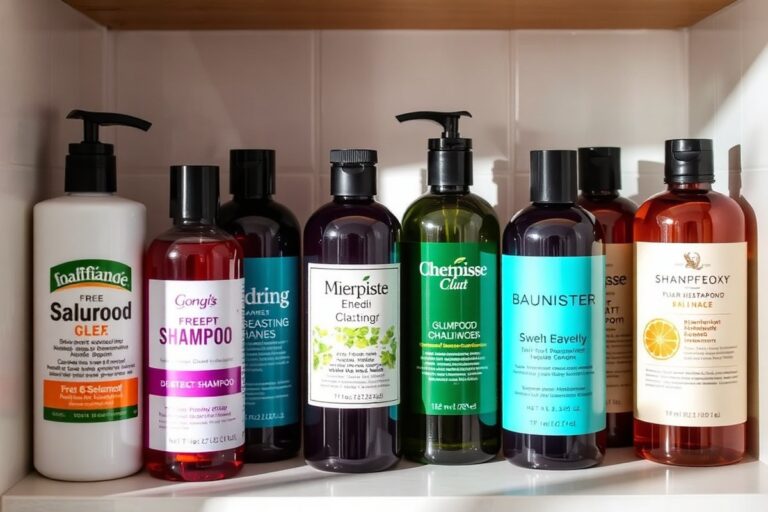
Which Shampoo Is Best: A Complete Guide to Choosing the Right One
Which shampoo is best depends on your specific hair type and needs. Choosing the right one means looking beyond price and brand to how it treats your hair.
Start by identifying your hair’s main concern, such as dryness, damage, or oiliness. That will guide you to the perfect shampoo formula.
Next, check the ingredients list closely for key benefits like hydration or repair. Some shampoos work well for everyday use, while others target frizz or color protection. A shampoo that smells good and feels gentle will make your hair care routine more enjoyable.
Also, consider how often you wash your hair because shampoo frequency affects your hair’s health. Using too much shampoo can strip natural oils and leave hair dry or irritated. Start slow and adjust as you learn what your hair responds to best.
Key Takeaways
- Pick shampoo based on your hair’s primary need, like moisture or strength.
- Look for ingredients like proteins for repair or moisturizing oils for dry hair.
- Choose shampoos with pleasing scents to make washing more enjoyable.
- Do not shampoo daily if your hair or scalp feels dry or tight afterward.
- Clarifying shampoos help remove buildup but use them only once or twice a month.
- Drugstore shampoos can work well if they meet your hair’s needs and preferences.
Which Shampoo Is Best for Your Hair Type?

You should start by figuring out your scalp condition before your hair type. Your scalp might be oily, dry, or sensitive, which affects shampoo choice more than hair texture. For example, an oily scalp benefits from a lightweight, less moisturizing shampoo to cut excess oils.
Dry scalps need hydrating shampoos that soothe and add moisture. Have sensitive skin or eczema?
Choose gentle formulas with bisabol or hemisqualane. These avoid irritation while cleansing without stripping natural oils.
Next, consider your hair type. Curly hair often feels dry, so a moisturizing shampoo with amino acids works well.
It cleans without harsh sulfates, defining curls and adding bounce. Fine or thin hair can gain volume with shampoos designed to thicken and plump strands.
Oily hair benefits from a clarifying shampoo but only when buildup weighs roots down. Using clarifying shampoos daily can dry hair out.
So reserve them for once every one or two weeks. For regular washing, a gentle balancing shampoo helps control oil without stripping moisture.
Color-treated hair needs shampoos made to protect dye and reduce fade. Choose non-toxic, sulfate-free options that clean gently and keep hair shiny. These often cost more, like Rahua’s formula, but protect your investment in color.
To find your hair type, try this checklist. Touch your scalp one day after washing. Note how it feels.
Your scalp feels oily or greasy. That means you have an oily scalp. Your scalp feels tight or flaky.
It shows dryness or sensitivity. Look at your hair’s texture and how much frizz or volume you see.
Match your shampoo by pairing scalp condition with hair type. For oily scalp and curly hair, pick a light moisturizing shampoo. It won’t weigh curls down.
Dry scalp with straight hair needs hydrating but lightweight products. These small details affect results a lot.
Expect to spend anywhere from $5 for drugstore options to $30 and above for specialty shampoos. Cheaper shampoos often work well for oily hair if they clarify and balance. More expensive shampoos usually include ingredients to soothe scalps or protect color better.
Essential Ingredients to Look for in Shampoos

The best shampoo contains ingredients that match your hair goals and scalp health. Look at the top five ingredients, since they make up about 97% of the formula.
Choose mild cleansers and gentle actives for sensitive scalp and dry hair. Avoid anything harsh that can irritate or dry your scalp.
Choosing Gentle Cleansers and Surfactants
Sulfates are common in shampoos because they create suds and deeply clean hair. These shampoos can remove natural oils and dry your hair. This is worse if you wash hair often or have color-treated hair.
Sulfate-free shampoos use gentler surfactants. They clean without the harshness, helping hair stay hydrated and scalp calm.
Look for sulfate-free shampoos if your scalp feels itchy or your hair is brittle. These often use ingredients like cocamidopropyl betaine.
You might pay a bit more, usually around $10 to $20 for 8 to 12 ounces. The tradeoff is softer, shinier hair without a tight, dry scalp feeling.
Beneficial Active Ingredients for Hair and Scalp
Vitamin B3 and panthenol help strengthen hair and add shine. Natural extracts like chamomile soothe scalp irritation.
Protein-rich ingredients, such as plant-based proteins or bio-fermented bamboo leaf, help repair damage. For thinning hair, caffeine and creatine boost scalp circulation and encourage growth.
Pick a shampoo with moisturizing agents like glycerin or panthenol if your hair is dry. For oily scalp, salicylic acid can help control excess oil and clear buildup.
Each active ingredient targets specific needs. So match them with your hair condition to avoid irritation or weighing hair down.
Reading Ingredient Lists Effectively
The first five ingredients listed usually represent the bulk of the shampoo. These tell you what the formula is mostly made of, including surfactants and key beneficial compounds.
Stay away from shampoos with harsh detergents or fillers listed near the top. Choose products with gentle, skin-friendly ingredients instead.
Ingredients can be hard to understand. Focus on familiar words like glycerin, panthenol, and natural oils.
Watch out for long chemical names ending in “-sulfate” if you want a milder product. Look for added benefits like vitamins or plant extracts that support scalp health.
When and Why to Use Clarifying Shampoos
Clarifying shampoos remove buildup from styling products or hard water. They usually contain stronger cleansing agents than everyday shampoos.
Use them once every two weeks or less to avoid dryness. Overuse can leave hair dull and scalp irritated.
Some clarifying shampoos also include soothing ingredients like chamomile or panthenol to prevent over-drying. Use these shampoos for deep scalp cleaning, not daily washing.
They help scalp health best when used occasionally. Cost varies widely; expect $15 to $30 for quality options.
Avoid daily use of shampoos with strong detergents to protect scalp oils and hair hydration.
How Often Should You Use Shampoo for Best Results?
You should shampoo based on your hair type and scalp needs. For oily scalps or if you exercise a lot, washing daily with a gentle shampoo helps.
Choose one that cleans without stripping oils or adding buildup. So your hair doesn’t dry out.
Dry or curly hair usually does best with shampooing two to three times a week. This keeps natural oils intact to prevent frizz and damage. Use a hydrating shampoo made for your curl type.
For example, 3B-4C curls. This keeps hair soft and moisturized.
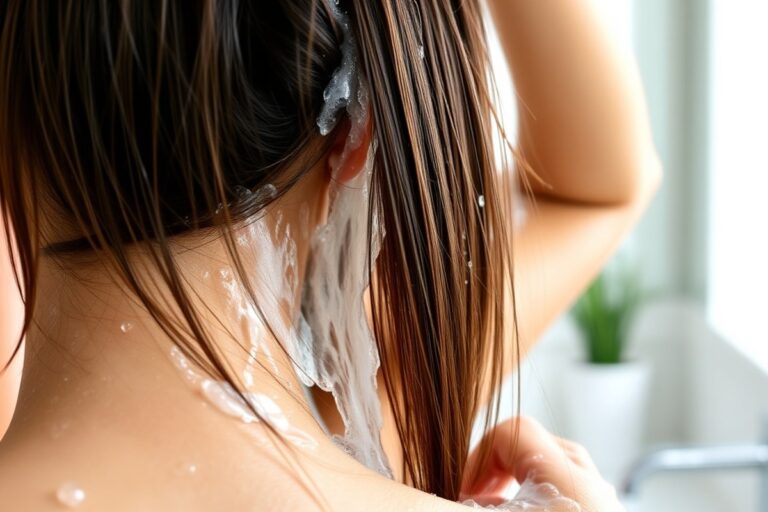
The scalp sheds dead skin and gets dirty, so thorough cleansing matters. Wet your hair completely before applying shampoo. Massage your scalp gently for two minutes.
This helps clear dirt and oil well. Then rinse and repeat once more. This doubles the cleaning power without over-drying.
Shampooing frequency often changes with the seasons. In summer, sweat and oil increase, so washing more often can help.
In winter, scalp dryness rises, so shampoo less to avoid stripping moisture. Adjust your routine if your scalp feels itchy or your hair looks dull.
Overusing shampoo can harm scalp and hair. Too much washing removes natural oils, causing dryness and irritation.
It can also make hair brittle and prone to breakage. Aim to shampoo only as often as needed to feel clean and fresh.
For thick hair, shampoo sessions may take longer to cover all strands evenly. Try sectioning hair in parts to shampoo fully and rinse well. Buying larger shampoo bottles can save money if you wash often.
Small bottles usually finish quickly. So, go for bigger sizes to last longer.
Shampoo that suits your scalp and hair type helps avoid product buildup or excess oil. For sensitive or flaky scalps, look for formulas targeting dandruff or irritation. Brands like Vichy Dercos or Philip Kingsley offer options that soothe without harsh chemicals.
Keeping your hair feeling clean yet soft requires a shampoo that lifts dirt but hydrates lightly. This balance supports a healthy scalp environment, which aids hair growth and strength. Follow up with a conditioner that matches your shampoo to seal moisture and reduce tangles.
Best Shampoos for Specific Hair Concerns
| Hair Concern | Shampoo Example | Key Ingredients | How It Helps |
|---|---|---|---|
| Dandruff/Scalp Issues | Shampoo with pyrithione zinc and apple cider vinegar | Pyrithione zinc, apple cider vinegar, coconut oil | Controls dandruff, gently cleanses, hydrates scalp |
| Hair Loss/Thinning | Biotin-infused or stemoxydine-containing shampoo | Biotin, stemoxydine | Promotes hair growth and thickens each strand |
| Damage/Breakage | Protein-rich, bond-building shampoos like John Frieda UltraFiller+ | Protein, bond-building formulas | Fortifies hair, reduces breakage, boosts strength |
| Frizz/Curls | Only Curls All Curl Cleanser or Bumble and Bumble Repair Shampoo | Moisturizing oils, surfactants that cleanse without stripping | Hydrates curls, smooths frizz, defines texture |
Dandruff shampoos often contain pyrithione zinc to reduce flakes. Apple cider vinegar leaves scalp clean without drying it. Coconut oil adds moisture to prevent irritation.
For hair loss, shampoos with biotin or stemoxydine can help. These ingredients support stronger, thicker strands when used regularly. Avoid biotin shampoos if your scalp is dry, though.
Protein-rich shampoos improve damaged hair by bonding to weak spots. They lower breakage and encourage better hair growth. John Frieda’s UltraFiller+ is one option focused on thickening and strength.
If frizz is your main issue, look for hydrating formulas. Products like Only Curls and Bumble and Bumble smooth hair and keep curls lively. These contain moisturizing oils that won’t strip your hair.
Apply dandruff shampoos daily or at least every 48 hours for best results. Use thickening and repair shampoos consistently for several weeks to notice improvement. For frizz, shampoo regularly but condition well to lock in moisture.
Clarifying Shampoos: What They Are and When to Use Them
Clarifying shampoos work by removing buildup from hair products, sweat, and oils. They use stronger cleansing agents than regular shampoos to deep-clean the scalp and hair strands. This makes your hair feel fresh and light.
Normal shampooing can leave hair greasy or heavy. Clarifying shampoos fix this problem.
You should use a clarifying shampoo about once a week or every two weeks. This spacing prevents over-cleansing, which can strip hair of natural oils. You can use a clarifying wash after heavy styling products.
Swimming in chlorinated pools also calls for one. Hard water exposure is another reason to try it.
When using a clarifying shampoo, wet your hair with warm water first. Apply a small amount, about a quarter-sized dollop, and gently massage into your scalp.
Rinse thoroughly and follow with a moisturizing conditioner to replace lost hydration. Some shampoos, like the biotin-infused options, remove buildup but keep hair soft and nourished.
Overusing clarifying shampoos can dry out your hair or irritate your scalp. Cut back on how often you use it if your scalp feels itchy or hair brittle.
Those with color-treated or damaged hair should especially limit clarifying shampoos or pick gentler versions. These are made without harsh sulfates yet still clear buildup, protecting color and moisture.
Stick to once every 1-2 weeks with clarifying shampoos to avoid dryness or scalp trouble.
Apple cider vinegar shampoos offer a natural way to clarify hair. They balance scalp pH well. They also remove residue effectively.
Gentle formulas like Act+Acre’s also detox from hard water contaminants and buildup without harsh effects. Using clarifying shampoos properly ensures you get the benefits without common risks.
Drugstore vs. Luxury Shampoos: What’s Worth Your Money?
Drugstore shampoos usually cost under $20 and often contain more fillers like sulfates and extra water. These ingredients don’t help hair much and can cause dryness or damage after repeated use. Many affordable brands give good results for common hair types.
Choose those with gentle cleansers. Look for nourishing ingredients too.
Luxury shampoos cost much more, sometimes $40 or more. But they often include special proteins, botanical extracts, and unique blends. These extras help strengthen hair.
They protect better against damage. They also improve hair texture.
Plus, luxury shampoos tend to smell better and feel nicer during use. But that comes with some tradeoffs, such as smaller sizes or less convenient packaging.
| Shampoo Type | Price | Key Ingredients | Size | Pros | Cons |
|---|---|---|---|---|---|
| Drugstore (e.g., L’Oreal Elvive) | Under $20 | Sodium methyl cocoyl taurate, sulfate cleaners | 8.5 – 8.4 oz | Good for all hair types, fights color fading, sulfate-free options | May dry hair, fillers can build up |
| Luxury (e.g., Oribe Hair Alchemy) | $40 – $60 | Wheat and soy proteins, vitamin B5, silk, keratin protein | 3 – 12 oz | Strengthens & repairs, great scent, leaves hair soft | Expensive, smaller sizes, jar packaging less convenient |
| Mid-Range (Virtue De-Brassing) | About $30 – $40 | Alpha Keratin 60ku protein, botanical ingredients | 8.5 oz | Repairs damage, smooths hair, smells great | Higher cost than drugstore, but good value |
Cheap shampoos worth trying often rival more expensive ones for everyday washing. For example, L’Oreal Elvive Glycolic Gloss Shampoo shines well. It also gives great slip.
It works well for thick or normal hair. Meanwhile, luxury options like Oribe offer unique proteins that mimic keratin and repair deeply. For budget-conscious shoppers, mid-range brands with patented proteins strike a balance.
Choose drugstore brands for simple cleansing and daily use, especially if you have normal hair. Opt for luxury shampoos when you want extra strength, protection, or a high-end hair experience.
Keep in mind that luxury shampoos may not suit all hair types or budgets. So read ingredients carefully before buying.
How to Combine Multiple Shampoos in Your Hair Routine
You can use more than one shampoo in your hair routine to tackle different needs. Combining shampoos helps you clean hair and target dry spots. You can also address buildup or protect color with this method.
Using different shampoos works well for specific hair needs. It works best when you plan the order and how often you use each shampoo.
Shampoo goes well with conditioner or co-washes to keep hair balanced. Shampoo cleans your scalp and roots, removing oil and dirt. Then, conditioner or co-washes add moisture and help detangle.
So your hair feels smooth and healthy. Using both avoids over-drying, which can lead to breakage and frizz.
Some shampoo combos suit particular hair issues. For example, start with a clarifying shampoo once a week to clear buildup. Follow with a gentle, moisturizing shampoo on other days.
People with oily scalp and dry ends can switch shampoos. They may shampoo just the roots and then condition ends.
This method keeps oily scalp clean and dry ends soft. This approach gives the best of both worlds without stripping your hair.
- Choose your shampoos. Get one for daily use that fits your hair type. Pick another that targets a specific concern like oiliness or damage.
- Use the targeted shampoo less often. Apply it once or twice a week, usually first to clear buildup or treat issues. This stops over-drying and helps your hair adjust.
- Apply shampoo only where needed. For oily scalp, focus shampoo on roots only. Skip the ends to avoid extra dryness.
- Follow shampoo with conditioner or a co-wash. Work conditioner mainly through mid-lengths to ends. It replenishes moisture shampoo removes.
- Adjust frequency based on hair reaction.Your scalp feels tight or hair looks dull. Cut back on using shampoos made for specific concerns. Use a gentle shampoo to avoid harsh effects. Dry hair may need more moisturizing conditioners.
- Monitor your hair’s condition weekly. Healthy, shiny hair is a sign you’re on track. Notice less buildup and easy detangling.
- Swap products seasonally if needed. Use clarifying shampoo more in summer to remove sweat and sunscreen. Choose deeper moisture shampoos in winter for dryness.
Understanding Shampoo Formulas for Curly and Textured Hair
Shampoos for curly hair should boost moisture and shape curls. They also need to care for your scalp. Avoid shampoos that dry out your scalp or hair.
Look for products that include hydrating ingredients and avoid harsh detergents that strip natural oils. Choosing the right formula helps keep curls defined and soft while preventing scalp issues.
Moisturizing Ingredients That Help Curls
Curly hair benefits from shampoos with moisturizing ingredients like hyaluronic acid, shea butter, and natural oils. These ingredients draw moisture into each strand, reducing dryness and brittleness. A shampoo with shea butter or honey keeps curls shiny and soft.
These ingredients lock in hydration. This helps your curls stay healthy.
People with different curl types need varying moisture levels. Low-porosity hair does better with lightweight serums since heavy oils can weigh curls down. High-porosity curls soak up richer oils and butters well.
These oils improve bounce and health. They do this without causing frizz.
Avoiding Harsh Detergents
Sulfates in shampoos strip your scalp’s natural oils. This causes dry, flaky skin. It also makes curls look dull.
Shampoo with gentle surfactants or sulfate-free formulas protects your scalp. It also keeps moisture in your hair.
These are better for curly hair. This helps your curls stay vibrant and less prone to breakage.
Some shampoos use apple cider vinegar or silicone alternatives like Hemi15. These balance your scalp’s pH. They cleanse hair gently without stripping oils.
These help define curls and keep your scalp healthy. Shampoos with harsh detergents might feel clean but can cause extra dryness especially for textured hair.
Using Co-Washes and Sulfate-Free Options
Co-washes, or conditioner-only washes, clean your hair gently by removing buildup without drying it out. They work well for dry curls since they minimize the moisture loss caused by regular shampoo. You can alternate co-washes with sulfate-free shampoos to keep curls clean and hydrated.
Sulfate-free shampoos remove dirt while being less harsh than regular shampoos. Using sulfate-free products helps you avoid stripping natural oils and reduces scalp irritation. For dry curls, use co-washing with sulfate-free shampoo once or twice weekly.
This helps keep your moisture balanced. It prevents brittleness and dryness.
Use co-washing mainly when your scalp isn’t very oily, otherwise, buildup can happen quickly.
Shampooing Frequency for Curly Hair
Curly hair usually needs shampooing less often than straight hair to protect its moisture barrier. Washing curly hair once or twice a week is best. This cleans your hair without drying it out.
It maintains your curls’ natural moisture. Overwashing causes scalp dryness and can make curls frizzier or less defined.
Between shampoos, use a moisturizing conditioner or leave-in treatment to refresh curls and scalp. Adjust how often you shampoo depending on factors like sweating, product buildup, and hair porosity. Stick to gentle shampoos and co-washes to keep curls healthy between wash days.
How to Choose a Shampoo for Color-Treated Hair
Choosing the best shampoo for color-treated hair means care. Look for formulas that protect your color. Keep your hair healthy too.
Look for nourishing ingredients that boost moisture and reduce fading. Avoid harsh detergents that strip your hair color.
Use shampoo only as often as needed. This helps keep your hair balanced.
Ingredients to Protect Color
Look for shampoos containing ceramides, niacinamide, and hyaluronic acid. These ingredients seal the hair cuticle and lock in color longer. Oils like argan or coconut add moisture, preventing dryness and brittleness.
Hydrolyzed proteins such as pea protein help strengthen hair damaged by coloring. Antioxidants like vitamin E protect hair from environmental damage. These ingredients work together to keep your color vibrant and hair smooth.
Avoiding Color-Stripping Components
Sulfates can remove oils but may cause color to fade faster. Choosing sulfate-free shampoos helps maintain your hair’s natural moisture and preserves color better. This is especially important if your hair is dry or fine.
Other harsh detergents or alcohols might also dry out hair or irritate your scalp. Avoid shampoos with heavy fragrances or high levels of drying agents. These ingredients tend to weaken treated hair and shorten the life of your color.
Recommended Frequency for Color Care
Use shampoo two to three times per week to keep color fresh without over-washing. Daily shampooing can speed up color fading by stripping natural oils and pigments. Rinse hair with cool or lukewarm water to avoid opening the cuticle too much.
For oily scalp or active lifestyles, use dry shampoo between washes or rinse with water only. Overwashing leads to dryness, making color look dull and lifeless. Adjust shampoo frequency to your hair’s texture and oil level.
Top Shampoos for Colored Hair
The Color Wow Color Security Shampoo costs about £23.50 and works well to remove buildup without stripping color. Redken Color Extend Blondage Shampoo, priced similarly, targets blonde hair with toning ingredients. Both are sulfate-free and rich in moisture.
Virtue ColorKick De-Brassing Shampoo helps neutralize brassiness in colored hair, keeping tones cooler. Eva NYC’s Satin Dream Smoothing Shampoo uses antioxidants and nutrients to fight frizz and protect. These options focus on color maintenance and health, offering specific benefits for your hair type.
Identifying and Avoiding Common Shampoo Mistakes
Using the wrong shampoo or washing your hair too often can damage your hair and scalp. Over-washing strips away natural oils that keep your scalp moist. This leaves hair dry, brittle, and dull, especially if your scalp is sensitive or itchy.
Shampoos with harsh chemicals or strong synthetic fragrances might irritate your scalp. Redness, itching, or dry scalp after washing shows your shampoo may not suit you. 2 | Switching to a mild shampoo can help soothe your scalp.
Gentle surfactants from coconut protect your skin. 3 | Picking the right shampoo helps keep your hair healthy.
A balanced washing routine makes a big difference. Switching to a mild shampoo with gentle surfactants derived from coconut can help soothe and protect your scalp.
- Don’t wash hair daily; limit shampooing to 2-3 times per week.
- Avoid shampoos with parabens and harsh detergents.
- Choose fragrance-free or naturally scented shampoos if you have sensitive skin.
- Stop using a shampoo immediately if scalp irritation occurs.
- Try a shampoo with essential oils, like rosemary, for mild scalp issues.
- Check shampoo labels for ingredients that suit your hair and scalp needs.
- Be patient, new shampoos may take several washes to show benefits.
Watch your hair’s response over a few weeks for dryness or excess oiliness. Healthy hair feels softer and looks more vibrant.
Scalp irritation, flakes, or itchiness signal problems. Picking the right shampoo and following a balanced washing routine keeps your hair and scalp healthy without extra hassle.
Adjusting Shampoo Choices Seasonally and by Hair Condition
Your hair changes with the seasons and so should your shampoo. In winter, hair often becomes dry and brittle due to chilly air and indoor heating. Choose a moisturizing shampoo with shea butter or oils.
These ingredients help restore softness. They also reduce tangling.
Summer brings sweat, sun exposure, and sometimes saltwater or chlorine. A gentle, clarifying shampoo helps remove buildup without stripping natural oils. Look for formulas that protect color and soothe scalp irritation from sun and sweat.
Switch shampoos when your hair feels different from usual. Or when your shampoo stops working well. For example, oily hair in summer needs a balancing shampoo.
This avoids greasy roots. After harsh winter dryness, switch to hydrating formulas to bring back shine and softness.
Damaged hair from heat styling or coloring benefits from shampoos designed to repair and strengthen strands. Using a restorative shampoo regularly can improve your hair’s health.
It works even when you style or color it. Dae’s Daily Shampoo is known for softening damaged hair every time you wash.
Adjusting shampoos based on your hair’s current need can cost no more than your usual brand. You might pay $10 to $20 for a quality moisturizing or clarifying shampoo. The extra care often means less breakage and easier styling, saving effort over time.
Switch shampoos slowly by mixing old and new shampoos for a week. This helps your scalp adjust.
Seasonal shampoo changes aren’t mandatory but help keep hair healthy throughout the year. Dryer hair in winter responds well to richer shampoos.
Summer demands lighter, fresher cleansers that clean without damage. Your hair changing a lot means you should choose a new shampoo.
When to See a Professional About Shampoo and Scalp Issues
See a professional if scalp issues last more than two weeks. Medicated shampoos might not be enough. They can help find better treatments.
Persistent redness, swelling, or pain are signs a dermatologist needs to evaluate your scalp. Also watch for hair loss patches or thick, hard scales that don’t improve with over-the-counter products.
Shampoos alone often can’t clear scalp problems like psoriasis. Severe seborrheic dermatitis or fungal infections may need more help. That’s why shampoos sometimes fall short.
These issues usually need prescription treatments or special shampoos combined with other medications. Get a professional evaluation if flakes come with itching or bleeding.
Don’t wait too long to see a doctor. Prompt care can prevent worse problems.
When you see a dermatologist, they’ll start by examining your scalp and hair closely. They might scrape skin for lab testing to identify infections or allergies. You’ll talk about your symptoms and hair care habits.
They also ask about your health history to find triggers. This helps tailor your treatment plan.
Doctors generally recommend shampoo use based on your diagnosis. They might suggest shampoos with aloe vera or medicated types. Key ingredients include ketoconazole and coal tar.
These help reduce inflammation and infection. Follow shampoo instructions carefully for how often to use it.
Let it stay on your scalp for 5 to 10 minutes. This helps the ingredients work best.
Cost for professional visits varies from $100 to $300 without insurance. Prescription shampoos usually cost $20 to $60 but can be important to control serious scalp problems. Good results mean less itching and flaking.
Your scalp should look healthy and feel comfortable. This usually happens after several weeks of treatment.
The wrong shampoo or skipping a professional consult can make your problem worse. Some shampoos can irritate sensitive skin or leave residue, increasing oil or dandruff. A doctor can prevent mistakes by choosing the right treatment.
They match care to your specific scalp problem. This avoids wasting time and money.
Step-by-Step Action Plan to Find Your Best Shampoo
Follow these steps to pick the right shampoo and get the best results. Track changes in your hair to adjust your routine as needed.
- Before you start: Identify your hair type and main concerns (dry, oily, curly, color-treated). This helps narrow your shampoo options.
- Day 1: Choose a shampoo with ingredients for your hair type. Look for moisturizing oils or gentle cleansers. These help your hair stay healthy. Check how your scalp feels after washing.
- After 1 week: Use the shampoo regularly while observing changes in hair texture and scalp comfort. Make sure it doesn’t cause dryness or buildup.
- After 2 weeks: Introduce a clarifying shampoo if you notice residue or dullness. Use it once a week and note if your hair regains shine.
- After 3 weeks: Change how often you shampoo based on your scalp’s oiliness. Avoid washing too much to prevent dryness. Adjust based on your hair’s condition.
- Month 1: Use two shampoos to meet different hair needs. Try a moisturizing shampoo most days. Use a clarifying shampoo once a week.
- Month 2: Check if your shampoo still fits your hair and season. Change it if your hair stays dry or oily. Keep an eye on how your hair reacts.
- Ongoing: See a pro if scalp problems last a long time. Stop using shampoos that cause irritation or hair loss. A professional can give better advice.
Frequently Asked Questions
How Does Shampoo pH Affect Hair Health?
Shampoo pH affects your hair’s cuticle. A pH between 4.5 and 5.5 helps keep hair smooth and shiny. High pH shampoos can make hair frizzy and dull over time.
Can Shampoos Help with Scalp Eczema?
Some shampoos contain ingredients like zinc pyrithione for eczema. These reduce itching and flaking. You should always consult a dermatologist before trying medicated shampoos.
Is Sulfate-Free Shampoo Better for Daily Use?
Sulfate-free shampoo is gentler and less drying for daily use. It preserves natural oils and color longer. However, it may not clean heavy product buildup as well.
Does Shampoo Shelf Life Impact Effectiveness?
Shampoo usually lasts 2-3 years unopened. After opening, it’s best used within a year. Expired shampoo can lose cleaning power or irritate your scalp.
Can Shampoo Reduce Hair Shedding?
Shampoo alone can’t stop hair shedding but some help strengthen strands. Ingredients like caffeine may improve scalp health mildly. Persistent shedding requires a doctor’s advice.
How Important Is Shampoo Scent in Product Choice?
Scent doesn’t affect shampoo effectiveness but matters for daily use. A pleasant smell makes washing hair feel better. Try samples or travel sizes before buying full bottles.
Wrapping Up
Choosing the best shampoo depends on your hair type and needs. Start paying attention to how your hair feels right after washing. Try changing your shampoo based on what you notice for healthier hair over time.