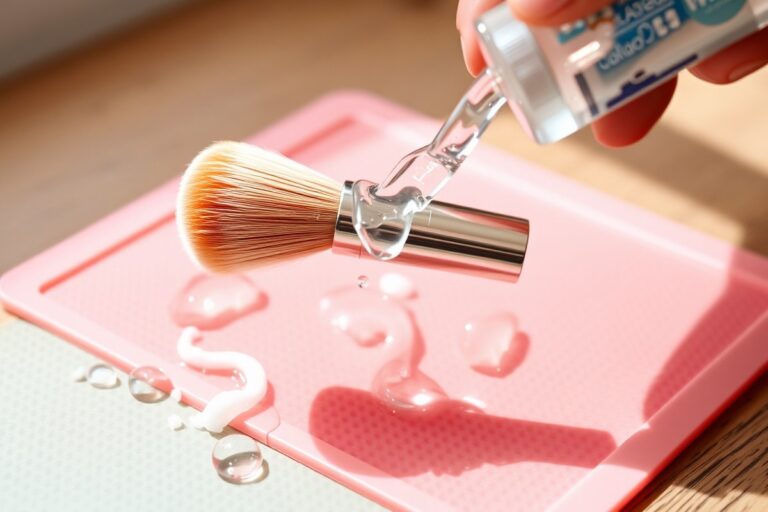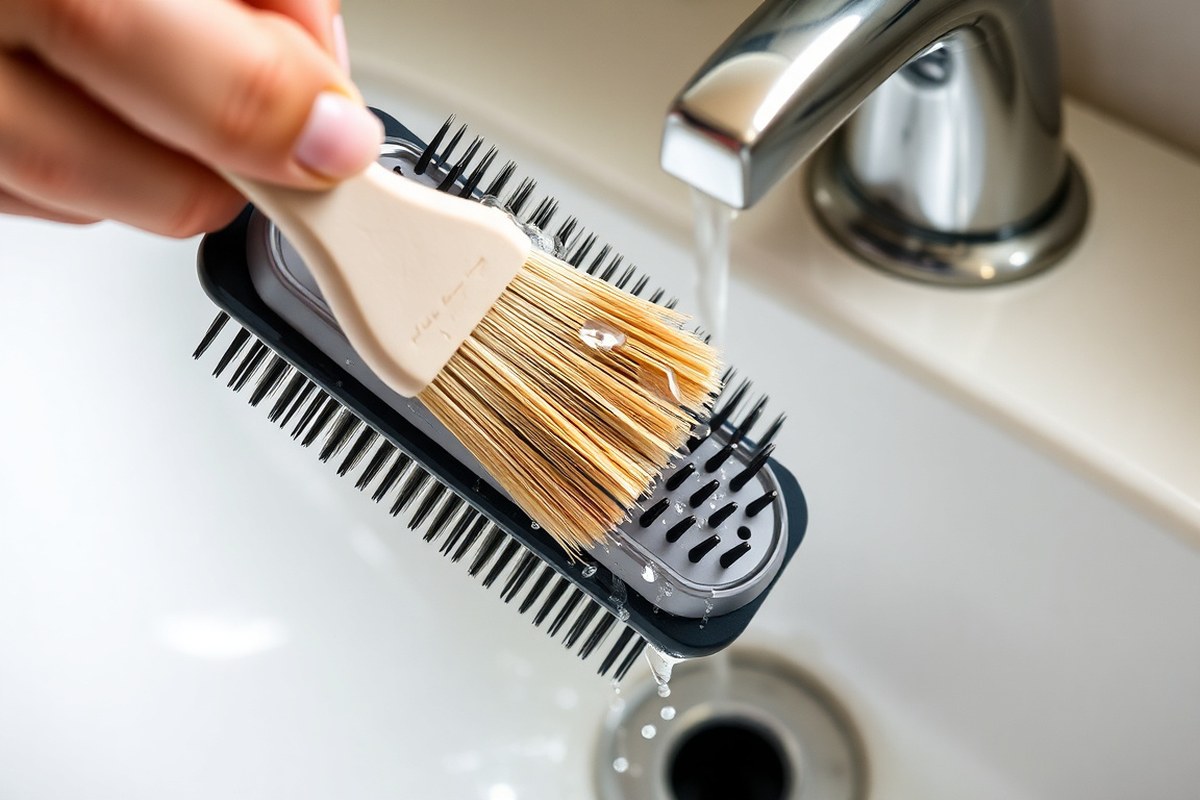
How to Clean Blow Dryer Brush: Simple Steps for Fast, Effective Results
Knowing how to clean blow dryer brush saves time and keeps your hair healthy. You just need a few simple steps to get your brush looking fresh again. First, unplug the brush.
Let it cool for 15 to 20 minutes. This helps avoid burns or damage.
Remove tangled hair carefully with your fingers or a comb before soaking the brush. Choose a gentle cleaner to remove oily buildup from styling products. Dry shampoo and heat protectants can leave residue.
Use mild solutions to clean, so the brush stays safe. Focusing on the base of each bristle helps remove the most dirt.
Rinse the brush, then leave it to air dry completely for 24 hours. Good airflow helps prevent mold and keeps the brush lasting longer.
Clean the brush every 3 to 4 days if you style your hair daily. Otherwise, cleaning once a week usually does the job.
Key Takeaways
- Always unplug and cool your blow dryer brush before cleaning.
- Remove hair tangles with fingers or a comb before washing.
- Use mild soap or white vinegar to dissolve product residue.
- Soak the brush for 10 to 15 minutes to loosen buildup.
- Focus on the base of each bristle to clean dirt and grime.
- Let your brush air dry for 24 hours in a ventilated area.
How to Clean a Blow Dryer Brush Step-by-Step Safely
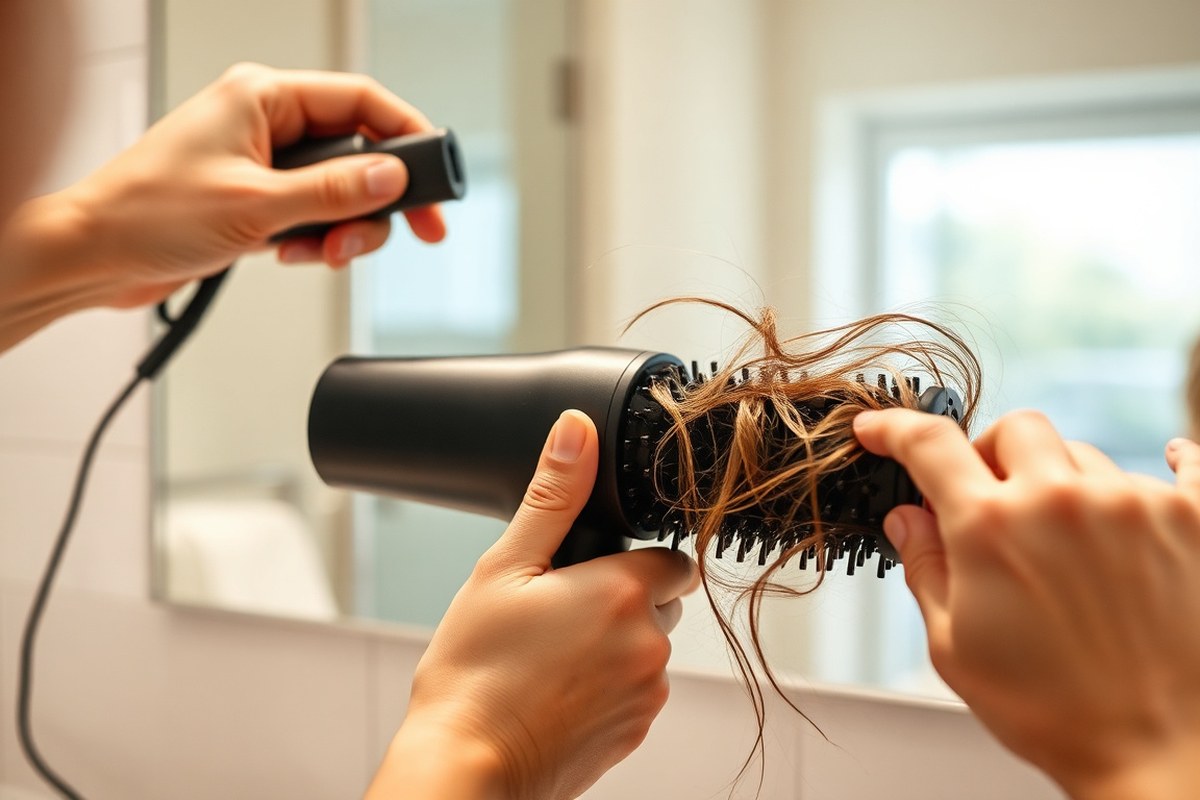
Cleaning your blow dryer brush safely means protecting the motor and electrical parts. Never dunk the brush handle in water because this can cause permanent damage.
Focus on removing hair and buildup carefully first. Then wipe it down with a damp cloth.
Start by unplugging the brush to avoid any shocks or short circuits. Use a comb or your fingers to pull out tangled hair.
Avoid harsh cleaners because they can hurt the brush’s finish and its wiring. After cleaning, dry it with a towel and let it air dry fully before storing.
- Unplug the brush. Always disconnect power before any cleaning to keep it safe.
- Remove hair. Use a comb or fingers to get rid of all hair caught in the bristles.
- Make a mild cleaning solution. Mix a few drops of gentle shampoo or detergent with warm water.
- Dampen a cloth or soft toothbrush. Dip it in the solution, wring out excess water to keep it damp but not wet.
- Wipe the bristles and brush base. Focus on the bristle base where grime collects without soaking the brush handle.
- Rinse the cloth and wipe again. Use clean water on the cloth to remove soap from the bristles carefully.
- Dry the brush.Pat dry with a clean towel. Place it somewhere with good airflow. Let it air dry fully.
Avoid soaking the entire brush or using bleach solutions. Soaking risks harming the motor and wiring inside the handle. Clean with a dry or slightly damp cloth only.
Make sure the tool is fully dry. Then plug it back in.
What Cleaning Supplies Are Best for Blow Dryer Brushes?

To clean your blow dryer brush well, gather a few simple supplies. You’ll need gentle dish soap to break down oils and styling products. Also grab rubbing alcohol or alcohol wipes to sanitize without damaging the tool.
Harsh cleaners like bleach or strong detergents can ruin your blow dryer brush. These products may weaken the bristles or harm the plastic and metal parts. Stick to mild soap and alcohol for safe and effective cleaning.
Here’s a checklist of the best supplies to have on hand:
- Gentle dish soap for cleaning oils and grime
- A soft cloth or microfiber towel for wiping
- Rubbing alcohol or alcohol wipes to sanitize
- Toothpick or cotton swab for detailed cleaning
- Warm water (not hot) to soak the brush base
- An old toothbrush to scrub stubborn buildup gently
Use warm water to mix with dish soap. Never soak the entire brush, especially if it has wooden or electronic parts. Focus on the bristles.
After cleaning, wipe the brush with alcohol or an alcohol wipe. This kills bacteria and removes leftover oils.
Don’t soak your entire blow dryer brush. It may damage internal parts or wooden handles.
Alcohol is safe and helps sanitize without harsh chemicals. Avoid bleach since it can be too strong. After cleaning, let the brush air dry fully for at least 24 hours.
This stops grime from building up on your styling tool. It keeps the tool fresh. That way, it’s ready to use again.
How Often Should You Clean Your Blow Dryer Brush?
Clean your blow dryer brush right after every use by removing trapped hair. This prevents buildup and keeps air flowing freely. Use a rat tail comb to pull out hair stuck in bristles.
You can also use your fingers to remove strands. This helps keep the brush clear and ready to use.
Deep clean the brush at least once a week if you use it daily. Take the time to unplug it and let it cool before cleaning. A thorough cleaning includes wiping down the barrel, bristles, and air intake with a damp cloth.
For light or occasional use, deep cleaning every 2 to 4 weeks is enough. Regular spot cleaning saves time and stops product residue from building up. Each deep clean takes about 10 minutes but keeps your tool working well longer.
Maintain your brush by wiping it with a clean, damp towel after getting rid of hair. This simple step helps remove dust and oils between washes. Cleaning this way takes less than a minute each time.
It keeps your tool fresh between full cleanings. Doing this prevents buildup and extends your brush’s life.
Failing to clean your brush often can clog air vents and trap residue. This damages the brush’s performance and can dull your hair’s shine. Clean brushes produce better styling results and spread less old oil on your hair.
How to Remove Tangled Hair and Product Buildup Effectively
To remove tangled hair and buildup, gently pull out strands with fingers. Use a comb if needed to loosen the tangles. Next, loosen sticky product residue using soft tools like a toothbrush, avoiding damage to bristles.
For tough buildup, use alcohol wipes or vinegar spray to break down residue carefully. This keeps your blow dryer brush working well and prevents poor heat distribution.
Using Fingers and Combs for Hair Removal
Begin by loosening hair caught in the bristles to avoid tearing them. Use your fingers or a wide-tooth comb to carefully pull out strands tangled around the brush. This prevents damage and gets rid of hair that blocks airflow and reduces drying power.
Here are steps to remove hair effectively:
- Hold the brush firmly over a sink or trash can.
- Use your fingers to pull out large hair clumps carefully.
- Work with a wide-tooth comb to loosen tighter tangles.
- Use nail scissors to cut away hair wrapped tightly around the base if needed.
- Pick out any small hairs stuck in bristle bases with the comb’s tip.
- Shake the brush gently to remove loose debris.
Scraping Off Product Residue with Soft Tools
Sticky residue from gels, sprays, and oils can coat the bristles and barrel. Warm the brush a bit before cleaning. Use a soft toothbrush or cloth.
Scrub gently to remove residue. This method cleans without harming the finish, keeping the brush smooth and effective.
These steps help remove residue gently:
- Warm the brush using a low-temperature setting or slightly warm water.
- Dip a soft toothbrush in mild soap or diluted shampoo.
- Scrub the bristles and barrel gently, focusing on sticky areas.
- Wipe off loosened buildup with a damp cloth.
- Rinse the brush under lukewarm water if safe for your model.
- Dry the brush before storing or using it again.
When to Use Alcohol Wipes or Vinegar Sprays
For tough buildup or stains, try alcohol wipes. White vinegar spray also helps disinfect and clean.
Lightly spray the brush and let it sit a few minutes before wiping clean. This breaks down gunk that soap and water may miss.
Follow these steps for vinegar or alcohol cleaning:
- Spray your brush lightly with white vinegar or use an alcohol wipe.
- Let the solution sit for 5 minutes to loosen buildup.
- Gently wipe bristles and barrel with a clean cloth.
- Rinse carefully if the brush allows, then dry fully.
- Repeat as needed but avoid soaking electronic parts.
Cleaning Different Materials: Plastic, Metal, Ceramic & Natural Bristles
Cleaning your blow dryer brush depends on the material of the bristles and handle. Each type needs a different approach to avoid damage. Knowing how to care for plastic, metal, ceramic, and natural materials is key.
This keeps your brush working well. It also helps it last longer.
Plastic and Nylon Bristle Brushes
Plastic or nylon bristles handle water and soap well. Start by removing tangled hair with a rattail comb or a forked tool. Then soak the brush head in soapy warm water for about three minutes.
Use a soft brush or cloth to gently scrub the bristles and base. Avoid soaking the handle if it has electrical parts. Never put these brushes in the dishwasher.
Pat dry with a towel. Let the brush air-dry face down overnight on a clean towel.
Ceramic and Metal Barrel Brushes
Ceramic and metal barrels heat up quickly when styling. They need careful cleaning to avoid scratches or water spots. Dip the bristle side briefly in warm soapy water and scrub gently with a soft brush.
Avoid soaking the whole brush in water. Don’t submerge handles. Metal parts can rust, and ceramic can crack.
Wipe the barrel and handle with a damp cloth and dry immediately. Let the brush air dry fully before storing or using again.
Natural Boar Bristle and Wooden Handle Brushes
Natural boar bristles clean best with mild soap and avoid long water exposure. Use lukewarm water and a gentle cleanser to prevent the bristles from drying out. Gently rinse and avoid soaking the wooden handle under water to prevent cracks.
Wipe the handle with a damp cloth and dry it off. Avoid dishwashers or prolonged soaking that will warp or damage wood. Let the brush dry bristles down on a towel in a cool, ventilated place.
Here’s a quick comparison of cleaning different blow dryer brush materials:
| Material | Water Exposure | Soaking Time | Cleaning Tools | Drying Method | Dishwasher Safe? |
|---|---|---|---|---|---|
| Plastic / Nylon Bristles | Yes, bristles only | 3 minutes | Soft brush, rattail comb | Air dry face down overnight | No |
| Ceramic / Metal Barrel | Brief dip, avoid handle | Brief, under 1 minute | Soft brush, damp cloth | Wipe dry, air dry | No |
| Boar Bristles / Wooden Handle | Minimal on wood | Seconds for bristles only | Mild soap, damp cloth | Dry bristles down, cool air | No |
Plastic and nylon brushes soak well but avoid wetting handles too much. Ceramic and metal handle carefully to prevent damage.
Wooden and natural bristles clean with less water and gentle soap. Following these tips stops damage and keeps your brush fresh for daily use.
Never put any blow dryer brush in the dishwasher. It risks burning parts or warping handles.
How to Dry Your Blow Dryer Brush Properly After Cleaning
Drying your blow dryer brush properly after cleaning prevents damage and keeps it ready to use. Let it air dry fully before plugging it in again, usually for several hours or overnight. Avoid storing or using it while damp, or you risk harming the brush’s motor and bristles.
Air-Drying Techniques
Air drying is the safest way to dry your blow dryer brush. Put the brush in a place with good air flow. This helps it dry faster.
It also stops moisture from building up inside the brush. Keep it away from direct sunlight to avoid heat damage to the plastic and bristles.
Hold the brush with bristles facing down. Or hang it so the bristles point downward. This lets water drip out easily.
This stops moisture from pooling near the motor or electrical parts inside. Give it at least 6 to 8 hours to dry completely before use.
Using Towels Without Damaging Bristles
Use a soft towel to blot excess water, but avoid rubbing the bristles harshly. Rubbing can bend or break them and reduce cleaning effectiveness later. A microfiber towel works best.
Lay the brush flat on a towel with bristles facing up while blotting gently. This absorbs moisture from the handle and brush’s base without pulling on the bristles. Change towels if they get soaked, so drying remains effective.
When and How to Use a Blow Dryer to Speed Drying
Use a blow dryer on low or cool settings only if you’re short on time. High heat can warp plastic and weaken bristles. Keep the dryer moving constantly to avoid overheating any part.
Hold the brush with the bristles away from your skin and stay about 6 inches away. Use short bursts of air and watch closely for signs of damage. Limit drying time with a blow dryer to 10 to 15 minutes max.
- Shake the brush gently to remove excess water after rinsing.
- Blot the brush handle and base with a soft towel to absorb moisture.
- Place the brush bristle-side down or hang it to drain any trapped water.
- Keep the brush in a well-ventilated, shaded area.
- Let the brush air dry for 6 to 8 hours or overnight for best results.
- Use a blow dryer set on low or cool for up to 15 minutes when needed.
- Avoid rubbing or twisting the bristles during drying to prevent damage.
- Check the brush is fully dry before plugging it in or storing.
Maintenance Tips to Keep Your Brush Clean Longer
Unplug your blow dryer brush before any cleaning or maintenance. This step protects you from electric shock and avoids damage to the tool. Regular care prevents buildup that can harm your hair and scalp by spreading bacteria and fungus.
Between deep cleans, focus on removing loose hair and product residue right after each use. Doing this keeps the brush working well and extends the time between heavy cleanings. If the brush feels warm, wait until it cools down before handling it.
Use this checklist daily or weekly to keep your blow dryer brush clean:
- Unplug the brush and let it cool completely.
- Remove loose hair with your fingers or a comb.
- Wipe the bristles and body with a damp cloth.
- Avoid soaking the brush to keep the motor safe.
- Check air vents for dust and clean gently with a dry brush.
- Store your brush in a dry, clean place after use.
Skipping these steps can cause buildup that transfers back onto your hair. That buildup can block heat flow and cause uneven drying, which leads to hair damage. Dirty brushes also increase the risk of scalp irritation or infections by spreading germs.
Maintaining your blow dryer brush only takes a few minutes. A quick daily wipe and hair removal after use costs nothing but your time. This routine keeps your hair styling tool ready and avoids the hassle of heavy cleanings.
When to Replace Your Blow Dryer Brush for Best Performance
Your blow dryer brush should be replaced if you see obvious signs of wear. Look for cracked, bent, or missing bristles. These can snag or break hair and damage the brush’s heating parts.
Also, check if the brush isn’t heating evenly or if it smells burnt during use. These problems often mean internal parts fail. This harms your hair and device.
Replacing the brush before it gets too worn improves your styling results. A damaged brush won’t dry hair efficiently and can cause frizz or split ends. It also risks electrical problems or overheating.
Most blow dryer brushes last about one to two years if used regularly. But heavy use or poor cleaning speeds up wear. Budget $30 to $100 for a replacement, depending on the brand and features.
Don’t wait for the brush to be unusable before replacing it. Watch for buildup that won’t come off despite thorough cleaning. Dirt, hair, or product gunk stuck on the brush means it might be time.
Persistent clogging reduces airflow, causing uneven heat and longer drying times, which stresses hair. Using a worn brush can also trap bacteria and irritate your scalp.
Always unplug your blow dryer brush first. Let it cool down completely. Then check or clean it carefully.
A common mistake is using water on parts that aren’t water-safe. This damages internal electronics, leading to failure. Don’t yank tangled hair on the brush.
Loosen it gently first. This protects bristles and the brush frame.
Also, don’t ignore your brush’s condition. Tight tangled hair or hardened product buildup often signals an earlier replacement need.
Replace your blow dryer brush when bristles break. Also if heat is uneven or buildup won’t come off. Regularly check these details after cleaning.
A brush that looks smooth, heats properly, and stays clean keeps working well. Noticing issues means it’s time to replace your brush. This protects your hair and saves styling time.
Step-by-Step Action Plan
Follow these clear steps to keep your blow dryer brush clean and working well. Check how your brush looks and works after each step.
- Before first use: Wipe the bristles and barrel with a damp cloth. This removes any leftover factory residue for safer styling. You want it fresh and ready for your hair.
- Weekly: Detangle hair strands with fingers or a comb. Clean buildup using a gentle brush or cloth. Your brush should feel smooth and tangle-free.
- Every 2 weeks: Deep clean by soaking removable parts in warm, soapy water. Rinse and air-dry completely before reassembling. It looks clean, with no residue or smell.
- Monthly: Inspect for wear, bent bristles, or damaged wiring. Note if your blow dryer brush heats unevenly or makes noise. Replace if needed to avoid damage to hair.
- After each use: Wipe the barrel and bristles with a lightly damp microfiber cloth. This prevents buildup and keeps the brush fresh until next use.
- After cleaning: Let the brush dry in a well-ventilated spot on a towel, bristles up. It should be completely dry, no moisture inside.
- Before storage: Wrap the cord loosely, avoiding tight bends. Store the brush in a dry place away from dust and heat.
Frequently Asked Questions
Can I Use Alcohol to Disinfect My Blow Dryer Brush?
Yes, rubbing alcohol can disinfect your blow dryer brush safely. Apply it with a cloth after removing hair and product buildup to kill germs effectively.
Is It Safe to Use Water on an Electric Blow Dryer Brush?
Avoid soaking the electric parts in water to prevent damage. Clean the bristles with a damp cloth and keep the base dry.
How Do I Clean the Vents on My Blow Dryer Brush?
Use a small brush or compressed air to clear vents gently. This keeps airflow smooth and prevents overheating during styling.
Can I Put My Blow Dryer Brush in the Dishwasher?
No, dishwashers can damage your blow dryer brush, especially electric parts. Clean it manually to keep it safe and functional.
Does Cleaning My Blow Dryer Brush Improve Hair Health?
Yes, a clean brush prevents product buildup that can cause hair damage. It helps your hair style better and reduces heat damage risk.
What Should I Avoid When Cleaning a Blow Dryer Brush?
Don’t use harsh chemicals or immerse the brush in water. Both can ruin the motor and bristles over time.
Final Thoughts
Keeping your blow dryer brush clean helps your hair look its best. A clean brush lasts longer and works better. Start today by removing hair and wiping the bristles after your next use.