How to Blow Dry 4 C Hair Safely: Step-by-Step Guide for Healthy Results
Learning how to blow dry 4C hair without damage starts with controlling heat. Use medium heat between 300 and 350 degrees Fahrenheit to protect your strands. High heat easily causes breakage, so keep it moderate to stay safe.
Next, dry your hair until it’s about 80 percent dry before applying direct heat. This reduces moisture loss and cuts down drying time. Air-dry or gently towel-dry until your hair feels damp, not soaking wet.
Then detangle your 4C hair while it’s damp to avoid breakage. Use a wide-tooth comb or your fingers to work through knots gently. Section your hair into manageable parts before blow drying for better control.
Always use a heat protectant product before blow drying to shield your hair. Keep the blow dryer moving constantly instead of focusing on one spot. These steps help protect your strands and give you healthier results.
Key Takeaways
- Set your blow dryer to medium heat, around 300-350°F.
- Dry 4C hair to about 80% before using direct heat.
- Air-dry or gently towel-dry hair until damp, not wet.
- Only detangle hair when it is damp to prevent breakage.
- Section your hair for easier and safer blow drying.
- Use tension method on mostly dry hair to reduce damage.
How to Blow Dry 4C Hair Without Heat Damage

Use a medium heat setting between 300 and 350 degrees Fahrenheit for 4C hair. This range dries your strands without risking permanent damage to cuticles. Avoid temperatures above 450 degrees, which can make your hair brittle and cause breakage.
Hold the blow dryer about six inches away from your hair to protect it during drying. Too close can overheat and dry out your strands, while too far slows drying. Move the dryer constantly to keep heat from staying in one spot for long.
Start by air-drying your hair until it’s 70 to 90 percent dry. This cuts down drying time.
Then use the dryer on medium heat with a high-speed setting to finish. This gentle approach reduces over-drying and helps preserve your natural moisture.
Apply a leave-in moisturizer and heat protectant before drying each section of hair. The moisture keeps strands hydrated, while the protectant forms a barrier against heat. Avoid using heavy natural oils before drying, as heat may cause damage when combined with oils.
Section your hair and use a round brush to pull strands taut as you dry. This technique smooths hair without flattening your curls. The brush spreads heat evenly through your hair strands.
This cuts down your hair’s drying time. Your hair spends less time under the dryer.
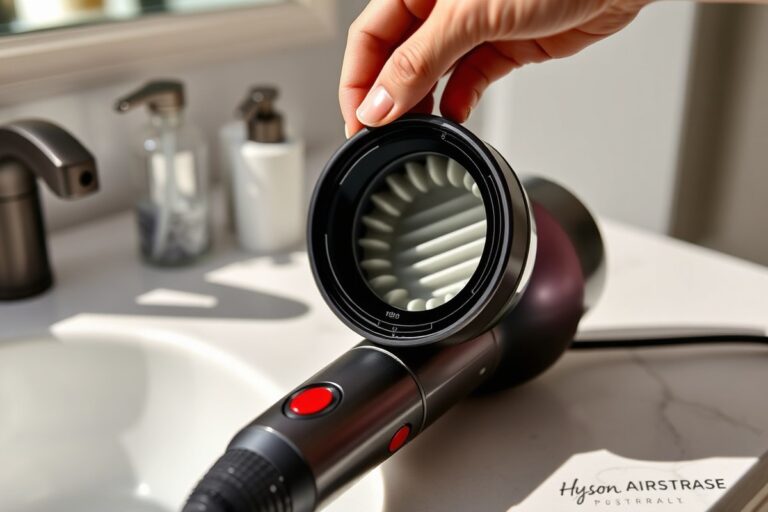
Choose a blow dryer with ceramic technology and an ion generator if you can. These features provide even heat and reduce drying time. Less drying time means less risk of heat damage to your fragile 4C hair.
Step-by-Step 4C Hair Blowout Routine for Best Results

Getting the best blowout on 4C hair means careful preparation, the right products, and good technique. Start by washing and deeply conditioning to protect your hair. Apply products in the right order.
Section your hair carefully. Use gentle brushing while drying.
Preparation: Washing and Deep Conditioning
Clean hair that’s properly hydrated handles heat better. Use a gentle shampoo made for dry, curly hair to avoid stripping oils. Follow with a rich, hydrating deep conditioner to nourish and detangle your strands.
Let the conditioner sit for 20 to 30 minutes under a plastic cap. Then rinse with cool water to seal the cuticle and keep moisture locked in. This prep reduces breakage and dryness during blow drying.
Product Application Order Before Blow Drying
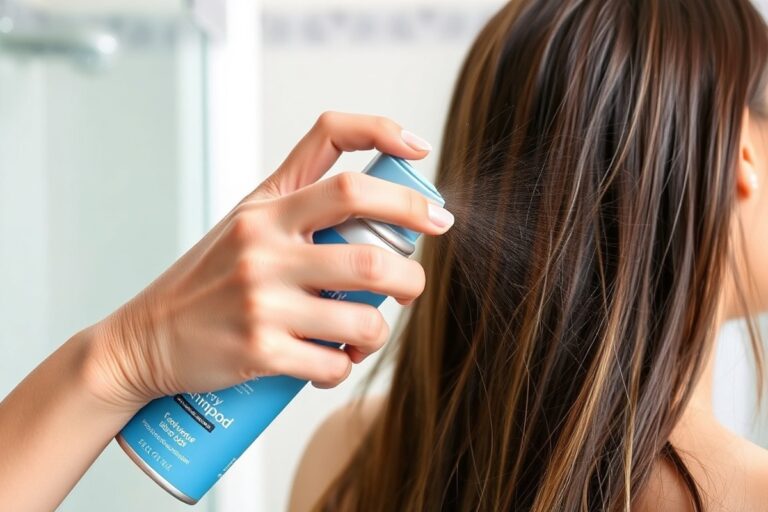
Apply styling products on wet hair to protect and shape curls. Start with a leave-in conditioner to add moisture and softness. Next, use a heat protectant spray with moisturizing ingredients to guard your hair against damage.
Follow with a light, slip-improving cream or oil to help with detangling and shine. Avoid heavy products that weigh hair down and cause buildup. Proper layering keeps hair hydrated without feeling greasy.
Sectioning and Brushing Techniques
Divide your hair into four to six sections to dry efficiently. Use clips to hold each part. Smaller sections mean better control and less pulling, which reduces breakage.
Use a blow dryer brush or a wide-tooth comb attachment for smoothing. Work from roots to ends using gentle strokes. Don’t rush, slow, steady motion helps preserve curl pattern and bounce.
- Wash your hair with a moisturizing shampoo suited for 4C texture.
- Apply a deep conditioner and leave it on for 20, 30 minutes.
- Rinse your hair with cool water to close the cuticle.
- On wet hair, apply leave-in conditioner evenly.
- Spray heat protectant lightly but thoroughly throughout your hair.
- Apply a light cream or oil for slip and shine.
- Section your hair into 4 to 6 parts using clips.
- Blow dry each section slowly using a brush or comb attachment.
Let your hair air dry or use a diffuser until it’s mostly dry. Stop drying when about 80% moisture remains. This helps avoid heat damage.
Choosing the Right Tools and Heat Protectants for 4C Hair
Choose a blow dryer with adjustable heat and attachments to protect 4C hair. Use brushes that glide smoothly without snagging. Pair these with heat protectants made for natural hair to keep your strands healthy and strong.
Blow Dryer Features for Natural Hair
A blow dryer with medium or low heat protects 4C hair from damage. The best dryers also have a concentrator attachment to focus airflow. This helps you dry faster without going over the same spots repeatedly.
Some dryers come with comb or brush attachments made to detangle while drying. For example, the PATTERN Blow Dryer includes these tools to separate strands gently. Using a diffuser attachment helps keep your curl pattern intact and reduces frizz.
Auto-adjusting dryers that sense hair texture avoid overheating your hair. They provide the right heat and speed to stretch 4C strands without causing harm. These dryers usually cost between $100 and $300 depending on features.
Brushes and Combs That Stretch Without Damage
Paddle brushes and Denman brushes work well to smooth 4C hair during blow drying. They stretch the hair gently and flatten cuticles for a sleek finish. Pull the hair taut but keep the tension controlled to prevent breakage.
Pick a brush with sturdy bristles and the right barrel size based on your coil density. A wide-tooth comb attachment on the dryer can also gently detangle while applying heat. Avoid brushes that pull or snag, as this leads to strand damage and split ends.
When your brush glides without resistance, your hair is stretching healthily. Stop when the strands feel soft and no longer damp. Over-brushing or high tension can make hair brittle and cause frizz around the edges.
Effective Heat Protectant Ingredients
Look for heat protectants with ingredients like silicones and natural oils to shield 4C hair. Products containing dimethicone or cyclomethicone form a barrier against heat. Oils such as argan or jojoba help lock in moisture and reduce dryness.
A heat protectant serum or spray should cover all strands evenly, focusing on the ends. One common product is Gloss Thermal Styling Serum, known for smoothing and protecting curls. Apply it generously before blow drying on 80% dry hair.
Some sprays add a slight hold to help your style last without stiffness. Avoid protectants with heavy alcohols, which dry out fragile 4C hair. Prices for good heat protectants range from $10 to $30 depending on the brand and size.
Why Timing and Hair Dampness Matter Before Blow Drying
Blow drying 4C hair works best when your hair is about 80% dry. This means your hair should feel damp but not soaking wet.
Starting on soaking wet hair can make drying take much longer. It also risks damage because strands face heat for too long.
To hit the right moisture level, air-dry or gently towel-dry your hair first. Roughly 30 to 45 minutes of air drying often gets hair to the damp stage.
Use a soft cotton T-shirt or microfiber towel to dry hair. Rough towels may cause frizz and break your hair.
You can test readiness by squeezing a small hair section. It should feel wet but not drip water. Water dripping means your hair is still too wet for blow drying.
The hair cuticle is more fragile when soaked. So heat can cause dryness and cracks.
When your hair is damp, your blow dryer will work faster. Less time under heat means less moisture loss and fewer split ends.
Starting blow drying too soon strips natural oils from your hair. This will make your hair brittle over time.
Try this: after washing, gently blot your hair with a T-shirt. Let it air-dry in sections for 30 minutes or so.
When your hair stops dripping and feels like a damp sponge, it’s ready. You can then use low-to-medium heat to finish drying.
Humid weather or thick 4C hair can make drying take more time. You can speed drying by using a cool air setting or fan first.
This helps before using the blow dryer. Avoid rushing by using high heat on wet hair, as it damages the hair shaft.
Allowing hair to fully dry on clips instead of damp sections during styling helps avoid tangling. Keep in mind that overstretching soaking hair causes more damage than heat.
So focus on drying just enough before blow drying. Patience pays off with less breakage and better results.
Detangling and Sectioning Methods for Thick 4C Hair
Start detangling your 4C hair when it is damp, never dry. Use the right tools like a wide-tooth comb or your fingers to gently work through knots. Divide your hair into smaller sections before blow drying.
This helps prevent pulling and breakage. Handling hair in parts makes the process easier and safer.
Detangling Sequence and Tools
Detangle your hair when it’s about 70, 90 percent dry or just damp. Wet hair is weaker, but dry hair breaks easily when detangled. Use a wide-tooth comb or your fingers; they work best for 4C hair.
Start detangling at the tips and move upward carefully. This approach stops knots from tightening and lessens hair stress. Use gentle, slow strokes to work through tangles smoothly.
- Spray your hair with a water mist or a leave-in conditioner to maintain dampness.
- Divide your hair into 3 or 4 large sections using clips or hair ties.
- Take one section and split it further if needed for easier handling.
- Start detangling at the ends of your hair using your fingers or a wide-tooth comb.
- Slowly work the comb upward toward the scalp until all tangles are gone.
- Repeat on each section, keeping the rest clipped away to maintain dampness.
- After detangling, move to the next section until your entire head is detangled.
Never detangle your 4C hair when it’s completely dry to avoid breakage.
Sectioning Strategies by Hair Thickness
Dividing hair into sections makes blow drying easier and prevents uneven heat. For thick 4C hair, 4 to 6 sections work best depending on length. Use sturdy clips to keep each section separate and untangled.
Smaller sections allow you to focus heat evenly and avoid over-drying. Release one section at a time to blow dry without tangling other parts. This keeps your routine efficient and protects your hair’s health.
Thick or coarse hair needs smaller sections for detangling. Break each 4 to 6 section into tinier parts.
This step makes detangling easier and prevents damage. Adjust the number of sections based on how manageable your hair feels as you work.
Avoiding Common Detangling Mistakes
Never rush through detangling; gentle strokes prevent damage and breakage. Avoid using fine-tooth combs or brushes that pull or snag 4C hair. Skip detangling when hair is fully dry or soaking wet, as both can cause strain.
Don’t detangle hair with heavy products that create buildup or stiff strands. Instead, moisturize lightly with water or a leave-in conditioner during the process. Keeping your hair hydrated reduces resistance, so combs glide through with ease.
Detangling too fast or with dry hair often leads to snapping and thinning spots.
Common Blow Drying Mistakes That Cause 4C Hair Damage
Too much heat causes damage in 4C hair. When heat stays too long on one spot, it burns the strands.
This leads to frizz and breakage, especially at the ends. Keep your blow dryer moving constantly to avoid focusing heat on one area.
Skipping heat protection is a common mistake. Products like heat protectant sprays or creams create a barrier on the hair.
This helps shield it from damage caused by drying temperatures. Always apply a protective product evenly before you start blow drying.
Applying too much tension while blow drying can cause breakage. Pulling the hair tight stresses the strands and weakens them. Use the tension method gently.
Stretch your hair just enough to reduce knots. Avoid pulling hard to prevent breakage. Low tension means less stress and softer results.
Over-drying happens when hair feels brittle or rough after blow drying. This means the moisture left in the hair is gone.
Stop blow drying once your hair feels dry to the touch but not stiff or crispy. Adjust your dryer’s heat setting to medium or low to protect your hair’s moisture.
Rushing through the blow dry without sectioning increases breakage. Tugging through tangled areas causes snapping.
Divide your hair into smaller sections and detangle each one carefully before drying. This step takes extra time but prevents damage and saves you from redoing your hair.
Pay attention to the temperature setting on your hair dryer. For 4C hair, keep it under 350°F (about 177°C). High temperatures above this range make hair dry out and break easier.
Choose a dryer with adjustable heat settings. Always start on the lowest heat. This helps protect your hair from damage.
Fixing damage after it happens takes time, so prevention works best. Use deep conditioning treatments regularly to restore moisture.
Avoid daily blow drying; limit it to once every one or two weeks. Follow these habits to keep your hair healthy, strong, and free from heat damage.
How Often to Blow Dry 4C Hair and Aftercare Tips
Most experts recommend blowing out 4C hair no more than once every 4 to 6 weeks. This frequency helps prevent heat damage and moisture loss. Skipping blow drying too often lets your hair recover and stay healthy.
After the blowout, keep your hair moisturized to maintain shine and curl definition. Rub a small amount of leave-in conditioner or oil onto your fingers. Next, comb it gently through your hair strands.
This helps spread moisture evenly throughout your hair. Focus on the tips since they dry out faster than the rest.
Protect your hair overnight with a silk or satin pillowcase. Silk feels smooth and holds moisture better. Satin also works well if you need a cheaper option.
Wrapping your hair in a satin bonnet reduces friction on strands. It also keeps your blowout looking fresh for longer.
Deep conditioning after blow drying supports moisture and strengthens your hair shaft. Use a rich deep conditioner 1 to 2 times a week between blowouts. Apply the treatment to damp hair.
Cover your head with a plastic cap. Leave it on for 20 to 30 minutes before rinsing.
Keep your blowout fresh with daily care. Use lightweight oils or leave-ins to moisturize.
Sleep on silk or satin, avoid heavy styling buildup, and deep condition often. These steps help your hair stay soft and shiny.
Good results feel soft, look shiny, and keep curl definition even after days. Your hair may feel dry if you blow dry too much.
Skipping steps to protect your hair can also cause brittleness. Adjust frequency or increase moisture to fix this.
Adjustments to Blow Drying for Different 4C Hair Types and Seasons
Thicker 4C hair needs lower heat and slower blow drying to avoid dryness. Use medium heat and a nozzle attachment to focus airflow.
Fine 4C hair can handle slightly warmer settings but dries faster. So watch carefully and avoid over-drying.
In humid climates, your hair holds moisture longer, making it harder to dry. Use a cool or warm setting and end with a cold shot to seal the cuticle.
In dry climates, hair dries quickly but can become brittle. Add a leave-in conditioner after blow drying to keep it hydrated and protect against breakage.
Seasonal changes call for product swaps. During winter, use heavier heat protectants with oils to shield hair from cold air. Summer needs lighter sprays that prevent frizz without weighing hair down.
After drying, put on a serum or lightweight oil. This locks in moisture and shields your hair. It protects against sun and wind damage.
Protecting hair from environmental heat or cold after blow drying means sealing the moisture in. Wrap your hair at night with a satin scarf or bonnet. This cuts down on friction.
It helps keep your hair shiny. Using hydrating products regularly helps maintain elasticity and prevents split ends brought on by seasonal stress.
Always use a heat protectant before blow drying to prevent damage and dryness.
Step-by-Step Action Plan for Blow Drying Your 4C Hair
Follow these clear steps to get a smooth, stretched look without hurting your hair.
- Before you start: Wash and deep condition your hair. Check if it feels soft and manageable.
- Right after washing: Apply a heat protectant to damp hair. Your hair should feel lightly coated, not heavy.
- 5 minutes later: Detangle gently with a wide-tooth comb. You’ll notice less pulling or breakage.
- Just before blow drying: Section your hair into four or more parts. Each section stays neat and easy to handle.
- During blow drying: Set the blow dryer to low or medium heat. Use a comb attachment for better hair care. Your hair should stretch without feeling dry.
- After blow drying: Apply a light oil or serum to seal in moisture. Your hair feels smooth and soft, not stiff.
- Next day: Sleep with a satin bonnet or pillowcase. Your style lasts longer and stays frizz-free.
Frequently Asked Questions
Can I Use a Regular Towel to Dry 4C Hair Before Blow Drying?
You should avoid rough towels. Use a soft microfiber towel or T-shirt to gently squeeze water out. This reduces breakage and frizz before blow drying your 4C hair.
What’s the Best Time of Day to Blow Dry 4C Hair?
Blow drying in the morning works well for styling lasting all day. Just make sure your hair isn’t fully wet but about 70, 90% dry to avoid damage.
Is It Okay to Blow Dry 4C Hair After Using Leave-In Conditioner?
Yes, but use only light leave-in conditioners. Heavy products can weigh hair down during blow drying and extend drying time unnecessarily.
Can I Blow Dry 4C Hair If I Didn’t Shampoo First?
It’s better to blow dry freshly washed hair. Clean hair is softer and holds moisture better, making the blow dry process smoother.
Does My Hair Need to Be Completely Detangled Before Blow Drying 4C Hair?
Yes, detangle to minimize breakage. Section your hair and use a wide-tooth comb or detangling brush gently before blow drying.
Will Using a Blow Dryer Damage Color-Treated 4C Hair?
Blow drying carries risk. But using medium heat and heat protectants protects color-treated 4C hair better. Always handle your hair gently during styling.
Wrapping Up
Blow drying your 4C hair gently keeps it healthy and looking great. Start with the steps today to see the difference. Keep practicing this routine for smoother, relaxed hair without damage.