Does Dry Shampoo Cause Hair Thinning? What Actually Works to Protect Your Hair
Does dry shampoo cause hair thinning? The short answer is no.
Dry shampoo by itself doesn’t directly cause hair loss or thinning. Most experts agree it’s safe when you use it the right way.
That said, overusing dry shampoo can cause scalp irritation and product buildup. These problems may make your hair look thinner by damaging strands or clogging follicles. It’s best to avoid heavy, daily use and don’t skip washing your scalp with water regularly.
Hold the spray about six inches from your roots. Avoid spraying directly on your scalp.
Work the product gently into your hair. This helps keep your scalp healthier and reduces the chance of breakage or irritation over time.
Key Takeaways
- Dry shampoo does not cause hair thinning directly but overuse can harm your scalp.
- Excess buildup from dry shampoo can block hair follicles, leading to breakage.
- Spray dry shampoo from 6 inches away, aiming at hair roots, not scalp.
- Wash your hair with water regularly to remove dry shampoo residue.
- Choose dry shampoos with gentle ingredients, avoiding harsh chemicals.
- Limit dry shampoo use to a few times per week for safest results.
Does Dry Shampoo Directly Cause Hair Thinning or Hair Loss?

Dry shampoo does not directly cause hair thinning or hair loss. No studies show dry shampoo makes hair follicles stop growing hair. It works by absorbing oil and freshening hair without water.
Hair loss linked to dry shampoo usually comes from overuse. Using it too often clogs hair follicles and irritates the scalp. This buildup can make scalp health worse, potentially speeding up existing hair thinning problems.
Using dry shampoo in moderation and washing your scalp regularly prevents buildup. Washing with water and shampoo removes dry shampoo residue. This stops irritation and helps keep hair follicles healthy.
Hair thinning caused by scalp irritation from dry shampoo buildup is usually reversible. Improving scalp care often restores normal hair growth. Persistent issues should be checked by a dermatologist to rule out other causes.
People with conditions like male pattern baldness may not see changes from dry shampoo alone. Dry shampoo does not make genetic hair loss worse. It is best as a tool for busy days, used sensibly and cleaned off regularly.
How Dry Shampoo Affects the Scalp and Hair Follicles
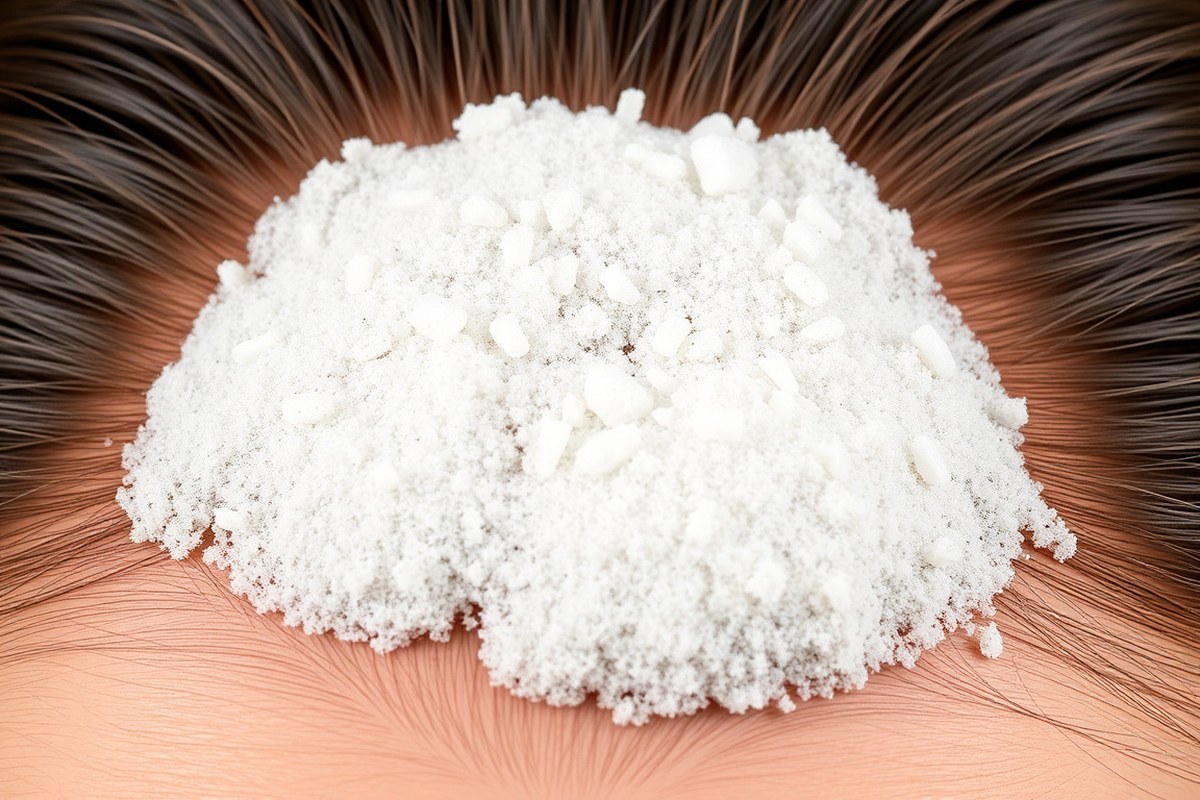
Dry shampoo absorbs oil and dirt without water, helping your hair look fresh. But it doesn’t clean your scalp like regular shampoo does. Leftover dry shampoo can build up on your scalp over time.
It mixes with oils, dead skin, and sweat. This can form a layer on your scalp.
This buildup can clog hair follicles, the tiny openings where new hair grows. When follicles get blocked, they don’t work as well.
This may slow hair growth or cause thinning hair over time. The blocked follicles also trap bacteria, which can inflame the scalp and cause pimples or cysts.
Using dry shampoo too often, without washing your hair, might cause scalp irritation. You could notice itching or flaking.
This irritation can weaken hair follicles and increase hair shedding or thinning. It’s important to clean your scalp regularly to avoid buildup and keep follicles healthy.
Apply dry shampoo only to greasy areas and wash your hair regularly to prevent buildup.
Taking care of your scalp means not relying on dry shampoo every day. When you use it, spray a little at a time starting at the roots. Avoid piling on too much product, since that increases residue on your scalp.
Good scalp care supports strong follicles and healthy hair growth. Skipping hair washes for days and always using dry shampoo clogs your scalp.
This buildup can cause irritation and affect hair health. That creates an environment where bacteria and oil cause inflammation that harms hair follicles.
Difference Between Hair Thinning and Hair Breakage Caused by Dry Shampoo
Hair thinning means your scalp is losing hair strands over time. Hair breakage happens when existing hair snaps off near the ends. Breakage doesn’t reduce the number of hairs on your scalp, but thinning does.
Dry shampoo overuse mostly leads to breakage, not actual hair loss. It can dry out your hair and scalp, making strands brittle and easy to snap.
Notice shorter, uneven hairs or split ends? That shows breakage.
Watch for wider gaps in your scalp. Also, see if more hairs fall while washing or brushing. These signs suggest real thinning.
Losing a few strands after shampooing is normal. But losing large clumps or seeing your scalp through hair indicates thinning.
Hair loss often happens after months of overusing dry shampoo. Other causes like tight hairstyles or heat damage add to it. Your hair seems thinner?
Stop or reduce dry shampoo for six weeks. See if hair shedding slows or new growth appears at the scalp.
Dry shampoo build-up can clog your hair follicles. It might irritate your scalp. This can cause hair shedding after using daily for weeks.
Rinse your hair thoroughly at least twice a week to avoid this problem. Using a gentle clarifying shampoo helps remove residue safely without causing extra damage.
Which Dry Shampoo Ingredients and Types Are Better for Thinning Hair?
Dry shampoos differ by ingredients and target hair types. Choose one designed for sensitive or dry hair when thinning occurs.
Avoid products with alcohol, since it can dry out your hair and scalp. That dryness can make hair break or stick together, which you don’t want.
Look for dry shampoos with gentle starches or clays instead of harsh powders. These absorb oil without stripping moisture.
Some brands add moisturizing oils or botanicals to help your scalp stay comfortable. Also, choose a dry shampoo that matches your hair color to avoid residue buildup.
| Dry Shampoo Ingredient | Effect on Thinning Hair | Recommended for Thinning Hair? |
|---|---|---|
| Alcohol (Isopropyl Alcohol) | Dries hair shaft, causes hair to stick and break | No |
| Rice Starch / Tapioca Starch | Absorbs oil gently without drying hair | Yes |
| Kaolin Clay | Draws out oil, adds volume, gentle on scalp | Yes |
| Fragrance | May irritate sensitive scalps if strong | Use lightly |
| Botanical Oils (Argan, Jojoba) | Hydrates hair and scalp, prevents dryness | Yes |
Buying a dry shampoo for your hair means reading labels carefully. Pick formulas that say “for dry hair,” “sensitive scalp,” or “color treated.” These often avoid drying alcohol and include hydrating ingredients.
Also, limit how often you use dry shampoo. Use it only for a day or two between washes. This helps keep your scalp healthy.
Some dry shampoos target oily or thick hair by using stronger powders and alcohol. Those aren’t best for thinning hair. Instead, choose ones with milder ingredients that add volume without harsh drying.
Using a clarifying shampoo weekly will also help remove buildup from dry shampoo. Follow it with a deep conditioner or hair mask to keep hair strong and hydrated.
How to Safely Use Dry Shampoo to Minimize Hair and Scalp Damage
Using dry shampoo the right way helps you avoid scalp irritation and hair damage. Keep your application targeted to hair, not scalp, and control how often you use it. Following specific steps prevents buildup and protects your hair’s strength.
Proper Distance and Application Technique
Spraying dry shampoo too close to your scalp can cause heavy buildup and clog pores. Aim to apply it about 6 to 8 inches away from your head. This distance helps the product reach the hair shaft without directly coating your scalp.
Use short bursts rather than one long spray to avoid patchy, uneven coverage. Focus on roots where hair tends to get oily, but don’t saturate the scalp. Let the dry shampoo sit for 2 to 3 minutes.
This helps it absorb oils. Then style or brush it out gently.
- Hold the can 6 to 8 inches from your roots.
- Spray in short bursts directly onto oily sections.
- Avoid spraying directly onto the scalp surface.
- Wait 2 to 3 minutes to let the powder absorb oil.
- Use your fingers or a brush to distribute product evenly.
- Brush lightly to remove excess dry shampoo and avoid buildup.
Too close spraying can cause scalp buildup leading to irritation and clogged follicles.
Frequency Recommendations for Different Hair Types
Limit dry shampoo use to no more than twice a week for most hair types. Overuse can dry out hair and increase the chance of scalp irritation.
Try to use dry shampoo only once a week. Space out use if your hair is sensitive or thinning.
Oily scalp types might feel tempted to use dry shampoo more often. Instead, balance it with regular gentle washing and conditioning to prevent buildup. Thick hair can usually handle slightly more frequent application, but still avoid daily use.
Applying dry shampoo too often can leave residues that block follicles and stress hair strands. Switching to gentle formulas helps. But keeping usage minimal is best for scalp health and hair strength.
Signs to Watch for That Signal Overuse
Notice any itchiness, redness, or flakes on your scalp after using dry shampoo. These signs suggest buildup and irritation from product overuse. Watch if your hair feels dry or brittle.
This could mean it’s breaking off. Check your hair often for these signs.
Look for dullness or a heavy feel in your hair roots. That often means too much dry shampoo is sitting on your scalp.
Notice if your hair looks thinner or tangles more after dry shampoo use. Regular use can cause these changes in hair.
Stop using dry shampoo if you feel discomfort or see buildup. Wash your hair normally instead.
Take a break from dry shampoo use. Cleansing the scalp fully removes residue and allows hair follicles to breathe.
Scalp Care Routine to Support Healthy Hair When Using Dry Shampoo
To keep your scalp healthy when using dry shampoo, wash it regularly and remove buildup. Exfoliating helps clear dead skin and product residue. Moisturizing soothes the scalp and prevents dryness, supporting hair growth and health.
Weekly Cleansing and Clarifying Shampoo Tips
Using a sulfate-free shampoo weekly removes buildup without damaging your scalp. This prevents clogged hair follicles that dry shampoo residue can cause. Look for shampoos tested not to leave residues, like Color Wow Color Security Shampoo.
Don’t skip washing because dry shampoo feels convenient. Washing removes oil, dead skin, and microbes that cause scalp irritation and dandruff.
Wash your scalp with water and shampoo at least once a week. This helps keep it clean and balanced.
How to Exfoliate and Remove Buildup Safely
Exfoliation helps get rid of dry shampoo buildup and dead skin cells. It keeps the scalp clear and reduces inflammation that might slow hair growth. You can exfoliate with gentle scalp scrubs or use a soft brush made for the scalp.
Exfoliate once a week or every two weeks, depending on how often you use dry shampoo. Too much scrubbing can cause irritation. Focus on gentle circular motions to lift buildup and rinse well with cool or lukewarm water.
Moisturizing and Soothing the Scalp After Washing
Moisturizing the scalp after washing restores hydration and calms irritation. Use a lightweight, non-greasy scalp serum or oil designed for sensitive skin. Avoid heavy products that block hair follicles and trap oil or residue.
Apply your moisturizer while the scalp is still damp to help it absorb better. Gently massage it in to increase blood flow and promote hair growth. Look for products with soothing ingredients like aloe vera or chamomile when your scalp feels itchy or flaky.
Follow these steps for a scalp care routine that works with dry shampoo use. It helps avoid buildup and scalp irritation while supporting healthy hair.
- Wet your scalp with lukewarm water to loosen oil and buildup.
- Apply a gentle, sulfate-free shampoo and massage the scalp for one to two minutes.
- Rinse thoroughly, making sure no residue remains.
- Use a soft scalp brush or gentle scrub to exfoliate once a week.
- Rinse with cool or lukewarm water to close pores and soothe the scalp.
- Towel dry hair to dampness and apply a lightweight scalp moisturizer or serum.
- Massage the moisturizer in gently to boost scalp circulation.
- Avoid heavy styling products on the scalp that can cause buildup.
Dry shampoo can interfere with topical hair loss treatments, like minoxidil, if buildup blocks absorption. Washing your scalp regularly helps treatments reach hair follicles effectively. Apply minoxidil on a clean, dry scalp for best results.
Other Causes of Hair Thinning to Consider Besides Dry Shampoo
Hair thinning can happen for many reasons besides dry shampoo use. The most common cause is androgenetic alopecia, also called male or female pattern baldness. It usually runs in families and makes hair thin gradually over time.
Other medical conditions can trigger hair loss too. Thyroid problems, like hypothyroidism or hyperthyroidism, often cause thinning.
Autoimmune diseases, such as alopecia areata, lead to patchy hair loss. Nutritional deficiencies, especially low iron or vitamin D, also affect hair health.
Stress and sudden illness may cause telogen effluvium. This condition pushes more hairs than usual into the shedding phase.
The hair will thin noticeably about two to three months after the stressful event. This kind of hair loss often reverses once you lower stress or recover your health.
Certain medications can cause hair loss as a side effect. These include blood thinners, chemotherapy drugs, and some antidepressants. Hormonal changes during pregnancy or menopause also impact hair growth cycles and thickness.
Seeing a dermatologist is a good idea if your hair thins rapidly or in patches. Also get help if you see scalp irritation or flakes. These signs might mean infection or inflammation.
Don’t ignore them. A specialist can examine your scalp, run blood tests, and sometimes take a biopsy. This testing helps identify the exact cause and course of treatment.
Early diagnosis allows you to start treatment sooner. Options range from topical minoxidil to prescription medications or light therapy. For some causes, like nutritional shortages, fixing your diet is essential.
Treatments vary in cost and effectiveness. For example, minoxidil typically costs around $30 to $50 per month, depending on brand and concentration. Stronger treatments often need doctor visits and cost hundreds of dollars.
Insurance may cover part of these costs. Check your coverage first.
Remember, catching hair loss early can slow or even reverse thinning in many cases. On the other hand, ignoring rapid hair loss can lead to permanent baldness. That’s why don’t wait longer than a few months to see a dermatologist if you’re concerned.
Common Myths and Expert Advice About Dry Shampoo and Hair Thinning
Dry shampoo by itself does not cause hair thinning or baldness. Many myths confuse buildup or breakage with true hair loss. Experts say safe use and scalp care matter more than skipping dry shampoo altogether.
Myth: Dry Shampoo Alone Causes Baldness
People often blame dry shampoo for men’s or women’s balding. Hair thinning comes from genetics, hormones, and health, not a single product.
Dry shampoo might cause breakage if used incorrectly. But it doesn’t stop hair from growing.
Hair strands can feel dry or brittle after frequent dry shampoo use. That might look like thinning but is usually breakage from buildup or rough treatment. Proper use helps avoid damage and keeps hair stronger between washes.
Fact: The Benzene Recall Context and Safety
In 2022, some aerosol dry shampoos were recalled due to benzene contamination. Benzene is a cancer risk, not a cause of hair thinning or loss. The issue involved propellants in a few batches, not dry shampoo ingredients overall.
You don’t need to worry about all dry shampoos or stop using them totally. Many brands remain safe and follow strict rules to avoid benzene and other toxins. Reading product labels and checking for recalls helps keep you safe.
Always avoid aerosol dry shampoos from recalled batches to reduce health risks.
Professional Guidelines and Dermatologist Tips
Dermatologists say dry shampoo can be part of hair care if you follow some rules. Use it no more than 2 times a week to reduce scalp buildup and avoid damage. Always wash your hair regularly to keep follicles clean and healthy.
Experts recommend these tips for using dry shampoo safely:
- Choose powders or non-aerosol sprays for gentler application
- Spray or dust dry shampoo 6 to 10 inches from your scalp
- Brush hair gently after applying to remove excess product
- Limit use to no more than 2 times a week
- Wash hair with mild shampoo at least once weekly
- Avoid dry shampoo on irritated or flaky scalps
- Check ingredient lists to avoid drying alcohols
Following these guidelines helps reduce breakage and scalp problems. Dermatologists warn not to only use dry shampoo.
It can hide oily hair. Real scalp problems need proper treatment.
Step-by-Step Action Plan for Healthy Dry Shampoo Use
Follow these steps to use dry shampoo safely without harming your hair or scalp.
- Before you start: Choose a dry shampoo with gentle ingredients like rice starch and avoid alcohol. Check for “sulfate-free” on the label.
- Day 1: Apply dry shampoo only to the roots, not the entire hair length. Look for less scalp itch or dryness after use.
- Week 1: Limit dry shampoo use to 1 or 2 times a week. Notice if your hair feels less weighed down or clogged.
- After 2 weeks: Add a gentle scalp massage with a soft brush or fingertips during shampooing. Watch for improved scalp circulation and less buildup.
- Week 3: Use a mild, moisturizing shampoo to wash away dry shampoo residue thoroughly. Check that your scalp feels clean and soft without flakes.
- Monthly: Assess your hair and scalp health. Stop dry shampoo if you see signs of irritation or increased hair shedding.
- Ongoing: Keep your diet balanced and manage stress since they also affect hair thinning. Track any hair changes and discuss with a dermatologist if needed.
Frequently Asked Questions
What Are the Big 3 for Thinning Hair?
The big 3 for thinning hair are genetics, hormonal changes, and stress. These three major factors cause most cases of hair thinning, not products like dry shampoo. Managing these can help reduce hair loss risks.
What Is a Healthier Alternative to Dry Shampoo?
A healthier alternative is washing hair regularly with gentle shampoo and conditioner. Water cleans out oils and product buildup better than dry shampoo. Use dry shampoo sparingly to avoid scalp irritation and follicle clogging.
Do Dermatologists Recommend Dry Shampoo?
Yes, dermatologists generally recommend dry shampoo for occasional use. It helps absorb oil on busy days without water. But they warn against overuse because it can cause scalp buildup and irritation.
Is Dry Shampoo Okay for Thinning Hair?
Dry shampoo is okay if used occasionally and washed out properly. Overusing it can clog hair follicles and irritate the scalp, worsening thinning. Clean your scalp regularly to avoid problems.
Can Dry Shampoo Cause Scalp Inflammation?
Yes, overusing dry shampoo without washing can cause scalp inflammation. Product buildup clogs pores and irritates the skin, leading to discomfort. Rinse frequently to keep your scalp healthy.
How Often Should You Wash Your Hair When Using Dry Shampoo?
Wash your hair every 2 to 3 days when using dry shampoo. This removes buildup and keeps your scalp clean. Avoid skipping water washes for too long to prevent irritation.
The Bottom Line
Dry shampoo does not cause hair thinning if used properly and in moderation. Take care of your scalp and wash regularly to prevent buildup. Start adjusting your routine today to keep your hair healthy and strong.