Do Ionic Hair Dryers Cause Cancer? What Science Really Says and Safe Use Tips
Do ionic hair dryers cause cancer? The simple answer is no.
Science shows no proof that the low levels of ions from these dryers cause cancer. The risk is very low to none when you use them as intended.
These dryers create negative ions to speed drying and reduce hair damage. They produce electromagnetic fields, but the levels are usually much lower than harmful limits. Your exposure time is also short, which lowers any possible risk.
Still, some hair dryers may contain small amounts of chemicals linked to cancer warnings. These come from materials, not radiation from the dryer’s ions or EMFs. Checking product labels and avoiding long exposure can help keep you safe.
Key Takeaways
- Ionic hair dryers do not emit cancer-causing radiation or ions.
- Use hair dryers in short sessions to limit electromagnetic exposure.
- Look for hair dryers with minimal or no harmful chemical warnings.
- Ionic dryers reduce drying time, cutting down overall heat exposure.
- The ion technology lowers hair moisture loss compared to standard dryers.
- Measured EMF levels in hair dryers exceed some limits but only briefly.
Do Ionic Hair Dryers Cause Cancer According to Science?
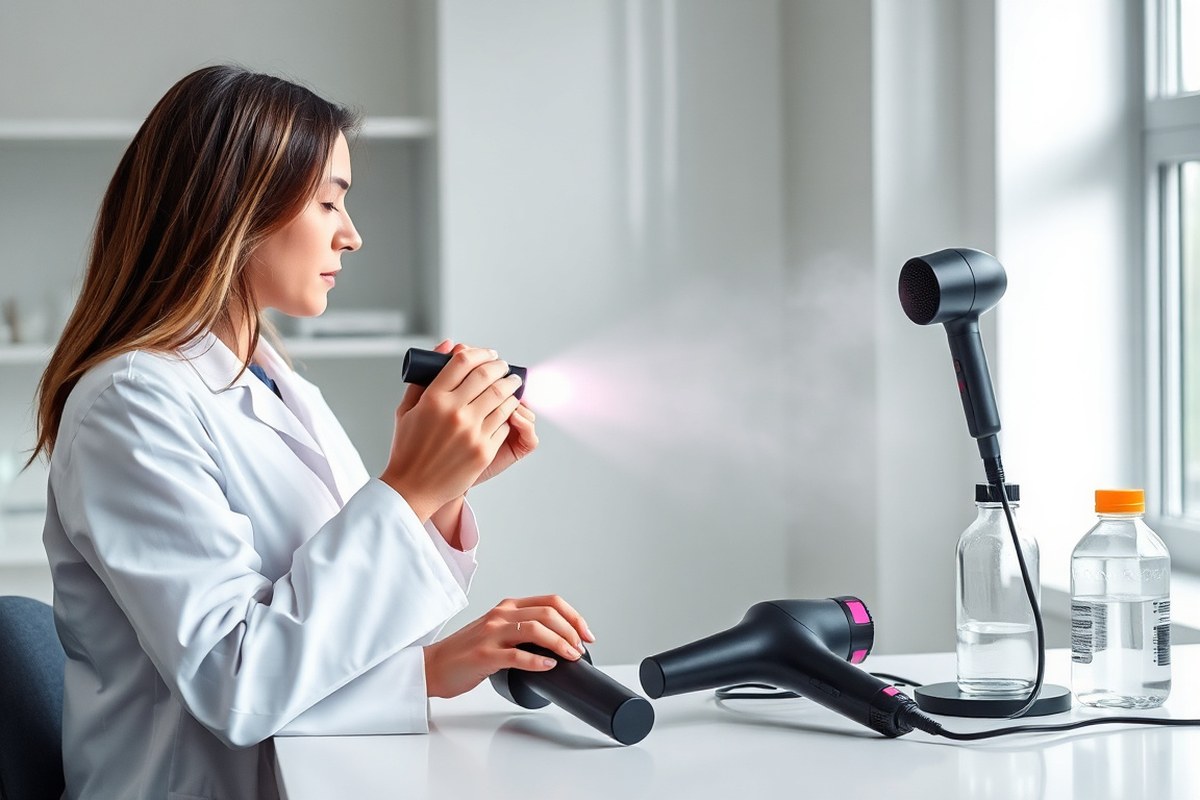
There is no scientific evidence that ionic hair dryers cause cancer. Research shows these devices emit low levels of negative ions, which do not increase cancer risk. Health organizations agree that ionic hair dryers are safe for normal use.
Large studies on hair dryers, in general, have not found a clear link to cancer. Some research explored electromagnetic fields (EMFs) from hair dryers. But results showed no consistent increase in cancer risk.
One 2020 rat study noted reduced sperm motility from EMFs. But human data do not confirm a cancer risk.
Scientific consensus says modern hair dryers, including ionic types, do not pose a cancer threat. Any weak or inconclusive studies lack sufficient evidence to raise concern. Using ionic hair dryers is as safe as using regular ones.
No solid proof shows they cause harm or danger. You can use them without worry.
How Ionic Hair Dryers Work and What They Emit

Ionic hair dryers dry hair by sending out negative ions into the airflow. These ions break down water molecules on your hair into smaller droplets. This helps your hair dry faster and use less heat overall.
The negative ions and the heat work together. The heat evaporates water, while the ions split water molecules to speed up drying. This process can reduce the drying time by several minutes compared to regular dryers.
Unlike X-rays or gamma rays, ionic dryers do not emit ionizing radiation. The radiation they produce is low-energy and non-ionizing.
So it cannot damage DNA or cause cancer. The negative ions are simply charged particles, not harmful radiation.
By breaking water into smaller droplets, ionic dryers let water evaporate more quickly at lower temperatures. This usually means your hair has less heat damage. Your hair gets less dryness.
It also has fewer split ends. However, using too hot a setting or drying for too long can still harm your hair.
It’s normal for ionic hair dryers to emit low levels of electromagnetic fields during use. These levels remain well below safety limits. The main harm to your hair comes from heat.
Negative ions don’t cause damage. Non-ionizing radiation also isn’t the problem.
Avoid holding the dryer too close to your scalp. Do not keep it there for too long. This helps reduce heat stress on your hair and skin.
Understanding Radiation and EMFs from Hair Dryers
Ionic hair dryers emit non-ionizing radiation, which is much safer than ionizing radiation. Their electromagnetic fields (EMFs) are low and usually below safety limits. These low EMFs do not raise the risk of cancer based on current research.
Ionizing vs Non-Ionizing Radiation Explained
Ionizing radiation has enough energy to damage DNA and cells, which can cause cancer. Examples include X-rays and ultraviolet rays. Non-ionizing radiation comes from ionic hair dryers.
It doesn’t carry enough energy to harm your DNA. It also can’t damage your cells.
This difference matters because only ionizing radiation is known to cause cancer by changing your cells. Ionic hair dryers only produce non-ionizing radiation, making them safer than devices emitting ionizing rays.
Typical EMF Levels from Ionic and Regular Hair Dryers
Ionic hair dryers emit low EMF levels similar to those from regular hair dryers. These levels are generally below the safety guidelines set by health organizations. Exposure usually lasts 5 to 15 minutes during normal use, reducing potential risks.
Below is a table comparing EMF levels from various common household appliances, including ionic hair dryers. It shows how hair dryers stand relative to other devices you might use daily.
| Device | EMF Level (milligauss) | Exposure Duration |
|---|---|---|
| Ionic Hair Dryer | 5 – 20 | 5 – 15 minutes |
| Regular Hair Dryer | 5 – 30 | 5 – 15 minutes |
| Electric Blanket | 10 – 50 | Hours |
| Computer | 1 – 10 | Hours |
Hair dryers produce higher EMFs than some devices but for shorter times. Their quick use means your overall exposure is low, limiting health concerns.
Health Consensus on EMF Exposure and Cancer
Most health experts agree low EMFs are unlikely to cause cancer. Ionic hair dryers produce low EMFs. These are usually considered safe.
Research shows typical EMF levels from hair dryers fall well below harmful thresholds. There is no proven link between hair dryer EMFs and cancers like skin or breast cancer.
Some studies suggest high EMF exposure can carry risks. But hair dryers do not usually reach those levels.
Even long use has not shown increased cancer risk. The biggest concern with hair dryers remains heat, not EMF radiation.
Chemicals and Materials in Hair Dryers That Might Affect Health
Some hair dryers may contain chemicals linked to health risks. Phthalates, for example, can trigger cancer or reproductive harm warnings under California Proposition 65. This does not relate to radiation but to chemical exposure from the dryer’s materials or coatings.
Older hair dryers sometimes included asbestos in their components. Asbestos was used for insulation because it handled heat well.
However, inhaling asbestos fibers is very dangerous and can cause cancer. Thankfully, asbestos use in hair dryers stopped decades ago.
Modern hair dryers don’t use asbestos, but they may still have chemicals worth noting. Some materials and coatings can release small amounts of fumes or particles when heated. Using a hair dryer in a well-ventilated space helps reduce breathing in these substances.
- Check for California Proposition 65 warnings on the dryer’s packaging.
- Avoid using very old or secondhand hair dryers made before the 1980s.
- Use dryers in a well-ventilated room to limit chemical exposure.
- Don’t cover the vents tightly to prevent overheating chemicals inside.
- Regularly clean hair filters to avoid buildup of dust and debris.
- Choose brands that disclose materials and have no harmful chemical warnings.
Warnings and labels help identify risk levels for chemical exposure. Spot a Proposition 65 warning? Cut back on how often you use that dryer.
Or try a different model instead. The chemicals that might cause harm usually come from the dryer’s plastic parts or fragranced components.
You won’t find solid proof ionic hair dryers cause cancer. Chemicals and materials in them don’t link to cancer. Studies don’t show a clear risk here.
The main health concerns come from heat damage or very rare chemical exposure. Using the dryer properly and choosing newer models with fewer chemicals reduces any risk further.
Comparison of Ionic Versus Conventional Hair Dryers for Safety and Hair Health
Ionic hair dryers generally dry hair faster than conventional dryers. They help keep more moisture in your hair, which can reduce heat damage. Both types have similar EMF levels, but ionic models shine for hair health.
Drying Efficiency and Hair Moisture Retention
Ionic hair dryers break water molecules into smaller particles. This speeds up drying by about 20% to 50%. You’ll spend less time exposing your hair to heat.
Keeping moisture in your hair helps prevent dryness and breakage. Ionic technology smooths hair cuticles, reducing frizz too. That means your hair looks healthier and feels softer.
| Aspect | Ionic Hair Dryers | Conventional Hair Dryers |
|---|---|---|
| Drying Time | 20%-50% faster drying | Standard drying time |
| Hair Moisture Retention | Better moisture retention | More moisture loss |
| Heat Damage | Reduced due to shorter exposure | Higher risk of damage |
EMF and Radiation Levels Comparison
Both ionic and conventional hair dryers emit low levels of electromagnetic fields (EMFs). These levels fall within safe limits set by regulatory bodies. EMF exposure from dryers is brief and unlikely to cause health problems.
The ionic technology does not increase EMF emission compared to classic models. So, there’s no extra risk from the ions emitted. Use your dryer normally without worrying about extra radiation.
Keep the dryer moving while using it to avoid localized heat buildup.
Known Safety and Health Benefits
Ionic hair dryers reduce drying time by roughly 30% on average. Less heat means less scalp irritation and less hair damage. Users report their hair feels smoother and looks shinier after using ionic dryers.
Despite benefits, monitor your scalp’s reaction during use. Some people may still experience sensitivity or dryness. Using a good heat setting and distance helps protect your scalp and hair.
Safe Usage Tips to Minimize Any Potential Risk from Ionic Hair Dryers
Hold the ionic hair dryer at least 6 to 8 inches from your head. Moving the dryer in small motions helps spread heat evenly. Keeping this distance reduces heat damage.
It also cuts EMF exposure by 75%. This happens when you double the distance from closer use.
Limit drying sessions to around 10 minutes per area of your hair. Ionic dryers reduce drying time by up to half.
So use this to avoid long heat exposure. Less time drying means less risk of weakening your hair structure and breakage.
Regular maintenance keeps your dryer safe and efficient. Dust and hair buildup can block vents and cause overheating. Overheated devices can emit higher EMFs and wear out faster.
- Clean the air intake and vents with a soft brush every one to two weeks.
- Wipe the exterior after each use to remove dust and product residue.
- Check the power cord for cracks or frays before using.
- Store your hair dryer in a dry, cool place to avoid moisture damage.
- Use recommended voltage and avoid running the dryer continuously for more than 15 minutes.
Following these steps helps keep your dryer in good condition. A well-maintained ionic dryer works faster and stays safer over time. Ignoring maintenance risks hardware faults that could increase EMF exposure or cause malfunctions.
Myths and Misconceptions About Ionic Hair Dryers and Cancer
Negative ions from ionic hair dryers are not harmful to your health. They are molecules that carry extra electrons and help reduce static in your hair. These ions do not cause any damage to your skin, hair, or body cells.
Some older sources spread fear about cancer risks linked to ionic dryers. This information is outdated and not based on solid science. Modern research shows no proof that ionic hair dryers cause cancer or any serious illness.
Sometimes, people share stories about health problems they blame on ionic hair dryers. These anecdotes can seem convincing but don’t hold much weight without scientific backing. Personal stories are affected by many factors and don’t prove a cause-and-effect relationship.
Research up to now hasn’t found any long-term health risks from using ionic hair dryers. The key is to use the dryer as recommended by the manufacturer.
Following their advice helps you avoid burns or electric problems. These problems are not related to cancer.
Some worries arise because of the electric fields and radiation from hair dryers. But these levels are very low and fall within safe limits set by health authorities. The tiny amounts of radiation do not build up in your body or lead to cancer.
Materials inside ionic dryers don’t pose risks if made safely. Manufacturers follow strict safety standards. Cheap or damaged dryers might have risks related to electric shocks or overheating.
But these are safety, not cancer risks. Checking for proper certifications like UL or ETL can help you pick a safer product.
The myth that ionic hair dryers cause cancer comes from wrong ideas. This misunderstanding comes from how the devices work.
Using your dryer properly and buying quality products keeps you safe. There’s no need to worry about cancer when using an ionic hair dryer under normal conditions.
When to Consider Specialist Advice or Avoid Certain Hair Dryers
People with sensitive skin or breathing problems should use ionic dryers with care. Certain health issues might make this riskier. Always notice how your body reacts to these dryers.
See a doctor if you get unusual skin or breathing issues after use. It’s better to get checked early.
Don’t ignore new symptoms that appear after drying. Checking for product recalls and safety is key to avoid damaged or faulty dryers.
Populations That Should Exercise Caution
People with sensitive skin or scalp conditions like eczema should limit ionic hair dryer use. The heat and ions might irritate your skin or worsen symptoms. Those with asthma or breathing issues should be cautious, as dryers may aggravate airways.
Children and pregnant women should use dryers less often. Choosing dryers with low EMF might be safer for them. This can reduce any possible risks.
Professionals who use dryers daily should pick products with improve safety features to reduce exposure. Stand at least 6 inches away from the hair dryer.
Limit drying time to under 10 minutes. This lowers health risks for everyone.
Signs to Watch for Possible Adverse Reactions
Look out for redness, itching, or burning sensations on your scalp or face after blow-drying. Coughing a lot or feeling short of breath may mean your lungs are reacting.
These symptoms should not be ignored with ionic dryer use. Persistent headaches during or after using the dryer might also signal sensitivity.
Any skin rashes, blisters, or unusual hair loss near the scalp need professional evaluation. If your hair feels more damaged instead of better, watch out. This might mean the dryer harms your hair quality.
Stop using it if you see damage. Don’t ignore sudden changes in skin or hair that started after using an ionic dryer.
Steps to Check Hair Dryer Safety and Recalls
Start by checking the manufacturer’s website or the Consumer Product Safety Commission (CPSC) for recall information. Enter the model number, usually found on the handle or near the power cord. Also, review customer feedback online about overheating or sparks.
Check your dryer for safety marks like UL or ETL. These mean it passed important safety tests. Only use dryers with a certification label.
Inspect the cord and plug for fraying or melting before each use. Using a low-EMF or infrared model can reduce potential risks if you use the dryer frequently.
- Look up recall databases for your model
- Check product reviews for safety complaints
- Inspect the dryer physically for damage or wear
- Confirm it has safety certifications (UL, ETL)
- Use the dryer only as directed, avoiding extended sessions
- Keep a safe distance, typically 6 inches or more
- Choose low-EMF models if you’re a frequent user
Always unplug your hair dryer after use to prevent electrical hazards.
Step-by-Step Action Plan to Use Ionic Hair Dryers Safely
Here is a simple plan to help you use your ionic hair dryer without worries. Follow these steps to keep your hair healthy and stay safe.
- Before first use: Read the user manual carefully to check any safety warnings. Make sure your dryer is from a trusted brand to avoid poor quality materials.
- Day 1: Use your ionic hair dryer on a low heat setting first. Notice if your scalp feels comfortable without irritation.
- Week 1: Limit drying time to under 10 minutes per session. Short sessions reduce heat damage and exposure.
- Week 2: Keep the dryer 6 to 12 inches away from your scalp. Maintaining distance lessens heat and EMF impact.
- Week 3: Use a heat protector spray on your hair before drying. It helps prevent dryness and split ends.
- Month 1: Clean your hair dryer’s filter and vents. This keeps airflow strong and avoids overheating.
- Ongoing: Don’t use the dryer near water or a wet environment to prevent electrical hazards. Always unplug after use.
- As needed: Stop using the dryer if your scalp feels irritated. Watch for unusual symptoms too. See a dermatologist if problems continue.
Frequently Asked Questions
Can Using Ionic Hair Dryers Affect Your Skin Cancer Risk?
No, ionic hair dryers do not increase skin cancer risk. Their low-level emissions don’t penetrate the skin or cause harmful damage.
Are There Concerns About Breast Cancer Linked to Ionic Hair Dryers?
Scientific studies have not found a link between ionic hair dryers and breast cancer. The heat and ions they produce don’t cause harmful changes in breast tissue.
Can Frequent Use of Ionic Hair Dryers Lead to Respiratory Problems?
There is no solid evidence that ionic hair dryers cause breathing or lung issues. Their emissions are minimal and don’t typically impact air quality in normal use.
Do Ionic Hair Dryers Release Phthalates or Other Harmful Chemicals?
Some hair dryers might have chemicals like phthalates. Ionic dryers don’t release these chemicals when you use them right. It’s more about the product materials than the ionic feature itself.
Could Ionic Hair Dryers Cause Allergic Reactions or Skin Irritation?
Allergic reactions from ionic hair dryers are rare and usually due to product residues or materials. Wipe the dryer’s surface often if your skin is sensitive. Don’t let it touch your skin directly.
How Does the Heat from Ionic Hair Dryers Compare to Conventional Dryers?
Ionic dryers often use lower heat and dry hair faster, reducing heat damage. Using lower heat cuts the chance of burns or irritation. This helps protect your hair and scalp from damage.
The Bottom Line
Science shows ionic hair dryers do not cause cancer. Using your dryer correctly limits any minor risks. Check your hair health regularly and adjust your routine if something feels off.