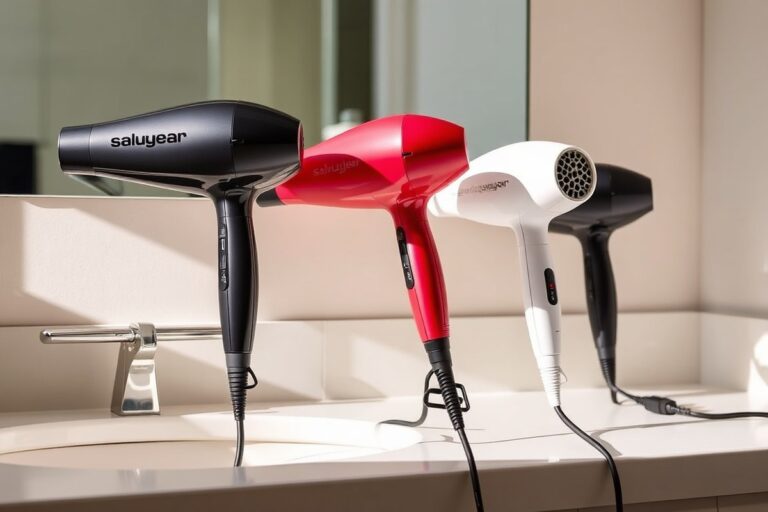
What Is an Ionic Hair Dryer? How It Works & Real Benefits Explained
What is an ionic hair dryer? It’s a dryer that uses negative ions to speed up drying time. These ions break down water molecules in your hair, letting moisture evaporate faster without extra heat.
This faster drying helps reduce heat damage compared to traditional dryers. The negative ions also smooth the hair cuticle. This smoothing cuts down frizz and flyaways, making hair look shinier and healthier.
Ionic hair dryers work well on thick, curly, or damaged hair types. They help lock in moisture and maintain hair’s natural oils. For fine or thin hair, ionic dryers might not offer as much benefit in drying speed or smoothness.
Many ionic dryers include ceramic or tourmaline parts, which spread heat evenly. This combination protects hair from hot spots that cause damage. Choosing one with multiple settings helps tailor drying to your hair’s needs.
Key Takeaways
- Ionic hair dryers speed drying time by breaking water into smaller droplets.
- They reduce frizz by helping hair retain moisture and smooth cuticles.
- Thick, curly, or damaged hair types gain the most benefit from ionic dryers.
- Ionic dryers may not improve drying for fine or very short hair.
- Look for models that pair ionic with ceramic or tourmaline for better results.
- Ionic technology can cut drying time up to 50% compared to regular dryers.
What Is an Ionic Hair Dryer and How Does It Work?
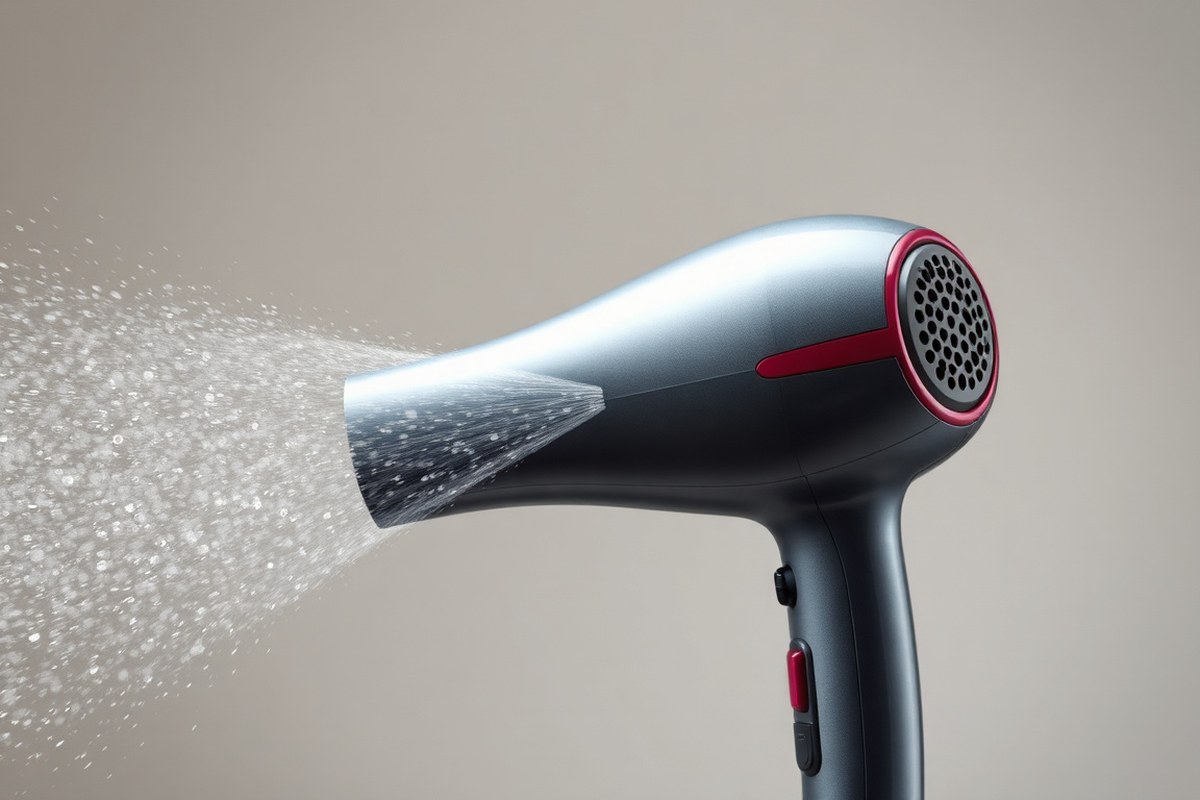
An ionic hair dryer is a type of hair dryer that produces negative ions. These ions come from a heated metal element inside, often made with ceramic or tourmaline. As the metal heats up, it generates these negative ions, which are released during drying.
Negative ions break down water molecules on your hair. Instead of large droplets, the water breaks into smaller particles.
This helps your hair absorb moisture faster. It can cut drying time by half compared to normal dryers.
During the drying process, negative ions also neutralize the positive static charge in your hair. This reduces frizz and flyaways, leaving your hair smoother and shinier. Ionic dryers seal the hair cuticle.
This keeps natural moisture inside your hair. It prevents dryness and damage.
Benefits of Ionic Hair Dryers Compared to Regular Dryers

An ionic hair dryer can dry your hair up to 50% faster than a regular dryer. It releases negative ions that break down water molecules. This means you spend less time drying your hair.
Less heat hits your hair. This cuts down heat damage. Less heat also means less damage to your strands over time.
One big advantage is that ionic dryers help cut down frizz and static. The negative ions neutralize static electricity, so your hair feels smoother and looks shinier. This helps if your hair is thick or textured.
It fights frizz and flyaways well. You get smoother results. Many users notice a polished finish with less puffiness after drying.
These dryers also lock moisture inside your hair. The ions help seal the hair cuticle, keeping natural oils and hydration intact. That makes your hair feel softer and less dry compared to regular dryers.
Ionic technology helps protect your hair’s health when drying. It lowers heat damage. That keeps hair stronger.
Ionic dryers work best when you dry hair fully. Keep the dryer moving the whole time. Don’t hold it still.
Avoid staying in one spot too long to prevent heat damage despite the technology. These dryers don’t replace heat protectants. So always apply a heat protectant spray before styling.
Hold your dryer about six inches from your hair. Keep moving it around smoothly. This gives the best drying results. This prevents hot spots and helps protect your strands.
Which Hair Types Benefit Most from Ionic Hair Dryers?
An ionic hair dryer works best for thick, curly, or frizz-prone hair. It reduces drying time and helps smooth hair, cutting frizz and seal cuticles. For fine or thin hair, ionic dryers can flatten your strands, so choose carefully.
Hair Type and Texture Guide
Thick, curly, or coarse hair benefits most from ionic hair dryers. They cut drying time almost in half and leave hair shinier.
Fine or thin hair tends to lose volume with ionic technology. So a regular dryer might keep bounce better.
Short hair dries quickly either way. But ionic dryers still cut down time by 40%. Heat and airflow control are important for hair drying.
Fine or curly hair works best with low heat. It also needs high airflow for good results. Thick hair needs medium to high heat with strong airflow.
| Hair Type | Conventional Dryer (Approx. Time) | Ionic Hair Dryer (Approx. Time) | Time Saved |
|---|---|---|---|
| Fine, Short | 5-8 minutes | 3-5 minutes | ~40% |
| Medium, Shoulder-Length | 15-20 minutes | 8-12 minutes | ~45% |
| Thick, Long | 25-35 minutes | 13-18 minutes | ~50% |
| Coarse, Curly | 30-40 minutes | 15-22 minutes | ~48% |
Use an ionic dryer if you have thick curly or frizzy hair to save time. Fine or thin hair can look flat with ionic dryers.
This happens more if you use high heat. Ionic dryers may not add volume well.
When to Choose Ionic vs Regular Dryer
Choose an ionic dryer to reduce frizz and detangle hair. It works well on thick or curly hair.
It also dries hair faster than regular dryers. They create a sleek finish without needing very high heat.
Regular dryers roughen the hair cuticle slightly, adding texture and volume. This helps fine hair maintain bounce, which ionic dryers can reduce. Some ionic models let you switch ions on or off for more control.
For short hair, either dryer works well. Pick ionic if you want speed and less frizz. Regular dryers may suit fine or flat hair better.
They help give more volume when you want it. Ionic dryers might make hair look limp in these cases. Adjustable heat and speed settings improve results too.
Special Considerations for Color or Damaged Hair
Damaged or color-treated hair benefits from ionic dryers because they dry hair faster without over-drying. This helps prevent further damage and keeps hair smoother.
Look for models with adjustable heat settings to avoid burns or excessive dryness. For example, the SUTRA Infrared AC Blow Dryer offers power and gentle drying for damaged hair.
Curly or wavy hair with color or damage pairs well with ionic dryers too. These can seal the hair cuticle better, keeping color brighter and curls defined without harsh heat.
Ionic vs Ceramic vs Tourmaline Dryers: What’s the Difference?
Ionic, ceramic, and tourmaline hair dryers have different benefits. They help with drying speed, shine, and frizz control. Each type offers unique results for your hair.
Ionic dryers reduce drying time and frizz by releasing negative ions. Ceramic dryers provide even heat, protecting hair from damage. Tourmaline dryers dry hair faster and add shine using crushed gemstones.
How Ionic Technology Works
Ionic hair dryers send out negative ions that break water droplets into smaller pieces. This helps hair dry faster because smaller droplets evaporate quicker. Ionic dryers also smooth the hair cuticle, reducing static and frizz.
People with thick or coarse hair notice faster drying with ionic dryers. They also help hair look shinier and less frizzy without extra heat damage. Many ionic dryers combine this tech with ceramic heating elements for safer drying.
Ceramic Dryer Features and Benefits
Ceramic dryers use ceramic plates or coatings to produce even, gentle heat. This helps prevent hot spots that might burn your hair. The heat keeps your hair hydrated by drying it gradually.
Some ceramic dryers also add slight ionic properties to reduce frizz. They tend to cost less than ionic dryers but won’t reduce drying time as much. Ceramic dryers suit fine or dry hair that needs careful heat control.
Models like the Andis Fold-N-Go use ceramic tech for portability and gentle drying. They help avoid heat damage while supporting natural shine and smoothness.
Tourmaline Dryer Advantages
Tourmaline dryers contain crushed tourmaline gemstones that emit negative ions and infrared heat. The infrared warmth helps dry hair from inside out without over-drying. Tourmaline reduces drying time by up to 40%, making it popular in salons.
This tech smooths hair cuticles, cuts frizz, and adds natural shine. Tourmaline dryers often cost less than ionic dryers but still offer fast drying and shine. They work well for most hair types, especially thick or wavy hair.
Some high-end dryers combine tourmaline with ionic and ceramic for speed, shine, and gentleness. This combo benefits users wanting multiple hair concerns addressed at once. The table below compares drying times and effects for each technology:
| Technology | Drying Speed | Frizz Control | Shine Added | Typical Cost Range |
|---|---|---|---|---|
| Conventional Dryer | Baseline | Poor | None | $15, $50 |
| Ionic | Up to 30% faster | High | Good | $50, $200+ |
| Ceramic | Moderate | Medium | Moderate | $30, $100 |
| Tourmaline | Up to 40% faster | High | Very good | $40, $150 |
Picking a dryer depends on your hair type and goals. Ionic dryers excel at frizz control and faster drying.
Ceramic is safer on fragile hair with less heat. Tourmaline dries quickly and adds shine without high cost.
How to Use an Ionic Hair Dryer for Best Results
Use an ionic hair dryer properly to cut drying time and lower frizz. Start by prepping hair gently, then adjust heat and speed for your hair type. Attachments like diffusers or nozzles help shape your style without damage.
Preparing Hair Before Drying
Towel-dry your hair by gently squeezing out excess water. Avoid rough rubbing since wet hair is fragile and breaks easily. Let your hair air-dry for a few minutes to reduce heat exposure.
Apply a heat protectant before using the dryer to prevent damage. It helps seal hair cuticles and maintain moisture during drying. Comb through your hair to detangle knots and spread the product evenly.
Do not use the dryer immediately after stepping out of the shower. Waiting even 5 to 10 minutes reduces the risk of over-drying sensitive strands.
Using Heat and Speed Settings Correctly
Start on low heat and low speed when hair is very wet to avoid stressing it. Increase heat gradually only as it dries to finish styling. Finish with the cool shot button to lock your style and add shine.
Use the highest heat just long enough to avoid over-drying. Ionic dryers help close cuticles.
But too much heat can still cause flat, dull hair. Adjust speed based on your hair’s thickness and desired volume.
Good settings for most dry and style sessions:
- Low heat and high speed for initial drying
- Medium heat and medium speed for shaping and smoothing
- Cool shot at the end to set your style
- Nozzle attachment to direct airflow precisely
- Diffuser on low speed to protect curls and waves
- Avoid high heat for fine or damaged hair
Handling Different Hair Textures
Use a diffuser attachment with ionic dryers if you have curls or waves. It spreads heat evenly and keeps your natural curl pattern intact without roughing up the cuticle. This reduces frizz and keeps volume.
For straight or fine hair, use the concentrator nozzle to focus airflow. This method smooths hair cuticles and prevents flyaways.
Too powerful wind can mess up fine hair. So keep speed on low or medium.
Thicker hair benefits from a higher heat setting for efficient drying. Ionic technology seals the cuticle to maintain shine and reduce static. Break your drying session into sections to avoid over-drying any part.
Avoiding Common Ionic Dryer Mistakes
Dry hair in sections for even results and less heat damage. Avoid holding the dryer too close to your scalp or roots to prevent dryness. Keep the dryer moving constantly instead of focusing on one spot.
Don’t skip the heat protectant because ionic dryers help. But aren’t a full shield from heat damage.
Overuse can make hair look flat or greasy. Stop drying when hair is just damp, then let it air dry to finish.
Running the dryer on high heat too long causes frizz and damage, even with ion technology.
Be gentle while towel-drying and avoid drying hair straight out of the shower. Ionic dryers work better with less water on hair, reducing drying time and frizz. Use the right attachment to support your hair’s natural texture for best results.
Common Myths and Concerns About Ionic Hair Dryers
Ionic hair dryers do not damage your hair. They actually help by drying hair faster, which means less heat exposure. Using a heat protectant spray along with ionic drying lowers the risk of damage even more.
Some people worry ionic dryers cause cancer, but there is no proof of this. These dryers use a low voltage, about 1,600 volts, which is safe for home use. The negative ions they release only affect the water molecules on your hair, not your health.
Your hair might feel flat after using an ionic dryer. This happens because negative ions seal the hair cuticle and smooth it out. That smooth finish reduces volume, which is more noticeable if you have fine or thin hair.
Ionic technology is not just marketing hype. Negative ions do break down positively charged water molecules, speeding up drying and cutting frizz. The amount of ions given off is small but enough to make a visible difference.
If you have thick, frizzy hair, ionic dryers are a good fit. For fine or flat hair, they might make your hair look limp or less full. In those cases, a regular hair dryer might work better to keep volume.
Both ionic and regular dryers use some negative ions in the airflow. Ionic dryers just add more ions to better seal your hair’s cuticle. This helps your hair look shiny and smooth right after drying.
You can get good results by pairing an ionic hair dryer with a heat protectant spray. Keep the heat setting moderate to avoid extra drying. Dry your hair in sections to ensure the ions reach all hair evenly.
Choosing the Right Ionic Hair Dryer for Your Needs
A good ionic hair dryer should have a wattage between 1800 and 2200 watts. This range works best for thick, coarse, or long hair that takes more time to dry.
You might want a lower wattage for thin or damaged hair. This helps avoid over-drying and weakening your strands.
Price often links to quality and features but spending a lot upfront isn’t always necessary. Some affordable options cost around $25 and still offer ionic technology. Mid-range dryers cost about $140.
They usually last longer and have extra styling features. These features save time and help protect your hair.
Damaged or thick hair benefits from models with higher wattage and additional care features. Dryer options with ceramic or tourmaline components often help protect cuticles and reduce heat damage. Brands focusing on cuticle protection or anti-frizz results can be smart choices for those hair types.
Features to look for depend on your styling habits. Lightweight dryers ease handling during styling sessions. Quiet operation might matter if you dry your hair early or late.
Helpful extras are multiple heat settings and cool shot buttons. Attachments like diffusers add volume. Concentrators help with precise styling.
Here’s a comparison table to show popular ionic hair dryers and their strengths:
| Model | Price (Amazon) | Feature |
|---|---|---|
| Conair 3-In-1 Styling | $30 | Lightweight |
| NITION Negative Ions Ceramic | $50 | Best Durability |
| Andis Fold-N-Go Ionic | $45 | Best Anti-Frizz |
| Remington Compact Ionic | $25 | Best Budget |
| HOT TOOLS Signature Series Ioni | $60 | Cuticle Protection |
| CONFU Professional | $40 | Noiseless Operation |
| Wavytalk Blown Away | $55 | 1875 Watts Output |
Pick a dryer that fits your budget but meets your hair type needs. Thick hair requires more power and protective features. Thin hair suits lighter, less intense models to avoid damage.
Look closer at the features that fit your daily routine. A foldable design might help if you travel a lot. An ionic hair dryer that cuts frizz and protects cuticles keeps styling healthier long term.
How Long Do Ionic Hair Dryers Last and When to Replace Them
An ionic hair dryer usually lasts between 600 to 1000 hours of use. The lifespan depends on how often and how hard you use it.
More frequent or high-heat use can shorten its life. Gentle care can extend it.
You should replace your dryer if it starts making strange noises or stops heating evenly. Another sign is when drying takes much longer than before. If the ionic function seems weaker, or your hair feels drier instead of smoother, it’s time for a new dryer.
To keep your ionic hair dryer working well, regular cleaning matters a lot. Dirt and hair buildup can block airflow and reduce heat, hurting performance. Also, protect the cord from twists and bends to avoid electrical problems.
- Clean the air filter once a month by brushing off dust and lint.
- Wipe the dryer body with a soft, damp cloth after use to remove product residue.
- Don’t wrap the cord tightly around the dryer; coil it loosely instead.
- Store the dryer in a dry place, avoiding humid bathrooms.
- Use lower heat settings when drying fine or damaged hair to reduce wear.
- Avoid dropping or knocking the dryer to prevent internal damage.
Keeping up with these steps can add months or even years to your dryer’s life. It also helps the ionic technology keep your hair healthier and shinier over time. Remember that ionic dryers work best when they deliver consistent heat and airflow.
Always unplug your hair dryer before cleaning to avoid shocks or damage.
Step-by-Step Action Plan to Get the Most from Your Ionic Hair Dryer
Follow these steps to use your ionic hair dryer effectively. Each part helps protect your hair and speeds up drying.
- Before you begin: Pat your hair with a towel to take off extra water. Your hair needs to be moist, not soaking wet, for faster drying.
- Day 1: Use the ionic dryer on a medium heat setting. Check if your hair feels less frizzy and dries faster than with your old dryer.
- Week 1: Add a heat protectant spray before drying. Notice if your hair stays smooth and shiny after styling.
- Week 2: Experiment with airflow modes for volume or sleekness. You’ll see which setting suits your hair type best.
- After 3 weeks: Clean the dryer’s air filter to keep it working well. Reduced drying power means it’s time for maintenance.
- Monthly: Compare your hair’s texture and dryness time with past uses. Faster drying and less static show the dryer is effective.
- After 6 months: Review your hair dryer’s condition and performance. Replace it if it feels weak or your hair shows more damage.
Frequently Asked Questions
How Do Ionic Hair Dryers Reduce Drying Time?
Ionic hair dryers release negative ions that break water into smaller droplets. This lets hair dry faster, especially if your hair is thick or long.
Are Ionic Hair Dryers Better for Preventing Frizz in Humid Weather?
Yes, ionic dryers help reduce frizz by neutralizing static electricity. They seal the hair cuticle, which keeps moisture balanced even on humid days.
Can Ionic Hair Dryers Cause Hair Damage with Frequent Use?
Ionic dryers are generally less damaging because they dry hair faster and lock in moisture. However, overuse of heat from any dryer can still harm hair.
Is There a Difference in Power Between Ionic and Regular Hair Dryers?
Ionic hair dryers often have strong wattage around 1875 watts or more. This helps speed up drying but check individual models for exact power.
Do Ionic Hair Dryers Work Well on All Hair Types?
They work best on thick, curly, or damaged hair by reducing drying time and frizz. Fine or short hair might not see much benefit.
What Maintenance Does an Ionic Hair Dryer Need to Keep It Working Well?
Regularly clean the air filter to avoid overheating and blockages. This keeps airflow strong and extends the dryer’s life.
The Bottom Line
An ionic hair dryer can help reduce frizz and dry your hair faster. Try using it with the right settings and care products for best results. Pick your first step today and see how your hair improves.