How Long Do Tape in Hair Extensions Last a Complete Guide to Lifespan & Care
How long do tape in hair extensions last depends on several factors like quality and care. You can usually wear tape-ins for 6 to 8 weeks. After that, you need to reposition or reinstall them.
High-quality Remy human hair tape-ins can last 6 months to 3 years. Good upkeep helps you get the most time.
How long tape-ins last depends on your daily care habits. Salon maintenance frequency also matters. The tape’s strength fades after 6 to 8 weeks.
So regular visits are key to keeping them secure and looking fresh. Skipping care or rough handling cuts their lifespan drastically.
Start by choosing 100% Remy human hair extensions with the cuticle intact for the longest durability. Plan on salon visits every couple of months to remove and reapply the tape. Paying attention early to any slipping tape or dryness helps extend how long they last.
Key Takeaways
- Expect tape in extensions to last 6, 8 weeks before reapplication.
- High-quality Remy hair can last 6 months to 3 years with care.
- Routine salon maintenance prevents tape from weakening and slipping.
- Daily gentle brushing and avoiding harsh chemicals extend lifespan.
- Watch for any tape lifting signs; fix quickly to avoid damage.
- Remove extensions before 8 weeks to keep your natural hair healthy.
How Long Do Tape-In Hair Extensions Typically Last?

Each installation of tape-in hair extensions typically lasts 6 to 8 weeks. After this period, the tapes lose their grip due to hair growth and natural oils. You’ll need maintenance to move the extensions up or replace the tape to keep them secure.
The extensions themselves can last much longer, usually 9 to 12 months with proper care. High-quality Remy human hair can even last up to 2 years or more. How long they last depends on how you maintain them and your lifestyle habits.
To keep your extensions in good shape, visit the salon every 6 to 8 weeks. The stylist will reposition the tapes during your appointment. This helps your extensions last longer.
This means you can reuse the same hair extensions around three times in total. Proper removal and cleaning during these visits help preserve the hair’s quality and extend its lifespan.
Key Factors That Affect Tape-In Hair Extension Longevity

100% Remy human hair tape-ins last much longer than synthetic ones. Remy hair keeps its natural look and texture up to 12 months. You must care for it to last that long.
Proper care extends its look and feel. Synthetic extensions tend to tangle and lose their shine faster, making them less durable.
The adhesive tape’s strength affects how long tape-ins stay put. High-quality tape improves the bond. Low-quality tape may fail sooner.
Good-quality tapes hold the hair securely for about four to eight weeks before needing a touch-up. Low-quality tapes may lose their stickiness sooner, causing slippage and discomfort.
Your natural hair’s texture and growth rate also influence extension lifespan. Fast hair growth moves tape-ins down quicker. You will need to reposition them more often.
Growth speed changes maintenance frequency. Thick or coarse hair may need stronger tape.
You might also need more frequent maintenance. This keeps the bonds secure longer.
Environmental factors and your daily habits affect tape-in durability. Washing hair often with hot water weakens the adhesive. Harsh shampoos can also damage extension hair.
Use gentle care to protect them. Swimming frequently without protection exposes tape-ins to harsh chemicals.
Chlorine and salt water can reduce their lifespan. Use barriers to protect your extensions.
Always use sulfate-free shampoos and protect your extensions when swimming to avoid weakening the tape bonds.
Growing natural hair pushes tape-ins down and can loosen bonds after several weeks. Styling choices, like daily heat use, can dry out the extensions and shorten their usable life. Avoid heavy products near tape areas for better hold.
Protecting your hair helps maintain bond strength longer. Light styling keeps tape-ins secure.
Professional Installation and Removal Steps for Best Longevity
Professional installation and removal are key to making tape-in hair extensions last. They keep your natural hair safe and help the extensions look natural and neat. Skilled stylists follow set steps that avoid tension and damage to your hair.
Preparing Hair and Tape for Installation
Extensions should fit your hair type and length. Stylists wash and dry hair thoroughly before starting. Clean, dry hair helps tape bonds stick better and last longer.
Using medical-grade adhesive tape is standard. It holds securely for 6 to 8 weeks. The stylist sections hair carefully to space tape evenly.
- Clean hair with a gentle shampoo and dry fully.
- Section your natural hair horizontally at the nape.
- Place a tape extension strip under the sectioned hair.
- Press a matching tape strip on top, sandwiching your hair.
- Press tapes firmly to bond and lay flat.
- Repeat sections evenly up the head for natural volume.
- Trim and style extensions if needed for blending.
Even spacing stops slippage and heavy spots. It helps extensions blend naturally without tugging. A pro avoids placing tape too close to the scalp to reduce tension.
Safe Removal Techniques to Preserve Hair and Extensions
Removing tape-in extensions requires a special bond remover. It breaks down adhesive gently without pulling on your natural hair. Stripping extensions without a remover risks hair loss and tape damage.
The stylist usually applies remover directly to the tape bonds. They let it sit a few minutes to dissolve the glue. Then they carefully slide extensions away from the natural hair.
- Apply bond remover on tape bonds evenly.
- Wait 3 to 5 minutes for adhesive to soften.
- Gently slide or peel extensions off your hair.
- Remove any leftover adhesive from your natural hair.
- Clean extensions using approved shampoo for reuse.
Gentle removal protects your hair follicles and scalp. Proper detaching also keeps extensions in good shape for reuse. Avoid prying or pulling, which causes damage.
Reapplication Process and Timing Recommendations
Plan salon visits every 6 to 8 weeks for tape-in reapplication. This matches your hair’s growth cycle and tape adhesion lifespan. Waiting too long risks slipping and noticeable roots.
The stylist repeats the cleaning and sectioning steps. They reuse extensions with fresh tape by removing old adhesive completely. Reusing high-quality Remy hair tape-ins keeps costs lower and preserves hair health.
- Schedule your salon appointment in 6 to 8 weeks.
- Remove old tape with a professional bond remover.
- Clean and prepare extensions for new tape application.
- Apply new tape strips according to your hair growth.
- Space tapes evenly for balanced weight distribution.
- Style to blend extensions smoothly.
Following these steps causes less damage and keeps your hair healthy. Reinstalling on time also improves how long each tape stay fresh. Professional care ensures natural hair durability and extension longevity.
How to Care for Tape-In Extensions Daily and Weekly
Daily and weekly care is key to keeping tape-in hair extensions looking great and lasting longer. Brushing gently, washing with the right products, and careful styling all protect the tape bonds. Avoiding oils near the tape and limiting heat helps prevent slippage and damage.
Brushing Techniques to Prevent Shedding and Matting
Use a brush made for extensions like a loop brush or wide-tooth comb. These tools gently detangle hair without tugging on your tape-ins. Brush roots twice daily to stop knots near where tapes attach.
Avoid brushing your extensions when your hair is wet. Wet hair stretches and breaks more easily, which can loosen the tape bonds. Always start brushing from the ends and work upward to prevent pulling.
Washing Routine: Timing and Product Recommendations
Wait 48 hours after getting tape-in extensions before shampooing them. This lets the glue bond fully and stay strong. Wash your extensions about two to three times each week, based on how oily or sweaty your scalp gets.
Use sulfate-free shampoos and conditioners made for extensions or color-treated hair. These clean gently without wearing down the tape glue. Keep oil-based and heavy products away from the roots.
Oils can weaken the glue and make the tapes slip out. Use lightweight products to protect your extension bonds.
- Rinse hair with lukewarm water, not hot.
- Apply shampoo gently without rubbing the tape bonds.
- Use conditioner mainly on mid-lengths to ends, avoiding tape zones.
- Pat dry with a towel, don’t rub harshly.
- Let hair air dry or use a blow dryer on low heat.
Washing less often helps tape-ins stick longer, as over-washing can weaken the glue. Swimming or sweating may require extra rinsing. But try to keep tape zones dry when possible.
Safe Heat Styling Practices to Protect Adhesive and Hair
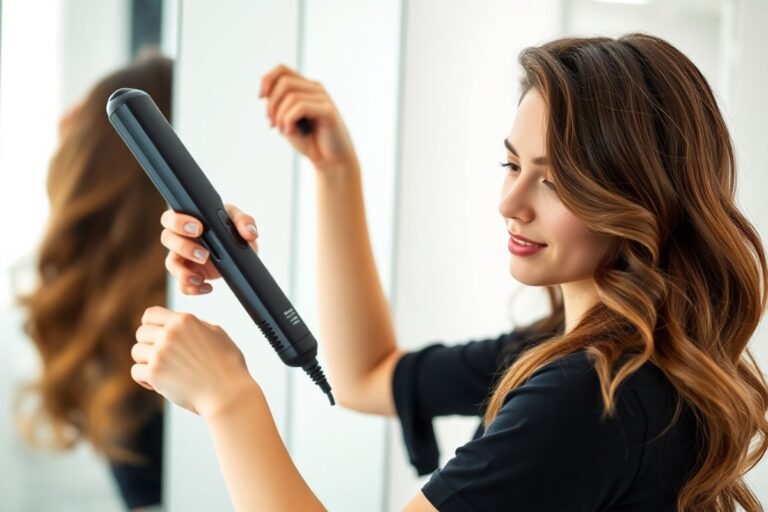
Use heat tools rarely and only on low to medium settings, ideally below 300°F (150°C). High heat melts tape glue and damages hair strands quickly. Avoid placing irons or curling wands too close to the tape bonds.
Always apply a heat protectant spray before styling with hot tools. Look for water-based formulas without oils near the roots. Limit heat styling sessions to extend extension life and keep your hair healthy.
- Set flat irons or curling wands to 250-300°F.
- Use heat protectants free of silicone and oil near tape bonds.
- Style away from the tapes to avoid melting glue.
- Try heatless styles like braids or rollers to reduce damage.
- Avoid daily heat styling to keep bonds firm longer.
Signs It’s Time to Remove or Replace Tape-In Extensions
Tape-in hair extensions wear down mostly because of adhesive failure and normal hair growth. You’ll notice the tape slipping or lifting when oils or sweat break down the glue. This can cause extensions to fall out unexpectedly and create gaps between the scalp and tape.
Tangling right at the roots is another warning sign. It happens as your natural hair grows and pushes the tape away. This tangling can make removal painful and even cause breakage.
Extensions also lose their natural blend over time. They start looking obvious when you pull your hair up, revealing tape edges. Uneven root tension is a problem, too.
It puts stress on your scalp and can cause pain. This can lead to traction alopecia. That condition damages hair follicles permanently.
Watching how your natural hair reacts is key. Notice breakage, itchiness, or bald spots near extensions? These are signs your hair is at risk of serious damage.
- Visible gaps between the tape and scalp
- Slipping or falling-out pieces
- Tangling at the roots or matting
- Cleary tape edges showing when hair is styled up
- Discomfort or pulling sensation on the scalp
- Unusual breakage or thinning near extension sites
- Adhesive residue buildup or damaged tape tabs
Regularly checking these signs helps you decide when to see your stylist. A pro can remove extensions safely using a specialized solution instead of pulling. They also clean off old adhesive and inspect your hair closely.
You might only need fresh tape tabs applied, which costs less than a full replacement. Trying to fix slipping pieces yourself risks more damage to your hair and extensions.
Never pull tape-in extensions without a product specifically made for safe removal. Damages are hard to fix.
Extensions in good shape blend smoothly and feel comfortable. The sticky tape should hold firmly without slipping or visible gaps. Your natural hair near the extensions will stay healthy and not show signs of stress.
Catch problems early with a hair professional. This saves time, money, and protects your hair health later.
Can You Reuse Tape-In Hair Extensions? What You Need to Know
You can reuse tape-in hair extensions about 3 to 4 times with careful handling. Proper cleaning and storage keep the tape sticky and hair looking good. However, worn or damaged tape means it’s time to get new extensions.
Proper Removal and Cleaning for Reuse
Removing tape-in extensions the right way protects the hair and tape for reuse. Cleaning the hair removes product build-up that weakens the tape’s hold. Make sure to use gentle products made for extensions or sulfate-free shampoos.
Follow these steps to clean and prepare your extensions for re-taping:
- Soak the extensions in lukewarm water for a few minutes.
- Apply a gentle shampoo designed for extensions.
- Rinse thoroughly with cool water to seal the hair cuticle.
- Use a soft towel to blot excess water, don’t rub or wring.
- Let the hair air dry completely on a flat surface.
- Check the tape area for any leftover adhesive and gently remove it.
- Apply a light detangling spray if needed, then brush carefully.
Storage Tips to Maintain Tape Stickiness and Hair Quality
Storing tape-in extensions carefully keeps the adhesive fresh and hair smooth. Keep extensions away from direct sunlight and dust. Ideal storage is a cool, dry place in a sealed bag or container.
Before storing, place the extensions tape-side down on a clean surface. Cover the tape with its original protective sheets or wax paper. This prevents dust and dirt from weakening the adhesive.
Avoid folding or squeezing the extensions tightly. Gentle handling stops tangling and flattening of the tape strips.
Evaluating Extensions for Reuse or Disposal
Not all tape-in extensions can be reused. You should replace them if the hair feels dry, brittle, or tangled beyond repair. Check the tape for any lifting, tearing, or loss of stickiness.
Extensions that fail more than one re-taping usually last 9 to 12 months total. When the tape stops sticking well, throw out the extensions.
This prevents any damage to your natural hair. Keep an eye on how secure the extensions feel.
Look for these signs before deciding to toss or reuse your extensions:
- Hair strands breaking or extreme dryness
- Tape that peels off easily or loses stickiness
- Unremovable glue residue that interferes with new tape
- Any unpleasant smell or discoloration in hair or tape
Lifestyle Habits That Extend or Shorten Extension Longevity
Swimming with tape-in hair extensions needs some care to avoid damage. Chlorine and saltwater break down the adhesive, loosening the tapes and drying out hair. Wear a swim cap to protect your extensions.
Rinse your hair with fresh water after swimming. This helps remove chlorine and salt.
Exercise and sweating affect extensions by weakening the glue over time. Heat and moisture cause the tape’s grip to degrade faster, meaning your extensions may slip sooner. Tie your hair up gently to protect it.
Wash your scalp often to remove salt and sweat. This keeps your extensions clean and fresh.
How you sleep can change how long tape-ins last. Sleeping on silk or satin pillowcases reduces friction that pulls at the tapes and hair. Don’t sleep with wet hair.
Moisture can weaken the adhesive. It also causes tangling near the bonds.
- Use a swim cap when entering pools or the ocean.
- Rinse your hair with cool water immediately after swimming.
- Pat hair dry, don’t rub, to protect the tape bonds.
- Tie hair loosely during workouts to reduce strain on bonds.
- Choose silk or satin pillowcases to reduce friction while sleeping.
- Avoid sleeping with wet hair to keep adhesive strong.
- Limit daily heat styling to protect hair and tape from drying out.
Heat styling tools contribute to dryness and can weaken tape glue. Using too much heat makes the extension bonds brittle. Keep hot tools on the lowest effective setting and use heat protectant spray to slow damage.
Your environment affects how long extensions stay neat and secure. Sun exposure and pollution can dry out the hair fibers and weaken tapes. Cover your hair or apply a protective spray when you’ll be outside for hours.
Comparing Tape-In Extensions Lifespan to Other Extension Types
Tape-in extensions last about 6 to 9 weeks per application. You can reuse the same high-quality tape-ins 3 to 4 times with proper care.
That adds up to 9 to 12 months total. Keratin bonds stick around longer, about 3 to 5 months without needing any adjustment.
Clip-in extensions only last as long as you want to wear them daily. They’re easy to put on or take off. But they can tangle and break faster since you handle them a lot.
Tape-in and keratin bonded extensions last longer and feel natural. They need more upkeep. They also cost more at first.
| Extension Type | Lifespan per Use | Total Lifespan | Initial Cost | Maintenance | Best For |
|---|---|---|---|---|---|
| Tape-In | 6 to 9 weeks | 9 to 12 months (with reuse) | $500 to $800 | Regular gentle washing and repositioning | Those wanting semi-permanent natural look |
| Keratin Bonds | 3 to 5 months | One use | $600 to $1,000 | Minimal maintenance, professional removal | People seeking long-lasting, low-maintenance style |
| Clip-Ins | Daily use | Varies by care (months) | $50 to $400 | Remove daily, careful storage | Occasional wearers or frequent style changes |
Cost-wise, tape-ins sit in the middle. You pay more upfront than clip-ins, but less than keratin bonds.
Maintenance is a bigger factor. Tape-ins need careful washing with sulfate-free shampoo and no conditioner near the tape to avoid slipping.
Keratin bonds don’t need daily care but require a pro for removal. Clip-ins let you skip salons but take daily effort to avoid damage.
Consider your lifestyle, tape-ins suit active people who want semi-permanent hair. Clip-ins are better if you want to switch looks often.
Always avoid oily or heavy products near tape-in bonds to keep them from slipping early.
Quick-Start Action Plan for Tape-In Hair Extensions
Follow these steps right after you get tape-in extensions to make them last longer.
- Day 1: Avoid washing your hair for 48 hours. This lets the adhesive set strong.
- Week 1: Use sulfate-free shampoo. You’ll notice your extensions stay smooth and shiny.
- Week 2: Apply a heat protectant spray before styling. This prevents damage to both natural hair and extensions.
- Week 3: Gently brush your hair with a looped brush. This stops slippage and tangles.
- Week 4: Check the tape bonds under bright light. Look for any lifting edges or loose pieces.
- Month 2: Schedule a professional touch-up if you see loosened tape. It keeps your extensions secure and comfortable.
- Monthly: Avoid sleeping with wet hair. Dry hair prevents adhesive weakening and itching.
- Ongoing: Use a soft pillowcase like satin or silk every night. This reduces friction and tape wear.
Frequently Asked Questions
Can I Swim with Tape-In Hair Extensions?
Yes, you can swim, but use a swim cap to protect them. Chlorine and saltwater can weaken the tape and cause tangling.
How Often Should I Wash My Hair with Tape-In Extensions?
Washing your hair 2 to 3 times a week is best to keep extensions healthy. Overwashing can loosen the tape and dry out the hair.
Can I Use Heat Tools on Tape-In Hair Extensions?
Yes, most high-quality tape-in extensions handle heat styling well. Use a heat protectant spray to avoid damage and keep hair smooth.
What Is the Best Shampoo for Tape-In Extensions?
Use a sulfate-free, gentle shampoo made for color-treated or extension hair. It helps prevent tape loosening and keeps hair soft.
How Long Does the Tape Itself Last on Hair Extensions?
The tape usually lasts between 6 to 8 weeks before needing repositioning. Proper care can prevent premature shedding or slipping.
Can Tape-In Extensions Cause Hair Loss?
They can if not installed or cared for properly, causing stress on roots. Always have a licensed stylist apply and remove extensions.
Wrapping Up
Tape-in hair extensions typically last between 6 to 8 weeks with proper care. You can keep them looking great longer by following simple daily habits. Book a professional removal or refresh as soon as slipping starts.
This protects your natural hair from damage. Also, get rid of buildup quickly.