Does Purple Shampoo Dry Out Your Hair? How to Use It Without Damage
Does purple shampoo dry out your hair? Yes, it can if you use it wrong.
Purple shampoo strips natural oils, which can lead to dryness, especially on dry hair. Using it carefully helps avoid that and keeps your hair healthy.
To prevent dryness, apply purple shampoo to damp hair instead of dry. Leaving it on for the right time also matters, most need just 3 to 5 minutes. Overdoing it or leaving it too long can harm your hair’s moisture balance.
You can adjust how long you leave purple shampoo on based on your hair type. For fragile or porous hair, use it less often, around once every 7 to 10 days. For stronger or resistant hair, you might leave it on longer or use it more regularly.
Key Takeaways
- Apply purple shampoo to damp hair, not dry, to reduce moisture loss.
- Leave purple shampoo on for 3 to 5 minutes for standard brassiness control.
- Use purple shampoo once every 7 to 10 days on porous or treated hair.
- Divide hair into four sections before applying shampoo to avoid patchy toning.
- Leaving purple shampoo on longer than 10 minutes can cause excess dryness.
- Choose formulas with added oils like squalane for better hair nourishment.
Does Purple Shampoo Really Dry Out Hair?
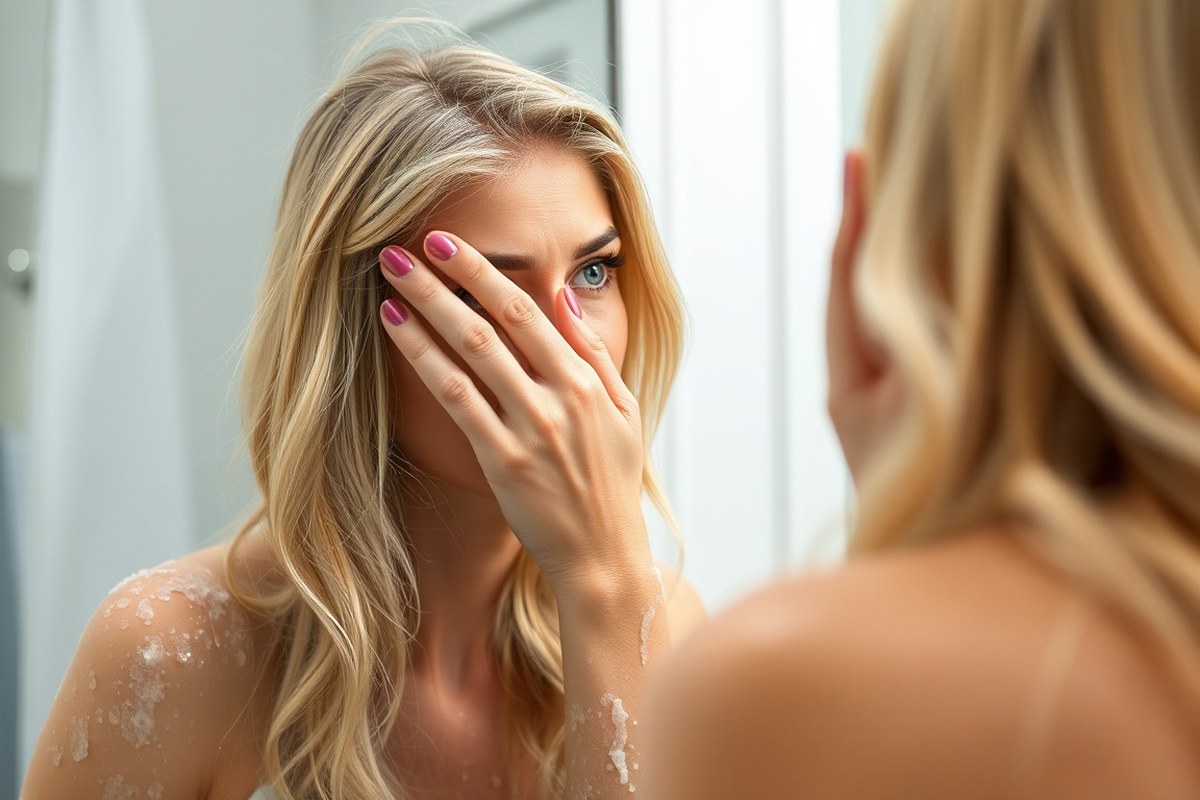
Purple shampoo can dry out your hair, especially if used on dry or damaged strands. This product strips away natural oils your scalp produces. Those oils keep hair hydrated and soft, so their loss leads to dryness.
The purple pigment neutralizes yellow tones in blonde or grey hair. However, the shampoo’s cleansing agents remove oils more aggressively than regular shampoos.
Clinical studies show it can cause up to 18% more dryness. That happens because purple shampoo formulas often contain stronger detergents to clear brassiness.
Applying purple shampoo to dry hair increases the chance of moisture loss. The shampoo interacts longer with your hair’s surface, leading to oil stripping.
Using it on damp or wet hair dilutes the shampoo and reduces this effect. Still, you shouldn’t use purple shampoo daily to avoid over-drying your hair.
Hair dryness from purple shampoo isn’t usually permanent. Avoiding frequent use and combining it with good conditioning helps your hair recover.
Many people benefit from adding a hot-oil treatment twice a month. This treatment restores moisture balance and prevents ongoing dryness due to color-correcting shampoos.
Purple shampoo works best when it balances colour without harming hair’s health. Using it right means applying on wet hair. Leave it on 4 to 6 minutes.
Then rinse your hair really well. When your hair feels dry or brittle afterward, cut back on use.
Or try a gentler formula instead. That helps keep your locks soft while maintaining the cool tones you want.
How to Adjust Purple Shampoo Timing for Your Hair Type
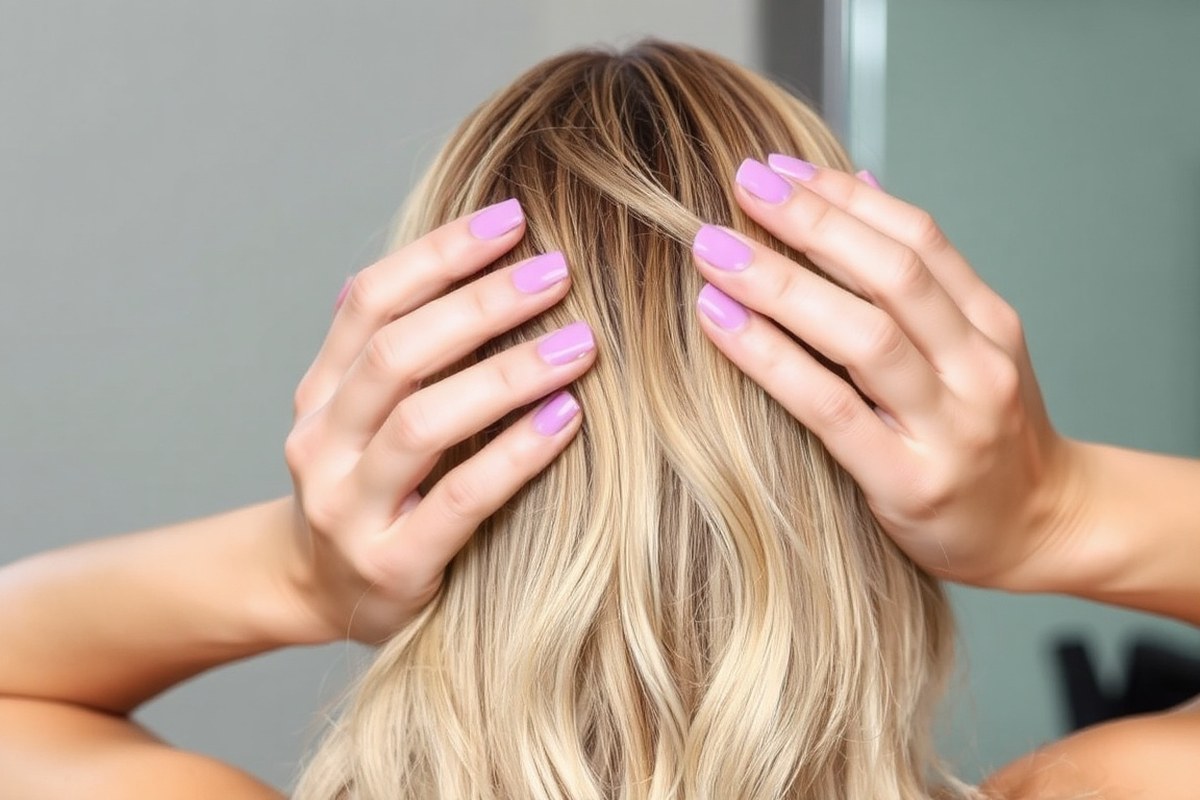
Tweak how long you leave purple shampoo on to match your hair’s porosity, damage, and brassiness. Dry hair usually needs less time than wet. Check your hair’s response carefully to stop over-drying and get the right tone.
Step 1: Test Porosity and Damage Level
Porosity affects how much purple pigment your hair absorbs. High porosity hair drinks up toner faster but dries out quicker. Damaged hair often needs gentler care and shorter exposure to avoid brittleness.
Try a simple test: drop a strand in water. Your hair is high porosity when it sinks quickly in water.
Sits on top, low porosity. Medium porosity sits in the middle.
Step 2: Apply Purple Shampoo in Sections
Divide your hair into 4 to 6 sections. It helps you apply shampoo evenly, targeting brassier parts. Start at roots or the yellowest strands.
Use gloves to avoid staining. Rub purple shampoo onto each section with fingers. Work it through evenly to cover all strands needing toning.
Step 3: Adjust Leave-On Time Based on Hair Response
Leave purple shampoo on dry hair for 5 to 10 minutes. Less porous, less damaged hair can handle 8 to 10 minutes. More porous or fragile hair needs closer to 5 minutes.
Wet hair requires less time, about 3 to 5 minutes. It dilutes the pigment and reduces dryness risk. Check color in the mirror partway through, then rinse if tone looks right.
Use purple shampoo once or twice a week for maintenance. Overuse drains moisture and makes hair brittle or heavy.
Step 4: Rinse and Assess Tonality
Rinse with cool water to lock in tone and close the hair cuticle. Warm water can speed up drying and lift pigment unevenly. Feel the hair’s texture to spot dryness signs.
After rinsing, view hair in natural light. You want silvery, soft ash tones without purple stains. Hair that feels rough or looks purple means use less often or less time.
- Check your hair’s porosity using the water drop test.
- Section hair into manageable parts to apply shampoo evenly.
- Wear gloves to avoid purple stains on skin.
- Apply shampoo to dry hair for 5, 10 minutes based on porosity.
- Try shorter times on wet hair, about 3, 5 minutes.
- Rinse with cool water to finish and preserve tone.
- Evaluate hair’s feel and color, adjust next time if needed.
- Limit use to 1, 2 times per week to prevent overdrying.
Test a small section first. Leave purple shampoo on longer only if hair feels healthy and the color improves without dryness.
Signs Purple Shampoo Is Drying Out Your Hair
Dryness from purple shampoo often shows as rough, brittle hair. Your strands might snap easily or feel straw-like. This dryness isn’t like heat damage from styling tools.
It feels dry all over, not just in spots. You can tell because it lacks moisture everywhere.
Look for flaky scalp or odd stiffness in your hair too. Notice your hair losing shine or tangling faster? Purple shampoo might cause this.
Try stopping it to see if it helps. These signs tell you to cut back or pause use before damage worsens.
- Hair feels coarse or overly rough to touch
- Increased hair breakage or snapping when brushing
- Dull color and lack of natural shine
- Hair becoming stiff or crunchy after washing
- Flaky or irritated scalp develops
- Hair tangles more easily or looks frizzy
- Uneven purple tone patches or over-toning spots
Stop using purple shampoo if these symptoms last more than two washes. Switching to a gentler formula or reducing the shampoo frequency helps. Follow up with a deep conditioning treatment after every use to restore moisture and reduce brittleness.
Dryness from purple shampoo feels different than ordinary hair issues. It usually appears soon after use and affects the whole hair rather than small sections. Your hair is very damaged or over-processed now.
Avoid purple shampoo on dry hair. It can dry your hair out more.
Preventing Dryness When Using Purple Shampoo
Use purple shampoo only 1-2 times per week to avoid over-drying. Your hair might already be porous or chemically treated, which needs extra care. For those hair types, spacing applications every 7 to 10 days helps protect moisture and strength.
Always follow purple shampoo with a hydrating conditioner. A conditioner restores moisture quickly after shampooing and smooths your hair’s cuticle. Professionals suggest mixing purple shampoo with 2-3 parts conditioner.
This makes toning gentler. Use this especially if your hair feels dry or brittle.
Apply purple shampoo to wet hair for even color deposit and less frizz. When hair is damp, the product spreads smoothly and rinses better. Leaving the product on for 3 to 5 minutes works well without causing extra dryness.
Layering treatments can help prevent moisture loss. After shampooing and conditioning, apply a hair mask once a week.
You can also use an oil treatment on your hair ends. These add protective oils and hydration that purple shampoo does not provide.
Using purple shampoo too often or leaving it on too long can dry your hair. It may also cause uneven tones. Sticking to recommended times and frequency helps your hair stay soft and shiny.
Watch how your hair reacts. Adjust your routine if it starts to feel brittle or rough.
Choosing the Right Purple Shampoo for Your Hair
Pick your purple shampoo by matching it to your hair color, condition, and ingredient benefits. Some formulas moisturize better and suit bleached or porous hair without extra dryness. Here’s a quick guide to help you pick the right shampoo.
It balances tone correction and hair health. This guide keeps things simple for you.
Criteria: Hair Color and Tone
Your hair’s existing shade affects which purple shampoo works best. For light blonde or highlighted hair, pick a shampoo with strong violet pigment. It cancels yellow and brassy tones well.
This works efficiently on your hair. You have grey or silver hair, so avoid purple shampoos with blue undertones.
Blue can dull shine or add unwanted tint. Choose purples made just for your hair color.
Bleached hair can handle purple shampoo but use it less often. Also, don’t leave it in too long. This protects your hair from damage.
Try a milder shampoo formula to avoid over-drying your hair. Using it on damp hair helps control brassiness without extra dryness. This keeps your hair healthier.
Criteria: Hair Condition and Porosity
Porous or damaged hair absorbs more color and can dry out faster from purple shampoo. Pick shampoos for dry or damaged hair. These usually have extra hydration.
That hydration helps stop your hair from drying out too much. If your hair is normal to oily, try shampoos with strong pigment.
These wash deeply and don’t add heavy moisturizers. They keep your hair feeling clean.
Using purple shampoo on dry hair can make color correction stronger. But it may also dry out fragile hair more. Be careful with how often you use it.
Use purple shampoo less often if your hair feels rough or brittle. Follow with a deep conditioner to restore softness. This helps protect your hair.
Criteria: Key Moisturizing Ingredients
Formulas with moisturizing ingredients fight purple shampoo dryness. Look for ones with natural oils like argan or jojoba.
Humectants such as glycerin. These lock in moisture while toning your hair color.
Moisturizing or hydrating shampoos cost more but keep hair soft. They help your hair stay shiny too. This extra care is good for your hair’s health.
A regular one might save money upfront but risk making your hair feel rough. Consider your hair health when deciding how much to invest in a nourishing formula.
Below is a table that helps you match hair types and conditions to purple shampoo features:
| Hair Type or Concern | Shampoo Feature | Recommended Usage |
|---|---|---|
| Light Blonde or Highlighted | Strong violet pigment for brassiness | Damp hair, 2-3 minutes per wash |
| Grey or Silver | No blue undertones; gentle tone | Damp hair, 1-2 minutes for quick tone |
| Dry or Damaged Hair | Hydrating formula with oils and humectants | Use less frequently; deep condition post-wash |
| Oily or Normal Hair | Strong pigment, less moisturizing | Regular use, 3-5 minutes on damp hair |
| Bleached, Porous Hair | Milder pigment with moisturizing agents | Use sparingly; prefer damp hair over dry |
Choosing the right purple shampoo means balancing color correction with your hair’s needs. Adjust how often and how long you apply based on your hair’s reaction. A moisturizing formula usually helps if you want to avoid dryness while maintaining tone.
Test a small section before full use to check for dryness or discoloration.
Differences Between Purple Shampoo and Blue Shampoo
Purple shampoo and blue shampoo both help fight brassiness, but they target different tones. Purple shampoo works best on blonde or gray hair. Blue shampoo suits brunettes and darker shades.
Mixing them isn’t common. It can muddy your hair color instead of improving it.
Color Target and Tone Neutralization
Purple shampoo has violet pigments. These cancel yellow and orange tones in hair. It works on blonde, gray, or highlighted hair.
It lifts away brassiness, leaving hair looking cool and fresh. Blue shampoo uses blue pigments to neutralize orange and red undertones in brown or dark hair.
For example, purple shampoo makes yellowish blonde hair look ashier. Blue shampoo works on brunettes with warm tones, cutting down on unwanted warmth. Pick the right tonic color by your hair’s base shade.
Think about the brassiness you want to fix. This helps you choose better.
Suitability by Hair Color
Blonde, silver, or white hair benefits most from purple shampoo because it targets yellow tones effectively. It’s less ideal for dark hair because purple pigments might leave a slight tint.
Blue shampoo fits brunettes and dark hair. It also works on some black shades with red or orange tones.
You shouldn’t swap these shampoos randomly. Using purple shampoo on dark hair can leave an odd color cast. Blue shampoo on blonde may not address yellow tones well and might make hair look dull.
Frequency and Application Differences
Use both shampoos on wet hair. This spreads pigment evenly and helps avoid stains. It also keeps scalp and skin clean.
Purple shampoo needs 3 to 5 minutes on wet hair for balanced tone neutralization. Dry hair application boosts pigment impact but risks uneven color and dryness.
Blue shampoo usually follows similar timing; it’s gentle enough for regular use on brunettes. Avoid mixing purple and blue shampoos in the same wash, it can cause muddy tones. Stick to one based on your hair color and rinse thoroughly.
Here’s a quick comparison of wet application benefits and why it matters:
| Wet Application Benefits | Why It Matters |
|---|---|
| Even pigment distribution | Water helps purple pigment spread uniformly across all strands |
| Reduced staining risk | Dilution minimizes intense color deposits on skin and surfaces |
| Gentle toning | Moisture buffers pigment intensity for gradual, natural look |
| Best hydration | Hair cuticles open slightly for better product penetration |
Following these application tips helps keep your hair’s tone natural and prevents dryness caused by over-pigmentation. Always rinse well and adjust the time for your hair’s condition and color brightness.
Common Purple Shampoo Application Mistakes to Avoid
Using purple shampoo the wrong way can leave your hair unevenly toned or stained. Applying too much product in some spots and too little in others causes patchy results. Leaving purple shampoo on too long can cause deep purple stains.
It also dries out hair, especially if your hair is already dry. Follow the instructions closely to avoid these problems.
Patching and staining usually happen when purple shampoo goes on dry hair. Dry hair needs extra care when applying this shampoo. Without it, you risk uneven color and stains.
Purple spots might show up on your strands from leaving shampoo too long. Your hair can also look dull and lifeless.
These happen when the shampoo is not rinsed on time. This often happens because people forget to rinse at the right time or apply shampoo unevenly.
To keep your hair healthy and get even toning, follow these application tips closely. Here’s what to watch out for and how to fix common mistakes:
- Apply shampoo on damp, not dry, hair for more even coverage.
- Use a wide-tooth comb to distribute shampoo evenly from roots to ends.
- Avoid leaving purple shampoo on longer than 3 to 5 minutes, depending on hair type.
- Rinse thoroughly with cool water to avoid leftover pigment causing stains.
- Skip purple shampoo for every wash; 1 to 2 times per week is enough.
- Wear gloves during application to prevent purple stains on hands.
- Check your hair color and damage level before using the shampoo to avoid dryness.
Rinse your hair right away if you leave purple shampoo too long. Use plenty of water to wash it out fully. This helps reduce stains and dryness quickly.
You can follow this with a deep conditioner to help restore moisture. For stubborn purple stains, washing with regular shampoo two or three times usually fades the color.
Uneven purple shampoo application can also be fixed with a clarifying shampoo. Use it sparingly as clarifiers can dry out hair. Sometimes a professional color correction is needed if the color is badly patchy or overstayed.
When to Seek Professional Help for Hair Dryness
Stop using purple shampoo if you experience burning, itching, or a rash on your scalp. Also pause if your hair becomes very brittle or starts breaking off. These signs mean you should see a stylist to avoid further damage.
Professional salons offer treatments like deep conditioning masks and protein therapies. These restore moisture and rebuild damaged hair fibers after dryness from toning shampoos. A stylist can recommend how often you need these treatments based on your hair’s condition.
Salon care also involves using salon-quality products designed for color-treated blonde or silver hair. These products maintain tone and hydration better than drugstore options. Your stylist may suggest a tailored hair routine with moisturizing shampoos, conditioners, and leave-in treatments.
Always tell your stylist if you use purple shampoo at home. This helps them adjust your salon care plan. They can better meet your hair’s needs this way.
Maintaining hair health means balancing purple shampoo with rich moisturizing treatments at the salon. Professional conditioning costs $30 to $100 per session. The price depends on your salon and treatment type.
Check with your stylist for exact costs. Plan visits every 4 to 6 weeks for ongoing care.
This is key if your hair reacts to toning. Regular visits keep your color balanced and fresh.
Good results include softer, shinier hair with cool, vibrant tones and no dryness or breakage. Without salon intervention, overuse of purple shampoo can lead to dull, lifeless locks or uneven color. Timely professional help protects your hair’s strength and color investment for the long term.
Your Purple Shampoo Quick-Start Action Plan
Follow these simple steps to use purple shampoo safely and keep your hair healthy. Watch for signs your hair feels soft and the tone looks balanced.
- Before You Start: Check your hair type and current condition. Avoid purple shampoo if your hair feels brittle or overly dry.
- Day 1: Apply purple shampoo for 1 to 2 minutes only. Rinse well and see if your hair feels soft and not stripped.
- Week 1: Increase the timing by 30 seconds if your hair can handle it. Look for even toning without dryness.
- After Week 2: Use purple shampoo 1 to 2 times a week. Space uses with your regular gentle shampoo and conditioner.
- Week 3: Add a deep conditioner or hair mask after shampooing. Check if your hair feels nourished and smooth.
- Ongoing: Adjust frequency based on hair feel and color tone. Stop or reduce use if hair feels dry or brittle.
- Monthly: Evaluate your shampoo choice. Switch to a more moisturizing formula if needed.
- As Needed: See a stylist if you spot damage in your hair. Don’t try to fix the tone if it feels unsafe. A pro can help you get it right.
Frequently Asked Questions
Can Using Purple Shampoo on Dry Hair Cause More Damage Than on Wet Hair?
Yes, purple shampoo on dry hair strips natural oils more, causing up to 18% more dryness. Wet hair dilutes the shampoo, reducing harshness and potential damage.
How Often Should You Skip Purple Shampoo to Prevent Drying Out Hair?
Avoid using purple shampoo every day to keep your hair from becoming dry. Using it too often can make hair brittle and prone to breakage.
Does Leaving Purple Shampoo on Longer Increase the Risk of Dry Hair?
Leaving purple shampoo on longer than recommended can dry out your hair. Most formulas work well in 4-6 minutes, so stick to that timing.
Can Purple Shampoo Improve Hair Condition If Used Properly?
When used correctly, purple shampoo tones brassiness without drying out hair excessively. Follow instructions on timing and frequency for best results.
Is It Safe to Use Purple Shampoo on Damaged or Chemically Treated Hair?
Purple shampoo may increase dryness on damaged or treated hair, so use sparingly. Consult a professional if unsure, since it could worsen hair condition.
Does Purple Shampoo Work Better on Natural Blonde or Dyed Blonde Hair?
Purple shampoo works on both but can dry out dyed hair more easily. Dyed hair often lacks natural oils, so extra care is needed to avoid dryness.
Wrapping Up
Purple shampoo can tone your hair without drying it out if you use it right. Watch how your hair reacts and adjust your routine. Start with short applications and a good conditioner to see the best results.