What Color Cancels Out Orange: The Complete Guide for Fast, Effective Results
What color cancels out orange in hair? Blue is the direct answer.
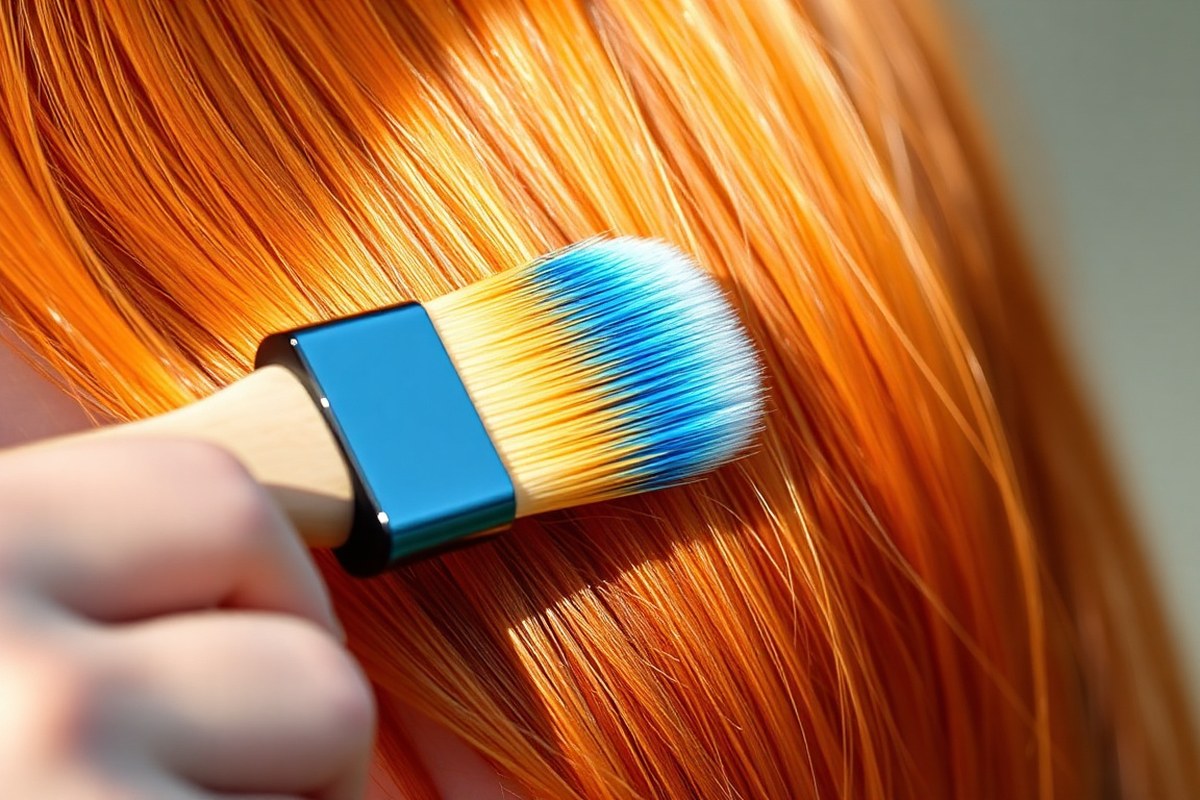
It cancels out unwanted orange tones effectively by neutralizing them on the color wheel. Using blue shades on your hair helps balance the warmth and cools down the bright orange.
Pick a blue toner or shampoo that matches how orange your hair looks. Light orange needs a gentle blue shampoo. Intense orange may require a stronger toner.
Use the product exactly as directed on the packaging for the best result. Blue works since it’s the opposite of orange on the color wheel.
Keep in mind, toners and shampoos only reduce orange brassy tones temporarily. These products deposit blue pigments that fade with washing.
For lasting effects, your hair condition, porosity, and previous color treatments matter a lot. Waiting the correct time between treatments avoids damage, dryness, and uneven color.
Key Takeaways
- Use blue-based toners or shampoos to neutralize orange hair tones effectively.
- Apply products evenly and follow recommended processing times, usually 5-15 minutes.
- Do a strand test 48 hours before using to check how your hair reacts.
- Wait 2 weeks before reapplying dye to avoid over-processing and damage.
- Deep condition damaged hair and wait 4-6 weeks before using color correction products.
- Blue works best on medium to dark orange tones; purple targets yellow brass better.
Which Color Cancels Out Orange and Why

Blue works best to neutralize orange tones in your hair. These colors are located opposite each other on the color wheel. Such pairs are called complementary because they counterbalance one another.
Blue and orange cancel out each other’s brightness in hair color. This makes the orange less vivid and harsh. The two colors tone each other down.
Mixing blue and orange results in dull shades like brown or gray. These muted colors soften the strong orange tones.
The mix reduces the bright orange look. This is why blue-based toners or dyes are recommended to control orange tones in hair.
Color theory explains that complementary colors are pairs opposite each other on the color wheel. These pairs balance each other by neutralizing unwanted tones. Hair correction uses the opposite shade to dull down unwanted color.
You apply a color across from the problem tone on the wheel. This reduces the hue’s intensity. For orange hair, blue is the go-to choice because it directly cancels the orange pigment.
Blue fixes most orange tones, but nearby hues can also help. Slightly off orange shades might respond better to close colors. Different tones need different corrections.
Purple cancels yellow tones well, so try it if orange has yellow undertones. Purple works because it balances out yellow brassiness. It’s better for yellowish orange.
However, pure orange with fewer yellow parts needs blue tones. This difference matters when picking the right toner or dye to fix orange hair.
Applying blue-based products correctly requires testing a small section first. Apply a toner or semi-permanent color with blue pigments for correction. Leave it on about 10 to 20 minutes, following the product’s instructions.
Time depends on the product used. Over-processing can lead to a blue or greenish tint.
So watch closely during the application. Adding the right amount of blue helps the orange fade and leaves a more natural look.
How the Color Wheel Explains Orange Neutralization

Orange sits between red and yellow on the color wheel. It’s a secondary color made by mixing these two primaries. Orange sits on the warm side of the color wheel.
It tends to stand out in hair color. This makes it feel vibrant or intense.
Colors that are complementary appear across from each other on the color wheel. For orange tones, blue is the direct opposite shade. Adding blue dye or toner reduces orange brightness, toning down those warm, brassy colors.
Analogous colors are neighbors to orange on the wheel, like red and yellow. These colors share similar warmth and glow. While they don’t neutralize orange, they can blend smoothly or tone down extremes.
Using red or yellow shades might soften orange but usually won’t remove it fully. People use analogous colors to blend colors smoothly.
They create subtle gradients instead of canceling brassiness. This method softens the color transition.
- Orange is between red and yellow on the color wheel.
- Blue sits directly opposite orange, making it complementary.
- Complementary colors nullify each other’s intensity when combined.
- Analogous colors sit next to orange: red and yellow.
- Analogous colors blend, but don’t neutralize orange effectively.
- Blue toners or dyes are the best choice to cancel orange tones.
- Purple can neutralize orange shades leaning yellow due to its position near blue.
Use a blue-based toner when your hair shows strong orange undertones. This will neutralize brassy tones more effectively than red or yellow shades.
Complementary colors reduce orange’s warmth by introducing cool tones directly opposed on the wheel. That’s why blue works far better at canceling orange hair than colors nearby on the wheel. Analogous colors add warmth or shift orange’s hue but don’t neutralize it.
For hair color correction, knowing this difference helps you pick the right product. Blue-based treatments reduce unwanted orange by balancing its color properties. Red or yellow shades change the mood without fixing the brassiness.
Blue vs Purple: Which Work Best to Cancel Orange Hair?
Blue cancels out orange tones more directly than purple. Purple works better for yellow or light brass shades.
For dark, brassy orange, blue shampoo or toner is best. Purple tones suit blonde or lighter hair with yellow brass.
Purple Toners and Their Ideal Uses
Purple toners deposit purple pigment to neutralize yellow and light brass. They’re great for blonde or bleached hair with yellow undertones. Applying purple shampoo once a week helps prevent yellow brass from building up.
Purple does not cancel strong orange tones well. It’s better when yellow is the main unwanted hue.
You can find purple toners and shampoos targeted for light hair in most salons and stores. These products usually cost $10-$25 and last about a month with weekly use.
Blue Toners: Shades and Effects
Blue toners target warm, orange tones directly in hair. They work especially well on brown or dark hair with brassy orange. These toners help neutralize unwanted warmth quickly.
True blue pigments counterbalance orange, making it suitable for intense orange tones. Blue-green shades help with red-orange tones, while blue-violet handles yellow-orange.
Blue toners and shampoos work by depositing cool blue pigments onto the hair shaft. They can be used weekly or during a color correction process. Blue toners vary from $15 to $30, depending on brand and concentration.
Using blue toner wrong can make hair dull or too cool. This happens if you leave it on for too long. Applying it carefully is key to good results.
Choosing Based on Orange and Yellow Levels
Pick blue products for vibrant or strong orange, especially on brunette or darker hair. Use purple products for yellow or pale brass tones on blonde hair. Knowing your hair’s base and tone helps pick the best neutralizing color.
Orange that is bright and strong needs blue toner to cancel it out. Blue tones are the best choice for heavy orange shades. They neutralize the warmth effectively.
For faded or yellow brass, purple is gentler and less likely to overcool. Combining blue and purple can work when orange and yellow both appear in the hair.
Here is a comparison of blue and purple for orange neutralization:
| Feature | Blue | Purple |
|---|---|---|
| Main Neutralized Tone | Orange (warm, bright) | Yellow (light brass) |
| Best Hair Color | Darker brown to medium tones | Blonde and light hair |
| Pigment Deposited | Cool blue shades (true blue, blue-green, blue-violet) | Purple pigment |
| Usage Frequency | Weekly or as toner during correction | Weekly maintenance for brass prevention |
| Common Cost Range | $15 to $30 per toner/shampoo | $10 to $25 per product |
| Risk of Overcooling | Moderate if left on too long | Low to moderate |
Understanding these differences saves time and ensures your chosen product suits your hair tones. Applying the right shade for your orange or yellow level maintains cooler, balanced hair color. Using the wrong tone can leave residual brass or unwanted dullness.
How to Use Toners and Shampoos to Neutralize Orange
Blue and purple toners or shampoos are your go-to for canceling orange tones. Blue is best for strong orange hues.
Purple works well when orange leans reddish. Use these products as directed to clear unwanted warmth gently.
Using Blue and Purple Toners Correctly
Toners with blue or purple pigments help balance the color wheel. Blue toners directly cancel orange by adding cool tones. Purple works when your orange has red mixed in.
Apply toner onto clean, damp hair for even coverage. Spread it from roots to tips with a brush or your hands. Avoid leaving the toner on too long, or your hair might pick up a bluish tint.
A typical leave-in time is 10 to 20 minutes. Watch for a subtle gray or cool tint in your hair.
This tint means the orange is fading. Rinse thoroughly with cool water after toning.
How to Apply Anti-Orange Shampoos
Anti-orange shampoos contain blue or purple pigments that adjust color with every wash. They are easier than toners but work slower. Use them regularly for mild orange tones or maintenance.
Saturate your hair completely with shampoo. Work it through from roots down, focusing on orange-prone areas. Let it sit for 3 to 5 minutes before rinsing to let pigments absorb.
For best results, use an anti-orange shampoo 2 to 3 times a week. Pair it with a moisturizing conditioner to keep hair healthy and soft.
Recommended Timing and Frequency
Use toners once after bleaching or coloring to fix orange brassy tones. Repeat only if the orange returns or is uneven. Frequent toning risks making hair too cool or dry.
Shampoos can be used more often for slow fading and upkeep. Expect to shampoo with blue or purple formulas about every other wash.
Your hair may feel dry. Cut back on toning shampoo or alternate it with a gentle one.
Results appear after the first use for toners but take several washes with shampoos. Stop using blue or purple products if your hair turns too dark or grayish. Adjust your routine based on how your hair reacts and the orange’s intensity.
- Choose a blue or purple toner or shampoo designed for orange neutralization.
- Shampoo and towel dry hair before applying toner for best absorption.
- Apply toner evenly from roots to ends using a brush or gloves with your hands.
- Leave the toner on for 10 to 20 minutes, checking frequently.
- Rinse hair thoroughly with cool water to stop toner action.
- Use an anti-orange shampoo 2 to 3 times per week for gradual tone correction.
- Let shampoo sit for 3 to 5 minutes before rinsing for better pigment deposit.
- Follow with a moisturizing conditioner to maintain hair health and softness.
Choosing the Right Shade of Blue to Cancel Out Orange
True blue shades work best to neutralize bright orange tones in hair. These shades have pure blue pigments that directly cancel out the warm orange hue. For mild orange tones, try blue-green or teal shades.
These soften orange without making hair too ashy or cool. They keep your color looking natural.
The lightness of your hair affects which blue shade to pick. Darker hair works well with deep blues like navy or indigo. These shades cover intense orange strongly.
They give your hair a rich look. Lighter hair matches lighter blue or teal tones better.
These shades balance warm tones well. They don’t overpower your natural color.
Choosing the right blue also depends on how strong your orange is. Bright, fiery orange needs a pure blue with high pigment.
When your orange is brassy, leaning towards yellow or copper, try a blue-green tone. It blends better and prevents dullness.
- Use true blue dyes on bright orange for neutralization.
- Navy or indigo blues suit darker, more intense orange tones.
- Teal or blue-green shades soften brassy, yellowish orange.
- Lighter hair responds well to softer blue shades to avoid overcooling.
- Mix blue with your existing hair dye carefully to test results.
- Layer blue pigments evenly to ensure full orange coverage.
- Off-the-shelf blue toners and shampoos work well for minor orange tones.
Apply blue dyes or toners based on the product instructions. Leave them on for 10 to 20 minutes. This timing helps get the right result.
Check progress often to avoid unwanted blue shades. You can always add more if the orange persists. But overusing blue risks a dull, muddy colour.
Test a small patch before full application. Different orange tones react uniquely to blue dyes and toners.
Common Mistakes When Trying to Neutralize Orange
Leaving toner on your hair too long is a common mistake. Over-toning can make your hair look brassy or muddy. It may also cause damage to your hair.
Most toners need to stay on between 5 and 15 minutes. Check the product instructions carefully and rinse at the right time to avoid problems.
Using the wrong color can actually make orange worse. Colors like yellow or red are close to orange on the color wheel. So they boost its brightness instead of canceling it out.
Pick toners or shampoos with a blue base. Blue opposes orange and can better neutralize warm tones.
Uneven toning or over-toning can create patchy colors or unwanted shades. Wash your hair if toning looks uneven. Then apply toner again only where needed.
Use a clarifying shampoo or color remover for over-toned hair. Then try a gentler toner next.
- Check how long the toner should sit and set a timer.
- Choose blue or purple toners, not yellow or red.
- Apply toner evenly, using a brush or comb.
- Use clarifying shampoo for over-toned hair.
- Try toning shampoos weekly instead of frequent toners.
- Do spot toning on patches for uneven color.
- Follow product instructions exactly each time.
Remember that lighter or pastel blues might not cover strong orange tones fully. You sometimes need a deeper blue or a toner with more pigment.
Take your time to pick the right product. Timing it well helps keep hair healthy and balanced.
How Hair Condition Affects Orange Color Correction
Damaged hair often holds toner unevenly because its cuticle layer is compromised. This means orange tones may not neutralize evenly, causing patchy results. Waiting 1 to 2 weeks before toning lets the hair recover and hold color better.
Porous hair absorbs color faster and can turn darker or more intense than expected. Use a diluted toner or shorter processing time for porous hair to avoid overcorrection.
For example, regular toner takes 20 minutes. On damaged strands, cut this to 10 to 15 minutes.
Your natural hair undertone affects which neutralizing color works best. Light hair with yellow undertones needs purple tones to cancel out orange.
Dark hair with deep orange needs a blue-based toner. Sometimes black dye covers warmth better.
Test toner on a damaged hair strand first. This shows how the color will take.
Adjust the formula if your hair soaks up color too fast or fades too quick. This step saves time and prevents uneven orange patches from worsening.
The base color level matters a lot in orange correction. Lighter bases allow subtler toning, while darker bases often need stronger pigments.
Using a shade too dark over light hair darkens the look. This might not suit you.
Applying ash color over orange at the same level will make it look darker. To avoid turning hair muddy, raise the toner by one level or choose a cooler shade.
It takes a bit more precision. But your orange cancels out without darkening too much.
Professional colorists assess damage, porosity, and undertones before recommending correction steps. They can choose products that suit your hair’s condition and suggest treatments to rebuild weakened strands. Pricing usually reflects that personalized approach, starting around $75 to $150.
When to Consult a Professional Colorist for Orange Issues
Orange shades that are very far from your goal usually need a professional touch. Color correction can get tricky when orange tones are stubborn or uneven. A pro colorist knows how to match the right neutralizing shades and avoid damaging your hair.
You should look for a professional if your hair feels dry or brittle before correcting color. If your hair is patchy or brassy, stop coloring. Getting expert help is safer for your hair.
They can fix the uneven color properly. Professionals can use stronger toners and color formulas that home kits don’t offer.
Experts avoid damage by first testing hair porosity and strength. They pick the right developer strength for toning. Usually, it is between 10 to 20 volume.
This helps protect your hair cuticle. They watch the timing closely during toning.
Color is left on for 10 to 15 minutes. This controls orange tones without over-processing.
- Severe uneven orange patches or brassiness.
- Hair that feels fragile, porous, or damaged.
- Multiple previous dye attempts without good results.
- Complex shades combining blondes and reds.
- Desire for long-lasting results beyond quick fixes.
- Uncertainty about the correct toner or developer volume.
- Need for personalized tricks, like mixing neutrals to soften orange.
Professionals also layer neutralizers like blue and purple for more precise results. They might mix a blue toner to cancel orange. Then add a beige or gray gloss.
This reduces brightness in your hair. This multi-step process is tough to replicate at home without experience.
Color correction costs $75 to $200 or more. Price depends on hair length and salon choice. Getting a quote before helps avoid surprises.
But paying a pro can save you time and protect hair health. Correctly neutralized colors last longer, so you avoid constant fixes.
Using blue toner without checking your hair tone is risky. It can make your hair look green or muddy. Knowing your base tone helps avoid this. Always have a professional check first.
Maintaining Neutralized Hair Color for Long-Lasting Results
Using the right shampoo and conditioner is key to keeping orange tones away. Choose blue-based shampoos and conditioners made for color correction.
These products add a hint of color to balance warm shades like orange. They gently refresh your tone without stripping dye or drying hair.
Tone your hair regularly to maintain neutral color. Blue toners should be used every 2 to 4 weeks.
This schedule stops orange from peeking through as your hair grows out or fades. Follow product instructions closely on how long to leave the toner on for best results.
Heat styling tools can affect your color’s longevity. High heat speeds up fading and can bring out warm tones faster. Use a heat protectant spray before styling and try to keep irons below 350°F. Air-drying whenever possible helps your tone last longer and keeps hair healthy.
- Use blue-based shampoo and conditioner designed for color correction
- Apply a blue toner every 2 to 4 weeks, following instructions
- Limit heat styling and use a heat protectant spray
- Keep heat tools under 350°F to avoid quick color fading
- Air dry hair or use cool settings on dryers when possible
For the best results, stick to professional products made for color-treated hair. Avoid harsh shampoos with sulfates or salts.
These can dry your hair and cause the color to dull or shift toward orange. Maintaining moisture with a good conditioner also helps keep your hair looking fresh and neutralized longer.
How Color Neutralization Principles Apply Beyond Hair
Knowing which colors cancel out orange helps beyond hair color. It improves how you choose colors in rooms, makeup, and clothes. This knowledge guides you in balancing warm orange tones effectively.
Complementary Colors in Interior Design
Blue is the direct opposite of orange on the color wheel. Using blue in a room can cool down bright orange walls or furniture. A soft blue paint or cushions break up orange’s warmth without clashing.
Balancing orange with blue keeps spaces lively but not overwhelming. For example, pair orange curtains with navy blue throw pillows. This contrast makes each color stand out while maintaining harmony.
Using too much bright blue can feel cold and harsh. Choose muted blues or add gray undertones for a cozier look. This approach takes time to test with samples on walls or fabrics before committing.
Applying Color Theory in Makeup
Blue-based color correctors neutralize orange tones on skin effectively. They reduce the look of tan lines or redness caused by bronzers. Apply a thin layer on orange areas before foundation.
Makeup artists often use peach or coral tones to soften orange spots gently. These analogous colors blend better and avoid the stark contrast blue creates. Experiment with product amount and blending time to get the right coverage.
Using too strong a blue corrector can leave an unnatural tint. Start with small amounts and build gradually. It helps to check your look in natural light for best results.
Using Color Neutralization in Art and Fashion
Artists balance orange with blue to create eye-catching images. This contrast draws attention to focal areas without being too harsh. Small touches of blue near orange highlights add depth and interest.
In clothing, pairing orange garments with navy or denim tones uses the same science. These combos reduce orange’s brightness and make outfits look polished. Using lighter blues can soften the look for casual wear.
Analogous colors like red-orange or yellow-orange can also tone down bright orange. These soften the harshness while keeping warmth present. Try mixing hues carefully and checking how lighting affects color perception on fabrics or canvas.
Step-by-Step Action Plan to Cancel Out Orange Hair Tones
Follow these simple steps to reduce unwanted orange tones and keep your hair looking balanced.
- Before you start: Look at your hair’s current state. Check its porosity. This helps you pick the right toner or shampoo. Healthy hair takes color better.
- Day 1: Use a blue-based toner or shampoo, targeting the orange areas. Your hair looks more neutral or ash. That means you’re on track.
- After 1 week: Assess hair tone and texture. Orange tones still show. You need to switch to a stronger blue or purple product.
- Week 2: Use purple shampoo once or twice a week. This stops orange buildup from fading or sun exposure. Your hair should look cooler and less brassy.
- Ongoing: Protect your hair from heat and harsh sun exposure. Use filters or hats to maintain neutral color longer.
- Monthly: Consider a professional gloss or toner if orange tones come back despite home care. A colorist can adjust shade precisely.
Frequently Asked Questions
What Shade of Blue Is Best for Canceling Orange Tones in Hair?
A medium to dark blue shade works best to cancel orange tones. These shades have enough depth to neutralize bright orange without turning hair green.
Can Orange Hair Tones Come Back After Using Blue Toner?
Yes, orange tones can return if you don’t maintain your hair properly. Use purple or blue shampoos regularly to keep orange at bay between treatments.
Does Natural Hair Color Affect How Well Blue Cancels Out Orange?
Yes, darker hair may need stronger or repeated blue toning to fully cancel orange. Lighter hair shows changes faster and tones more evenly.
Is It Possible to Overuse Blue Toner on Orange Hair?
Yes, too much blue toner can leave hair with a dull or muddy blue cast. Use it sparingly and follow product instructions closely.
How Often Should You Shampoo with Blue Shampoo to Combat Orange Tones?
Shampooing with blue shampoo two or three times a week helps maintain neutralized hair. Overuse can dry hair, so balance is key.
Can Heat Styling Affect the Orange Cancellation of Blue Toner?
Yes, heat styling can fade toner faster, causing orange to reappear sooner. Use heat protectant sprays to prolong toner effects.
Final Thoughts
Blue tones work best to cancel out orange hair color by neutralizing warm hues. Use blue-based products carefully and protect your hair after treatment. Start by picking a gentle blue toner or shampoo and watch your orange fade gradually.