What Does Texture Powder Do? A Complete Guide to Volume and Styling Benefits
What does texture powder do for your hair? It adds instant volume and grip, especially if your hair feels flat or limp.
You sprinkle a little on. It soaks up oil while giving a matte, textured look.
The powder creates friction between hair strands. This makes hair feel thicker. It also helps you style your hair easier.
It’s dry, lightweight, and doesn’t leave any residue like some sprays do. This product is great for when your hair loses shape.
Use it if you skip washing for a day or two. It helps keep hair looking fresh.
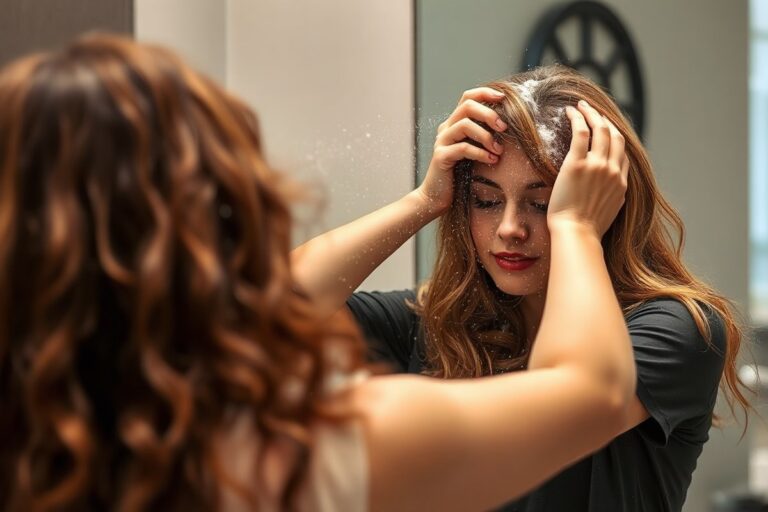
Start applying texture powder by sprinkling it near your roots, then gently tousle with your fingers. Avoid using too much because it can leave your hair stiff or flaky. The results show almost immediately, letting you shape your style with a natural finish.
Key Takeaways
- Texture powder adds volume and texture instantly without weighing hair down.
- It soaks up excess oil, keeping hair feeling fresh longer.
- Apply near roots and work in with fingers for best lift.
- Use sparingly to avoid stiffness and powdery residue.
- Texture powder leaves a matte, dry finish for a natural look.
- Avoid pairing texture powder with other styling aids or prestylers.
What Does Texture Powder Do for Hair and Styling?
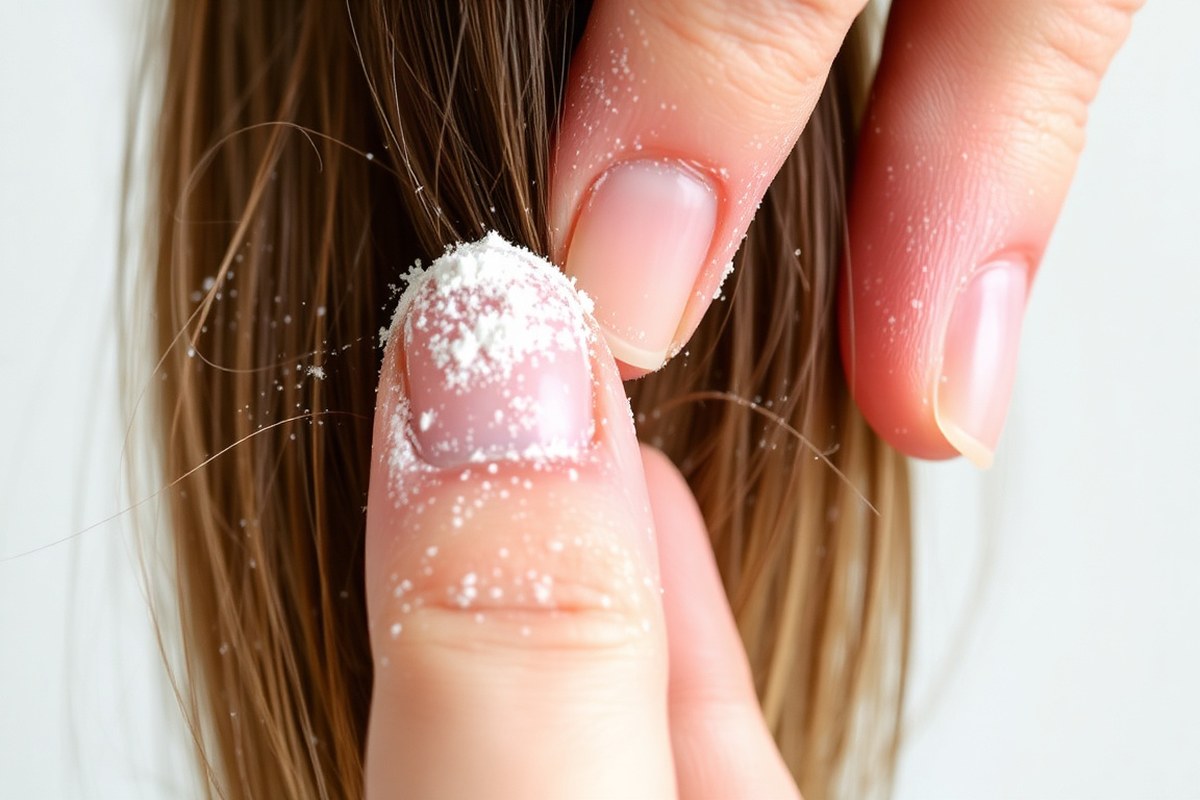
Texture powder instantly adds volume to hair by creating tiny spaces between strands. You sprinkle it onto dry roots, giving fine or flat hair an immediate lift. This boost makes your hair look thicker without weighing it down like heavier products.
It also increases grip, which helps hold styles in place without stiffness. The powder adds friction, so sections don’t slip or flatten out quickly. It makes styling your hair easier throughout the day.
You can reshape and restyle without adding more product. This helps keep your hair looking fresh longer.
The finish texture powder leaves is matte and dry, not shiny or greasy. This natural look works well if you want a casual, easy style. Your hair stays touchable and lightweight, unlike waxes or gels that can feel heavy or sticky.
This product works best for fine, limp, or flat hair needing extra lift and texture. Even straight hair benefits because the powder adds a subtle roughness that makes styling easier. People with oily roots might find it helpful too, since the matte finish reduces shine.
To get the best results, sprinkle a small amount (about a pea size) onto your roots. Then gently tousle or rub the powder into your hair with fingers to distribute it evenly.
Adding too much powder can make hair feel dry or dusty. So start with less and add more if needed.
How Texture Powder Works: Key Ingredients and Their Role

Texture powder mainly contains absorbent powders such as rice powder, arrowroot, or cornstarch. These ingredients soak up excess oil at the roots to reduce greasiness.
Silica silylate is another key ingredient. It creates friction between hair strands, making hair look thicker and fuller.
Polymers like VP/VA copolymer give texture powder a light hold that lasts throughout the day. They keep hair in place without weighing it down or making it stiff. Additives like nylon-12 help the powder move through your hair.
They stop clumps from forming. This also makes styling much easier.
Texture powder needs to go on dry hair only. Moisture stops it from absorbing oil. It also reduces the powder’s grip effect.
On wet hair, the powder clumps and won’t distribute evenly. Dry hair allows the powder to create the friction and separation needed for volume and hold.
Ingredients like butylene glycol spread the powder evenly. Citric acid smooths hair cuticles. It also helps reduce frizz.
Preservatives like phenoxyethanol and sodium benzoate keep the powder stable and safe over time. Together, these components deliver natural texture, volume, and lasting style.
Use your fingers or a small brush to apply powder. Put it directly on dry roots. This gives the best volume and grip.
Who Should Use Texture Powder and Which Hair Types Benefit Most?
Texture powder works best for fine, limp, or thinning hair needing volume. It’s less helpful for very coarse or curly hair but can add some grip.
Avoid it when your scalp feels sensitive. Also skip it if your hair is very dry or damaged.
Hair Types That Benefit Most
Fine or thin hair gains the most from texture powder. It lifts hair at the roots and prevents limpness through the day.
Straight hair also responds well since texture powder adds grip and soft volume without heaviness. This product is especially useful if your hair feels flat by midday.
People with thinning hair find it helpful because it adds some thickness without clumping strands together. It’s lighter than pomade or heavier styling creams.
Hair Types to Use with Caution
Coarse or curly hair can use texture powder but may see less dramatic results. These hair types already have natural body and separation.
Applying too much product to coarse strands might create stiffness or uneven texture. Use sparingly and test small amounts first.
Scalp and Hair Conditions to Avoid
Your scalp is very oily. Texture powder absorbs the extra oils. But overuse can lead to build-up that is hard to wash out.
Dry or sensitive scalps may react poorly to powders. Choose a formula labeled as gentle or for sensitive skin. Stop use if irritation occurs.
Avoid texture powder if your hair is damaged or brittle. The powder can sit on rough hair and make it look dull or dry.
Styling Goals Served by Texture Powder
Texture powder helps you get a matte, non-greasy finish. It adds lightweight volume and separates strands for a messy or natural look.
It’s great for hairstyles that need grip and hold without stiffness. Applying it at roots increases texture and makes hair easier to style.
- Lift and volume at the roots for flat hair
- Non-greasy, matte finish
- Better grip for styling and contouring
- Lightweight feel, no clumping
- Absorbs scalp oils like dry shampoo
- Versatile for various styles and hair types
- Helps extend time between washes for fine hair
Use texture powder daily if you wash hair regularly. Always wash thoroughly to avoid residue build-up at hair roots.
How to Apply Texture Powder Correctly for Best Results
Use a small amount of texture powder on clean, dry hair for best results. Apply it at the roots, then spread it evenly with your fingers. You can restyle or add more powder later to refresh volume or hold.
Preparing Your Hair
Always start with hair that is clean and totally dry. Texture powder works best when it can absorb natural oils and lift the roots.
Your hair needs to be dry for texture powder to work well. Oily or damp hair will stop powder from sticking and adding volume.
Give your hair a quick brush to remove knots and smooth strands. This helps the powder spread evenly later. Avoid applying directly after washing until your hair is 100% dry to prevent clumping.
Applying Texture Powder to Roots
Pour a small pinch of texture powder into your palm. You can also sprinkle it directly onto your roots.
One to two pinches usually cover medium-length hair. Using too much powder can weigh hair down or cause visible residue.
Focus on the roots, where your hair needs the most lift and hold. Gently tap or shake the powder over these areas to avoid clumps. Work section by section for better control, especially if your hair is fine or flat.
Styling and Finishing Techniques
Use your fingertips to massage and lift the powder into the roots. This helps spread it evenly while adding volume. For curls, scrunch your hair gently to create texture without losing shape.
After the powder feels distributed, style your hair as you normally would. You can tousle, backcomb lightly, or smooth the top layer depending on your look. The slight grit from the powder gives your hair a better grip and longer-lasting hold.
Reapplying and Touch-Up Tips
Reapply texture powder anytime your style starts to flatten or lose hold. A quick 30-second touch-up at the roots revives volume without needing a full wash. Use small amounts and rub it in with your fingers to blend it naturally.
Avoid overusing the powder in one day to prevent buildup or dryness. Instead, apply just a little at a time. Keep a travel-size container handy for on-the-go refreshes during busy days or after workouts.
- Ensure your hair is clean and completely dry before starting.
- Shake a small pinch of texture powder into your palm or directly onto roots.
- Focus on the roots, especially where your hair feels limp or flat.
- Use fingertips to massage and lift the powder into your hair roots.
- For curly hair, scrunch hair softly to improve natural texture.
- Style your hair as usual with fingers or a wide-tooth comb.
- Reapply a small amount if you need to boost volume later.
Comparing Texture Powder with Dry Shampoo and Other Styling Products
Texture powder and dry shampoo differ in their main use. Texture powder adds volume and a matte finish, while dry shampoo refreshes oily roots. Use texture powder when your hair feels limp but doesn’t need washing.
Sea salt spray, pomades, and texture powder suit different styles. Salt spray gives shine and light texture. Pomades add hold and gloss with weight.
Texture powder gives a very strong matte texture. It ranks about a 6 on a scale of 1 to 10.
This makes it great for fine or limp hair. Salt spray scores around 2.
You can layer some styling products but be careful with texture powder. Let previous products dry completely before applying it. Texture powder works best alone for maximum mattifying and volume.
| Product | Purpose | Finish | Texture Level (1 to 10) | Best Use | Layering Advice |
|---|---|---|---|---|---|
| Texture Powder | Add volume, lift roots, matte texture | Matte, dry | 6 | Fine, limp, flat hair needing volume | Use alone, after other products dry |
| Dry Shampoo | Absorb oil, refresh hair between washes | Usually matte | 1-2 (low texture) | Oily roots, extending time between shampoos | Can layer under other styling products |
| Sea Salt Spray | Light texture, adds shine, tousled look | Shiny | 2 | Beachy waves, casual texture | Can layer with pomades or creams |
| Pomades | Hold style, add shine | Glossy | Variable (low to medium) | Slick styles, defined looks | Usually not layered with powders |
Use texture powder on fully dry hair for best results. It works best on clean, non-oily hair that needs volume. When you apply it, sprinkle a small amount onto roots and massage lightly.
Dry shampoo is better for oily hair or days you skip washing. Salt spray fits casual, loose styles and adds a bit of shine. Heavy pomade suits slick, smooth looks but can weigh down fine hair.
Avoid applying texture powder on wet hair or over wet products. Always start with dry hair to prevent clumping or loss of volume.
Common Mistakes Using Texture Powder and How to Fix Them
Overusing texture powder leads to buildup on your scalp and hair. This buildup makes your hair look dull and lifeless. Wash your hair regularly to clear away residue and keep your scalp healthy.
Applying too much powder can make your hair feel dry or brittle. The powder absorbs oils, so use it sparingly to avoid drying out your strands. Also, condition your hair well between washes to keep moisture balanced and prevent brittleness.
Spraying or shaking texture powder on wet or damp hair causes clumps. Moisture makes the fine powder particles stick together instead of spreading evenly. Always apply texture powder to dry hair for the best, even results.
- Use just a small amount, usually a pinch or a few sprays to the roots.
- Lift your hair section by section during application to reach the scalp evenly.
- Apply only to dry hair, never damp or wet, to prevent clumping.
- Wash your hair every 2 to 3 days to avoid powder buildup and scalp irritation.
- Use a conditioner on mid-lengths and ends regularly to combat dryness.
- Stop using texture powder if you feel itching or see redness on your scalp.
- Try a different brand if irritation persists, as ingredients vary.
Scalp irritation often happens from buildup or sensitivity to ingredients. Make sure to wash out the powder completely to avoid flakes and itchiness. If your scalp feels dry, switch to a nourishing texture powder with added conditioning properties.
Correct use means powder sits on your roots without weighing hair down or causing flakes. Focus on your roots only, because the powder is meant to add volume there. Avoid spreading it over all your hair to keep strands from looking dry or lifeless.
Is Texture Powder Safe? Effects on Hair and Scalp Health
Texture powder does not cause hair loss or thinning. Its main job is to add volume and grip by sitting on hair strands and roots. Leaving it on too long can clog follicles.
Particles may irritate your scalp. Wash the powder out regularly to avoid problems.
Wash your hair every two to three days. This helps avoid scalp irritation. Regular cleaning keeps your scalp healthy.
This removes buildup from texture powder and natural oils. Use a gentle shampoo and massage your scalp to clear residue without harsh scrubbing.
Stop using texture powder if you notice redness or itching. Also watch for flakes. Take a break for a few days.
These signs could mean your scalp is sensitive or irritated. Try a patch test with less product or a formula made for sensitive skin.
Consult a dermatologist or licensed hairstylist if scalp irritation lasts longer than a week. They can check for underlying issues like dermatitis or infections that need treatment. See a pro if you spot sudden hair thinning.
It might need a medical fix. Quick action helps protect your hair.
Using texture powder daily is okay, but keeping scalp health in mind is key. Use a small amount on roots or dry spots. Then brush gently or scrunch to spread.
Avoid using too much product. Overloading your scalp with powder without washing can lead to buildup and itchy skin.
How to Choose the Right Texture Powder for Your Hair
Picking the right texture powder means matching it to your hair type and style goals. Focus on ingredient quality, powder texture, and how you like to apply it. This helps you get the volume and hold you want without weighing hair down.
Key Ingredients to Consider
Look for powders with quality absorbers that take on oil and add lift. Ingredients like silica and rice starch are common for oil control and texture. Avoid powders with harsh chemicals that can dry your hair.
Some powders include nourishing elements that lock in moisture and protect your strands. These keep your hair healthy despite frequent use. The balance between effective oil absorption and mild nourishment is key.
Choosing by Hair Type
Fine or straight hair needs lightweight powders that create grip without stiffness. Powders made with very fine particles work best to add body without leaving residue. Thick, coarse hair benefits from slightly heavier powders that improve texture and manage volume.
For thinning hair, a powder with superior oil absorption gives a visible boost and longer-lasting lift. You want a product that adds volume instantly without weighing hair down or clumping. Color-safe formulas help if you dye your hair.
Packaging and Application Format
Powders in shaker bottles allow precise control over how much you apply. Spray powders spread evenly but can waste product if used too generously. Small containers are ideal for travel but sometimes harder to control.
Clear packaging lets you see the powder’s texture and amount left. Matte or tinted packaging often protects from moisture better. Consider ease of use when choosing your powder format, especially if you style quickly.
Additional Features and Preferences
Scent can matter if you’re sensitive or dislike strong smells. Most powders are lightly scented or unscented. Check labels for natural or synthetic fragrance if that affects your choice.
Choosing natural ingredients often means fewer chemicals and gentler effects. However, synthetic powders might offer longer-lasting hold. Match your preference to your hair’s needs and how often you style daily.
- Look for powders free of parabens and sulfates
- Pick fine-milled texture powders for delicate hair
- Choose absorbent starches like rice or silica
- Use clear packaging to check powder quality
- Consider shaker bottles for easier application control
- Check for moisture-locking ingredients if hair feels dry
- Opt for mild scent or fragrance-free if sensitive
Only add a small amount to start. Too much powder can make hair look dull or dusty.
Step-by-Step Action Plan to Use Texture Powder Effectively
Start with a simple routine to add volume and grip without weighing hair down.
- Before styling: Shake a small amount of texture powder into your palm. Work it into dry roots for lift and texture.
- After application: Use fingers to gently tousle your hair. Check if your roots feel thicker and less flat.
- Midday refresh: Add a pinch more at roots if volume drops. Avoid overapplying to prevent buildup.
- Weekly check: Notice how your scalp feels. If it feels dry or itchy, reduce use or wash hair more often.
- Monthly review: Try a different texture powder if your current one feels heavy or leaves residue.
- Before washing: Massage scalp gently to remove powder buildup. Use a gentle shampoo to keep hair healthy.
- After washing: Let hair dry fully before reapplying texture powder for best grip and lasting style.
Frequently Asked Questions
Can Texture Powder Replace Shampoo?
No, texture powder does not clean hair. It adds volume and texture without washing. Use shampoo regularly to keep your scalp healthy.
Can Texture Powder Be Used on Colored Hair?
Yes, texture powder is safe for color-treated hair. Avoid heavy powders to prevent dullness.
How Often Should I Wash My Hair If I Use Texture Powder Daily?
Washing every 2-3 days works well. Daily washing can dry out hair, especially with powders.
Can Texture Powder Cause Scalp Buildup?
It might if overused or not washed out properly. Cleanse scalp regularly to avoid residue.
Will Texture Powder Make My Hair Feel Sticky or Crunchy?
Good quality powder should feel light, not sticky. Avoid using too much to keep hair natural.
Does Texture Powder Work on Curly Hair?
Yes, it adds volume and grip but use sparingly. Too much can weigh curls down.
Key Points to Remember
Texture powder gives fine, limp hair instant volume and grip. Use it sparingly at roots for natural lift. Start with a small amount today and feel the difference in your hairstyle.