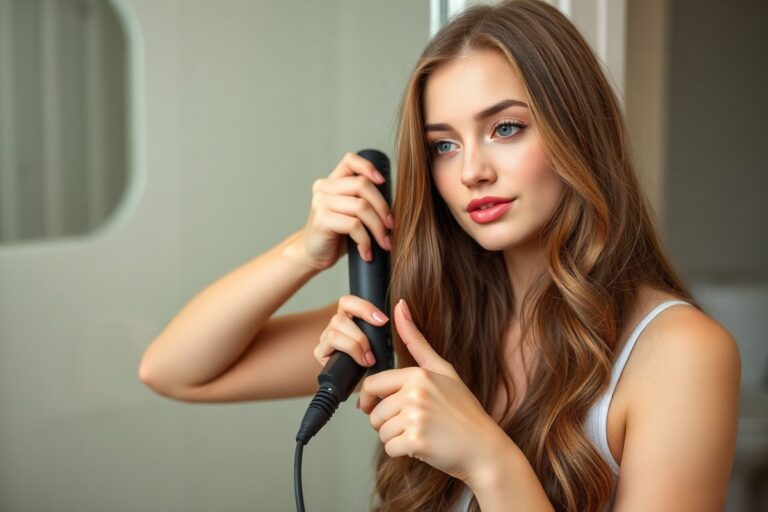
How to Straighten Black Hair Safely: 8 Proven Methods and Tips
How to straighten black hair safely starts with choosing the right method. Using heat tools at moderate temperatures protects your curls from damage. You need to prepare your hair properly to keep it healthy and smooth.
Begin with a deep conditioner two to three days before straightening. This nourishes your hair and makes it easier to manage. Always make sure your hair is completely dry before using a flat iron.
Set your heat tools between 350 and 380 degrees Fahrenheit. Going higher can cause permanent damage and stop curls from bouncing back. Using heat-protectant products also shields your hair from harm during styling.
Divide your hair into small sections for an even and thorough straightening process. Comb gently through each section before applying heat to avoid pulling. Finish with a light oil or serum to lock in moisture and add shine.
Key Takeaways
- Use a deep conditioner with olive or coconut oil 2-3 days before straightening.
- Make sure your hair is 100% dry before using heat tools.
- Keep flat iron temperatures between 350 and 380 degrees Fahrenheit.
- Use silicone-free heat protectants like Seen Blow-Out Creme.
- Part your hair and brush it straight before air-drying for best results.
- If you have thick hair, allow 24 to 48 hours for complete drying.
1. What’s the Safest Way to Straighten Black Hair at Home?

You can straighten black hair safely at home by using heat or heatless methods. Using heat requires care to avoid damage.
Set your flat iron or hot comb to 300°F or lower. Higher heat can cause breakage and dryness in Afro-textured hair.
Heatless methods include flat wrapping, braiding, twisting, and using stretch techniques. These take longer but cause no heat damage.
For example, flat wrapping involves wrapping damp hair around your head using bobby pins. Let it dry fully for several hours or overnight.
Here’s a quick look at heat versus heatless methods. Heat tools work faster but risk damage without protection.
Heatless methods are gentle but need patience and time. Choose based on your schedule and hair health.
| Method | Time Needed | Hair Health Impact | Cost | Tools Needed |
|---|---|---|---|---|
| Heat (flat iron, hot comb) | 10-30 minutes | Risk of damage if no protection | Flat iron $30-$150 | Heat protectant, flat iron or comb |
| Heatless (flat wrap, braids) | Several hours to overnight | No damage | Minimal, bobby pins ~$5 | Bobby pins, hair ties |
Applying a heat protectant before any heated styling is a must. Look for products containing natural oils like argan or Moroccan oil. These oils help reduce moisture loss and keep hair shiny.
Some safety tips to remember: don’t apply heat on dry or brittle hair. Condition your hair a few days before straightening.
Work the product and heat evenly from roots to tips. Avoid straightening every day to reduce breakage.
- Use a heat protectant with natural oils before heat styling
- Set heat tools to 300°F or below for black hair
- Don’t apply heat on dry or brittle hair
- Try heatless methods when straightening often
- Condition hair well before straightening
2. How to Prepare Black Hair Properly Before Straightening

Straightening black hair starts with clean, well-prepared strands. Shampoo and condition to remove buildup and add moisture. Make sure your hair is fully dry and detangled before using heat or styling.
Choosing the Right Shampoo and Conditioner
Select shampoos and conditioners designed for natural, textured hair. Look for moisturizing formulas with oils like olive or coconut oil. These help soften curls without weighed-down residue.
Use a gentle shampoo to avoid stripping your hair’s natural oils. Follow with a conditioner that restores moisture and smooths the hair cuticle. This balance helps your hair handle heat better.
Deep Conditioning and Moisturizing Tips
Apply a deep conditioner two to three days before straightening. Olive oil or coconut oil-based deep conditioners work best. They penetrate hair strands and reduce dryness from heat styling.
After shampooing, use a leave-in conditioner to lock in moisture. Avoid pure oils as your main heat protectant.
They can burn or cause uneven straightening. Instead, choose a product made to protect hair from heat damage.
Proper Drying Methods to Avoid Damage
Make sure your hair is completely dry before you apply direct heat. Air drying can take a long time and may leave hair frizzy or damp in spots. Use a blow dryer on low heat for faster drying.
Attach a diffuser to protect your hair. This helps prevent heat damage while drying.
Drying your hair evenly helps prevent heat spots and breakage when using a flat iron. Rough towel drying can cause hair to tangle and frizz. So gently squeeze water out with a microfiber towel or a soft cotton T-shirt.
Detangling Without Breakage
Start detangling with your fingers to gently loosen knots. Use a wide-tooth comb or detangling brush gently.
Start detangling from the ends of your hair. Work your way up slowly to avoid breakage.
Detangling before straightening makes sectioning easier and reduces breakage. Avoid brushing hair dry because it increases frizz and damage. Always detangle when hair is damp or coated with conditioner.
Follow these steps to prepare hair well for straightening:
- Wash hair with a gentle, moisturizing shampoo designed for textured hair.
- Apply a rich conditioner and leave it on for 3 to 5 minutes before rinsing.
- Use a deep conditioner 2-3 days prior to straightening for lasting moisture.
- Rinse thoroughly and apply a leave-in conditioner to damp hair.
- Gently blot hair with a microfiber towel to remove excess water.
- Detangle carefully with fingers and a wide-tooth comb, starting at ends.
- Dry hair fully using air drying or a low-heat blow dryer with a diffuser.
Make sure hair is 100% dry before flat ironing to avoid heat damage and breakage.
3. Using Heat Tools Safely: Flat Irons, Blow Dryers, and Hot Combs
Using heat tools like flat irons can damage your black hair. Use blow dryers and hot combs carefully. Follow steps to protect your hair from damage.
Set the right temperature, section hair properly, and always apply heat protectant products. These steps reduce breakage and create smoother, straighter hair safely.
Recommended Temperature Ranges by Hair Type
Curly and coily black hair is sensitive to heat. So keep temperatures low to medium.
Use flat irons set between 300°F and 350°F for most natural hair types. Fine or damaged hair should stay under 300°F to avoid burn damage.
Thicker or coarser textures can handle a little more heat, up to 375°F. Avoid temperatures over 400°F, as they can cause bubble hair and severe breakage. Hot combs heated on stoves often get hotter than this and should be avoided.
How to Section Hair for Even Heat Distribution
Sectioning hair helps heat tools work evenly and reduces repeated passes that cause damage. Divide your hair into no less than four sections, clipping each securely. For very thick hair, use 6 to 8 sections for better control.
Within each section, take thin strands ½ to 1 inch wide for flat ironing. Pass the heat tool slowly, starting at the roots and moving down to the ends. Proper sectioning means less heat exposure per area and smoother results.
Follow these steps to section your hair safely:
- Start with dry, detangled hair after applying heat protectant.
- Part your hair down the middle from front to back.
- Clip each half up so you work with one side at a time.
- Divide each half horizontally into 2 or 3 layers.
- Clip upper layers up and release the bottom layer only.
- Straighten small ½ to 1-inch subsections within each layer.
- Repeat on all layers until your hair is fully straightened.
Applying Heat Protectant Products Correctly
Heat protectants shield hair from temperatures and reduce moisture loss. Use a spray or cream designed for high heat protection before any styling. Apply evenly from roots to ends on dry or damp hair.
Don’t skip this step, as heating without protection leads to split ends and breakage. Let the product absorb for a few minutes before using your heat tools. After straightening, seal your hair with a light oil like Nylah’s Super Seed Hair Oil.
Differences Between Blow Drying and Flat Ironing Effects
Blow drying stretches curly hair by loosening the curl pattern with warm air and tension. Use a round or paddle brush, moving slowly as you dry each section. This method reduces the heat needed from a flat iron afterward.
Flat ironing gives a sleeker, straighter finish by directly applying heat and pressure. It smooths the hair cuticle, creating shine and less frizz than blow drying alone. Use a flat iron after blow drying for longer-lasting straightness but keep temperatures moderate.
4. Effective Heatless Methods to Straighten Black Hair
Heatless straightening methods let you stretch and smooth black hair without damage. Wrapping, banding, roller sets, and African threading all help lengthen curls and coils. These styles work best when you have clean, damp hair that’s well moisturized.
Hair Wrapping and Flat Wrapping
Hair wrapping means wrapping wet or damp hair flat around your head. You use a wide-tooth comb to smooth hair as you wrap sections. This helps with hair types from 3C to 4A to get stretched, sleek results.
Flat wrapping uses a scarf or satin wrap to hold hair flat overnight. The head acts like a big roller. This cuts down frizz and keeps hair straighter for longer.
- Comb hair gently to remove tangles before wrapping
- Wrap sections tightly but don’t pull to avoid breakage
- Tie the scarf securely with no gaps for smooth edges
- Keep hair slightly damp during wrapping but not soaking
- Leave wrap on overnight or for 6 to 8 hours
This technique works well for fine to medium-density hair. Coarser hair may need extra moisturiser for smooth finish.
Banding Method for Extended Straightening
Banding stretches hair by wrapping elastic bands along the length. You start with damp hair parted into sections. Wrap an elastic tightly a few times starting near your roots.
This keeps hair elongated as it dries, helping length retention. For thick or coarse hair, use more sections and bands to control shrinkage.
- Use soft elastic bands or scrunchies to avoid dents
- Wrap bands about 1 to 2 inches apart along each section
- Secure ends by tucking under or using a clip
- Leave bands in for at least 4 to 6 hours or overnight
- Unwrap carefully to prevent tangling
Banding works great if you want stretched hair without heat. It takes longer but reduces damage risk.
Rollers and Roller Sets
Rollers aren’t just for curls, they also stretch hair smooth. Use big, smooth rollers on damp hair and roll away from your face. This flattens hair and reduces shrinkage.
Choose rollers based on hair thickness. Large foam or velcro rollers suit coarse natural hair best. Smaller rollers create more tension but take longer to dry.
- Apply leave-in conditioner to keep hair moisturized
- Section hair into manageable parts for neat rolling
- Roll hair with moderate tension but don’t pull tight
- Allow hair to fully air dry or sit under a hood dryer
- Remove rollers gently to keep hair smooth
Rollers are fast and give good shine. Avoid plastic rollers with sharp edges to protect natural hair.
African Threading Explained
African threading uses long strands of yarn to stretch hair without heat. You section hair and wrap yarn tightly from root to ends. This spreads out curls over time.
This method works best on hair types 4A to 4C because the yarn applies consistent tension. It also protects strands and prevents breakage during the drying process.
- Divide hair into 4 to 6 inch sections for threading
- Use soft cotton or wool yarn for gentle tension
- Tightly wrap yarn from scalp down to the tips
- Keep yarn in place for several hours or overnight
- Remove yarn slowly to avoid snagging hair
Threading takes patience but keeps hair healthy while straightening. Your hair might stay stretched up to 3 days before curls return.
5. Choosing the Right Products to Protect and Support Straightened Hair
Heat protectants guard your hair from damage during straightening. Pick a spray or cream made for textured hair. It helps shield against 350 to 380 degrees Fahrenheit heat.
This protects your hair during styling. Apply evenly on damp hair before using flat irons or blow dryers.
Avoid heavy oils or greasy products before heat. They can build up and burn on your hair.
Use lightweight oils like argan or jojoba oil. These oils hydrate hair without making it heavy. They won’t ruin your style.
Apply a small amount after straightening for shine and moisture. Choose leave-in conditioners with shea butter or aloe vera.
These ingredients keep hair soft and easy to manage. Use them between washes.
Anti-frizz creams help block humidity and smooth hair cuticles. Use a pea-sized amount on dry hair, focusing on the ends and outer strands.
For type 3 hair, this step may need more attention since it tends to frizz easier. Apply sparingly to avoid product build-up that dulls hair.
| Product Type | Recommended Example | How to Use | Price Range |
|---|---|---|---|
| Heat Protectant Spray | Lightweight spray for textured hair | Spray on damp hair, comb through before heat | $10, $25 |
| Leave-In Conditioner | Shea butter or aloe vera based | Apply to damp hair, focus on ends | $8, $20 |
| Anti-Frizz Cream | Humidity-blocking cream for curly hair | Rub a small amount on dry hair sections | $10, $22 |
| Lightweight Oils | Argan oil, jojoba oil | Use sparingly post-straightening for shine | $7, $15 |
Start applying heat protectant to clean, slightly damp hair. Comb it through to cover every strand. Wait a few minutes for it to settle before drying or straightening.
After heat styling, apply a small bit of lightweight oil or leave-in conditioner. This helps keep your strands hydrated. Be gentle when applying.
Don’t overload your hair with product. It can lead to buildup that causes your style to lose its smoothness. Use products in moderation every time you style to keep the hair soft and prevent breakage.
Watch how your hair reacts to products. Change the amount based on dryness or frizz you see. Adjust to what your hair needs.
Using too much oil before heat can scorch your hair and ruin the style.
6. How to Maintain Straightened Black Hair and Prevent Reversion
Use a silk or satin scarf to protect your hair overnight. This reduces rubbing that leads to frizz and damage. Alternatively, try a satin pillowcase for more comfort while you sleep.
Moisturizing is key to stop dryness and keep hair soft after straightening. Use a light leave-in conditioner or a water-based moisturizer daily. Avoid heavy oils that can make hair greasy or weigh it down.
Humidity quickly reverses straightened hair. On humid days, keep your hair wrapped or covered when outside. Anti-humidity sprays and light serums help seal in moisture and reduce frizz.
Try not to straighten your hair more than once or twice a week. Over-straightening leads to dryness and damage. Coarse hair might take higher heat, but never go above 400°F to avoid burns.
Before re-straightening, wash your hair thoroughly. Clean hair straightens more evenly and lasts longer. Use hydrating shampoo and conditioner to keep the hair healthy between styles.
Limit touching or combing your hair once straightened. The more you touch it, the faster it will revert and frizz. Use a wide-tooth comb gently to prevent breakage.
7. Common Mistakes to Avoid When Straightening Black Hair
Using too high heat is a common mistake that can cause severe damage to black hair. Keep your flat iron between 300°F and 350°F to protect your curls. Higher temperatures dry the hair out and cause breakage over time.
Don’t skip the heat protectant. It forms a barrier that stops direct damage from heat tools.
Spray or cream heat protectant evenly on dry hair before you start straightening. This step takes only a minute but saves your strands.
Improper sectioning can lead to uneven straightening and extra heat exposure on some parts. Divide your hair into small, manageable sections, about 1 to 2 inches wide. Work methodically through each section to avoid doubling up on heat.
- Do not straighten hair when it’s still wet or dripping.
- Avoid wrapping your hair too tightly after straightening to prevent tension.
- Use a comb to detangle in sections before applying heat.
- Limit heat use to once or twice a week to reduce damage.
- Check your tools’ temperature settings before use.
Heat damage shows signs like dryness, split ends, rough texture, and hair that breaks easily. Your hair likely has heat damage if it feels straw-like or dry. Look closely at the ends; they may look frayed or brittle.
Stop using heat styling tools as soon as you notice damage. Give your hair a break to recover with deep conditioning treatments.
Try protein masks and oils like coconut or castor to strengthen strands. Regular trims will also help remove broken ends and keep hair healthier.
8. When to Consult a Professional for Hair Straightening Needs
Knowing when to get professional help is key for your hair’s health. Your hair is very curly or damaged. A stylist can help with safer chemical treatments.
Professionals use skills to avoid overprocessing. They reduce breakage. Home attempts often cause damage.
Semi-permanent treatments like keratin smoothing last about two to three months. They reduce frizz and relax curls without fully straightening hair. These treatments cost between $150 and $400 depending on your location and hair length.
A stylist applies keratin formula. They seal it with heat. It softens and tames hair.
Chemical relaxers differ from heat straightening tools. Relaxers permanently change your hair’s texture by breaking bonds inside the strands. Results last until new hair grows.
But there is higher risk if applied wrong. Heat methods like flat irons straighten hair briefly. Use heat protectants to prevent damage.
| Treatment Type | How It Works | Duration | Cost | Risk Level |
|---|---|---|---|---|
| Chemical Relaxers | Break hair bonds to change texture permanently | 4 to 6 weeks, with touch-ups | $50, $150 | High if mishandled |
| Semi-permanent Keratin | Coats hair to smooth and reduce curl temporarily | 2 to 3 months | $150, $400 | Moderate |
| Heat Tools (Flat irons, blow dryers) | Temporarily straightens by breaking hydrogen bonds | Until hair reverts (1 to 3 days) | $30, $300 (tool cost) | Low to moderate with proper care |
Consider seeing a professional if you’ve had a chemical treatment before. They can safely assess your hair’s condition and recommend the right approach.
Also, ask for a strand test to prevent unexpected damage. A stylist helps set realistic expectations based on your hair type.
Some hair may not respond well to heat and could end up brittle or breaking. A skilled stylist notices early signs of damage and adjusts the treatment or suggests alternatives.
Stylists prepare and pre-stretch your hair before straightening. This protects your strands and improves results.
Always do a strand test first. Or talk to a pro before chemical treatments to avoid damage.
Step-by-Step Action Plan for Straightening Your Black Hair
Follow these steps to straighten your hair safely and get the best results. Stick to the plan to protect your curls and keep hair healthy.
- Before you start: Wash and deep condition your hair to prepare it. Your hair should feel soft and manageable.
- Day of straightening: Apply a heat protectant product evenly. This helps prevent heat damage during styling.
- Immediately before heat styling: Detangle your hair gently using a wide-tooth comb. Check that there are no knots left.
- During heat styling: Set your flat iron to 300°F or less. This is very important for fragile or fine hair. It helps prevent damage from too much heat. Hair should feel warm, not burning.
- Right after straightening: Avoid moisture and sweat for at least 24 hours to reduce reversion. Keep your hair dry and covered if possible.
- Daily care after straightening: Use light oils or serums to keep moisture in. These products won’t make your hair feel heavy. They help your hair stay soft and smooth. Hair should stay smooth but not greasy.
- Weekly maintenance: Refresh straightness with cool blow drying or gentle wrapping. But avoid heat every day. Look for less frizz and softness.
- Every 2-3 weeks: Consider professional trims or deep conditioning treatments. Healthy ends reduce breakage and make straightening easier.
Frequently Asked Questions
Can You Straighten Black Hair Without Using Heat?
Yes, you can use no-heat methods like wrapping, banding, or roller sets. These methods stretch the curls and reduce shrinkage gently over time.
How Often Should You Deep Condition Before Straightening Black Hair?
Deep condition your hair 2 to 3 days before straightening. It helps keep your hair moisturized and prevents damage from the heat.
Is It Okay to Straighten Black Hair Every Day?
No, daily straightening can cause heat damage and breakage. Limit to once or twice a week and use heat protectant.
Can You Straighten Black Hair with a Hot Comb Safely?
Yes, but make sure your hair is completely dry and use medium heat. Always apply heat protectant before using the hot comb.
Does Straightening Black Hair Cause It to Lose Its Curl Pattern Permanently?
No, heat straightening loosens curls temporarily. Your natural curl pattern will come back after washing or moisture.
Which Oils Are Best for Treating Black Hair Before Straightening?
Olive oil and coconut oil are excellent for deep conditioning before straightening. They add moisture and help prevent breakage.
Before You Go
Straightening your black hair safely is about careful preparation and smart styling. Take your time and use the right products to protect your hair. Wash and condition your hair well today.
This prepares your hair for a smooth, straight look. Clean hair helps the straightener work better and lasts longer.