How Hot Is a Blow Dryer? Detailed Guide on Heat Levels and Hair Safety
How hot is a blow dryer depends largely on the model and its power. Most blow dryers heat air to between 80 and 140 degrees Fahrenheit. High-wattage dryers can reach about 200 degrees Fahrenheit at their hottest setting.
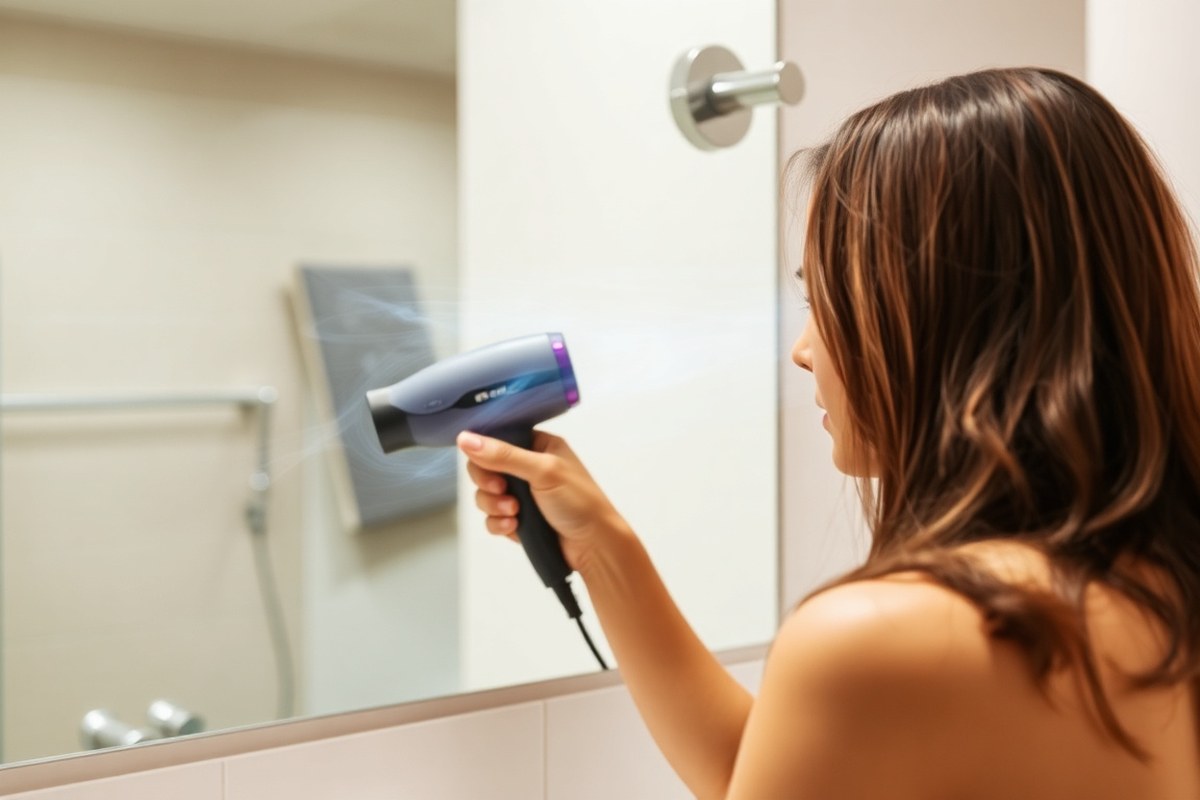
Temperatures above 140 degrees can dry hair faster but risk damage. Holding the dryer too close increases heat exposure, which can hurt your scalp and hair. Always keep it at least 6 to 8 inches away from your head to avoid burns.
Some advanced models have built-in protections that shut off the dryer if it gets too hot. For example, a popular 1875 watt dryer stops working if the heat passes 248 degrees. This safety feature helps prevent accidents and overheating during use.
Key Takeaways
- Typical blow dryer heat ranges from 80°F to 140°F for safe drying.
- Higher wattage dryers often reach around 200°F on hot settings.
- Keep the dryer at least 6 to 8 inches away from your hair.
- Built-in overheating protection prevents damage and unsafe conditions.
- Avoid focusing heat on one spot for too long to protect hair.
- Use lower heat for fine or damaged hair to reduce breakage risk.
How Hot Does a Blow Dryer Get in Typical Use
Blow dryers usually blow air between 80°F and 200°F during normal use. The average temperature at the nozzle ranges from about 140°F to 200°F depending on the setting. Lower settings keep the temperature gentler, around 100°F to 130°F, which is safer for delicate hair.
Low heat for blow dryers usually stays between 104°F and 122°F. This is gentle enough to use on fine or damaged hair. Medium heat ranges from 130°F to 160°F and works well for most hair types. High heat can reach about 197°F, sometimes nearing 250°F on professional models, so use it carefully.
Wattage plays a big role in temperatures you get from a blow dryer. Models with 1200 watts may warm air to about 140°F. A 1500-watt dryer might reach 160°F. Dryers with 1800 to 1875 watts often reach temperatures above 180°F. They provide stronger airflow for quicker drying. This higher wattage means faster drying times.
Some high-wattage consumer dryers can reach near 200°F. But anything above that usually appears in professional tools. A 2500-watt unit heats air hotter and moves it faster. But can risk overheating your hair if you’re not careful.
Heat regulators inside dryers keep temperatures from going too high, shutting off the heat if needed. This safety feature protects hair and scalp from damage caused by excess heat. Knowing your dryer’s wattage and max heat helps control settings to protect your hair.
For daily use, choose low or medium heat settings on your dryer. These settings dry hair gently and reduce burn risks. Avoid hotter settings to protect your scalp and hair.
High heat is best reserved for specific styling moments and should be used carefully. Look at your blow dryer’s manual or labels to find temperature info.
They show the expected heat ranges for each setting. This helps you pick the right heat level safely.
How Wattage and Technology Influence Blow Dryer Temperatures

The wattage of a blow dryer helps decide how hot it can get. Higher wattage usually means more heat and stronger airflow. But technology affects how that heat feels and spreads.
Ionic and ceramic parts spread heat evenly through your hair. This lets you use less heat and still get good results.
Wattage Ranges and Corresponding Temperatures
Blow dryers with lower wattage, around 1200 watts, tend to reach temperatures near 140°F (60°C). Models with wattage near 2000 watts can push that heat up to about 200°F (93°C).
The motor’s speed controls air and heat movement. So faster motors usually raise the temperature.
Salon-grade dryers often have motors that run faster and produce hotter air than many home models. Blow dryer temperatures usually range from 104°F to 266°F. This depends on the heat setting, motor, and how it’s built.
| Wattage | Typical Max Temperature | Motor Effect |
|---|---|---|
| 1200 watts | 140°F (60°C) | Standard speed, moderate airflow |
| 1600 watts | 175°F (80°C) | Faster airflow, higher heat |
| 2000 watts | 200°F (93°C) | High-speed motor, strong heat |
| Salon-grade (up to 2200 watts) | Up to 266°F (130°C) | High-performance motor, max heat |
Knowing wattage helps pick the right dryer for your hair and styling needs. More wattage gives faster drying but needs careful heat use to avoid damage.
Heat Output Differences by Technology Type
Ionic blow dryers use negatively charged ions to break water molecules faster. This process reduces drying time and helps keep your hair smoother. Because of ion technology, they can work well at slightly lower heat levels.
Ceramic heaters spread heat evenly over the air coming out. An even heat avoids hot spots that cause damage. Ceramic dryers often stay cooler on the outside, making them safer to hold.
Use dryers with ionic or ceramic tech for less damage and more even heat.
Tourmaline is another material sometimes added to ceramic dryers to improve ion production. These combined technologies help keep your hair shinier and reduce frizz, even at moderate heat levels.
Example Temperatures of Popular Models
The Bio Ionic PowerLight Pro-Dryer reaches about 175°F with ionic tech. The Sedu Revolution Pro 6000i Dryer, known for powerful motors, gets close to 200°F. The RUSK Speed Freak Dryer uses ceramic parts and hits around 200°F.
Advanced dryers like the Swift Special have brushless motors. They also use negative ion tech.
This keeps hair safe while drying fast at a good heat. Prices vary but expect to pay $100 and up for technology-packed dryers.
These dryers work quickly without needing top heat levels. They reduce the chance of breakage and split ends. This helps your hair stay healthier.
At What Temperature Does Blow Dryer Heat Damage Hair?
Hair damage from blow dryer heat starts at about 104°F (40°C). Serious harm happens when heat goes above 212°F (100°C). Heat damages your hair at these temperatures.
Overexposure breaks down hair proteins and burns scalp skin or hair fibers. Signs include dry, brittle hair and a red, sensitive scalp after drying.
Temperature Thresholds for Hair Protein Breakdown
Hair’s keratin begins to break down at around 212°F (100°C). Moisture loss starts even at this temperature, making hair dry and brittle. Above 410°F (210°C), permanent keratin damage occurs, weakening hair strands permanently.
This is why you want to avoid the highest heat settings on your dryer. Using lower heat protects your hair’s natural protein.
This stops your hair from getting weak. It also helps prevent breakage.
How Heat Damage Develops over Time
Repeated heat exposure causes gradual damage to hair cuticles and shafts. Each drying session slightly dries the hair.
Over time it loses moisture and elasticity. This leads to split ends, rough texture, and dullness.
Holding the dryer too close or in one spot for too long increases damage risk. Heat from 140°F to 176°F (60°C to 80°C) can still harm hair.
Using it wrong over weeks makes damage worse. Proper care is needed with these temperatures.
Temperatures That Burn Scalp Skin and Hair Fibers
Scalp skin can burn at temperatures as low as 113°F (45°C) with prolonged contact. Higher heat dries scalp oils, causing irritation and redness. Direct exposure to air above 140°F (60°C) risks hair fiber damage.
Keep your blow dryer 6 to 8 inches (15 to 20 cm) away. This distance protects your scalp and hair.
It helps avoid burns and damage. This keeps scalp temperature manageable and prevents burns or overheating specific hair areas.
Signs of Heat Overexposure on Hair and Scalp
Hair becomes visibly dry, brittle, and rough if it’s exposed to too much heat. You might notice more tangles or split ends after blow drying. The scalp might look red or feel sore with long heat sessions.
Hair loss or thinning can also happen if heat damage is severe and persistent. Use heat protectants and lower heat settings to avoid these issues.
Proper Distance and Timing to Avoid Heat Damage
Hold the blow dryer at least 6 inches (15, 20 cm) from your hair. This distance keeps the heat from concentrating too much on one spot. You also want to keep the nozzle moving to avoid overheating a small section of hair.
Limit the time you hold heat on one area to just a few seconds. Staying too long can cause damage, even if you keep the distance right. Generally, try to finish drying each section within 10 to 15 seconds before moving on.
- Hold the dryer 6, 8 inches from your scalp
- Keep the nozzle moving steadily across your hair
- Limit heat exposure to 10, 15 seconds per section
- Use the lowest effective heat setting for drying
- Reduce total drying time by sectioning hair
- Give hair breaks when drying long or thick hair
Drying time matters for heat risk, so work efficiently. Wet hair needs more time, but over-drying creates damage too. Using a strong airflow helps cut down drying time and heat exposure together.
Applying these steps works well for all hair types, especially fragile hair. If your hair is fine or damaged, keep heat on low and move faster. This will protect your hair while still drying it enough for styling.
Best Heat Settings for Different Hair Types and Styles
Best Heat Settings for Different Hair Types and Styles
Picking the right heat level depends on your hair texture, damage, and style goals. Fine or color-treated hair needs lower heat to avoid damage. Thick or coarse hair can handle higher heat for quick drying and styling.
Choosing Heat Settings for Fine or Damaged Hair
Fine and damaged hair is more delicate and breaks easily from heat. Keep the dryer below 250°F to protect your strands. Using medium or low heat prevents burning and dryness.
Use products with heat protection before drying. It adds a barrier against the heat and keeps hair smooth.
- Start with clean, damp hair evenly towel-dried.
- Spray a heat protectant all over your hair.
- Set your blow dryer to low or medium heat (below 250°F).
- Dry sections gently, keeping the dryer moving constantly.
- End with a cool shot to seal hair cuticles.
Caution: Using high heat on fine hair can cause breakage and dullness quickly.
Recommended Settings for Thick or Coarse Hair
Thick or coarse hair dries slower and needs more heat to style well. Temperatures around 300°F to 350°F work best. This level speeds drying and helps smooth thick strands without much damage.
Keep drying time reasonable by working in sections and not holding the dryer too close. This avoids hot spots that damage hair.
For dense hair, use medium or high heat settings. Choose a dryer with strong airflow. A 1875-watt dryer works well for this.
Adjusting Heat Based on Styling Purpose
Drying hair and straightening need different heat levels. Dry hair mostly with medium or low heat, to avoid excess damage. For straightening, a higher heat level helps shape the hair faster.
Apply a thermal styling spray before using higher heat on specific styles. That shields hair from heat while boosting shine.
- Dry your hair 70% with medium heat first.
- Apply styling spray on sections to be straightened.
- Switch to a higher heat setting (up to 350°F) for straightening only.
- Use a nozzle for focused airflow during straightening.
- Keep the dryer moving along each section to avoid heat damage.
- Finish with cool air to close hair strands and lock the style.
Do not use high heat throughout drying; reserve it for styling steps.
Safety Features and How to Know Your Blow Dryer Is Too Hot
Most modern blow dryers have safety features like auto shut-off to prevent overheating. This feature turns the dryer off if the internal temperature gets too high. It stops damage to the dryer and lowers the risk of burns or fire.
You can tell if your dryer runs too hot by its smell. A burnt scent means it feels very hot to touch. Stop using if either happens.
Also, if it shuts off suddenly during use, that might be the auto shut-off kicking in. Hearing strange noises or noticing uneven heat could mean the dryer is malfunctioning.
Stop using your dryer right away if you see smoke. Look for damage like melted plastic parts. Don’t ignore these signs.
These signs mean it’s unsafe. Get a professional to fix your dryer or replace it.
Repair costs vary but often range from $50 to $100. Choose what’s best for you.
When your dryer gets too hot, internal parts like the heating coil degrade faster. This also raises the risk of electrical faults. A high-end dryer can reach temperatures over 130°C (265°F) at close range, making these protections essential.
Check vents and filters regularly to keep airflow clear. Clogged vents force the dryer to work harder, increasing heat buildup. Clean your dryer’s parts every few weeks to keep it working well.
This takes just a few minutes each time. Regular cleaning helps it last longer.
Always follow the manufacturer’s instructions on wattage and use. Powerful 2000-watt models deliver more heat.
So use lower heat settings for fine hair or sensitive scalps. This protects your hair and lowers overheating chance.
Common Mistakes When Using Heat and How to Fix Them
One common mistake is using the highest heat setting on all hair types. Blow dryers can reach nearly 155 degrees Fahrenheit, which can damage fine or color-treated hair quickly.
Adjust the setting to low or medium for delicate hair. Only bump up the heat for thick, coarse strands.
Rushing through drying often leads to holding the dryer too close. This can overheat small sections and cause breakage or dryness. Keep the dryer about 4 to 6 inches away from your hair.
Move it steadily to spread heat evenly. This helps avoid hot spots and damage. Avoid focusing on one spot longer than a few seconds.
Skipping heat protectants or applying them unevenly is another frequent error. Without a good barrier, heat can strip moisture and weaken your hair.
Spray the product evenly from roots to ends before drying. Wait a minute or two after applying to let it absorb well.
- Don’t set the dryer to high heat continuously for fine or damaged hair
- Keep the dryer at least 4 inches from your hair while drying
- Move the dryer constantly to avoid overheating one spot
- Apply a heat protectant spray evenly before drying
- Allow the protectant to absorb for 1 to 2 minutes before use
Another error is drying hair while it’s too wet, causing longer heat exposure. Blot hair gently with a towel first to remove excess water. This cuts drying time and reduces heat stress on your strands.
Using the wrong heat can make your hair dull. Not using a protectant also dries out your hair. Both cause rough, unhealthy-looking hair after drying.
Properly controlled heat keeps hair smooth and shiny. Adjust your routine based on hair type to protect your style and health effectively.
Checklist for Safe and Effective Blow Drying at Home
Make sure your hair is towel-dried until it’s damp, not dripping. Apply a heat protectant evenly through your hair before turning on the blow dryer. This product forms a shield that lowers the chances of heat damage while styling.
Hold the dryer about 6 to 8 inches away. Keep it moving constantly so no spot overheats.
Stop drying when your hair reaches about 80% dry; then let it air-dry. Overdrying with heat can weaken your hair and cause split ends.
- Pick a heat setting based on your hair type. Use low heat for fine hair. High heat suits thick hair best.
- Use the cool shot button to lock in your style and add shine
- Keep your dryer moving in sweeping motions and avoid focusing on one section too long
- Use nozzle attachments to control airflow and prevent frizz
- Check your hair every few minutes to judge drying progress and avoid overexposure
- Take breaks if your scalp or hair feels too hot or dry
Never hold the blow dryer too close. Even at low heat, it can burn hair or scalp.
After drying, apply a serum or light oil. This seals in moisture. It also helps reduce frizz.
Trim split ends regularly to keep your hair healthy and prevent further damage. Adjust heat down or stop drying if your hair feels brittle, straw-like, or looks dull.
Step-by-Step Action Plan for Safe Blow Drying
Follow these steps to dry your hair safely and prevent heat damage. Each step has a check to make sure you’re on track.
- Before you start: Choose a blow dryer with adjustable heat settings and a cool shot button. Check that it has safety features like automatic shut-off. You should feel comfortable handling it without it getting too hot.
- Right after washing: Pat your hair gently with a towel to remove excess water. Your hair should be damp, not dripping. This helps reduce drying time and heat exposure.
- First 2 minutes: Use the low or medium heat setting to start drying. Hold the dryer 6 to 8 inches from your scalp. You’ll notice your hair drying evenly without discomfort or burning sensation.
- Midway through: Adjust the heat based on your hair type. Keep fine hair on low, thicker hair on medium. Use the cool shot button intermittently. Your hair should feel warm, not hot, and look less damp.
- Final minute: Switch to the cool air setting to set your style and close hair cuticles. Your hair will feel smoother and less frizzy after cooling.
- After drying: Avoid touching or brushing hair while it’s hot to prevent breakage. Your hair should feel dry and resilient. If you see split ends or dryness, use lower heat next time.
- Weekly check: Clean your blow dryer’s air filter to maintain airflow and safe temperatures. Your blow dryer should run without overheating or odd smells. Replace it if it gets too hot or malfunctions.
Frequently Asked Questions
How Do Blow Dryer Heat Settings Affect Drying Time?
Higher heat settings dry hair faster but increase damage risk. Use medium heat for a good balance between speed and safety.
What Safety Checks Should I Do Before Using a New Blow Dryer?
Check for damaged cords and ensure the device has overheat protection. Testing with low heat first helps avoid unexpected burns.
Why Do Some Blow Dryers Feel Hotter Than Others on the Same Setting?
Motor power and air flow design vary, affecting heat sensation. A wattage difference, like 1875 watts, can make heat feel stronger.
Can Using a Diffuser Attachment Change the Heat Exposure on Hair?
Yes, diffusers spread the airflow and heat, reducing direct hot air contact. That protects curls while still drying efficiently.
Does Using a Cool Shot Button Reduce Heat Damage?
Cool shot locks style with cooler air, reducing heat exposure time. It helps cool hair quickly and sets styles longer.
Are Cord Length and Noise Related to Blow Dryer Temperature?
No, cord length and noise don’t affect heat levels directly. For example, the Dyson dryer is quieter with a long cord but very hot.
Final Thoughts
Blow dryers can reach temperatures that damage hair unless you control heat and timing carefully. Use the right settings and hold your dryer at the proper distance. Start today by testing your dryer’s heat on your hand before using it on your hair.