Which Routine Shampoo Is Best for Thinning Hair: Complete Guide to Top Picks and Expert Tips
Wondering which routine shampoo is best for thinning hair? The right shampoo adds volume while protecting your scalp from damage.
Look for products with ingredients that promote hair strength and prevent buildup on the scalp. This helps keep hair follicles healthy and supports natural growth.
Washing your hair every 1 to 2 days usually works best to keep scalp clean without stripping oils. Don’t shampoo too often because that can dry out your scalp and make hair breakage worse. Pick a product suited to your hair type, such as dry, oily, or textured hair.
Read labels carefully to find natural ingredients like tea tree oil or rosemary. These ingredients soothe irritation and can stimulate blood flow to the scalp, improving hair health. Avoid shampoos with sulfates, parabens, or heavy silicones since they may cause buildup and worsen thinning over time.
Key Takeaways
- Choose shampoos with natural oils like tea tree or rosemary for scalp health.
- Wash your hair every 1 to 2 days to avoid scalp dryness.
- Pick shampoos made for your hair type to prevent added damage.
- Avoid sulfates and parabens that can irritate and thin hair further.
- Look for thickening shampoos like Paul Mitchell Tea Tree for volume boost.
- Use gentle formulas if your hair is color-treated to protect strands.
Best Routine Shampoos for Thinning Hair in Different Categories

For thinning hair, the best shampoo depends on your hair type and needs. A few shampoos stand out overall.
Others suit dry, oily, textured, or color-treated hair. Budget options also exist that offer good performance without a high price.
Top Overall Shampoo Picks
The DS Laboratories Revita Shampoo is a top overall pick for thinning hair. It contains DHT blockers like caffeine and biotin, which support hair growth. This shampoo works well for most hair types and helps maintain scalp health.
Paul Mitchell Tea Tree Scalp Care Anti-Thinning Shampoo is another strong choice. It costs about $30 and refreshes the scalp while addressing thinning. Hers Triple Threat Shampoo is easy to use.
It helps improve scalp health. Women also find it a good choice.
Best for Dry or Damaged Hair
Dove Scalp + Hair Therapy Hydrating Shampoo won’t break the bank. It works well for dry, damaged thinning hair. It keeps your hair hydrated.
It hydrates without weighing hair down. The formula helps revive dry strands to look fuller and healthier.
Alcôve Volumizing Shampoo works well for fine, dry hair and adds lasting volume. Using it with the matching conditioner and mousse gives fuller hair from root to tip. Keeping hair moisturized can help prevent breakage, which looks like thinning.
Best for Color-Treated or Textured Hair
Kérastase Chroma Absolu Shampoo is best for color-treated thinning hair. It protects color while gently cleansing. This shampoo costs around $46 but helps reduce damage that worsens thinning.
For textured hair, System 1 kits offer a tailored approach. They include shampoo, conditioner, and scalp treatment based on hair color and damage level. This helps keep textured hair healthy and supports areas prone to thinning.
Affordable and Effective Options
Dove’s hydrating shampoo is one of the best budget options, at about $9. It suits dry thinning hair well. Ouai’s fine hair shampoo benefits oily, thinning hair by keeping it light and voluminous.
Jupiter’s Balancing Shampoo is also worth considering for oily, thinning hair with dandruff. A balanced scalp reduces flakes and irritation, improving hair appearance. Dry shampoo can help stretch washing times without harming thinning hair.
| Shampoo | Key Ingredients | Sulfate Free? | Hair Type | Price (Approx.) |
|---|---|---|---|---|
| DS Laboratories Revita | Caffeine, Biotin, Antioxidants, Amino Acids | No (contains strong cleansers) | Oily, Dry, Damaged | $30 – $35 |
| Dove Scalp + Hair Therapy Hydrating | Keratin, Peptides, Hyaluronic Acid | Yes | Dry, Damaged | $9 |
| Kérastase Chroma Absolu | Keratin, Peptides | Yes | Color-treated, Fine to Medium | $46 |
| Jupiter’s Balancing Shampoo | Niacinamide, Lactic Acid, Marula Seed Oil | Yes | Oily, Dandruff | $20 – $25 |
Choosing the right shampoo means matching your hair’s condition and treatment needs. This table highlights some effective formulas and their features for thinning hair. You can find products for every budget while improving scalp health and hair fullness.
Key Shampoo Ingredients That Support Thicker, Fuller Hair

Choosing a shampoo with the right ingredients can make your thinning hair look thicker and healthier. Key ingredients like biotin, niacinamide, and saw palmetto support scalp health and hair strength. Some shampoos also include caffeine and peptides to promote circulation and improve hair volume.
Ingredients That Strengthen Hair and Add Volume
Biotin is a top choice for strengthening hair. It helps improve the hair shaft’s structure, reducing breakage.
Shampoos with hydrolyzed wheat or rice protein coat each hair strand. This thickens hair and makes it look fuller.
Caffeine may boost blood flow to hair follicles. This can help hair stay stronger and rooted.
Peptides work similarly by repairing damaged hair and supporting healthier strands. These ingredients do not promise new hair growth but make existing hair more resilient.
Vitamins and Botanicals for Scalp Health
Niacinamide, or vitamin B3, improves scalp circulation and hydration. Keeping your scalp healthy reduces dryness and irritation, common problems that worsen thinning hair. Vitamin E adds moisture and protects hair from damage caused by free radicals.
Plant-based ingredients like saw palmetto and pumpkin seed oil are included for their anti-inflammatory properties. They create a calm scalp environment, which supports better hair growth conditions. Rosemary oil also stimulates circulation and soothes scalp stress.
Understanding FDA-Approved and Effective Ingredients
No shampoo ingredient is FDA-approved to grow new hair. But some can reduce hair loss and support existing hair strength.
Saw palmetto is one such ingredient, often used to block certain hormones linked to hair thinning. Niacin and biotin are vitamins with solid backing for improving hair’s health overall.
Look for shampoos labeled sulfate-free to avoid harsh detergents. Harsh cleansers strip natural oils, increasing breakage and dryness. Using gentle cleansers keeps your scalp balanced and hair strands stronger over time.
Recommendations Based on Your Hair Situation
Your scalp feels dry or itchy. Choose shampoos with niacinamide and calming botanicals like rosemary or pumpkin seed oil. For thinning hair, pick shampoos with proteins and caffeine.
These ingredients add volume and help hair follicles stay healthy. Combining these shampoos with a nourishing conditioner can prevent extra dryness and breakage.
People using doctor-recommended hair treatments can add these shampoos for scalp maintenance. They help cleanse build-up and improve scalp circulation, which may boost treatment effectiveness. Use shampoos with active ingredients daily or every other day depending on scalp sensitivity.
- Biotin strengthens hair shafts and prevents breakage.
- Niacinamide improves scalp circulation and moisturizes.
- Saw palmetto reduces hormones linked to hair loss.
- Caffeine stimulates follicles and adds volume.
- Hydrolyzed proteins coat and thicken hair strands.
- Vitamin E hydrates and protects hair from damage.
- Sulfate-free formulas protect scalp oils and reduce dryness.
Beware of shampoos with harsh sulfates that may worsen hair thinning by drying out your scalp.
Ingredients to Avoid That May Worsen Hair Thinning
Sulfates are common in many shampoos. But they can strip your scalp of natural oils.
This can cause dryness and irritation, making thinning hair more fragile and prone to breakage. Harsh detergents may also weaken your hair shaft, increasing breakage and hair loss.
Parabens are preservatives that prevent bacteria but may irritate sensitive scalps. Alcohols in shampoo vary; drying alcohols like isopropyl alcohol can harm hair. Fatty alcohols like cetyl alcohol soften hair.
Avoid shampoos that contain drying alcohols. They can harm sensitive scalps. This is worse if your hair is thin.
Synthetic fragrances and dyes can trigger scalp irritation and allergic reactions. These irritations may lead to inflammation, which some experts link to hair thinning. Choosing fragrance-free or naturally scented shampoos helps reduce this risk.
- Sulfates and harsh detergents – strip oils, cause dryness and breakage
- Parabens – potential scalp irritants, best avoided for sensitive skin
- Drying alcohols (isopropyl, ethanol) – weaken hair shaft and dry scalp
- Synthetic fragrances – can cause irritation or allergic scalp reactions
- Dyes and colorants – may irritate sensitive scalps and worsen thinning
- Silicones – can build up and weigh hair down, though not always harmful
Sulfate-free shampoos that use mild surfactants gently cleanse hair without stripping oils. Look for products with anti-inflammatory ingredients to soothe your scalp. Notice itching or redness?
Stop using the shampoo right away. Try a gentler shampoo next.
When choosing your daily shampoo, check the label carefully for these ingredients. Avoiding sulfates, drying alcohols, parabens, and harsh fragrances helps protect your scalp’s health. This approach supports stronger hair strands and can reduce breakage linked to thinning hair.
How Shampooing Routine Affects Thinning Hair Health
Washing your thinning hair should match your usual routine. If your roots get oily fast or you exercise daily, shampoo daily with a gentle formula.
Over-washing can dry out your scalp, causing irritation and breakage. Under-washing lets oil and dirt build up, which clogs follicles and weakens strands.
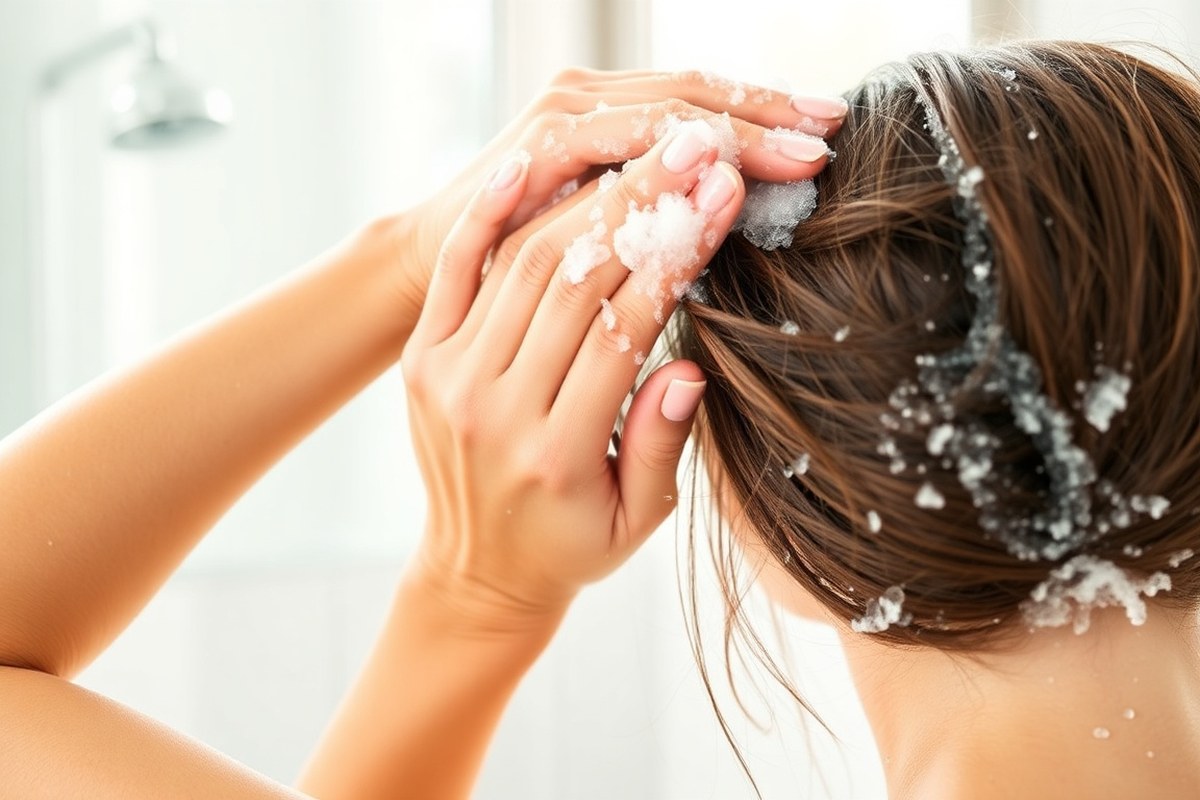
Applying shampoo right matters to keep hair from breaking. Use fingertips, not nails, to massage your scalp gently.
This boosts circulation without pulling on fragile hair. Spread the shampoo from roots to ends lightly, avoiding harsh scrubbing that can cause breakage.
Leaving shampoo on your scalp for about one to two minutes helps active ingredients work well. Rinse with lukewarm water thoroughly to remove buildup without stripping your scalp’s natural oils. Cold rinses can close cuticles, making hair appear smoother and less frizzy.
Follow this routine to keep your scalp healthy and boost hair volume with every wash:
- Wet your hair with warm water to open the cuticles.
- Apply a small amount of volumizing shampoo to your scalp and roots.
- Gently massage the shampoo with fingertips for about 1-2 minutes.
- Rinse thoroughly with lukewarm water to wash away residue.
- Apply conditioner only from mid-lengths to ends to avoid weighing roots.
- Leave the conditioner on for 2-3 minutes, then rinse well.
- Pat hair dry with a soft towel to prevent breakage.
- Style with a volumizing mousse if desired for extra lift.
How Scalp Health Influences Hair Thinning and Shampoo Choice
Dry scalp and dandruff can lead to hair thinning by irritating hair follicles. When your scalp flakes or feels tight, it disrupts the environment hair needs to grow. Shampoos that moisturize and gently exfoliate can reduce dryness and clear flakes to support healthier roots.
Inflammation on the scalp also harms hair growth. Shampoos with ingredients like ketoconazole or zinc pyrithione help calm this inflammation. These ingredients cut down redness and stop itching.
That helps your scalp stay healthy. A healthy scalp may slow down further thinning.
Proper scalp cleansing removes excess oil, dirt, and dead skin. This prevents clogged hair follicles, which can weaken or slow hair growth. Use shampoo often but avoid harsh types that strip oils.
Losing natural oils causes dryness. Dryness can make thinning worse.
Scalp-related thinning shows as constant itchiness or flaking beyond usual dandruff. You might also see red or swollen spots. Notice any of these signs?
Choose a shampoo made to treat those problems. Look for options labeled for sensitive or dandruff-prone scalps that moisturize and soothe.
Don’t scrub your scalp too hard; use gentle circular motions to avoid irritation. Excess friction can worsen thinning caused by scalp problems.
Choosing Shampoos by Hair Type and Texture
Shampoos for fine thinning hair should add volume without weighing hair down. Products like R+Co Dallas Biotin Thickening Shampoo work well. They contain biotin and protein boosters that help strengthen fragile strands and create a fuller look.
Thicker or coarse hair types need shampoos that hydrate without buildup. Look for formulas aimed at strengthening and moisturizing textured hair. Mielle Organics Rosemary Mint Strengthening Shampoo costs about $8.
It suits curly, coarse, or natural hair textures. This shampoo helps hair prone to breakage.
Curly thinning hair benefits from hydrating shampoos made for curls. These shampoos keep curls defined and bouncy. They avoid harsh sulfates.
Harsh sulfates can dry out scalp and hair. Many products work for 3B to 4C curl types, including gentle hydrating shampoos.
Oily scalp conditions require shampoos that balance oil without stripping. People with oily thinning hair should wash every 1 to 2 days, choosing lightweight, clarifying shampoos. A product that balances scalp oil keeps follicles healthier.
It also reduces buildup. Buildup can make hair loss worse.
Textured hair types usually need formulas with extra moisturizing ingredients and fewer harsh chemicals. These shampoos protect the natural pattern and softness to prevent breakage. Choosing one designed for textured hair can cut down on tangling and damaged strands.
Choosing the right shampoo means matching it to hair texture. You also consider your scalp condition. Both affect how well the shampoo works.
Fine hair needs volume to look full. Coarse hair needs moisture to stay soft. Curly hair needs hydration.
Oily hair needs oil control. Check ingredient lists and spend $8 to $20 for targeted benefits.
Using the wrong shampoo might leave you with greasy or dry hair. That can make thinning look worse by causing breakage or clogged roots. Follow a routine made for your hair type.
This keeps your scalp healthy. It also helps hair look fuller.
How to Read Shampoo Labels for Thinning Hair Benefits
Check the front label first for terms like sulfate-free and paraben-free. These indicate fewer harsh chemicals that can irritate your scalp or dry thin hair.
Sulfates clean well but may strip natural oils, which isn’t great for thinning hair. Parabens are preservatives some people avoid due to sensitivity concerns. Brands like Alcôve and Cake make sulfate-free shampoos.
These shampoos keep hair gentle and healthy. They are safe for frequent use.
Watch out for “volumizing” or “thickening” claims. These usually mean the shampoo has ingredients that add temporary fullness, like proteins or lightweight conditioners. This doesn’t grow new hair but helps hair look fuller immediately.
Ingredient lists matter. They show what the shampoo really contains and in what order. Ingredients are listed from highest to lowest concentration.
Look for beneficial elements like biotin, caffeine, or rice protein near the top. Avoid shampoos where harsh detergents appear first.
- Look for “sulfate-free” and “paraben-free” labels on the front
- Check for natural moisturizers like coconut oil or shea butter
- Ingredient order matters, top-listed ingredients have highest amounts
- Be cautious with “volumizing” as a mostly cosmetic effect
- Avoid shampoos listing strong detergents first, like sodium lauryl sulfate
- Protein additives like rice protein provide some plumpness to strands
Some shampoos focus on scalp health to help reduce shedding. Virtue Flourish aims here, supporting hair strength rather than just appearances.
Prices vary from $11 for some thickening shampoos to $34 for ones with natural extracts. Think about how often you’ll shampoo when choosing. Regular gentle use helps best without irritating your scalp or changing hair texture.
How Long It Takes to See Results Using Thinning Hair Shampoos
You need to use shampoo for thinning hair at least four weeks. Expect to see visible changes after six weeks of regular use. Be patient before judging results.
Hair growth cycles are slow, so thickening hair won’t happen overnight. Watch for less hair shedding during washing or combing.
This helps you track early progress with your shampoo. Keep an eye on these signs regularly.
Visible thickening might take three months or longer depending on your hair and scalp condition. Consider changing your routine if you see no change by 12 weeks. Try a different shampoo if needed to improve results.
Use products that hydrate your scalp and clear clogged follicles. Avoid shampoos with harsh ingredients that can harm your hair. This approach helps you get better outcomes.
Keep in mind that shampoos alone won’t reverse all thinning. They mainly improve scalp health and maintain what growth you have.
You might see shinier, more resilient hair as a sign of healthier follicles. But don’t expect thick hair to grow back quickly from shampoo alone.
Track scalp itchiness, hair strength, and shedding amounts carefully. These markers help you see how well your shampoo works. Take photos every few weeks to compare hair volume and scalp condition.
Softer scalp skin or less flakiness means the shampoo is working. You might see this before your hair looks thicker.
Allow six to eight weeks for a new shampoo to work. Avoid switching too soon to see true effects.
Common Mistakes When Using Shampoo for Thinning Hair
Washing thinning hair too often can strip away natural oils. This leaves hair dry and more likely to break. Aim to shampoo every two to three days unless your scalp feels extra oily or dirty.
Using the wrong shampoo risks irritating your scalp and worsening thinning. Harsh sulfates can dry out skin and hair strands.
Instead, pick a sulfate-free formula with gentle cleansers such as cocamidopropyl betaine. This keeps your scalp balanced and helps hair stay healthy.
Styling products that are harsh or oily also cause build-up and scalp problems. They make hair brittle and prone to fall out. Avoid heavy waxes and gels on thinning hair or wash them out thoroughly before shampooing.
Putting shampoo directly on your scalp and rubbing harshly can increase hair breakage. Always dilute shampoo with water in your hands first.
Then gently massage your scalp with your fingertips in a circular motion. Using nails or scrubbing roughly pulls out fragile hairs.
- Wash hair every 2-3 days unless scalp is very oily
- Choose sulfate-free shampoos with gentle cleansing agents
- Rinse styling products out completely before shampooing
- Always dilute shampoo in your hands before applying
- Use fingertips to massage scalp gently in circles
- Avoid harsh scrubbing or using nails on the scalp
Thinning hair needs mild care and patience. A balanced routine saves you from dryness and breakage. With gentle handling and the right products, your hair looks fuller and stronger over time.
Shampoo Options That Work Well with Other Thinning Hair Treatments
You can use anti-thinning shampoo with minoxidil safely. Choose shampoos without harsh sulfates or alcohol, which can dry your scalp and reduce minoxidil’s effectiveness. Choose gentle, moisturizing shampoos with ceramides or stemoxydine.
These help support scalp health with minoxidil. Avoid harsh ingredients that can dry your scalp.
Shampoos with soothing, hydrating agents help keep your scalp balanced. This supports the absorption and comfort of topical treatments like minoxidil or serums. Avoid shampoos that strip natural oils or cause irritation.
This can lead to scalp inflammation. Inflammation might slow down your hair growth progress.
Mixing shampoos with hair loss products usually poses low risk when you rinse thoroughly. However, applying minoxidil daily over a clean, dry scalp is important. Shampooing twice a week or every other day works for many.
Shampoo close to the time you apply minoxidil. This stops washing off minoxidil too soon. Avoid product buildup on your scalp by timing carefully.
To build a routine, start with washing your hair using a mild shampoo. Rinse well and gently towel-dry hair. Wait 20 to 30 minutes before applying minoxidil or serum.
So your scalp isn’t too wet. This helps your hair loss products absorb better and last longer.
Trim your hair carefully. Use gentle washing when you style your hair. Avoid leaving any residue on your scalp.
Residue can block hair follicles and reduce minoxidil’s effect. Keep styling minimal on treatment days to avoid extra buildup on your scalp. Use non-greasy, lightweight formulas for ease of washing.
Those using oral medications like oral minoxidil or finasteride do not need special shampoo changes. For them, focus on shampoos that maintain scalp health and hydration.
Scalp irritation can slow down visible results. So soothing ingredients matter more here than active growth boosters.
Remember, no shampoo replaces medical treatments for thinning hair. They help maintain scalp balance and volume but don’t regrow hair alone. Use shampoos as part of your daily hair care.
They should support your minoxidil or serum. Avoid products that interfere or compete with these treatments. This balanced approach improves your chances of seeing real progress.
Seasonal and Lifestyle Adjustments to Shampoo Routines
Your shampoo needs can shift with seasons, activity, and scalp changes. In summer, you might sweat more, which clogs hair follicles and makes oily scalp worse. Use a lighter, gentle shampoo about every other day.
It clears sweat and oil well. This keeps moisture in your hair.
Winter air tends to dry scalp and hair, leading to flakes and itchiness. Switch to a moisturizing shampoo twice a week. Look for soothing ingredients like aloe or glycerin.
These help ease dryness. You may want to shampoo less often to avoid extra scalp irritation during cold months.
Exercise raises sweat and oil levels. So rinsing hair daily or using a mild shampoo after workouts helps prevent buildup. Consider a clarifying shampoo once a week if you sweat a lot.
Avoid harsh shampoos that dry your scalp. They can make thinning worse. This is especially true if your scalp is sensitive.
Seasonal scalp changes like oiliness or flakiness call for adjusting shampoo formulas. For oily scalp, shampoos with tea tree oil or salicylic acid can control sebum production.
For dandruff or flakes, shampoos containing zinc pyrithione or ketoconazole are effective. Use these treatments no more than 2-3 times weekly to prevent over-drying.
Along with shampoo, managing stress and lifestyle boosts hair health. Get enough sleep, eat nutrient-rich foods, and reduce harsh styling or heat treatments.
These actions reduce hair shedding caused by stress or damage. Good scalp care also improves shampoo effectiveness by keeping follicles clear and skin balanced.
Switch shampoos gradually over a week. Sudden changes can irritate your scalp or cause flaking.
Changing shampoo frequency and type costs little but requires attention to how your scalp feels. Watching for signs like increased dryness, itchiness, or oiliness helps you adjust properly.
Overwashing or harsh formulas can damage fragile hair. So tuning your routine seasonally makes your efforts pay off with fuller look and healthier scalp.
When to See a Dermatologist About Thinning Hair Problems
When thinning hair doesn’t improve with regular shampoo care, seeing a dermatologist can help. Some signs mean you need a professional evaluation to find the cause and get better treatment. A dermatologist can also recommend prescription products or stronger shampoos for your scalp condition.
Warning Signs for Professional Help
Notice if your hair is falling out in clumps or creating large bald spots. These signs suggest more than natural thinning and need a doctor’s review. Sudden hair loss or patches that keep growing worse also require attention.
Here’s a checklist of symptoms that mean you should see a dermatologist soon:
- Rapid hair shedding or clumps in your brush or shower drain
- Visible bald patches or scalp areas with little to no hair
- Itchy, irritated, or inflamed scalp
- Scalp pain, bumps, or sores
- Brittle hair breaking easily
- Hair thinning linked to scalp redness or dandruff
- Family history of hair loss with early onset
Ignoring these signs can let conditions worsen or delay the right treatment.
Common Scalp Conditions to Diagnose
Some scalp problems cause thinning hair and need prescription care. A dermatologist looks for infections, inflammation, or autoimmune issues that can harm hair growth. These include seborrheic dermatitis, psoriasis, and alopecia areata.
Each condition might need special shampoos or treatments beyond what regular products offer. For example, fungal infections require medicated shampoos while inflammation might need cortisone injections. Proper diagnosis helps avoid worsening the problem.
What to Expect at the Dermatologist
Your doctor will examine your scalp closely and ask about your hair loss history. They may order blood tests to check for nutritional gaps or hormonal imbalances. Sometimes, a scalp biopsy is needed to see hair follicle health under a microscope.
Expect recommendations tailored to your diagnosis. These could include a prescription shampoo loaded with ingredients that soothe and strengthen the scalp. Your dermatologist might also add topical medications to slow hair loss.
They could suggest oral treatments or scalp injections as well. These help reduce hair loss over time.
Costs vary widely. A dermatologist visit typically costs $100-$300 without insurance.
Prescription shampoos and treatments can range from $20 to several hundred dollars, depending on the plan. Follow-up visits help track your progress, usually spaced a few months apart to see visible results.
Step-by-Step Action Plan for Using Shampoo on Thinning Hair
Follow this plan to pick and use the right shampoo for thinning hair effectively. Watch your scalp and hair closely to see how they respond.
- Before you start: Choose a shampoo suited to your hair type and scalp needs. Check for key ingredients like biotin or caffeine to support hair thickness.
- Day 1: Use the shampoo as directed, focusing on gently massaging the scalp. Notice how your scalp feels, comfortable, not itchy or dry.
- Week 1: Wash your hair 2 to 3 times weekly. Use your chosen shampoo every time. Avoid washing more than three times a week. Observe if your hair feels cleaner without extra oil or flakes.
- Weeks 2 to 4: Look for less redness on your scalp. Notice if dryness starts to fade. These show your scalp is improving. Stop using the shampoo if your scalp gets irritated. Try a different shampoo or see a dermatologist.
- After 1 month: Evaluate hair volume and strength under normal light. Look for less hair breakage and slightly fuller strands.
- 2 months: Continue using the shampoo regularly. Try a new shampoo if you don’t see any improvement. Choose one with different good ingredients for your scalp.
- Every 3 to 6 months: Change your shampoo to match the season. Check your scalp’s needs and any other treatments. Adjust as needed for best results.
Frequently Asked Questions
Which Routine Shampoo Is Safest for Sensitive Scalps with Thinning Hair?
Look for shampoos with soothing ingredients like aloe vera or chamomile. They calm irritation and protect sensitive scalps while addressing thinning hair. Avoid harsh sulfates that can cause dryness or itching.
Can Shampoo Alone Stop or Reverse Hair Thinning?
Shampoo can improve scalp health and reduce breakage but won’t fully stop thinning. For better results, combine shampoo with treatments like minoxidil or healthy lifestyle changes.
How Often Should I Shampoo If I Have Thinning Hair?
Shampooing 2 to 3 times a week usually works well. Overwashing can dry the scalp and hair, worsening thinning signs. Adjust based on your scalp’s oiliness and hair texture.
Is It Okay to Switch Shampoos Frequently When Dealing with Thinning Hair?
Switching shampoos too often can stress your scalp and hair. Give each shampoo at least 4 to 6 weeks to see results before changing products.
Are Shampoos with Biotin Effective for Thinning Hair?
Biotin shampoos can support hair strength but won’t stop hair loss alone. They work best as part of a shampoo with other active ingredients for thinning hair.
Can Using Shampoo Daily Help Treat Hair Thinning Faster?
Daily shampooing may irritate your scalp and strip oils. Use a gentle shampoo two to three times a week.
It helps keep your scalp healthy. This routine also cleans your hair gently.
Key Points to Remember
Picking the best shampoo means matching it to your hair and scalp condition carefully. Start with a clear plan and give it time to show results. Feel your scalp carefully every time you wash.
Notice any changes early to avoid problems. This helps keep your scalp healthy.