What Is Keratin Treatment? Complete Guide on Results, Safety & Cost
What is keratin treatment? It’s a salon process that smooths and straightens your hair.
The treatment adds protein to your hair and uses heat to seal it in. This can keep your hair looking sleek and frizz-free for up to six months.
You should avoid washing your hair for two to three days after the treatment. This helps the keratin set properly and last longer. Using sulfate-free shampoo after that also protects the treatment and keeps your hair smooth.
Keratin treatments can be costly, usually around $300. But some salons charge up to $600.
The time spent is typically one to three hours depending on your hair length. Planning ahead for the appointment and aftercare is important to get the best results.
Key Takeaways
- A keratin treatment infuses protein and uses heat to reduce frizz and straighten hair.
- Wait at least 48 to 72 hours before washing your hair after treatment.
- Use sulfate-free shampoos to help maintain the keratin effect longer.
- The treatment usually lasts between 3 and 6 months, depending on care.
- Avoid tying your hair up immediately after treatment to prevent creases.
- The cost ranges from $300 to $600 depending on your salon and location.
What Is a Keratin Treatment and How Does It Work?

A keratin treatment is a salon process that smooths and strengthens hair. It adds keratin, a natural protein found in hair, skin, and nails.
This protein helps reduce frizz and makes hair easier to manage. It also cuts down on breakage and split ends.
The treatment involves applying a chemical mixture with keratin to your hair. A stylist uses heat to seal it into your hair.
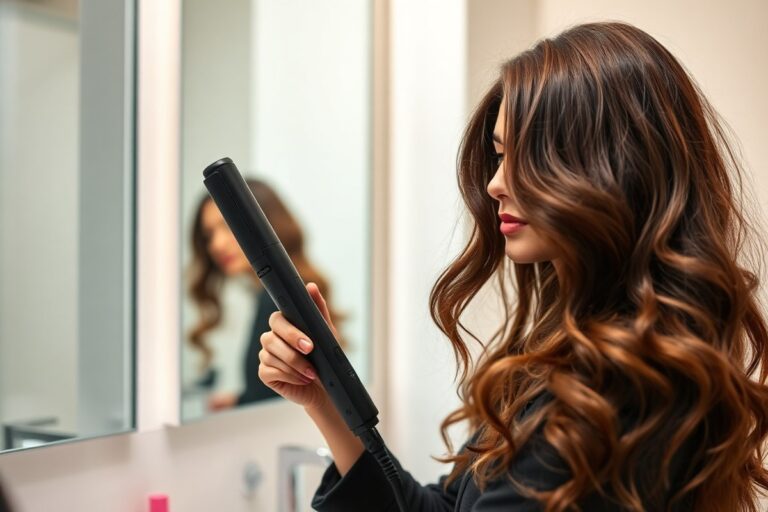
This heat usually comes from a flat iron. The iron is set between 350°F and 450°F. This locks the protein into your hair shaft and smooths the outer layer called the cuticle.
By smoothing the cuticle, keratin treatments protect hair from humidity and moisture that cause puffiness. The result is straighter, shinier hair that looks healthier and feels softer. These effects can last up to six months on your hair.
Avoid washing your hair too often during this time. Stick to specific aftercare for best results.
Step-by-Step Keratin Treatment Process Explained

The keratin treatment starts with cleansing your hair thoroughly. Then, the stylist applies a keratin formula. Next, heat seals the product using a blow-dryer and flat iron.
It takes about two to three hours total, depending on your hair type and length. Heat is key to locking in the smoothing effect and shaping the hair.
Deep Cleansing and Preparation
The first step cleans your hair to remove buildup, oil, and dirt. Stylist uses a clarifying shampoo that preps your hair to absorb keratin better. This step usually takes about 10 to 15 minutes including rinsing and towel drying.
Not washing well can block keratin from bonding properly, causing uneven results. Prepping also helps protect your scalp from irritation during the treatment.
Application of Keratin Formula
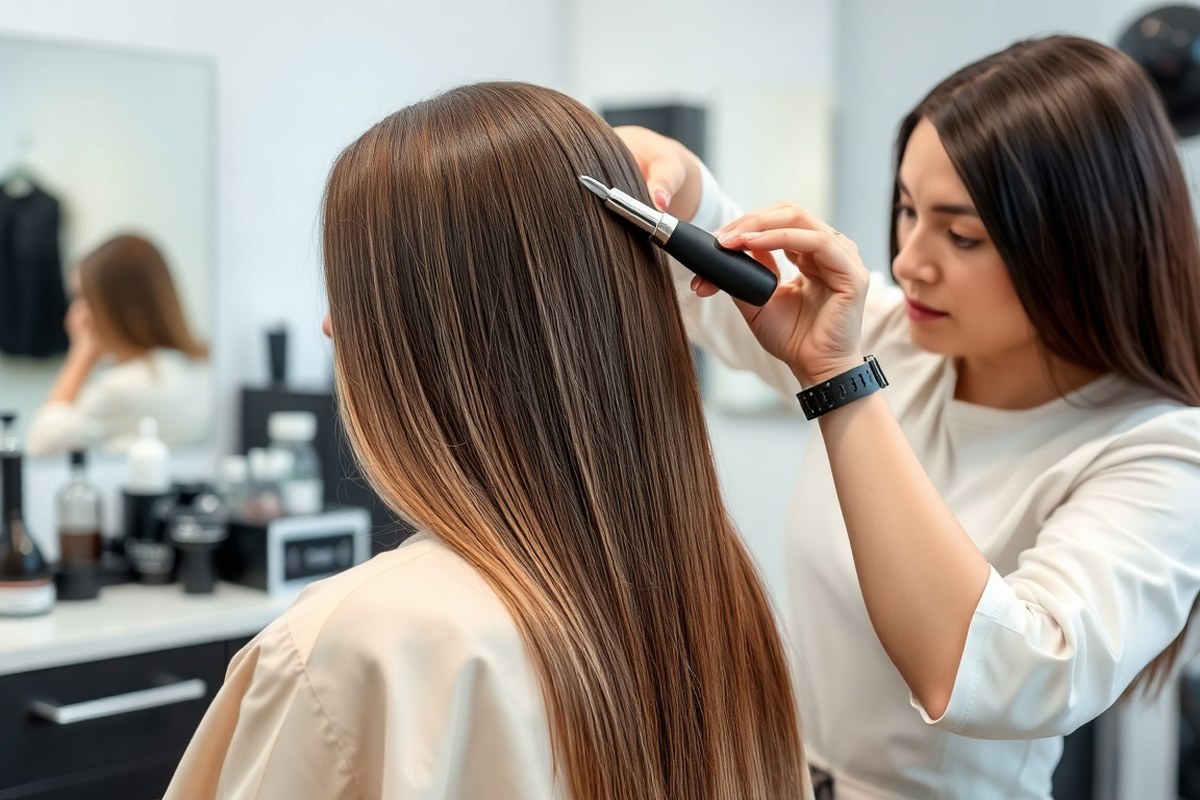
After drying, the stylist sections your hair for even product coverage. They apply a keratin-based solution strand by strand with a brush or comb. This coats the hair, filling damage and smoothing the cuticles.
The application generally takes 20 to 40 minutes depending on your hair’s thickness and length. The product sits on your hair to penetrate fully before heat sealing begins.
Heat Sealing with Blow-Dry and Flat Iron
Your hair is blow-dried straight to activate the keratin inside. Then, a flat iron heats between 375°F and 450°F to seal the treatment into the strands. The stylist irons your hair several times, usually 5 to 7 passes from scalp to ends.
This heating step takes 30 to 45 minutes and is important. The heat bonds keratin into the hair proteins, locking in smoothness and shine. Too little heat leaves the treatment loose; too much heat risks damage or breakage.
Processing and Resting Time
After flat ironing, your hair rests for a short period, sometimes 15 to 30 minutes. This time lets the keratin set inside your hair fiber fully. The stylist might finish with a final blow-out for a sleek look.
During the resting phase, avoid touching your hair or wetting it. Proper processing time affects how long your treatment will last.
Usually, it lasts 3 to 5 months. Good care helps it stay that way.
Here’s a clear step-by-step rundown of a professional keratin treatment:
- Shampoo hair with clarifying shampoo to deep cleanse.
- Towel dry hair until damp but not dripping.
- Section hair into manageable parts for even application.
- Brush keratin formula evenly onto each strand.
- Let the product absorb for about 20 to 40 minutes.
- Blow-dry hair straight to activate the product.
- Use a flat iron heated between 375°F and 450°F, straightening each section 5 to 7 times.
- Allow hair to rest 15 to 30 minutes before final styling.
Do not skip the flat iron step. It ensures keratin bonds properly and keeps hair smooth longer.
How Long Does a Keratin Treatment Last and What Affects Its Duration?
A keratin treatment usually lasts between three and six months. How long it lasts depends on your hair type. Your care routine also matters.
The treatment type affects how long results stay. Treatments in bigger cities often last longer but cost more, sometimes $500 to $600.
Several factors affect how long the treatment lasts. Washing your hair too often or using harsh shampoos with sulfates will make it fade quicker. Using gentle, sulfate-free shampoos and avoiding saltwater or chlorine can help keep your hair smooth longer.
The treatment time in the salon is typically two to four hours. You should plan to repeat the treatment every three to six months to maintain smoothness. At-home keratin kits usually last about a week.
They don’t work as deep in the hair. Salon treatments last longer because they penetrate better.
Benefits and Possible Risks of Keratin Hair Treatments
A keratin treatment smooths frizz, boosts shine, and makes hair easier to style. This treatment lasts for several months.
Your hair stays smooth through weather and daily wear. It’s especially helpful for thick, curly, or wavy hair, turning wild strands into manageable, glossy locks.
Not everyone should get a keratin treatment, though. Your hair might get damaged if it’s very thin or brittle.
These treatments can cause breakage. The best candidates have strong hair that needs taming rather than repair.
Safety is a big topic with keratin treatments because some contain formaldehyde. This chemical opens the hair cuticle to help keratin soak in.
It might release fumes when heated. These fumes may cause eye irritation, coughing, and sore throats during the salon process.
The CDC lists typical side effects of formaldehyde exposure, including nosebleeds and scratchy eyes. Salon workers have higher risks because of repeated exposure.
Ask for a formaldehyde-free treatment to lower health risks. This option reduces potential problems.
Most professional stylists use safer formulas now that offer smoothing benefits without harsh chemicals. These alternatives won’t straighten hair as dramatically but still reduce frizz and add shine. Using sulfate-free shampoos and limiting washing help keep results longer and hair healthier.
Keep hair dry for three days after treatment. Avoid ponytails to lock in keratin.
Repeated heat styling and frequent washing can shorten the treatment’s life. Planning your hair care around these rules helps the treatment last and protects hair integrity.
Consider the cost and your hair’s condition before booking a keratin treatment. Prices range widely, often between $150 and $300 depending on salon and formula.
Check the ingredient list carefully. Choose a salon known for good results and safety.
Comparing Keratin Treatments and Other Hair Straightening Methods
Keratin treatments smooth hair and reduce frizz without fully breaking hair bonds. Chemical relaxers break and reshape bonds permanently, leaving a sharp grow-out line. Japanese straightening uses chemicals to permanently change your hair’s shape.
Heat locks the hair straight. This look can last several months with a sharp finish.
Each method works differently. So your hair type and desired result guide the best choice.
Keratin treatments suit many hair types, especially frizzy or wavy textures. Brazilian blowouts are another keratin type. But with more chemicals like formaldehyde, so they seal hair differently.
Japanese straightening fits very curly or coarse hair best, aiming for pin-straight results. Chemical relaxers work best on tight curls and coarse hair.
They need careful application to avoid damage. Using them incorrectly can cause serious hair problems.
| Method | How It Works | Result | Suitability | Duration | Common Drawbacks |
|---|---|---|---|---|---|
| Keratin Treatment | Smooths, softens hair, semi-permanent bond altering | Frizz reduction, softer texture, natural straightening | Most hair types, especially frizzy, wavy | 2-4 months | Possible damage, requires aftercare, less straightening |
| Brazilian Blowout | Chemical smoothing with formaldehyde derivatives | Sleek, shiny, frizz-free hair | Frizzy to wavy hair | 3 months | Strong chemicals, sensitive scalp risk |
| Chemical Relaxer | Breaks hair bonds permanently | Very straight hair, permanent until regrowth | Tightly curled, coarse hair | 6-8 weeks (until regrowth) | Hair damage risk, demarcation line visible |
| Japanese Straightening | Chemical and heat restructuring bonds | Completely straight, glassy finish | Coarse, curly hair needing pin-straight hair | 6 months | High chemical use, requires frequent touch-ups |
Choosing between these depends on what you want from your hair. Keratin treatments give smoother, softer hair with less harsh chemicals.
Chemical relaxers or Japanese straightening deliver very straight hair but can cause damage over time. Consult a skilled stylist to see which fits your hair’s health and look.
Wait 72 hours before washing your hair after a keratin treatment. Washing too soon can wash out the treatment. This step is key to keeping results longer.
After any chemical or heat treatment, using sulfate-free shampoos helps keep your hair from drying out. Avoid swimming in salt or chlorinated water right away to protect your investment. Each method requires you to follow specific care routines for the best results and less damage.
Keratin Treatment Aftercare: Tips to Maintain and Extend Results
After a keratin treatment, proper care will keep your hair smooth and help it last longer. Avoid washing or wetting your hair for a few days.
Use gentle products without harsh chemicals. Follow specific styling and environmental tips to protect your hair’s new shine and feel.
Waiting Period Before First Wash
Do not wash your hair for at least three days after the treatment. Avoid any moisture like sweat, rain, or humidity during this time. This waiting period lets the keratin fully bond to your hair strands, locking in the smoothness.
Also, avoid tying your hair or using clips or hair ties during these days. This prevents unwanted creases or marks that can affect the sleek finish. Treat your hair gently until the treatment sets well.
Recommended Shampoos and Conditioners
Choose sulfate-free shampoos and conditioners to extend your keratin treatment. Sulfates can strip away the keratin coating and shorten the treatment’s life. Look for products labeled “sulfate-free” and avoid those with strong detergents or alcohol.
Keratin-infused products are good for maintaining smoothness between salon visits. These add extra protein and moisture to help keep frizz down. However, use these products sparingly to avoid buildup that may weigh hair down.
Styling Do’s and Don’ts
Use low to medium heat on your flat iron or hair dryer. High heat can damage your treated hair. Keep heat settings moderate to protect your hair.
High heat can break down keratin faster and cause dryness. Air drying or using a microfiber towel to gently blot your hair works well.
Don’t tie your hair too tightly, especially in the first 2 to 3 days. Tight ponytails or buns can leave dents on your smooth hair. Avoid new chemical treatments or coloring after your keratin treatment.
Wait until your keratin treatment fully settles. This usually takes a few weeks.
Environmental Precautions
Protect your hair from chlorine and salt water by wearing a swim cap. If you swim without one, rinse your hair right after. This helps keep your hair healthy.
These waters can strip keratin and dry your hair. Avoid excessive sun exposure which may cause fading or damage to treated hair.
Wash your hair only two or three times a week to maintain good results. Daily washing can strip your keratin treatment. Limiting washing helps your hair hold the treatment longer.
Washing too often strips the keratin faster. Using gentle, keratin-safe styling products will keep hair soft and manageable longer.
- Wait three days without washing or wetting your hair
- Use sulfate-free, gentle shampoos and conditioners
- Apply keratin-infused products lightly to maintain moisture
- Use low heat settings on styling tools
- Avoid tight hairstyles, especially in the first few days
- Wear a swim cap or rinse after chlorine exposure
- Limit hair washing to a few times per week
Cost Factors and Choosing the Right Keratin Treatment for You
Keratin treatments vary widely in cost depending on where you get them and the products used. A professional treatment at a salon generally runs between $150 and $400. This price covers consulting, application, and precise heat styling that locks in the smoothing effect.
You can also buy at-home kits costing around $40 to $100. These kits have formulas strong enough to smooth hair and add shine.
They usually don’t last as long as professional services. They also give less gloss than pro treatments.
| Keratin Treatment Type | Price Range | Typical Features | Best For |
|---|---|---|---|
| Professional Salon Treatment | $150 – $400 | High-quality formula, expert application, longer-lasting | Severe frizz or damage, longer-lasting results |
| At-Home Keratin Kit | $40 – $100 | Ready-to-use, less potent, shorter effect | Budget-friendly, minor smoothing, first-timers |
| Formaldehyde-Free Professional | $180 – $350 | Less harsh chemicals, safer fumes, gentle smoothing | Sensitive scalp, chemical concerns |
| Formaldehyde-Free At-Home Kits | $50 – $120 | Safer ingredients, moderate smoothing | Health-conscious users, mild frizz control |
The glue holding these treatments together is the keratin protein and sometimes formaldehyde or alternatives. Formaldehyde-free treatments are rising in demand.
They reduce health risks for your scalp and salon air. These options still smooth hair well without the strong chemical smell or irritation.
Choosing between pro and at-home depends on your hair needs and budget. Professionals give thorough consultations and tailor the process to your hair type. They’re better if your hair is very damaged or frizzy.
At-home kits save money and let you try smoothing treatments yourself. But they need careful reading of instructions and testing on small sections first.
Common Mistakes with Keratin Treatments and How to Avoid Them
A few common mistakes can reduce how well your keratin treatment works. Washing too soon, using the wrong products, or poor flat ironing often cause problems. Following proper steps can keep your hair smooth and shiny longer.
Washing Hair Too Soon or Too Often
Waiting two to three days before washing your hair is important. Washing too early washes away the treatment before it sets. Even after this wait, frequent washing shortens the treatment’s lifespan.
Use lukewarm water when you wash, not hot water. This helps preserve the keratin coating on your hair strands. Also, you should limit shampooing to two or three times a week for longer results.
Using Sulfate Shampoos or Harsh Products
Sulfate shampoos and products with strong chemicals strip away keratin quickly. These ingredients create dryness and dullness, undoing the treatment effects. Choose products labeled “sulfate-free” and gentle on treated hair.
Heavy conditioners with oils or silicone can build up and weigh down your hair. Use lightweight formulas designed for keratin-treated hair instead. Avoid products with alcohol or drying chemicals, which can dry your scalp and strands.
Incorrect Heat Application During Treatment
The flat iron seals the treatment and sets your sleek hair shape. Using the wrong temperature risks damaged or uneven results.
Your stylist should use a flat iron between 390°F and 450°F. The exact heat depends on your hair type. Using the right temperature helps protect your hair.
High heat is needed for thicker or coarse hair but can damage fine or fragile hair. Your stylist should adjust the iron heat accordingly. Passing the iron over each section too slowly can overheat and cause dryness or breakage.
Ignoring Stylist Advice and Aftercare Instructions
Your stylist gives specific post-treatment care tips for a reason. Ignoring them can lead to faster fading or rough hair. This includes avoiding tying your hair tightly or using clips that crease the straightened hair.
Cutting your hair before the treatment helps reduce split ends and improves the look. Skipping this can make damaged ends look worse after treatment. Follow your stylist’s schedule for trims and maintenance treatments.
Always follow your stylist’s instructions carefully to extend your keratin treatment.
- Don’t wash hair for 48-72 hours post-treatment
- Use sulfate-free shampoos and mild conditioners
- Flat iron should be hot enough but not too hot (390°-450°F)
- Adjust heat for your hair type: lower for fine hair
- Avoid tight hair ties or clips for the first week
- Trim hair before treatment to reduce visible split ends
- Follow your stylist’s aftercare tips consistently
Your Quick-Start Plan for Keratin Treatment Success
Follow these simple steps to get the best results from your keratin treatment. Stick to this routine to keep your hair smooth and shiny.
- Before your appointment: Avoid washing your hair for 2-3 days before. Dry hair helps the keratin bond better.
- Day of treatment: Arrive with dry, clean hair as directed. You’ll leave with a protective layer sealing the keratin in.
- First 72 hours after: Don’t wash or tie back your hair. This helps the treatment fully set and prevents lines.
- First week: Use only sulfate-free shampoos and conditioners. This keeps the treatment from washing out early.
- After 2 weeks: Avoid chlorine and salt water exposure. They can weaken the keratin bonds and shorten your results.
- Every 3 months: Consider a touch-up treatment. It restores smoothness and extends the life of the keratin effect.
- Ongoing: Use deep conditioning masks weekly. Healthy hair holds keratin better and looks shinier.
Frequently Asked Questions
What Is a Keratin Treatment?
A keratin treatment is a salon process that smooths and straightens hair using protein and heat. It lasts up to six months and reduces frizz while adding shine.
How Does the Keratin Treatment Process Work?
The process applies keratin protein to hair, then seals it with heat using a flat iron. This strengthens hair cuticles and smooths the texture.
How Long Does a Keratin Treatment Typically Last?
It usually lasts between three to six months depending on hair care and washing frequency. Avoiding sulfates can help extend the results.
What Are the Benefits and Risks of Keratin Treatments?
Benefits include smoother, shinier hair and easier styling. Risks may involve chemical exposure or altered curl patterns. Follow salon advice carefully.
How Does a Keratin Treatment Compare to Other Hair Straightening Methods?
Unlike permanent straightening, keratin treatments are semi-permanent and less damaging. They improve hair texture without fully relaxing curls.
What Aftercare Is Necessary After a Keratin Treatment?
Avoid washing or wetting hair for 72 hours and don’t tie it back. Use sulfate-free products to maintain the treatment longer.
Before You Go
Keratin treatments smooth and strengthen hair by sealing in protein. Protect the treatment with proper care to enjoy long-lasting shine. Book your appointment with a trusted stylist to get started safely.