How to Hydrate Hair: A Complete Guide with 8 Proven Steps for Healthy Locks
How to hydrate hair starts with adding moisture back to dry, dull strands. The best way is to use products that hydrate your hair. Look for ones that soak up water and lock it in.
This helps keep your hair moist longer. You want to balance hydration with nourishment to avoid buildup or extra oiliness.
First, wash your hair with a gentle shampoo that doesn’t strip natural oils. Follow with a conditioner or mask rich in moisturizing ingredients like omega-3s or peptides. These ingredients help smooth the cuticle and keep hair feeling soft for days.
Use oils, like coconut or hemp, to seal moisture in, but don’t overdo it. Put a small amount on damp hair. Let it sit for 20 to 30 minutes.
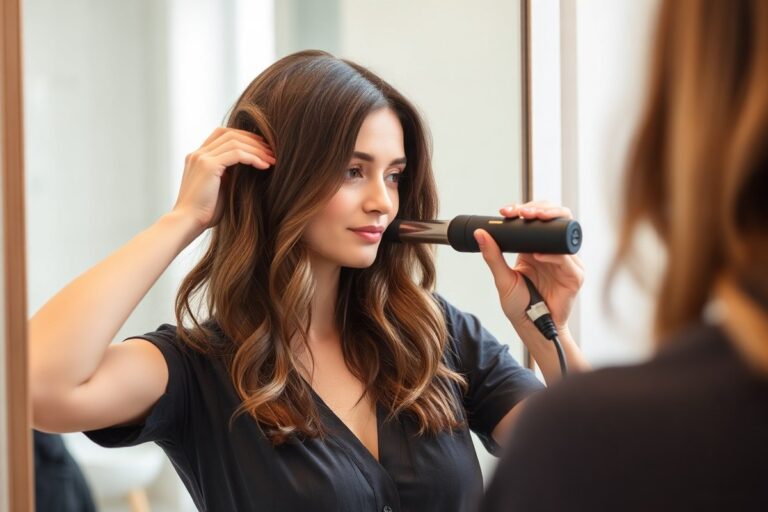
Then wash it out with shampoo. Keeping heat styling low and using UV protection on sunny days also prevents moisture loss.
Key Takeaways
- Start hydrating hair by washing with a gentle, moisturizing shampoo.
- Use conditioners or masks rich in omega-3 fatty acids and peptides.
- Apply coconut or hemp oil for 20 to 30 minutes to lock in moisture.
- Keep heat tools at least 6 inches from hair to avoid drying out strands.
- Use leave-in sprays with UV protection to prevent sun damage.
- Trim hair every 6 to 8 weeks to stop damage from spreading.
1. What Does It Mean to Hydrate Hair Properly?

Hydrating hair means adding water directly inside the hair shaft, known as the cortex. This water keeps the inside of your hair flexible and healthy. Without enough hydration, strands become brittle and prone to breakage.
Hydration differs from moisturizing, which focuses on the outer layer of your hair. Moisturizers contain oils and emollients that smooth the surface and lock in water. Hydrating products use humectants like glycerin to pull and hold moisture inside the hair shaft.
Water inside the hair shaft is important because it maintains strength and elasticity. Heat styling tools can get hotter than 400 degrees Fahrenheit. This high heat boils away hair’s moisture.
It makes your hair weak and fragile. Using hydrating shampoos and treatments helps replenish this lost water.
Drinking water alone won’t hydrate your hair. Products with shea butter or aloe vera add moisture well. They work where your hair most needs it.
These ingredients help hydrate dry hair. These products enter the hair shaft to hold water.
They lock in moisture using oils or special films. This helps your hair stay hydrated longer.
Different hair types need different hydration methods. Fine hair benefits from lightweight products with hyaluronic acid or glycerin to avoid heaviness.
Curly hair usually needs more intense hydration. So products with richer oils can help keep curls soft and bouncy.
Start hydrating your hair by washing with a hydrating shampoo to clean without stripping natural oils. Follow with a conditioner or mask that seals in moisture. Finish with a leave-in treatment or hydrating mist during the day for a lasting boost.
Using oil on dry hair cannot add hydration but only traps dryness inside. To keep hair hydrated longer, avoid damage from sun, hot water, and harsh chemicals. Regular trims also prevent dried-out ends from worsening the problem.
2. How to Identify If Your Hair Is Dehydrated or Damaged
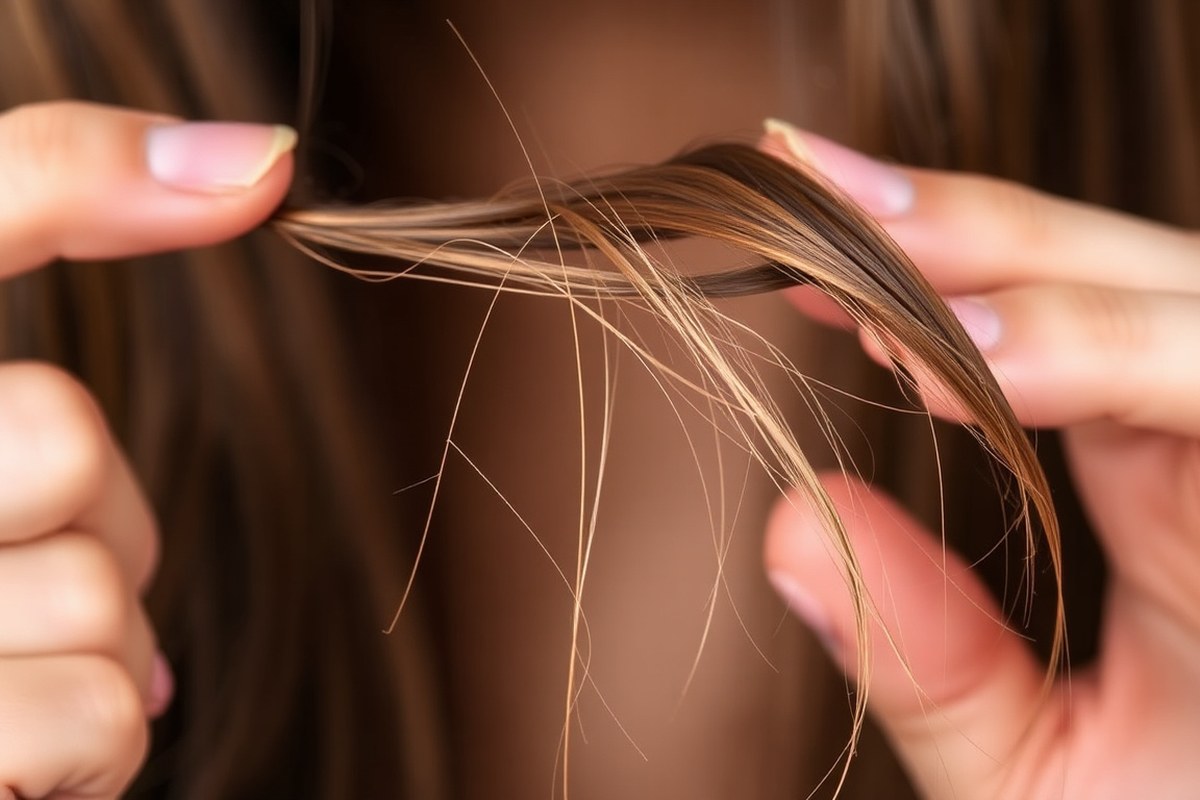
Dehydrated hair looks dull, feels brittle, and tangles easily. Running your fingers through it might reveal rough, straw-like strands.
Unlike dry hair, dehydration means your hair lacks water, not just oil. So it feels lifeless and lacks bounce.
Damaged hair shows signs like split ends, breakage, and rough cuticles. It often feels weak because the hair’s structure is physically harmed.
Dehydrated hair can lead to damage if ignored. But damaged hair means your strands need repair, not just moisture.
- Dullness and lack of natural shine on strands
- Hair feels rough or straw-like to the touch
- More tangles and frizz, especially in curls
- Brittle strands that snap easily
- Reduced stretch or elasticity when pulled gently
- Visible split ends and breakage for damaged hair
- Greasy scalp with dry ends may signal imbalance
Check your hair’s elasticity by stretching a small strand gently. Hydrated hair should stretch slightly without snapping. If it breaks easily, it’s dehydrated or damaged.
You can also observe hair’s shine in natural light. Dull hair often needs extra hydration.
Overwashing hair without adding moisture can worsen dehydration. So limit shampooing to about two or three times weekly.
Curly hair shows dehydration more, as oils struggle to reach tips. Feel for dryness along the hair shaft and ends. Unlike dry hair, dehydrated hair looks lifeless.
Damaged hair feels weaker and is broken. This helps you pick the right care steps.
3. Top Causes of Hair Dehydration and How They Affect Your Strands
Hair loses moisture mostly due to heat styling and washing habits. Environmental exposure and the products you use also cause dryness. These factors make your hair dry and damaged over time.
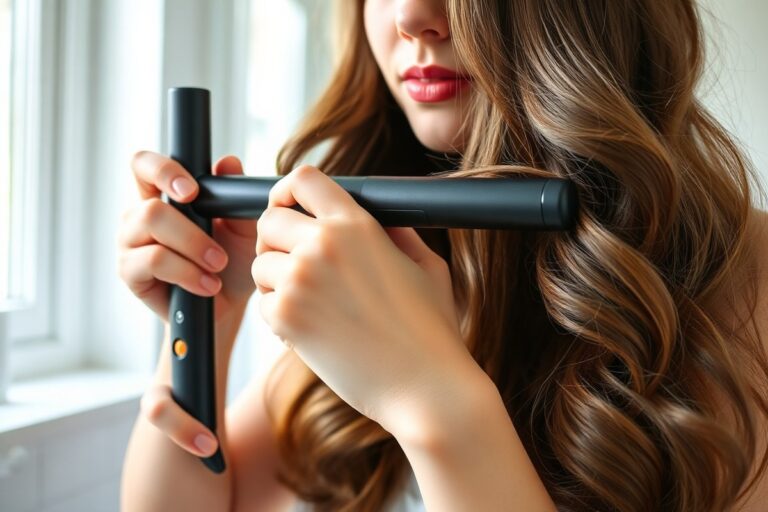
Heat from tools like curling irons breaks down hair proteins and draws out moisture. Hot showers and central heating also gradually dry out your strands.
How often you wash your hair affects moisture levels too. Washing hair daily can strip natural oils that protect and hydrate your scalp and strands. Washing your hair 2 to 3 times weekly helps protect oils.
Use a gentle shampoo without sulfates to keep oils safe. This routine stops your hair from drying out too much.
Environmental factors like sun exposure, wind, and swimming in chlorinated water pull moisture from hair. Chemical treatments such as coloring or relaxing can damage the hair’s protective layer. In all cases, the hair loses its ability to stay soft and shiny without proper moisture.
- Minimize heat styling and always use a heat protectant spray or serum.
- Limit washing to 2-3 times weekly with sulfate-free shampoos that won’t strip oils.
- Avoid hot showers; use lukewarm water to prevent drying out your scalp and hair.
- Protect hair from sun exposure by wearing hats or using UV-protectant products.
- Rinse hair after swimming in chlorinated water and use moisturizing treatments.
- Choose hair products formulated for hydration to lock in moisture.
Heat protectants create a barrier between your hair and the high temperatures of styling tools. This shield helps stop moisture loss and protects your color and strands. Styling without this barrier often leaves hair brittle and dull over time.
Changing how often you wash your hair and picking gentler products can improve moisture quickly. Noticing softer, shinier strands means your hair retains hydration better. Ignoring these factors might cause dryness, breakage, and frizz despite using hydrating products.
4. Choosing the Right Products: Shampoos, Conditioners, and Treatments That Hydrate
Choose shampoos, conditioners, and treatments with the right ingredients to hydrate hair well. Use moisturizing shampoos with gentle cleansers so your hair stays soft, not stripped. Deep conditioning masks add intense moisture once a week, while leave-in conditioners hydrate daily.
Hydrating Shampoo Ingredients Explained
Shampoos designed to hydrate hair have ingredients that attract and hold moisture. Glycerin is common because it pulls water into the hair shaft. Oils like coconut oil and butters like shea butter soften and nourish without weighing hair down.
Look for shampoos labelled moisturizing or hydrating instead of those made for volume or oil control. A gentle formula cleans hair without stripping natural oils, helping keep moisture locked in after washing.
Conditioners, Masks, and Leave-Ins: When to Use Each
Conditioners smooth and soften hair after shampooing, sealing moisture in the cuticle. Use a daily conditioner made for your hair type.
Richer creams work best for dry or curly hair. Choose a cream that feels good on your strands.
Deep conditioning masks provide a weekly hydration boost by delivering oils and proteins deeply. Leave-in conditioners work throughout the day to maintain moisture and protect strands from drying effects.
Don’t overuse rich products; fine or low-porosity hair may feel limp or heavy. Adjust how often you use masks or leave-ins based on your hair’s needs and weather conditions.
Oils That Seal Moisture Effectively
Oils help seal moisture in hair, reducing dryness and frizz. Coconut oil and shea butter help seal moisture.
Use them sparingly to avoid excess weight. Focus on your dry ends, not the roots.
Lightweight oils are best if your hair easily gets oily or weighed down. Put a small amount of product on damp or dry hair.
Avoid the roots to stop buildup. Do this right after washing your hair.
Here’s a quick reference table of how these products and ingredients work together to hydrate hair:
| Product | Main Purpose | Key Ingredients | Usage Frequency |
|---|---|---|---|
| Hydrating Shampoo | Cleanse without stripping moisture | Glycerin, coconut oil, shea butter | With every wash |
| Conditioner | Seal moisture post-wash, soften hair | Shea butter, lightweight oils | Every wash |
| Deep Conditioning Mask | Intense hydration and repair | Rich oils, proteins | Once a week |
| Leave-in Conditioner | Ongoing hydration and protection | Water-based hydrators, light emollients | Daily |
| Sealing Oils | Lock in moisture, smooth ends | Coconut oil, shea butter, light oils | After washing, as needed |
Combine these products wisely based on your hair type and climate changes. Start with just a basic shampoo and conditioner, then add masks and oils as needed. Gradually, your hair’s texture and moisture levels should improve noticeably within a few weeks.
5. Step-by-Step Hydration Routine for Different Hair Types
Hydration routines change based on your hair’s texture and needs. Fine hair needs light products used often but sparingly. Thick or curly hair benefits from richer treatments less frequently.
Aging or damaged hair calls for gentle, nourishing care to rebuild moisture. Follow these steps to match hydration to your hair type.
Hydrating Fine Hair Without Weighing It Down
Fine hair can get oily quickly, so use small amounts of conditioner on washes. Avoid heavy oils or rich masks that weigh hair down. You want to refresh moisture without greasiness.
- Wash gently with a mild shampoo every 2-3 days to prevent buildup.
- Apply a light conditioner focusing on mid-lengths and ends.
- Rinse with cool water to close your hair cuticles and lock in moisture.
- Use a lightweight leave-in spray or serum to add hydration without heaviness.
- Apply a weekly hydrating mask but in a very small amount to avoid overload.
- Air dry or use a blow dryer on low heat, keeping it 6 inches from hair.
Avoid over-conditioning fine hair since it can look limp and greasy fast.
Intense Hydration Routine for Thick and Coily Hair
Thick, curly, or coily hair tends to be dry and brittle. It needs richer, deeply moisturizing products and less frequent washing to maintain natural oils. Focus on sealing hydration with oils or butters.
- Wash hair once or twice weekly with a sulfate-free, moisturizing shampoo.
- Apply a rich conditioner generously, concentrating on the ends.
- Use a hydrating hair mask once a week to repair and soften strands.
- Pat hair dry gently to avoid breakage and detangle with a wide-tooth comb.
- Seal moisture with a lightweight oil treatment like coconut or argan oil.
- Protect hair overnight with a satin or silk scarf or pillowcase.
Do not wash thick or curly hair daily to prevent stripping natural oils.
Adjusting Hydration for Aging or Damaged Hair
Aging or damaged hair loses moisture and elasticity. Hydrating routines should include gentle cleansing and intense conditioning. Repair treatments restore softness and reduce breakage.
- Use a gentle, hydrating shampoo designed for damaged hair, washing every 3 days.
- Apply a nourishing conditioner that targets dryness and helps rebuild hair structure.
- Incorporate weekly deep-conditioning masks with proteins and moisturizers.
- Use leave-in conditioners or hydrating serums to maintain moisture all day.
- Trim split or damaged ends regularly to improve overall hair health.
- Limit heat styling or protect hair before using heat tools.
Hydration won’t fix damage overnight, consistent care over weeks is key.
6. How Long It Takes to Hydrate Hair and What to Expect
Hydrating your hair usually shows some visible effects within one to two weeks. This depends on how dry or damaged your hair is and how often you treat it. Using deep conditioning treatments once or twice a week helps your hair.
This makes your hair absorb moisture better over time. Stick with it for noticeable results.
Your hair has high porosity if the cuticles are open. This lets moisture escape. You might notice improvements more slowly.
High porosity hair will need more frequent hydration and sealing products to keep moisture locked in. Color-treated hair also loses hydration quickly. So it requires consistent care to stay soft and shiny.
The first things you’ll likely see are softer strands and less frizz. Over a few weeks, your hair will start to feel bouncier and look glossier.
You might not see changes because of the wrong product. Not hydrating often enough could also be the problem.
Avoid leaving your hair wet for long periods. Wet hair can weaken just like heat damage. Dry your hair gently to protect it.
Washing your hair every two or three days tends to work well for most people. On days you don’t wash your hair, apply conditioner to maintain moisture and improve softness.
Trimming split ends every six to eight weeks keeps your hair from looking dry and damaged. Protect your hair from sun and pollution with a hat. Use a scarf too for extra protection.
This helps prevent moisture loss. This extra care supports your hydration routine and improves long-term hair health.
7. Common Hydration Mistakes and How to Fix Them
Overwashing your hair is a big hydration mistake. It strips away natural oils that keep your strands moisturized. Washing every day or with very hot water can dry your hair out fast.
Using too much oil also harms hydration. Heavy oil buildup blocks your scalp’s oil glands. This stops natural moisture from reaching the hair.
You want just enough oil to soften and seal moisture. But not so much it weighs hair down.
Wrong product use leads to greasy hair and buildup. Some products leave residue that clogs pores or coats strands. This makes your hair look dull and flat instead of hydrated and lively.
- Wash hair 2 to 3 times per week with lukewarm water only.
- Apply oil like coconut or argan generously but just once or twice weekly.
- Leave oil on for at least 30 minutes before washing out with mild shampoo.
- Use dry shampoo between washes to absorb extra oil on roots.
- Choose water-based, lightweight conditioners that rinse clean without residue.
- Pick products made for your hair type to avoid buildup and grease.
- Rinse hair thoroughly to remove all product trace every wash day.
Coconut oil is good because it penetrates hair shafts well to lock in moisture. Oils like argan and almond work to nourish and smooth dry hair. Oils need time to work so leave them on for 30 minutes minimum before washing.
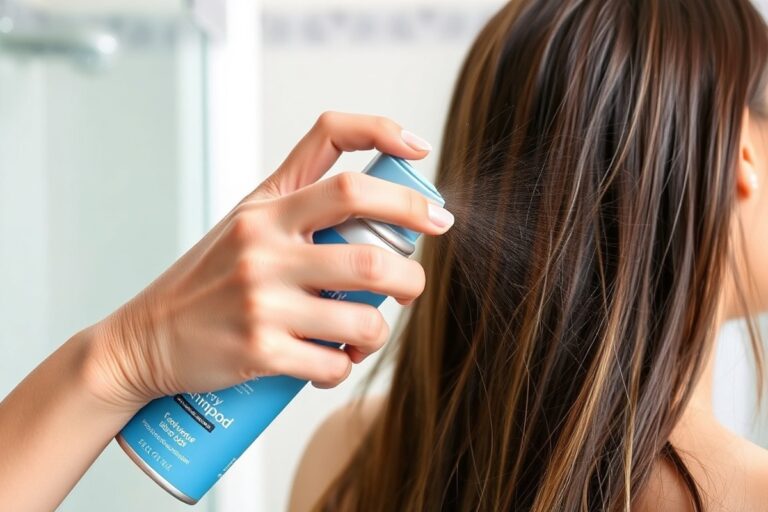
Excess oil on your scalp doesn’t mean your hair is hydrated. Your scalp can be oily while hair remains dehydrated. That’s why dry shampoo like Matrix Refresher works well.
It soaks up extra oil without drying your hair out. It keeps moisture in too. This controls shine and makes hair look fresh longer.
Fixing these mistakes takes patience and the right products. Stick to gentle cleansing, moderate oil use, and clear, hydrated hair will follow. You’ll see hair feel softer, less brittle, and less flaky as hydration balances out.
8. Lifestyle and Environmental Tips to Maintain Hair Hydration Daily
Keeping your hair hydrated every day means more than just using the right products. You need to protect your hair from sun and weather damage. Adjust care for seasonal changes.
Remember to care for your hair while you sleep and eat well. These daily habits help your hair hold onto moisture and stay healthy longer.
Protecting Hair from Sun and Environmental Damage
Sun exposure and outdoor elements can dry out hair fast, causing breakage and dullness. Wearing hats or scarves shields your hair from direct sunlight and harsh winds. Using leave-in sprays or serums with UV protection adds an extra layer to block harmful rays.
Chlorine and saltwater also strip moisture from hair. So rinse your hair immediately after swimming.
Products with ingredients like aloe vera or glycerin help lock moisture in. These habits prevent your hair from losing hydration when you’re outside.
- Wear a wide-brimmed hat during prolonged sun exposure
- Use leave-in conditioners with UV filters before going outdoors
- Rinse hair with fresh water after swimming in pools or the ocean
- Avoid too much heat styling when in dry or sunny weather
- Use a gentle shampoo that does not strip natural oils
- Apply hair oils or serums to seal strands after washing
Protect your hair from sun damage to keep moisture locked in and prevent dryness.
Nighttime Hair Care Tips for Hydration
Sleeping can dry out your hair with friction against cotton pillowcases. Switch to satin or silk pillowcases to reduce breakage and keep hair smooth. These fabrics cause less friction, helping hair hold on to moisture overnight.
You can also apply a lightweight leave-in conditioner or a hydration serum before bed. This is especially good for fine hair because it absorbs moisture without feeling heavy. Braiding your hair loosely or wrapping it can prevent tangles and damage while you sleep.
- Switch to silk or satin pillowcases for less friction
- Apply a leave-in conditioner or hair serum before bedtime
- Reduce hair washing frequency to avoid over-drying
- Loosely braid or wrap hair to prevent tangling
- Avoid sleeping with wet hair to reduce cuticle damage
Overnight hydration works best with gentle fabrics and light moisture products.
Foods and Supplements That Support Hair Health
Eating the right foods helps your hair stay hydrated from the inside out. Drinking enough water is very important.
Eat foods rich in vitamins A, C, D, and E. You should also include omega-3 fatty acids in your diet. These nutrients support scalp health and boost moisture retention.
Biotin and zinc also contribute to stronger hair and better hydration. Adding fatty fish, nuts, eggs, and leafy greens helps your hair.
These foods improve hair’s moisture naturally. Talk to a doctor before starting new supplements to avoid overdoing it.
- Eat foods high in omega-3s like salmon and walnuts
- Include leafy greens rich in vitamins A and C
- Drink plenty of water daily, aiming for about 64 oz
- Incorporate eggs and nuts for biotin and zinc
- Consider vitamin D supplements if you have low levels
A balanced diet supports hair moisture, so avoid crash diets or poor eating habits.
Adjusting Routine for Seasonal Changes
Dry winter air and hot summer sun affect your hair’s hydration differently. In winter, use richer conditioners and hair oils to fight dryness.
In summer, focus on UV protection and more frequent rinsing after swimming. Adjust your products and habits to match the season’s challenges.
Humidity levels also change how much moisture your hair retains. Low humidity means you should layer your hydration with creams and leave-ins.
In high humidity, lighter products prevent frizz while still keeping hair soft. Monitoring your hair’s response helps you fine-tune care.
- Use heavier conditioners and oils in dry winter months
- Apply UV-protective sprays before sun exposure in summer
- Rinse and condition hair more often after swimming
- Choose lighter products for humid weather to avoid buildup
- Pay attention to hair dryness and adjust hydration levels
Seasonal tweaks keep your hair balanced and hydrated all year long.
Your Step-by-Step Hair Hydration Action Plan
Start hydrating your hair today with this clear routine. Follow these steps to see real changes.
- Before You Begin: Choose a hydrating shampoo and conditioner suited for your hair type. Look for products with humectants like glycerin or aloe vera.
- Day 1: Wash your hair gently using the hydrating shampoo. Rinse thoroughly and apply conditioner for 3-5 minutes, then rinse. Your hair should feel softer, not stripped.
- Week 1: Add a deep conditioning treatment once or twice this week. Leave it on for 10-20 minutes to boost moisture. Your hair should start feeling less dry and brittle.
- Week 2: Use a leave-in conditioner or hair oil on damp hair after washing. Focus on the ends to seal in moisture. Notice your hair feels smoother and easier to comb.
- Ongoing: Avoid heat styling tools or use a heat protectant every time you style. Heat dries hair out quickly and can undo your hydration efforts.
- Daily: Wear a hat to shield hair from sun and harsh weather. Use UV protection sprays for added defense. This keeps dry hair safer and less damaged. This helps keep moisture locked in.
- Weekly: Check your water intake and adjust diet to include foods rich in omega-3s and vitamins. Proper nutrition supports hydrated, healthy hair.
- After 3-4 Weeks: Assess if your hair feels stronger and less brittle. Adjust your products or steps if dryness persists, focusing on hydration and damage repair ingredients.
Frequently Asked Questions
What Is the Best Way to Hydrate Hair Without Making It Greasy?
Use lightweight products with ingredients like hyaluronic acid or aloe vera. They hydrate hair without adding oil or heaviness. This balance suits fine or oily hair types best.
Can I Hydrate My Hair If I Have a Dry Scalp?
Yes, you can. Dry scalp often means low natural oil production. Use hydrating shampoos and scalp treatments to moisturize both the scalp and hair properly.
How Does Water Temperature Affect Hair Hydration?
Lukewarm water works best for washing hair to protect moisture. Hot water strips natural oils, causing more dryness and damage over time.
Is It Better to Hydrate Hair Daily or Less Often?
Frequency depends on hair type and condition. Usually, hydrating your hair two to three times a week works well.
This helps avoid buildup. It also keeps moisture in.
Can I Hydrate My Hair Without Using Products?
Yes, drinking plenty of water helps hydrate hair from within. A healthy diet with vitamins supports natural moisture retention in your strands, too.
Does Using a Leave-In Conditioner Help Hydrate Hair?
Leave-in conditioners are great for adding moisture after washing. They lock in hydration and protect hair throughout the day from drying elements.
Wrapping Up
Hydrating hair takes patience and the right routine tailored for your needs. Start with one hydration step today. You’ll soon notice softer, healthier strands that feel better from the inside out.