Is Purple Shampoo a Toner? Clear Differences and When to Use Each
Is purple shampoo a toner? No, they are different products with distinct uses. Purple shampoo works by gently neutralizing yellow tones during regular washes.
Toner is a chemical treatment for your hair. It changes hair color deeply. It also lasts longer than other options.
Purple shampoo is a quick fix you can use at home to soften brassiness. It deposits a light purple pigment that cancels out yellow shades. Toners need to be mixed with a developer.
They often take up to 30 minutes to process. This helps with precise color correction.
To control yellow tones daily, use purple shampoo. It helps keep your hair bright.
For stronger, longer-lasting results after bleaching, you’ll need a toner. Use purple shampoo first to soften yellowness before a toner session for best results.
Key Takeaways
- Purple shampoo neutralizes yellow tones with gentle purple pigments during washing.
- Toners are chemical treatments mixed with developer for deeper color correction.
- Use purple shampoo at home 1, 2 times a week to reduce brassiness.
- Toners last longer, usually 4, 8 weeks, and are best done by a stylist.
- Wait 3, 5 days after toning before using purple shampoo to let color settle.
- Purple shampoo works best on light hair shades like platinum, gray, or silver.
Is Purple Shampoo a Toner or a Different Product?

Purple shampoo is a coloring shampoo made to reduce yellow tones. It works on blonde, bleached, gray, and silver hair. It helps cut down brassiness in these hair types.
It contains purple pigments that neutralize unwanted warm hues through regular washing. You use purple shampoo like regular shampoo.
Use it once a week or every two weeks. The frequency depends on how porous your hair is.
Purple shampoo is sometimes called a toner. But it’s not the same as a professional toner. They serve different purposes and results.
Toner is a concentrated color treatment applied less often, either by stylists or with professional kits. It offers more precise and longer-lasting color correction that usually lasts 4 to 8 weeks.
Purple shampoo works as a maintenance product. It keeps hair looking fresh between salon toner visits. It gently treats yellow tones over time.
It won’t lighten hair or create strong color changes like toner does. Using purple shampoo for 1 to 3 minutes softens yellow tones.
It won’t fully replace a professional toner’s effect. Use it as a light treatment.
Sometimes you’ll see purple shampoo called a “purple toner” online, which causes confusion. The difference matters because their purpose and strength are not the same. Purple shampoo is partly shampoo and partly toner.
It doesn’t replace the full correction a traditional toner offers. It’s milder and less strong.
You can safely use purple shampoo at home regularly. It fights brassiness without waiting for a salon trip. It’s good for routine use.
Follow product instructions closely for best results. Adjust how often you use it based on hair porosity.
This prevents overuse and damage. For harder-to-manage brassy tones, a proper toner treatment may still be needed from a professional stylist.
What Is Purple Shampoo and How Does It Work?
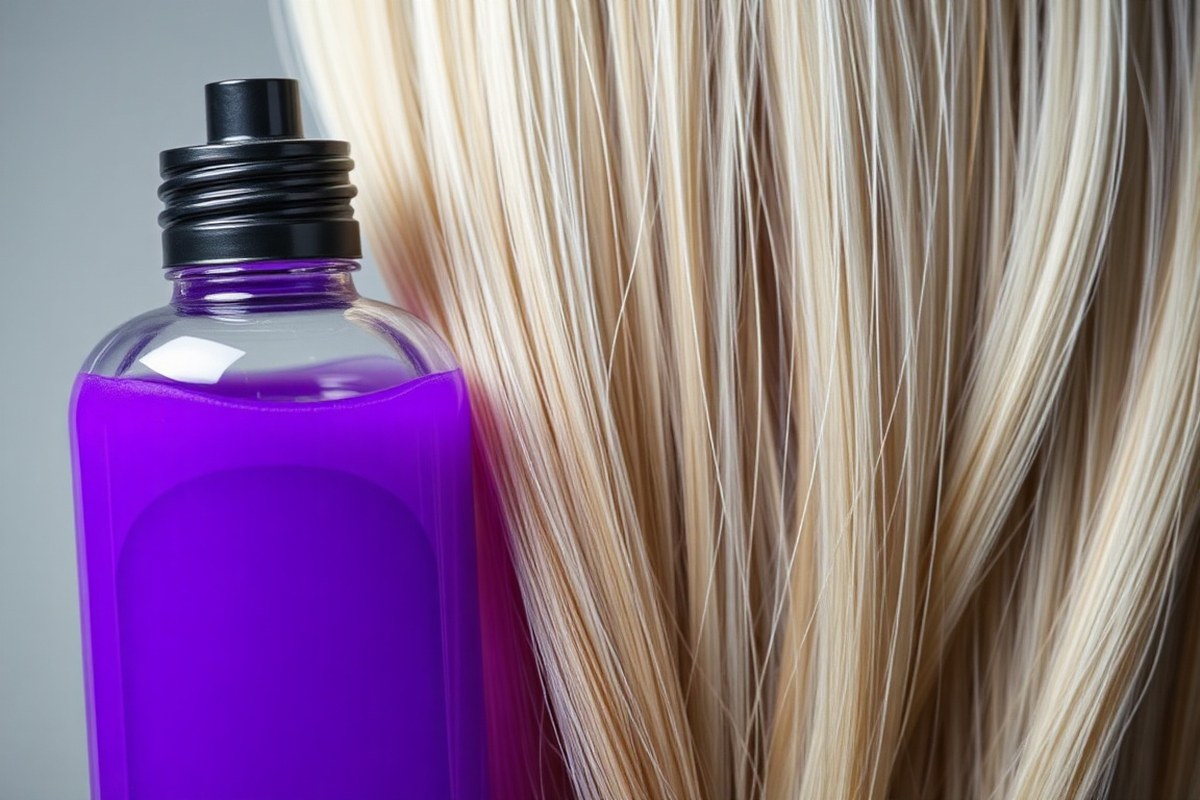
Purple shampoo contains violet pigments that deposit on your hair during washing. These pigments neutralize yellow tones, which can make blonde or gray hair look brassy. Using purple shampoo regularly helps keep your hair’s tone balanced.
It stops yellowing from building up over time. Keep it part of your hair routine.
How Purple Pigments Neutralize Yellow Tones
Purple pigment works because it sits opposite yellow on the color wheel. When purple and yellow pigments mix, they cancel each other out, reducing yellow tones. This helps your blonde or gray hair appear brighter and less brassy.
Most purple shampoos have lower pigment than toners. So they only adjust your hair color slightly.
They act during washing and rinse out quickly, making the effect temporary. This gradual toning helps maintain your hair’s natural or dyed color without drastic changes.
Recommended Application Times by Hair Type
Leave the purple shampoo on your hair for 1 to 3 minutes. This time helps reduce yellow tones. Rinse thoroughly after.
For fine or lightly brassy hair, shorter times prevent too much pigment buildup. Hair that is thick or very yellow might need more time.
Try leaving the shampoo in for 3 to 5 minutes. Watch your hair closely while doing so.
Use purple shampoo just once or twice weekly to avoid dryness. Daily use can cause unwanted purple or gray tints. Always check and follow the product’s specific instructions.
How Porosity Affects Pigment Absorption
Porous hair absorbs purple pigment more quickly because the cuticle is more open. Bleached or damaged hair tends to be porous, so it may tone faster. Less porous hair needs longer contact time with purple shampoo for visible toning.
Check your hair’s response on a small section first. Notice purple or gray tint on your hair? Cut back your shampoo time next wash.
This helps prevent those stains from building up. Using a conditioner after shampooing also helps seal the cuticle and lock in color.
Use purple shampoo sparingly and watch your hair closely to avoid unwanted purple or gray hues.
What Is Hair Toner and How Does It Differ from Purple Shampoo?
Hair toner is a semi-permanent product used to adjust hair color after bleaching or dyeing. It works with a developer to change unwanted tones fast. The effect lasts longer than purple shampoo.
It changes your hair color chemically. Purple shampoo washes out gently and takes time.
Toner fixes your hair color more exactly in one use. It offers stronger color correction.
Toner Application Process and Timing
Toner mixes with a developer. The usual ratio is 1 part toner to 2 parts 10 or 20 volume developer. This mix helps the toner work well.
You apply this mix to damp, towel-dried hair using a brush or bottle. Let the toner process for 10 to 30 minutes.
How long depends on your hair and the tone you want. Check often to avoid over-processing.
After processing, rinse the toner out well, shampoo, and condition your hair. The whole toner process takes 30 to 45 minutes. Purple shampoo works faster, usually within 3 to 10 minutes.
Toner requires more time for results. You must be careful about timing.
Too long causes over-tone, too short won’t fix brassiness well. Watch the clock during processing.
How Toner Chemically Changes Hair Color
Toner contains pigments that neutralize unwanted yellow, orange, or brassy shades in hair. When combined with developer, the hydrogen peroxide gently opens the hair cuticle. This allows the toner color to deposit and alter your hair’s underlying tones.
The developer’s strength affects the lift or deposition. For example, a 10 volume developer gives subtle changes. 20 volume can deliver stronger tone correction.
Toner changes hair color more dramatically than purple shampoo. It targets color issues specifically. Purple shampoo works more slowly over time.
Duration and Longevity of Toner Results
Toner results last weeks to a few months. How long depends on your hair and care habits. Porous hair may fade faster.
Since the pigment deposits inside the hair, it fades more slowly compared to purple shampoo. Purple shampoo’s effect is temporary and washes out with every shampoo.
Regular touch-ups with toner help maintain the desired hair tone without frequent full bleaching. Toner can be risky. Wrong timing or too much causes gray or purple unwanted tones.
Use it carefully to avoid color mistakes. Purple shampoo is safer for regular use but requires multiple washes before slightly reducing brassiness.
Can Purple Shampoo Replace Toner for Color Correction?
Purple shampoo mainly targets yellow tones in blonde hair. It can help reduce light brassiness but won’t fully fix stronger orange tones. That’s because purple cancels yellow, not orange, which needs blue pigments to neutralize.
Your hair has heavy brassiness or deep orange tones. Purple shampoo alone won’t fix that problem.
You’ll need a professional toner or a blue-based shampoo to correct these tones properly. Toners offer more precise color matching and longer-lasting results than purple shampoo.
Skipping toner and relying only on purple shampoo can leave your color uneven or dull. Purple shampoos deposit color temporarily while cleansing your hair, so brassiness can return quicker. Toner treatments create a deeper color change that stays longer and looks smoother.
Using purple shampoo between toning sessions helps maintain your blonde color. You can shampoo 1 to 3 times a week depending on how yellow your hair looks. Leave the shampoo on for 3 to 5 minutes.
This lets the purple pigment work. Don’t leave it too long or your hair might dry out.
Professional toners cost about $20 to $50 per salon visit. Price depends on your stylist and hair length. Purple shampoo is more affordable, around $10 to $25 per bottle.
The shampoo is good for ongoing maintenance. But toning is better when you want to fix serious brassiness or change shade slightly.
In short, purple shampoo is a gentle at-home tool for mild yellow tones. Heavy brassiness or orange hues need a blue-based toner or professional color correction.
Use purple shampoo to keep tones fresh between salon visits. But don’t expect it to replace toner completely.
How Often and How Long Should You Use Purple Shampoo?
Use purple shampoo about 1 to 2 times each week for most hair types. Apply it to wet hair. Leave it in for 1 to 5 minutes.
Time depends on your hair’s color and porosity. Lighter shades like platinum, gray, or silver absorb the purple pigments faster. So keep the time on the shorter side, 1 to 3 minutes is usually enough.
Your hair might feel dry or look dull and flat. Cut back on purple shampoo use. Hair that is more porous absorbs pigment quickly.
So 1 minute may be plenty to avoid a purple or ashy tint. Low-porosity hair takes longer to absorb color.
You can leave the shampoo on for 3 to 5 minutes. For stronger toning, leave it up to 10 minutes.
For longer or thicker hair, use several capfuls to ensure even coverage. Some use warm, indirect heat like a steamer with purple shampoo. This helps when leaving it on for 10 minutes.
Be careful not to leave it on too long or use it too often. Your hair might look purple or ashy after washing.
Test purple shampoo on a small section first. Look for any unwanted purple tint before applying widely.
Use purple shampoo 2 to 3 times a week for stubborn brassiness. Watch for signs of over-toning.
These include flat, lifeless hair or a faint purple sheen when dry. Always rinse thoroughly and use conditioner after to help protect your hair’s moisture.
Adapting your routine based on hair color and porosity keeps your hair looking bright without damage. For example, if you have delicate bleached hair, start with 1-minute applications once weekly. Your hair is thick and has low porosity.
Try 5-minute sessions twice a week. Adjust gradually and pay attention to how your hair responds for the best results.
When Should You Get a Toner and How Often Is Toning Needed?
Consider getting a professional toner when you see yellow or brassy tones. These tones usually appear as your hair grows out or fades. A toner can quickly correct this and refresh your color.
This usually happens about 4 to 6 weeks after bleaching or coloring. At that point, toner helps restore your desired shade by adding customized pigments.
Your hair looks mostly right and needs only mild upkeep. Purple shampoo helps maintain the color between salon visits. Use it to keep brassiness at bay.
It works well for regular upkeep but won’t give you the deep correction a toner does. Use purple shampoo once or twice a week only.
Leave it on your hair for 3 to 5 minutes each time. Avoid overusing it to prevent dryness or buildup.
You can skip toner if you like your hair’s current tone. Only make subtle changes without the toner. It’s not always necessary to get a toner every visit.
Waiting too long to use toner can let brassiness build. This buildup makes your hair look dull and uneven. Regular toning helps keep your color vibrant.
Look for signs like dullness, strong yellow areas, or uneven color. Purple shampoo might not fix these problems well. That’s when you need a professional toner.
A professional toner usually costs between $30 and $60 per session. The price varies based on your salon and how long your hair is. It’s a good investment for fresh color.
The toner process uses a 20-volume developer to open the hair shaft. This allows the toner pigments to enter and work deeply.
It helps neutralize unwanted tones effectively. This gives you more control over the exact shade, like ash, beige, or pearl.
For best results, book toning every 4 to 6 weeks. This is especially true if you bleach or lighten your hair often. Regular appointments keep your color fresh and even.
Your hair is less processed or well maintained with purple shampoo. You might stretch your toning visits to 8 weeks. This depends on your hair’s condition and color retention.
Always watch how your hair looks and feels after toning. Healthy hair with a good tone means your timing is right. Adjust if you see dullness or damage.
Follow this rule: If purple shampoo keeps your blonde or gray bright, you can wait longer. No need to rush into toning appointments. Let your shampoo do the work.
Brassiness comes back even with regular purple shampoo use. It’s time to book a toner session.
This will reset your hair tone and clear stubborn brass. This approach prevents over-toning, which can cause hair to feel dry and look flat or purple.
What to Do After Bleaching: Timing Purple Shampoo and Toner Use
After bleaching, wait at least 24 to 48 hours before applying toner. This short break lets your scalp calm down and your hair start to recover. Applying toner too soon can irritate your scalp or weaken your fragile strands.
Once you tone your hair, wait 3 days before purple shampoo. Wait up to 5 days for better results. This helps your hair adjust to the toner.
This pause gives the toner pigments time to set fully into your hair. Using purple shampoo too early may wash out the toner and shorten its effect.
Start purple shampoo one or two weeks post-toner. It fights yellow tones that come back over time. Use it once or twice weekly based on your brassiness.
Begin with a toner to fix unwanted tones after bleaching. Toner helps balance your hair color better. Let the toner sit for 3 to 5 days.
Only then add purple shampoo to your routine. This prevents over-processing your hair. Rushing into purple shampoo without a toner first might not fix strong brassiness or orange tones.
For light hair with mild brassiness, toner smooths out color and gives more control. Purple shampoo keeps your blonde looking fresh by cancelling yellow shades. Toner plus purple shampoo give longer-lasting color balance.
They protect your hair better than washing too much. This combo also avoids too much toner damage.
The exact timing might shift based on your hair’s condition and how strong your toner is. Fragile or very bleached hair needs more care. Wait about 5 days before starting purple shampoo.
This gives your hair time to recover. Notice dryness or damage?
Focus on deep conditioning treatments. Cut back on shampooing to protect your hair.
Choosing the Right Product for Your Hair Type and Color Goals
Pick a purple shampoo shade depending on your hair type and goal. Natural blondes should choose a lighter purple formula.
It gently cools yellow tones without over-depositing pigment. Fully bleached or platinum blondes need a stronger purple shampoo to fight intense brassiness.
Hair porosity affects how purple shampoo works. High-porosity blondes absorb color more, so use a milder shampoo more often. Low-porosity hair resists pigment.
So a stronger purple shampoo or toner may be needed for visible effect. Use shampoo less often if your hair is dry or damaged.
Choosing a toner shade depends on your hair color and style. For balayage blondes, a violet or blue-based toner balances warm highlights gently.
Gray or silver hair needs a purple toner to neutralize yellow tones and brighten the shade. Avoid warm or golden toners if you want to keep cool tones.
| Hair Type or Color | Purple Shampoo Strength | Toner Shade | Use Frequency |
|---|---|---|---|
| Natural Blonde | Light purple formula | Light violet | Once a week or every 7 days |
| Bleached/Platinum Blonde | Strong purple shampoo | Blue-violet | 1-2 times a week |
| Balayage Blonde | Medium strength purple shampoo | Violet or blue toner | Weekly, depending on brassiness |
| Gray or Silver Hair | Medium to strong purple shampoo | Purple toner | Once a week or as needed |
| High Porosity Hair | Mild purple shampoo | Choose toner carefully to avoid over-toning | Less frequent shampooing |
| Low Porosity Hair | Stronger shampoo or toner | Stronger purple or blue tones | Depends on desired effect |
Too strong purple shampoo can give your hair a violet or blue tint. Use only a pea-sized amount for your hair length to avoid buildup.
Too weak purple shampoo won’t fight brassiness well enough if your hair is very light. Toning with a salon or at-home product offers longer-lasting results.
Use purple shampoo just once a week for natural blondes to avoid excess violet buildup.
Test the purple shampoo on a small strand of hair first. It helps you see how the color deposits before applying it all over. Adjust your shampoo or toner choice based on the result after one or two uses.
Common Mistakes with Purple Shampoo and Toner — and How to Fix Them
Purple shampoo may leave a purple stain. This happens if you use it too often. Leaving it on for too long can also cause staining.
Stains happen because the purple pigments build up and don’t rinse out fully. Use purple shampoo once a week only.
Rinse with warm water until it runs clear. This helps prevent purple stains on your hair.
Use a gentle clarifying shampoo when your hair turns too purple. Try a conditioner with a shine booster to reduce the purple look.
It helps dilute the color and adds softness. Avoid using purple shampoo again for a few days to let the color fade naturally.
Brassy hair can still show if purple shampoo did not do the trick. Try using a professional toner, which deposits color more evenly and lasts longer.
Toners often cost $20 to $40 for at-home kits. But salon toners might run $50 or more depending on your stylist.
Toners can sometimes cause dryness or hair damage because they use stronger chemicals than purple shampoos. After toning, use a deep conditioning treatment and avoid heat styling for a couple of days. Keeping hair well-moisturized helps prevent breakage and keeps color looking fresh longer.
Using the wrong product for your hair type also causes problems. For example, purple shampoo suits mostly blonde or silver hair.
Darker hair needs blue shampoo or special toners formulated for those shades. Double-check the label before buying to match your hair goals correctly.
Use a nourishing conditioner if purple shampoo makes your hair dry. Leave-in treatments also help restore moisture and softness.
Wash out purple shampoo promptly and never leave it on longer than instructions say. Overdoing it only dries or roughens hair texture, defeating your goal of smooth, shiny color.
Timing affects results too. Use purple shampoo only when you notice brassiness, not every wash.
Toner usually works best a week or two after bleaching. Waiting lets your hair recover and soak up color evenly, improving overall tone and health.
How to Safely Use Each Product at Home: Step-By-Step Instructions
Use purple shampoo on damp hair before regular shampooing. Toner comes after shampooing, on clean towel-dried hair.
Always wear gloves when applying toner. Gloves are a good idea for purple shampoo to avoid staining your skin.
Preparing Hair and Tools
Start with clean hair for toner; purple shampoo works on damp, not soaking hair. Gather gloves, an old towel, a bowl for toner, and a tint brush. Set a timer to track how long you leave the products in your hair.
Protect your clothes with an old shirt or cape and cover surfaces to avoid stains. Using gloves is important for both toner and purple shampoo to keep your skin safe. Have a wide-tooth comb ready to evenly distribute the products.
Applying Purple Shampoo Correctly
First, wet your hair until it’s damp but not dripping. Apply a small amount of purple shampoo, focusing on brassy spots and roots. Massage gently for 2 to 5 minutes depending on your hair’s brassiness level.
Leave the shampoo in for up to 5 minutes. But check your hair every minute to avoid over-toning.
Rinse with cool water to lock in shine and prevent drying. Use purple shampoo once or twice a week, not every day.
Mixing and Applying Toner at Home
Mix the toner with developer as the package says. Usually, use one part toner to two parts developer. Stir well to combine them evenly.
Use a non-metallic bowl and a tint brush to mix thoroughly. Wear gloves to avoid staining your hands and skin.
Apply the toner to clean, towel-dried hair section by section, starting at the roots. Comb it through with a wide-tooth comb for even coverage. Leave the toner on for 10 to 20 minutes.
Check your brand’s instructions for exact time. Also consider how your hair reacts to toner.
Post-Application Care Tips
Rinse out the toner with cool water to close the hair cuticles and keep color fresh. Follow with a deep conditioner or hair mask to restore moisture. Avoid heat styling for a day to prevent irritation or damage.
Use purple shampoo between toning sessions to maintain the color without overdoing it. Monitor your hair so you don’t leave toner or purple shampoo in too long. This can cause unwanted purple or gray hues.
- Put on gloves before starting any product application.
- Wet hair to dampness for purple shampoo or towel dry for toner.
- Apply purple shampoo first on damp hair, massage gently, then rinse.
- Mix toner with developer as instructed in a non-metallic bowl.
- Apply toner to towel-dried hair, section by section, comb through.
- Set a timer for 10 to 20 minutes depending on toner directions.
- Rinse toner with cool water and apply conditioner or mask.
- Dry gently and avoid heat styling immediately after toning.
When to See a Professional vs. Using Products at Home
Heavily damaged hair should never be toned at home. Bleached or over-processed hair can break or turn brassy with wrong products or timing. A professional stylist can assess damage and choose a gentle, customized toner to avoid further harm.
Salon toners are necessary when your hair needs precise color correction beyond what purple shampoo offers. You want a professional toner to fix strong brassiness and uneven tones.
It works better for multiple shades and lasts longer. Professionals mix the right toner strength and color for your exact hair condition and goals.
Look for problems like uneven color, visible damage, or scalp irritation. These need a professional’s eye to fix safely. Wait at least a week after bleaching your hair.
Don’t use toner or purple shampoo right away. This helps protect your hair health. A stylist will help decide the best timing and treatment intensity.
As a rule, use purple shampoo only for light maintenance and subtle yellow tones. Heavy brassiness, patchy tones, or hair damage means avoid DIY toning.
Getting a pro to help is safer. Trust professionals to match your hair’s needs and avoid costly mistakes.
Use purple shampoo only a few times each week. Stop using it if your hair feels dry. Rough hair means you need a break from toning.
Blue Shampoo vs. Purple Shampoo: When to Use Each
Blue and purple shampoos help cancel out unwanted tones. But they work on different colors. Purple shampoo targets yellow tones.
It’s great for people with blonde, bleached, silver, or gray hair. Blue shampoo targets orange tones. It suits brunettes with warm highlights or anyone with brassy red or orange hues.
You can’t always swap one for the other. Purple shampoo won’t fix orange tones well.
Blue shampoo won’t cancel yellow tones effectively. Picking the right one depends on your hair color and the tone you want to neutralize.
| Shampoo Type | Tones Neutralized | Best For Hair Colors |
|---|---|---|
| Purple Shampoo | Yellow tones | Blonde, bleached, silver, gray |
| Blue Shampoo | Orange tones | Brunette highlights, warm brown, red/orange tones |
For gray or silver hair, purple shampoo smooths out yellowness and adds a shiny finish. Use it once or twice a week. This helps keep your color natural.
It avoids a purple or blue tint. You can easily overuse purple shampoo on darker hair.
This can cause unwanted purple shades. It might even turn pink sometimes.
Try blue shampoo if your brown hair has warm tones. It helps stop brassy orange without dulling your natural depth. Start using it once a week.
You can adjust depending on how your highlights respond. Blue shampoo is not used as often as purple.
It works well if your hair gets too warm between salon visits. Use it to keep the tone cooler.
Step-by-Step Action Plan for Using Purple Shampoo and Toner
Follow these steps to keep your blonde, bleached, or gray hair looking the way you want. This plan helps you decide when to use purple shampoo or toner.
- Before you start: Check your hair color under natural light. Note any yellow or brassy tones that need fixing.
- Day 1: Use purple shampoo in place of your regular shampoo. Leave it in for 3-5 minutes. Rinse and see if brassiness lessens.
- After 1 week: Use purple shampoo 2-3 times this week. Adjust time based on how it changes your hair tone. Avoid overuse to prevent a purple tint.
- After 2 weeks: Evaluate your hair’s tone. Brassiness remains or you want a cooler tone? Book a professional toner application.
- After toning: Use purple shampoo once a week to keep your color. It helps reduce yellow shades until your next salon visit.
- Monthly check: Assess dryness or damage. Use a deep conditioner to keep hair healthy if you use purple shampoo or toner regularly.
- Ongoing: Choose blue shampoo instead of purple only if your hair has orange tones. Use toner or a color deposit product if needed.
Frequently Asked Questions
Is Purple Shampoo Safe to Use on Damaged Hair?
Purple shampoo can be safe on damaged hair if used gently. Avoid leaving it on too long to prevent drying out fragile strands.
Can Purple Shampoo Cause Hair Dryness?
Yes, purple shampoo may dry hair if left too long or used too often. Follow product instructions and moisturize afterward to keep hair soft.
Does Purple Shampoo Work on Natural Blonde Hair?
Purple shampoo works best on bleached or dyed blonde hair. It may not surprise natural blondes as much but can still reduce slight brassiness.
Can I Mix Purple Shampoo with Regular Shampoo?
You can mix them but it reduces purple shampoo’s toning effect. Use purple shampoo separately for best color correction.
Will Purple Shampoo Remove Brassiness from Gray Hair?
Purple shampoo is effective for cutting yellow brassiness in gray or silver hair. Use it regularly for maintenance but don’t expect permanent results.
How Long Does It Take for Purple Shampoo to Show Results?
Purple shampoo shows subtle changes after a few uses. Immediate brassiness softening may happen in 1-3 minutes per wash.
Final Thoughts
Purple shampoo can help you fight brassiness but it’s not a true toner. Use it regularly to maintain your hair color.
But see a professional for toning when needed. Try purple shampoo this week and watch your hair’s tone closely.