How to Make Hair Soft Naturally: 8 Proven Ways for Lasting Smoothness
How to make hair soft is a common question with a simple answer. Using natural oils and homemade hair masks can restore moisture and smoothness. These treatments work by penetrating the hair shaft and reducing dryness from within.
Start by applying coconut oil or other natural oils once or twice a week. Leave the oil in for 20 to 30 minutes before washing with shampoo. This protects your hair from damage and prevents it from becoming brittle and rough.
Always finish with a conditioner after shampooing to lock in moisture. Conditioners make hair up to 85% smoother and help control frizz for several days. Regular care like this keeps your hair soft and healthy over time.
Key Takeaways
- Use coconut oil once or twice weekly to deeply moisturize hair strands.
- Leave oil treatments on your hair for 20 to 30 minutes before shampooing.
- Apply conditioner for 2 to 5 minutes after shampooing each time you wash your hair.
- Avoid washing dry hair without applying oil for at least one hour beforehand.
- Homemade hair masks should stay on for 30 to 60 minutes before rinsing.
- Focus conditioning on mid-lengths and ends where hair tends to get dryest.
1. How to Make Hair Soft: Essential Natural Methods That Work

Softening your hair naturally works best with regular use of hair masks and nourishing oils. These treatments feed your hair moisture and smooth the cuticle. That helps your hair feel softer and look shinier over time.
Choosing the Right Oils for Your Hair
Coconut oil is great for deep hydration and works well on dry or curly hair. It penetrates the hair shaft, reducing protein loss and softness issues.
Argan oil adds shine and smoothness, especially for fine or colored hair. It’s lighter and helps keep hair flexible without weighing it down.
Other oils like jojoba and olive oil support scalp health and improve hair softness. Pick one or two you like, and try a small amount first.
DIY Hair Mask Recipes for Softness
A simple mask uses one tablespoon of coconut oil mixed with two tablespoons of honey. Honey is a natural humectant that pulls moisture into your strands.
The curd and aloe vera mask works well, too. Mix 2 tablespoons each of curd and aloe vera gel. Spread this mixture evenly over your hair.
Onion juice can add shine and softness to hair. Test a small patch first to avoid irritation.
Application and Timing for Best Results
Apply your chosen mask to clean, damp hair from roots to tips. The damp hair helps lock in the moisture better than dry hair.
Keep the mask on your hair for 30 to 60 minutes. Adjust time based on your schedule and hair dryness. Longer times suit very dry or damaged hair.
Use a shower cap or warm towel to keep the mask from drying out. Rinse well with water, shampoo gently, then use conditioner for 2 to 5 minutes.
Limit these deep treatments to once a week or every two weeks. Too much weighs hair down and can cause buildup. Here’s a clear step-by-step guide for applying your hair mask:
- Wash your hair with a gentle shampoo.
- Towel dry hair until it’s damp, not dripping.
- Scoop out 2 to 3 tablespoons of your hair mask.
- Section hair and work the mask evenly from roots to ends.
- Cover hair with a shower cap or wrap in a warm towel.
- Leave the mask on for 30 to 60 minutes.
- Rinse thoroughly and shampoo gently.
- Apply conditioner and rinse after 2 to 5 minutes.
2. Daily Hair Care Habits That Keep Hair Soft and Healthy
Washing your hair too often strips away natural oils that keep it soft. Most people wash their hair two to three times a week. This keeps hair clean and soft.
Washing more often can dry out your hair. Use a gentle shampoo focused on hydration. Always follow with a good daily conditioner to lock in moisture.
When your hair is dry, try applying oil for about an hour before shampooing. This pre-wash step protects your strands from harsh detergents. After washing, condition your hair thoroughly to smooth the cuticles and reduce roughness.
Drying your hair gently is key to avoiding damage. Skip rubbing with a towel; instead, pat or squeeze water out carefully. Let your hair air dry whenever you can.
If you use a blow dryer, set it on low heat. Keep the dryer moving to avoid rough spots.
- Use a wide-tooth comb to detangle damp hair, starting from the ends
- Avoid brushing wet hair aggressively to stop breakage
- Brush hair when dry using a soft-boar bristle brush for natural oils
- Pat hair dry with a microfiber towel or cotton T-shirt to reduce friction
- Apply leave-in conditioner or light hair cream to keep strands hydrated
- Limit heat styling tools; use a heat protectant when you do
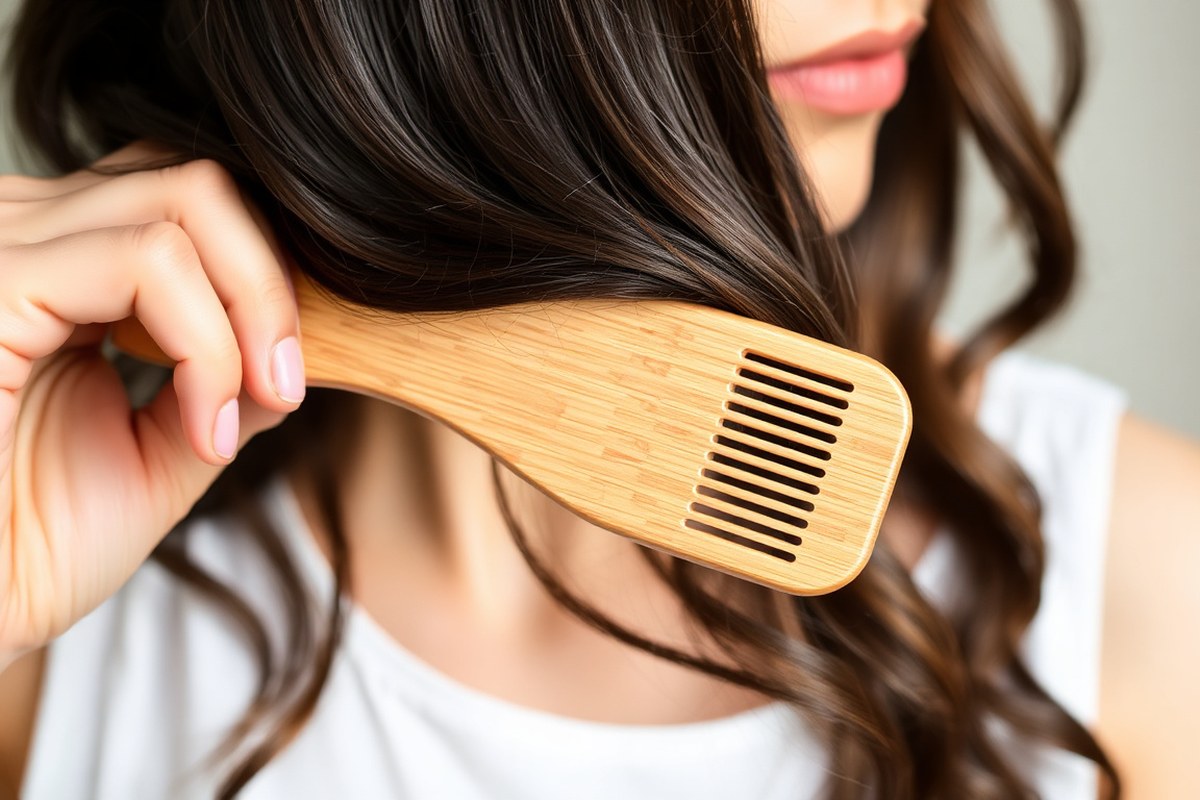
Choose a wide-tooth comb instead of dense brushes to avoid lifting the hair cuticles. This helps hair stay smooth and soft.
Brushing too much or too harshly breaks strands and roughens the texture. So keep it gentle and steady.
Pat your hair dry instead of rubbing to avoid rough, frizzy strands.
Keeping your scalp healthy also plays a big role. A clean scalp means hair grows from a good base. That means soft, shiny hair that feels great to touch.
Follow a hair routine that fits your hair type. Pay attention to daily care you can handle. Keep it simple and balanced for best results.
3. How Diet and Hydration Influence Hair Softness
Your hair needs certain nutrients to stay soft and healthy. Vitamins A, C, D, E, and minerals like zinc and iron help keep strands strong. Eating fresh fruits and veggies like carrots helps your hair.
Sweet potatoes give you vitamin A. It helps hair stay soft and shiny. Avocado is also great because it has fatty acids that nourish each hair strand deeply.
Hydration goes beyond drinking water for soft hair. Your hair strands need water to stay flexible and smooth. Try to drink about 64 ounces of water each day.
That equals 8 cups. It helps keep your body and hair hydrated. Not drinking enough water dries out your hair.
Your hair can then become brittle. This makes your hair rough to the touch.
Supplements can fill gaps if your diet lacks key nutrients. Hair-specific vitamins often include biotin, zinc, and vitamin E. These can support hair softness. But they work best alongside a balanced diet.
Avoid relying only on pills. Eating real food gives your hair many needed nutrients.
These foods help your hair stay soft and shiny. They provide full nourishing benefits.
Eating a balanced diet with vitamins and minerals supports your hair from the inside out. Nutrients help keep your hair follicles healthy, so new hair grows soft and strong. You can make an avocado hair mask at home.
Mash ripe avocado and apply it like conditioner. Use the mask once a week for softness. This feeds your strands directly and helps retain moisture.
Consistency matters because soft hair comes from healthy habits over time. Drink water regularly and keep meals varied.
Over time, your hair texture will improve, feeling smoother and looking shinier. Missing fluids or nutrients for days shows on your hair, making it dull and rough quickly.
4. How Water Temperature and Washing Routine Affect Hair Softness
Hot water strips your hair’s natural oils, leaving it dry and dull. Instead, wash your hair with lukewarm or cool water. This keeps natural oils and moisture locked in your hair.
It makes hair feel softer. It also smooths the hair texture.
Start by rinsing your hair with lukewarm water to open the cuticle slightly. Then, apply shampoo and massage gently for a few minutes to avoid scalp irritation. Rinse thoroughly with cool water to close the cuticle and seal in moisture.
Washing hair too often can wash away its natural oils that keep it soft. Washing your hair two to three times a week works well. It keeps softness and avoids drying out your scalp.
Most people find this enough. You might wash hair only once or twice a week if hair is dry or curly. This helps keep natural oils better.
Using very hot water can make dry hair brittle, which causes breakage and split ends. Cooler water helps maintain the hair’s natural shine and smoothness. Try ending your hair wash with a cool rinse.
This makes your hair feel softer. The softness will last longer.
Gently massage your scalp during shampooing to boost blood flow. It helps your hair absorb moisture. Moisture comes from conditioners or oils.
Leave conditioner or oil treatments on for at least 10 minutes. This gives time to work deeper. It opens the cuticle slightly before rinsing out.
5. The Role of Trimming and Haircuts in Maintaining Softness
Trimming your hair every six to eight weeks stops split ends from spreading. Split ends ruin the hair’s softness by causing the strands to fray and break. Cutting off these damaged ends keeps hair looking smooth and shiny.
Aim for a haircut every three to four months if trimming less. This schedule still reduces split ends and maintains healthy-looking hair.
Don’t wait too long between trims. Split ends can move up and cause more breakage.
Regular trims don’t directly make hair grow faster, but they keep your strands healthy. Healthy hair breaks less, so your length lasts longer. Removing damaged ends also helps your hair feel softer and easier to manage.
Stick to trims about every two months for soft hair. Skipping trims lets split ends worsen and roughen your strands.
Good trims take off about a quarter to half an inch of hair from your ends. You only need a big cut if refreshing your style or fixing damage. Talk to your stylist about what your hair needs to stay soft and smooth.
Keep in mind that trims alone won’t fix dryness from heat or chemicals. Combine regular cuts with gentle daily care to protect your hair’s softness. Cutting ends is a simple step to prevent damage from traveling higher up your hair.
6. Protecting Hair Softness from Heat and Styling Damage
A lot of heat styling harms softness by drying and breaking hair. Protect your strands with sprays designed to shield against heat. Choosing styling habits that use less or no heat keeps hair soft longer.
Best Heat Protection Products
Use a heat protection spray before any heated tool. These sprays coat your hair and cut down damage from high temperatures. Look for products that say they protect up to 450°F (232°C).
Apply the spray evenly on damp or dry hair. Focus on mid-lengths to ends where damage happens first. Avoid too much product near roots to prevent oily roots and weigh-down.
- Silicone-based heat protectants form a strong shield
- Cream formulas help lock in moisture before heat
- Sprays with added conditioning agents reduce frizz
- Lightweight mists prevent buildup and heavy buildup
- UV protection ingredients help guard color and softness
Spraying 5 to 7 inches away from hair keeps coverage light and even. Let the product dry completely before turning on heat tools. Missing this step lets hair fry instead of being protected.
Low-Heat and Heat-Free Styling Methods
Try to style hair without heat whenever possible. Braids, twists, or buns create waves and curls overnight. These methods avoid damage and maintain softness naturally.
When heat styling is a must, use the lowest effective temperature. Many flat irons work well at 300°F (149°C) or less. Avoid cranking heat to high settings; it will dry out hair fast.
- Air-dry hair with natural oils applied to ends
- Use foam rollers or velcro rollers for volume
- Wrap hair in a silk scarf to smooth and reduce frizz
- Try finger styling with light gels or creams
- Switch to diffuser attachment on hair dryers for gentle drying
These simple steps let your hair keep natural moisture. Heat-free styles often take a bit longer but save softness over time.
How to Limit Frequency of Heated Styling
Cutting back on heat styling even a few days a week reduces damage. Plan styles that don’t need daily heat like messy buns or ponytails. Your hair will stay softer and break less.
Swap daily straightening for special occasions only. Rest days let hair absorb moisture from conditioners and oils. This repair time is important for long-term smoothness.
- Use dry shampoo to refresh hair between washes
- Opt for cool air setting on blow dryers to finish dry
- Try hats or scarves to hold style without heat
- Schedule straightening or curling appointments weekly or biweekly
- Keep a moisturizing leave-in conditioner handy for quick touch-ups
These habits reduce heat stress while maintaining hairstyle goals. Over time, your softness will improve noticeably with less heat.
7. Nighttime Hair Care Tips to Preserve Softness
Protecting your hair softness overnight helps keep strands smooth and healthy. Using the right pillowcase, prepping your hair, and choosing gentle hairstyles prevents breakage and dryness. These steps take little time.
They can improve how your hair feels. You’ll notice a difference by morning.
Benefits of Satin and Silk Pillowcases
Satin and silk pillowcases reduce friction on your hair while you sleep. Unlike cotton, these materials let your hair glide smoothly, preserving moisture and preventing tangles. This gentle fabric is especially good for thin, curly, or frizzy hair.
The main benefit of satin pillowcases is they stop your hair from drying out. Cotton and polyester pull on your strands and strip away natural oils. A satin pillowcase costs about $15 to $30.
Price varies with size and quality. It usually lasts many months.
Recommended Overnight Hairstyles
Loose hairstyles protect your hair from breakage all night long. Tight ponytails or buns cause stress on hair and lead to split ends. A loose braid or a gently twisted bun is a better choice for overnight wear.
Here are easy hairstyles to try before bed:
- Loose braid to prevent tangles
- Soft ponytail with a satin scrunchie
- Twisted bun at the nape of the neck
- Plaited puff for curly or thick hair
- Silk scarf wrap for extra silkiness
Use satin scrunchies rather than elastic bands. They reduce tension and avoid hair dents. These hairstyles keep hair secure but comfortable, leaving it smooth and crease-free.
Pre-Sleep Hair Hydration Tips
Applying a light leave-in conditioner or oil boosts softness overnight. Coconut oil, for example, penetrates the hair shaft and locks in moisture. Use this treatment once or twice a week.
Leave it on 20 to 30 minutes. Do this before you go to bed.
Always start with slightly damp hair. This helps products spread evenly without weighing hair down. Use a wide-toothed wooden comb to detangle gently before styling your overnight hairstyle.
Here’s a quick evening hair care checklist:
- Wash or dampen hair lightly, but don’t soak
- Apply a leave-in conditioning product or light oil
- Detangle with a wide-toothed wooden comb
- Style hair in a loose braid or bun
- Sleep on a satin or silk pillowcase
Doing these steps helps your hair stay soft and smooth. It also reduces damage while you sleep.
8. When to Seek Professional Help for Persistent Dry, Rough Hair
Persistent dry, rough hair that doesn’t get better after months needs help. Two or three months of good care should show some change. When it doesn’t, you need a pro’s touch.
Signs to watch for include hair that stays brittle, straw-like, or breaks easily. Also, scalp irritation or sudden texture changes call for professional advice. Don’t wait if your usual conditioners and oils no longer soften your hair.
Salon treatments offer deeper repair with options like protein treatments, keratin smoothing, or moisturizing masks. These cost between $50 and $150 per session and can last several weeks. Specialists change treatments to fit your hair’s needs.
They find causes like damage or scalp problems. Home care often misses these issues. They also guide the best post-treatment home routine to keep softness lasting longer.
Choosing the right hair professional matters. Look for stylists or trichologists experienced with your hair type and softening concerns. Ask about their certifications and client results or reviews.
A quick call tells you if the salon offers needed treatments. These could be hydration or texture restoration. Make sure they match your hair needs.
Booking a consultation starts the process well. You can talk about your hair history. Also share what you want from treatments.
Don’t ignore scalp issues alongside rough hair; they often cause or worsen dryness.
Follow this decision rule: try consistent home care for 8 to 12 weeks. Book a professional consult when hair stays stiff, dry, or breaks. Don’t wait to get expert advice on this.
They can find the cause and fix it. Mention any scalp symptoms and past treatments. The expert will check how much damage you have.
They suggest salon services that suit your hair. They also help improve your daily hair care routine. Proper follow-up makes a big difference in how soft your hair stays.
Step-by-Step Action Plan for Softer Hair
Start this simple plan now to make your hair feel softer and look healthier. Follow these steps in order. Watch your hair improve over the next few weeks.
- Day 1: Switch to a gentle, sulfate-free shampoo to avoid stripping natural oils. Softness should start to feel better after the first wash.
- Week 1: Apply a deep conditioning mask twice this week to nourish and hydrate your hair. Notice if strands feel less dry or brittle.
- Week 2: Trim any split ends or damaged tips. Hair looks smoother and feels softer right after cutting off damaged parts.
- Week 3: Use lukewarm or cool water when washing your hair. This keeps the hair cuticles closed. It helps your hair stay soft and shiny. Your hair should feel shinier and less frizzy.
- Week 4: Apply a leave-in conditioner or natural oil like argan oil after washing. Check if your hair feels silkier and easier to comb.
- Ongoing: Limit heat styling to special occasions and always use a heat protectant spray. Avoid regular heat damage, and softness will improve over time.
- Every night: Sleep on a silk or satin pillowcase to reduce breakage. Your hair will stay smoother and softer by morning.
Frequently Asked Questions
Can Using Apple Cider Vinegar Rinse Make Hair Soft?
Yes, apple cider vinegar rinse clarifies hair and removes buildup. It leaves hair feeling soft and looking silky without harsh chemicals. Use it diluted and rinse after shampooing for best results.
Does Brushing Hair 100 Times a Day Really Soften It?
No, brushing hair that much can cause breakage and damage. Brushing gently to detangle and distribute oils is better. Too much brushing strips hair and makes it rough.
Can Coconut Oil Overnight Treatment Soften Hair?
Yes, applying coconut oil overnight deeply moisturizes dry strands. Wash it out with shampoo in the morning for softness and shine. This treatment helps if you have very dry or coarse hair.
Is Cold Water Rinsing Good for Soft Hair?
Yes, rinsing hair with cold water seals the cuticle. This reduces frizz and makes hair smoother to the touch. Finish your shower with a cold rinse for added softness.
Will Silicone-Based Products Make My Hair Softer?
Silicone products coat hair strands to make them smooth and soft temporarily. However, they can build up and weigh hair down over time. Use them sparingly and clarify hair regularly.
How Often Should I Do a Deep Conditioning Mask for Softness?
Doing a deep conditioning mask once a week is enough for most hair types. Leave the mask on about 30 minutes for best results. Frequent use helps restore moisture and softness.
Before You Go
Soft hair comes from gentle care and healthy habits over time. Try one new step today to start the change. Your hair will thank you with every touch.