How to Moisture the Scalp: 8 Effective Steps for Lasting Hydration
Knowing how to moisture the scalp well means stopping dryness without causing irritation. You want a gentle routine that adds moisture but doesn’t clog pores or cause itchiness. Start with lightweight oils or serums that absorb quickly.
Avoid heavy creams that might weigh your hair down. Choose products that won’t leave your scalp greasy.
Applying oil to the scalp and leaving it on for 10 to 30 minutes works best. Massage the product in for five minutes first.
This helps boost blood flow and absorption. Avoid harsh shampoos or hot water, as they strip natural moisture and worsen dryness.
Keeping your scalp hydrated means balancing cleansing and moisture. Use mild, nourishing shampoos and conditioner that contain ingredients like keratin or omega fatty acids. Also, try lukewarm water around 98 to 104 degrees Fahrenheit for showering to protect skin oils.
Key Takeaways
- Apply lightweight oils or serums to the scalp for 10 to 30 minutes weekly.
- Massage the scalp for five minutes before leaving treatment to improve absorption.
- Choose gentle shampoos with keratin and omega-3 or omega-6 fatty acids.
- Use lukewarm water between 98°F and 104°F for showers to protect scalp moisture.
- Avoid heavy creams or oily products that can clog pores and cause irritation.
- Limit showers to 5, 15 minutes to prevent stripping natural scalp oils.
1. How to Moisture the Scalp Effectively Without Irritation
Keeping your scalp moist helps reduce itchiness and irritation. It also supports healthy skin barrier function and prevents flaking. The key is to add moisture while avoiding harsh ingredients that strip natural oils.
You should moisturize your scalp about twice a week. But this depends on your skin type and environment.
Applying oils or serums requires gentle care to prevent irritation. Follow these simple steps to moisturize your scalp safely and effectively.
- Cleanse your scalp gently. Use a mild shampoo without sulfates or strong detergents. Avoid over-washing, which removes essential oils your scalp needs to stay hydrated.
- Pat your scalp dry. Use a soft towel to remove excess water but keep the scalp slightly damp. Moisturizing works best on damp skin.
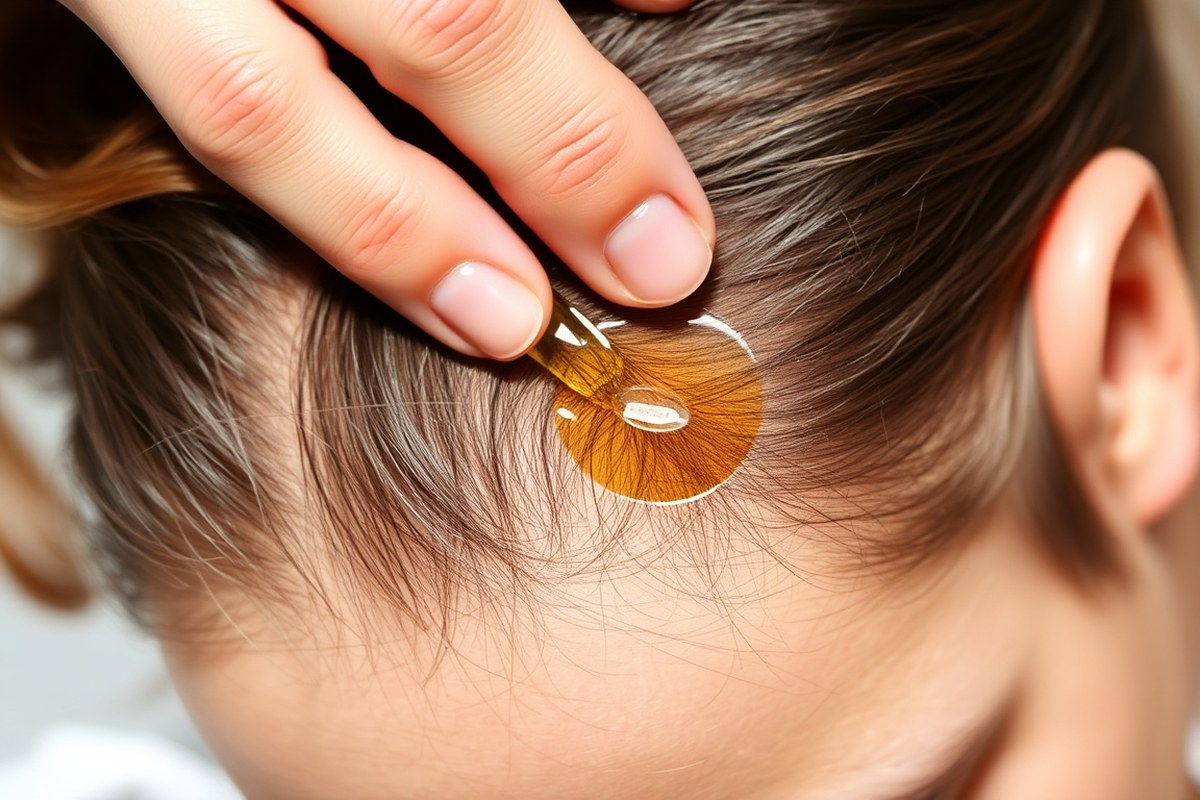
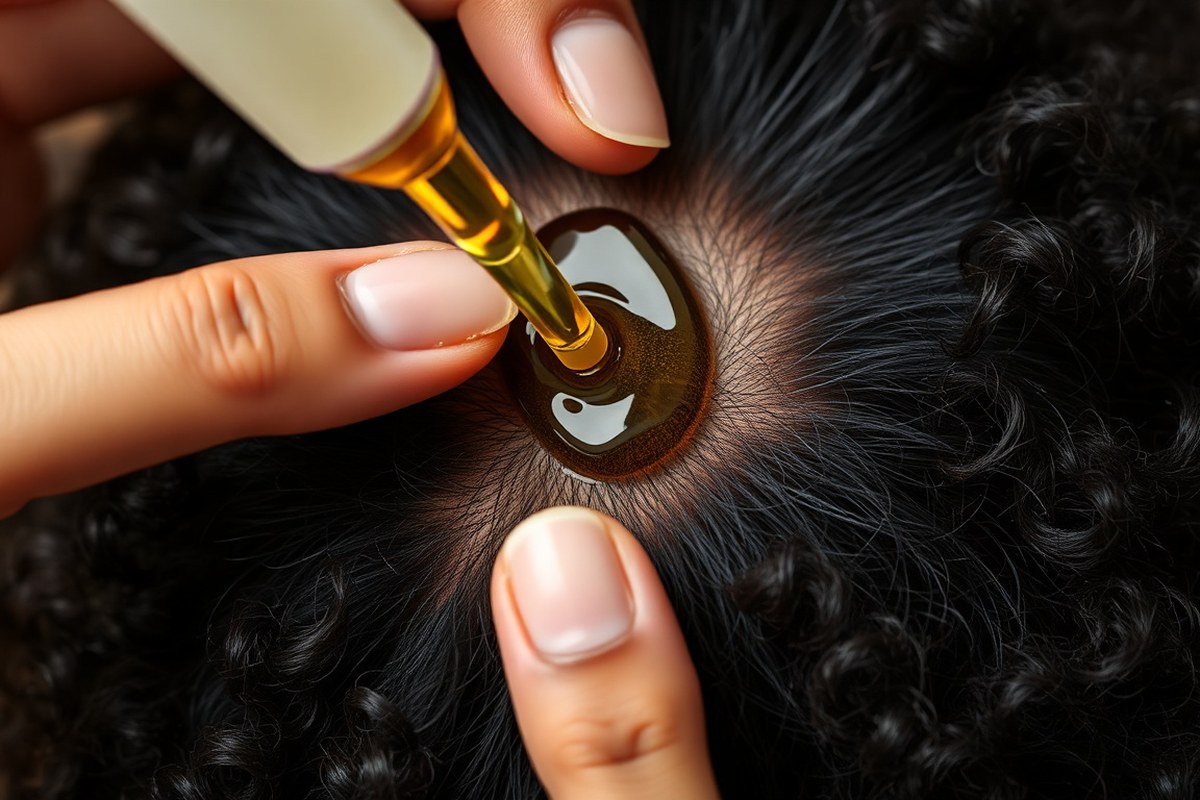
- Apply a small amount of oil or serum. Use oils like jojoba or argan for hydration without irritation. Put a few drops on your fingertip or in a spray bottle. Gently massage the oil into your scalp. Use slow, circular motions to spread it evenly.
- Massage to boost absorption. Use circular motions with your fingertips for about two to three minutes. This increases blood flow and helps distribute the moisturizer evenly.
- Leave the product on for 10 to 20 minutes. This gives the scalp time to soak up moisture. Cover your head with a warm towel if you tolerate heat well. This helps the oil soak deeper into your scalp. Avoid it if you feel any discomfort.
- Rinse if needed. Some oils can stay on overnight. But if you feel oily or uncomfortable, rinse with lukewarm water without shampoo. Avoid hot water to prevent further drying.
- Repeat regularly but not too often. Twice a week is usually enough for most dry scalps. Change how often you apply the oil depending on your scalp. Use it more for very dry skin. Cut back if your scalp feels irritated.
Dry scalp treatments don’t cost much but require patience and consistency. Good hydration feels soothing, and persistent itchiness should lessen in days. Avoid heavy oils that clog pores or products with irritating essential oils.
2. Choosing the Right Products and Natural Oils for Your Scalp

Choosing the right product depends on your scalp’s needs and sensitivity. Sulfate-free shampoos and conditioners help keep your scalp moisturized by not stripping natural oils.
Harsh chemicals or alcohol-based products tend to dry out the scalp. So avoid them if your scalp feels tight or itchy.
Natural oils like jojoba, argan, and coconut are popular for scalp hydration. Jojoba oil closely mimics the scalp’s natural oils, making it a gentle moisturizer. Coconut oil is safe for treating dry skin.
It works well on the scalp too. Research reviews support this treatment.
You can try serums made for scalp care. The Ordinary’s Scalp Serum costs $15. It contains hydrating ingredients like hyaluronic acid.
Applying oils or serums with a Q-tip helps target your scalp directly, avoiding greasy strands. Massaging the scalp with these oils aids better absorption and can soothe irritation.
Here’s a simple comparison of popular scalp hydration options to guide your choice:
| Product Type | Key Benefits | When to Use | Cost Range |
|---|---|---|---|
| Sulfate-Free Shampoo & Conditioner | Gentle cleansing, preserves natural oils | Daily or every other wash, for sensitive scalp | $10, $30 per bottle |
| Natural Oils (Jojoba, Argan, Coconut) | Moisturize, soothe itching, penetrate scalp | Weekly scalp treatments or post-wash moisturizer | $8, $20 per bottle |
| Scalp Serums (e.g., Hyaluronic Acid-based) | Boost hydration, light texture, non-greasy | Daily or nightly application on dry areas | About $15 per bottle |
| Botanical Extracts (Rosemary Oil, Aloe Vera) | Soothing, anti-inflammatory, moisturizing | Spot treatment for itching or irritation | Varies; often $5, $15 per bottle |
Change your hair care lineup if dryness persists. Regularly using moisturizing oils or serums speeds healing in many cases. Avoid washing your hair too much.
It removes oils and dries your scalp. Then your scalp may get oily to balance.
Using the right products gently and consistently is key. Pay attention to how your scalp feels after application.
Too much oil can make hair greasy. The wrong shampoo can worsen dryness or irritation.
Use a Q-tip to apply oils or serums. This helps you reach your scalp directly. It avoids putting too much on your hair.
3. The Role of Shampoo, Conditioner, and Water Temperature in Scalp Moisture
Shampoo affects your scalp’s moisture a lot. Many shampoos contain sulfates, which clean well but also strip natural oils. Using a sulfate-free, hydrating shampoo helps avoid extra dryness.
Look for shampoos with glycerin or panthenol. These ingredients help lock in moisture. They also soothe your skin.
Conditioner and scalp moisturizers are not the same. Conditioners mainly soften hair but don’t always help the scalp itself. A moisturizing scalp product or leave-in conditioner can add needed hydration directly to the skin.
Massage a small amount of leave-in moisture into your scalp. Do this 20 to 30 minutes before washing. Or leave it overnight once a week to help dryness.
Water temperature really matters when you wash your hair. Hot water dries out your scalp by removing natural oils too quickly. Use warm water instead, about 90 to 100 degrees Fahrenheit, which is comfortable but not harsh.
Avoid washing your hair too often. Washing your scalp 2 to 3 times a week works well for most people. This helps keep the scalp’s natural moisture.
When you wash a dry or flaky scalp, rinsing shampoo properly is also key. When using a medicated or special dry scalp shampoo, leave it on for at least five minutes.
This helps active ingredients work better. Always rinse thoroughly to avoid buildup, which can block oil glands and worsen dryness.
Products with humectants like niacinamide or hyaluronic acid can support moisture retention on your scalp. Incorporate these into your routine if your scalp feels tight or flaky. Use a scalp scrub once a week to remove dead skin and buildup.
This helps your scalp absorb moisturizers better. Just be gentle to avoid irritation.
4. Why and How to Exfoliate the Scalp for Better Hydration
Gently exfoliating your scalp helps keep moisture balanced by removing dead skin and buildup. This process lets your scalp absorb hydration better and reduces dryness. Avoid exfoliating if your scalp is inflamed or very sensitive to stop irritation.
Types of Scalp Exfoliants
You can find physical and chemical exfoliants for the scalp. Physical exfoliants usually come as scrubs or scalp massagers that loosen flakes and build-up. Chemical exfoliants use mild acids or enzymes to dissolve dead skin cells without manual scrubbing.
Physical exfoliation works well when you massage your scalp during shampooing. Choose gentle options like a scalp brush or scrub designed for sensitive skin. Avoid harsh scrubs that can strip the scalp’s natural oils.
How Often to Exfoliate Safely
Exfoliating once every two to three weeks helps keep the scalp clear without drying it out. Overdoing it can remove protective lipids, causing more irritation and dryness. In colder months, exfoliate less frequently as indoor heat can dry out your scalp even more.
Notice flakes or product buildup after regular shampooing? Try gentle exfoliation once a week.
Make sure to use mild shampoos with hydrating ingredients before and after exfoliating. Avoid exfoliating on days you use strong or medicated scalp treatments.
Signs of Over-Exfoliation and How to Fix It
Over-exfoliation causes redness, itchiness, and increased dryness on your scalp. You might also see flaky patches that get worse after exfoliating.
Experience these signs? Stop exfoliating and wait for your scalp to feel better.
Use a soothing, moisturizing scalp serum or oil to calm irritation. Switch to a mild shampoo without strong detergents.
Give your scalp time to recover before exfoliating again. Avoid exfoliating if you have eczema or psoriasis because it worsens inflammation.
A step-by-step way to exfoliate your scalp gently:
- Wet your hair with lukewarm water, avoid hot water that dries the scalp.
- Apply a gentle, moisturizing shampoo evenly to your scalp and hair.
- Use finger pads or a soft scalp brush to massage your scalp in small circles.
- Focus on areas with buildup, but stay gentle to avoid irritation.
- Rinse thoroughly to remove all shampoo and lifted flakes or residue.
- Apply a hydrating conditioner or scalp serum, avoiding heavy oils that clog pores.
- Pat your scalp dry gently with a towel; don’t rub hard.
- Repeat exfoliation only every two to three weeks unless scalp buildup is severe.
5. Protecting Your Scalp from Environmental Dryness and Damage
Protecting your scalp from sun exposure is key to keeping it moist and healthy. Use a scalp-specific sunscreen spray on exposed areas. For example, Sun Bum SPF 30 or Coola Scalp Hair Mist.
Spray it gently before sun exposure. Wearing wide-brimmed hats also blocks harmful UV rays without drying your scalp out.
Cold air and indoor heating lower humidity and strip moisture from your scalp. Cover your head with a soft hat when it’s cold outside. This keeps skin warm and moist.
It helps protect your scalp from dryness. Stay away from radiators or vents that blow hot, dry air.
Hot air dries your scalp. Keep some distance indoors to stay comfortable.
Hot showers and heat styling increase dryness by removing natural oils from your scalp. Lower your shower water to lukewarm, around 100°F, to help maintain moisture. Minimise heat styling and use heat protectant sprays to reduce damage to both hair and scalp.
Applying a light layer of natural oils, like jojoba or argan, can create a protective barrier. Comb your hair to part it before going out. Massage a small amount gently into your scalp.
This helps protect and moisturize. This step adds extra moisture and guards against environmental damage.
Skip sunburns on your scalp by applying sunscreen before heading outdoors, reapply every two hours.
Cold and dry air exposure can cause itchiness and flakes. Protect your scalp to avoid this. Repeated exposure makes symptoms worse.
Keep moisturizing regularly, especially after outdoor activities in harsh weather. Consistency in protection helps your scalp stay comfortable and supports healthy hair growth.
6. Diet, Supplements, and Lifestyle Factors for Scalp Hydration
Eating well and caring for your habits can keep your scalp moist and healthy. What you eat affects how hydrated your scalp stays. How often you wash your hair matters, too.
Stress levels also play a role in scalp moisture. Eating the right foods helps improve scalp moisture.
Adding supplements can support healthy hair growth. Changing your routine also helps your scalp stay hydrated.
Foods That Promote Scalp Hydration
Your scalp needs nutrients to stay hydrated and strong. Foods rich in biotin and healthy fats help lock in moisture and support hair growth. Eating a balanced diet with these key nutrients benefits both your scalp and your hair.
Include these foods regularly for better scalp moisture:
- Eggs, high in biotin, supports hair and scalp health
- Salmon and fatty fish, packed with omega-3 fatty acids
- Avocados, full of healthy fats and vitamin E
- Nuts and seeds, good source of zinc and other minerals
- Leafy greens, contain vitamins that promote skin health
- Sweet potatoes, high in beta-carotene for scalp nourishment
These foods provide the building blocks your scalp needs to stay hydrated. Over time, a nutrient-rich diet helps reduce dryness and flakiness effectively.
Useful Supplements for Scalp and Hair Health
Sometimes diet alone doesn’t give you enough vitamins for scalp care. Supplements can fill gaps, especially if your scalp feels dry or irritated. Vitamin E is a popular choice since it helps moisture retention and scalp repair.
Other helpful supplements include:
- Biotin, supports hair strength and scalp hydration
- Omega-3 fatty acids, reduce inflammation and improve scalp moisture
- Zinc, important for skin health and healing
- Vitamin D, helps regulate hair follicle cycling
- Collagen peptides, may boost scalp skin elasticity
Check with a healthcare provider before starting any new supplement. Taking them as directed can improve scalp feel and encourage healthier hair growth.
Lifestyle Habits to Improve Scalp Moisture
How frequently you shampoo affects your scalp’s moisture level. Overwashing removes your scalp’s natural oils and causes dryness. Try washing your hair two or three times weekly, adapting this to your hair type and daily routine to maintain scalp health.
Also, use lukewarm water instead of hot showers. Hot water can inflame your scalp and remove natural oils, causing dryness and itchiness.
Stress can also dry out your scalp and slow hair growth. So managing stress helps your scalp stay balanced.
Hydration Tips for Dry Scalp
Drinking enough water supports scalp moisture from the inside out. Aim to drink at least eight 8-ounce glasses daily, more if you are active. Less drying from heat styling and air-drying your hair gently also keeps your scalp hydrated.
Try these practical tips to hydrate your scalp daily:
- Reduce blow-drying time and heat settings
- Apply scalp moisturizing products after washing
- Massage your scalp gently to boost blood flow
- Wear hats or scarves to protect from sun and wind
- Avoid harsh chemicals or frequent coloring treatments
Healthy scalp and hair come from consistent care. Combine hydration, good nutrition, and gentle habits daily. This stops your scalp from feeling tight or flaky.
7. Common Mistakes When Moisturizing Your Scalp and How to Fix Them
Over-washing your scalp can strip away natural oils, causing more dryness and irritation. Wash your hair with lukewarm water. Keep showers short.
Stay around 5 to 10 minutes. Use sulfate-free shampoos to avoid harsh detergents that worsen dryness.
Drying ingredients like sulfates and denatured alcohol are common culprits for scalp irritation. You should avoid products with these elements because they pull moisture from your scalp. Alcohol-based hair sprays, gels, and styling products dry your scalp.
Use them sparingly. Choose gentler options when possible.
Choosing the wrong oils or heavy products can block moisture from reaching your scalp. Instead, go for light, natural oils such as jojoba, rosemary, or argan oil. These oils help hydrate without clogging pores or weighing hair down, making your scalp feel healthier.
- Skip shampoos containing sulfates, parabens, or drying alcohols
- Use natural oils like jojoba or argan for daily moisturizing
- Limit shampooing to two or three times a week to protect oils
- Choose shampoo and conditioner designed for sensitive scalps
- Avoid applying conditioner directly on the scalp to prevent buildup
- Keep hair styling product use minimal if your scalp is dry
Stop using any product that irritates your scalp. Rinse your scalp with cool water to calm redness and dryness. Use a gentle, fragrance-free moisturizer made for sensitive skin.
Apply it twice daily on affected areas. Continue until symptoms improve.
Keep your scalp care routine simple and consistent. Frequent chemical treatments can worsen dryness and inflammation.
So limit them as much as possible. Moisturizing daily with gentle, non-irritating products supports healthy scalp skin and encourages comfortable, flake-free hair.
8. When to Seek Professional Help for Persistent Dry Scalp Issues
Seek professional help if your dry scalp lasts more than two weeks. Persistent itching, redness, or thick flakes are signs to see a dermatologist. These symptoms could mean a medical condition beyond simple dryness.
Symptoms That Require a Dermatologist Visit
Notice persistent itching or redness on your scalp that won’t ease up. Thick scales, crusting, and significant flaking also need medical attention. Pain or discomfort while touching your scalp is another warning sign.
If home remedies do not improve your condition after about 14 days, schedule a doctor’s appointment. Scalp dryness that does not respond to moisturizing could signal a health issue. This delay helps avoid prolonged irritation or worsening symptoms.
Common Scalp Conditions Beyond Dryness
Some scalp problems look like dryness but are different. Dandruff, caused by yeast overgrowth, can look flaky but needs different care. Eczema or psoriasis might cause severe itching and redness, needing special treatments.
Babies and young children sometimes have dry scalp from eczema, requiring prescription care. Inflammatory diseases can also affect the scalp’s skin, causing ongoing problems. A dermatologist can identify the exact cause after examination.
What Treatments May Be Prescribed
Doctors might prescribe medicated shampoos with ingredients like ketoconazole for dandruff. Steroid creams or lotions can reduce inflammation and itching for eczema or psoriasis. Sometimes, oral medications are needed for severe or persistent scalp issues.
Prescription treatments often work faster and better than over-the-counter products. They target the root cause, not just the symptoms, making them important in serious cases. Using the right treatment prevents damage and helps your scalp heal properly.
How to Prepare for Your Appointment
Note how long you have had scalp dryness or irritation. Write down any home treatments you tried and how your scalp reacted. List your symptoms clearly, including itching, pain, redness, or flaking.
Be ready to discuss your hair care routine, allergies, and past skin conditions. Bring pictures if symptoms change over time or flare up between visits. This helps the dermatologist make a more accurate diagnosis quickly.
Don’t wait longer than two weeks with worsening scalp symptoms before seeing a doctor.
Step-by-Step Action Plan for Moisturizing Your Scalp
Follow this simple plan to improve your scalp moisture and feel relief. Check your scalp’s comfort and look along the way.
- Day 1: Choose a gentle shampoo with moisturizing ingredients. Your scalp should feel clean but not tight or dry after washing.
- Day 2: Apply a natural oil like jojoba or coconut to damp scalp. Massage gently for 3-5 minutes. Your scalp should feel nourished, not greasy.
- Week 1: Use a conditioner focusing on the ends and scalp. Rinse with lukewarm water only. Your hair and scalp should feel softer and hydrated.
- Week 2: Try a scalp exfoliation once this week. Use a mild scrub or brush to remove dry flakes. Your scalp should look clearer and less itchy afterward.
- Week 3: Protect your scalp from sun and cold with hats or scarves. Notice if the dryness or redness decreases over days.
- Week 4: Add foods rich in omega-3 and drink plenty of water daily. You should see an overall improvement in scalp softness and health.
- After 4 Weeks: Assess for persistent dryness or irritation. If issues stay the same or worsen, plan to visit a dermatologist.
Frequently Asked Questions
Can I Use Coconut Oil to Moisturize My Dry Scalp?
Coconut oil can moisturize the scalp, but it may clog pores. Apply lightly and test first to avoid irritation or buildup.
Does Scalp Massage Help with Moisture Absorption?
Yes, scalp massage increases blood flow and helps oils penetrate better. Use gentle circular motions when applying moisturizers or oils.
Is It Okay to Moisturize My Scalp Daily?
Daily moisturizing is fine if your scalp tolerates it without irritation. Over-moisturizing can sometimes cause buildup or itchiness.
How Long Should I Leave Oil on My Scalp?
Leave oil on your scalp between 10 minutes and an hour. This allows enough time for hydration without making hair greasy.
Can I Use Hair Moisturizer on My Scalp Too?
Some hair moisturizers work on the scalp, but choose those made for skin. Avoid heavy formulas that might block pores or weigh down hair.
What Temperature Water Is Best to Rinse a Moisturized Scalp?
Use lukewarm water to rinse; hot water can dry out your scalp. Lukewarm water preserves moisture and avoids stripping natural oils.
Before You Go
Keeping your scalp properly moisturized can stop itch and swelling fast. Start by picking the right products and stay consistent with care. Your scalp will thank you with healthier, more comfortable skin.