Does Dry Shampoo Cause Hair Loss? What Actually Works to Protect Hair
Does dry shampoo cause hair loss? The short answer is no.
Dry shampoo doesn’t directly make your hair fall out. The real risk is when you use it too often without washing your scalp properly.
Using dry shampoo too many days in a row can clog hair follicles. This buildup leads to scalp irritation and might make your hair weaker over time. To avoid trouble, limit dry shampoo to 1 or 2 days per week.
Always rinse your hair with water after using dry shampoo. Use shampoo to clean your hair within two days. This keeps your scalp fresh and healthy.
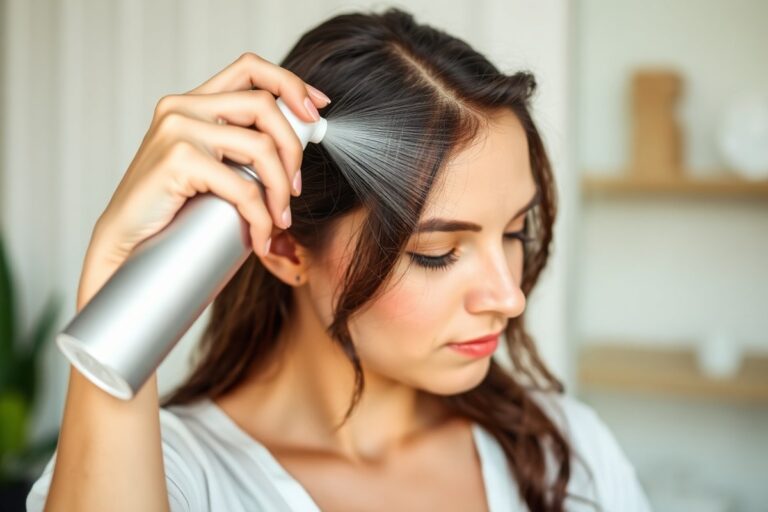
Holding the bottle about 5 to 6 inches away helps apply it evenly without overloading. Doing these keeps your scalp healthy and protects your hair.
Key Takeaways
- Limit dry shampoo use to just two consecutive days. Doing more can cause buildup on your scalp. This buildup may lead to hair problems.
- Limit dry shampoo use to 1 or 2 days each week for healthy hair.
- Wash your hair thoroughly within 48 hours after applying dry shampoo.
- Hold the dry shampoo bottle 5 to 6 inches from your hair during application.
- Discard any dry shampoo products made before 2023 for safety reasons.
- Look out for scalp irritation, which can signal dry shampoo overuse or reaction.
Does Dry Shampoo Directly Cause Hair Loss?

No scientific research shows dry shampoo causes hair loss directly. Experts say dry shampoo itself does not trigger hair loss like genetics or hormones do. It’s the overuse of dry shampoo that can create problems on your scalp.
Using dry shampoo too often can lead to product buildup that clogs your hair follicles. This buildup may irritate your scalp. It causes inflammation that weakens hair.
This can lead to hair falling out more easily. People with sensitive scalps might see thinning.
Fragile hair can get worse too. Overusing dry shampoo without washing is the cause.
Permanent hair loss from dry shampoo alone is very rare. Some users report scalp irritation after using aerosol dry shampoos. Hair shedding also happens.
This comes from the FDA’s adverse event system. Still, these reports don’t prove dry shampoo causes permanent hair loss by itself.
Dry shampoo helps absorb oil and refresh hair but doesn’t replace regular washing. Skipping proper cleansing lets residue pile up on your scalp. This buildup can slow new hair growth.
It may cause temporary hair loss. The scalp’s health gets disturbed by residue.
Experts agree dry shampoo won’t harm hair when used moderately and followed by regular washing. Your scalp might feel itchy, dry, or irritated.
This means you could be using dry shampoo too much. Adjust how often you apply dry shampoo and avoid layering it daily without shampooing with water.
How Dry Shampoo Affects the Scalp and Hair Follicles

Dry shampoo absorbs excess oil using powders like starches. Over time, residue can build up on your scalp and block hair follicles. This blockage traps oils, dead skin cells, and product debris, preventing the scalp from breathing properly.
Follicle blockage leads to inflammation and irritation. Inflamed follicles weaken hair roots, making strands more likely to break or shed. Scalp inflammation can cause issues like folliculitis.
This happens when bacteria or fungi infect hair follicles. It leads to redness or bumps on the scalp.
Regular buildup from dry shampoo can worsen scalp problems like dandruff or seborrheic dermatitis. These worsen itching and scaling, increasing the chance of scratching and damaging hair shafts. Using dry shampoo more than two days in a row can cause irritation.
This also raises the chance of hair loss. Limit how often you use it.
To avoid these issues, apply dry shampoo only on oily spots. Spritz a small amount directly onto your scalp and hair roots. Gently massage to distribute the powder without overloading your scalp.
Washing your hair with water and shampoo removes leftover dry shampoo buildup. Skip washing for too long, and blockage worsens, causing more follicle irritation. You can use dry shampoo once or twice a week safely when combined with regular cleansing.
Rinse your scalp with water and shampoo to stop dry shampoo buildup. Do this within 48 hours after using dry shampoo. This keeps your scalp clean and healthy.
Signs Dry Shampoo Is Damaging Your Hair or Scalp
Signs that dry shampoo is harming your hair or scalp often show up early. You may notice redness, itching, unusual shedding, or flaky scalp patches. Paying attention to these clues helps you avoid serious damage.
Scalp Redness and Itching
Your scalp may become red or itchy if dry shampoo irritates your skin. This happens when ingredients cause an allergic or sensitivity reaction. Mild irritation can worsen if you keep using the product without breaks.
Watch for these warning signs closely right after applying dry shampoo:
- Red, inflamed patches on the scalp
- Persistent itching or burning sensation
- Tenderness or soreness when touching roots
- Swelling or rough skin texture
Stop using the dry shampoo at the first sign of irritation. Rinse your scalp gently with water to ease discomfort. It may take a few days for symptoms to fade once you quit.
Increased Hair Shedding or Breakage
If you use dry shampoo too often, hair may shed more or break easily. Product buildup can dry out strands, making them brittle. Aggressive rubbing while applying also raises the risk of breakage.
To tell if shedding is related to dry shampoo use, check how much falls out daily. Normal shedding is about 50 to 100 hairs.
More than that might mean the product is causing harm. Avoid scrubbing your scalp while applying dry shampoo to prevent strain on fragile hair.
- Notice clumps of hair after using dry shampoo
- Look for broken hairs around the scalp or comb
- Monitor any sudden increase in shedding over weeks
- Stop using dry shampoo if breakage seems worse
Giving your scalp a break helps strengthen your hair. Use gentle shampooing to remove buildup before it weakens your strands worse.
Visible Build-Up or Flaking
Too much dry shampoo can leave visible white flakes or powder on your hair. This buildup blocks hair follicles, leading to scalp flaking or itching. These signs indicate your scalp needs a good deep clean.
Check your scalp and hair for these signs regularly:
- White crusty flakes around the roots
- Dry, scaling patches on the scalp
- Oily scalp underneath dry shampoo residue
You can prevent buildup by washing your hair at least once or twice a week. Use a gentle clarifying shampoo to clear residues without over drying. Ignoring buildup may worsen scalp health and cause hair loss.
How Often Can You Use Dry Shampoo Without Risking Hair Loss?
You can safely use dry shampoo one to two times between regular hair washes. Avoid using it every day to prevent buildup and scalp clogging. Let your scalp breathe by washing it with water and shampoo regularly.
Recommended Frequency for Normal Hair
For hair washed three to four times weekly, use dry shampoo. Apply it on one or two days without washing. Don’t use it on every day off.
You wash twice a week. Use dry shampoo once or twice between washes. People washing once a week should limit dry shampoo to one extra day, preferably midweek.
Daily hair washers don’t usually need dry shampoo unless styling demands it. Overusing dry shampoo can cause scalp buildup, which blocks hair follicles and may lead to damage. Stick to these usage patterns to keep hair healthy over time.
Adjusting Use for Fine or Sensitive Hair
Fine or sensitive hair tends to be more prone to issues from dry shampoo buildup. If you have fine, long hair, dry shampoo can help reduce washing. Use it carefully to avoid overdoing it.
Keep an eye on your scalp’s health. Using dry shampoo twice a week usually keeps hair fresh.
This limits scalp problems related to overuse. Avoid more frequent use unless needed.
Here are tips for sensitive hair:
- Use lighter sprays or powders designed for fine hair.
- Apply small amounts to avoid weighing hair down.
- Space out dry shampoo days with regular washing.
- Watch for itchiness or flakes as signs to cut back.
- Choose dry shampoos with gentle, scalp-friendly ingredients.
This approach helps maintain scalp health while benefiting from dry shampoo’s styling boost.
Warnings Against Consecutive Days Without Washing
Avoid using dry shampoo more than two days in a row without washing your hair. Doing so leads to product buildup, scalp irritation, and blocked hair follicles. These issues can eventually cause hair breakage or even hair loss.
Signs like scalp itch, flakes, or heaviness at the roots mean you should wash your hair. Remember that dry shampoo doesn’t replace traditional washing with water and shampoo. Use it as a convenience, not a daily routine.
Ingredients in Dry Shampoo That May Affect Hair Health
Dry shampoos often contain powders and alcohols that can irritate your scalp. These ingredients may clog pores and cause buildup, which leads to inflammation. This inflammation can slow hair growth and make thinning more noticeable.
Fragrances in dry shampoos can also irritate sensitive scalps. Notice redness or itching after use?
Fragrance might cause it. Choosing fragrance-free or mild formulas can reduce this risk.
The table below compares common dry shampoo ingredients and how they affect scalp and hair health.
| Ingredient | How It May Affect Hair | What to Watch For |
|---|---|---|
| Alcohol (Isopropyl Alcohol, SD Alcohol) | Dries out scalp and hair, can cause irritation | Dry, flaky scalp or brittle hair |
| Starch Powders (Rice, Cornstarch) | Can build up on scalp, clog pores | Heavy residue, dull-looking hair |
| Silica | Absorbs oil but may cause dryness if overused | Dry scalp sensations or itchiness |
| Fragrance | May irritate sensitive scalp skin | Redness, itching after use |
| Oleophobic Technology (e.g., Living Proof) | Repels dirt and oil, reduces buildup | Lighter feel, less residue on hair |
Alcohols strip away natural oils quickly. Frequent use causes dryness, frizz, or flaking.
Starch powders absorb oil but can settle deep in pores when not washed out. This buildup sometimes triggers scalp irritation and slows hair growth.
Some dry shampoos use special formulas, like oleophobic technology. This helps powders resist sticking and rinse out easier. Products with this tech often leave your hair feeling cleaner and lighter.
Try avoiding dry shampoos with high alcohol and heavy powders for sensitive scalps.
For your hair type, pick gentle dry shampoos without fragrances or with minimal alcohol. Monitor how your scalp feels after use.
Irritation shows up? Try using less dry shampoo or switch brands.
Safe Application Techniques to Protect Hair and Scalp
Using dry shampoo the right way can help prevent damage to your hair and scalp. Proper application stops irritation and breaks from rough rubbing or buildup. Follow these steps to keep your hair safe while freshening up.
Hold Can 5-6 Inches Away
Hold the dry shampoo can about 5 to 6 inches from your hair before spraying. This distance spreads the product evenly across the scalp and hair. Spraying too close may cause powder buildup in one spot that feels heavy or sticky.
Keep the spray nozzle pointed slightly away from skin to avoid irritation. A light mist reaches the roots without soaking them directly.
Avoid Scrubbing into Scalp
Don’t rub dry shampoo into your scalp with your fingers or a brush. Scrubbing can cause friction that weakens hair strands and irritates your skin. Instead, let the powder sit and soak up oils for about 5 minutes.
After the wait, gently massage your scalp with fingertips to loosen residue. This avoids pulling and breaking hairs while distributing the product.
- Hold the spray 5-6 inches from roots
- Smooth the powder onto scalp with fingers lightly
- Don’t scrub hard; use gentle motions only
- Allow 5 minutes for oil absorption before brushing
- Use a soft-bristle brush to blend dry shampoo
- Focus on oily areas rather than the whole head
- Limit dry shampoo use to 1-2 times per week
Following these tips reduces scalp irritation and protects fragile hairs. The powder absorbs oils without harsh friction or scraping.
Let Product Absorb Before Brushing
Give the dry shampoo time to soak up oils before combing or styling. Wait about 5 minutes after spraying. This pause lets the powder work and prevents disturbing your scalp or roots.
After the pause, use a soft brush to gently spread the dry shampoo through hair. Brushing helps remove any excess powder and refreshes your hair’s look without causing breakage. Avoid vigorous combing right away to keep strands strong.
How to Cleanse Your Scalp After Using Dry Shampoo
Washing your hair after using dry shampoo is key to stopping buildup. Use a gentle shampoo to wash your hair every 2 or 3 days. This is important if you use dry shampoo a lot.
It helps keep your scalp clean and healthy. Skipping this step can cause oils, sweat, and dry shampoo residue to clog your scalp.
Use a clarifying shampoo at least once a week. Clarifying shampoos remove leftover product and dead skin cells better than regular shampoos. They clear your hair and scalp without damaging your strands if you use them properly.
Here’s how to cleanse your scalp safely after using dry shampoo:
- Start with a small amount of clarifying shampoo to avoid drying out hair.
- Massage shampoo gently into your scalp for 1 to 2 minutes to lift buildup.
- Rinse with lukewarm water. Hot water can dry out your scalp and hair.
- Follow with a hydrating conditioner or hair mask to restore moisture.
- Use a scalp brush or a soft silicone scrubber once a week to help remove flakes.
- Don’t shampoo more than 3 times per week to prevent stripping natural oils.
- Adjust your routine depending on your scalp’s condition and oiliness.
Scalp scrubs and brushes help remove buildup from your scalp. They are good if your scalp feels itchy or flaky. Use them gently to avoid irritation.
They improve circulation and leave your scalp feeling fresh. Use these tools gently to avoid irritation
Look for shampoos made for your hair type to keep your scalp balanced. Dry hair needs a moisturizing shampoo. It helps add moisture and softness.
Look for shampoos with hydrating ingredients. For oily scalps, choose one with gentle cleansing ingredients without harsh chemicals.
When to Stop Using Dry Shampoo and Seek Professional Help
Stop using dry shampoo if you notice itching, redness, or flakes on your scalp. These symptoms suggest irritation or buildup that could harm hair follicles. Stop using dry shampoo if your hair feels brittle or breaks easily.
Hair falling out in clumps or thinning is also a warning sign. Take a break and care for your scalp to prevent damage.
Seeing a dermatologist is smart if hair loss continues after you stop dry shampoo. A doctor can check if infections or hormones cause your hair loss. They might run tests to find the real reason behind this.
Getting a diagnosis helps find the right treatment quickly. Early treatment can reduce risks of long-term damage or permanent hair thinning.
Permanent hair loss can happen if scalp health worsens without care. Excess buildup may block follicles and stop new hair growth over time. A professional exam will show how serious the problem is and which treatments will help.
- Pause use if scalp shows redness, swelling, or itching
- Stop if hair sheds more than usual or thins noticeably
- Limit dry shampoo use to two days in a row maximum
- Switch to regular washing with shampoo and water at least twice a week
- See a dermatologist if hair loss lasts over four weeks
- Seek professional advice when scalp builds up hard flakes or crusts
Try cleaning your scalp with a gentle clarifying shampoo after stopping dry shampoo. This clears out residue and calms irritation. A proper shampoo costs about $10 to $20 and takes five to ten minutes to use.
You may need prescription treatments if stubborn scalp problems last. Options include medicated shampoos, topical solutions, or oral medication. The right approach depends on a doctor’s diagnosis and how severe your hair loss is now.
Use dry shampoo only two days in a row and always wash your hair soon after.
Step-by-Step Action Plan to Use Dry Shampoo Safely
Follow these steps to keep your scalp and hair healthy while using dry shampoo. This simple plan helps avoid hair loss risks.
- Before first use: Read the ingredient list carefully. Avoid products with alcohol or harsh chemicals to protect your scalp.
- Day 1: Apply dry shampoo only to dry hair roots. Your scalp might feel itchy or greasy after use; wash it.
- Week 1: Limit dry shampoo use to 2 or 3 times a week. Notice if your hair feels less oily but not brittle or flaky.
- After 2 weeks: Start shampooing normally at least once a week to cleanse your scalp. Check if flakes or buildup reduce.
- Week 3: Observe your scalp for redness, irritation, or hair shedding. See these signs? Reduce use or stop dry shampoo altogether.
- After 1 month: Use gentle massage and rinsing to remove residue after dry shampoo use. Healthy scalp feeling means this is working.
- Ongoing: If hair fall grows or scalp feels sore, try milder products. Avoid dry shampoo until you talk to a professional.
Frequently Asked Questions
Can Dry Shampoo Cause Hair Thinning over Time?
Dry shampoo itself doesn’t cause thinning over time. Using it too much can block your hair follicles and irritate your scalp. This irritation may weaken your hair.
It could also make your hair look thinner. Use it moderately and wash your hair regularly to avoid issues.
Does Dry Shampoo Affect Hair Growth Cycles?
Dry shampoo doesn’t directly affect hair growth cycles. However, clogged follicles from buildup might cause inflammation, disrupting healthy follicle function. Keep your scalp clean to maintain normal hair growth.
Can Dry Shampoo Cause Scalp Infections That Lead to Hair Loss?
Dry shampoo doesn’t usually cause infections, but heavy buildup may lead to irritation. Irritated or inflamed scalp can become vulnerable to infections, which might contribute to hair loss. Cleanse your scalp often to prevent this.
Is It Safe to Use Dry Shampoo on Sensitive Scalps?
Dry shampoo is generally safe for sensitive scalps if used sparingly. Using too much without cleaning can irritate your scalp more. Test a small area first and avoid daily use to protect your scalp.
Will Dry Shampoo Clog Hair Follicles Permanently?
Dry shampoo buildup can clog follicles temporarily but usually isn’t permanent. Regular washing removes residue and helps follicles stay clear. Overuse without cleaning raises the risk of follicle blockage and irritation.
Does Dry Shampoo Affect Different Hair Types Differently?
Dry shampoo effects vary by hair type due to texture and scalp oiliness. Thick, curly hair may tolerate it better.
Fine or oily hair might show buildup faster. Adjust use based on how your hair responds.
Before You Go
Dry shampoo won’t cause hair loss by itself if you use it carefully. Your scalp needs regular washing and gentle care to stay healthy. Try the steps above and watch how your hair feels and looks.