What Is a Hair Mask? How It Works + How to Use It for Best Results
What is a hair mask? It’s a deep treatment that you rinse out after letting it sit.
Hair masks work by delivering more concentrated nutrients and moisture than regular conditioners do. They usually stay on your hair for 5 to 20 minutes to soak in fully.
Unlike daily conditioners, hair masks give your hair a stronger dose of care. You apply them after shampooing and leave them on longer. This helps fix damage, add moisture, and improve softness and shine.
Before using a hair mask, shampoo your hair thoroughly so it can absorb better. Avoid leaving masks on too long if your hair just needs light care. Following these simple steps gets you the most from your hair mask.
Key Takeaways
- Use a hair mask after shampooing for 5 to 20 minutes depending on your hair’s needs.
- Hair masks deliver richer ingredients and deeper moisture than regular conditioners.
- Shampoo hair first to remove buildup for better mask absorption.
- If your hair is healthy, 5-10 minutes with a mask is enough.
- For damaged hair, leave the mask on closer to 20 minutes to repair.
- Hair masks are intensive treatments, not something you use every day.
What Is a Hair Mask and How Does It Work?

A hair mask is a thick treatment that repairs and nourishes hair deeply. It hydrates and strengthens strands more than regular conditioner does. You usually leave it on for 5 to 20 minutes to work well.
Regular conditioners rinse off in 1 to 3 minutes during every wash. Hair masks, however, act as a weekly or bi-weekly booster. They give extra care less often.
They have richer ingredients and thicker formulas. So they soak into your hair more deeply. Leaving the mask on longer helps repair damage and hold moisture in.
It also improves hair texture beyond what conditioners typically do. This makes hair feel healthier overall.
To use a hair mask, apply it after shampooing. For dry hair, start near the scalp and move toward the ends. For oily hair, begin around mid-shaft to avoid weighing down roots.
Leave the mask on for at least 5 minutes. Some treatments work well if left on up to 20 minutes or even overnight.
You shouldn’t swap conditioner for a hair mask every wash. Hair masks are richer and meant for occasional use. Using them too often can weigh hair down.
Overuse can make hair feel heavy or greasy. Apply a hair mask once a week or every two weeks instead. The exact timing depends on how your hair responds.
This schedule keeps your hair healthy without overdoing it. Over time, your hair should look shinier, feel softer, and handle styling better.
Hair masks cost more than regular conditioners. Prices usually range from $10 to $75 based on the brand and ingredients used. You pay extra for deeper treatment.
Spending extra minutes on a hair mask pays off for dry or damaged hair. It also helps if your hair lacks shine.
The treatment brings back softness and strength. But if your hair is healthy and soft, regular conditioner might be enough for daily care.
Key Benefits of Using Hair Masks for Healthy Hair

Hair masks provide deep nourishment that daily conditioners usually can’t match. Their rich formulas contain oils, butters, and proteins that soak in over 5 to 20 minutes. This results in softer hair.
It helps prevent breakage. It also reduces split ends caused by damage or heat styling.
Hair masks help your hair hold moisture. This is great if your hair feels dry. They also help if your hair is brittle.
Ingredients like shea butter and aloe vera lock in hydration. This keeps your strands smooth and elastic, reducing frizz and flyaways even in humid weather.
Frizz control gets a real boost with hair masks. They form a lightweight barrier around each hair strand. For example, a keratin-rich mask can smooth out the cuticle.
So your hair looks sleek and polished all day. You’ll notice less fuzz and easier styling.
People with dry, damaged, or color-treated hair gain the most from using masks regularly. Color treatments and bleaching strip natural oils and weaken strands, causing dullness and brittleness. Use deep conditioner once or twice weekly.
It can bring back shine. It also repairs damage by adding nutrients.
Hair masks can also improve your hair’s natural shine. The nourishing ingredients fill in rough patches on the hair shaft.
This repairs texture and lets light reflect better. So your hair looks vibrant and healthy rather than lifeless.
Longer application times help sensitive hair types get the full benefit. For thick or very dry hair, leave the mask on up to 30 minutes. This can really improve your hair’s condition.
Fine or oily hair responds well to shorter mask treatments around 5 to 10 minutes. Adjust your timing based on how your hair feels afterward.
Always rinse your hair thoroughly after leaving on a mask to avoid buildup and scalp irritation.
Different Types of Hair Masks and Their Purposes
Hair masks come in several types based on texture and purpose. They include moisturizing, protein-rich, scalp treatments, and even DIY homemade options. Choosing the right one depends on your hair type and needs.
Moisturizing and Hydrating Masks
These masks add moisture and softness to dry or coarse hair. They often contain oils like argan or coconut and creamy ingredients to smooth strands. Curly or coily hair benefits most from hydrating masks to keep curls defined and soft.
People with fine or straight hair should pick lightweight moisturizing masks. Heavy formulas might weigh hair down or make it greasy. Look for masks labeled non-greasy or suitable for fine hair.
Protein and Repair Masks
Protein masks help strengthen hair by filling in damaged spots on strands. They work well if your hair feels weak or breaks easily. These masks restore structure, especially after heat or chemical damage.
Use protein masks no more than once or twice a week. Overusing them can leave hair stiff or brittle. Combining a protein mask with a moisturizing mask balances strength and softness.
Scalp and Treatment Masks
Scalp masks focus on cleansing and soothing your scalp rather than hair strands. They help with issues like dryness, flakiness, or irritation. Ingredients like tea tree oil or charcoal are common for these masks.
Apply scalp masks only to your scalp. Leave them on for 5 to 15 minutes.
Then wash out the mask. They improve scalp health, which supports better hair growth and overall hair condition.
DIY Hair Masks You Can Try at Home
Making your own hair mask is easy and uses common kitchen items. You can combine coconut oil, honey, avocado, or eggs for moisturizing and repairing effects. DIY masks let you control the ingredients and avoid chemicals.
Use one of these quick recipes and leave the mask on for 15 to 20 minutes. Then rinse well with warm water. Repeat one to two times a week depending on your hair needs.
- Mix one egg with 2 tablespoons of olive oil for protein boost
- Combine mashed banana and honey for hydration and shine
- Apply pure coconut oil to dry ends for deep moisture
- Blend avocado with yogurt to strengthen and soften coarse hair
- Mix aloe vera gel and coconut oil for scalp soothing
Store-bought masks provide convenience when you don’t have time. They come with clear directions and formulated blends for specific hair types. Test a small amount first to avoid any reaction from sensitive scalps or fine hair.
How to Properly Apply a Hair Mask for Best Absorption
Apply hair masks on damp hair for best absorption. Avoid dry or soaking wet hair. Adjust time and method based on hair type and mask ingredients.
Preparing Hair Before Masking
Rinse your hair gently with warm water to help open the cuticles. Avoid soaking wet hair to prevent diluted masks, which weakens their effect. Damp hair holds moisture and allows better product penetration.
Use a mild shampoo to cleanse your scalp and hair dirt-free before applying the mask. Skip conditioner unless the instructions say otherwise. Damp, clean strands absorb nourishing ingredients more evenly and deeply.
Application Techniques and Sectioning Hair
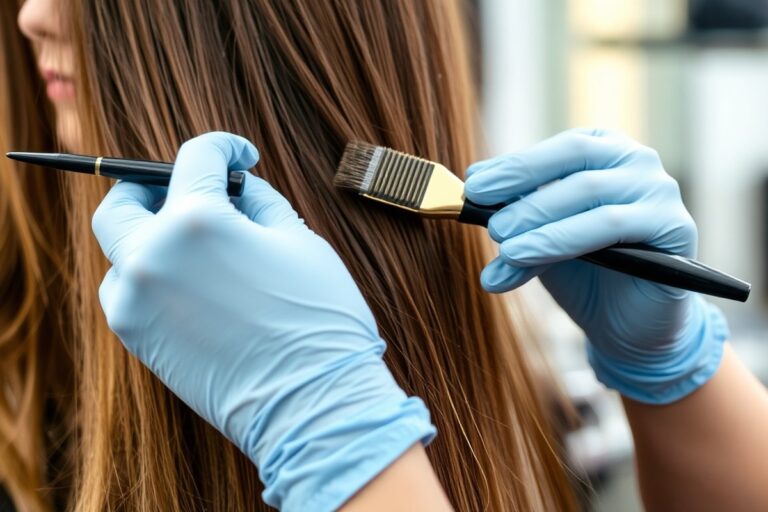
Divide your hair into sections to apply the mask evenly. This avoids missing spots and ensures full coverage on all strands. Use clips or hair ties to separate hair into halves or quarters, depending on thickness.
- Start with damp hair, towel-dried but not dripping.
- Take a small amount of mask and warm it in your hands.
- Work the mask from mid-lengths to ends, where damage is worst.
- Avoid roots unless the mask is designed for scalp treatment.
- Apply to each section, smoothing the mask for even spread.
- Massage gently to help absorption but don’t rub hard.
- For oil-based masks, apply on dry hair starting at the ends.
Use fingertips or a wide-tooth comb to distribute the mask if hair is thick. Wearing gloves can help avoid oily hands. Covering hair with a shower cap traps heat and improves absorption.
Recommended Timing and Leave-In Durations
Leave the mask on for 5 to 10 minutes for most hair types. This timing fits busy schedules and provides good nourishment. For more intense treatment, extend to about 15 minutes.
Overnight use suits oil-based or deeply moisturizing masks. Wrap hair in a towel or silk scarf to protect your bedding. Rinse thoroughly in the morning with lukewarm water to avoid buildup.
Thicker, coarser hair may benefit from longer mask times or more frequent use. Fine, limp hair should stick to shorter sessions to prevent weighing down. Follow the product’s instructions closely for best results.
How Often to Use Hair Masks: Finding Your Ideal Routine
How often you use a hair mask depends on your hair type and needs. Very dry or textured hair usually benefits from one to two times a week. Finer or thin hair does well with masks every other week.
This helps avoid buildup. It also prevents weighing hair down.
Curly hair can benefit from a custom mask once or twice a week. It often makes a big difference. Regular use helps manage curls better.
It helps reduce tangles and keeps curls defined longer. Leaving the mask on for about 10 minutes is common. But some masks work better when left for up to several hours or even overnight.
Keep in mind that overusing hair masks can cause product buildup. It might clog follicles or make hair feel greasy and heavy. To prevent this, space out mask treatments and avoid applying other heavy products near your scalp.
Try starting with a weekly hair mask and adjust based on how your hair feels.
Choosing the Right Hair Mask Ingredients for Your Hair Needs
Look for ingredients that fit your hair’s main problem. For dry hair, opt for masks with natural oils or glycerin.
Shea butter and aloe vera also lock in moisture very well. These ingredients hydrate deeply and reduce the rough, brittle feel.
When your hair feels weak or breaks easily, choose masks with vitamins and minerals. They help repair damage from heat styling or chemical treatments. Proteins and amino acids in these masks strengthen the hair shaft to prevent splits and snaps.
| Hair Issue | Effective Ingredients | How They Help |
|---|---|---|
| Dryness | Natural oils, glycerin, shea butter, aloe vera | Lock in moisture and soften hair strands |
| Damage Repair | Vitamins, minerals, proteins, amino acids | Strengthen hair and reduce breakage |
| Frizz | Botanical oils, smoothing agents | Calm rough cuticles for a sleek finish |
| Dandruff | Tea tree oil, salicylic acid, soothing botanicals | Help clear flakes and soothe scalp irritation |
| Color Protection | Antioxidants, UV filters, nourishing oils | Shield hair from fading and dryness |
Frizz giving you trouble? Choose masks that contain botanical oils.
These tame hair by smoothing out the cuticle layer. That gives you soft strands and less flyaway.
Dandruff needs special attention to your scalp, not just your hair. Masks that include tea tree oil or salicylic acid can reduce flakes. These ingredients soothe irritation while cleaning buildup on your scalp.
Some masks also help protect hair color from fading by including antioxidants and UV filters. They shield strands from sun exposure and dryness that strip color.
Use a mask that works for your biggest concern and follow the label’s timing. Most need about 10 to 20 minutes to soak in fully. Rinse with cool water to seal the cuticle and lock in moisture for best results.
Common Hair Mask Mistakes and How to Avoid Them
Using a hair mask too often can backfire. Overuse may lead to greasy, weighed-down hair rather than soft, nourished strands. For most hair types, use a mask once a week.
It keeps hair healthy. It also prevents buildup.
Many people skip shampooing before applying a hair mask. This mistake prevents the mask from penetrating properly. Always shampoo first to remove dirt and oil.
This helps the mask work better. It clears away styling product too.
Leaving a hair mask on too long can irritate your scalp or cause sensitivity. Stick to the time on the package, usually 5 to 15 minutes. Longer isn’t better and can even cause dryness or breakage.
- Apply the mask evenly from mid-length to ends, avoiding scalp buildup
- Follow product instructions exactly for timing and rinsing
- Use a wide-tooth comb to distribute the mask, preventing clumps
- Rinse thoroughly with lukewarm water to remove all residue
- Don’t mix different hair treatments unless stated safe by the brand
- Mix oils like honey-infused hair oil with masks carefully to amplify benefits
- Avoid heat tools on wet, masked hair to prevent damage
Improper mixing of products can cause buildup or reduce effectiveness. Only combine products designed to work together.
For boosting shine, mix a few drops of honey-infused hair oil with your hair mask. But don’t add random oils or conditioners unless tested safe.
The temperature during application matters. Avoid very hot water or heat styling tools on hair treated with a mask.
Hot tools can undo your mask’s benefits and damage wet, vulnerable hair. Instead, use lukewarm water for rinsing and let your hair air dry or use low heat.
When to Use Hair Masks Alongside Other Hair Treatments
You can use a hair mask instead of conditioner occasionally but not always. Hair masks provide deeper repair, so they take longer and need rinsing off. You still need lighter conditioners or oils for daily care and maintenance.
Using Hair Masks with Conditioners and Oils
Hair masks are best used once or twice a week for deep conditioning. Use a regular conditioner on other days to keep hair soft and manageable. Skip conditioner after a hair mask since the mask itself adds plenty of moisture.
Oils should go on after washing and drying your hair lightly. Applying oils on damp hair seals moisture and smooths the cuticle. Avoid heavy oils before a hair mask.
They can block mask ingredients. This stops your hair from soaking the benefits fully.
Apply oils only after your hair is mostly dry to avoid a greasy feel.
Leave-Ins vs Masks: How to Combine Them
Leave-in conditioners stay in your hair after rinsing and protect it throughout the day. They often double as heat protectants and detanglers. Use hair masks during your shower routine.
After rinsing, apply leave-ins on towel-dried hair. This adds extra protection and care.
Leave-ins don’t replace hair masks because they don’t repair as deeply. Masks stay on for 20 minutes or more, while leave-ins remain all day. Combining both helps you repair hair and keep it healthy daily.
Don’t use a hair mask and leave-in conditioner at the same time in the shower.
Signs That Need Professional Haircare Help
Severe damage like constant breakage, scalp pain, or hair loss needs expert care. Home treatments can cause irritation or no change after one month.
See a haircare professional to get the right help. A specialist can diagnose issues and recommend treatments you can’t get over the counter.
Professional treatments may include deep protein treatments, scalp therapy, or medical solutions. Don’t try to fix serious damage alone because wrong products might make it worse.
Step-by-Step Action Plan for Using Hair Masks
Follow these steps to get the most from your hair mask and see real results.
- Before you start: Choose a hair mask with ingredients that fit your hair type. Check for moisture or protein boost depending on your needs.
- Day 1: Apply the mask to clean, damp hair after shampooing. Avoid the scalp unless it’s a scalp treatment mask.
- Day 1, during application: Leave it on the time the label says. This is usually 5 to 20 minutes. Follow this step carefully for best results. Use a shower cap to trap heat for better absorption.
- Day 1, after rinsing: Rinse thoroughly with lukewarm water till the water runs clear. Feel your hair’s softness and weight.
- Week 1: Repeat the treatment once a week or as the mask’s instructions say. Track if your hair feels less dry or damaged.
- After 2 weeks: Notice if your hair looks shinier and feels smoother. Adjust mask frequency if hair feels weighed down or greasy.
- Monthly review: Switch masks or ingredients if your hair needs change with seasons or treatments. Keep a small diary to track changes.
Frequently Asked Questions
What Exactly Is the Difference Between a Hair Mask and a Deep Conditioner?
A hair mask is thicker and more concentrated than deep conditioner. It usually requires longer time on hair for deeper treatment and repair.
Can Hair Masks Help with Color-Treated Hair?
Yes, hair masks can help protect and restore color-treated hair. Look for masks with ingredients that lock in moisture and prevent fading.
Can You Use a Hair Mask on Oily Hair?
You can, but choose a lightweight, oil-free hair mask. Apply it mainly to hair ends, avoiding the scalp to prevent greasiness.
Is It Okay to Leave a Hair Mask on Overnight?
Some masks are safe for overnight use, like honey-infused ones. Always check the product label to avoid scalp irritation or buildup.
Can Hair Masks Reduce Dandruff or Scalp Issues?
Most hair masks focus on hair strands, not the scalp. Use treatments designed specifically for scalp conditions alongside your hair mask routine.
Are Homemade Hair Masks as Effective as Store-Bought Ones?
Homemade masks can be helpful but lack the concentration of store-bought ones. Store masks often have scientifically formulated ingredients for better results.
Key Points to Remember
A hair mask adds deep care that your regular shampoo can’t. Pick one that matches your hair needs and use it right. Try a mask this week and feel the difference in your hair’s strength and shine.