How to Use Hair Curlers Perfectly: A Complete Guide with Tips and Timelines
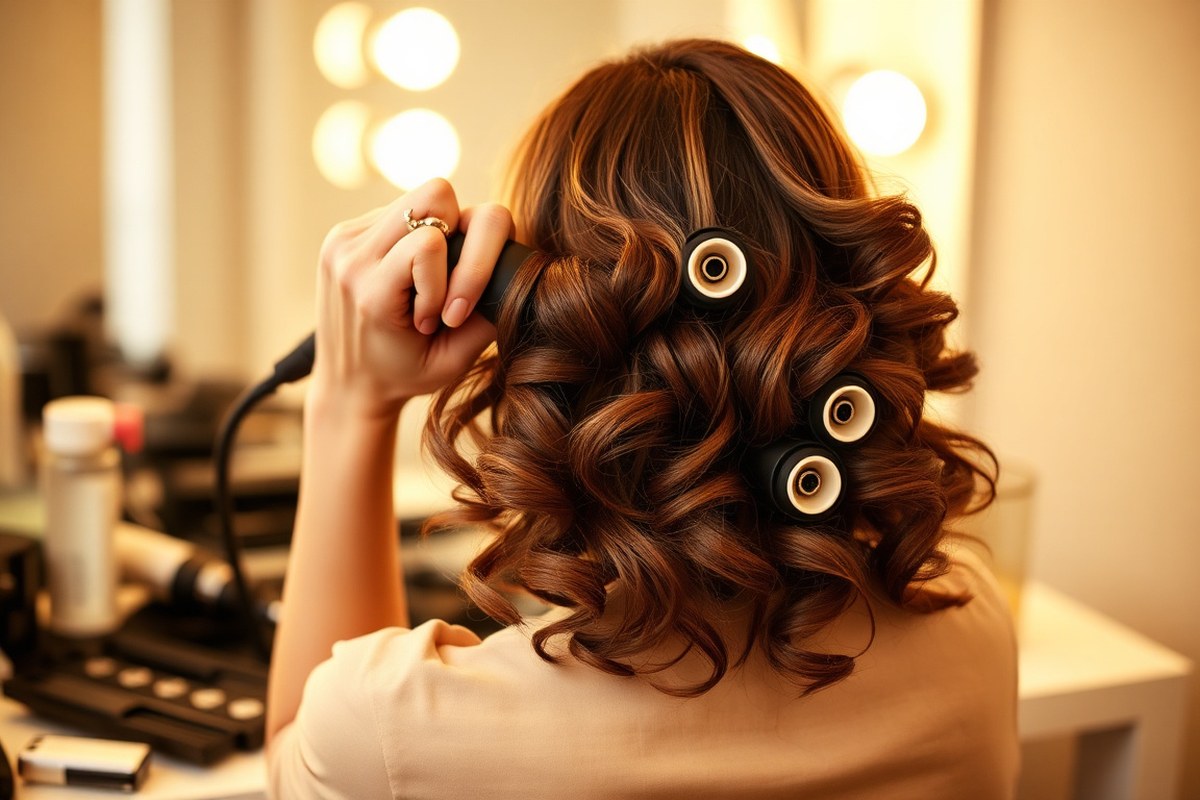
Wondering how to use hair curlers effectively? Start by picking the right type of rollers for your hair texture and style goal. Preparing your hair the right way makes curls look better.
Timing your curling process also matters a lot. These steps help you get great curls every time.
Hair that is about 70 to 80 percent dry works best. So blow-dry it before you curl.
Use large rollers for big, soft waves and medium-sized rollers to get bouncy curls. Hot rollers go into completely dry hair. But hook-and-loop rollers do best on damp or dry strands.
Leaving rollers in for 20 to 40 minutes generally creates soft waves. Tighter curls need 30 minutes or more.
Key Takeaways
- Blow-dry your hair to about 80% dry before using curlers.
- Choose roller size based on the curl type you want.
- Hot rollers require fully dry hair; Velcro rollers can work on damp hair.
- Leave rollers in 20, 40 minutes for waves, longer for tight curls.
- Wait for hot rollers to cool completely before removing for best hold.
- Use silicone-free hair oil on dry or frizzy hair before curling.
How to Use Hair Curlers Step-by-Step for Best Results
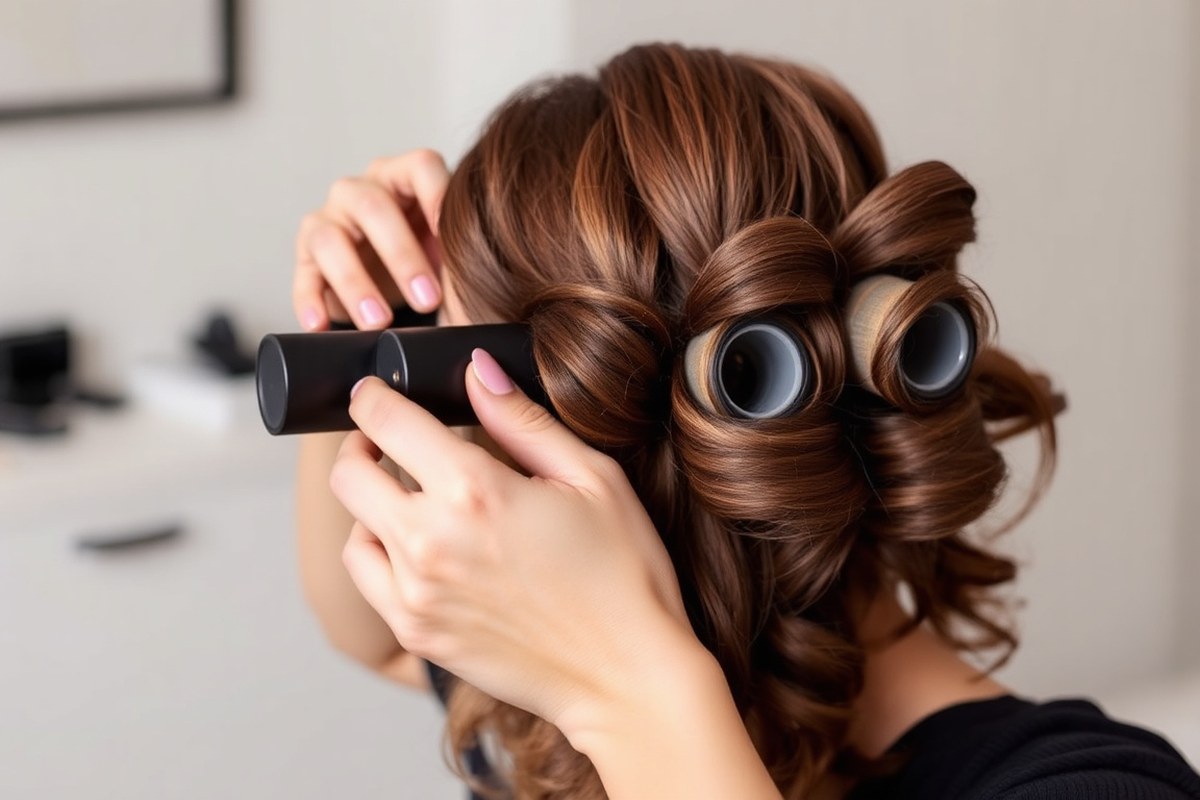
The steps to use hair curlers matter to get curls that last and look neat. You start with clean, dry or slightly damp hair. Using a heat protectant spray helps shield your strands if you pick hot rollers.
Sectioning your hair evenly is key. Small, smooth sections make rolling easier and curls more defined. Roll each section tightly but not too tight to avoid scalp tension or creases.
- Prep your hair: Apply a heat protectant on dry or slightly damp hair. Comb it through to remove tangles and smooth strands.
- Section your hair: Divide hair into small, even sections using clips. Aim for sections about 1 inch wide for most curlers.
- Roll the hair: Take each section, comb through, and roll it upward or around the roller. Follow your curler’s instructions, Velcro rolls from ends to scalp, hot rollers wrap and clip.
- Set the curls: Leave rollers in for the right time. For hot rollers, 10 to 30 minutes works. Foam rollers and heatless types usually need longer or overnight.
- Dry the hair: If damp, use a low-heat hooded dryer or let air dry fully. Damp hair takes longer to hold curls if not fully dry.
- Remove the curlers: Once dry, gently unroll each curler. Avoid pulling or yanking to stop frizz or damage to shape.
- Style the curls: Use fingers or a wide-tooth comb to separate curls gently. Finish with light hairspray for hold if needed.
The key is patience. Hot rollers work fast, but foam or flexi rods need more time. Don’t rush removal.
Taking curls out early can cause limp curls or tangles. Keeping sections the same size avoids uneven curls or bumps.
More curls hold when you prep well and don’t overload with product. Using too much can weigh curls down or make hair sticky. Rollers work best on smooth, detangled hair, so don’t skip combing through each section.
Choosing the Right Hair Rollers for Your Hair Type and Style

Choosing the right hair rollers depends on your hair type, length, and the curls you want. Different rollers work better on fine, thick, or damaged hair. Size and heat use affect curl shape and safety.
Velcro Rollers: Uses and Ideal Hair Types
Velcro rollers stick to dry or blow-dried hair without pins or clips. They create volume at the roots and soft curls on straight or slightly wavy hair. These are not good to sleep in since they don’t stay secure overnight.
Fine hair benefits from Velcro rollers because they lift without weighing down strands. Thick hair may need larger Velcro rollers to grab enough hair. Damaged hair should avoid Velcro rollers as they might tangle fragile strands.
Hot Rollers: Heat Settings and Curling Benefits
Hot rollers use heat on dry hair, speeding up the styling process. Most people leave rollers in for 10 to 30 minutes. This helps create soft, bouncy curls.
It can also add volume to your hair. They suit thick or coarse hair well because heat helps shape curls better.
Set the heat based on your hair type. Use low heat and quick sessions for fine hair. Thick hair needs more heat and longer time.
Damaged hair needs lower temperatures to avoid burns or breakage. Hot rollers don’t work well with damp hair to avoid damage.
Foam and Flexi Rods: Overnight and Heat-Free Options
Foam rollers and flexi rods go on damp hair and can be left overnight. This method avoids heat damage and gives soft, spiral curls or waves. They work well on all hair types, especially delicate or dry hair.
Flexi rods create tighter spiral curls and suit hair of all lengths. Foam rollers offer looser curls and volume. Both styles hold curls longer because hair sets while drying slowly.
Magnetic and Jumbo Rollers for Volume and Waves
Magnetic rollers use small clips to hold hair and come in various sizes. Jumbo rollers measure over 2 inches in diameter. They work well for big volume.
These rollers make gentle waves, not tight curls. Larger rollers best suit long hair to create loose bends.
Using jumbo rollers on fine hair avoids overly tight curls. Thick hair with jumbo rollers gets softer volume without bulk. Avoid sleeping in magnetic rollers unless designed for overnight since clips can pinch scalp.
| Curler | Put Them In | Sleep in Them? | Best For |
|---|---|---|---|
| Hot Rollers | Completely dry hair | No. Take out after 10 to 30 min | Rollers add volume fast and create soft curls on straight or wavy hair. They work well on hair that’s been blow-dried. Use them for a quick styling boost. |
| Velcro Rollers | Dry or blow-dried hair | No | Volume at roots on straight or blown-out hair |
| Foam Rollers | Damp hair | Yes | Soft, bouncy curls overnight on any curl type |
| Flexi Rods | Damp hair | Yes | Spiral curls suit many hair lengths. They look good on short natural hair too. This style works for lots of hair types and lengths. |
| Perm Rods | Damp hair | Yes | Defined curls with heat-free setting |
Choosing your roller depends on whether you want quick curls, volume, or overnight curls. Foam and flexi rods let you avoid heat and still get shaped curls. Hot rollers take less time but need dry hair and some heat care.
Avoid using hot rollers on wet hair to prevent damage and uneven curls.
How Hair Preparation and Products Affect Your Curling Success
Use hair curlers on dry or nearly dry hair for the best results. Hair should be mostly dry, about 70 to 80 percent, before rolling to help curls hold. Applying the right products protects hair, tames frizz, and boosts curl longevity.
Ideal Hair Drying Percentage for Different Rollers
Hair should be 70 to 80 percent dry for most rollers. This works well with hook-and-loop or Velcro types. Fully dry hair suits hot rollers, which need about 10 to 30 minutes to set curls.
Using soggy or soaking wet hair can make curls fall out. It also risks damage over time.
Semi-damp hair, around 90 percent dry, can work for some flexible rods or soft rollers. That level allows curls to form without excess heat stress.
Don’t wrap hair that’s still wet from mousse or serum. It takes too long to dry and set right.
Heat Protectants and Anti-Frizz Products
Applying a heat protectant spray before using hot rollers is important. This product forms a layer on hair strands.
It helps stop heat damage from hot rollers. Spray evenly through your hair, focusing on mid-lengths and ends where breakage often occurs.
Use smoothing serums or anti-frizz sprays just before rolling for a shinier, frizz-free look. These lightweight products keep curls defined without weighing hair down.
After taking out rollers, use light oil or hair spray. This seals curls and adds shine.
Styling Products That Boost Curl Longevity
Use mousse or volumizing spray on damp or dry hair. It helps curls hold longer.
Choose lightweight formulas that add body but don’t make hair stiff or sticky. Apply a golf ball, sized amount evenly, then comb through for even distribution.
Setting lotions designed for curls can improve shape retention. Use according to package directions, usually on damp hair before rolling. These products help curls stay bouncy for hours, especially in humid conditions.
Avoiding Hair Damage While Curling
Never curl soaking wet hair since it weakens strands and prevents curls from setting. Wait until hair dries to about 70, 80 percent before applying rollers. This reduces risk of damage and helps curls last.
Choose the lowest heat setting that still styles your hair effectively. High heat causes more damage and leads to dryness over time. Using heat protectant sprays before hot rollers helps shield hair from thermal injury.
Timing and Setting: How Long to Leave Curlers in for Perfect Curls
Leave hot rollers in your hair until they cool down fully. This usually takes 15 to 30 minutes depending on roller size and hair type. Waiting allows the curl to set firmly, so your curls last longer.
For thermal rollers, use a lower heat for fine or coloured hair. Set the temperature around 150°C. Rollers should stay in for about 10 to 15 minutes. Thick or hard-to-curl hair needs higher heat with thermal rollers.
Set the heat near 200°C. Leave the rollers in for about 20 to 30 minutes. Medium hair often curls well at a medium heat and about 15 minutes.
Cold rollers require your hair to be damp but not soaking wet. Drying and setting with cold rollers may take an hour or more. Using them on wet hair slows the process and risks uneven curls.
You can sleep with curlers in only if they’re soft foam rollers. Leave them in overnight to wake up with loose curls. Avoid sleeping in heated or hard rollers; they can cause discomfort or damage.
Leaving rollers in too short leads to curls falling out quickly or not forming well. Too long can create overly tight curls that look unnatural and might stress your hair. Always remove rollers once they feel cool and your curls hold shape.
Heat settings affect curl time a lot. Using lower heat means curls take longer to set properly. This method is safer for fragile hair.
You avoid extra damage by using low heat. Higher heat cuts setting time but risks damage if overused. Start with a medium setting and adjust based on your hair’s response.
Divide your hair into four to six sections using clips or ties to make curling easier. Smaller sections create more uniform curls and reduce setting time. For longer hair, curling top sections first gives a balanced look.
Tips to Achieve Long-Lasting Volume and Prevent Frizz
To get extra volume at your roots, roll your hair away from your scalp. Place the roller close to the roots and roll upward to lift the hair. Using self-grip rollers on straight hair makes bouncy volume at the base.
You can also use them on blow-dried hair for the same effect. They give your roots a natural lift.
Applying a heat protectant before using thermal rollers is key. Preheat the rollers before using them on your hair. Set them in damp or dry hair to avoid damage.
This technique helps curls last longer. Apply a light serum or anti-frizz cream after curling.
This smooths hair and reduces flyaways. It keeps your curls looking polished.
Avoid brushing curls right after removing rollers. Brushing can cause frizz and break the curl pattern. Let curls settle before styling them.
Instead, gently separate and finger-comb your curls to keep them smooth and defined. On non-wash days, spritz water or curl refresher spray on curls.
Then scrunch your hair to revive the bounce. This keeps curls fresh without washing.
- Roll hair upward and away from scalp for root lift
- Use heat protectant before applying thermal rollers
- Apply serum or styling cream to reduce frizz
- Don’t brush curls immediately after rolling out
- Refresh curls with light water mist and scrunch
- Use self-grip rollers for quick volume on straight hair
Over-handling your curls after removing rollers can cause frizz and weaken the curl structure. Let your hair cool completely before touching it to help the curls set in place. When storing rollers, keep them clean and dry to extend their life and maintain curl quality.
Avoid brushing out curls right away; it causes frizz and breaks the curl pattern.
Common Problems When Using Hair Curlers and How to Fix Them
Uneven curls often happen when hair sections aren’t wrapped evenly. Wrap hair smoothly around the curler, starting from the root to the tip. Make sure each strand is the same size for uniform curls.
Curls that drop fast usually need better setting time or product. Heat rollers need at least 10 to 15 minutes to cool and set curls properly. Use a light hold spray to lock curls without stiffness.
If rollers fall out, try tighter or smaller rollers. Rollers slipping usually mean hair isn’t sectioned tightly or rollers aren’t secured well. Use bobby pins if your rollers don’t have clips, especially on fine or slippery hair.
- Apply setting spray before rolling
- Use clips or pins to secure rollers
- Wrap hair tightly but gently
- Wait 10-15 minutes for curls to set
- Start with low heat on fine or damaged hair
- Protect curls overnight with a silk pillowcase
Frizzy curls happen if hair is too dry or too humid. Lightly moisturize hair before curling, but don’t overdo it. Use an anti-frizz serum after removing rollers for smooth curls.
Signs of heat damage include dry, brittle strands or breakage. Protect your hair by starting with the lowest heat setting.
For example, fine hair needs less heat than thick hair. Always use a heat protectant spray before applying hot rollers.
How to Use Hair Curlers Safely Without Damaging Hair
Hair rollers generally cause less damage than flat irons or curling wands. Cold rollers like foam or velcro are gentle because they use no heat.
Hot rollers apply heat. So you must take extra care to prevent damage when using them.
Spray your hair with a silicone-free heat protectant before using hot rollers. This spray guards hair against heat up to about 450°F (230°C) and also reduces frizz. Apply the spray evenly while the rollers warm up to ensure full protection.
Set the heat based on your hair type. Fine or damaged hair needs the lowest heat setting, 250°F (120°C). Hold the rollers for 10 to 12 seconds.
This helps protect fragile hair from heat damage. Medium to thick hair can handle higher heat, up to 350°F (175°C), for 15, 20 seconds. Avoid higher temperatures to prevent burns and dryness.
Make sure your hair is dry before rolling. Damp hair is more fragile and prone to breakage from heat and friction. Dry your hair with a towel when it’s wet.
Let it air dry a little or use a blow dryer on low heat. Only then put in the rollers.
Don’t use hot rollers every day. Frequent heat styling causes dryness, split ends, and breakage. Try to limit use to two or three times a week.
Use cold rollers on some days to give your hair a break. Try styling without heat when you can. This helps reduce damage over time.
Avoid tight winding or over-twisting when rolling your hair. Too much friction leads to frizz and breakage. Roll your hair gently and secure with clips if needed without pulling.
Watch for signs of damage like increased frizz, dullness, or breakage. Notice damage or breakage? Lower the heat setting immediately.
Use cold rollers more often to protect your hair. Conditioning treatments once a week can also help repair and protect hair.
Adjusting Hair Curler Use for Different Hair Lengths and Textures
Different hair lengths and textures need different curling rollers, heat levels, and timing. Adjust your technique to avoid damage or uneven curls. Matching rollers and heat settings to your hair helps you get better curls that last.
Curling Short Hair and Bangs
Smaller rollers work best for short hair or bangs to add volume and soft curls. Use foam or hot rollers about ¾ inch in diameter to curl short sections comfortably. Roll hair carefully from root to tip to avoid discomfort and get a smooth curl.
Heat settings should be low to medium to protect short, often finer hair from damage. Let the rollers sit for about 10 to 15 minutes, ensuring hair is dry before curling. This timing helps curls hold without overheating fragile ends.
When curling bangs, roll inward toward your face to create a natural sweeping effect.
Curling Long or Thick Hair
For long hair, use larger rollers to form loose waves or bigger curls. Rollers 1½ to 2 inches in diameter spread out thick hair and avoid tight, uneven curls. Separate hair into smaller sections if it’s very thick to ensure even heat distribution.
Hot rollers set on medium to high heat work well for thick hair. But be mindful of your hair’s moisture.
Hold rollers in place for 20 minutes or until completely cool to set curls better. Using clips can help keep rollers secure on thick hair.
Long hair needs to be fully dry before rolling to prevent frizz and damage. Otherwise, curls might fall out quickly or look frizzy.
Curling Fine or Fragile Hair
Choose soft foam rollers for fine or fragile hair since they reduce pull and damage. Avoid very high heat; low to medium heat prevents weakening your strands. Sections should be thin and rolled gently to stop breakage.
Keep curling time shorter, around 10 minutes, to protect delicate hairs. Using a heat protectant spray beforehand can add a layer of defense. Fine hair curls hold best with careful rolling and gentle heat.
Don’t overload fine hair with large sections. This can lead to limp curls and uneven shaping.
Curling Natural or Textured Hair
Natural or textured hair often benefits from steam or heat settings designed for coarse strands. Foam or fabric-covered rollers catch curly hair gently. They help create defined curls or waves.
These rollers work well without pulling hair harshly. Use medium heat to avoid overdrying textured hair.
Section hair into small parts and roll tightly for consistent curls. Leave rollers in for about 20 to 30 minutes. You can also use a heat diffuser to set curls.
This helps the curls stay longer and look better. Moisturize hair before and after rolling to keep texture soft.
Keep hair dry before curling because damp sections can cause frizz and uneven curls. A good leave-in conditioner can help control frizz after removing rollers.
Step-by-Step Action Plan to Master Hair Curlers
Follow these clear steps to get great curls and protect your hair. Check your progress after each step to see what needs adjusting.
- Before You Start: Wash and towel-dry your hair until it’s damp but not wet. You’ll know you’re ready when hair feels slightly moist, not dripping.
- Right Before Curling: Apply a heat protectant or styling mousse evenly. Hair should feel smooth, not sticky or greasy.
- During Curling: Section hair and roll strands tightly on curlers that match your hair type. The curls look tight and hold their shape when done right.
- Setting Time: Leave heated curlers in for 20 to 30 minutes. Without heat, keep curlers in 1 to 2 hours. Check a curl by gently unrolling one to see if it’s firm and bouncy.
- After Removing Curlers: Let curls cool completely before touching. Curls should feel cool and springy, not warm or soft.
- Styling and Finishing: Comb or finger-style curls gently to avoid frizz. Use a light hairspray to keep volume without stiffness.
- Daily Care: Sleep on a silk pillowcase or wrap hair to keep curls intact overnight. You’ll wake with curls still defined and less frizz.
Frequently Asked Questions
Can You Use Hair Curlers on Wet Hair?
It’s best to use curlers on dry or mostly dry hair. Hair that is 70-80% dry holds curls better and avoids damage. Wet hair can cause uneven curls and longer drying times.
How Do You Prevent Creases with Hair Curlers?
Choose the right size and wrap hair smoothly to avoid creases. Using soft or foam curlers helps prevent dents in your hair. Avoid pressing hard when rolling the hair.
Can You Sleep with Hair Curlers In?
Yes, sleeping with curlers can create long-lasting curls. Use comfortable, soft curlers and secure them gently before bed. Make sure your hair is mostly dry before sleeping with curlers.
What Is the Best Section Size for Curling Hair?
Small, even sections work best for defined curls. This helps curlers hold hair securely and curl consistently. Larger sections can cause uneven or loose curls.
How Long Should You Wait Before Removing Heat Curlers?
About 10 to 30 minutes usually works depending on curl tightness. Softer waves need less time; tighter curls take longer. Always check if your hair is dry before removal.
Are Automatic Curlers Safe for All Hair Types?
They can be safe, but check the heat setting on your model. Fine or damaged hair needs lower heat to avoid damage. Always use a heat protectant before curling.
Key Points to Remember
Getting smooth, lasting curls with hair curlers takes a little practice but is worth it. Start with clean, damp hair and the right products. Try your first curling session soon, and enjoy your new style.